The 6 Most Amazing Peaks around Estoi
Best mountain peaks around Estoi are found in a rural landscape within Portugal's Algarve region, extending towards the elevated points of the Serra do Monte Figo. Estoi, a village in the municipality of Faro, is situated at an average altitude of 99 meters at the foothills of the Serra do Caldeirão. This area offers various elevated points that provide scenic views and opportunities for exploration. The terrain provides a picturesque backdrop for the village and allows for walking and hiking…
Last updated: July 3, 2026
Cerro de São Miguel
Highlight • Summit
Tip by

Tábuas Summit
Highlight • Summit
Translated by Google •
Tip by

Sign up now to discover places like this
Get recommendations on the best single tracks, peaks, & plenty of other exciting outdoor places.
Sign up for free
Arroteia Summit
Highlight • Summit
Translated by Google •
Tip by

Cerro do Guilhim Summit and Viewpoint
Highlight • Summit
Translated by Google •
Tip by

Swing with View of Cerro de São Miguel
Highlight • Viewpoint
Tip by
Sign up for free to discover even more peaks around Estoi.
Sign up for free
Already have an account?
Start today with a free account
Your next adventure awaits.
Login or Signup
Tips from the Community

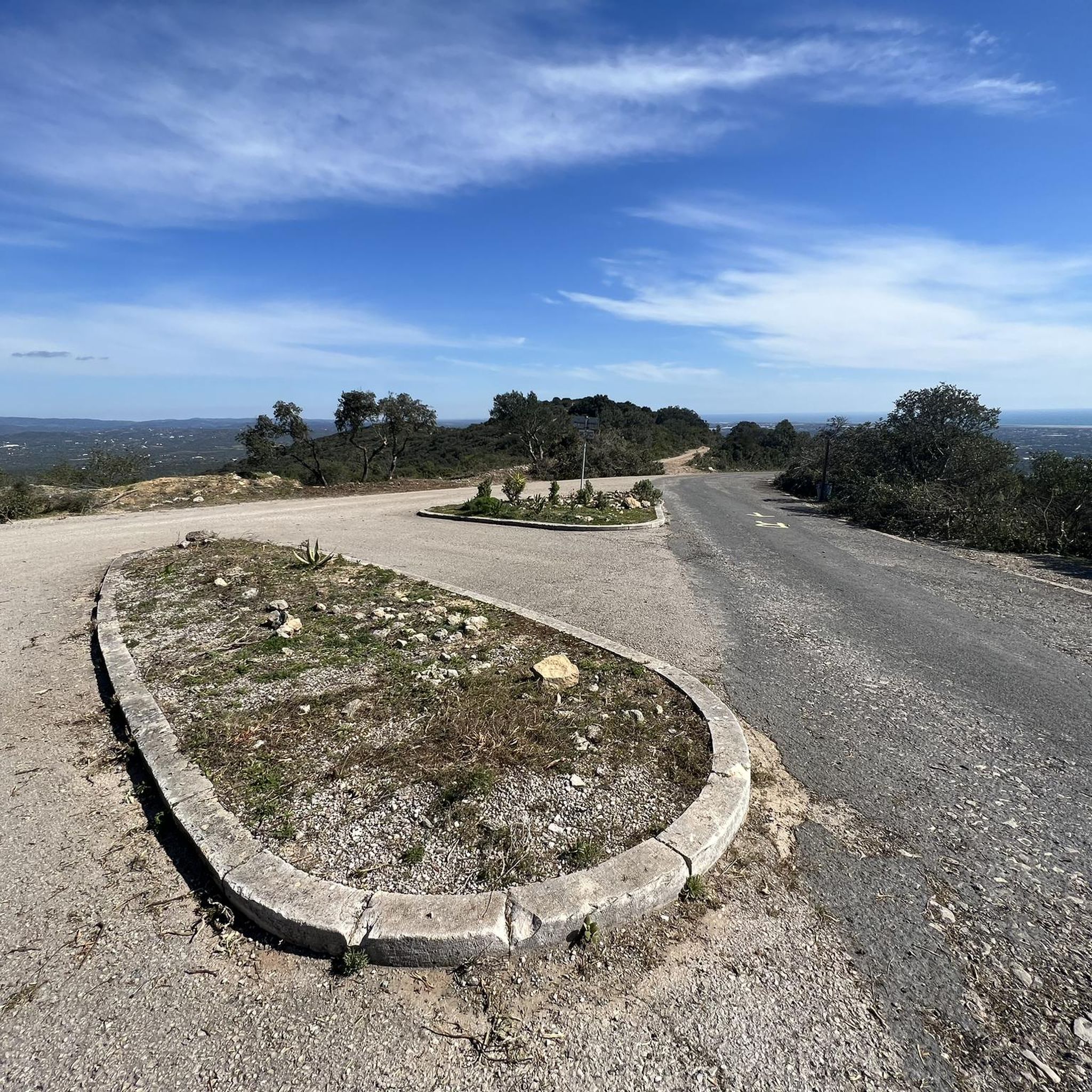
On the Cerro de São Miguel there is now a large swing with a great view.
1
0


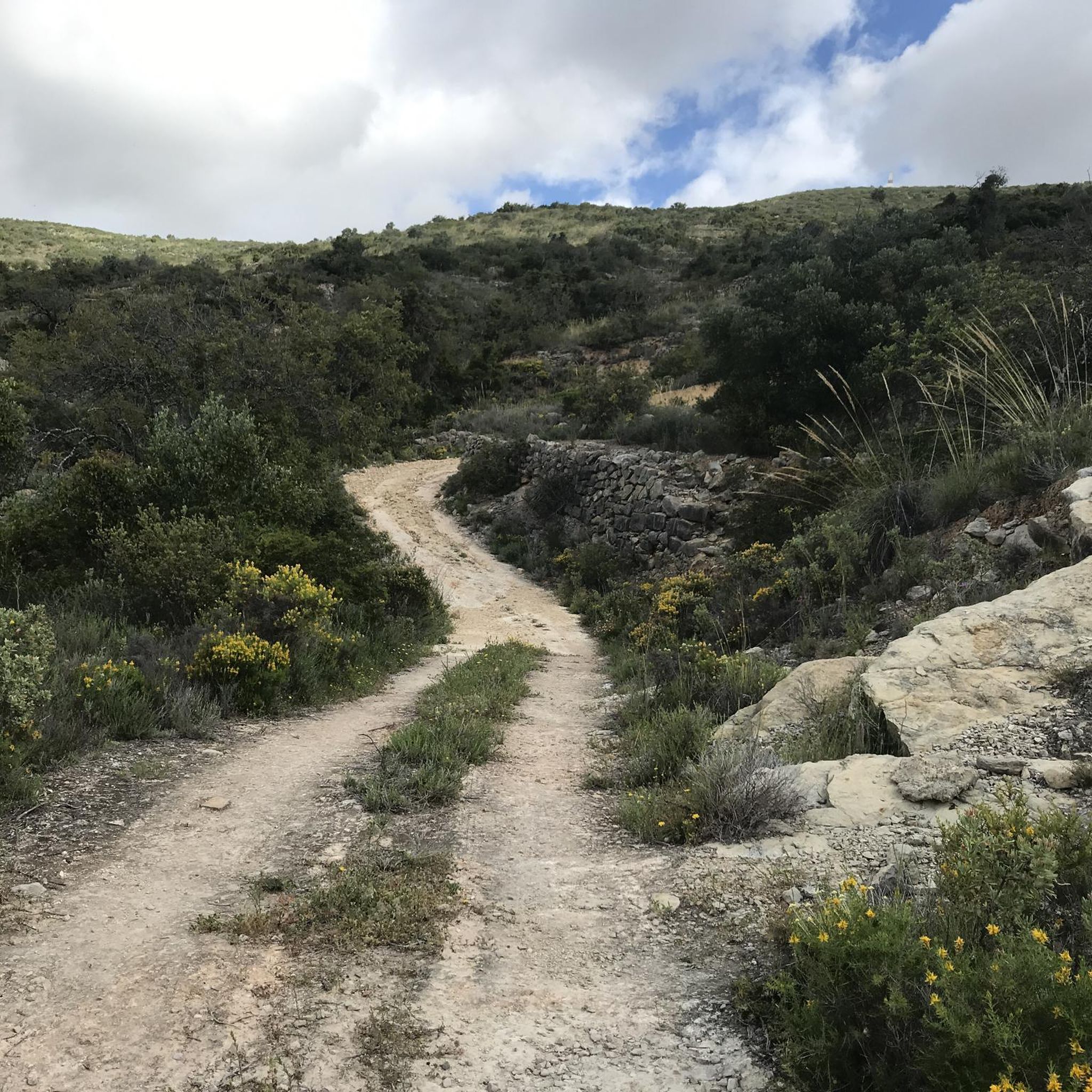
The main hiking trail runs along the road, not really nice for walking, but you can still get to your destination with the 🚙: the view is magnificent 🤩
0
0

There are many antennas here on the summit.
0
0
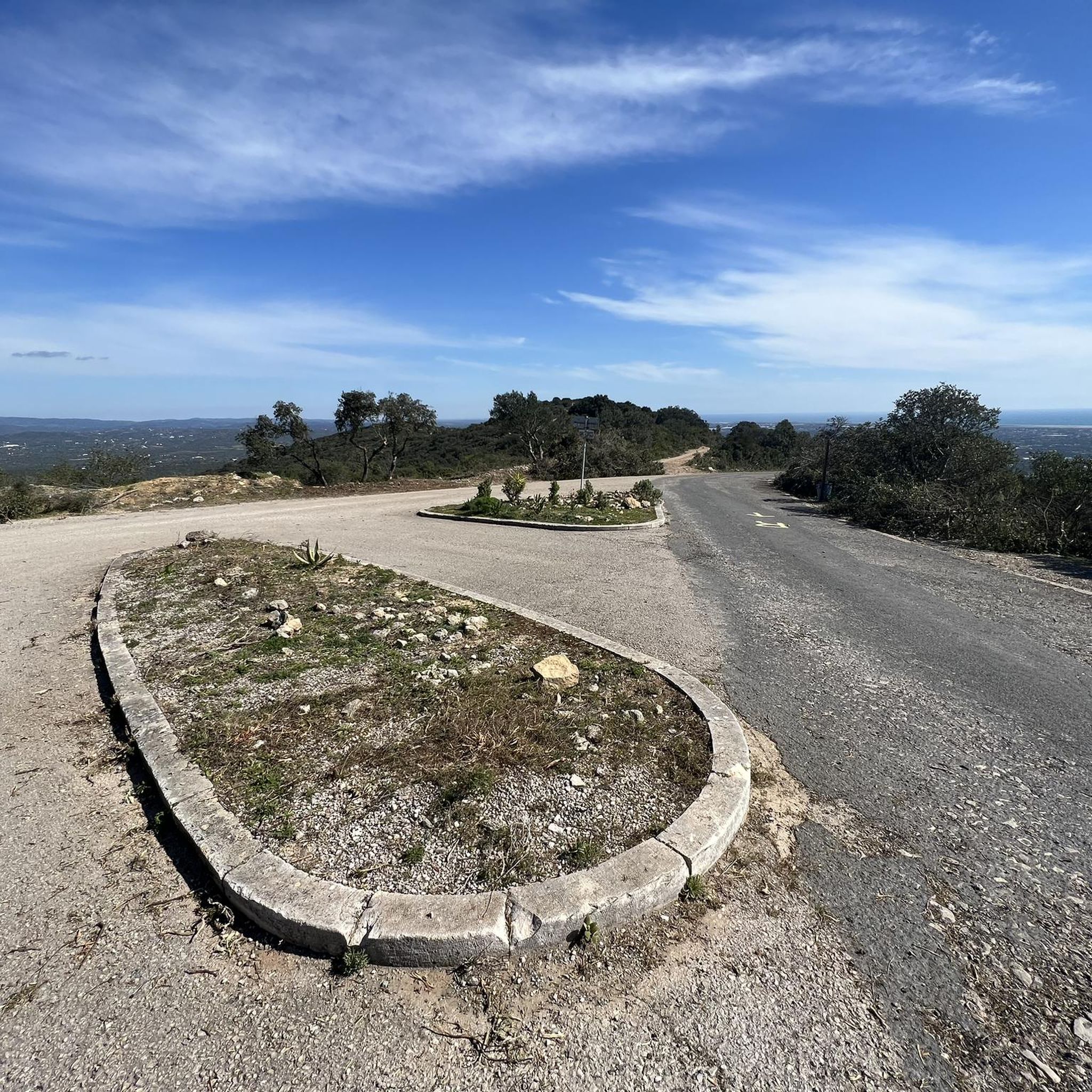
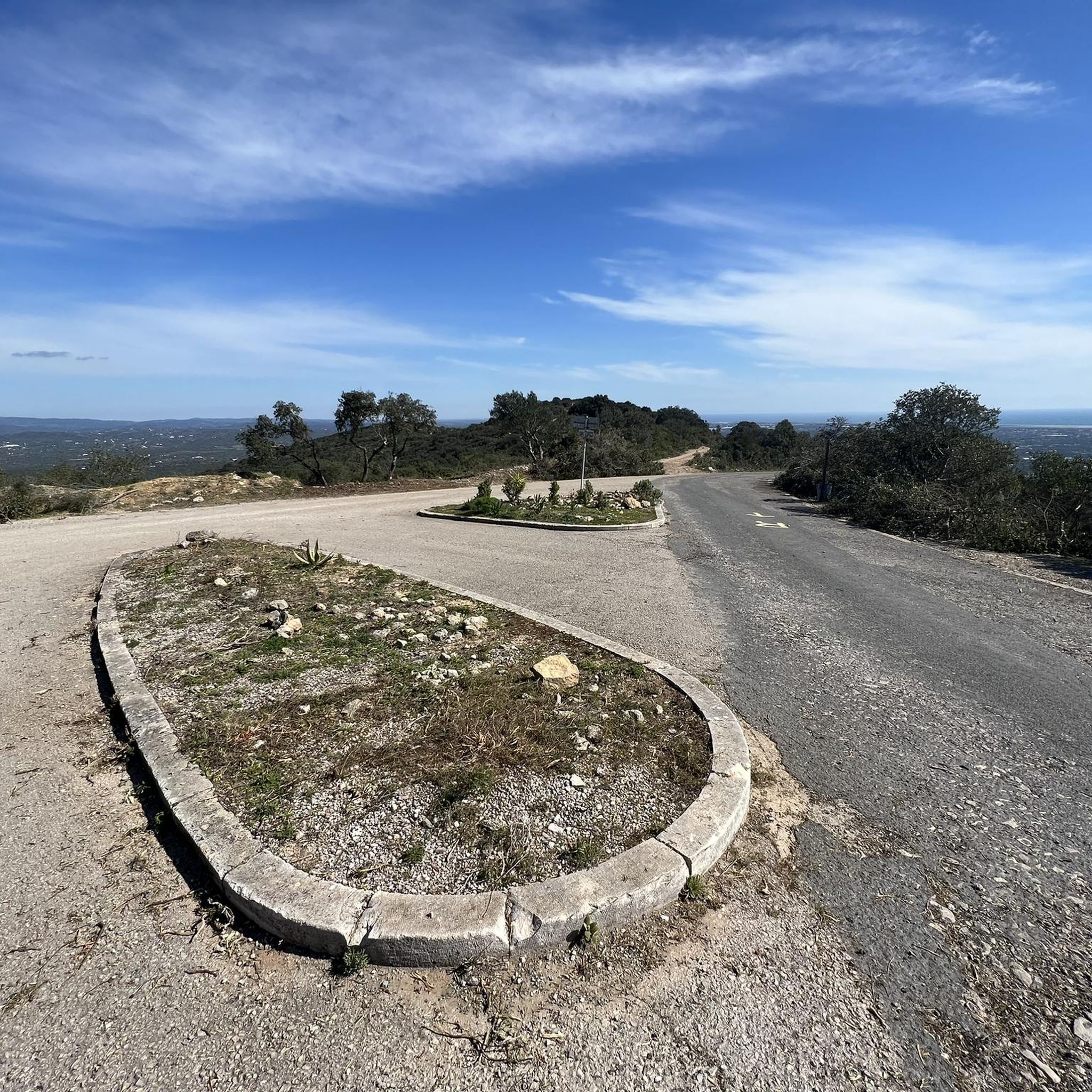
Super views over large parts of the Algarve.
0
0
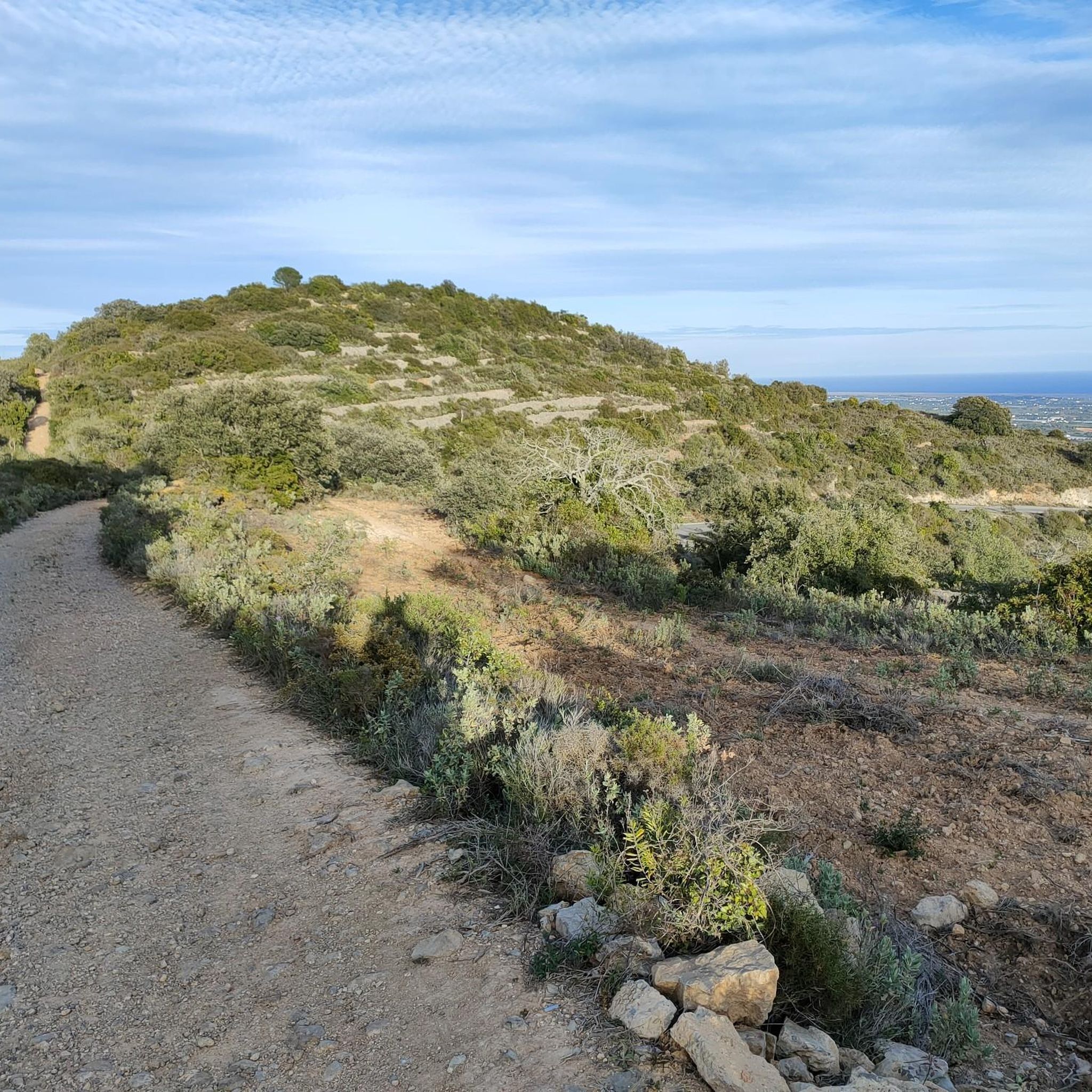
Cerro de São Miguel (411 m), also known as "Monte Figo", is the highest peak in the Serra de Monte Figo and is located in the parish of Moncarapacho, municipality of Olhão. Its summit is an excellent vantage point that offers a view of a considerable part of the southern Algarve coast.
0
0
The view from São Miguel is very beautiful. You can see as far as Olhão and the sea. The summit is 411 metres high.
0
0
Frequently Asked Questions
What are the most notable elevated areas or 'peaks' around Estoi?
The region around Estoi features several elevated points within the Serra do Monte Figo, which are considered its 'peaks'. Key highlights include Tábuas Summit, the highest elevation in the region at just over 500 meters, offering expansive views. Another significant point is Cerro de São Miguel, also known as 'Monte Figo', which is the highest point of the Serra de Monte Figo and provides an excellent vantage point over a considerable part of the Algarve's south coast. You can also explore Cerro do Guilhim Summit and Viewpoint, known for its scenic views and good trails.
What is the highest point around Estoi?
Tábuas Summit is the highest elevation in the region, standing at just over 500 meters above sea level. It provides a beautiful view of the entire area. Another prominent high point is Cerro de São Miguel, which reaches 411 meters and is the highest point of the Serra de Monte Figo.
What kind of hiking trails can I find near Estoi's elevated areas?
The elevated terrain around Estoi offers various walking and hiking routes, often moderate in difficulty, that wind through olive groves, cork oaks, and open farmland. While some areas like Cerro de São Miguel might have challenging sections, there are also easier options. For specific routes, you can explore the Easy hikes around Estoi guide, which includes trails like the 'Roman Temple of Milreu – Main Church of Estoi loop' and the 'Old Well loop'.
Are there family-friendly options for exploring the elevated areas near Estoi?
Yes, some areas offer family-friendly experiences. For instance, the Cerro de São Miguel features a large swing with a great view, which can be an enjoyable stop for families. While some trails can be challenging, the general landscape provides opportunities for walks through nature. Always check specific route details for suitability with children.
What are the best viewpoints in the Estoi region?
For stunning vistas, Tábuas Summit offers a beautiful view of the entire area from over 500 meters. Cerro de São Miguel is an excellent vantage point to see a considerable part of the south coast of the Algarve, and it even has a popular swing for unique photo opportunities. Cerro do Guilhim Summit and Viewpoint also provides scenic views.
What other outdoor activities can I do near the mountain peaks around Estoi?
Beyond hiking, the Estoi area is excellent for cycling. You can find various routes for different types of biking. For road cycling, check out the Road Cycling Routes around Estoi guide, which includes routes like the 'Palace of Estoi – Ascent to Azinheiro loop'. If you prefer gravel biking, the Gravel biking around Estoi guide offers options like the 'Salt Pans Fuseta – Old/Roman Bridge Tavira loop'.
What natural features can I expect to see while exploring the elevated areas?
The elevated areas around Estoi are characterized by a rural landscape featuring olive groves, cork oaks, and open farmland. You'll experience the natural beauty and tranquility of the inland Algarve. While not dramatic mountain ranges, these 'peaks' offer panoramic views of the surrounding countryside and the fertile fields of Campina de Faro.
What do visitors enjoy most about the elevated areas around Estoi?
Visitors particularly appreciate the scenic views and the opportunities for exploration. The expansive views from summits like Tábuas Summit and Cerro de São Miguel are highly rated. The presence of unique features like the swing on Cerro de São Miguel also adds to the enjoyment, offering memorable experiences and photo opportunities.
Are there any cultural or historical sites near the elevated areas of Estoi?
While the elevated areas themselves are primarily natural, the village of Estoi is rich in cultural and historical attractions. You can visit the Rococo-style Estoi Palace with its ornate gardens and azulejos, or explore the well-preserved Milreu Roman Ruins. These sites offer a glimpse into the region's past and complement a day of outdoor exploration.
What is the best time of year to hike the peaks around Estoi?
The Algarve region generally enjoys mild winters and hot summers. For hiking, spring (March to May) and autumn (September to November) are often considered ideal, as temperatures are more moderate and the landscape is vibrant. Summers can be very hot, so early morning or late afternoon hikes are recommended during this period, with plenty of water.
Is <a href="https://www.komoot.com/highlight/4099481" target="_blank" rel="noopener">Arroteia Summit</a> worth visiting?
Yes, Arroteia Summit, at 390 meters high, is worth visiting for the journey itself. While there isn't a direct panoramic view from the very top, the path leading to the summit marker offers sufficient prospects and an enjoyable hiking experience where the 'path is the goal'.
Most popular routes around Estoi
Most popular attractions around Estoi

Get inspired with the komoot mobile app


Explore more
See even more amazing summits around Estoi with these guides:
