Top 6 Castles around Costa
Best castles around Costa refers to various coastal regions, primarily in Spain and Portugal, known for their diverse historical fortifications. These areas offer a rich tapestry of landscapes, from rugged coastlines to rolling hills, providing scenic backdrops for ancient structures. The region's cultural significance is deeply rooted in its history, with castles reflecting Roman, Moorish, and medieval Christian influences. Exploring these sites often involves engaging with both natural beauty and historical heritage.
Best castles around Costa
- The most popular castles…
Last updated: June 19, 2026
Palace of the Dukes of Braganza
Highlight • Castle
Tip by

Guimarães Castle Park
Highlight • Castle
Translated by Google •
Tip by

Sign up now to discover places like this
Get recommendations on the best single tracks, peaks, & plenty of other exciting outdoor places.
Sign up for free
Church of São Miguel do Castelo
Highlight • Religious Site
Translated by Google •
Tip by

Vizela Castle
Highlight • Castle
Tip by

Portugal Was Born Here (Guimarães City Walls)
Highlight • Historical Site
Translated by Google •
Tip by
Sign up for free to discover even more castles around Costa.
Sign up for free
Already have an account?
Start today with a free account
Your next adventure awaits.
Login or Signup
Tips from the Community

A site well worth seeing. It looks more impressive from a distance than up close.
1
0

A detailed plan of the complex with explanations can be found here: https://campanha.cmjornal.pt/portugal-monumental/
1
0
"Aquí nasceu Portugal" - "Here Portugal was born" - is emblazoned in large letters on the old city wall. Afonso Henriques is said to have come from this small town. He courageously broke away from Spain in 1139, proclaiming himself the first king of Portugal and making Guimarães its first capital.
2
0
The Church of São Miguel do Castelo, also known as the Chapel of S'o Miguel Castle, was built in 1239 by the Foundation of Our Lady of the Olive Tree. Legend has it that the first king of Portugal, D. Afonso Henriques, was baptized here. Over the centuries, it gradually fell into ruin, reaching a state of disrepair in the mid-19th century when the Martins Sarmento Society decided to restore it. https://pt.wikipedia.org/wiki/Igreja_de_S%C3%A3o_Miguel_do_Castelo
2
0

The Palace of the Dukes of Braganza was commissioned by Dom Afonso around 1420—the year of his second marriage to Constança de Noronha. Dom Afonso was the illegitimate son of King João I and acquired the titles of 8th Count of Barcelos, 2nd Count of Neiva, and 1st Duke of Braganza! It is considered a unique architectural example on the Iberian Peninsula!
2
0
Guimarães Castle is the most visited medieval castle in Portugal and one of the most beautiful and important castles in the country. It has been recognized as a National Monument since 1881, a UNESCO World Heritage Site since 2001, and one of the 7 Wonders of Portugal since 2007!
1
0

Very beautiful and pleasant historic center/medieval village and very well-preserved castle. Medieval atmosphere/festivities a few days before the June 24th celebration (date of the founding of Portugal)
2
1
This large park (about 10 hectares) was created in the 1950s. It consists of extensive lawns and trees such as plane trees, cypresses and chestnut trees.
1
0
Frequently Asked Questions
What are some of the most popular castles to visit around Costa?
The region offers a rich selection of historical fortifications. In Portugal, the Palace of the Dukes of Braganza in Guimarães is a highly-rated medieval estate, and the nearby Guimarães Castle Park is a mighty 10th-century complex. In Spain, notable examples include the well-preserved Castell de Peratallada in Costa Brava, the imposing Santa Bárbara Castle in Alicante (Costa Blanca), and the historic Alcazaba of Málaga (Costa del Sol).
Are there family-friendly castles to visit around Costa?
Yes, many castles around Costa are suitable for families. In Guimarães, Portugal, both the Palace of the Dukes of Braganza and Guimarães Castle Park are considered family-friendly. In Spain, the walled town of Castell de Tossa de Mar (Costa Brava) offers an immersive experience for all ages, and Colomares Castle (Costa del Sol) is a unique, fairytale-like monument that often captivates children.
What kind of historical significance do the castles around Costa hold?
The castles around Costa showcase a deep and varied history, reflecting Roman, Moorish, and medieval Christian influences. For instance, the Palace of the Dukes of Braganza dates back to the 15th century and was home to Portugal's first Dukes. The Guimarães Castle Park is a 10th-century national monument, and the nearby Church of São Miguel do Castelo is where Portugal's first king was said to be baptized. Spanish castles like the Alcazaba of Málaga highlight Moorish architecture, while others like Castell de Miravet (Costa Dorada) are prime examples of Knights Templar fortresses.
Can I find hiking trails near castles in the Costa region?
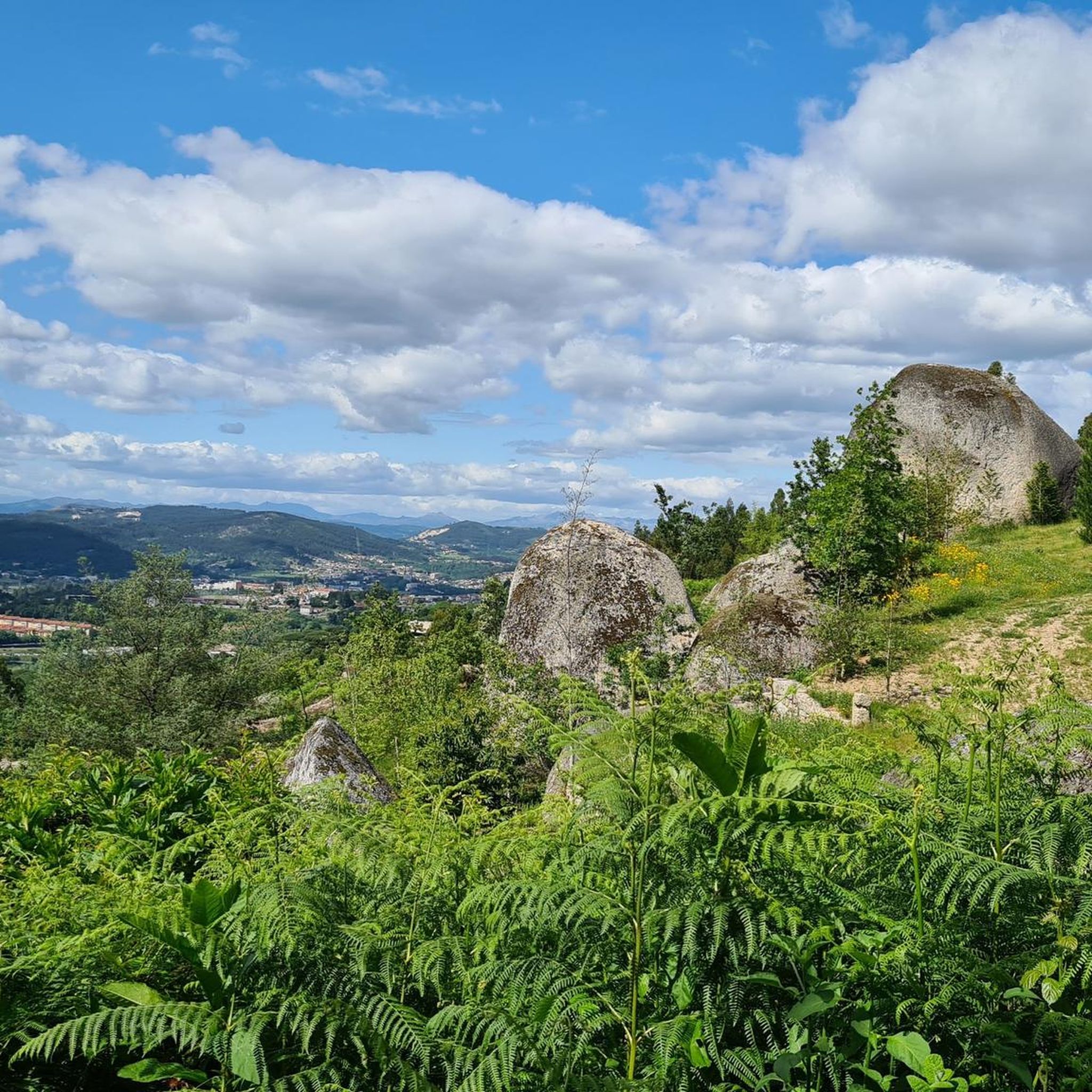
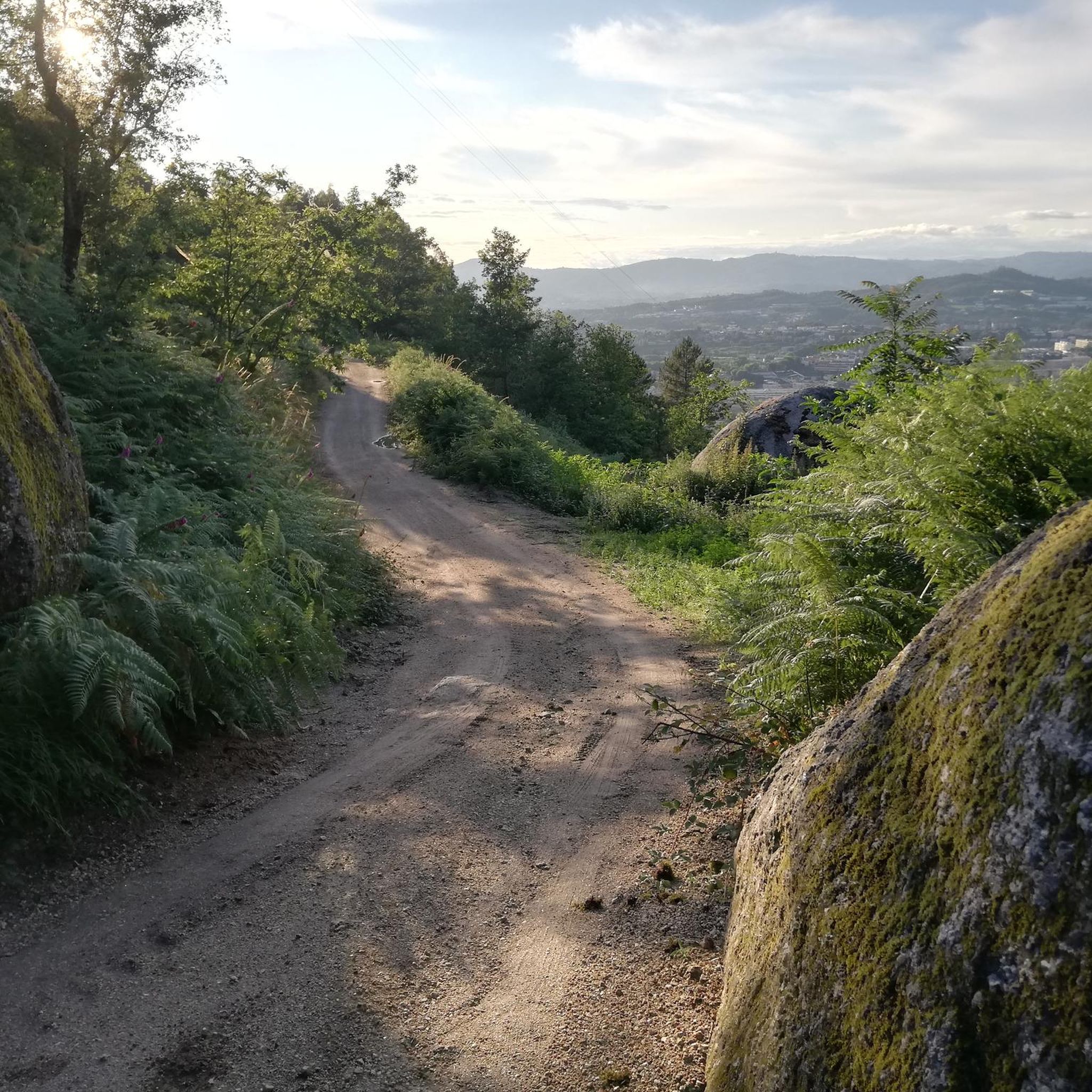
Absolutely. Many castles are situated in scenic areas perfect for hiking. Near the castles in Guimarães, Portugal, you can find several easy to moderate hiking routes, such as the 'Guimarães Castle – Oliveira Square loop' or the 'Palace of the Dukes of Braganza – Salado Monument loop'. You can explore more options in the Hiking around Costa guide. In Spain, the hike to Castell de Montgrí (Costa Brava) is popular, offering panoramic views, and the ruins of Castillo del Águila (Costa del Sol) provide breathtaking vistas after a walk.
What outdoor activities are available near the castles?
Beyond exploring the castles themselves, the surrounding areas offer various outdoor activities. Near the castles in Guimarães, Portugal, you can enjoy hiking on routes like the 'Salado Monument – Guimarães Castle loop' or the 'Penha Sanctuary – Boulder Labyrinth loop'. For cyclists, there are road cycling routes such as the 'Guimarães Greenway – Igreja de Galegos loop'. Find more details in the Hiking around Costa and Road Cycling Routes around Costa guides.
Are there any castles that offer unique architectural styles or features?
Yes, the castles around Costa boast diverse architectural styles. In Portugal, the Palace of the Dukes of Braganza is a notable 15th-century estate. In Spain, the Alcazaba of Málaga (Costa del Sol) is an exquisite example of 11th-century Moorish design with innovative water features. Colomares Castle (Costa del Sol) is particularly unique, built in the late 20th century as a monument to Christopher Columbus, blending Neo-Roman, Neo-Byzantine, Neo-Gothic, and Neo-Mudéjar styles. Castell de Peratallada (Costa Brava) is famous for its fortifications carved directly from the rock bed.
What are some of the best castles for panoramic views?
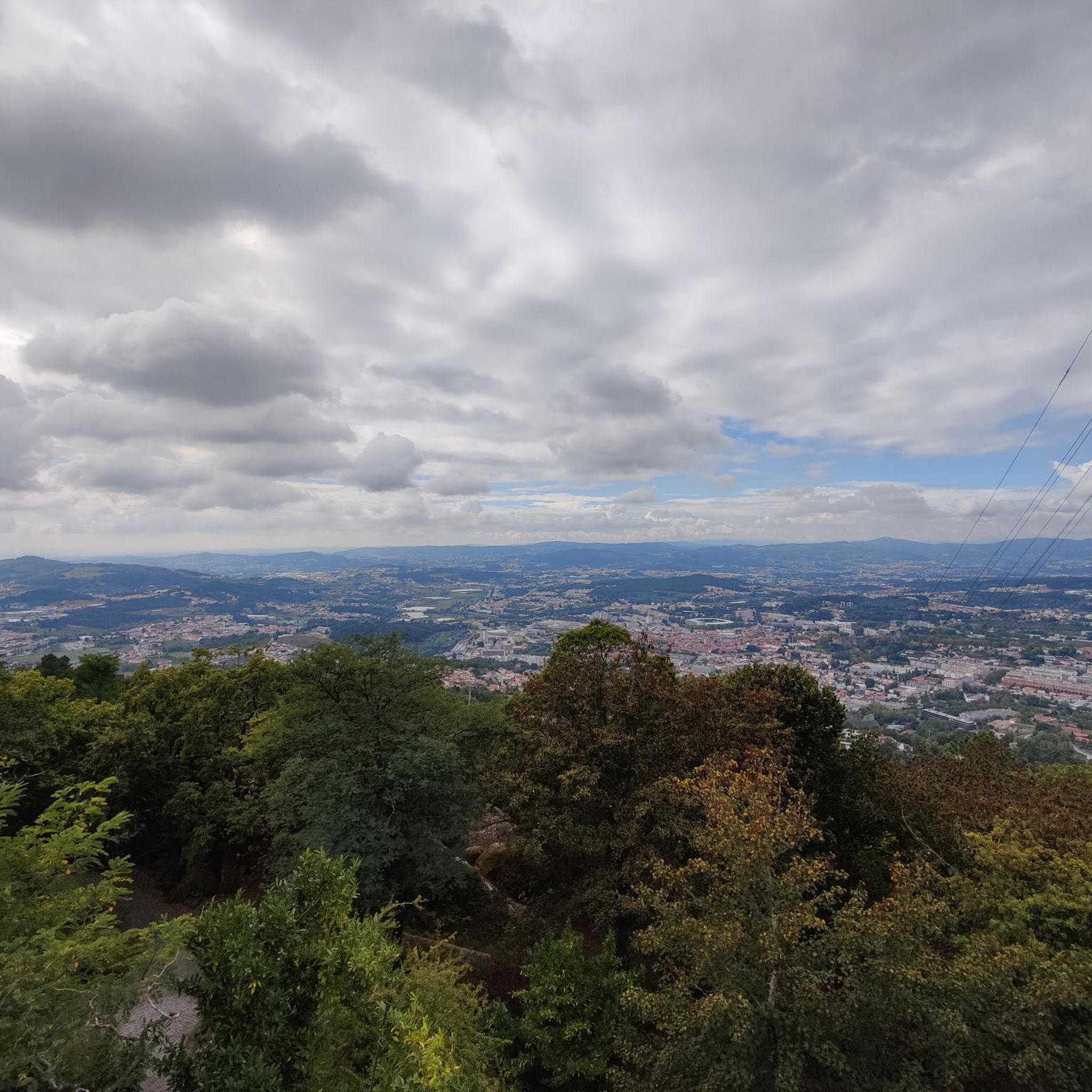
Many castles around Costa offer spectacular panoramic views. The Guimarães Castle Park provides excellent views of the surrounding area. In Spain, Castell de Montgrí (Costa Brava) offers stunning vistas of the Empordà region. Santa Bárbara Castle (Costa Blanca) provides sweeping views of Alicante city and its bay, while Castillo del Águila (Costa del Sol) boasts breathtaking panoramas of the countryside, coast, and even Africa on clear days.
What is the best time of year to visit castles around Costa?
The best time to visit castles around Costa generally depends on the specific region and your preference for weather. Spring (April-May) and autumn (September-October) often offer pleasant temperatures for exploring, fewer crowds, and lush landscapes, making them ideal for both castle visits and outdoor activities like hiking. Summer can be very hot, especially in southern Spain, but is popular for coastal areas. Winter is milder but some attractions might have reduced hours.
Are there any castles that are less known but still worth visiting (hidden gems)?
While the main highlights are popular, there are many lesser-known gems. In Portugal, while currently undergoing restoration, Vizela Castle is an imposing Gothic Revival structure with a fascinating history. In Spain, Castell de Requesens (Costa Brava), nestled within the Albera Natural Park, offers a blend of Romanesque and Gothic styles away from the busiest tourist spots. Castell de la Santa Creu (Calafell Castle) on the Costa Dorada is another 11th-century Romanesque construction providing an immersive historical experience with guides.
What amenities can I expect near the castles?
Amenities vary by location. Popular castle sites like the Palace of the Dukes of Braganza and Guimarães Castle Park in Portugal are located in the historic center of Guimarães, meaning cafes, restaurants, and shops are readily available nearby. Similarly, castles in well-visited Spanish towns like Tossa de Mar (Costa Brava) or Alicante (Costa Blanca) will have ample facilities. For more remote castles, amenities might be limited to parking, so it's advisable to check in advance.
Are there any castles with connections to famous historical figures?
Yes, several castles have strong historical connections. The Palace of the Dukes of Braganza was the residence of the first Dukes of Braganza, a powerful Portuguese noble family. The nearby Church of São Miguel do Castelo is believed to be the baptismal site of Afonso Henriques, Portugal's first king. In Spain, Castillo de San Marcos (Costa de la Luz) has ties to explorers like Christopher Columbus, and Colomares Castle (Costa del Sol) is a monument dedicated to his voyages.
What do visitors enjoy most about the castles around Costa?
Visitors frequently praise the well-preserved condition and historical depth of the castles. Many appreciate the stunning panoramic views offered from their elevated positions, especially from sites like Guimarães Castle Park. The opportunity to step back in time, explore diverse architectural styles, and combine cultural visits with scenic walks or hikes are also commonly highlighted as enjoyable aspects of visiting these historical sites.
Most popular attractions around Costa

Get inspired with the komoot mobile app


Explore more
Looking for the best castles somewhere else? Discover other guides around Costa:
