Top 6 Castles around Briteiros (Santo Estêvão)
Best castles around Briteiros (Santo Estêvão) are found in a region rich in history, from ancient fortified settlements to medieval strongholds. While Briteiros (Santo Estêvão) itself hosts the significant archaeological site of Citânia de Briteiros, the wider municipality of Guimarães offers prominent historical fortifications. This area provides a blend of protohistoric ruins and well-preserved medieval architecture. Visitors can explore sites that highlight the evolution of defensive structures and cultural heritage in northern Portugal.
Best castles around Briteiros (Santo Estêvão)
- The…
Last updated: July 3, 2026
Palace of the Dukes of Braganza
Highlight • Castle
Tip by

Guimarães Castle Park
Highlight • Castle
Translated by Google •
Tip by

Sign up now to discover places like this
Get recommendations on the best single tracks, peaks, & plenty of other exciting outdoor places.
Sign up for free
Church of São Miguel do Castelo
Highlight • Religious Site
Translated by Google •
Tip by

Portugal Was Born Here (Guimarães City Walls)
Highlight • Historical Site
Translated by Google •
Tip by
Médaillon of D. Afonso Henriques at the castle of Guimarães
Highlight • Monument
Translated by Google •
Tip by

Sign up for free to discover even more castles around Briteiros (Santo Estêvão).
Sign up for free
Already have an account?
Start today with a free account
Your next adventure awaits.
Login or Signup


Tips from the Community

A site well worth seeing. It looks more impressive from a distance than up close.
1
0

A detailed plan of the complex with explanations can be found here: https://campanha.cmjornal.pt/portugal-monumental/
1
0
Bronze sculpture, was placed on this rock on the occasion of the 700th anniversary of his victorious liberation battle of Sao Mamede (1128).
0
0
"Aquí nasceu Portugal" - "Here Portugal was born" - is emblazoned in large letters on the old city wall. Afonso Henriques is said to have come from this small town. He courageously broke away from Spain in 1139, proclaiming himself the first king of Portugal and making Guimarães its first capital.
2
0
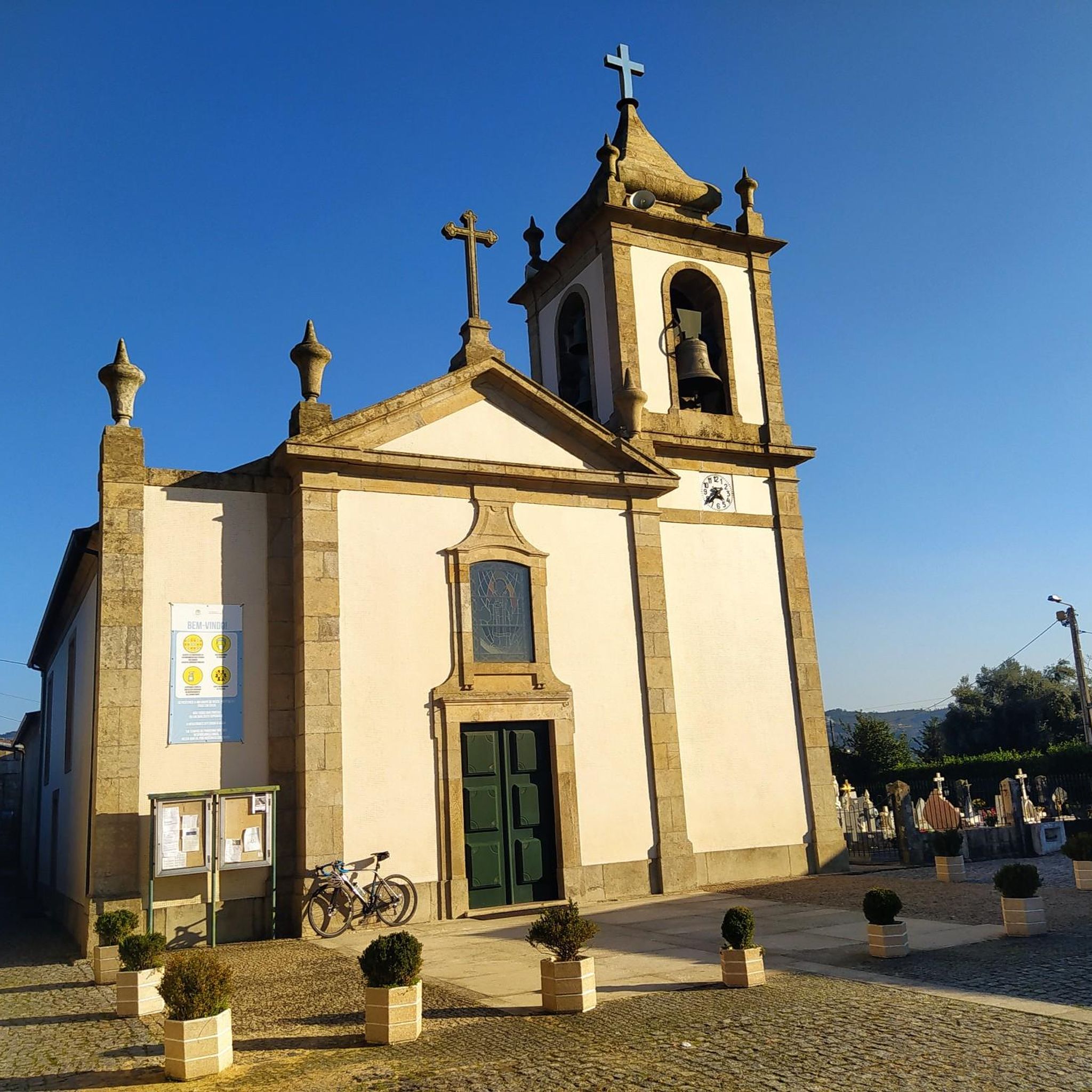
The Church of São Miguel do Castelo, also known as the Chapel of S'o Miguel Castle, was built in 1239 by the Foundation of Our Lady of the Olive Tree. Legend has it that the first king of Portugal, D. Afonso Henriques, was baptized here. Over the centuries, it gradually fell into ruin, reaching a state of disrepair in the mid-19th century when the Martins Sarmento Society decided to restore it. https://pt.wikipedia.org/wiki/Igreja_de_S%C3%A3o_Miguel_do_Castelo
2
0

The Palace of the Dukes of Braganza was commissioned by Dom Afonso around 1420—the year of his second marriage to Constança de Noronha. Dom Afonso was the illegitimate son of King João I and acquired the titles of 8th Count of Barcelos, 2nd Count of Neiva, and 1st Duke of Braganza! It is considered a unique architectural example on the Iberian Peninsula!
2
0
Guimarães Castle is the most visited medieval castle in Portugal and one of the most beautiful and important castles in the country. It has been recognized as a National Monument since 1881, a UNESCO World Heritage Site since 2001, and one of the 7 Wonders of Portugal since 2007!
1
0

Very beautiful and pleasant historic center/medieval village and very well-preserved castle. Medieval atmosphere/festivities a few days before the June 24th celebration (date of the founding of Portugal)
2
1
Frequently Asked Questions
What historical sites can I visit around Briteiros (Santo Estêvão)?
The region offers a rich blend of history. In Briteiros (Santo Estêvão) itself, you can explore the ancient Iron Age hillfort, Citânia de Briteiros. Nearby, in Guimarães, you'll find the iconic Castle of Guimarães and the magnificent Palace of the Dukes of Braganza.
What is Citânia de Briteiros and what makes it unique?
Citânia de Briteiros is an ancient Celtic hillfort, or 'castro,' dating back to the Iron Age. It's one of the most significant protohistoric sites in the Iberian Peninsula, known for its extensive ruins of over 150 circular and oval stone huts, sophisticated drainage systems, and defensive walls. You can also see reconstructed huts and a bathhouse, and visit the nearby Museu da Cultura Castreja.
What is the significance of the Castle of Guimarães?
The Castle of Guimarães is deeply symbolic as the 'Cradle of Portugal.' It was originally built in the 10th century and is famous as the birthplace of Afonso Henriques, Portugal's first king. The castle has undergone significant architectural evolution and is now a National Monument, offering a glimpse into medieval Portuguese history.
What can I expect to see at the Palace of the Dukes of Braganza?
The Palace of the Dukes of Braganza is a grand medieval estate with impressive architecture, including towering crenellated walls and distinctive chimneys. Inside, it functions as a museum, housing extensive collections of 17th and 18th-century furniture, tapestries, ceramics, paintings, and weaponry, providing insight into the lifestyle of Portuguese nobility.
Are there family-friendly attractions among these historical sites?
Yes, both the Palace of the Dukes of Braganza and Guimarães Castle Park are considered family-friendly. Exploring the ancient ruins of Citânia de Briteiros can also be an engaging experience for families, offering a hands-on look at history.
What outdoor activities can I do near these castles and historical sites?
The region offers various outdoor activities. You can find road cycling routes, easy hikes, and running trails. For example, there are easy hikes like the 'Guimarães Castle – Oliveira Square, Guimarães loop' and running trails such as the 'Penha Biodiversity Trail loop from Guimarães.' You can explore more options on the easy hikes guide or the road cycling guide for the area.
What is the best time of year to visit the castles and historical sites in this region?
The best time to visit is generally during spring (April-May) and autumn (September-October) when the weather is mild and pleasant for exploring outdoor sites like Citânia de Briteiros and walking around the castles. Summer can be warm, while winter might be cooler and wetter.
Is there parking available at Citânia de Briteiros or the Guimarães historical sites?
Yes, parking is available at Citânia de Briteiros. For the historical sites in Guimarães, such as the Castle and the Palace of the Dukes of Braganza, there are parking facilities nearby in the city.
How long should I plan for a visit to Citânia de Briteiros?
To fully explore the extensive ruins of Citânia de Briteiros and visit the nearby Museu da Cultura Castreja, you should plan for at least 2 to 3 hours. This allows time to appreciate the site's scale and historical details.
Are there viewpoints offering scenic views of the area?
Yes, Citânia de Briteiros is situated on top of Monte de São Romão and offers stunning views over the Ave River valley and the surrounding mountains. The ramparts of Guimarães Castle Park also provide worthwhile views of the neighborhood.
What dining options are available near the historical sites?
You will find various restaurants and cafes in the vicinity of Citânia de Briteiros and, more extensively, in the city of Guimarães, which is home to the Castle and the Palace of the Dukes of Braganza. These establishments offer local Portuguese cuisine and other dining choices.
Are the historical sites accessible for visitors with mobility challenges?
While the ancient, uneven terrain of Citânia de Briteiros might present challenges for visitors with mobility issues, the Palace of the Dukes of Braganza and Guimarães Castle Park offer varying degrees of accessibility. It's advisable to check specific site information for detailed accessibility options.
Can I bring my dog to the historical sites or on nearby trails?
While specific rules for dogs within the historical buildings and archaeological sites may vary, many outdoor trails and parks in the region are generally dog-friendly. Always check local regulations and ensure your dog is on a leash.
Most popular routes around Briteiros (Santo Estêvão)
Most popular attractions around Briteiros (Santo Estêvão)

Get inspired with the komoot mobile app


Explore more
Looking for the best castles somewhere else? Discover other guides around Briteiros (Santo Estêvão):
