Top 4 Castles around gmina Janowiec
Best castles around gmina Janowiec are situated in a region known for its historical fortifications and picturesque landscapes along the Vistula River. The area offers a glimpse into Poland's rich past, with castles perched on escarpments providing panoramic views of the Vistula valley. This gmina is characterized by its blend of historical significance and natural beauty, making it a notable destination for exploring architectural heritage.
Best castles around gmina Janowiec
- The most popular castles is Lower castle, a castle ruin dating from the 13th and 14th centuries. This Romanesque castle ruin offers great views of the Vistula River.
- Another must-see spot is Janowiec Castle, a historical site and castle ruin above the Vistula from the 16th century. Visitors can explore preserved galleries and the courtyard, with parts meticulously restored while others remain as stable ruins.
- Visitors also love Czartoryski Palace in Puławy, a Baroque palace whose beginnings date back to the second half of the 17th century. This palace, designed by Tylman van Gameren, features a preserved 17th-century Baroque entrance hall and historical exhibitions.
- gmina Janowiec is known for its Renaissance castles, Baroque palaces, and historical castle ruins. The region offers a variety of architectural styles, from defensive bastions to grand magnate residences, allowing visitors to explore different periods of Polish history.
- The castles around gmina Janowiec are appreciated by the komoot community, with more than 200 upvotes and over 170 photos shared.
Last updated: July 2, 2026
Historic well on the Market Square in Kazimierz Dolny
Highlight • Monument
The city with about 3,600 inhabitants is picturesquely located on the breakthrough of the Vistula from the Lublin and the Lesser Polish highlands. Because of the trade routes that were bundled there, the settlement soon became an important merchant town in the 12th century, in which many Jewish families also settled. Magnificent palaces were built in the late Middle Ages and Renaissance. The rule of the Swedes and the turmoil of the Thirty Years' War made the city impoverished, so much of the old substance was preserved. Today the old town on a terrace over the Vistula is a little gem.
A little tip: In the middle of the market place under a wooden shoring, you can fill up fresh drinking water free of charge 🤗
Translated by Google •
Tip by

Lower castle
Highlight • Castle
Translated by Google •
Tip by

Sign up now to discover places like this
Get recommendations on the best single tracks, peaks, & plenty of other exciting outdoor places.
Sign up for free
Janowiec Castle
Highlight • Castle
All attempts to rebuild the extensive castle came to nothing. In 1928 the Warsaw archaeologist Leon Kozłowski bought the castle. His reconstruction plans were halted by World War II. Even in the socialist era, Kozłowski remained the owner because the state had no interest in the property. In 1975 the chateau was bought by the Muzeum Nadwiślańskie in Kazimierz Dolny. The building has been renovated since 1988. The concept is to leave a substantial part of the building in ruins, while the other part is to be meticulously restored (Wikipedia).
The castle is open for tours and special events.
Translated by Google •
Tip by
Esterka's Castle in Bochotnica
Highlight • Castle
Translated by Google •
Tip by

Start today with a free account
Your next adventure awaits.
Login or Signup
Tips from the Community

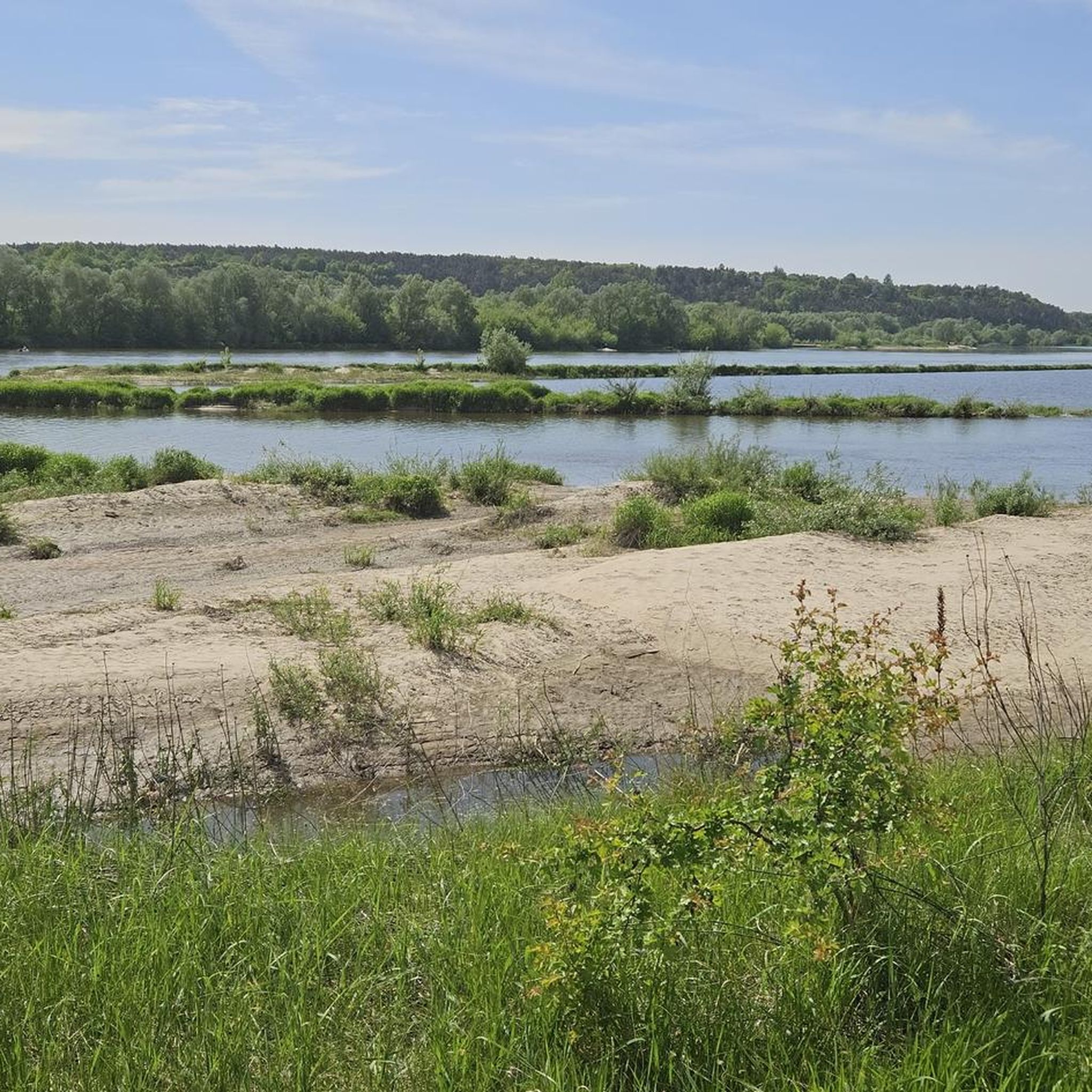
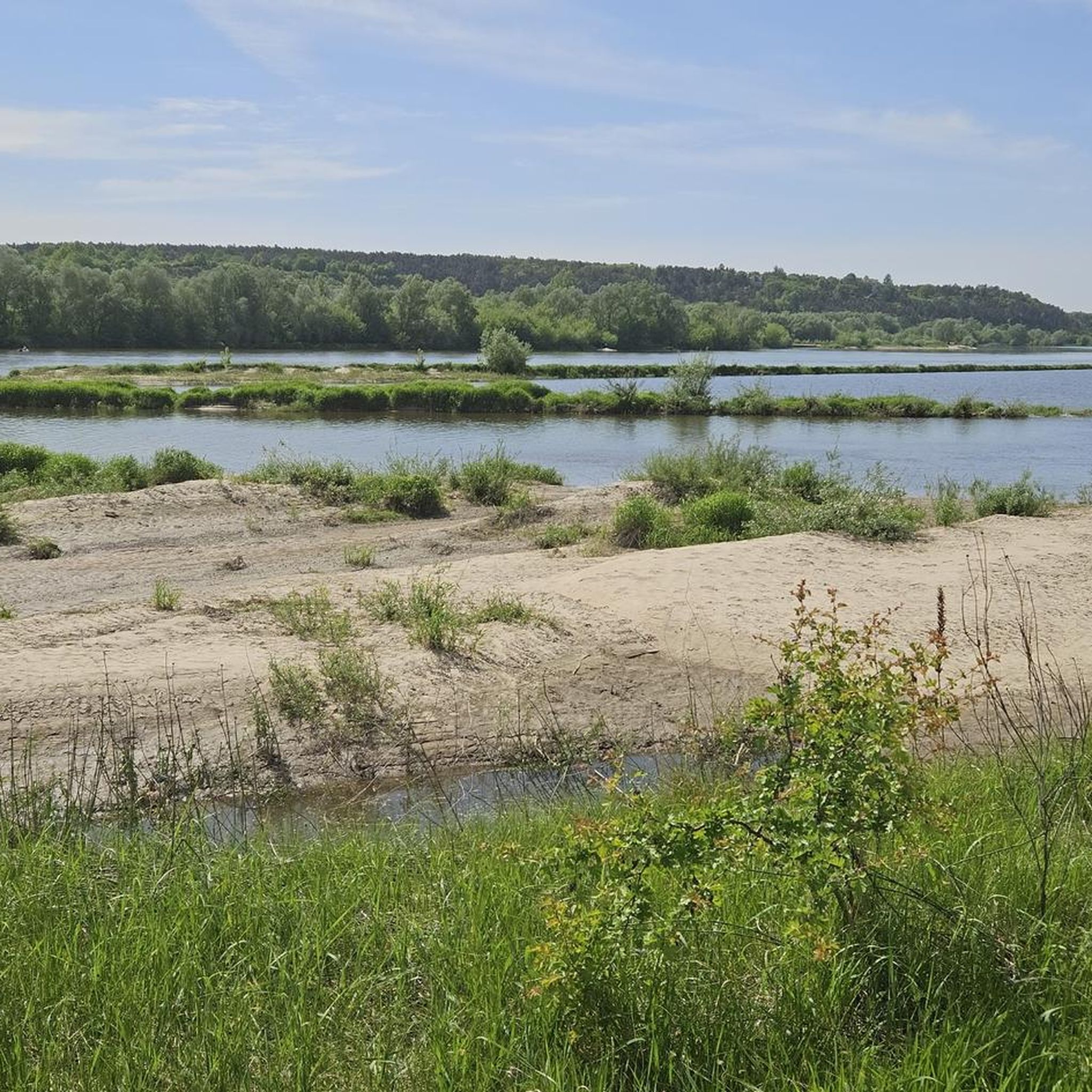
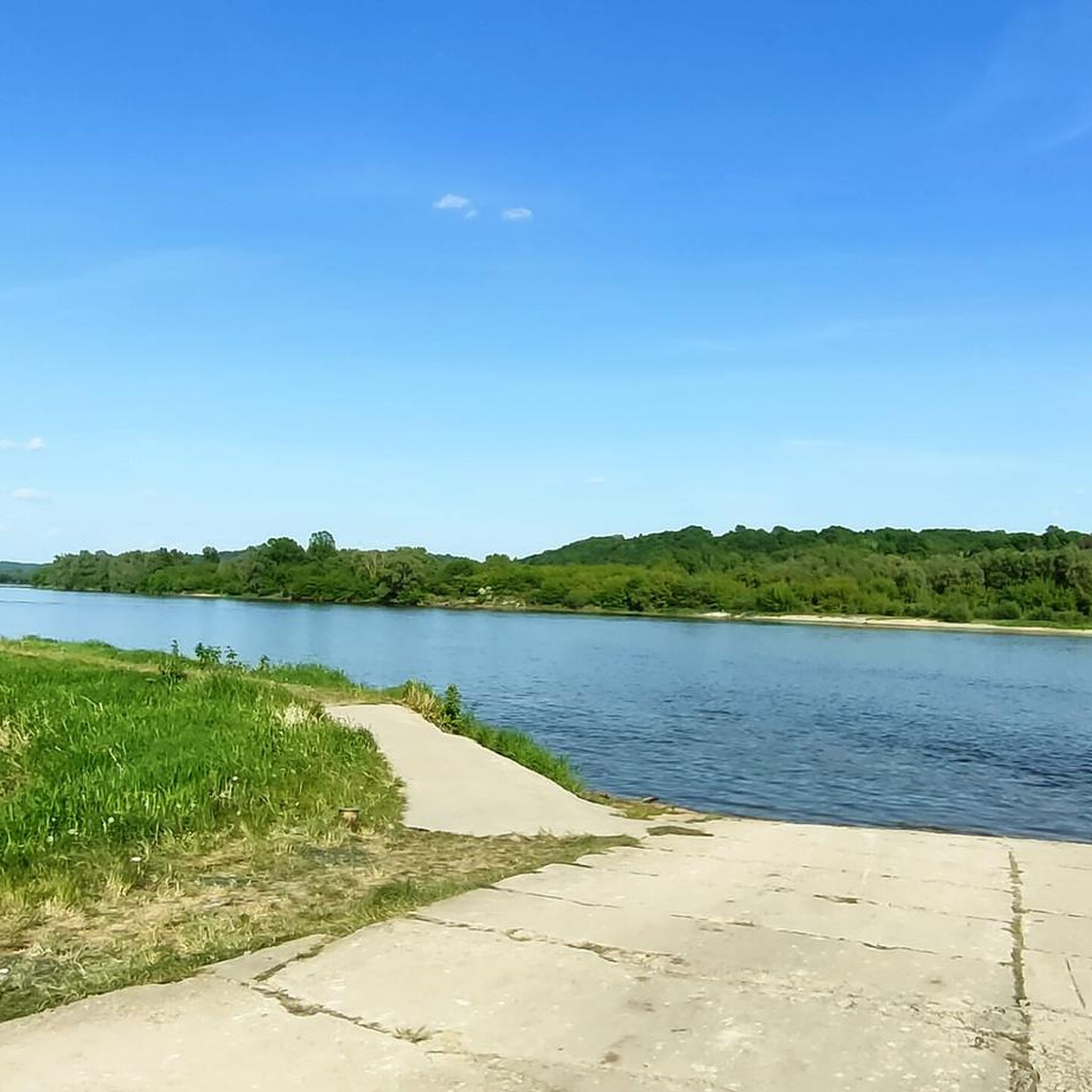
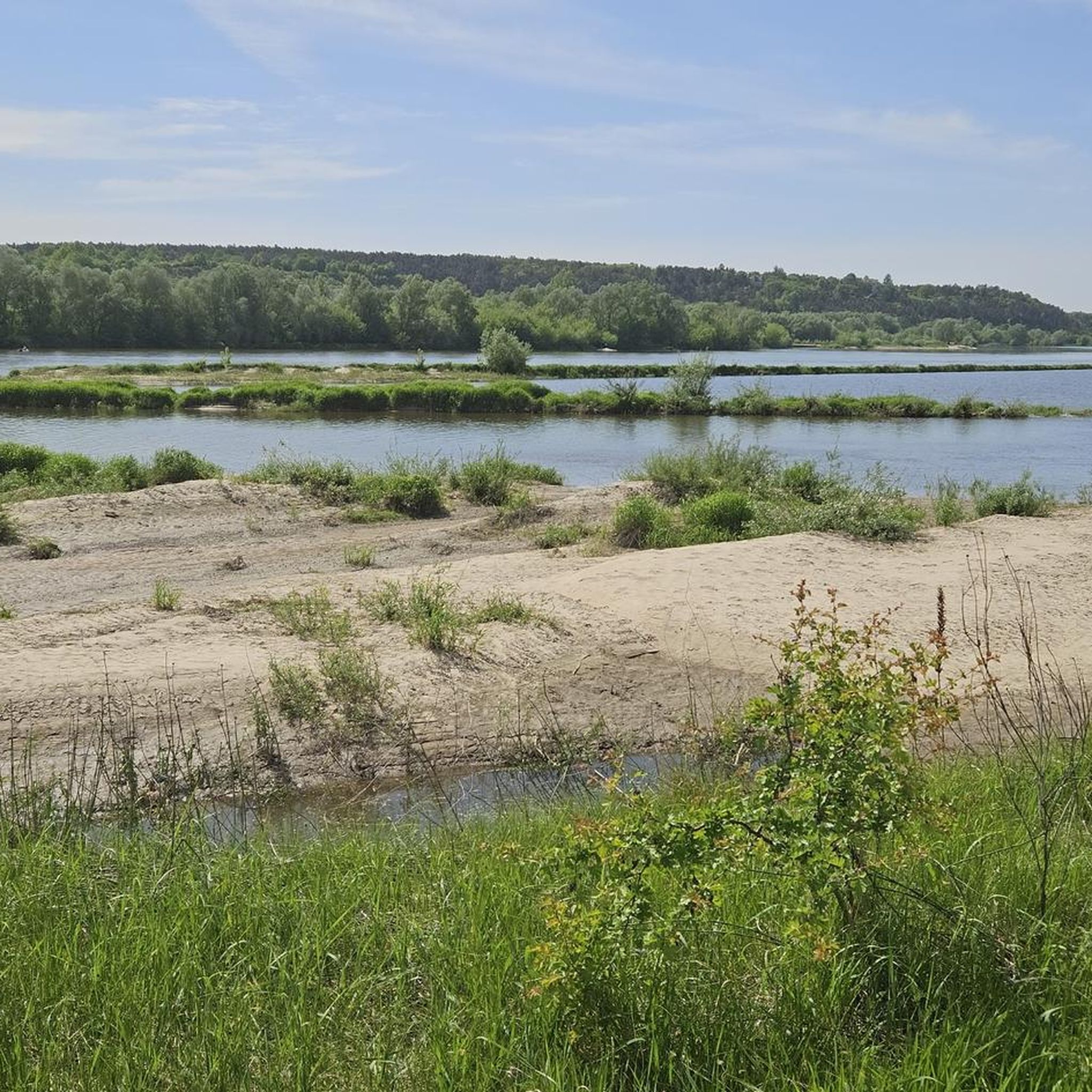
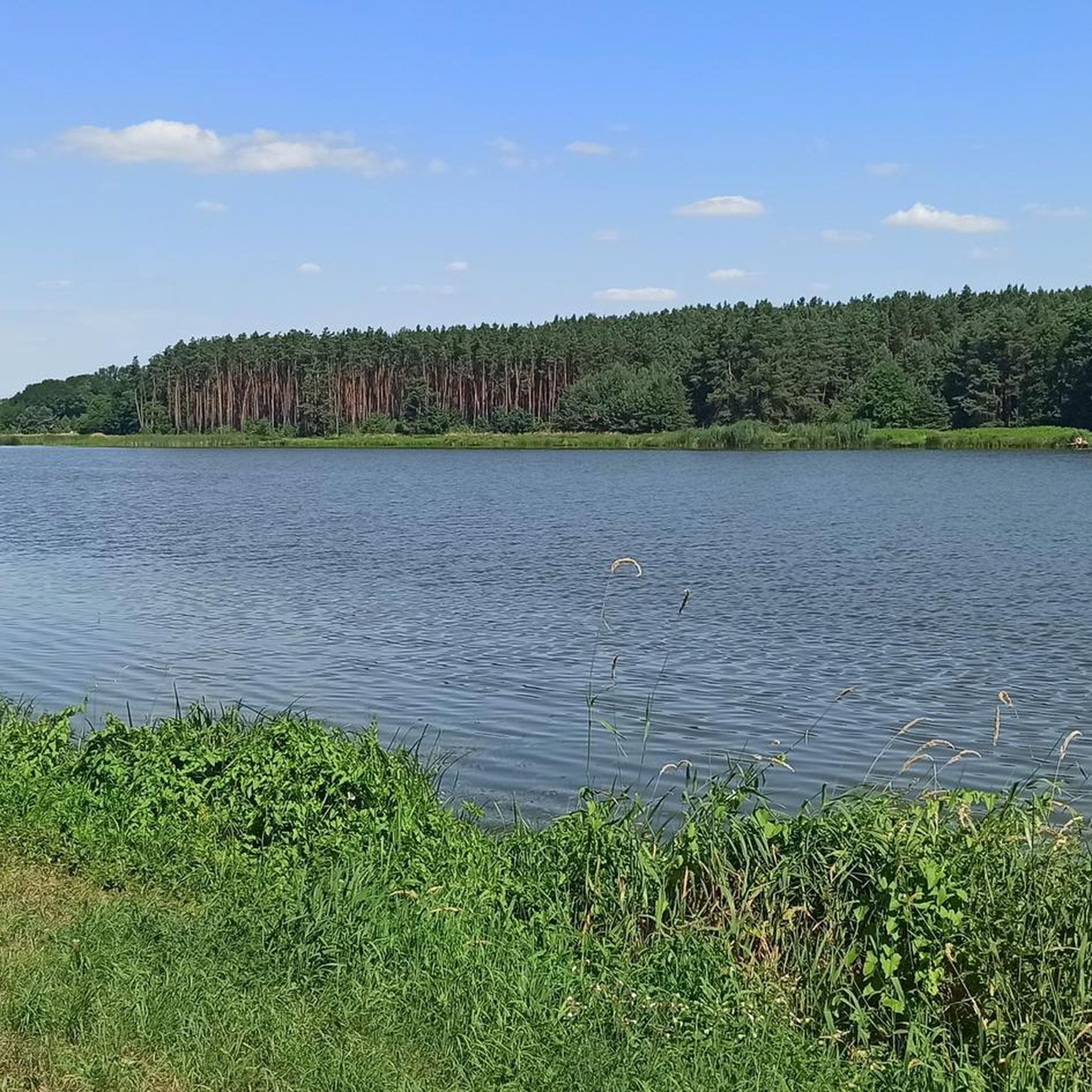
beautiful view over the Weichse valley
0
0

On a Monday morning in December, there is a chance for less crowds. Overall, a cult place. A strong hit on a market day. A must 🔥🔥🔥
1
0

The castle in Kazimierz Dolny is a complex of defensive fortifications from the 13th and 14th centuries, located on Castle Hill. The castle consists of two main parts: the upper castle (also known as the "Baszta" or Łokietek's Tower) and the lower castle. The upper castle is a defensive bergfried tower from the turn of the 13th and 14th centuries, erected at the height of the Vistula River crossing. The tower, with a height of up to 20 meters, originally served as a guardhouse, providing control over the crossing and the collection of customs duties. In later years, it served as a navigation beacon. The entrance to the tower is located six meters above ground level, and its lower storey housed a dungeon. The lower castle was built on the orders of Casimir the Great in the 1340s and was part of a larger defensive complex. Initially built in the Gothic style, built of limestone, it had thick walls and wooden internal buildings. In the 15th century, during the time of the Grot family, the castle was expanded, including a two-storey residential wing and a defensive tower. In the 16th century, the castle underwent another reconstruction in the Renaissance style, thanks to the Firlej family, who added an attic and built the southern wing. During the Swedish Deluge (1655) and a fire in 1663, the castle was seriously damaged. In the 18th century, during the reign of August II the Strong, plans for reconstruction in the palace style were not realized due to the civil war. As a result of further destruction and destruction by the Austrian authorities in 1806, the castle fell into ruin. The castle witnessed historical events, including the Battle of Kazimierz Dolny in 1831 during the November Uprising. In the years 1958-1960, archaeological research was carried out, and the castle was secured and made available to tourists. Today, it is a tourist attraction, preserving the form of a permanent ruin.
1
0
The lower castle in Kazimierz Dolny was built in the mid-14th century on the initiative of Casimir the Great as a Gothic structure. Built of local limestone, it was originally an oval in shape surrounded by massive perimeter walls. It mainly served an administrative function and supported the development of trade on the Vistula. In the 15th century, expanded by the Grot family, it gained new residential wings, a tower and a moat. In the 16th century, during the Firlejs' times, the castle was rebuilt in the Renaissance style according to the design of Santi Gucci, adding, among other things, attics. Destroyed by the Swedes and Rákóczi's troops in the 17th century, it eventually fell into ruin. In the 18th century, there were plans to rebuild it in the palace style, but this did not happen. In the 19th century, it was the site of uprisings, and in the 20th century it was secured as a permanent ruin and opened to the public.
2
0
The market square in Kazimierz Dolny was marked out after the city was founded under Magdeburg law in 1406. It is the central urban point of the city, with an open view of the parish church and the castle ruins. The market square has retained its historical layout with a characteristic undeveloped northern part of the square. For centuries, it has served a commercial and social function. It is currently the tourist heart of Kazimierz, surrounded by historic tenement houses, including Przybyłów, Celejowska and Czarnotów. In its center stands a historic well from the 19th century, one of the symbols of the city.
4
0
The historic well in the Market Square in Kazimierz Dolny is one of the most recognizable symbols of the city. It was built in the 19th century as a street fountain, and in 1913 the architect Jan Koszczyc-Witkiewicz gave it its current appearance - a wooden casing with a characteristic roof and a pazdur. In later years, the well was modernized: an Abyssinian pump was installed, and in the 1980s a new cast iron pump and lighting. The last renovation was carried out in 2012. According to local legend, whoever drinks water from the well will always return to Kazimierz. The water is suitable for drinking and washing fruit bought at the local market. Similar wells are also located in the corner of the Market Square, on Krakowska and Lubelska streets.
3
0


Beautifully situated castle on a high Vistula escarpment. Next to it is a viewpoint.
0
0
Frequently Asked Questions
What are the most historically significant castles in gmina Janowiec?
The most significant historical site is Janowiec Castle, a Renaissance castle largely in ruins but offering a captivating glimpse into Poland's past. It was originally constructed between 1508 and 1526 and underwent significant transformations by notable architects like Santi Gucci Florentino and Tylman van Gameren. Another important site is the Lower castle in Kazimierz Dolny, a Romanesque ruin from the 13th and 14th centuries.
Are there family-friendly castles to visit in gmina Janowiec?
Yes, Czartoryski Palace in Puławy is listed as family-friendly. While Janowiec Castle is a ruin, its open-air museum and preserved elements can also be engaging for families, offering space to explore and learn about history.
What kind of views can I expect from the castles in gmina Janowiec?
Many castles in the region offer panoramic views. Janowiec Castle, perched on a high Vistula escarpment, provides magnificent views of the Vistula valley and the picturesque town of Kazimierz Dolny. The Lower castle also offers great views of the Vistula River.
What outdoor activities can I do near the castles in gmina Janowiec?
The area around gmina Janowiec is excellent for various outdoor activities. You can find numerous routes for road cycling, mountain biking, and gravel biking. For instance, there are road cycling routes like the 'Kazimierz Dolny Market Square – Quarry loop' and MTB trails such as the 'View of Janowiec – View across the river loop'. You can explore these and more on the dedicated guides for Road Cycling Routes around gmina Janowiec, MTB Trails around gmina Janowiec, and Gravel biking around gmina Janowiec.
Is <a href="https://www.komoot.com/highlight/2635969" target="_blank" rel="noopener">Janowiec Castle</a> accessible for visitors?
Janowiec Castle is a 'stable ruin' open to the public as a branch of the Vistula Museum. Visitors can explore preserved galleries, the courtyard, and the restored North House. The ground floor of the North House features exhibits, and there's an open-air museum adjacent to the castle. While parts are accessible, some areas of the ruins might have uneven terrain.
What is the best time to visit the castles in gmina Janowiec?
The region is beautiful throughout the warmer months, offering pleasant conditions for exploring the outdoor ruins and enjoying the panoramic views. Visiting during spring or autumn can provide comfortable temperatures and vibrant scenery. The Janowiec Castle is open for tours and special events, so checking specific opening hours before your visit is recommended.
Are there any unique architectural features among the castles in this region?
Janowiec Castle is recognized as potentially the only 'striped' castle in Poland, making it easily identifiable. Despite being a ruin, it showcases a blend of Late Gothic, Renaissance, and Baroque architectural styles, along with an innovative bastion fortification system. Czartoryski Palace in Puławy features a preserved 17th-century Baroque entrance hall with original colonnade and vaulting.
Can I find cafes or restaurants near the castles?
While specific cafes within the castle grounds are not detailed, the proximity of Janowiec Castle to Kazimierz Dolny (accessible by ferry) means you can easily find cafes, pubs, and accommodation in that picturesque town. The Historic well on the Market Square in Kazimierz Dolny is a central point in a town known for its many cultural festivals and amenities.
What can I learn about the history of the region at these castles?
The castles offer a deep dive into Polish history. Janowiec Castle, for example, was once a magnificent magnate residence, witnessing events like the reconciliation of King Sigismund III and surviving destruction during the Swedish Deluge. Its museum exhibitions detail the castle's history, owners, and conservation efforts. The Lower castle in Kazimierz Dolny also has a rich history, initially built for administrative purposes under the Piast dynasty.
Are there any unique museum exhibitions at the castles?
At Janowiec Castle, the North House features exhibits on the castle's history and its owners. The cellars host an exhibition of 'Dutch Faience,' showcasing decorative ceramics from the 17th to the 20th centuries. Temporary exhibitions are also organized in the gatehouse, providing diverse cultural insights.
How can I get to <a href="https://www.komoot.com/highlight/2635969" target="_blank" rel="noopener">Janowiec Castle</a> from Kazimierz Dolny?
You can take a ferry across the Vistula River from Kazimierz Dolny to reach Janowiec Castle. This adds to the experience and offers scenic views of the river and the castle's dramatic location.
Most popular routes around gmina Janowiec
Most popular attractions around gmina Janowiec

Get inspired with the komoot mobile app


Explore more
Looking for the best castles somewhere else? Discover other guides around gmina Janowiec:
