Top 15 Castles around Toruń
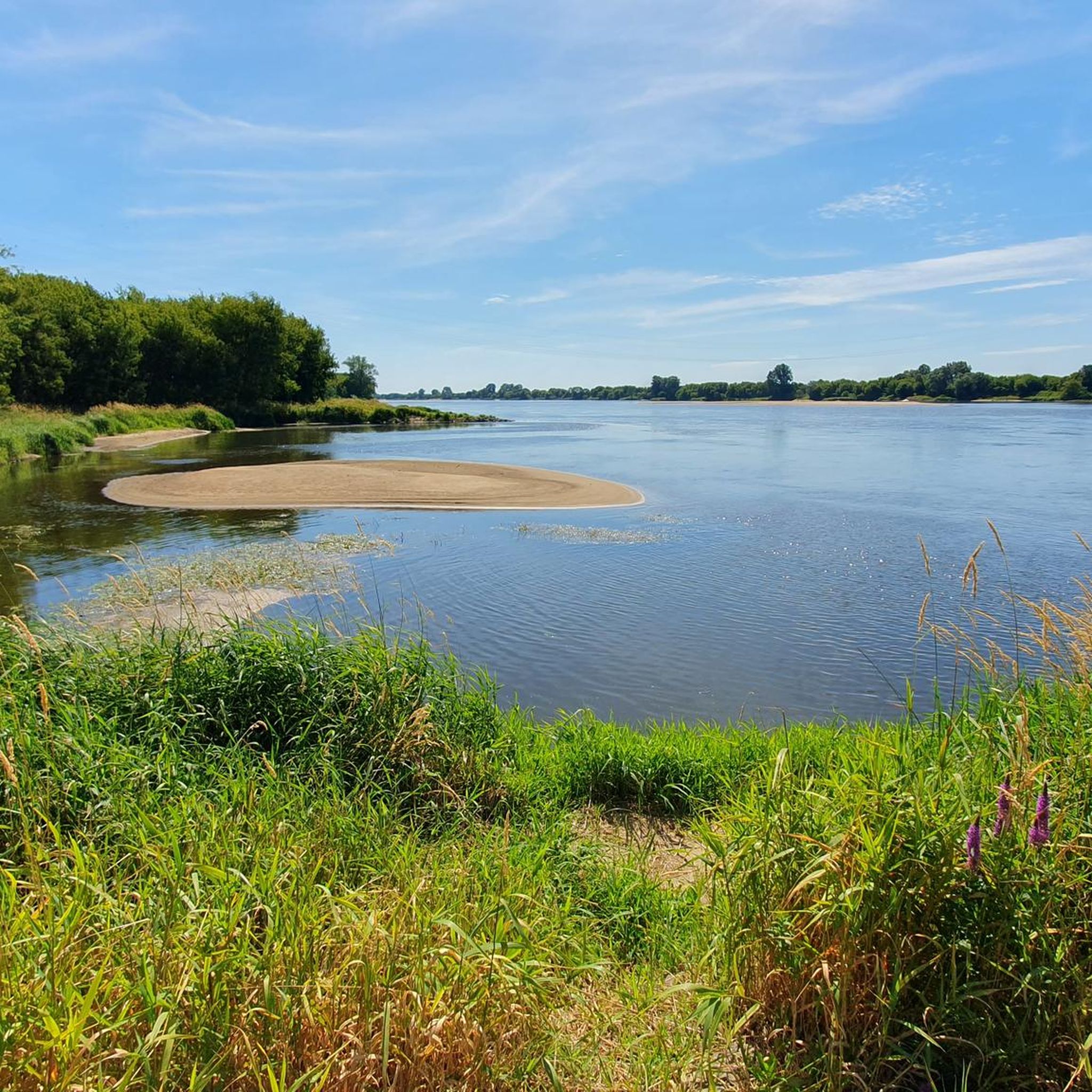
Best castles around Toruń offer a journey through centuries of history in Poland's Chełmno Land. The city's medieval complex, a UNESCO World Heritage Site, features significant historical structures. Toruń is situated on the Vistula River, providing a landscape that shaped the region's defensive architecture. The area is characterized by its historical urban planning and the remains of fortifications.
Best castles around Toruń
- The most popular castles is Teutonic Castle in Bierzgłowski Castle, a castle built between 1232 and 1270 by the Teutonic Order. This castle provided an observation point and was the seat of the Bierzgłowice commanders.
- Another must-see spot is Ruins of the Teutonic Castle in Toruń, a castle and historical site. Its construction began in the 13th century, and it features a courtyard, underground sections, and a dansker.
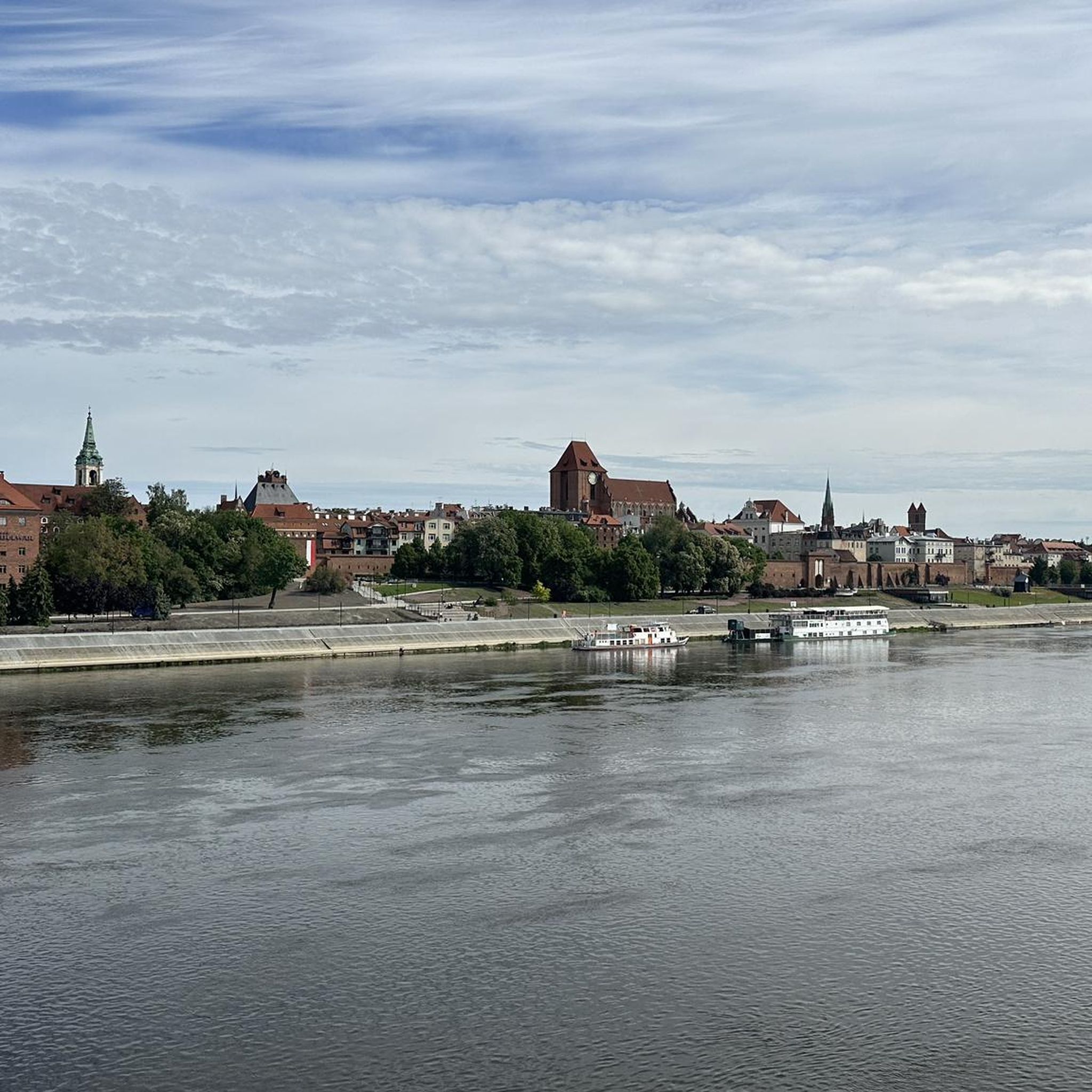
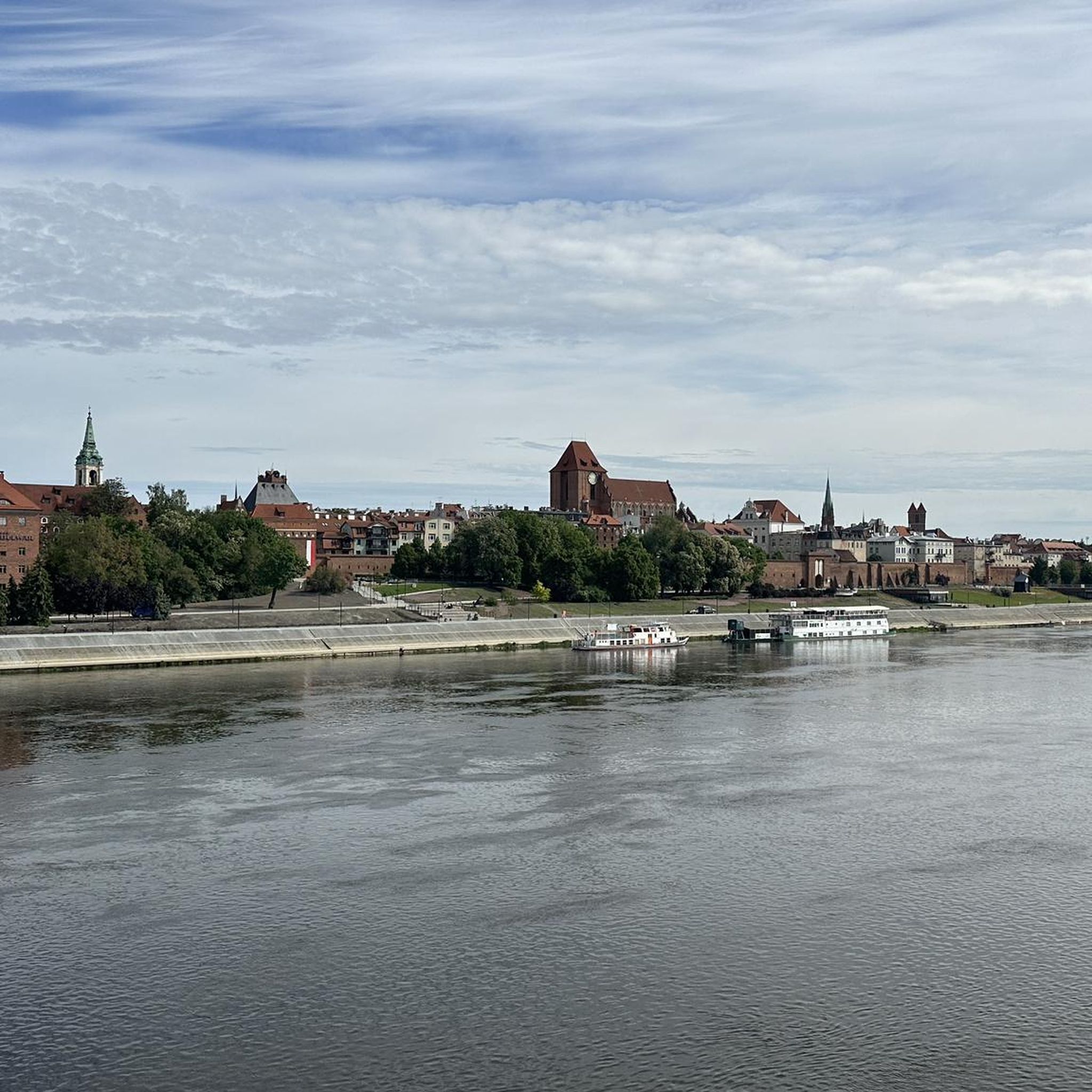
- Visitors also love Medieval Town of Toruń, a historical site and UNESCO World Heritage Site. This area includes a unique ensemble of Gothic architecture and the preserved city wall.
- Toruń is known for its Teutonic castles, medieval town fortifications, and fortress structures. Visitors can explore a variety of historical sites, from well-preserved ruins to extensive defensive complexes.
- The castles around Toruń are appreciated by the komoot community, with 169 upvotes and 114 photos shared by visitors.
Last updated: July 2, 2026
Teutonic Castle in Bierzgłowski Castle
Highlight • Castle
The castle's location allowed for a direct view of the fortress in Toruń, and the castle itself provided an excellent observation point.
On the northwest side stood a building with a basement housing a chapel, refectory, and chapter house, connected to the southwest wing by cloisters.
The courtyard is enclosed by a wall with an entrance gate. The outbuildings included stables, barns, workshops, and a granary. In 1404, the castle housed as many as 189 horses: the knights' war horses, the cadets' horses, draft horses, post horses, mares, and foals. From 1386 to 1415, the castle was the seat of the Biergłowice commanders. During the Thirteen Years' War, in February 1454, the castle was occupied by the Prussian Confederation and became the administrative seat of the Teutonic Order's procurator. From 1474 to 1840, it was owned by the Toruń authorities. After a fire in 1522, the castle fell into ruin. Since 1840, when it passed into private hands, the southwest wing and gate tower were rebuilt. On November 3, 1908, another devastating fire broke out in the rebuilt buildings, destroying the roofing. In 1911, reconstruction was carried out according to a design by Conrad Steinbrecht. The history of the Teutonic Order (Full name: Order of the Hospital of the Blessed Virgin Mary of the German House in Jerusalem), as is almost always the case with "holy" organizations, is a centuries-long history of constant violence. Only the Reformation stopped this mercantile activity. However, it is worth mentioning the efforts to establish a university, a school for girls (very rare at that time) and a set of geometric and theological laws and treatises.
The castle was built in the years 1232-1270 (very quickly) by the Teutonic Order of the Hospital of the Blessed Virgin Mary from the German House in Jerusalem. Steep slopes defend him from the west and south, walls and moat from the north and east.
The location of the castle allowed eye contact with the fortress in Toruń, and the castle itself was an excellent observation point.
From the north-west there was a basement building housing a chapel, refectory, chapter house connected by a cloister with the south-west wing.
The courtyard closes the wall with an entrance gate. In the economic ward there were stables, barns, workshops and a granary. In 1404, there were as many as 189 horses in the castle: war steeds, knights, knechts, draft horses, post horses, mares and foals.
In the years 1386 - 1415 this castle was the seat of the Bierzłów commanders. During the Thirteen Years' War in February 1454, the castle was taken by the army of the Prussian Union and became the administrative seat of the Teutonic prosecutor. In the years 1474-1840 it was owned by the authorities of Toruń. After a fire that took place in 1522, the castle fell into ruins. From 1840, when it passed into private hands, the south-west wing and the gate tower were rebuilt. On November 3, 1908 another severe fire broke out in the rebuilt buildings, which destroyed the roofing. In 1911 a reconstruction was carried out according to the design of Conrad Steinbrecht. The history of the Teutonic Order (Full name: The Order of the Hospital of the Blessed Virgin Mary of the German House in Jerusalem), as it is almost always the case with "holy" organizations, is a centuries-old series of constant violence. Only the Reformation stopped mercantile activity this holiday. However, one should mention the efforts to create a university, a girls' school (very rare at that time) or a collection of geometrical and theological laws and treaties.
Translated by Google •
Tip by

Medieval Town of Toruń
Highlight • Historical Site
Except for a street from the late 19th century, almost the entire development is medieval. The historical area consists of the old town (city law 1231/1233) and the Neustadt (city law 1246), which developed as a craftsman settlement. Between both lies the castle ruin of the Teutonic Order. (Wikipedia)
A very nice and lively old town. There is a lot to visit, but also nice shops and restaurants.
Translated by Google •
Tip by

Sign up now to discover places like this
Get recommendations on the best single tracks, peaks, & plenty of other exciting outdoor places.
Sign up for free
Fort IV Stanisława Żółkiewskiego (Toruń Fortress)
Highlight • Historical Site
Translated by Google •
Tip by

Fort IX Bolesława Chrobrego (Toruń Fortress)
Highlight • Historical Site
Translated by Google •
Tip by
Ruins of the Teutonic Castle in Toruń
Highlight • Castle
Translated by Google •
Tip by

Sign up for free to discover even more castles around Toruń.
Sign up for free
Already have an account?
Start today with a free account
Your next adventure awaits.
Login or Signup

Tips from the Community

The castle has an open chapel on the first floor.
0
0

One of the oldest buildings in Toruń. Its construction probably began in the 13th century. There is a courtyard, underground, a dansker (toilets for knights in the castle!) and much more.
1
0

The fort building houses the Social Welfare Home.
0
0

see TORUŃ FORTRESS https://www.komoot.com/pl-pl/tour/1947728855
1
0
see TORUŃ FORTRESS https://www.komoot.com/pl-pl/tour/1947728855
0
0
FORT IV Stanisław Żółkiewski (Graf Ludwig Yorck von Wartenburg). An artillery fort built in the years 1878-1884 of brick, on a pentagonal plan, as the main artillery fort of the Biehlers' type, protected the Toruń Mokre and Toruń Północ railway stations. It could survive a six-month siege. It was intended for a crew of two infantry companies and the service of artillery positions (totalling about 800 people), accommodated in 31 residential rooms. The armament of the facility consisted of 14 medium-caliber guns and, at various times, from 15 to 22 heavy-caliber guns located in two wing batteries together with shelters for their crews. A casemate and 9 infantry shelters have been preserved on the fort's premises. In the 1890s and in the years 1911–1914 it underwent modernization: some windows were bricked up, the rest were equipped with armoured shutters, ammunition elevators were eliminated due to the artillery being moved to coupled batteries, mechanical ventilation was introduced. The whole was surrounded by barbed wire. Part of the barracks and the postern were reinforced, which made the vital parts of the fort resistant to shells from 220 mm cannons.
1
0
FORT IX Bolesław Chrobry (master Heinrich von Plauen). An intermediate artillery fort built in the years 1882-1884 on a pentagonal plan, reduced in size. The fire of its guns reached the town of Stary Toruń. The crew consisted of 1 infantry battalion and the crew of 11 artillery positions with two observation points, located in 23 residential rooms. The fort has two-story gorge barracks, a dry moat with escarpments on both sides and 4 caponiers: two shoulder ones, a gorge and a frontal one. On the lower rampart, onto which the corridors of the upper level opened, there were infantry positions and artillery positions. The storage area and the fortress courtyards were reduced, almost completely built up by ramps leading to the upper rampart. The gun square was similarly reduced, defended by a heavy fortress grid. The interior of the fort was accessed by an iron drawbridge and the main gate. In 1894, the fort was modernized by installing electrical and water installations, the vaults were reinforced with a meter-thick layer of concrete, the earthen fortifications were improved, and the fort slopes were masked with bushes. The whole thing was surrounded by barbed wire.
1
0

The Old Town of Toruń was included on the UNESCO World Heritage List in 1997. With the exception of a street from the end of the 19th century, almost all of the buildings are medieval in nature. The historical area includes the Old Town (city law 1231/1233) and Neustadt (city law 1246), which developed as a craft settlement. Between both of them there are the ruins of the Teutonic castle. (Wikipedia) Very nice and lively old town. There is plenty to visit, but also nice shops and restaurants.
0
0
Frequently Asked Questions
What are the most historically significant castles around Toruń?
The most historically significant site is the Ruins of the Teutonic Castle in Toruń. It was one of the first castles built by the Teutonic Order in the region, dating back to the 13th century, and its destruction in 1454 sparked the Thirteen Years' War. Another important site is the Teutonic Castle in Bierzgłowski Castle, also built by the Teutonic Order between 1232 and 1270, which served as an observation point and seat for commanders.
Are there family-friendly castles or activities for kids near Toruń?
Yes, the Ruins of the Teutonic Castle in Toruń are considered family-friendly. While mostly ruins, they offer a tangible connection to medieval times, with informational panels and sometimes exhibits simulating medieval life. The site also hosts cultural events, festivals, and historical reenactments that can be engaging for children.
What is the best time to visit the castles around Toruń?
The best time to visit is generally during the warmer months, from spring to early autumn (April to October), when the weather is pleasant for exploring the outdoor ruins and historical sites. This period also often coincides with cultural events and reenactments at the Ruins of the Teutonic Castle in Toruń.
What outdoor activities can I do near the castles?
The Toruń region offers various outdoor activities. You can find numerous hiking trails around Toruń, including easy routes like the Medieval Town of Toruń Trail. For cyclists, there are road cycling routes, such as the Bierzgłowski Castle loop. Additionally, there are running trails for those looking for a jog.
How can I get to the castles near Toruń by public transport?
The Ruins of the Teutonic Castle in Toruń are located within the city center, making them easily accessible by walking or local public transport. For castles slightly outside the city, like the Teutonic Castle in Bierzgłowski Castle, local bus services from Toruń would be the primary public transport option, though schedules should be checked in advance.
Are there any unique features at the Ruins of the Teutonic Castle in Toruń?
Yes, despite being mostly ruins, this site features the well-preserved Gdanisko (Dansker) Tower, which served both sanitary and defensive functions. Visitors can also explore the basements of the main castle, which sometimes house exhibits simulating medieval armories, kitchens, and dormitories, offering a unique glimpse into the Knights' daily life.
What is the significance of the Medieval Town of Toruń in relation to the castles?
The Medieval Town of Toruń is a UNESCO World Heritage Site and is intrinsically linked to the castles. The Teutonic Castle ruins are situated between the Old Town and the New Town, highlighting their role in the city's defense and development. The town's well-preserved Gothic architecture and city walls provide the historical context for the region's fortifications.
Are there any castles around Toruń that are part of a larger fortress system?
Yes, Toruń is known for its extensive fortress structures. Beyond the medieval castles, you can explore sites like Fort IV Stanisława Żółkiewskiego and Fort IX Bolesława Chrobrego. These are part of the larger Toruń Fortress, built in the late 19th century, showcasing a different era of military architecture.
What kind of terrain and difficulty can I expect on hiking trails near Toruń castles?
Hiking trails around Toruń, including those near the castles, generally offer a mix of easy to moderate difficulty. For instance, the Medieval Town of Toruń Trail is an easy 4 km walk. While the region is not mountainous, trails may include varied terrain around the Vistula River and through local parks, offering pleasant walks without significant elevation challenges.
Are there any viewpoints or natural features to enjoy near the castles?
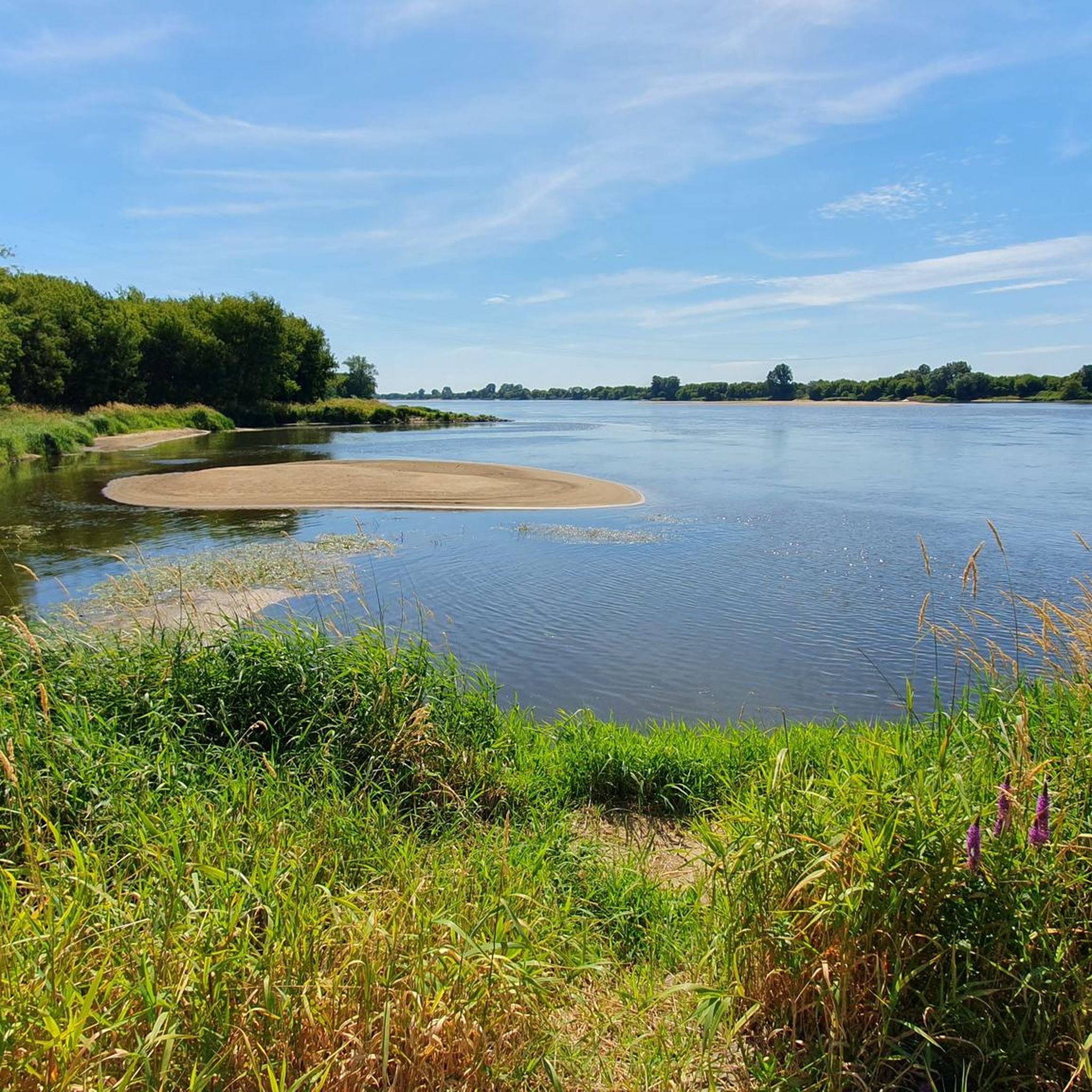
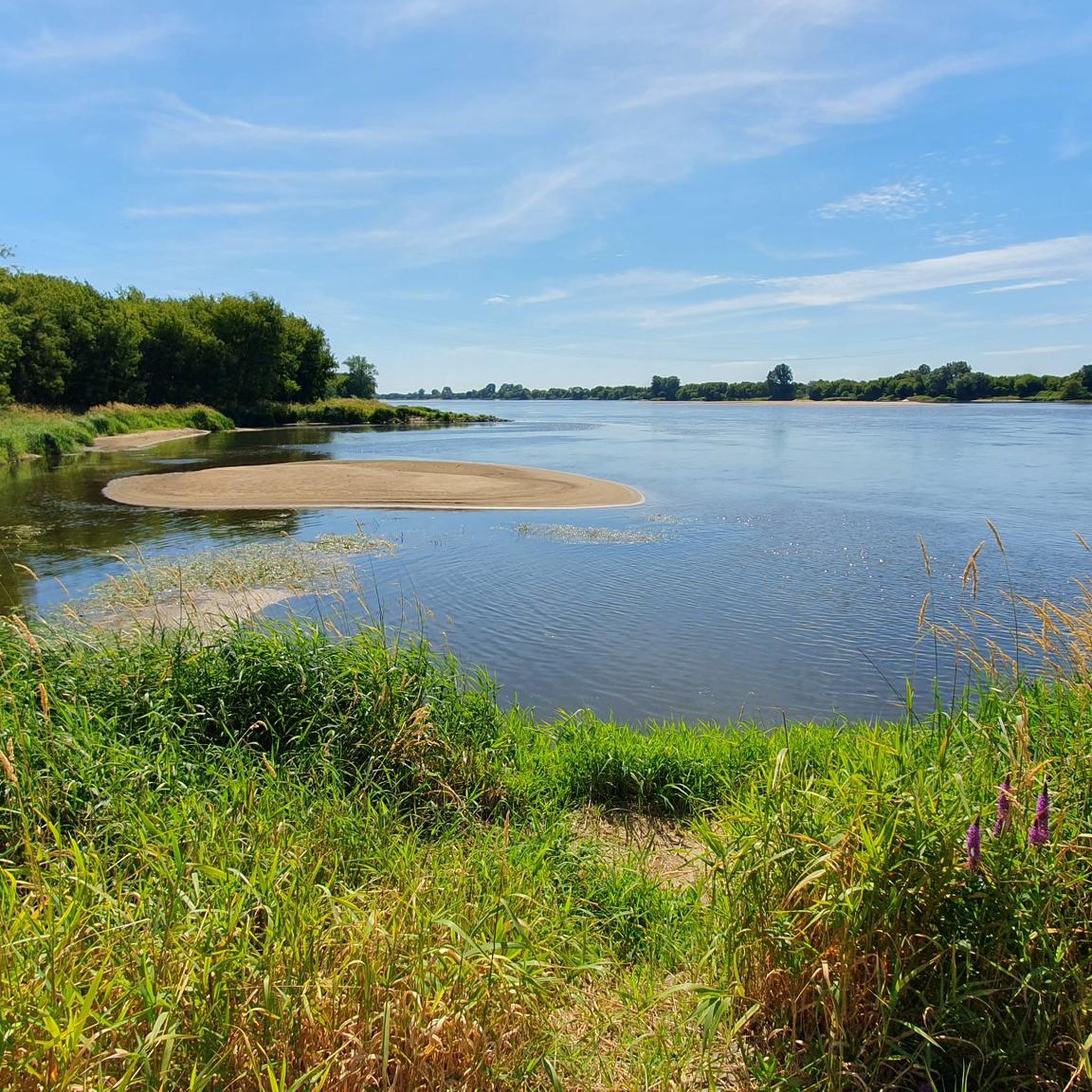
The castles are often situated in historically strategic locations, offering views of the surrounding landscape. The Teutonic Castle in Bierzgłowski Castle, for example, was chosen for its excellent observation point. The Vistula River, which flows through Toruń, provides scenic backdrops and opportunities for walks along its boulevards, offering views of the city's medieval complex.
What do visitors appreciate most about the castles in the Toruń area?
Visitors often appreciate the deep historical significance and the tangible connection to the Teutonic Order's past. The UNESCO World Heritage status of the Medieval Town of Toruń, which includes the castle ruins, is a major draw. Many enjoy the atmosphere, the educational value provided by informational panels, and the unique architectural elements like the Gdanisko Tower at the Ruins of the Teutonic Castle.
Most popular routes around Toruń
Most popular attractions around Toruń

Get inspired with the komoot mobile app


Explore more
Looking for the best castles somewhere else? Discover other guides around Toruń:
