Top 6 Castles around powiat cieszyński
Best castles around powiat cieszyński are located in southern Poland, a region known for its historical sites and defensive strongholds. This area provides a glimpse into a rich past, featuring structures from medieval times to later Renaissance and Baroque transformations. The landscape offers a setting for exploring these historical landmarks. Visitors can discover a blend of ancient history and architectural evolution within this region.
Best castles around powiat cieszyński
- The most popular castles is Kończyce Małe Castle and Park,…
Last updated: May 21, 2026
Presidential Castle in Wisła
Highlight • Castle
Translated by Google •
Tip by

Lower Castle in Wisła
Highlight • Castle
Translated by Google •
Tip by
Sign up now to discover places like this
Get recommendations on the best single tracks, peaks, & plenty of other exciting outdoor places.
Sign up for free
Castle OVER PIETRÓWKA
Highlight • Castle
Translated by Google •
Tip by

Kończyce Małe Castle and Park
Highlight • Castle
Tip by

Kończyce Wielkie Palace
Highlight • Castle
Tip by
View of Lake Wisła and the President's Castle
Highlight • Viewpoint
Translated by Google •
Tip by

Start today with a free account
Your next adventure awaits.
Login or Signup
Popular around powiat cieszyński
Main Beskids Trail — the longest Polish Mountain Trail
Diverse Poland — explore five regions by mountain bike
Hiking around powiat cieszyński
Cycling around powiat cieszyński
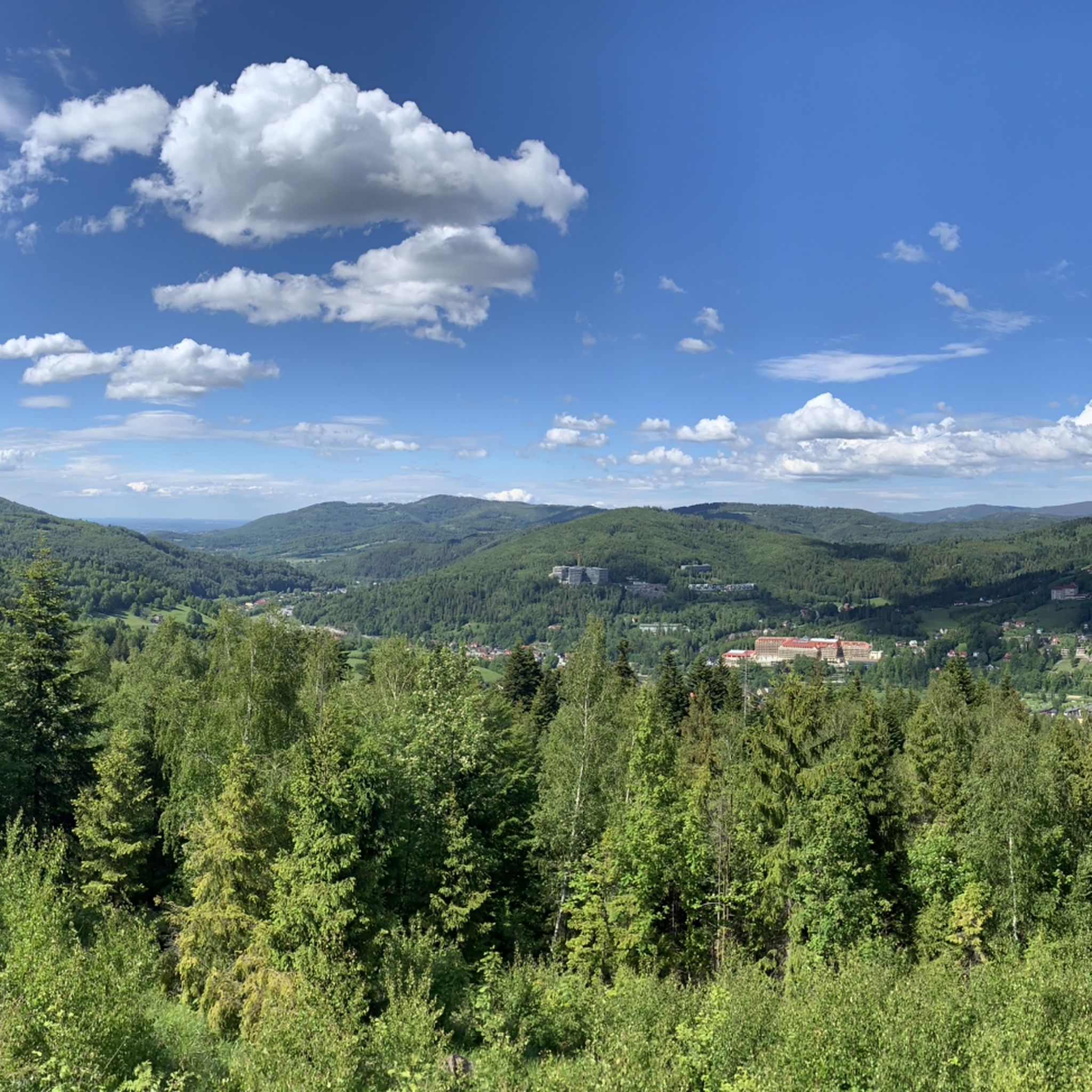
MTB Trails around powiat cieszyński
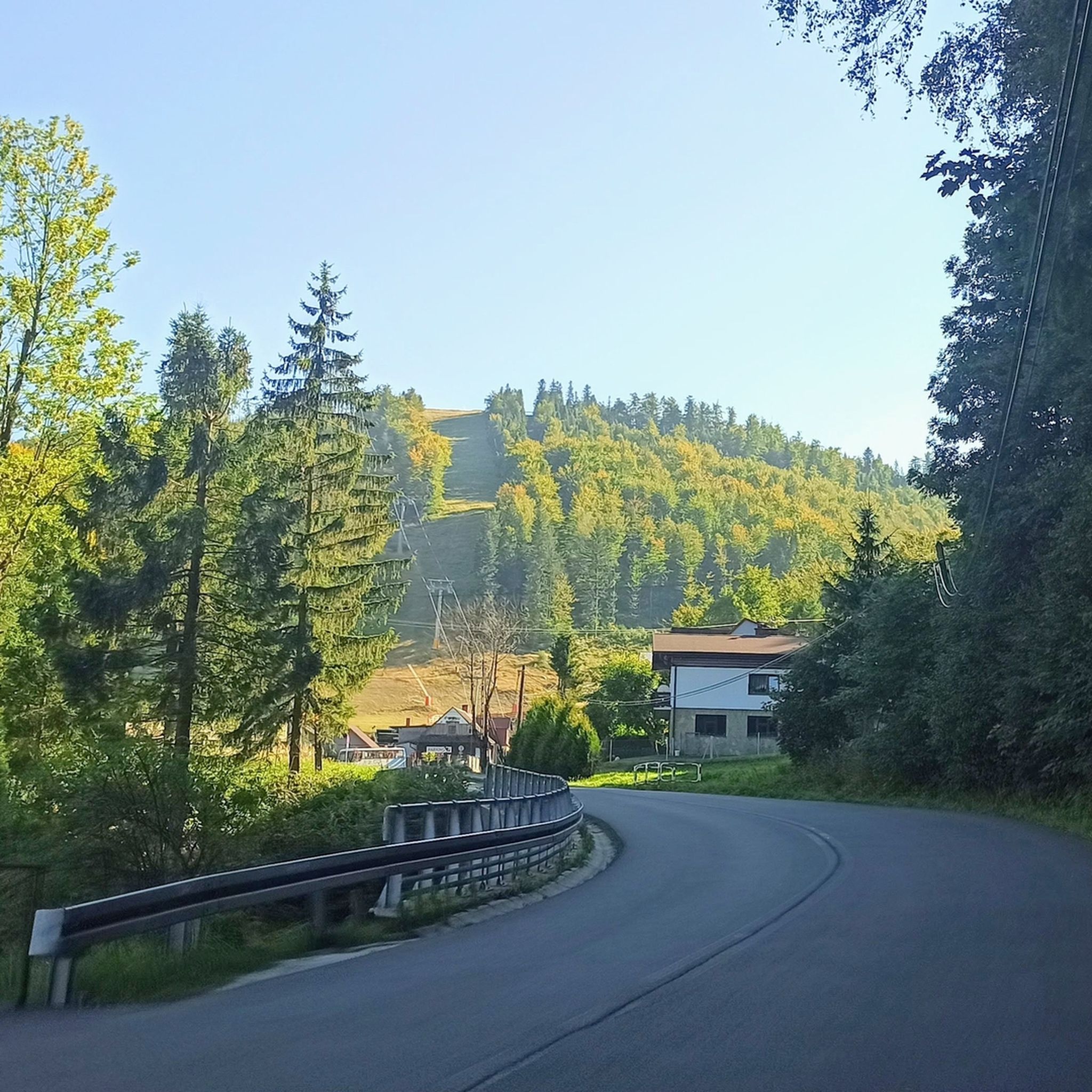
Road Cycling Routes around powiat cieszyński
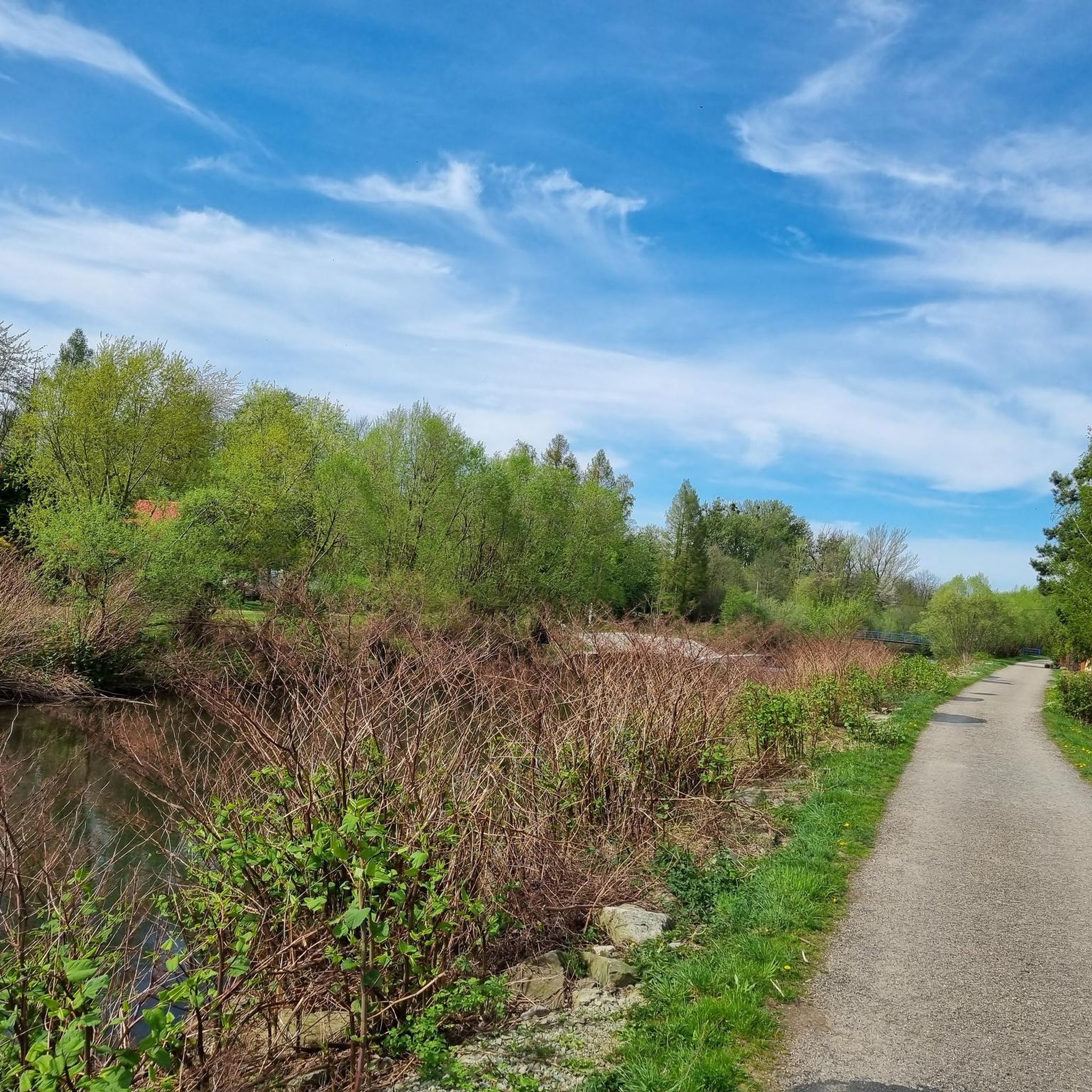
Running Trails around powiat cieszyński
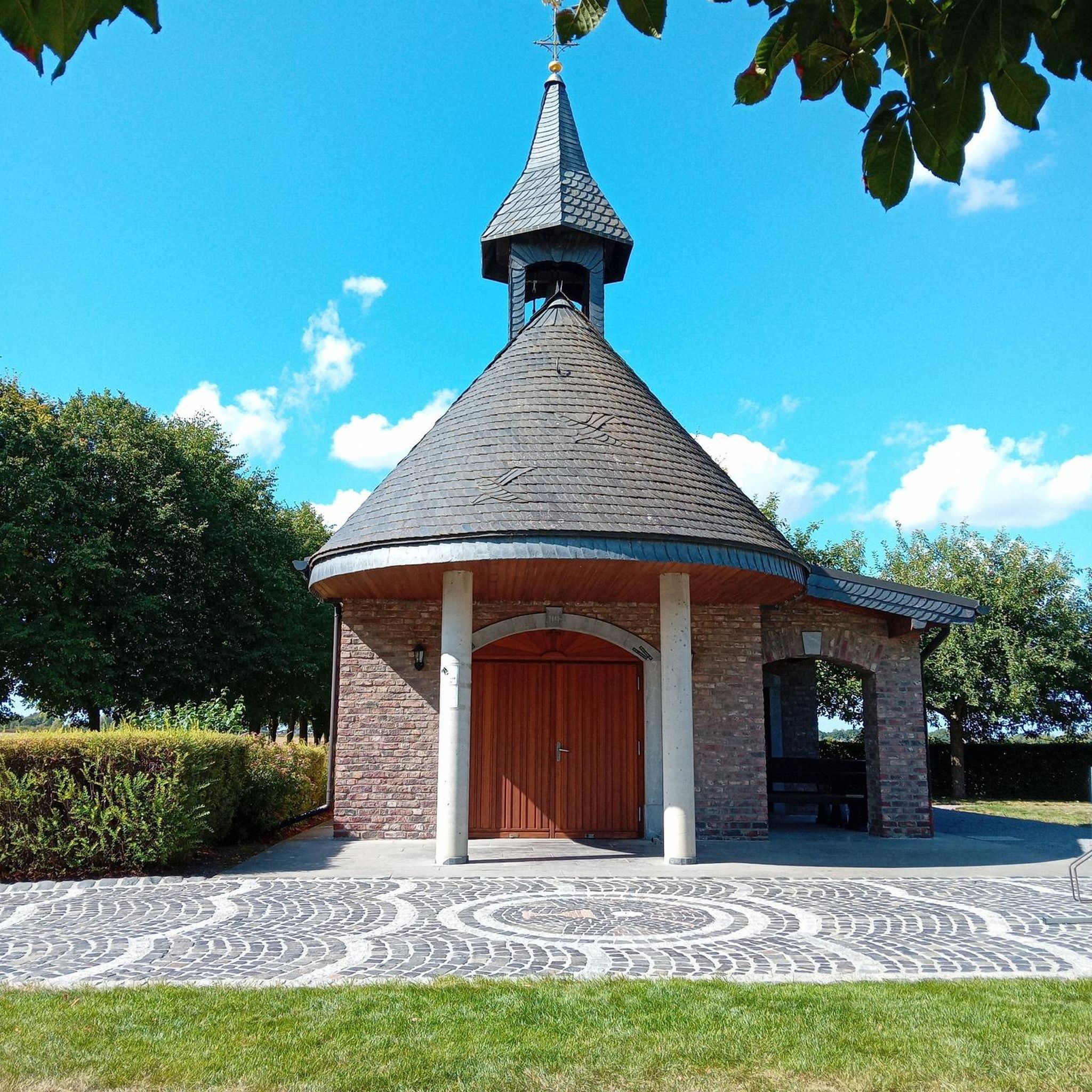
Mountain Hikes around powiat cieszyński
Gravel biking around powiat cieszyński


Tips from the Community

Nice place, but the access is terrible.
0
0
View of the Lagoon and the President's Castle. Until 2024, there was an observation deck here, but it was demolished for safety reasons.
1
0

The first castle was erected at the turn of the 15th and 16th centuries. This is evidenced by the discovered fragments of walls with a Gothic origin. Also, the very location of the object suggests its defensive character. Located on the Pietrówka River, it was surrounded by a pond from the east and north, and a swampy meadow from the west. Due to later reconstructions and the lack of iconographic materials, it is not possible to reconstruct its original appearance. The oldest owners of the castle were the Mikesz family from Jedłownik (around 1467),
1
0

After the fire in the palace, the Silesian Sejm decided to build a new, more representative building for the purpose of a holiday residence for the President of the Republic of Poland as a gift from Silesia and the Silesians for the head of state. An outstanding Krakow architect, prof. Adolf Szyszko-Bohusz, who in the years 1929–1931 designed a complex of modernist buildings. In the place of the former hunting palace, the so-called The Lower Castle, intended for the presidential entourage. The Lower Castle and the Gajówka, apart from the periods when the President of the Republic of Poland or his guests stay in the residence, serve as hotel and conference rooms and are open to the public. Already in the early 1930s, the castle was powered by electricity, had its own drinking water intake, central heating and its own two-chamber sewage treatment plant. https://pl.wikipedia.org/wiki/President_Castle_of_the_Republic of Poland_w_Wi%C5%9Ble https://www.youtube.com/watch?v=y_WQ2ZJLZpM
0
0
The Castle of the President of the Republic of Poland in Wisła (popularly: Zameczek) - a modernist palace in Wisła, built in 1929-1930 according to the design of Adolf Szyszko-Bohusz for the President of the Republic of Poland Ignacy Mościcki; in the years 1931-1952 and since 2002 the residence of the President of the Republic of Poland. A modernist palace in Wisła, erected in 1929–1930 according to the design of Adolf Szyszko-Bohusz for the President of the Republic of Poland, Ignacy Mościcki; in the years 1931-1952 and since 2002 the residence of the President of the Republic of Poland. Habsburg hunting lodge In 1906, the Archduke of Cieszyn, Frederick Habsburg, delighted with the richness of the Beskid forests, ordered a hunting lodge to be erected on the slope of Zadni Groń. A one-story, larch building in the Carpathian-Tyrolean style was designed by the archduke builder Ernest Altmann, and it was built by the well-known company of Eugeniusz Fulda from Cieszyn. The facility consisted of two wings folded in the shape of the letter "L", each 37 m long. They came here mainly to hunt in the forests of Barania Góra: in the spring to the grouse breeding ground, and in the autumn to the deer rutting ground. The guests of Archduke Frederick and his wife Princess Isabella von Croÿ-Dülmen were, among others, in 1915 German Emperor Wilhelm II with General Hindenburg, also Charles I, Emperor of Austria with General Hötzendorf. https://pl.wikipedia.org/wiki/President_Castle_of_the_Republic of Poland_w_Wi%C5%9Ble https://www.youtube.com/watch?v=1bP8FsknQtg&pp=ygUzWmFtZWsgUHJlenlkZW50YSBSemVjenlwb3Nwb2xpdGVqIFBvbHNraWVqIHcgV2nFm2xl
1
0

Great place to eat very good typical Polish food. Especially worth trying are their grilled meats and the "grochówka", a fantastic soup cooked in the outside military kitchen.
1
0
Cute and charming little town with a beautiful old castle (unfortunately not in a very good state) and a small pearl: a beautiful wooden church. A very charming place.
0
0
Frequently Asked Questions
What are the most historically significant castles in Powiat Cieszyński?
The Cieszyn Castle complex is one of the most historically significant sites, with origins tracing back to a Slavic settlement and a Piast stronghold. It features the 14th-century Piast Tower and the 11th/12th-century Rotunda of St. Nicholas, one of Poland's oldest Christian temples. Another notable site is the Castle OVER PIETRÓWKA, which dates back to the turn of the 15th and 16th centuries with Gothic origins.
Are there any castles in the region with unique architectural styles?
Yes, the Presidential Castle in Wisła is a modernist palace built in 1929–1930, originally a Habsburg hunting lodge. The Renaissance Castle in Dzięgielów also showcases architectural evolution, with elements from its original 15th-century defensive Gothic form to later Renaissance and Baroque additions, including stone portals from 1768.
Which castles offer panoramic views?
The Piast Tower at the Cieszyn Castle complex serves as a popular viewing point, offering panoramic vistas of Cieszyn, the Olza River, and the surrounding Beskid mountains. Additionally, the View of Lake Wisła and the President's Castle provides scenic perspectives of the lake and the historic Presidential Castle.
Are there family-friendly castles to visit in Powiat Cieszyński?
Yes, Kończyce Małe Castle and Park is considered family-friendly and is known for its restaurant serving traditional Polish food. The Lower Castle in Wisła, part of the Presidential Castle complex, also offers hotel and conference rooms and is open to the public, making it accessible for families.
What cultural activities can be found at the castles?
At the Cieszyn Castle complex, the Rotunda of St. Nicholas hosts religious ceremonies, concerts, and cultural events. The Habsburg Hunting Palace within the complex now houses Zamek Cieszyn, a regional design center that promotes good design, organizes exhibitions, workshops, and conferences.
Can I find food and drink options near the castles?
Yes, Kończyce Małe Castle and Park is highly recommended for its restaurant, which serves excellent traditional Polish food, including grilled meats and "grochówka" soup. The area around Cieszyn Castle also has cafes and pubs.
What outdoor activities are available near the castles?
The region around Powiat Cieszyński offers various outdoor activities. You can find numerous cycling routes, such as the moderate Iron Bike Trail. There are also easy hiking trails, including the Cieszyn Castle (Zamek Cieszyn) – Olsa Riverside Path in Těšín loop. For mountain biking enthusiasts, there are MTB trails like the Red Air Trail.
Is there public transport or parking available for Cieszyn Castle?
The Cieszyn Castle complex is accessible by public transport, and there are parking options available nearby. For specific details on routes and parking, it's advisable to check local transport information.
What is the best time to visit the castles in Powiat Cieszyński?
The castles in Powiat Cieszyński can be visited year-round. Spring and autumn offer pleasant weather for exploring the grounds and enjoying the views, while summer allows for longer days and more outdoor activities. Winter visits can provide a unique, often snowy, perspective on these historic sites.
Are there any castles that were once royal or presidential residences?
Yes, the Presidential Castle in Wisła served as a residence for the President of the Republic of Poland, Ignacy Mościcki, and continues to be a presidential residence since 2002. It was originally a Habsburg hunting lodge.
What kind of historical artifacts or structures can I see at the castles?
At the Cieszyn Castle complex, you can see the 14th-century Piast Tower, the 11th/12th-century Rotunda of St. Nicholas, and reconstructed fragments of defensive walls. The Renaissance Castle in Dzięgielów features preserved stone portals from 1768 and Baroque window frames from the 17th century, showcasing its architectural evolution.
Most popular routes around powiat cieszyński
Most popular attractions around powiat cieszyński

Get inspired with the komoot mobile app


Didn’t find what you were looking for?
Explore powiat cieszyński’s best castles region by region:
Explore more
Looking for the best castles somewhere else? Discover other guides around powiat cieszyński:
