Top 20 Mountain Passes around Brienzersee
Best mountain passes around Brienzersee offer diverse routes through the Bernese Oberland. The region features a landscape of mountains, forests, and views of Lake Brienz. These passes provide access to various terrains, from unpaved military roads to paved climbs. The area is characterized by its elevation changes and natural formations.
Best mountain passes around Brienzersee
- The most popular mountain passes is Grünenberg Pass, a mountain pass that is only accessible via a narrow, unpaved military road. It offers views…
Last updated: April 28, 2026
Grünenberg Pass
Highlight • Mountain Pass
Translated by Google •
Tip by

From Meiringen to Grosse Scheidegg
Highlight (Segment) • Mountain Pass
Translated by Google •
Tip by
Sign up now to discover places like this
Get recommendations on the best single tracks, peaks, & plenty of other exciting outdoor places.
Sign up for free
Lättgässli Pass
Highlight • Mountain Pass
Translated by Google •
Tip by

Sichle Pass
Highlight • Mountain Pass
Translated by Google •
Tip by

Brockenhaus Brünig Pass Summit
Highlight • Mountain Pass
Translated by Google •
Tip by

Sign up for free to discover even more mountain passes around Brienzersee.
Sign up for free
Already have an account?
Start today with a free account
Your next adventure awaits.
Login or Signup
Tips from the Community


Brünig Pass (1008 m above sea level) There is some historical evidence of the Brünig Pass dating back to 1304. These include agreements, protective alliances, regulations regarding property, etc. between Obwalden and Oberhasler. The trade routes from Bern via Thun and Lucerne via Brünig met in Meiringen. They then continued over the Grimsel, Griespass to Lombardy. The main export was Sbrinz cheese, which is why this trade route was called the Sbrinz Route. The transport was carried out exclusively by mule drivers. This was a profitable venture until the beginning of the 19th century. With the development of various passes with roads, it lost importance and the opening of the Gotthard Railway in 1882 brought mule traffic to a complete standstill. Today, interested parties can experience the mule traffic on the Sbrinz route in the summer months. Construction of the Brünigstrasse began in 1857. The Brünigbahn opened in 1888. This cog railway runs over the summit of the Brünig Pass (1008 m above sea level) from Lucerne to Meiringen and Interlaken. Text / Source: Interest Group for Alpine Passes IAP, PO Box 11, 6491 Realp https://www.alpen-paesse.ch/alpenpaesse/bruenigpass/
14
0

Distinctive saddle between Zulzigraben and Justistal. An impressive place with steep walls to the east and west and special valleys to the north and south. Pleasant on foot, arduous on the bike.
0
1

The climb towards Eriz is very rocky and therefore bumpy. Good steering skills are an advantage.
1
0

It’s impossible to climb there without an e-bike (from both sides). I had to push for a long time.
1
0

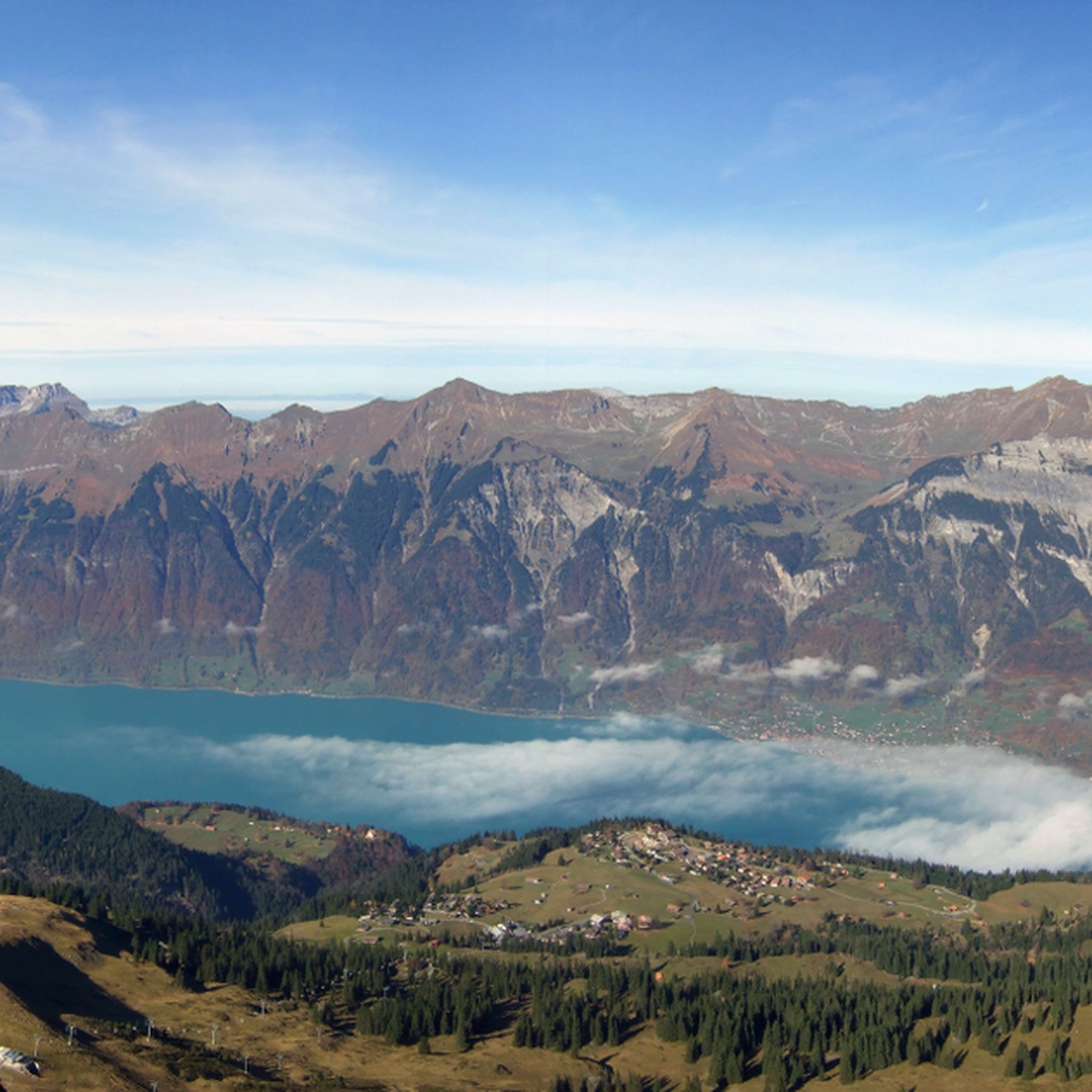
When you climb from Sörenberg, this is the point where you reach the ridge and see Lake Brienz and the peaks of the Bernese Oberland for the first time - breathtaking!
1
0

A great route from Habkern to the top of the pass. Very bumpy descent and almost impossible for me
2
2
Frequently Asked Questions
What kind of terrain can I expect on mountain passes around Brienzersee?
The mountain passes around Brienzersee offer a diverse range of terrains. You can find everything from narrow, unpaved military roads, such as the one leading to Grünenberg Pass, to paved climbs like the route From Meiringen to Grosse Scheidegg. Some passes, like Lättgässli Pass, feature challenging ridge paths with technical sections and steps.
What are some of the most scenic viewpoints on mountain passes near Brienzersee?
Many mountain passes in the region offer stunning views. From Grünenberg Pass, you'll get magnificent views of the surrounding mountains. The Lättgässli Pass provides incredible panoramas down to Lake Brienz and the iconic Eiger, Mönch, and Jungfrau massif from over 2,000 meters. Sichle Pass also rewards with wonderful views in both directions after a steep ascent.
Are there mountain passes around Brienzersee that are suitable for cycling?
Yes, several passes are popular with cyclists. The route From Meiringen to Grosse Scheidegg is an intermediate mountain pass route with a 17-kilometer climb, and sections of the road from Schwarzwaldalp are closed to motorized traffic, making it enjoyable for bikes. The Ascent to Grosse Scheidegg from Meiringen is another beautiful climb with an average gradient of 8%.
What is the best time of year to visit the mountain passes around Brienzersee?
The best time to visit mountain passes in the Bernese Oberland, including those around Brienzersee, is typically from late spring to early autumn (May to October). During these months, the passes are generally free of snow, and the weather is more favorable for outdoor activities. Some higher passes might still have snow early in the season.
Can I reach mountain passes around Brienzersee using public transport?
Yes, public transport options are available for some passes. For instance, if the 1,250 vertical meters of the From Meiringen to Grosse Scheidegg route are too much, the Postbus runs between Meiringen and Grindelwald, with a stop at Grosse Scheidegg and bicycle transport options. This allows you to experience the passes without having to cycle the entire ascent.
Are there challenging mountain passes for experienced hikers or cyclists?
Absolutely. The region is known for its challenging trails. Lättgässli Pass is a challenging mountain pass with a technical ridge path. Grünenberg Pass, accessible via a narrow, unpaved military road, can be quite steep and challenging, especially for biking. The Sichle Pass also involves a steep ascent.
What outdoor activities can I do near these mountain passes?
Beyond exploring the passes themselves, the Brienzersee region offers a wide range of outdoor activities. You can find numerous hiking trails, including moderate lakeside paths and more challenging mountain routes. For cyclists, there are dedicated cycling routes and MTB trails that traverse the diverse landscapes around the lake and through the mountains.
Are there any specific tips for navigating the Grünenberg Pass?
The Grünenberg Pass is at 1,555 meters and is only accessible via a narrow, unpaved military road, meaning no cars. While the ascent from Habkern is generally manageable, the other side can be very steep and might require pushing your bike. It's best to take it easy and enjoy the views.
What are some notable natural features or landscapes to observe on these passes?
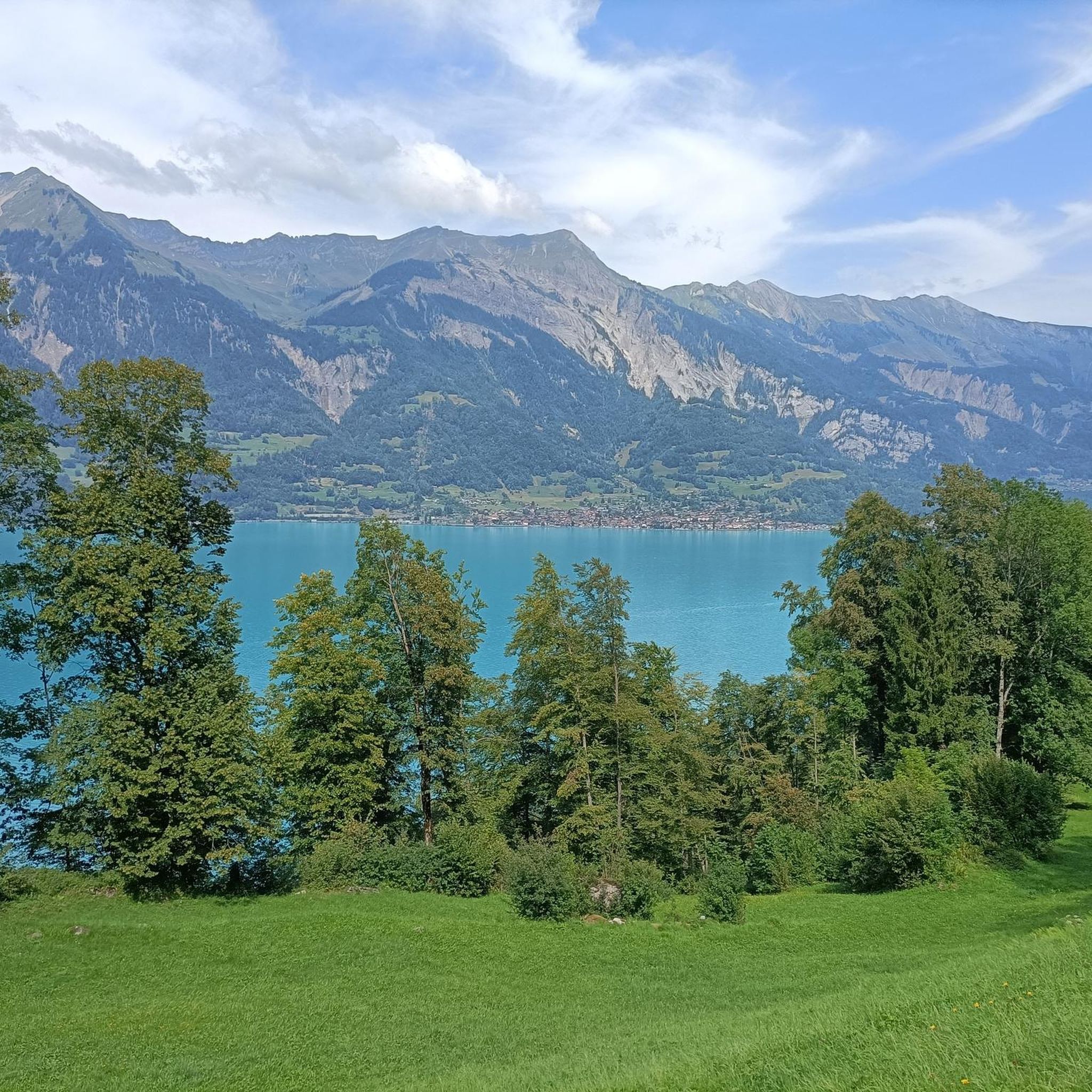
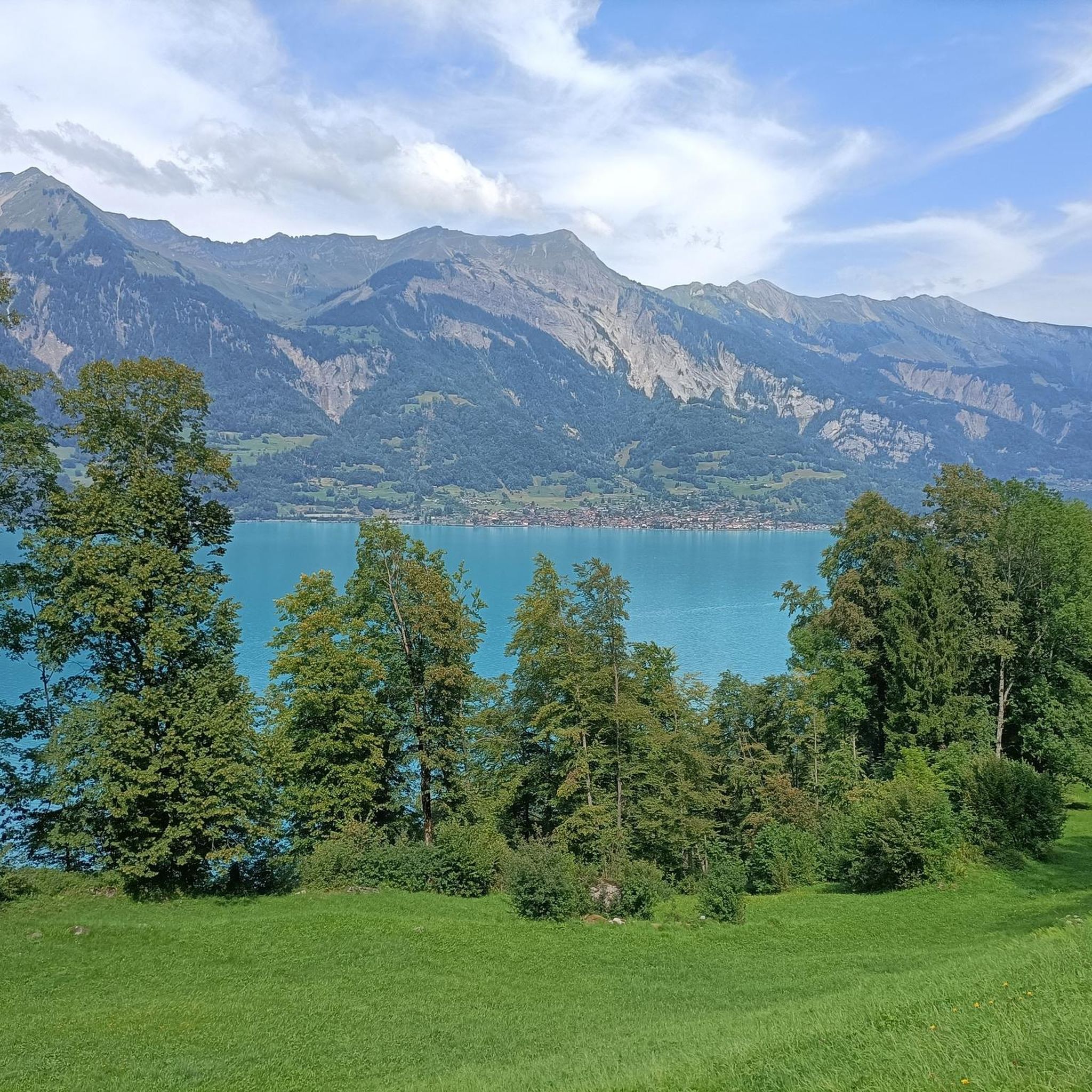
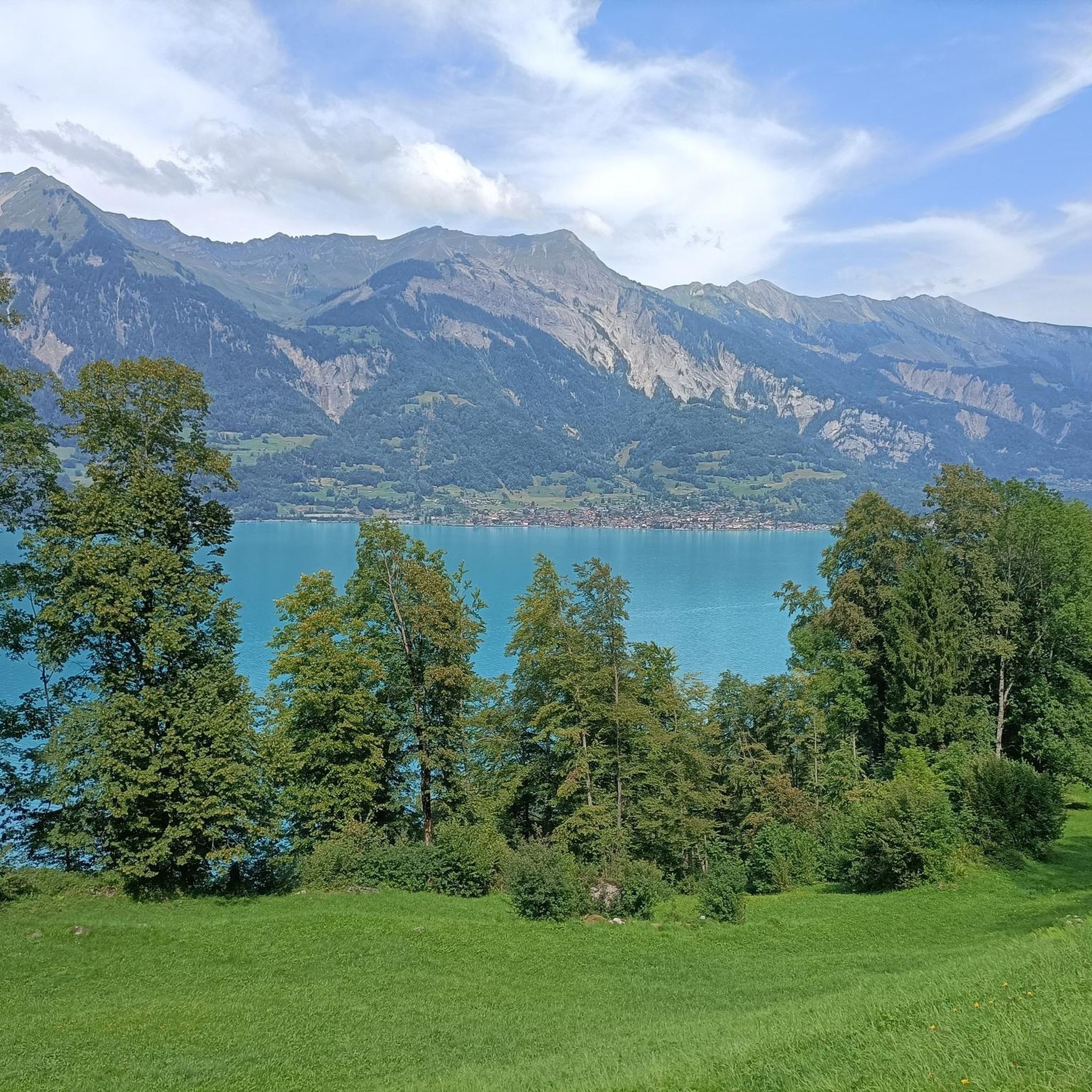
The passes are set within a landscape of mountains and forests, offering views of Lake Brienz. The Reichenbach Valley, part of the route From Meiringen to Grosse Scheidegg, is a scenic dream. On Lättgässli Pass, you'll witness rugged rock layers and impressive geological formations. The Sichle Pass is also known for its great and impressive landscape.
What do visitors particularly enjoy about the mountain passes around Brienzersee?
Visitors appreciate the diverse routes and the stunning natural beauty. The absence of motorized traffic on certain sections, like the road to Grosse Scheidegg from Schwarzwaldalp, allows for peaceful enjoyment of the scenery. The incredible views of Lake Brienz and the surrounding mountain massifs, such as the Eiger, Mönch, and Jungfrau, are frequently highlighted as major draws.
Are there options for longer cycling tours that incorporate these passes?
Yes, the region is excellent for longer cycling tours. You can find various routes, including challenging ones like the 'Rosenlaui Valley – Grosse Scheidegg loop from Brienz' which is part of the Cycling around Brienzersee guide. These tours often combine the passes with other scenic sections of the Bernese Oberland.
Can I find cafes or refreshment stops near the mountain passes?
While specific cafes directly on every pass might be limited, popular passes and their approaches often have options. For example, the Postbus route to Grosse Scheidegg suggests there are facilities at the pass itself. It's always a good idea to check local information or plan your route to include stops in nearby villages like Meiringen or Brienz.
Are there any mountain passes that offer views of the famous Eiger, Mönch, and Jungfrau peaks?
Yes, the Lättgässli Pass, with its ridge path at over 2,000 meters, offers an incredible view down to Lake Brienz and the magnificent massif featuring the Eiger, Mönch, and Jungfrau.
Most popular routes around Brienzersee
Most popular attractions around Brienzersee

Get inspired with the komoot mobile app


Explore more
See even more epic mountain passes by checking out these guides around Brienzersee:
