Top 6 Gorges around Palm Springs
Best canyons around Palm Springs offer a diverse landscape of rugged terrain, lush oases, and significant cultural history. The region is characterized by deep gorges carved into the desert, often featuring perennial streams and unique rock formations. These natural areas provide opportunities to explore the desert environment and learn about the heritage of the Agua Caliente Band of Cahuilla Indians.
Best canyons around Palm Springs
- The most popular canyons is Palm Canyon, a canyon known for its dozens of tall palm trees that contrast with the desert landscape. It is considered one of the most beautiful spots in Western North America, featuring over 3,000 California fan palms.
- Another must-see spot is Murray Creek, a river highlight where the Murray Canyon trail crosses a mountain-fed stream multiple times. This trail eventually leads to the Seven Sisters waterfall, offering a unique and scenic hiking experience.
- Visitors also love Carrizo Canyon Trail, a canyon that leads through fascinating rock formations and palm trees. The trail follows a wash and often features a dry fall at its end.
- Palm Springs is known for canyons featuring palm oases, perennial streams, and diverse rock formations. The area offers a variety of canyons to see and explore, from lush environments to rugged desert washes.
- The canyons around Palm Springs are appreciated by the komoot community. The area features 34 photos and has received 25 upvotes from visitors.
Last updated: October 1, 2026
Palm Canyon
Highlight • Canyon
Tip by

Andreas Canyon Oasis
Highlight • Canyon
Tip by

Sign up now to discover places like this
Get recommendations on the best single tracks, peaks, & plenty of other exciting outdoor places.
Palm Canyon Trail — Wild Horse Trail Section
Highlight (Segment) • Trail
Tip by

Murray Creek
Highlight • River
Tip by
Whitewater Preserve
Highlight • Natural Monument
Tip by
Sign up for free to discover even more gorges around Palm Springs.
Already have an account?
Start today with a free account
Your next adventure awaits.
Other adventures around Palm Springs

Tips from the Community

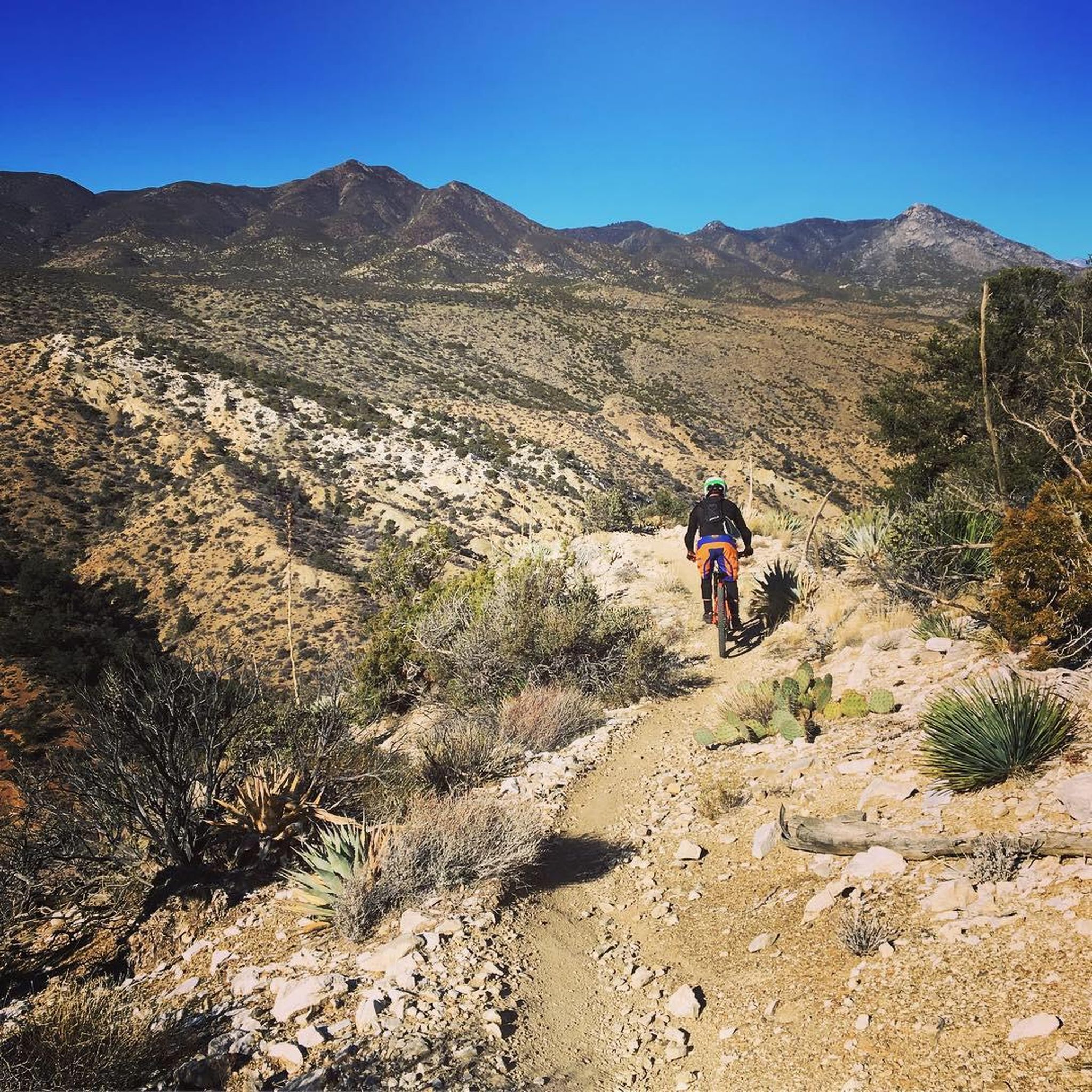
Since 2020, Palm Canyon Trail—a multi-use trail—has seen a significant increase in users: hikers, equestrian and mountain bikers, including eBikes. Most of the trail crosses BLM and US Forest Service land. The Trail crosses private land as well as land owned by Agua Caliente. The properties the Tribe recently received as ancestral land back donations were offered to the Tribe. As a property owner with the right to regulate access to its land, the Agua Caliente chose to improve a portion of Palm Canyon Trail that is on its land—not federal land. The Tribe conducted trail maintenance work within its own property in the Indian Canyons for emergency access, security and safety for our hikers and other lawful users of the Trail. Why did it do this? Because it values its lands and prioritizes proper management of it. Unfortunately, one entitled business owner, [Dave Wood, owner of Bikes and Brews -tgk] who is unhappy over the fact that mountain biking and e-mountain biking is not allowed in this area is acting out by spreading false information, which is unnecessarily causing confusion in the community. His false narrative insultingly prioritizes his desire to financially profit from trespassing on Tribal lands, over the Tribe’s right to protect its property and its cultural resources. Tribal employees are now receiving “anonymous” threats promising more property destruction if tribal staff attempts to interfere with this illegal activity, which generates profits by organizing trail rides for groups of bikers who (unknowingly) trespass on a trail where that activity is not permitted. The Tribe has never permitted mountain biking on its land. The land acquired as land back donations is now Tribal land and consistent with our policy, mountain biking and eBikes are prohibited. Anyone on a mountain or eBike accessing the land is in trespass of Tribal lands. Trespassing on, and damaging, the property of another is never ok. We ask this business owner to ride his bicycle somewhere else where this activity is permitted.
0
0
The Palm Canyon Epic Trail is now closed to mountain biking. In April and June 2024 several landowners of wilderness areas donated their land to the Agua Caliente Band of Cahuilla Indicans (ACBCI). The donated lands included important parts of the Palm Canyon Epic Trail. As part of ACBCI policy on land use, mountain bike travel is prohibited on these lands. Recently Margaret Park-Robinson, Chief Planning Officer of ACBCI released a statement concerning the closure of the PCE. She can be reached at 760-883-1326 or email: mpark@aguacaliente-nsn.gov I append the full statement to this comment. Tom Kohn ACBCI Statement on the PCE closure Since time immemorial, Agua Caliente and other Cahuilla have lived within the lands of the National Monument, including Palm Canyon. Since time immemorial, the Palm Canyon Trail has been a significant cultural and historical pathway for Cahuilla people. Since 2000, the National Monument was established despite concerns by Agua Caliente. The legislation directs the federal agencies (BLM & USFS) to consult with Agua Caliente. Since 2008, Palm Canyon and the portion of the trail was designated as a federal Wild & Scenic River by the US Forest Service despite concerns by Agua Caliente. continues in a following post...
0
0

This desert oasis is home to 150 species of plants, all growing within a half-mile radius. The Andreas Canyon Trail goes through this canyon, passing interesting rock formations, and follows the perennial Andreas Creek.
0
0
Murray Canyon trail crosses this mountain-fed stream many times eventually leads to the Seven Sisters waterfall.
0
0
This desert oasis is home to 150 species of plants all growing within a half-mile radius. The Andreas Canyon Trail trail goes through this canyon passing with interesting rock formations and follows the perennial Andreas Creek.
0
0

Easy ride up Whitewater Canyon Road to the Preserve. There you will find a nicely kept picnic area where you can day camp, hike or soak in the nice swimming hole. The canyon has a robust population of bighorn sheep, deer, and bear!
0
0

Beautiful view of a palm tree, Andreas Canyon and the rock formation behind
1
0

The Whitewater Preserve is a true oasis in a desert canyon. You can relax in the shade of huge trees near beautiful turquois and green pools. Enjoy the lovely hummingbirds that buzz around the ranger station and cool your feet in the wading pool. There are a lot of picnic benches, restrooms and potable water. Using the area is free of charge, but consider a donation for this unique place that once was a trout hatchery.
5
0
Frequently Asked Questions
What are the main canyons to explore in Palm Springs?
The primary canyons to explore in Palm Springs are Palm Canyon, Andreas Canyon, Murray Canyon, and Tahquitz Canyon. These are largely located within the Agua Caliente Indian Reservation and offer diverse experiences from lush oases to rugged desert terrain.
What kind of natural features can I expect to see in the Palm Springs canyons?
You'll find a unique blend of natural features, including the world's largest stand of California fan palms in Palm Canyon, perennial streams like Andreas Creek, diverse rock formations, and seasonal waterfalls such as the Seven Sisters in Murray Canyon and Tahquitz Falls in Tahquitz Canyon. The canyons are also home to a wide variety of desert flora.
Are there family-friendly hiking options in the Palm Springs canyons?
Yes, Andreas Canyon is particularly known for its family-friendly, easy 1 to 1.5-mile loop trail. It offers stunning views, shade, and is suitable for all ages. The Andreas Canyon Oasis highlight is a great starting point for exploring this area.
What is the best time of year to visit the canyons around Palm Springs?
The best time to visit the Palm Springs canyons is generally during the cooler months, from fall through spring (November to March). Temperatures are more moderate, making hiking more comfortable. During winter and spring, streams flow more robustly, enhancing the beauty of waterfalls like the Seven Sisters.
Can I bring my dog to the canyons in Palm Springs?
Generally, dogs are not permitted on the trails within the Indian Canyons (Palm, Andreas, and Murray Canyons) or Tahquitz Canyon due to tribal regulations and wildlife preservation. It's always best to check specific rules for each canyon before planning your visit.
What are the typical entry fees and access requirements for the Palm Springs canyons?
An entry fee is typically required to access the Indian Canyons (Palm, Andreas, and Murray Canyons), and Tahquitz Canyon has its own separate admission fee. These fees support the Agua Caliente Band of Cahuilla Indians in managing and preserving these natural areas. Visitors are advised to bring plenty of water, especially during warmer months.
What wildlife might I encounter in the Palm Springs canyons?
The canyons are rich in wildlife. You might spot mule deer, bighorn sheep, and various bird species, including the endangered Least Bells Vireo in Murray Canyon. Over 250 species of birds have been recorded in the Palm Canyons area, making it excellent for birdwatching. Lizards, hummingbirds, and other desert creatures are also common.
Are there any historical or cultural aspects to the canyons?
Yes, the canyons hold significant cultural and historical importance for the Agua Caliente Band of Cahuilla Indians. You can find ancient rock mortars used for grinding food in Andreas Canyon, and Tahquitz Canyon features ancient rock art and irrigation systems. The Tahquitz Canyon visitor center offers exhibits and a video about 'The Legend of Tahquitz Canyon,' providing insights into their heritage.
What makes Murray Canyon unique for hikers?
Murray Canyon offers a unique and scenic hiking experience with its diverse rock formations, palm groves, and multiple stream crossings. The trail often leads to the spectacular Seven Sisters Waterfall, which is about 12 to 15 feet tall. It's generally less visited than other canyons, providing a more secluded feel. Horseback riding tours are also available here.
What are the main attractions of Tahquitz Canyon?
Tahquitz Canyon is renowned for its stunning 60-foot seasonal waterfall, Tahquitz Falls, which cascades into a serene pool. It also features ancient rock art, a visitor's center with exhibits on Native American history, and a picturesque 1.8 to 2-mile loop trail of moderate difficulty. The canyon is easily accessible, located just a couple of miles from downtown Palm Springs.
Are there other outdoor activities besides hiking near the canyons?
Yes, beyond hiking, the Palm Springs area offers a variety of outdoor activities. You can find numerous cycling routes, including options for touring bicycles, with guides like Cycling around Palm Springs. There are also dedicated running trails, as highlighted in the Running Trails around Palm Springs guide.
What should I wear when hiking in the Palm Springs canyons, especially in summer?
When hiking in the Palm Springs canyons, especially during warmer months, it's crucial to wear lightweight, breathable clothing, a wide-brimmed hat, and sturdy hiking shoes. Always bring plenty of water, sunscreen, and sunglasses. Even in cooler seasons, layers are recommended as temperatures can fluctuate.
Where can I find amenities like food or shops near the canyons?
The Indian Canyons Trading Post, located at the base of Palm Canyon, offers maps, refreshments, and Native American art and artifacts. For more extensive options, downtown Palm Springs is a short drive from Tahquitz Canyon and offers a wide range of restaurants, cafes, and shops.
Are there any loop hikes available in the Palm Springs canyons?
Yes, Andreas Canyon features a well-known, easy 1 to 1.5-mile loop trail that is popular for families. Tahquitz Canyon also offers a picturesque 1.8 to 2-mile loop trail of moderate difficulty. These loops provide a great way to experience the canyon's beauty without retracing your steps.
Most popular routes around Palm Springs
Most popular attractions around Palm Springs

Get inspired with the komoot mobile app


Explore more
Already discovered everything in this region? See additional gorges around Palm Springs for your next adventure:
