San Gabriel Mountains National Monument
San Gabriel Mountains National Monument
Top 5 Gorges in San Gabriel Mountains National Monument
Best canyons in San Gabriel Mountains National Monument offer a diverse range of outdoor experiences, from serene hiking trails to areas with historical significance. The monument's canyons feature year-round flowing water, supporting diverse river habitats and providing access to natural landscapes. These areas are characterized by varied terrain, including dramatic gorges and wooded sections. Visitors can explore a mix of natural features and historical sites within these canyons.
Best canyons in San Gabriel Mountains National Monument
- The most popular canyons…
Last updated: September 30, 2026
Bridge to Nowhere
Highlight • Bridge
Tip by

San Gabriel River East Fork Trail
Highlight (Segment) • Trail
Tip by
Sign up now to discover places like this
Get recommendations on the best single tracks, peaks, & plenty of other exciting outdoor places.
San Gabriel Canyon Road Scenic View
Highlight (Segment) • Viewpoint
Tip by

Devil's Chair
Highlight • Viewpoint
From the viewpoint, you are afforded incredible views of the Devil's Punchbowl and the fascinating rock formations below.
Tip by

Start today with a free account
Your next adventure awaits.
Popular around San Gabriel Mountains National Monument

Pacific Crest Trail from Mexico to Canada – 4,200 kilometres of wilderness
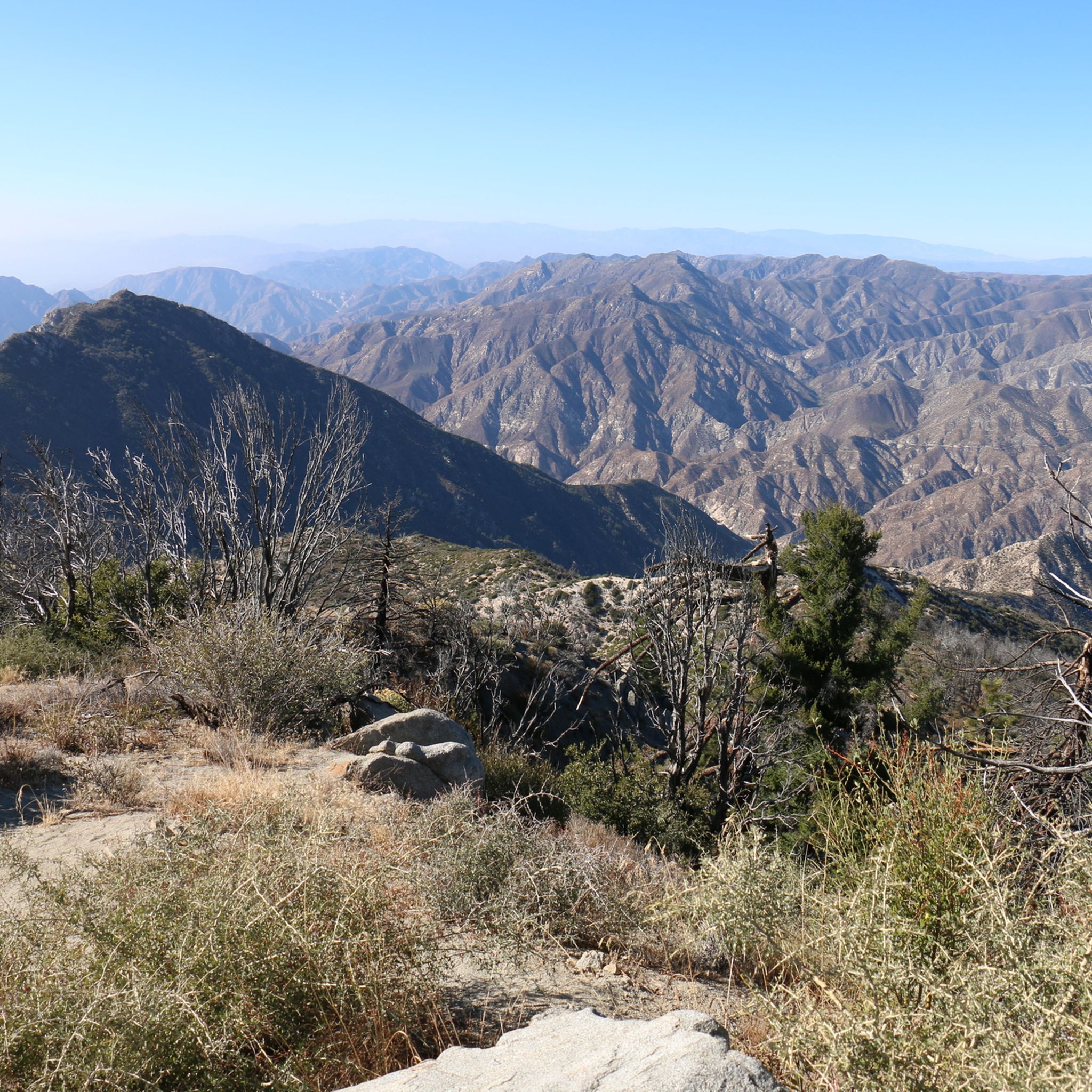
Hiking in San Gabriel Mountains National Monument
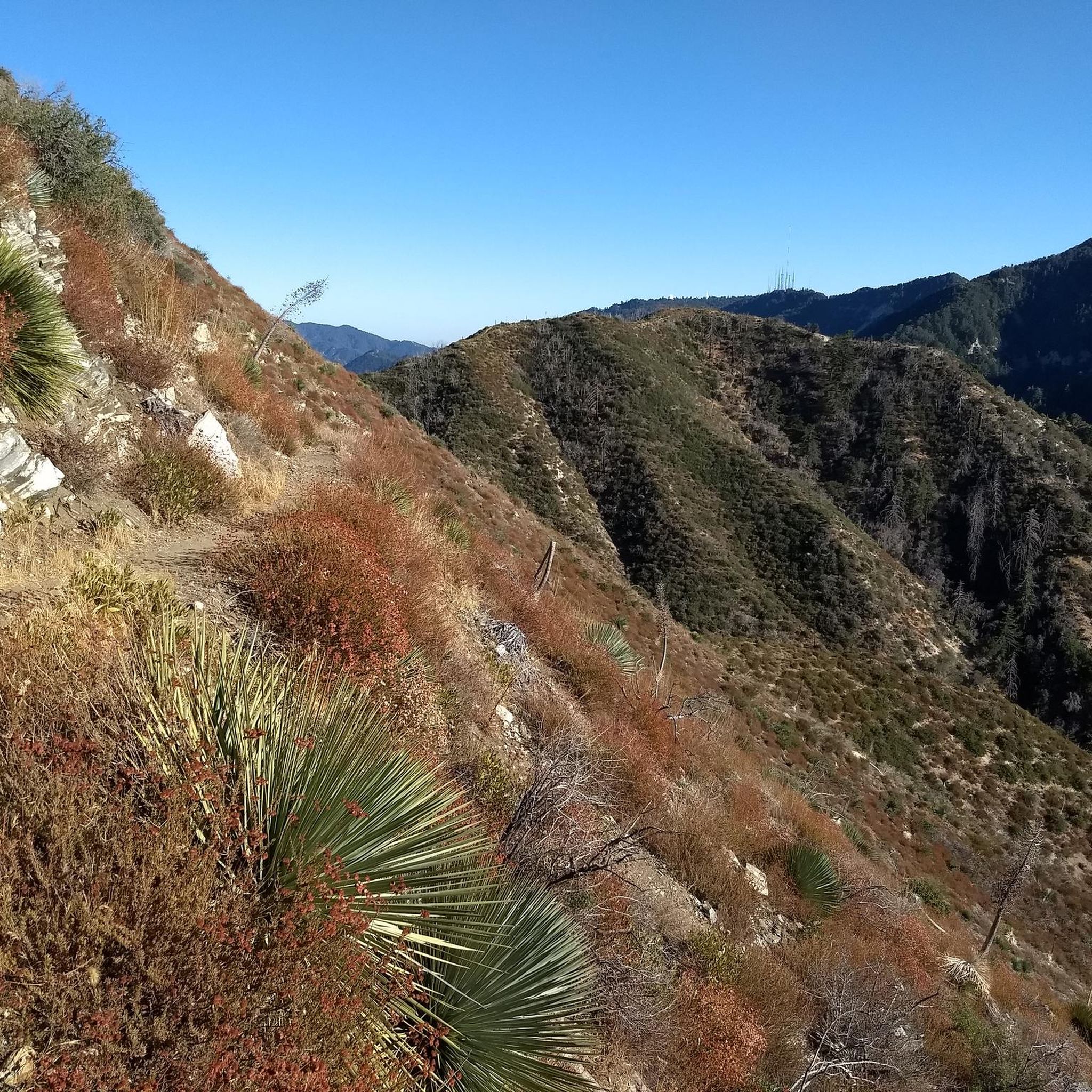
MTB Trails in San Gabriel Mountains National Monument
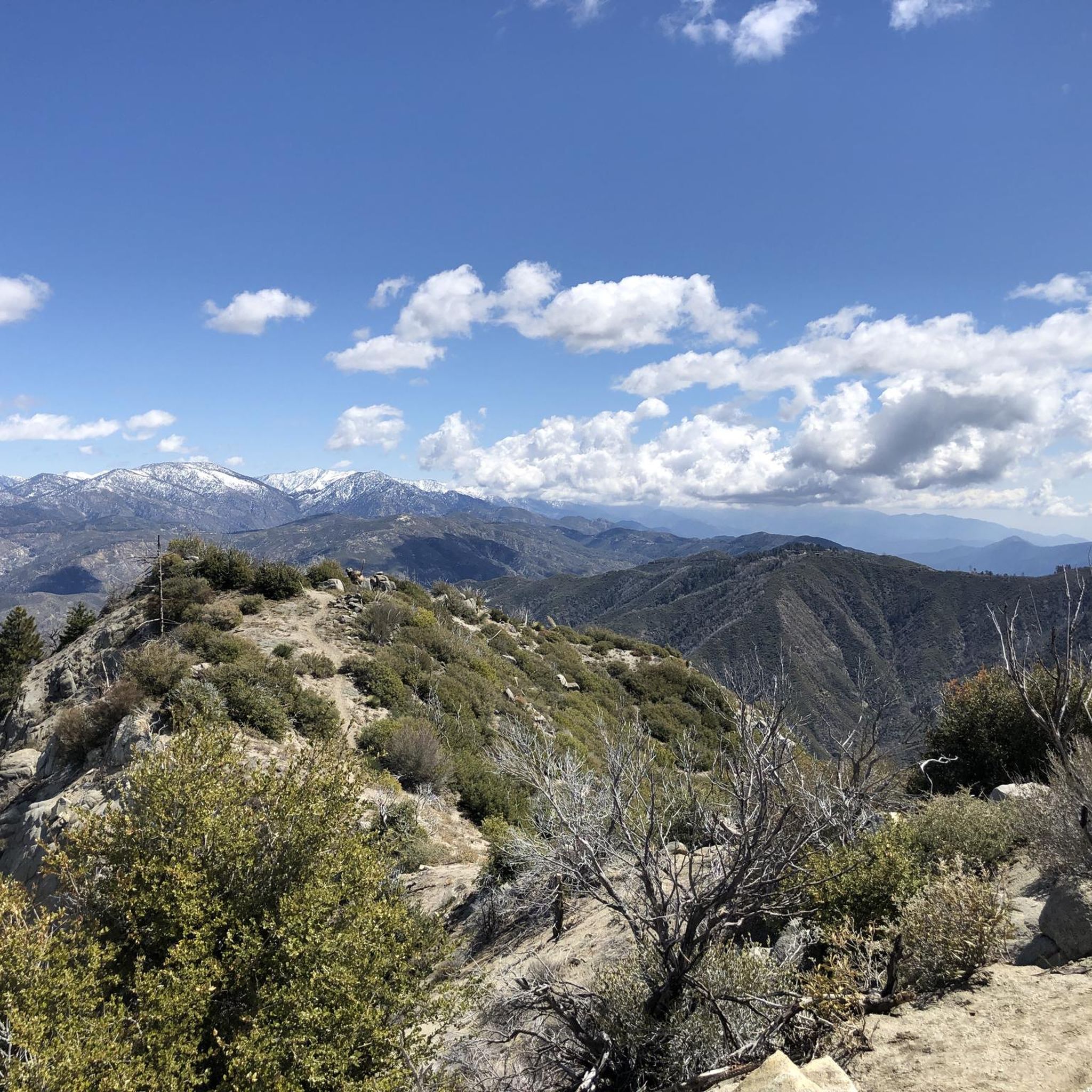
Running Trails in San Gabriel Mountains National Monument
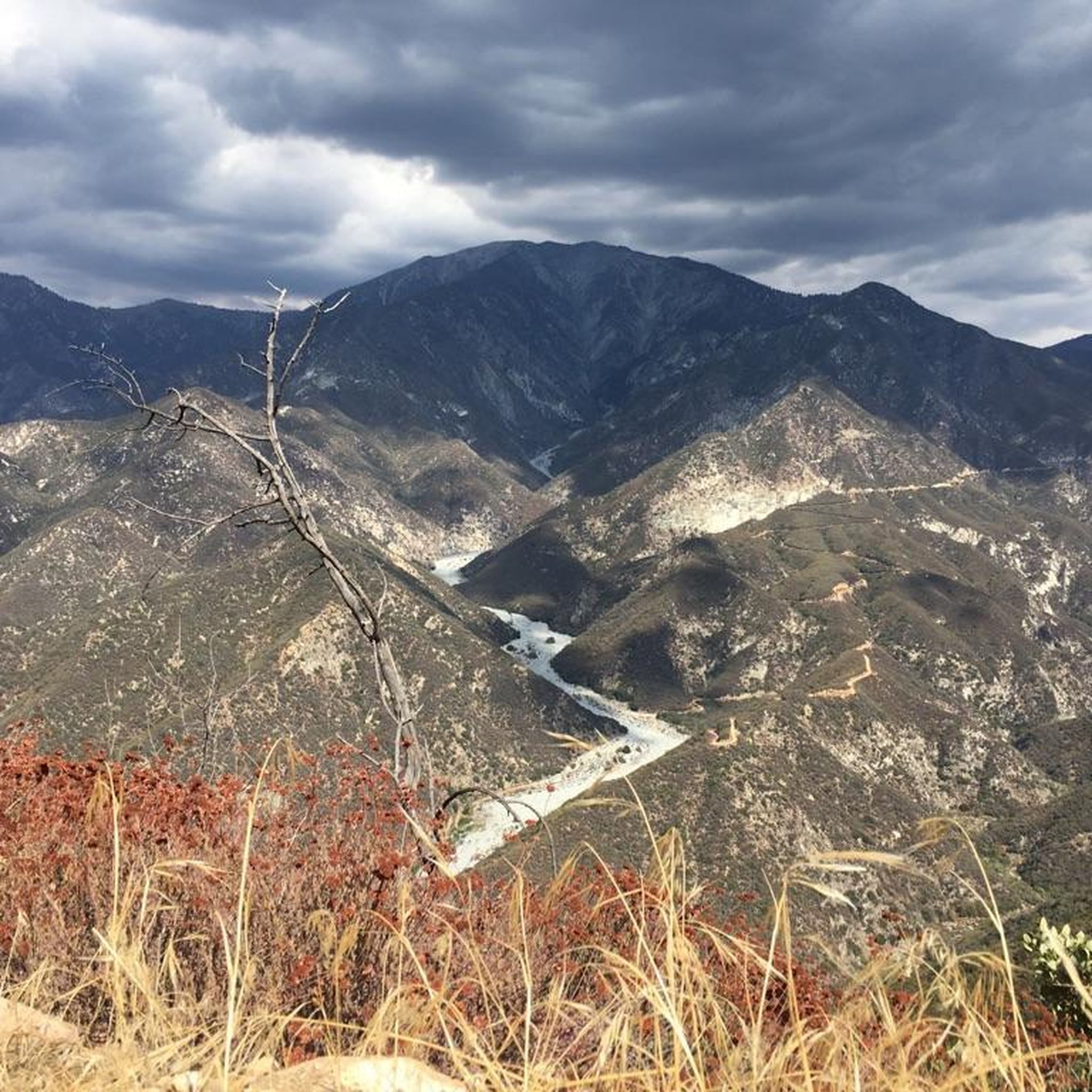
Road Cycling Routes in San Gabriel Mountains National Monument
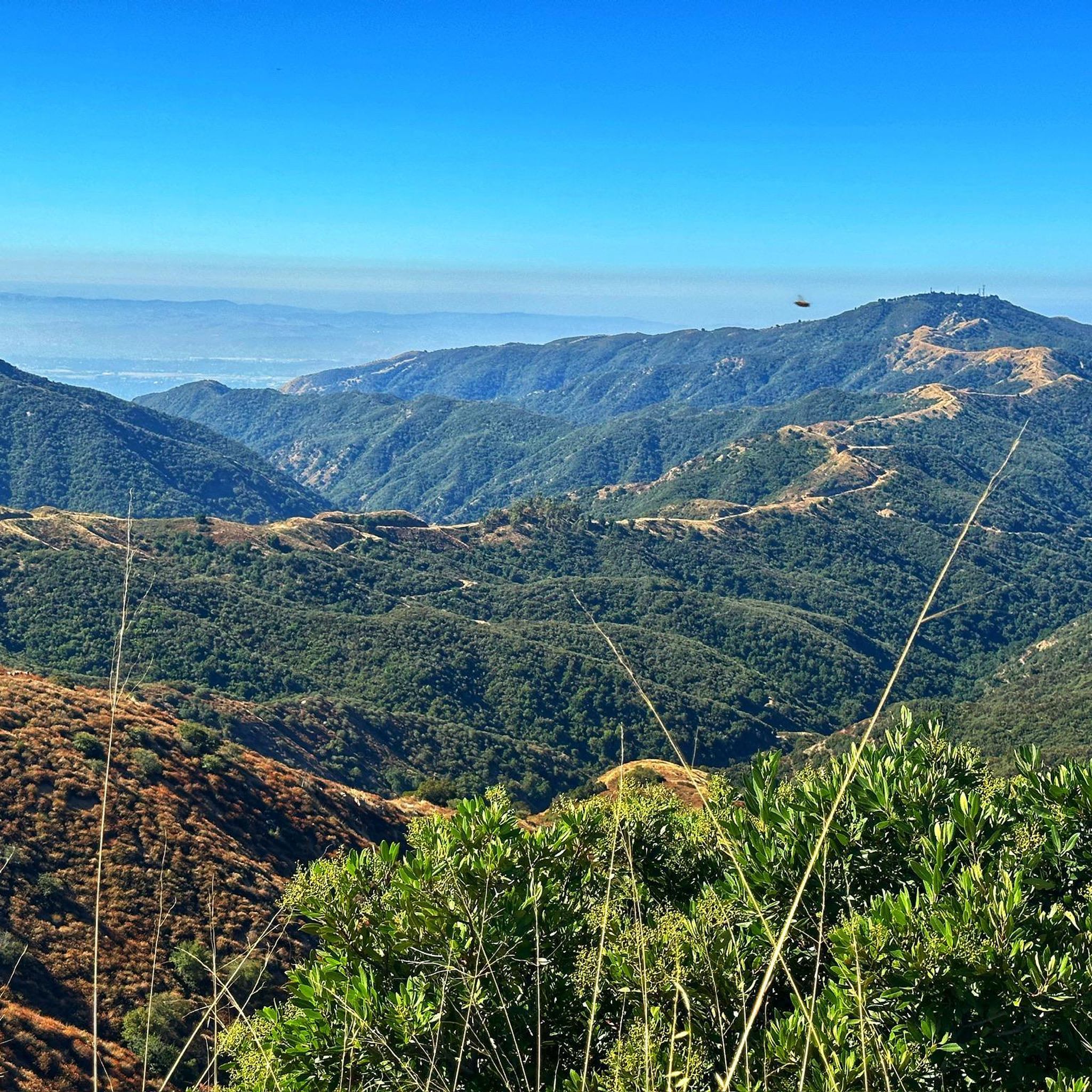
Cycling in San Gabriel Mountains National Monument
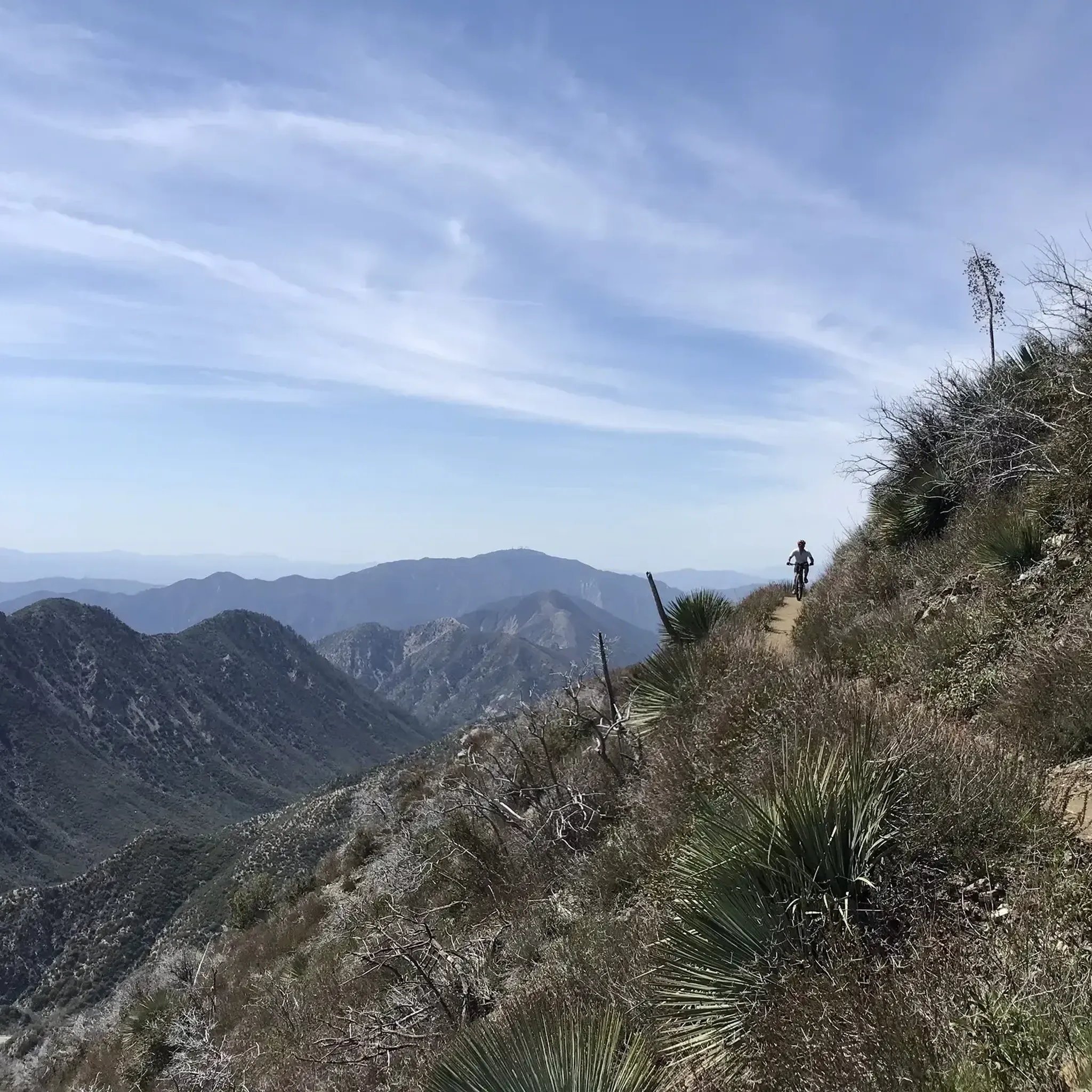
Gravel biking in San Gabriel Mountains National Monument
Other adventures in San Gabriel Mountains National Monument

Tips from the Community

The San Gabriel Canyon or otherwise known as Azusa Canyon road is a smooth paved road that winds its way through this historical canyon offering picturesque scenery of both the Morris and San Gabriel Reservoirs. The views are great as you pedal up the road with its mixture of rolling hills intermingled with the tranquil waters of the reservoirs.
0
0
The San Gabriel Canyon or otherwise known as Azusa Canyon road is a smooth paved road that winds through this historical canyon offering picturesque scenery of both the Morris and San Gabriel Reservoir. The views are great as you pedal up the road with rolling hills and peaks peaking intermingled with the rather large bodies of water.
1
0

The Devil's Chair is located within the San Gabriel Mountains, considered one of the most breathtaking natural landmarks in the region. From the viewpoint, you are afforded incredible views of the Devil's Punchbowl and the fascinating rock formations below.
1
0

The free wilderness permit for hiking into the Sheep Mountain Wilderness is available for self-registration at this trailhead (and only required if starting from this popular starting point). But make sure to get a paid Adventure Pass from a participating gas or ranger station before driving out: it is required to park here. Check addresses and update here: https://www.fs.usda.gov/detail/angeles/specialplaces/?cid=stelprdb5194614
0
0

This is the trailhead to get to the "Bridge to Nowhere". It is a 10 mile roundtrip to hike there. You need a free Wilderness Permit to hike inside the Sheep Mountain Wilderness, which you can obtain at a ranger station or visitor center in the Angeles National Forest/San Gabriel Mountains National Monument or at a self-service registry at the trailhead. If you hike in winter, be careful when crossing the streams as the water level is much higher than in the summer months. If you hike in summer, take plenty of water, since it will be very hot and dry. Do not hike, if the is a storm coming in, since it is a deadly area infamous for flash floods. This is a popular hike.
2
0
Deep in the San Gabriel Mountains lies this curious a 120 foot high concrete bridge leading literally to nowhere. It was constructed in 1936 over a gap of the carved by the East Fork to connect the San Gabriel Valley and Wrightwood. However, two years later a massive flood changed the landscape and destroyed the road that lead to the bridge. The road was never rebuilt and construction was abandoned due to a lack of financial investment. It is the only place in California were bungee jumping is allowed. This is a 10 mile roundtrip to hike here. You need a free Wilderness Permit to hike inside the Sheep Mountain Wilderness, which you can obtain at a ranger station or visitor center in the Angeles National Forest/San Gabriel Mountains National Monument or at a self-service registry at the trailhead. If you hike in winter, be careful when crossing the streams as the water level is much higher than in the summer months. If you hike in summer, take plenty of water, since it will be very hot and dry. Do not hike, if the is a storm coming in, since it is a deadly area infamous for flash floods. This is a popular hike.
6
0
The initially wide and popular East Fork Trail after two miles becomes narrow and less visited with several creek crossings. Though the trailhead at the parking is called 'Bridge To Nowhere', the actual trail becomes harder to find on the second half (another 2 miles) to the Bridge to Nowhere, but impossible to miss along the stream bed. But careful, there can be dangerous flash floods if it rains higher in the mountains, even if it appears dry here. While the free wilderness permit for hiking the Sheep Mountain Wilderness is available for self-registration at this trailhead (and only required if starting from this popular starting point), make sure to get a paid Adventure Pass from a participating gas or ranger station before driving out: it is required to park here. https://www.fs.usda.gov/detail/angeles/specialplaces/?cid=stelprdb5194614
2
1
Frequently Asked Questions
What are some notable canyons to explore in the San Gabriel Mountains National Monument?
Beyond the well-known spots, you can explore the dramatic 'Narrows' section of the East Fork of the San Gabriel River, known for its deep gorge and historical mining sites. Middle Fork Lytle Creek offers magnificent alpine scenery and spectacular waterfalls, while Little Santa Anita Canyon is excellent for practicing canyoneering techniques. Other notable canyons include Cooper Canyon with its scenic falls, Colby Canyon offering peaceful hikes to Josephine Peak, and Arroyo Seco, significant for its natural habitat close to urban areas.
Are there any historical landmarks or sites within the canyons?
Yes, the canyons are rich in history. The Bridge to Nowhere in the East Fork of the San Gabriel River is a prominent landmark, an abandoned concrete bridge from 1936. You can also find remnants of old mining sites along the East Fork and historic resort ruins in Little Santa Anita Canyon and Arroyo Seco. Shoemaker Canyon is unique for its Cold War-era 'Tunnels to Nowhere,' part of an abandoned nuclear escape route project.
What kind of natural features can I expect to see in the canyons of the San Gabriel Mountains?
The canyons boast diverse natural beauty. You'll find year-round flowing streams and rivers, such as the East Fork of the San Gabriel River and Middle Fork Lytle Creek, supporting rich aquatic habitats. Spectacular waterfalls can be seen in Middle Fork Lytle Creek and Cooper Canyon Falls. Many areas feature old-growth pines and cedars, providing shaded environments. Keep an eye out for wildlife like Nelson's bighorn sheep and yellow warblers, especially in Middle Fork Lytle Creek.
Are there opportunities for canyoneering in the San Gabriel Mountains National Monument?
Yes, the San Gabriel Mountains offer challenging canyoneering routes. Middle Fork Lytle Creek is known for its difficult routes with multiple rappels, some over 100 feet, best suited for experienced canyoneers in summer or early fall. Little Santa Anita Canyon provides a good training ground for beginners, with numerous rappels typically ranging from 15 to 40 feet in a shaded, wooded environment.
What is the best time of year to visit the canyons?
The best time to visit depends on your activity. For refreshing natural environments and year-round flowing water, cooler months are pleasant, but be cautious of higher water levels during stream crossings. Summer offers warmer, drier conditions, but remember to carry plenty of water due to heat. For challenging canyoneering in areas like Middle Fork Lytle Creek, summer or early fall is recommended to avoid potential ice. Always check weather conditions, as flash floods can occur during storms.
Are there any family-friendly hiking options in the canyons?
While some canyon routes are challenging, there are options for families. The hike to Bridge to Nowhere, though 9.5-10 miles round-trip with river crossings, is a popular adventure for active families. The moderate hike to Cooper Canyon Falls is also a pleasant option, passing through an enchanting old-growth forest. Colby Canyon offers a peaceful, shaded walk that can be enjoyed by families seeking less crowded trails.
What are the permit requirements for hiking in the canyons?
For hikes into the Sheep Mountain Wilderness, which includes the area around the Bridge to Nowhere and the San Gabriel River East Fork Trail, you will need a free Wilderness Permit. These can be obtained at a ranger station or visitor center in the Angeles National Forest/San Gabriel Mountains National Monument, or at a self-service registry at the trailhead. Additionally, a paid Adventure Pass is required for parking at many trailheads.
What outdoor activities can I do near these canyons?
Beyond exploring the canyons themselves, the San Gabriel Mountains National Monument offers a variety of outdoor activities. You can find numerous hiking trails, including easy options like those leading to Little Jimmy Campground or sections of the Pacific Crest Trail. For more adventurous cyclists, there are challenging gravel biking routes such as the San Gabriel Canyon loop or the Mount Lukens and Josephine Peak Loop. Running enthusiasts can tackle trails like the Devil's Backbone Trail loop. For more information on these activities, visit the gravel biking, easy hikes, and running trails guides for the region.
Are there any viewpoints offering scenic vistas of the canyons?
Yes, several spots provide stunning views. The San Gabriel Canyon Road Scenic View offers picturesque scenery of the Morris and San Gabriel Reservoirs, with expansive views of the canyon and surrounding landscape. Colby Canyon leads to Josephine Peak, which provides broad views over the Angeles National Forest and the Los Angeles Basin. Additionally, the Devil's Chair offers incredible views of the Devil's Punchbowl and fascinating rock formations.
What should I know about water crossings when hiking in the canyons?
Many canyon trails, particularly along the East Fork of the San Gabriel River, involve multiple stream crossings. In winter, water levels can be significantly higher than in summer, requiring extra caution. Always be aware of weather conditions; flash floods are a serious danger in these areas, even if it appears dry at your location, if there's rain higher in the mountains. It's crucial to assess water levels and current before attempting crossings.
Can I find shaded trails in the canyons for warmer days?
Yes, several canyons offer welcome shade, especially beneficial during warmer months. Little Santa Anita Canyon is wooded with year-long water flow, providing a cool environment for canyoneering. Cooper Canyon, with its old-growth pines and cedars, offers a tranquil and shaded environment for hiking to Cooper Canyon Falls. Colby Canyon is also described as lush and wooded, providing a pleasant, shaded walk.
Most popular routes in San Gabriel Mountains National Monument
Most popular attractions in San Gabriel Mountains National Monument

Get inspired with the komoot mobile app


Explore more
Already discovered everything in this region? See additional gorges in San Gabriel Mountains National Monument for your next adventure:
