The 19 Most Amazing Peaks in San Juan National Forest
Mountain peaks in San Juan National Forest are situated in the rugged San Juan Mountains of southwestern Colorado. The region is characterized by its numerous summits, including many over 14,000 feet and over 13,000 feet. These peaks feature dramatic, jagged terrain, a result of their volcanic origin. The area also holds a rich historical mining heritage.
Best mountain peaks in San Juan National Forest
- The most popular mountain peaks is Baldy Mountain, a summit that is a 9,874-foot peak…
Last updated: April 29, 2026
Baldy Mountain
Highlight • Summit
Tip by

Deadwood Mountain
Highlight • Summit
Tip by
Sign up now to discover places like this
Get recommendations on the best single tracks, peaks, & plenty of other exciting outdoor places.
Sign up for free
Mount Eolus
Highlight • Summit
Tip by
Engineer Mountain
Highlight • Summit
Tip by
Diorite Peak
Highlight • Summit
Tip by
Sign up for free to discover even more peaks in San Juan National Forest.
Sign up for free
Already have an account?
Start today with a free account
Your next adventure awaits.
Login or Signup
Popular around San Juan National Forest
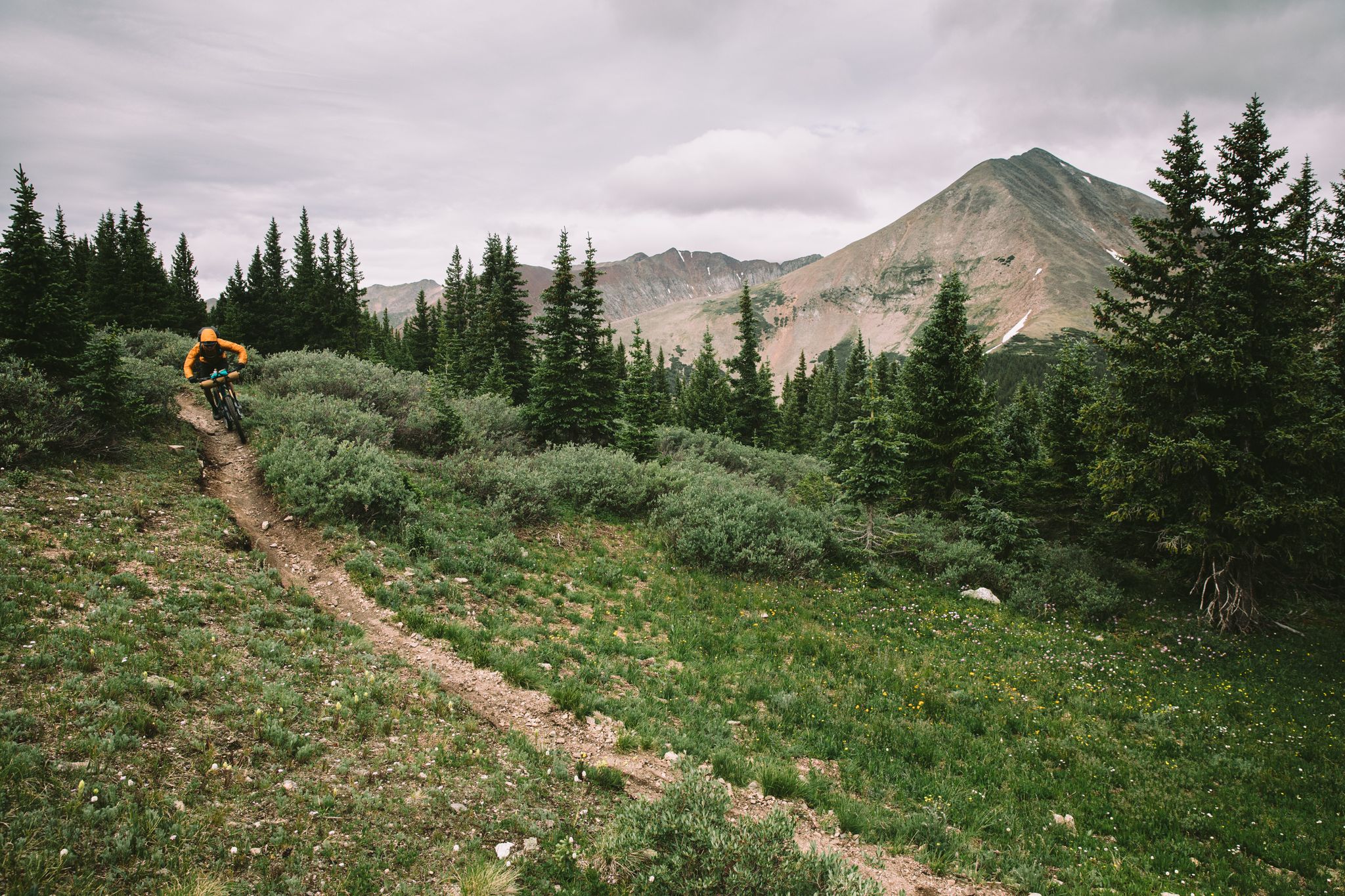
The Colorado Trail — Ten incredible days in the Rocky Mountains
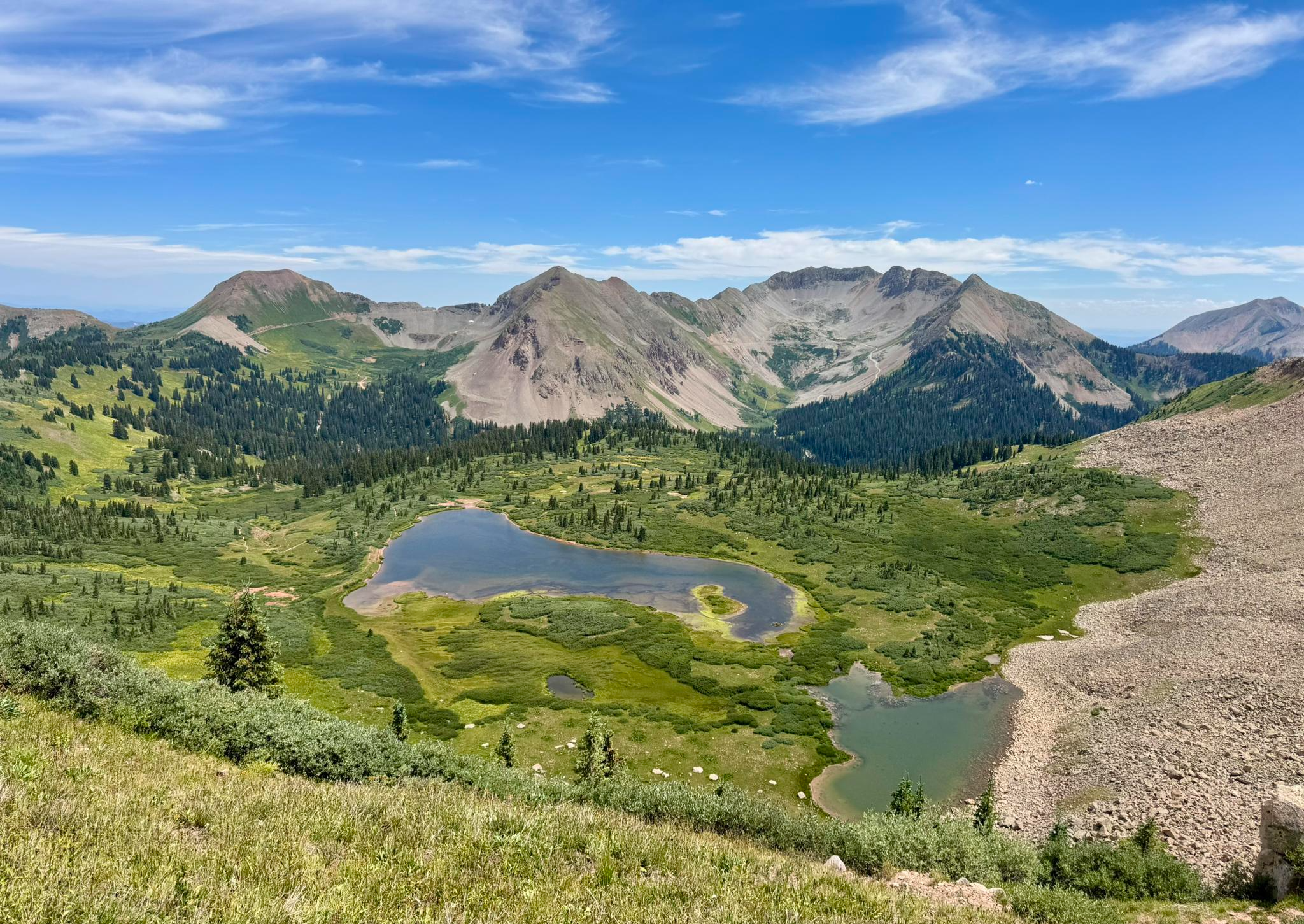
Colorado Trail — The pinnacle of wild Colorado
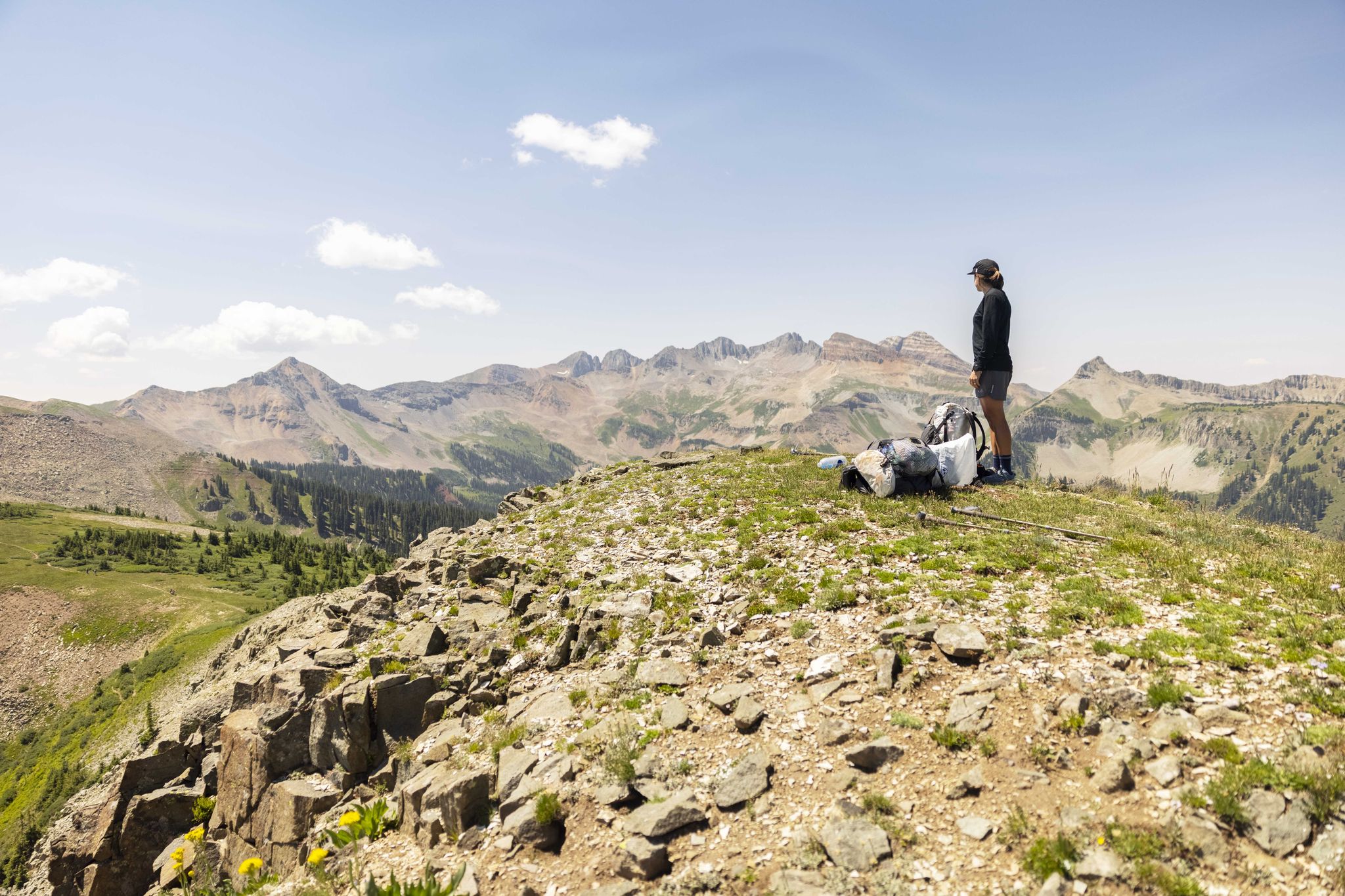
The Colorado Trail — Hiking from Silverton to Durango
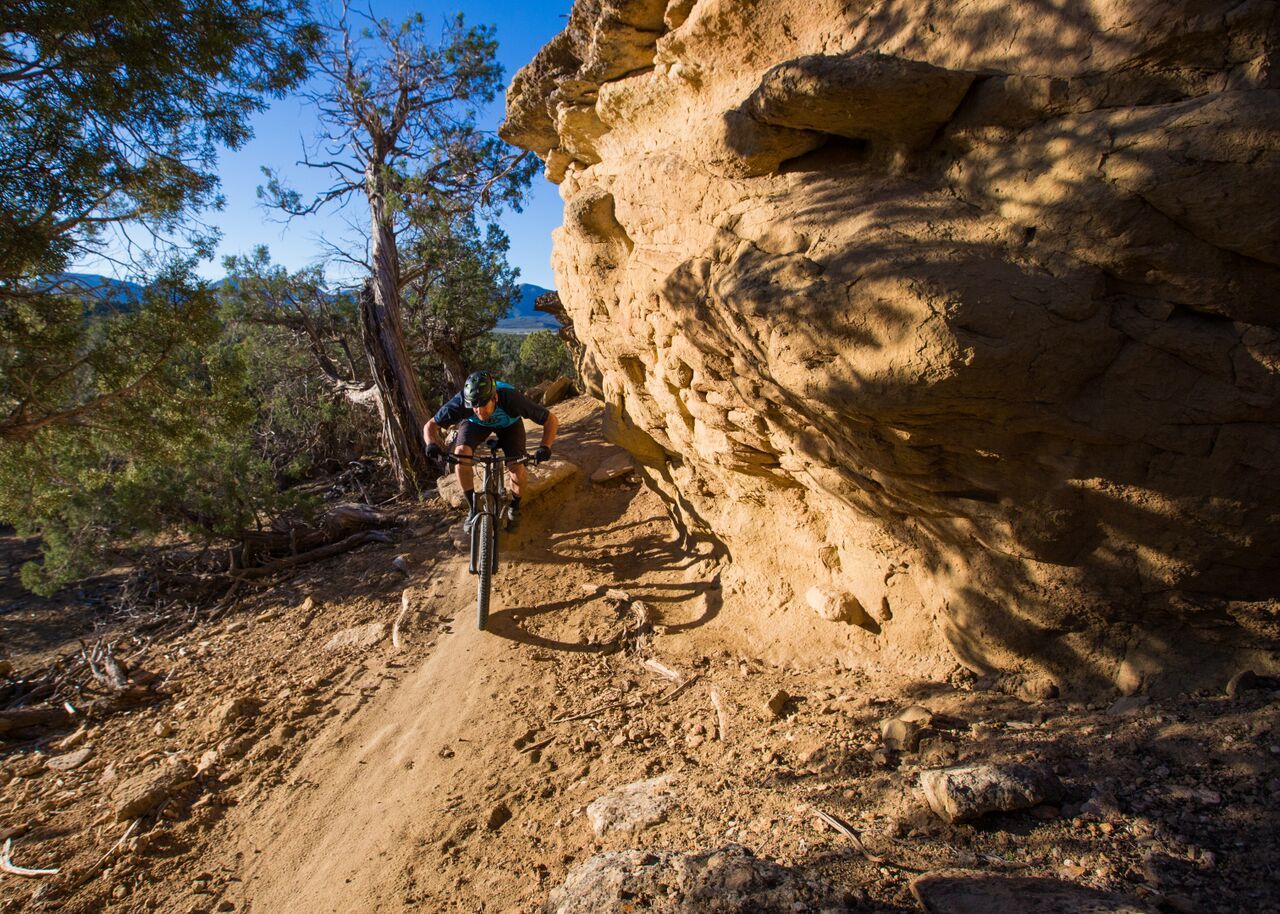
Unforgettable MTB adventures in Colorado's south-west
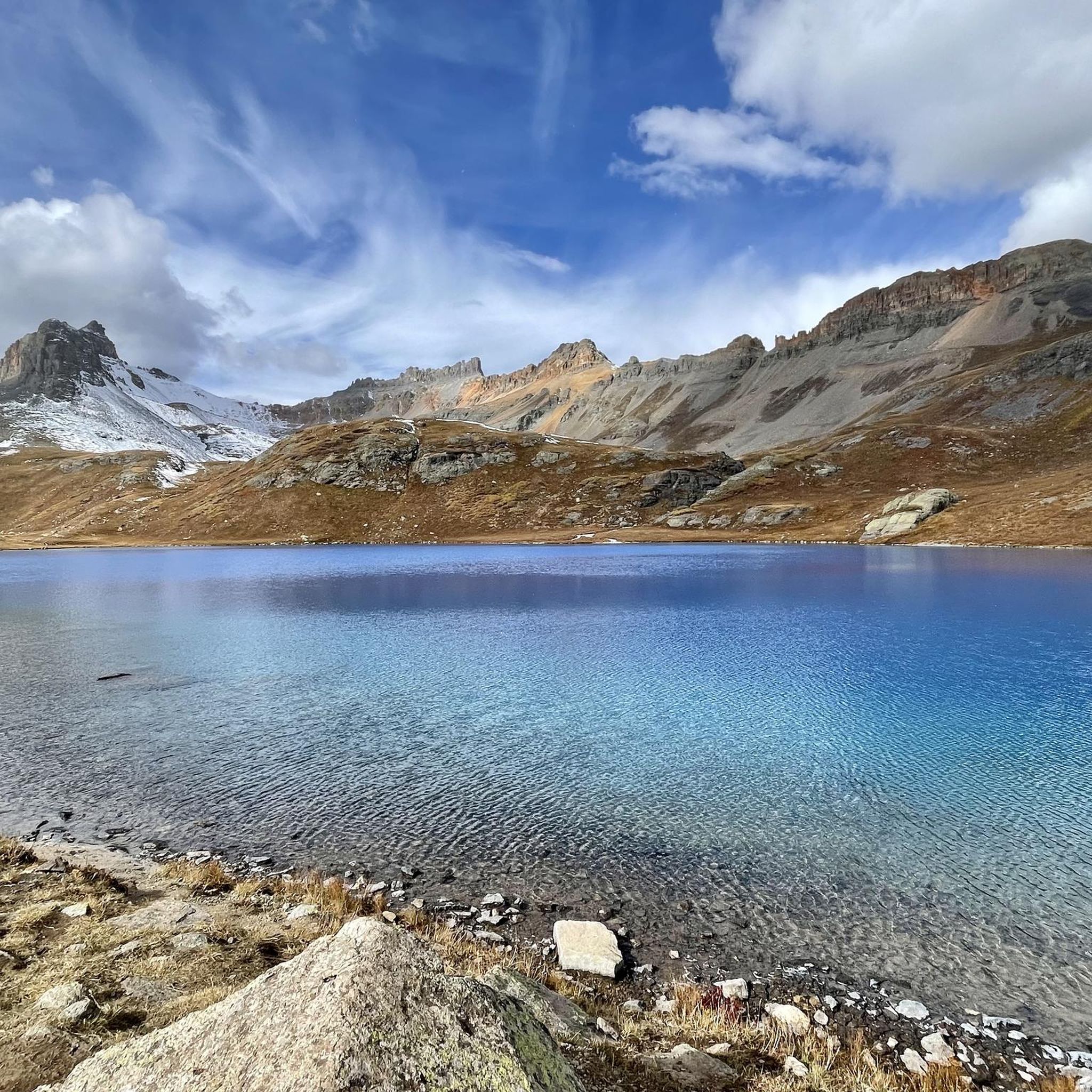
Hiking in San Juan National Forest
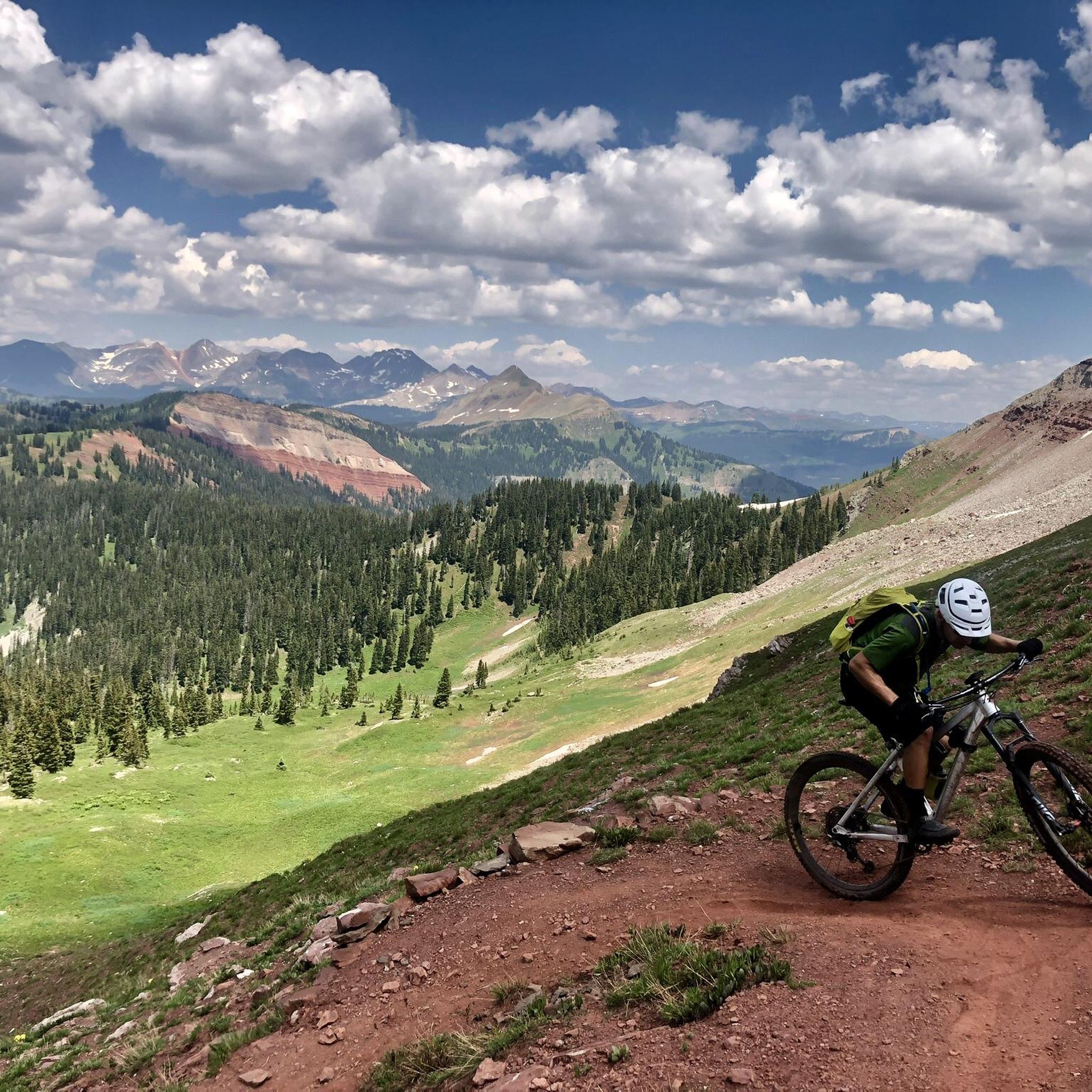
MTB Trails in San Juan National Forest
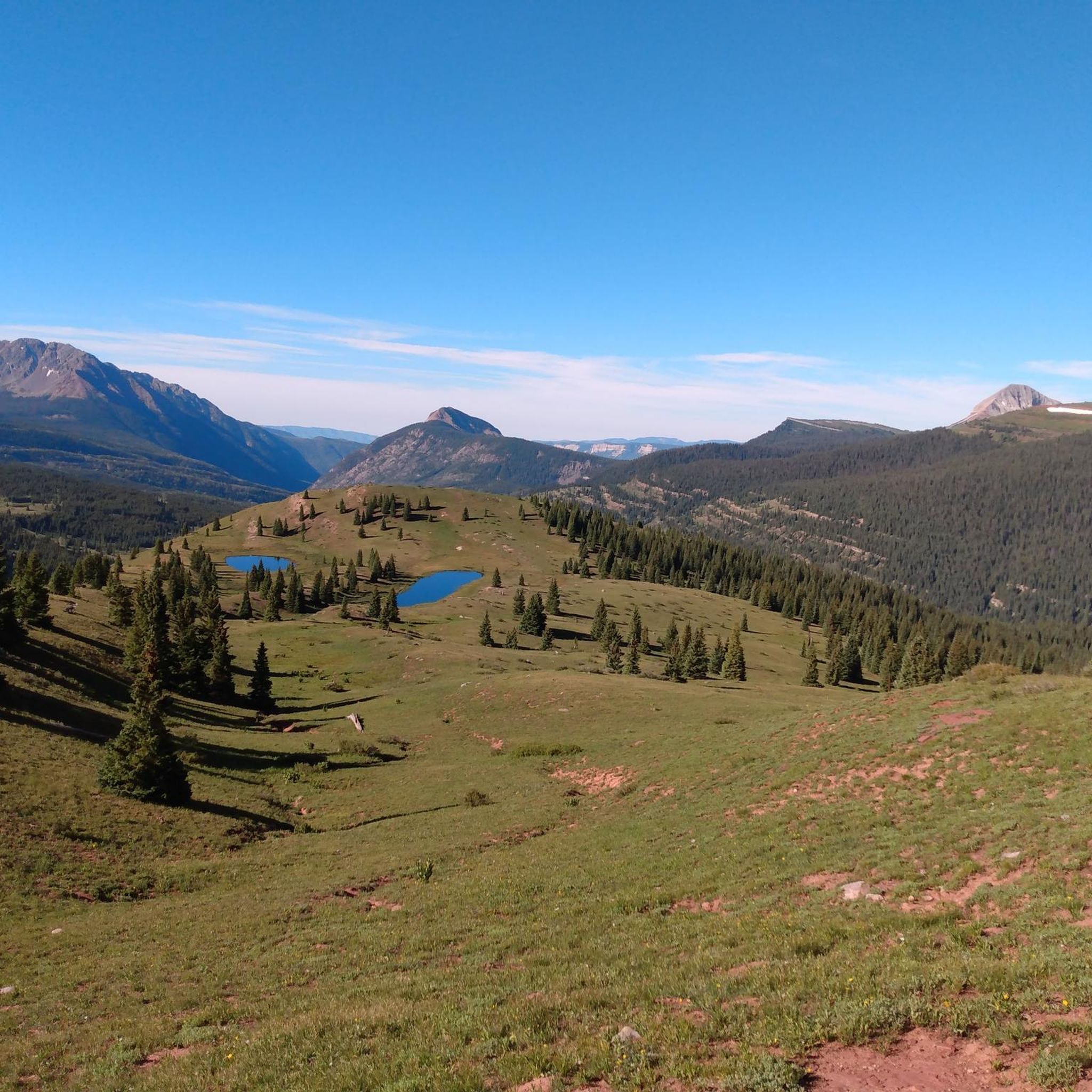
Running Trails in San Juan National Forest
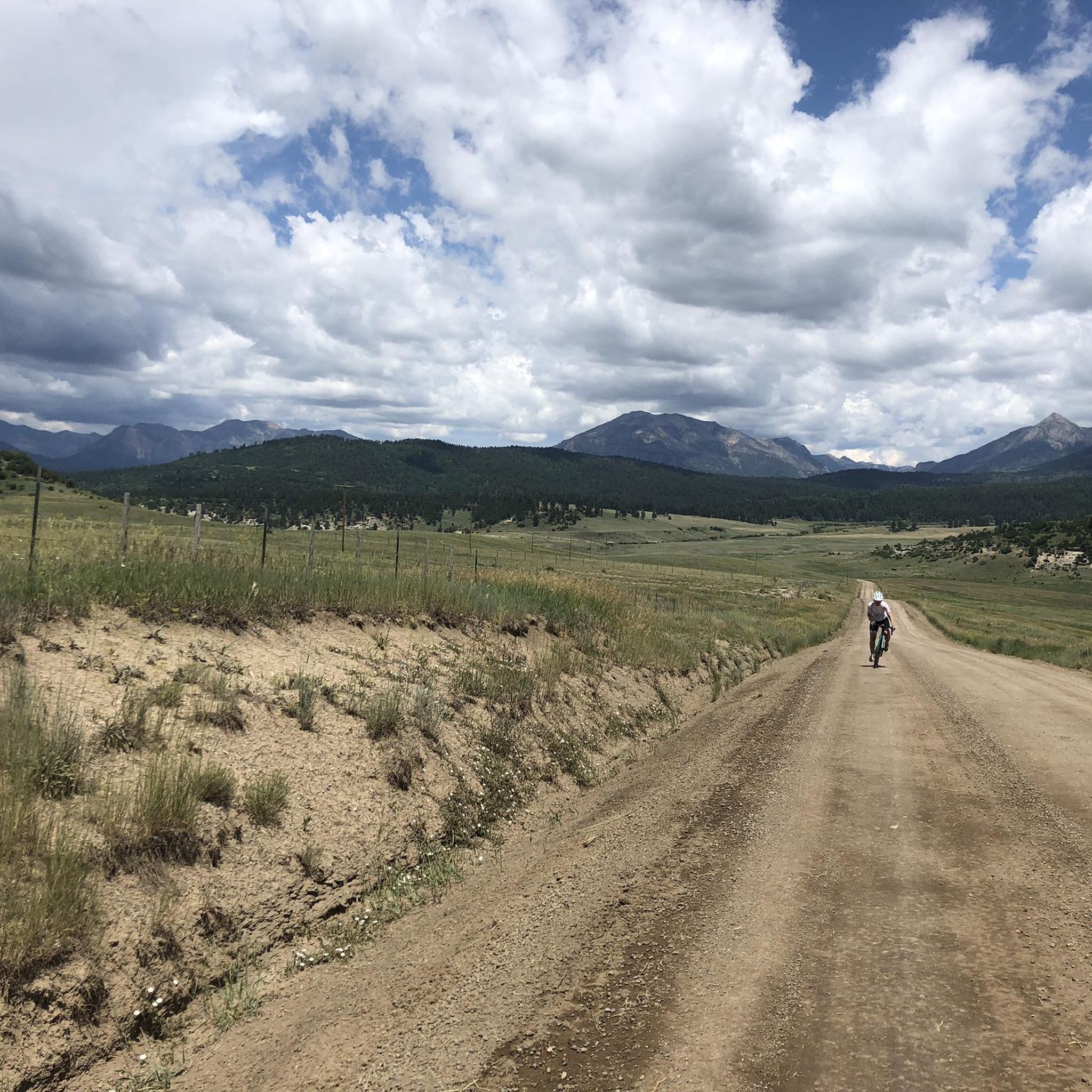
Cycling in San Juan National Forest
Road Cycling Routes in San Juan National Forest

Gravel biking in San Juan National Forest
Other adventures in San Juan National Forest


Tips from the Community

At 12,968 feet, Engineer Mountain doesn't quite qualify as a Colorado 13er. That being said, it is one of the most unique and fun mountains in the San Juans. The ridge up to the summit involves some class 2 and class 3 moves, but the route is clear and easy to follow. This is a great route to introduce someone to class 3 travel, and you are not lacking any views once you reach the summit.
0
0
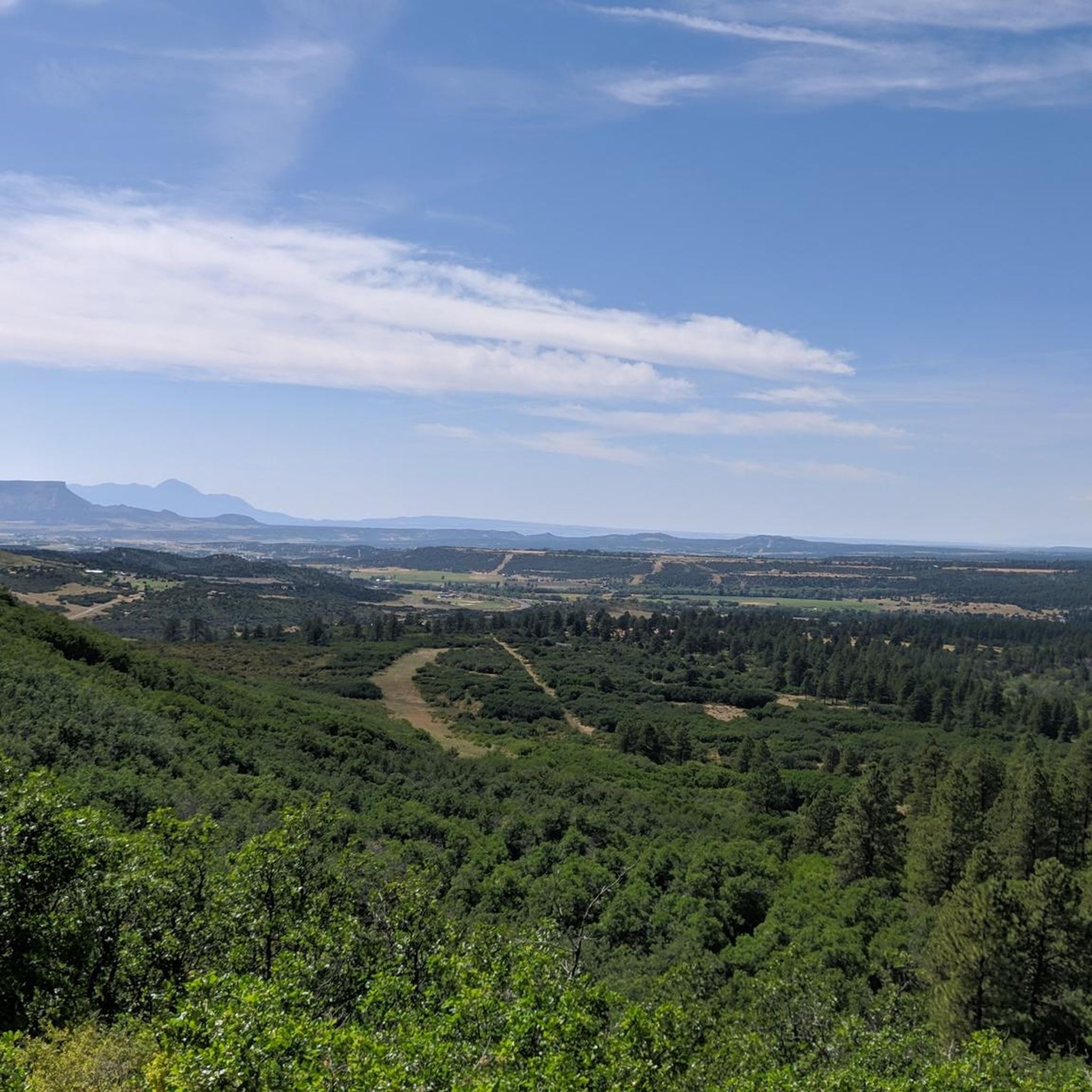
Baldy Mountain is a 9,874-foot peak in the San Juan Mountains just outside of Durango, Colorado. The mountain can be tackled from a couple different trailheads and is located at the end of a forest service road (the road is closed to motor vehicles). There are great views of the La Plata Mountains from the summit.
0
0
At 12,285 feet, Deadwood Mountain is one of the most accessible peaks in the La Plata Mountains. Like most of the summits in the range, Deadwood Mountain is approached via an old, rocky mining road. Once you break treeline, the trail tuckers out, and you follow the ridge (with some evidence of a trail/path) to the top.
0
0
Diorite Peak (12,761 feet) is one of the most central mountains in the La Platas. The mountain is usually approached via a rocky logging road that ends in the midst of a bunch of switchbacks climbing up the southern face of the mountain. The trail is mainly class 1, but it is super steep in sections. You can truly see the entire La Plata Mountain Range from the top of this mountain.
0
0
Mount Eolus (14,087 feet) is a class 3 14er in the Chicago Basin group. The scramble to the summit is straightforward, but there is some real exposure on the traverse. The "Catwalk" is the name for the most narrow section on this ridge. Mostly all of the traverse is long stretches of class 2 (including this tight section). There are a handful of class 3 sections as you approach the very top.
0
0
Mount Eolus (14,087 feet) is a class 3 14er in the Chicago Basin group. The scramble to the summit is straightforward, but there is some real exposure on the traverse. The "Catwalk" is the name for the most narrow section on this ridge. Mostly all of the traverse is long stretches of class 2 (including this tight section). There are a handful of class 3 sections as you approach the very top.
0
0
At 12,968 feet, Engineer Mountain doesn't quite qualify as a Colorado 13er. That being said, it is one of the most unique and fun mountains in the San Juans. The ridge up to the summit involves some class 2 and class 3 moves, but the route is clear and easy to follow. This is a great route to introduce someone to class 3 travel, and you are not lacking any views once you reach the summit.
0
0
Baldy Mountain is a 9,874-foot peak in the San Juan Mountains just outside of Durango, Colorado. The mountain can be tackled from a couple different trailheads and is located at the end of a forest service road (the road is closed to motor vehicles). There are great views of the La Plata Mountains from the summit.
0
0
Frequently Asked Questions
Which mountain peaks are most popular in the San Juan National Forest?
Among the most appreciated peaks in the San Juan National Forest are Baldy Mountain, a 9,874-foot summit offering great views of the La Plata Mountains, and Engineer Mountain, a 12,968-foot peak known for its unique ridge climb involving Class 2 and 3 moves. Mount Eolus, a challenging 14er in the remote Chicago Basin, is also highly regarded for its scramble and exposure.
Are there any accessible peaks for beginner hikers or those seeking less technical climbs?
Yes, for those seeking a less technical 14er experience, Handies Peak is considered one of the easier 14ers to climb, offering a Class 1 route to the top. It's suitable for beginner to intermediate hikers and passes through the beautiful American Basin, known for its wildflowers. For a 13er, Deadwood Mountain (12,285 feet) is one of the more accessible peaks in the La Plata Mountains, often approached via an old mining road.
What are some of the most challenging mountain peaks in the San Juan National Forest for experienced mountaineers?
Experienced mountaineers often seek out the peaks of the Wilson Group: Mount Wilson, El Diente Peak, and Wilson Peak, located in the Lizard Head Wilderness. These are among the more difficult 14ers, with Mount Wilson and El Diente typically requiring Class 3 to Class 4 scrambling. The traverse between Mount Wilson and El Diente is a classic challenge. Wetterhorn Peak is also known for its distinctive spire-like shape and challenging Class 3 scramble with exposed sections.
Which peaks offer the best panoramic views of the San Juan Mountains?
Uncompahgre Peak, the highest summit in the San Juan Mountains, offers panoramic views from its broad summit plateau that are considered among the best in Colorado. From Diorite Peak, you can truly see the entire La Plata Mountain Range. Handies Peak also provides incredible panoramic views of the San Juan Mountains.
What unique natural features can be found around the mountain peaks in this region?
The San Juan Mountains are characterized by their volcanic origin, resulting in jagged, dramatic terrain. You can find permanent snowfields and remnants of glaciers, particularly around the Wilson Group. The American Basin, near Handies Peak, is famous for its spectacular display of alpine wildflowers in late July and early August. Redcloud Peak is notable for its distinctive red color due to oxidized iron content in its volcanic rock.
Are there any remote wilderness experiences available when visiting these peaks?
Yes, the Chicago Basin 14ers (Mount Eolus, Windom Peak, and Sunlight Peak) offer a highly remote wilderness experience within the Weminuche Wilderness. Access often involves a unique journey via the historic Durango & Silverton Narrow Gauge Railroad, followed by a significant hike. The Lizard Head Wilderness, home to the Wilson Group, also provides a true backcountry adventure.
What is the best time of year to hike the mountain peaks in the San Juan National Forest?
The prime season for hiking most of the higher mountain peaks in the San Juan National Forest is typically late July through early September, when snowmelt is largely complete and weather is generally more stable. This period also offers the best chance to witness vibrant alpine wildflowers, especially in areas like the American Basin.
What kind of outdoor activities can I do near the mountain peaks in San Juan National Forest?
Beyond peak bagging, the San Juan National Forest offers diverse outdoor activities. You can explore numerous mountain biking trails, such as the Hermosa Creek Trail or the Blackhawk Co. Trail. For gravel biking, routes like the Gate 5 Trailhead loop provide challenging rides. Road cyclists can enjoy scenic routes like Hermosa to Coal Bank Pass. Find more details on these activities in the MTB Trails, Gravel Biking, and Road Cycling Routes guides for the region.
Are there any peaks known for their historical significance or mining heritage?
The San Juan Mountains are rich in historical mining heritage, a result of the region's volcanic history and mineralized rocks. Many old mining trails are now used for recreation. While specific peaks aren't highlighted for their direct historical sites in the provided data, the general area around many of these summits, especially those accessible via old mining roads like Deadwood Mountain, reflects this past.
What should I know about accessing the more remote peaks like those in Chicago Basin?
Accessing remote peaks like Mount Eolus, Windom Peak, and Sunlight Peak in the Chicago Basin often requires significant planning. A common approach involves taking the historic Durango & Silverton Narrow Gauge Railroad to the Needleton stop, followed by a substantial hike into the basin. This multi-day journey contributes to a feeling of untouched wilderness and requires backpacking experience.
Which peaks are known for their distinctive shapes or geological features?
Wetterhorn Peak is renowned for its distinctive, pointed, spire-like shape, resembling its Swiss namesake. Wilson Peak is famous for its dramatic north face and pyramidal summit, which even inspired the Coors logo. Uncompahgre Peak features a broad summit plateau that rises dramatically, with a notable 700-foot cliff on its north face.
Most popular routes in San Juan National Forest
Most popular attractions in San Juan National Forest

Get inspired with the komoot mobile app


Explore more
See even more amazing summits in San Juan National Forest with these guides:
