Top 4 Caves around La Jacetania
Best caves around La Jacetania are found in the Aragonese Pyrenees, a region characterized by its mountainous terrain and significant geological formations. The area features limestone caves sculpted by water erosion over thousands of years. These subterranean environments offer insights into natural history, local legends, and biodiversity. La Jacetania's caves also hold historical significance, having served various purposes throughout different eras.
Best caves around La Jacetania
- The most popular caves is El Chorro Waterfall and the Cave and San Cornelio…
Last updated: June 26, 2026
El Chorro Waterfall and the Cave and San Cornelio Hermitages
Highlight • Waterfall
Translated by Google •
Tip by

Santa Elena Hermitage and Fountain
Highlight • Religious Site
Translated by Google •
Tip by

Sign up now to discover places like this
Get recommendations on the best single tracks, peaks, & plenty of other exciting outdoor places.
Sign up for free
Hermitage of the Virgin of the Cave
Highlight • Religious Site
Translated by Google •
Tip by

Tortiellas Sinkhole
Highlight • Cave
Translated by Google •
Tip by

Start today with a free account
Your next adventure awaits.
Login or Signup
Popular around La Jacetania
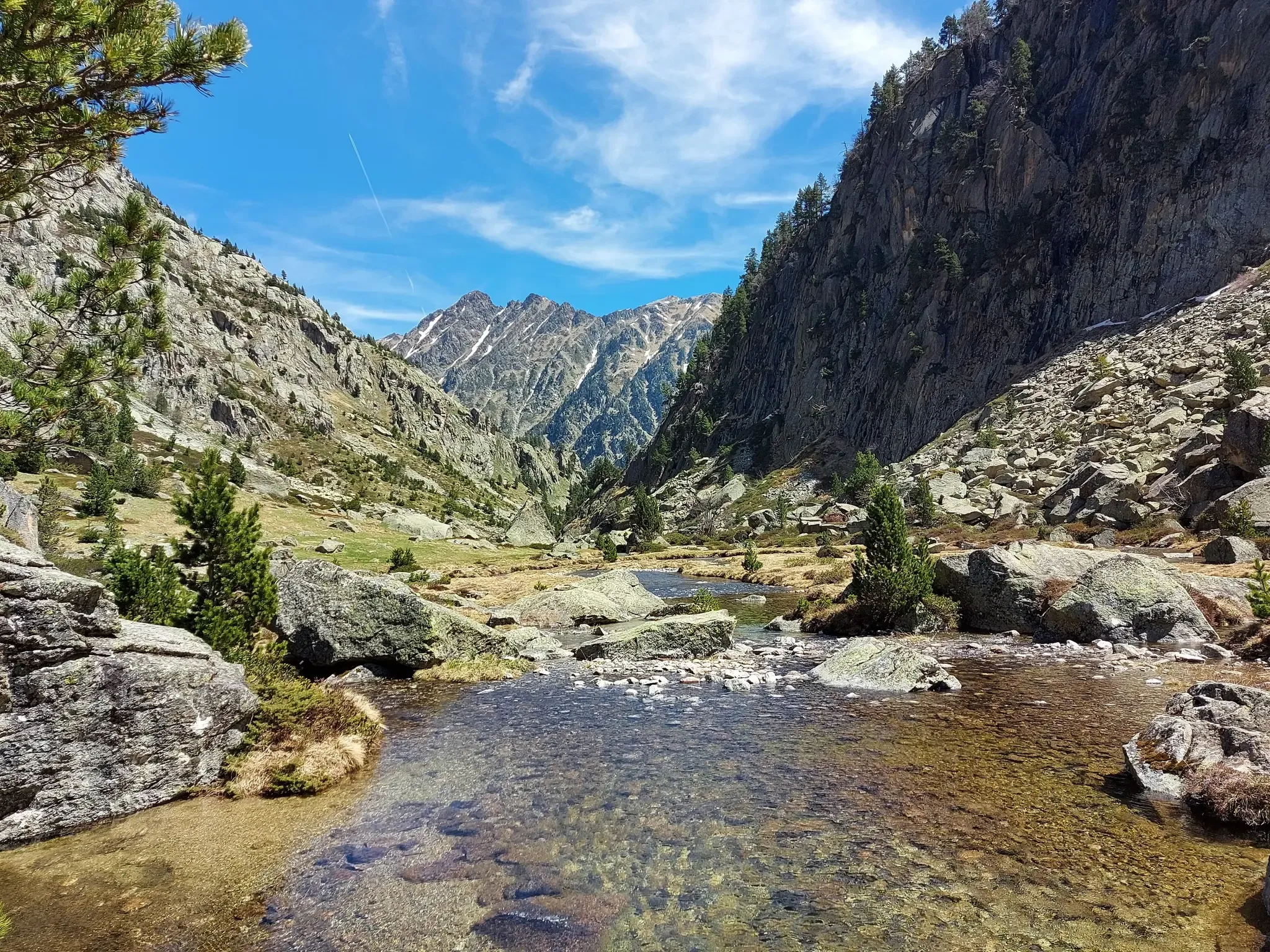
Tour of the Balaïtous – From passes to lakes
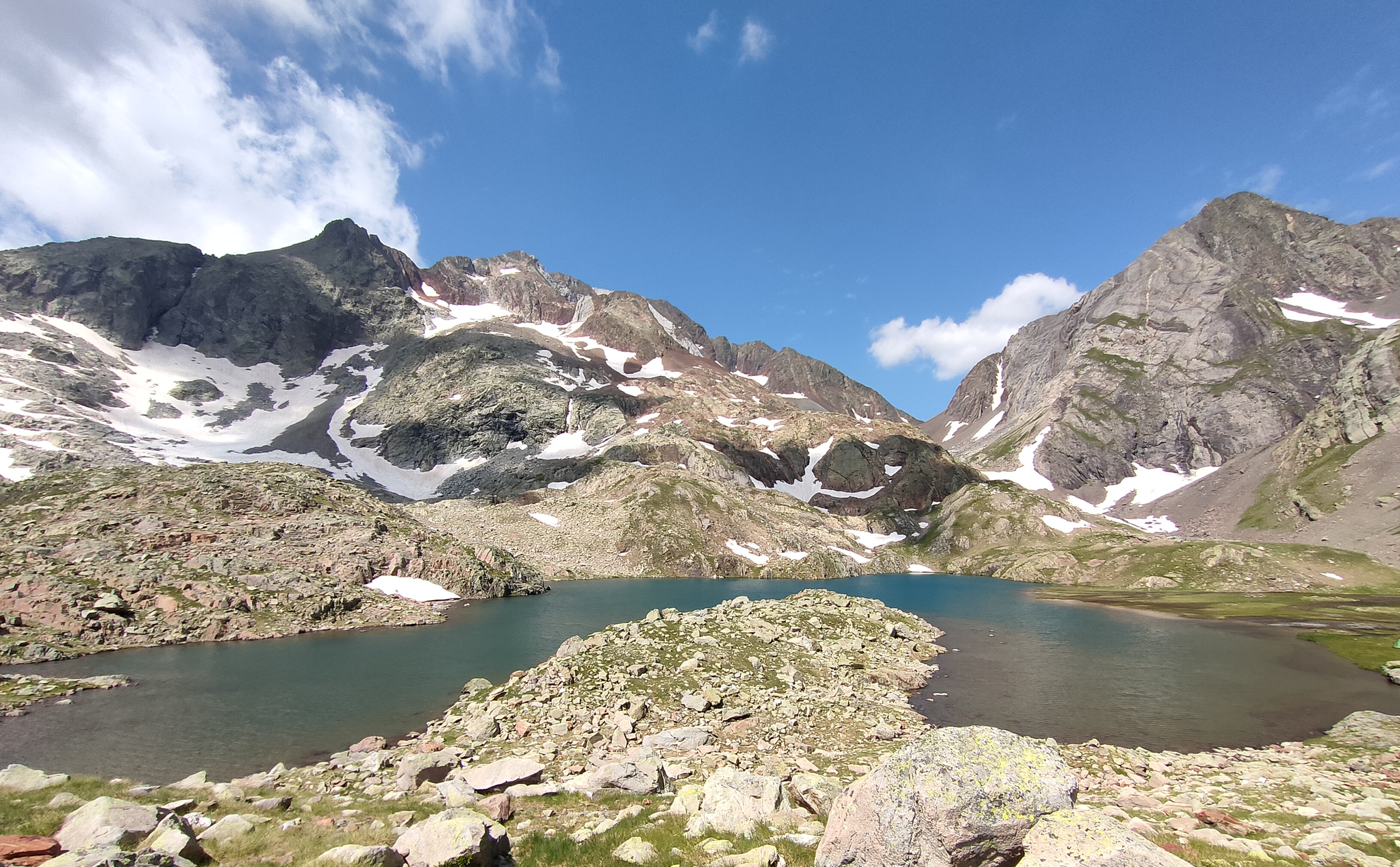
Panoramic Pyrenees – 15 hikers' peaks of over 3,000 metres
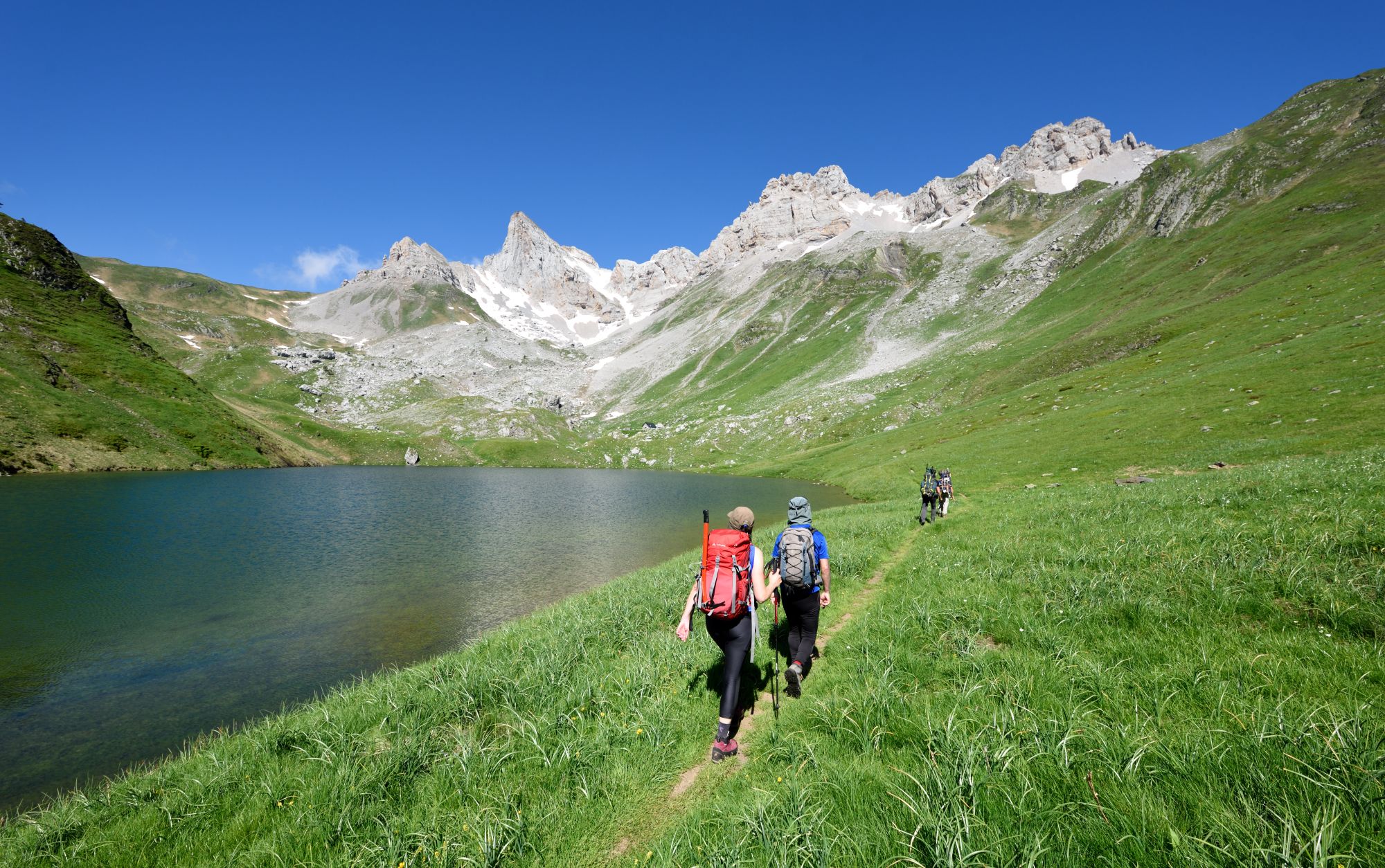
Classic Swallows Route in Spain – Mountains with history
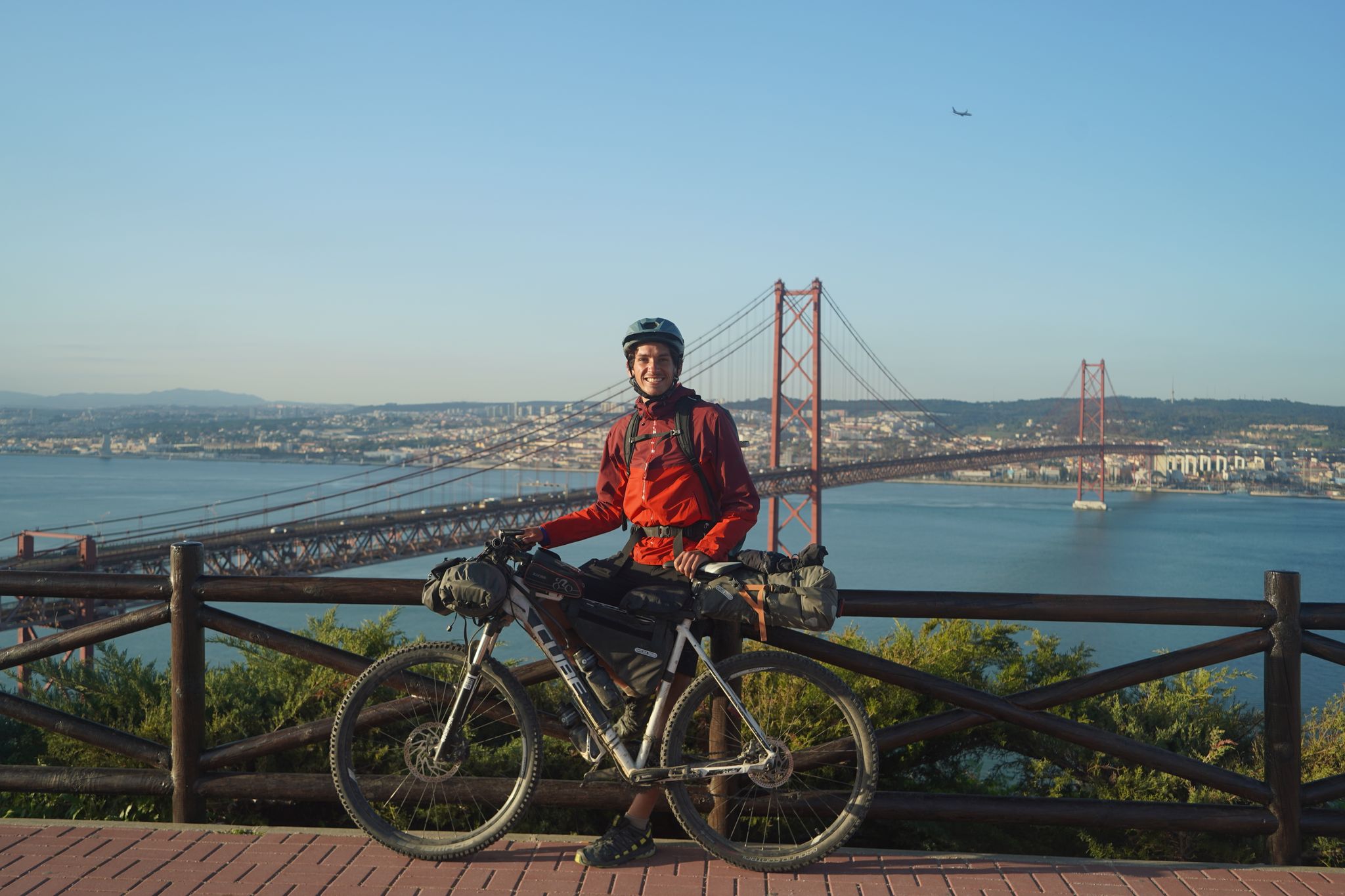
Road to Lisbon – bikepacking the Alps, Pyrenees and Picos de Europa
Haute Route Pyrénéenne – Pyrenees Crossing
Where silence reigns - Grand Gravel Sobrarbe
On the other side of the Pyrénées
Summit conquests and idyllic mountain lakes – Spanish Pyrenees
La Esperanza — The Road Of Hope
The Bay of Biscay to the Mediterranean — southern Pyrenees cycle tour
Other adventures around La Jacetania


Tips from the Community

A beautiful route that follows the route of the pilgrims to the Sanctuary of Santa Orosia from the town of Yebra de Basa. Santa Orosia is a highly venerated saint in the area, she is the patron saint of the city of Jaca, and a large crowd of people from the surrounding towns and other parts of Aragon gathered on her pilgrimage, as she was known to heal the possessed. The Sanctuary dates back to the 17th century, when it was built to accommodate the increase in devotion to the saint. It was built in the place where tradition places the martyrdom of Santa Orosia. The route is marked by small hermitages through a landscape that goes from the initial marls to a humid area with vegetation sheltered by the Santa Orosia ravine in its highest area.
1
0

The route crosses the Tortiellas pass, goes up a small slope to the end of a ski lift and continues straight up towards the crest of the sierra. At the edge of the mountain there is an abyss with collapsed walls that fall towards the Candanchú slope and in front of some rocky walls on top of a grassy slope where the entrance to the abyss and the first installation of the rappels are located. The path to get there is clear halfway up the slope, first along the grassy slope and at the end through a small rock that goes down to the hole in the cave. There are two facilities, one older than the other. The first is more modern and has the cleanest abseil down a vertical wall. The first rappel is the most comfortable and simple, it ends on a small circular platform where a fork appears. The descent continues a few meters to the left and immediately the rings of the next rappel appear on the wall to the left. The abseil is a chimney channel with several projections and a lot of loose stones, it is almost inevitable to throw stones during the descent. The first ones to go down must get out of the rappel line while the next ones go down, there is enough space. On the last step it is good to turn on the front. The following rings are on the wall to the left, visible with the natural light that enters through the exit hole. In this rappel stones also fall but it is easier and it is practically all from the outside.
0
0

Awesome. That is the word that best defines the two rock-cut hermitages and the underpass of the waterfall.
4
0

Legend has it that Saint Helena took refuge in the cave from which the fountain flows and was protected by a spider's web until the danger that awaited her passed. When he came out of the cave, the spring gushed out and for this reason the hermitage was built in his honor in this place.
12
0

Old hermitage inside the rock where they say that the virgin was appreciated by a shepherd
1
0
The waters of the Barranco de Santa Orosia fall from great heights over these hermitages, forming an impressive waterfall known as "El Chorro".
2
0

The Virgen de la Cueva hermitage is, as its name suggests, excavated in the cave. The access is closed due to the danger of landslides, but you can see the interior from the outside. Right next to it, there is a place used by some groups of schoolchildren and hikers. There is also a picnic area and a viewpoint with splendid views of the Pre-Pyrenees.
0
0

Fountain and church of Santa Elena
8
0
Frequently Asked Questions
What are some notable caves to visit in La Jacetania?
The Cueva de las Güixas in Villanúa is the premier caving attraction in the region, known for its geological formations and historical legends. Other notable sites include El Chorro Waterfall and the Cave and San Cornelio Hermitages, which feature rock-cut hermitages and an impressive waterfall. You can also visit Santa Elena Hermitage and Fountain, a religious building associated with a cave and a natural spring, and the Hermitage of the Virgin of the Cave, an old hermitage excavated within a rock.
Are there family-friendly caves in La Jacetania?
Yes, the Cueva de las Güixas offers guided tours that are engaging for all ages, and its "Subterránea" Interpretation Center is adapted for children. The Santa Elena Hermitage and Fountain is also considered family-friendly, offering a blend of natural beauty and local legend.
What kind of natural features can I expect to see in the caves?
The caves in La Jacetania, particularly the Cueva de las Güixas, are limestone caves sculpted by water erosion. You can expect to see diverse formations such as stalactites, stalagmites, and columns. The Cueva de las Güixas also features a large chamber called La Catedral and a unique opening known as La Chimenea or Dolina, where natural light enters.
Do any caves in La Jacetania have historical significance?
Many caves in the region hold historical importance. The Cueva de las Güixas has served as a refuge for human groups since the Neolithic period and as a military shelter. Its location near the Camino de Santiago also adds to its historical relevance. The El Chorro Waterfall and the Cave and San Cornelio Hermitages and the Hermitage of the Virgin of the Cave are examples of historical religious sites built into or near caves.
Is the Cueva de las Güixas accessible for visitors?
Yes, the Cueva de las Güixas is accessible through guided tours that begin at the "Subterránea" Interpretation Center in Villanúa. The center and the cave tour are adapted for children and individuals with special needs, making it a welcoming experience for a wide range of visitors.
Do I need to book tours in advance for the Cueva de las Güixas?
Yes, all visits to the Cueva de las Güixas are guided and require advance booking. This is due to its status as a protected area within the European Natura 2000 network.
What are the geological origins of the caves in La Jacetania?
The caves in La Jacetania, such as the Cueva de las Güixas, are primarily limestone caves formed by water erosion. Their formation began during the Quaternary glaciations, approximately 25,000 to 30,000 years ago, with water continuously sculpting their interiors over millennia.
Are there opportunities for more challenging caving experiences?
Yes, La Jacetania is also known for more demanding natural monuments like sinkholes. The Tortiellas Sinkhole, for example, is categorized as challenging and involves climbing and rappelling, suitable for experienced cavers.
What outdoor activities can I do near the caves in La Jacetania?
The region around La Jacetania offers various outdoor activities. You can find numerous hiking trails, ranging from easy to difficult, as well as gravel biking routes. For hiking, explore options in the Hiking around La Jacetania guide or the Easy hikes around La Jacetania guide. For cycling, check out the Gravel biking around La Jacetania guide.
What is the best time of year to visit the caves in La Jacetania?
While caves maintain a relatively constant temperature year-round, the Cueva de las Güixas can reactivate an internal river during thaws or heavy rains. Visiting during drier seasons might offer a more predictable experience, but the interpretation center and guided tours are available throughout the year. Always check local conditions and opening hours before planning your visit.
Are there any caves with unique legends or stories?
The Cueva de las Güixas is steeped in local legends, particularly those of witches who were said to gather there to bathe in the moonlight. The Santa Elena Hermitage and Fountain also has a legend of Saint Helena taking refuge in the cave, protected by a spider's web, which led to the spring's gushing and the hermitage's construction.
What kind of wildlife can be found in the caves?
The Cueva de las Güixas is home to various bat species, with up to eight different types having been counted. Due to the presence of these bats and its specific conditions, the cave is designated as a Site of Community Importance (LIC) within the European Natura 2000 network.
How can I learn more about the Cueva de las Güixas before visiting?
The "Subterránea" Interpretation Center in Villanúa, where tours for the Cueva de las Güixas begin, offers modern audiovisual and didactic displays. It explains the cave's geological formation, its relationship with the Collarada massif, its resident wildlife, and its historical context, providing a comprehensive overview before you enter the cave.
Most popular routes around La Jacetania
Most popular attractions around La Jacetania

Get inspired with the komoot mobile app


Didn’t find what you were looking for?
Discover more caves around La Jacetania region by region:
Explore more
Extend your search for the best caves by checking out these guides of the top ones around La Jacetania:
