Top 7 Caves around Norte O Antequera
Best caves around Norte O Antequera offer a diverse range of geological and historical sites. This region in Spain features ancient burial chambers, archaeological treasures with prehistoric art, and natural karst formations. Visitors can explore sites that provide insight into early human settlements and unique architectural adaptations to the landscape. The area presents a blend of natural wonders and cultural heritage.
Best caves around Norte O Antequera
- The most popular caves is Cave Houses of Sierra Parda, a cave…
Last updated: July 10, 2026
Túnel de los Tafonis
Highlight • Cave
Translated by Google •
Tip by

Cave Houses of Sierra Parda
Highlight • Cave
Showing Translation
Tip by

Sign up now to discover places like this
Get recommendations on the best single tracks, peaks, & plenty of other exciting outdoor places.
Sign up for free
Morrón de Mal Infierno
Highlight • Natural Monument
Translated by Google •
Tip by

Mozarabic Rock-Cut Church of Bobastro
Highlight • Religious Site
preserved are parts of the Christian rock church and individual cave parts.
Translated by Google •
Tip by

Rock Formation with Caves
Highlight • Cave
Translated by Google •
Tip by

Cliff Dwellings on the Guadalhorce River
Highlight • Historical Site
Translated by Google •
Tip by
Mozarabic Rock-Cut Caves ⛪ Villanueva de Algaidas
Highlight • Cave
Translated by Google •
Tip by

Toma y Bebe Cave
Highlight • Cave
Tip by

Start today with a free account
Your next adventure awaits.
Login or Signup
Popular around Norte O Antequera
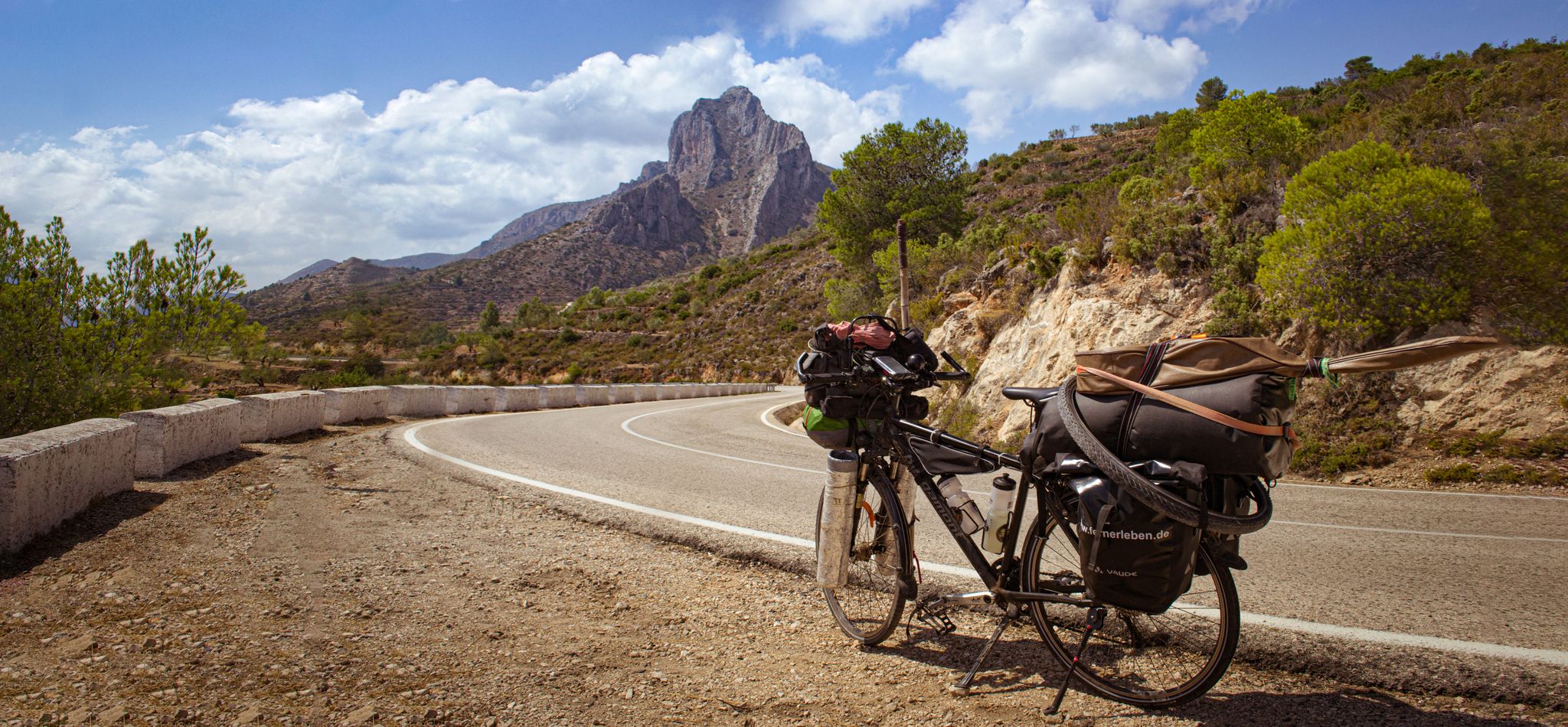
On the road to the sun — bikepacking to southeast Spain
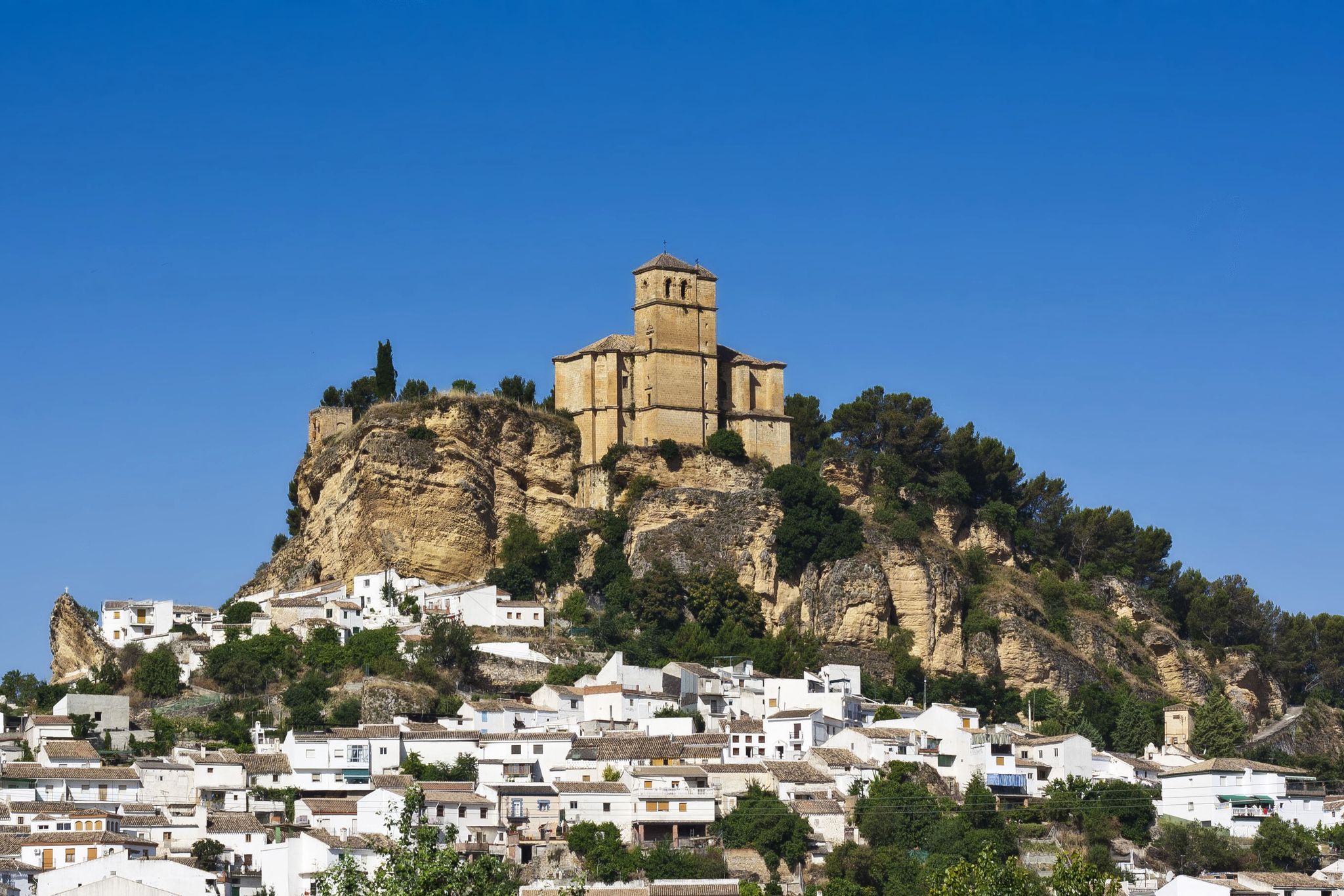
Washington Irving – cycle through the Arab vestiges of Andalusia
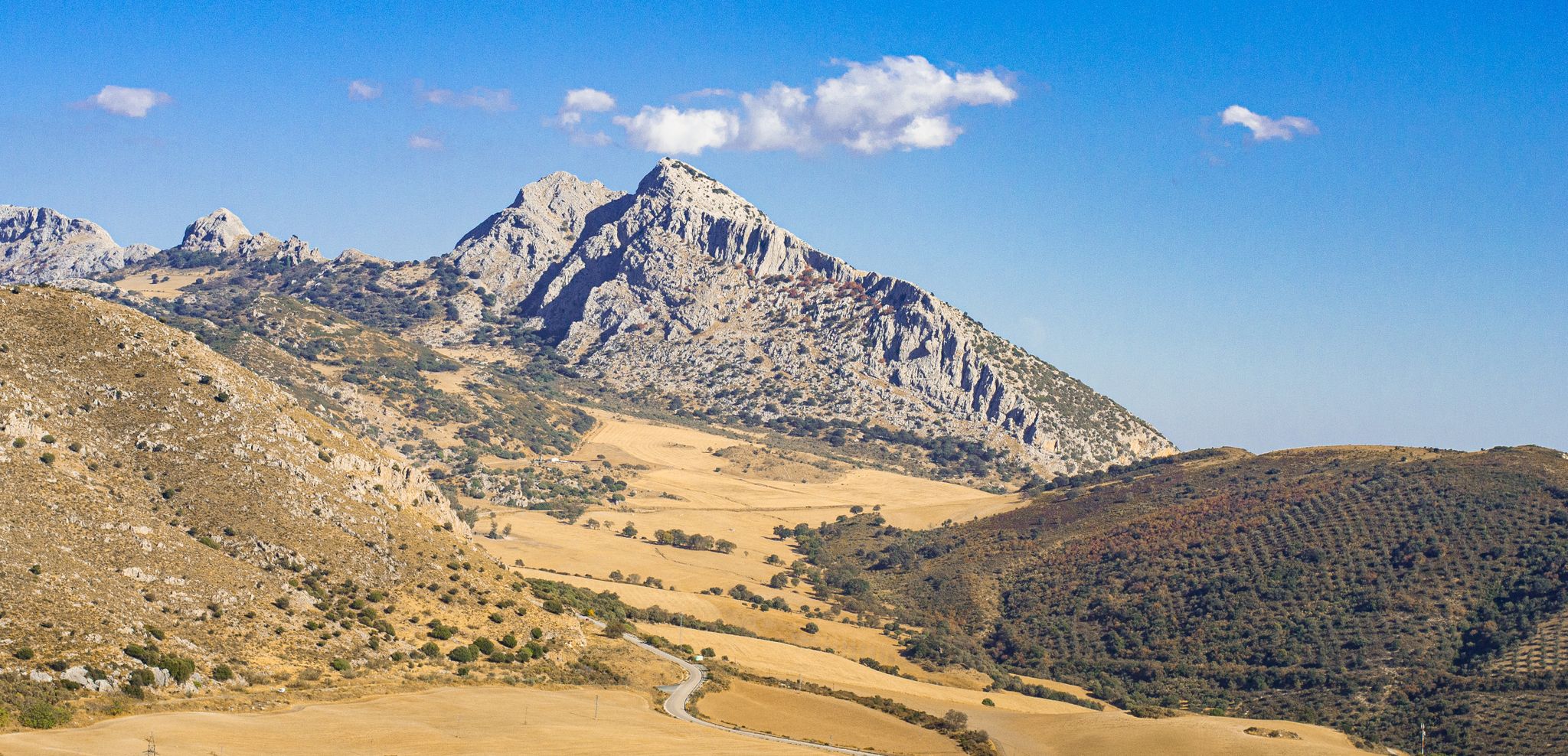
The beauty of the Andalusian mountains – Transandalus southern section
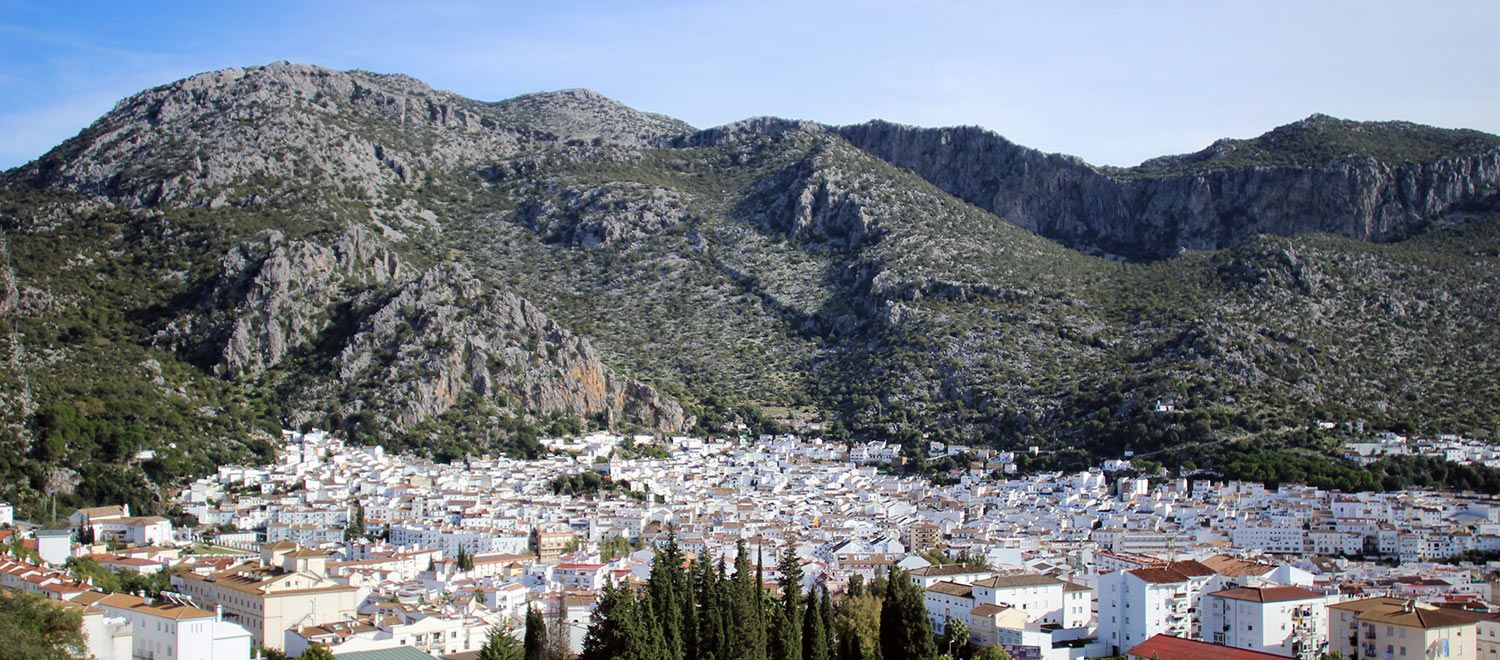
Explore the Betic Mountains on two wheels – Altravesur
Andalusia without limits – Tarifa to La Puebla de Don Fabrique on the GR 7
A journey through the Spanish hinterland – cycling across Andalusia
Hike between sea and mountains — Gran Senda de Málaga (GR 249)
Seven days walking along the Gran Senda de Málaga (GR 249)
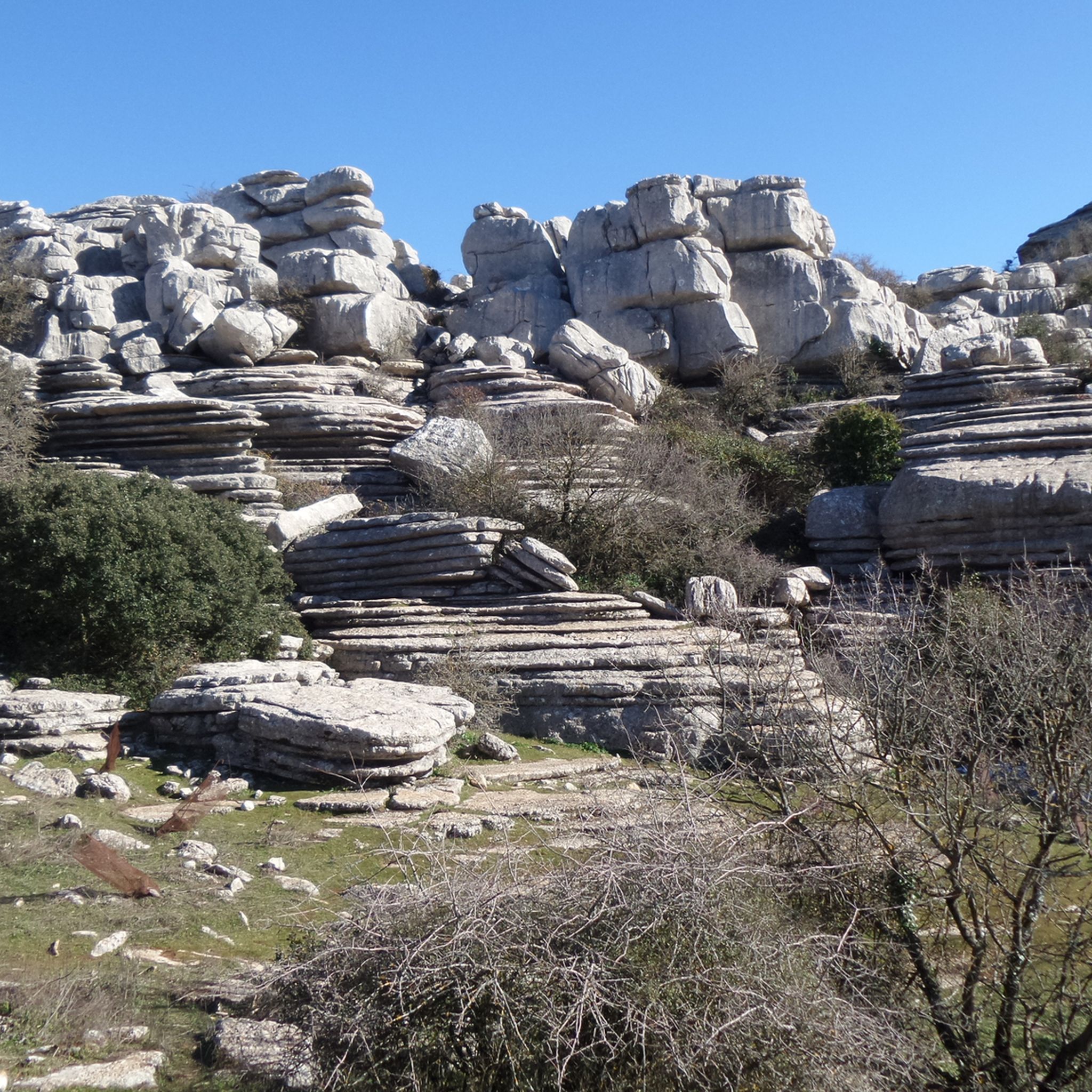
Hiking around Norte O Antequera
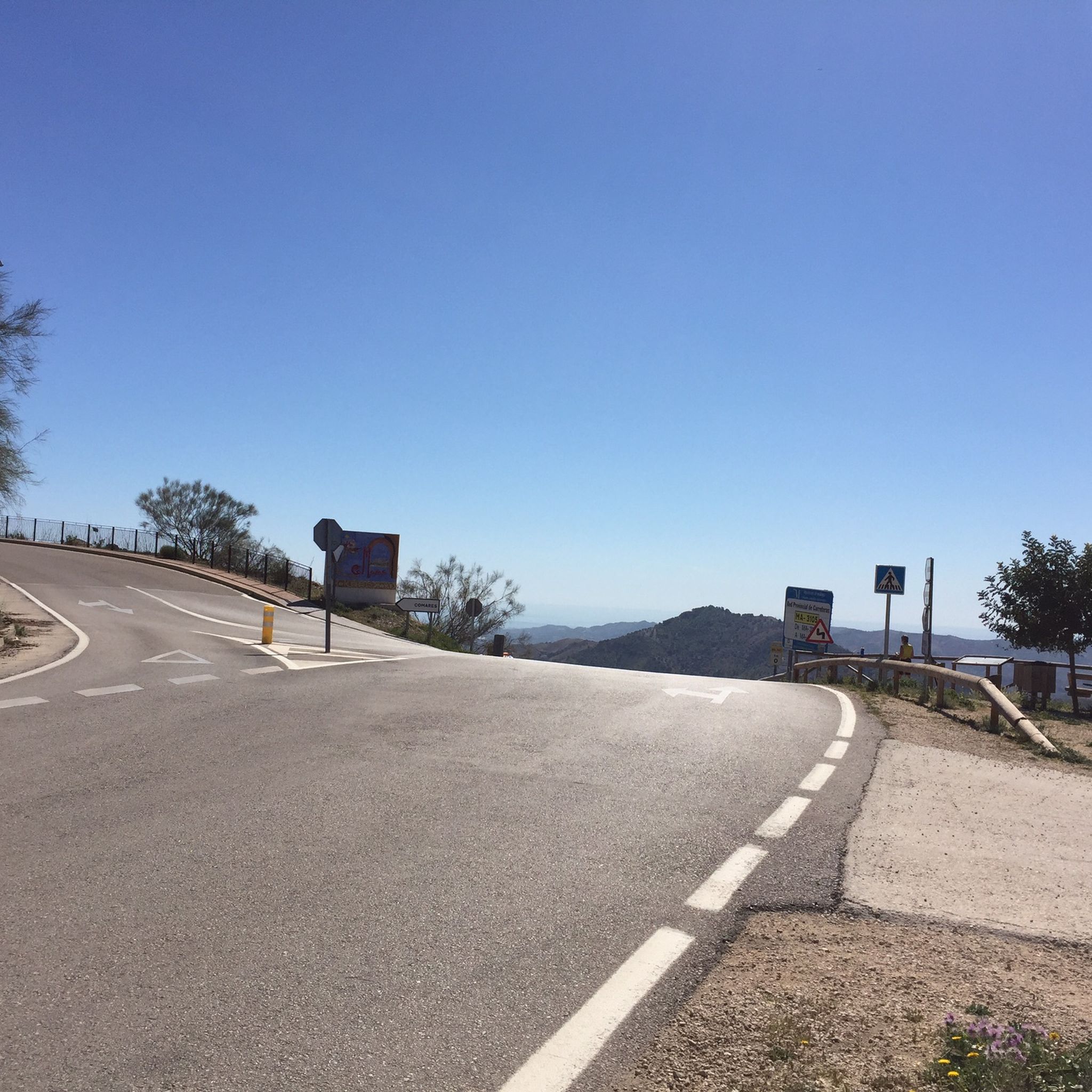
Road Cycling Routes around Norte O Antequera
Other adventures around Norte O Antequera


Tips from the Community

Cueva de Toma y Bebe is a small rock shelter in the Sierra de Camarolos, near the Hondonero area. Despite its name, it is more of a shallow overhang than a true cave. Traditionally, it was used by shepherds and travellers as a temporary refuge, providing shelter from sun, rain and wind. Today, the site is a minor point of interest along several hiking routes. It offers a glimpse into the practical use of natural shelters in the mountains before modern infrastructure reached these remote areas.
0
0

Short tunnel that was built for the transport of helmets. As a pedestrian, you can also use the tunnel.
3
0
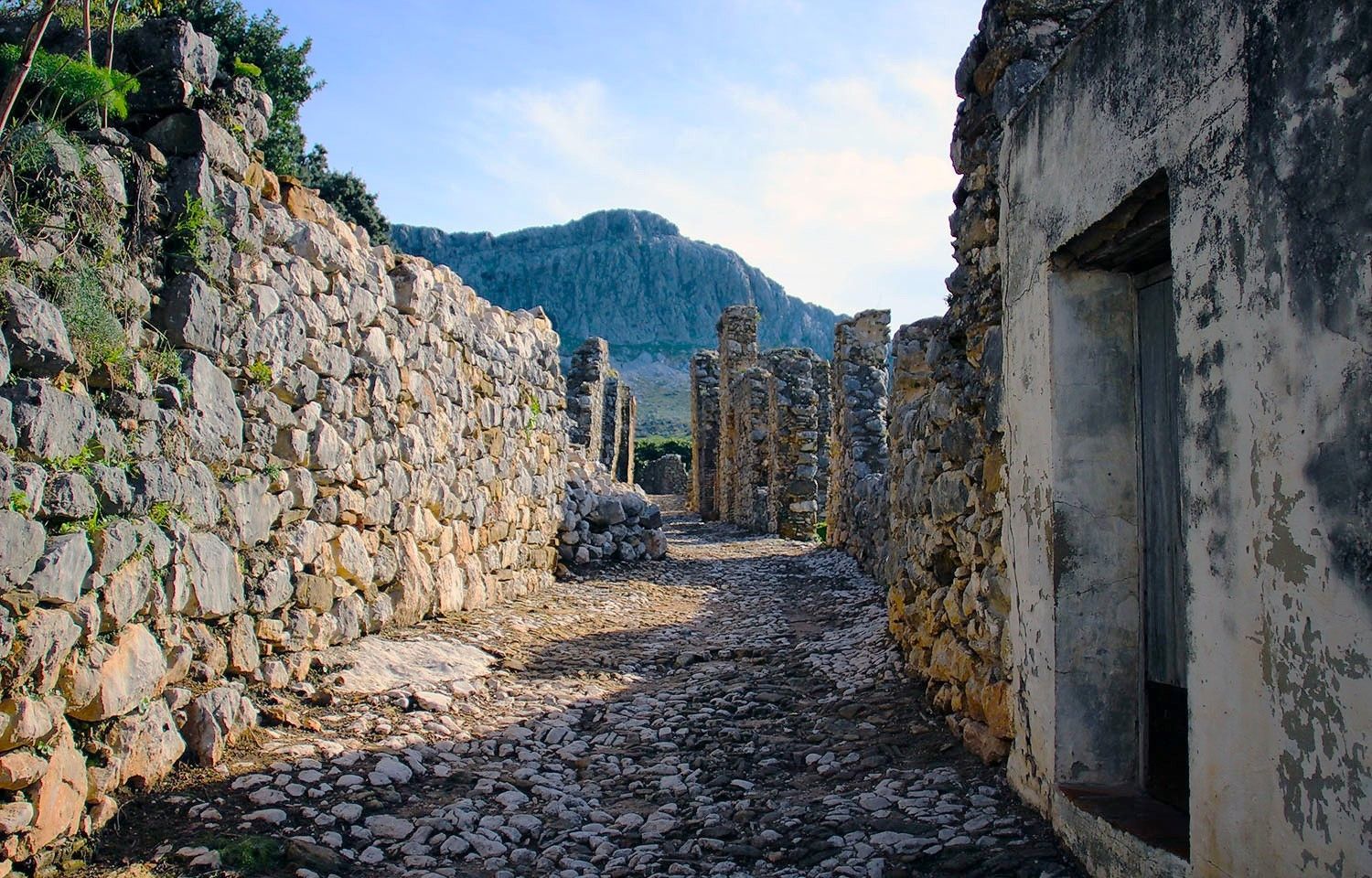
Caves that were formed by erosion, some still well preserved, others already collapsed. The workers of the hydroelectric power plant used to live here.
3
0

For mandatory
0
0

Short video about hiking in this area could be found on my YouTUBE Channel under the following https://www.youtube.com/watch?v=O9pw2RlrLgA
0
1
Short video about hiking in this area could be found on mu YouTUBE Channel under the following https://www.youtube.com/watch?v=O9pw2RlrLgA
0
0

It is difficult to say whether these caves in the rock formation were created by man or naturally. You would have to climb to get in, but they are definitely an eye-catcher. Great landscape.
3
0
The rock houses on the banks of the Guadalhorce have a special historical and cultural significance. Built into the rock walls, they blend harmoniously into the natural environment. Such structures were once used as shelters, storage rooms or even as simple homes. They reflect the traditional construction method that made the best use of the natural conditions.
5
0
Frequently Asked Questions
What types of caves can I explore in the Norte O Antequera region?
The Norte O Antequera region offers a diverse range of cave experiences, from ancient megalithic burial chambers like the Antequera Dolmens (Menga, Viera, and El Romeral) to archaeological sites with prehistoric art such as the Cueva de Ardales. You can also find natural karst formations within areas like El Torcal de Antequera, and unique historical dwellings like the Cave Houses of Sierra Parda.
Are there any historical or archaeological caves to visit in the area?
Yes, the region is rich in historical and archaeological caves. The Antequera Dolmens (Menga, Viera, and El Romeral) are monumental megalithic burial chambers and a UNESCO World Heritage site, offering a profound glimpse into Neolithic and Copper Age funerary practices. The Cueva de Ardales is an archaeological treasure known for its prehistoric cave paintings, while the Cueva del Toro in El Torcal de Antequera provides insights into Early Neolithic human settlements. Additionally, you can visit the Mozarabic Rock-Cut Church of Bobastro and the Mozarabic Rock-Cut Caves ⛪ Villanueva de Algaidas, which served as hermitages.
Which caves are suitable for families with children?
For families, the Túnel de los Tafonis offers an interesting geological point of interest with erosion cavities, located near the Caminito del Rey. The Antequera Dolmens (Menga, Viera, and El Romeral) are also family-friendly, providing an educational historical experience that is free to visit. When planning, consider the difficulty and duration of specific tours.
Can I go caving in the Norte O Antequera region?
Yes, caving is possible in the region. The Cueva de los Órganos in Sierra de la Camorra, near Mollina, is the largest cave in its area, approximately a hundred meters deep and a kilometer long. It offers an easy route with no significant technical difficulties, making it suitable for individuals with a minimum level of skill. Expert speleologist monitors can guide visitors on activities lasting around 3 hours.
What unique geological features can I find in the caves of Norte O Antequera?
The region boasts unique geological features. The Túnel de los Tafonis showcases tafonis, which are cavities in sandstone rock created by erosion. El Torcal de Antequera, home to the Cueva del Toro, is famous for its spectacular karst landscapes. You can also find curious rock formations with caves at Morrón de Mal Infierno.
Are there guided tours available for any of the caves?
Yes, guided tours are available for some caves. For the Cueva de Ardales, booking tickets in advance is essential due to limited capacity, and guides primarily provide information in Spanish but can accommodate English speakers. Guided tours for the Cueva del Toro are often available through the Torcal de Antequera Visitor Centre. For the Cueva de los Órganos, expert speleologist monitors can guide caving enthusiasts.
What outdoor activities can I do near the caves?
The region around the caves offers various outdoor activities. You can find numerous hiking trails, including those in El Torcal de Antequera like the 'Natural Site Torcal de Antequera via Green and Yellow routes' or the 'Gaitanejo Trail'. For cycling enthusiasts, routes like 'Torcal de Antequera from Antequera' are available. Explore more options on the Hiking around Norte O Antequera and Cycling around Norte O Antequera guide pages.
What should I know about visiting the Cueva de Ardales?
The Cueva de Ardales is an archaeological treasure known for its prehistoric cave paintings. It offers a unique torchlit journey through dark passages. It's crucial to book tickets in advance due to limited capacity. Guides primarily speak Spanish but can assist English speakers, providing rich historical context for the site.
Are there any caves that were once inhabited or used as dwellings?
Yes, the region features historical cave dwellings. The Cave Houses of Sierra Parda, visible from the viewpoint of the Gaitanejo dam, were once homes for hydroelectric power station staff, built into rock walls. The Cliff Dwellings on the Guadalhorce River also represent traditional construction methods utilizing natural conditions.
What do visitors enjoy most about the caves in Norte O Antequera?
Visitors appreciate the diverse appeal of the caves in Norte O Antequera. Many enjoy the historical significance of sites like the Antequera Dolmens, which offer a profound glimpse into early human architectural prowess. The unique geological formations, such as the erosion cavities in the Túnel de los Tafonis, also draw interest. The opportunity to immerse oneself in prehistoric life at places like Cueva de Ardales is also highly valued.
Is there an easy way to experience caves for beginners in the region?
For beginners or those looking for an easier cave experience, the Cueva de los Órganos near Mollina offers an accessible caving route with no significant technical difficulties. It's suitable for individuals with a minimum level of skill, and expert monitors can guide visitors. The Antequera Dolmens also provide an easy and free historical cave experience without technical requirements.
Most popular routes around Norte O Antequera
Most popular attractions around Norte O Antequera

Get inspired with the komoot mobile app


Didn’t find what you were looking for?
Discover more caves around Norte O Antequera region by region:
Explore more
Extend your search for the best caves by checking out these guides of the top ones around Norte O Antequera:
