Top 14 Castles around Campiña Baja
Best castles around Campiña Baja offer a glimpse into the region's rich history and diverse architectural styles. This sub-region of La Alcarria in Guadalajara, Spain, features fortifications ranging from well-preserved palaces to ancient ruins. These historical sites showcase various periods, including Arab, Gothic, and Renaissance influences. The area provides opportunities to explore significant cultural landmarks.
Best castles around Campiña Baja
- The most popular castles is Mosque–Cathedral of Córdoba, a religious building that is a significant monument for understanding the…
Last updated: August 20, 2026
Mosque–Cathedral of Córdoba
Highlight • Religious Site
Translated by Google •
Tip by

Alcázar of the Christian Monarchs (Córdoba)
Highlight • Historical Site
Translated by Google •
Tip by

Sign up now to discover places like this
Get recommendations on the best single tracks, peaks, & plenty of other exciting outdoor places.
Sign up for free
Calahorra Tower
Highlight • Historical Site
Translated by Google •
Tip by
Viana Palace
Highlight • Historical Site
Translated by Google •
Tip by
Almodóvar del Río Castle
Highlight • Castle
Translated by Google •
Tip by

View of Castillo de Almodóvar del Río from CO-3313
Highlight • Viewpoint
Translated by Google •
Tip by

Castle of Espejo
Highlight • Castle
Translated by Google •
Tip by
Ducal Palace of Fernán Núñez
Highlight • Historical Site
Translated by Google •
Tip by
Castro del Río Castle
Highlight • Castle
Translated by Google •
Tip by
Game of Thrones filming location: Castillo de Almodóvar del Río
Highlight • Castle
Translated by Google •
Tip by

Sign up for free to discover even more castles around Campiña Baja.
Sign up for free
Already have an account?
Start today with a free account
Your next adventure awaits.
Login or Signup
Popular around Campiña Baja
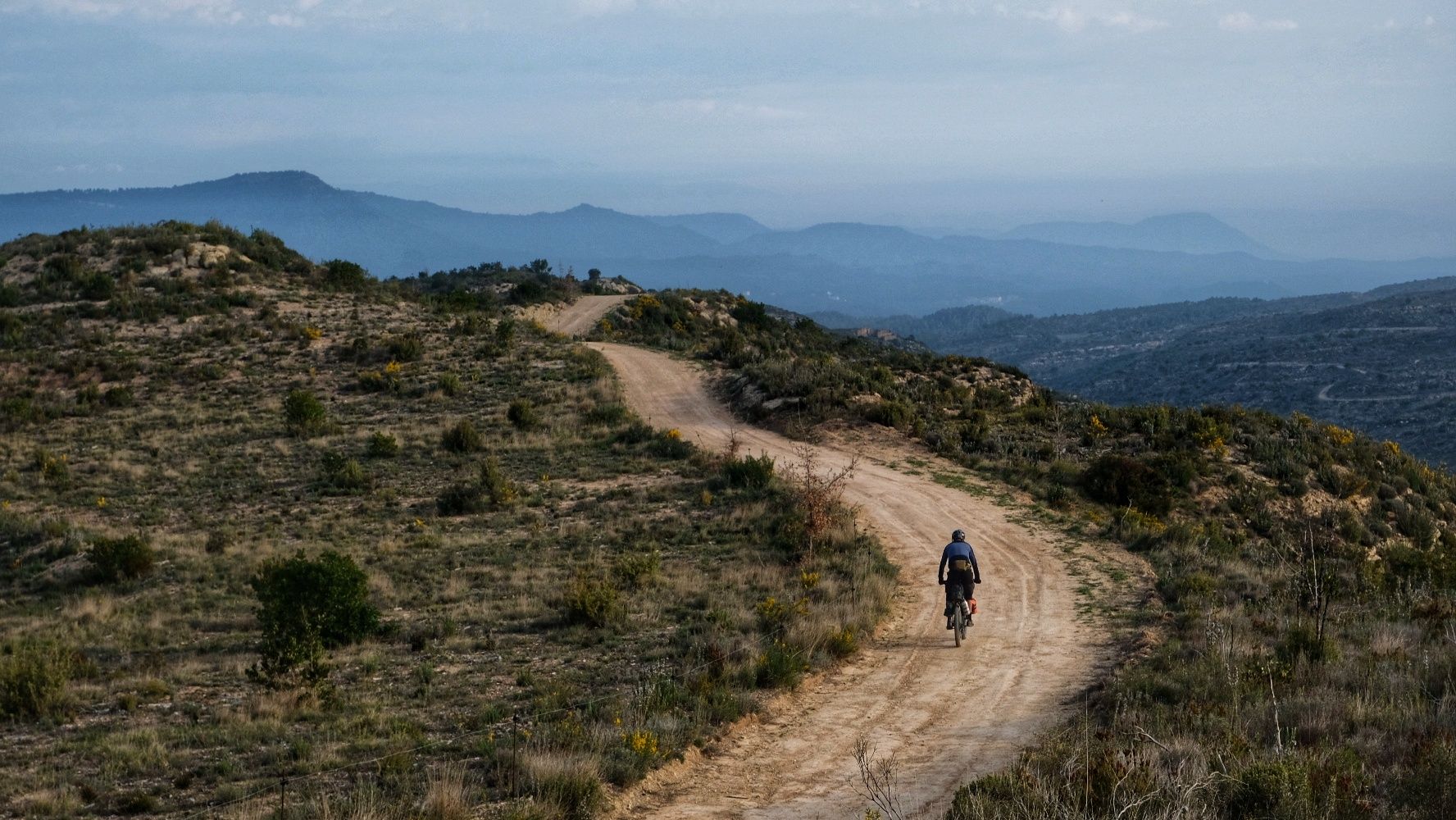
European Divide Trail — 7,600 km across the continent
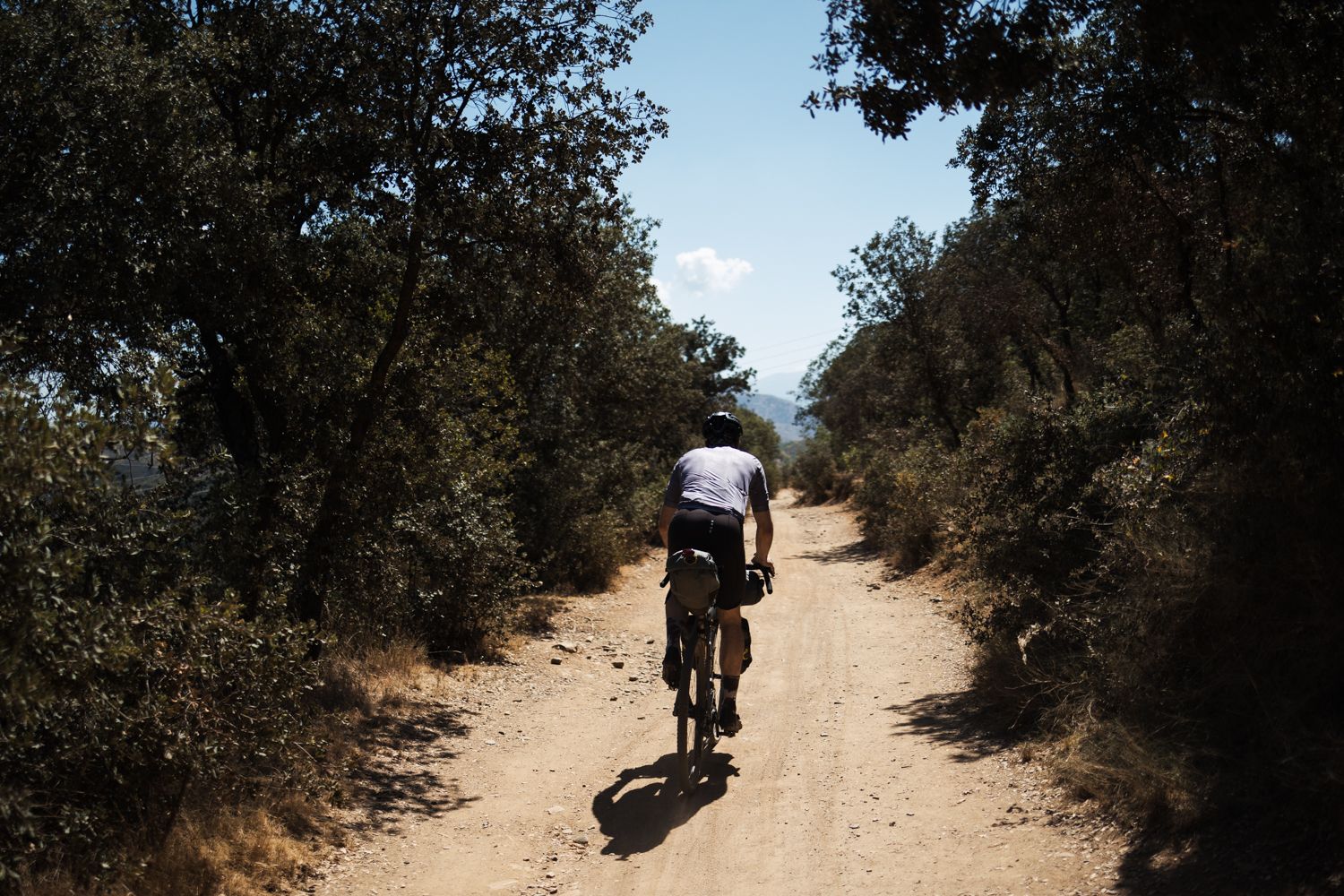
Mozarabic Way to Santiago – Gravel between two worlds
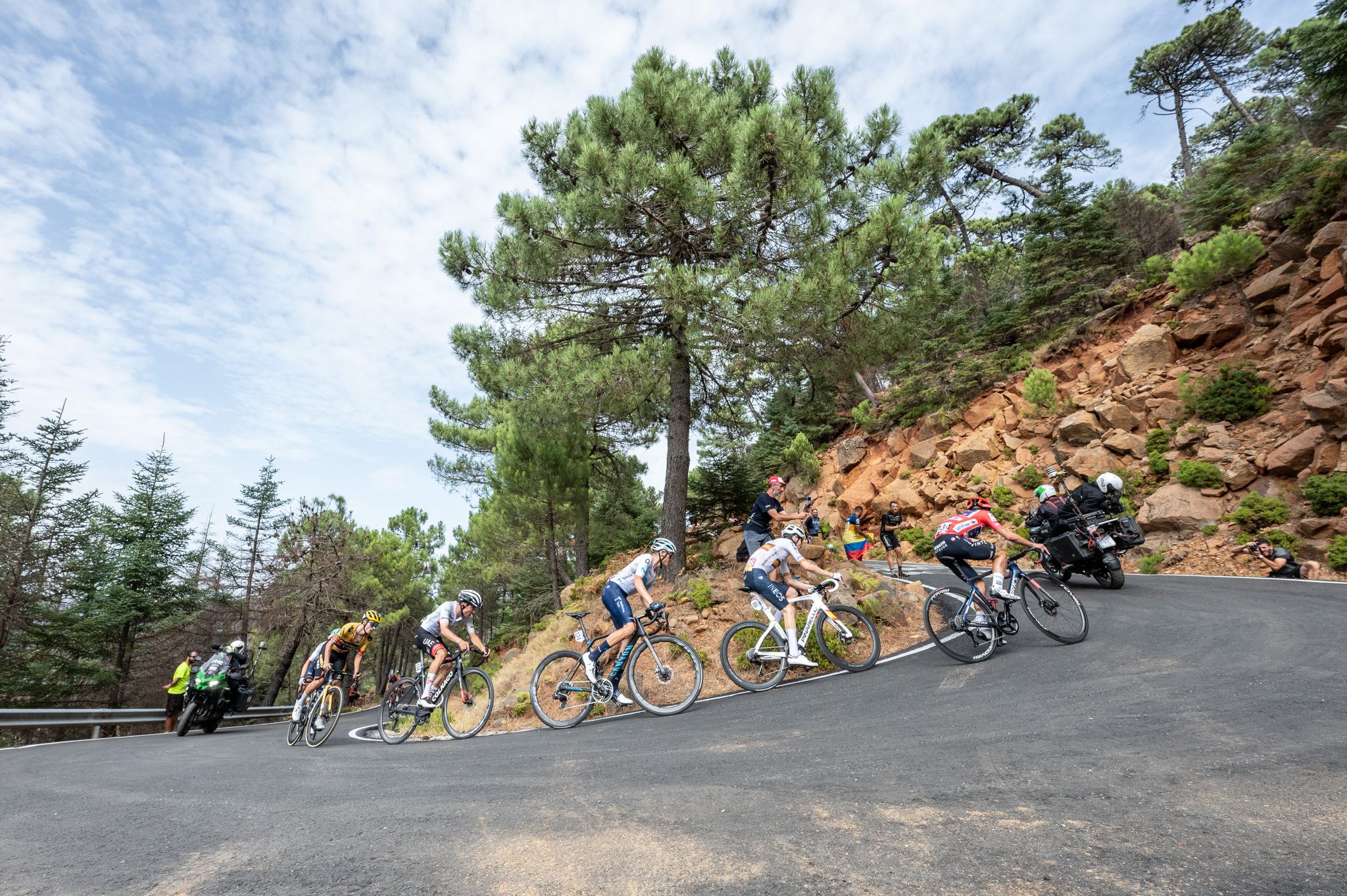
La Vuelta 26 — All Official Stages
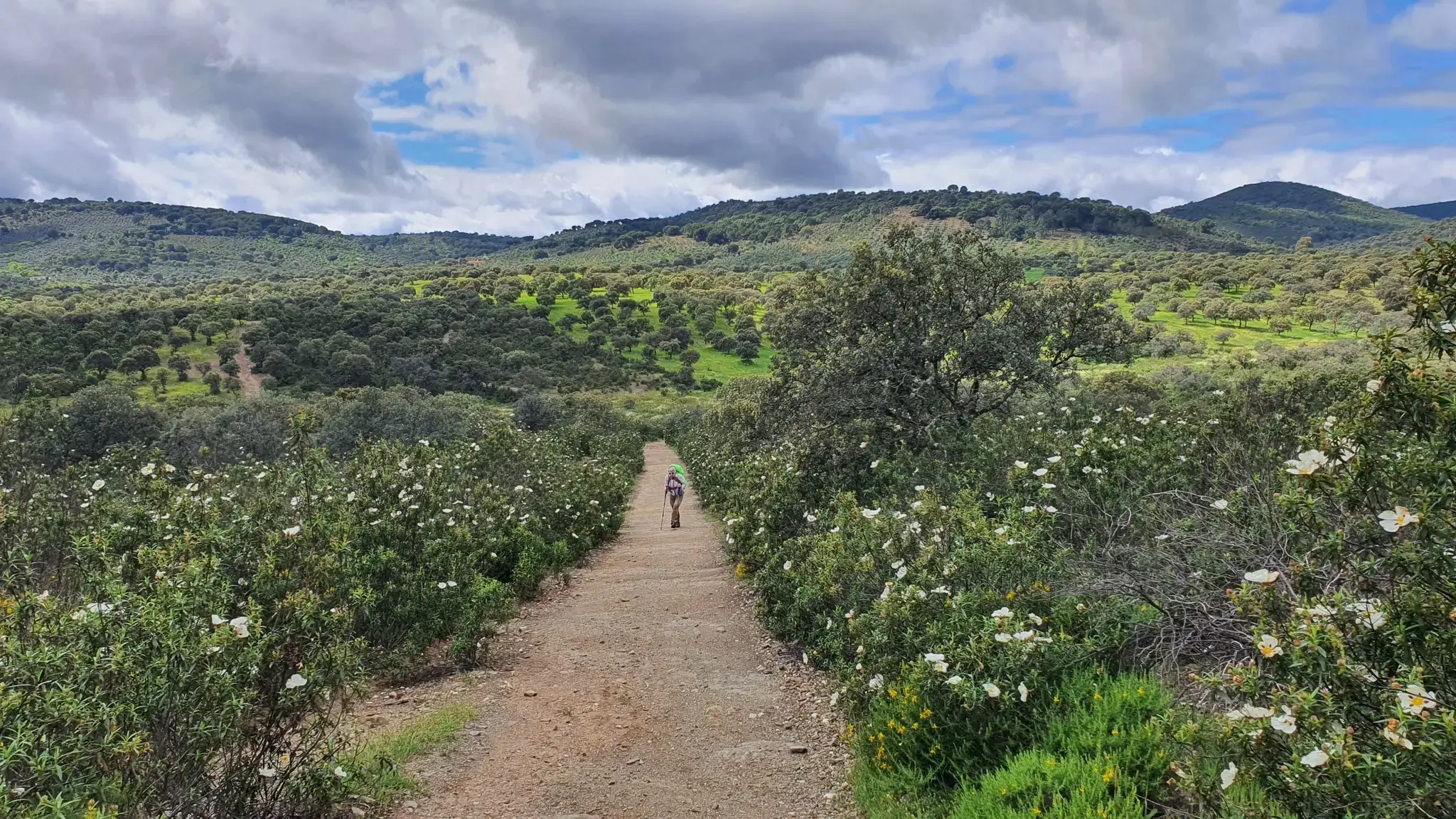
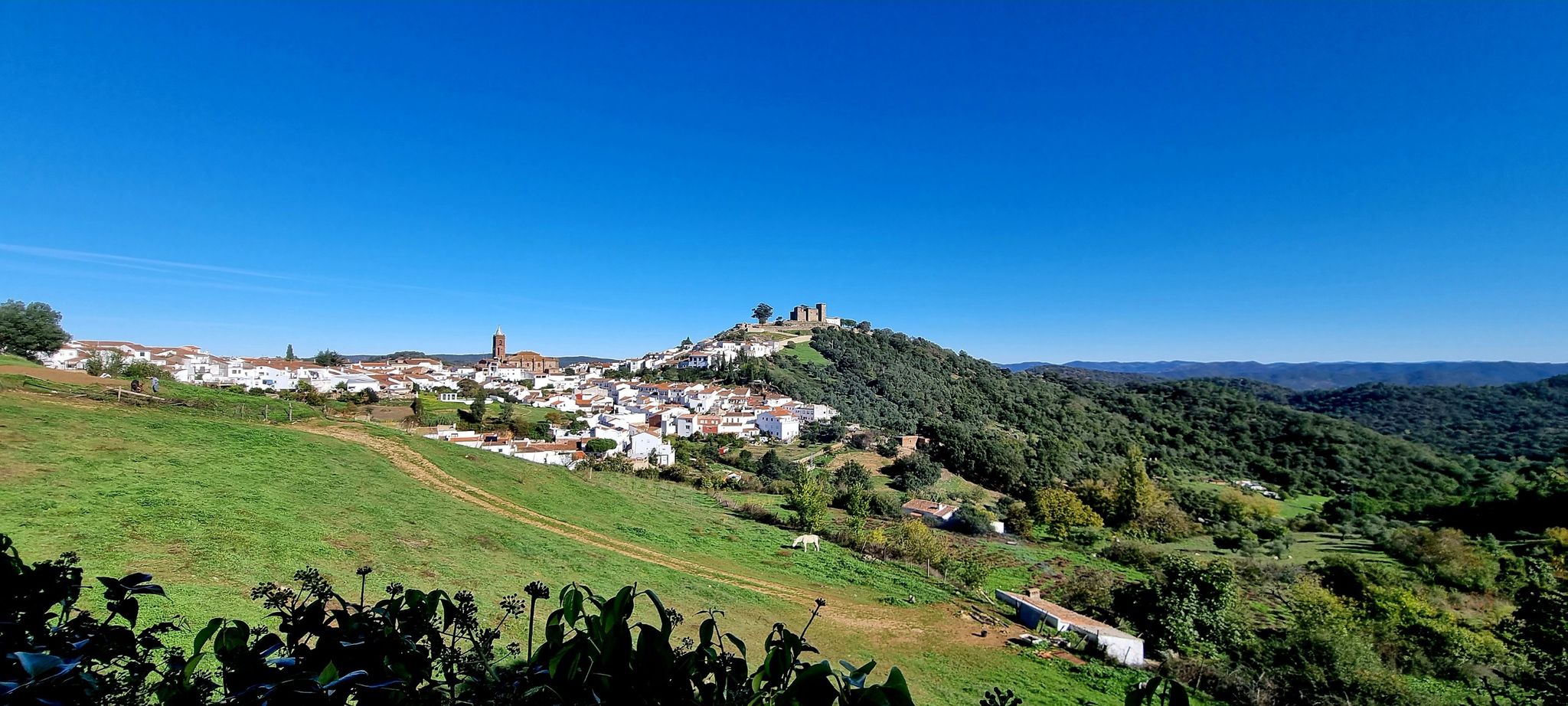
Pastures, Pedroches and farmhouses — Cañada Real Soriana (GR 40)
A winter getaway along the greenways of Andalusia in Spain
European Divide Trail across the Iberian Peninsula – south
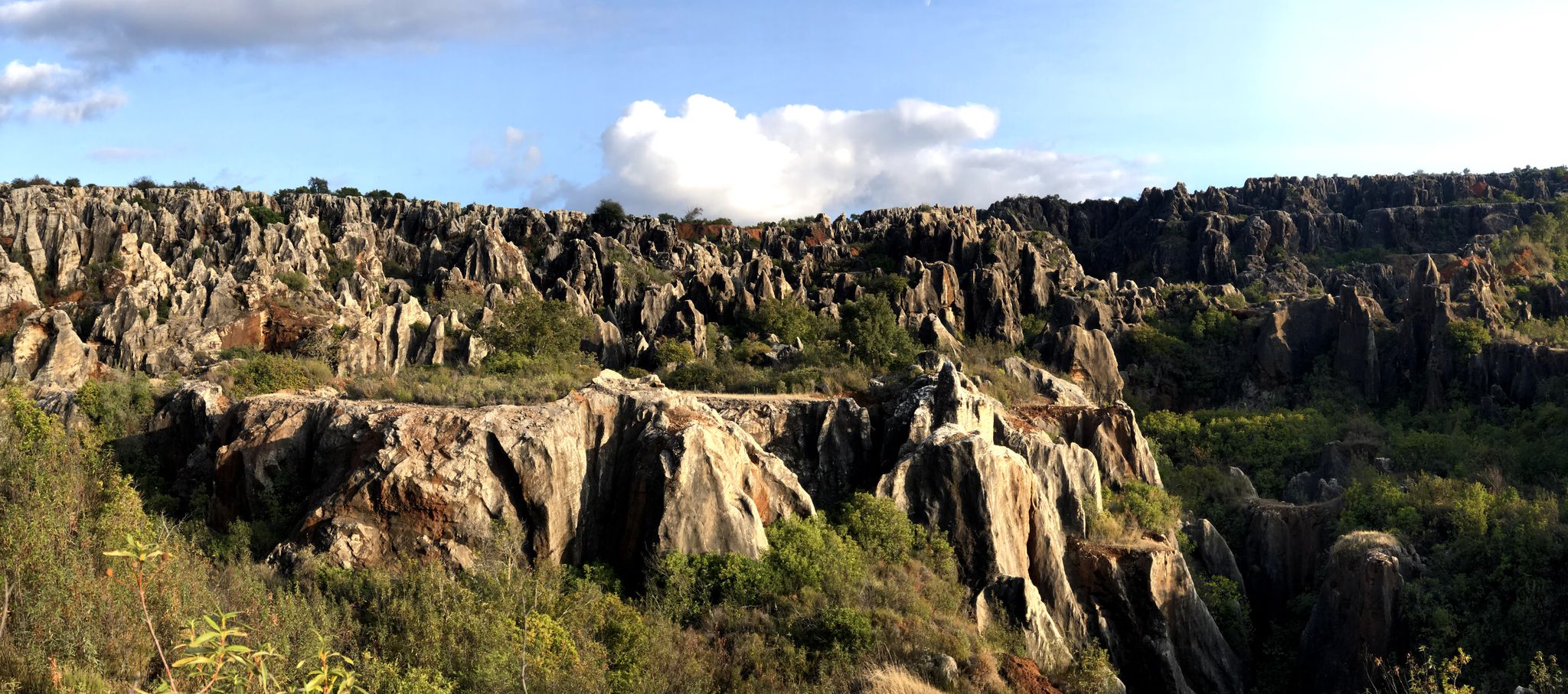
Cycling among the mysterious faults – Sierra Morena (GR 48)
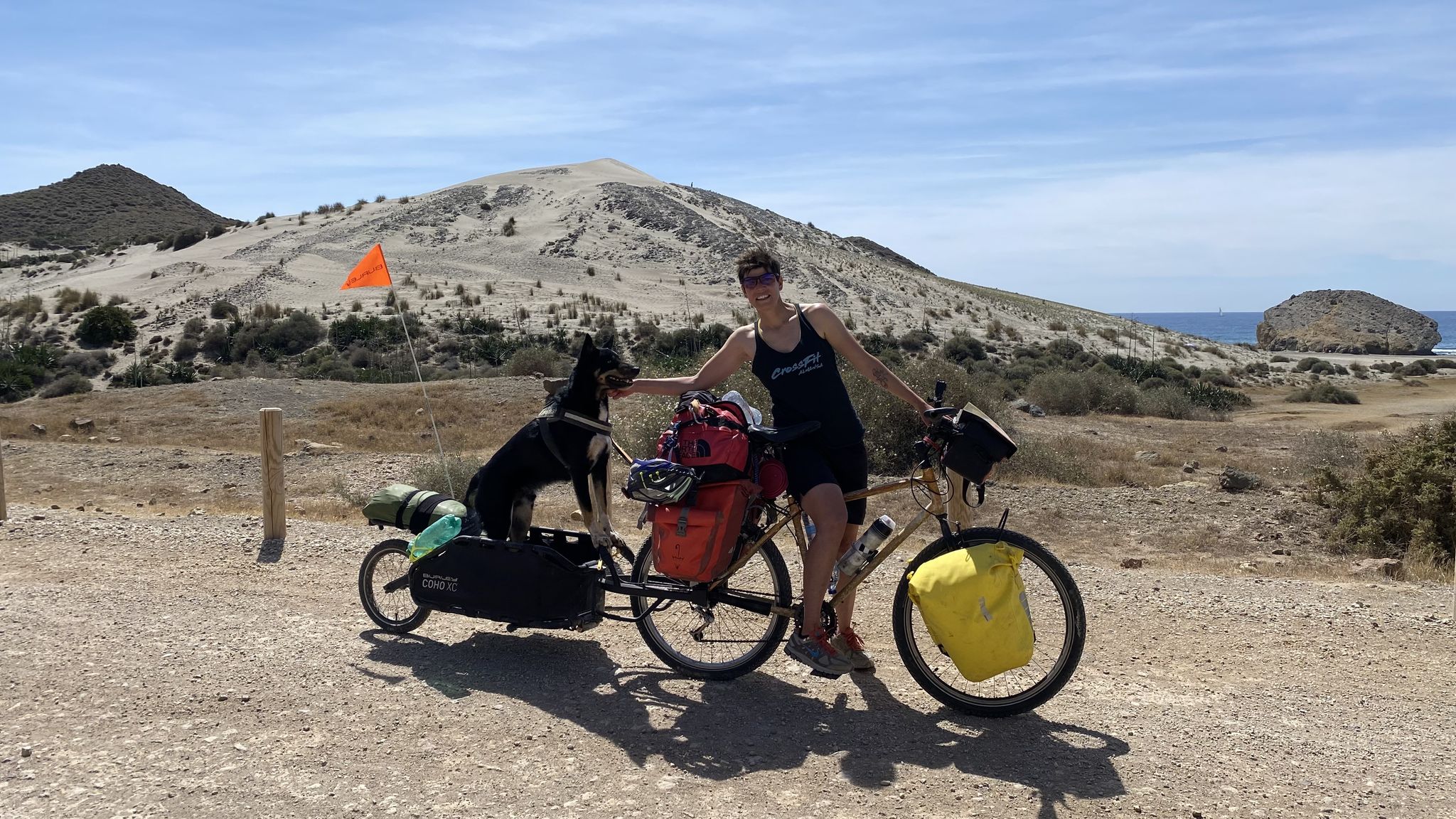
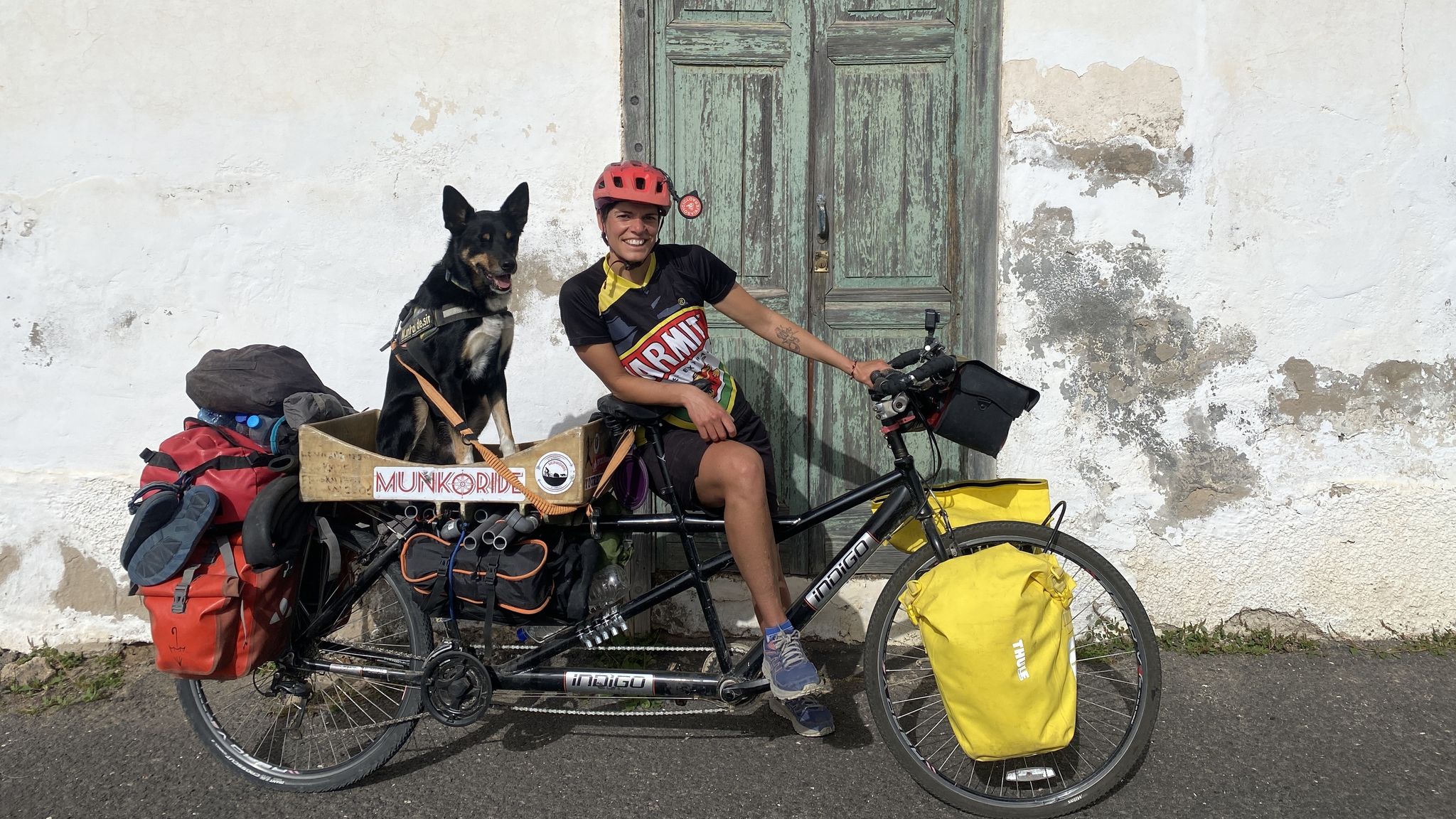
Let’s head south – cycle in Andalusia with me and my dog
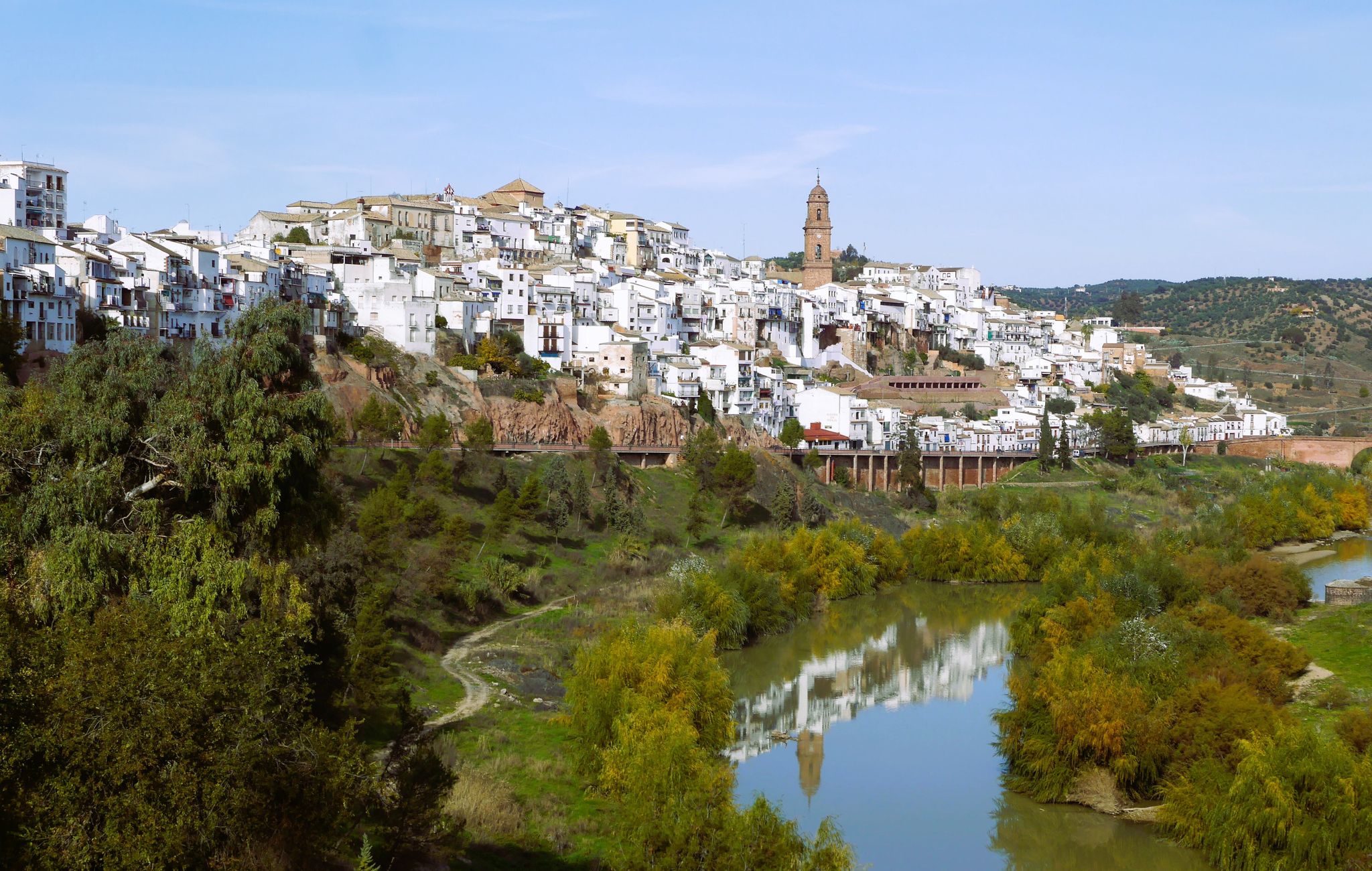
Hike the glorious countryside of Cordoba and Jaen – Sierra Morena (GR 48)
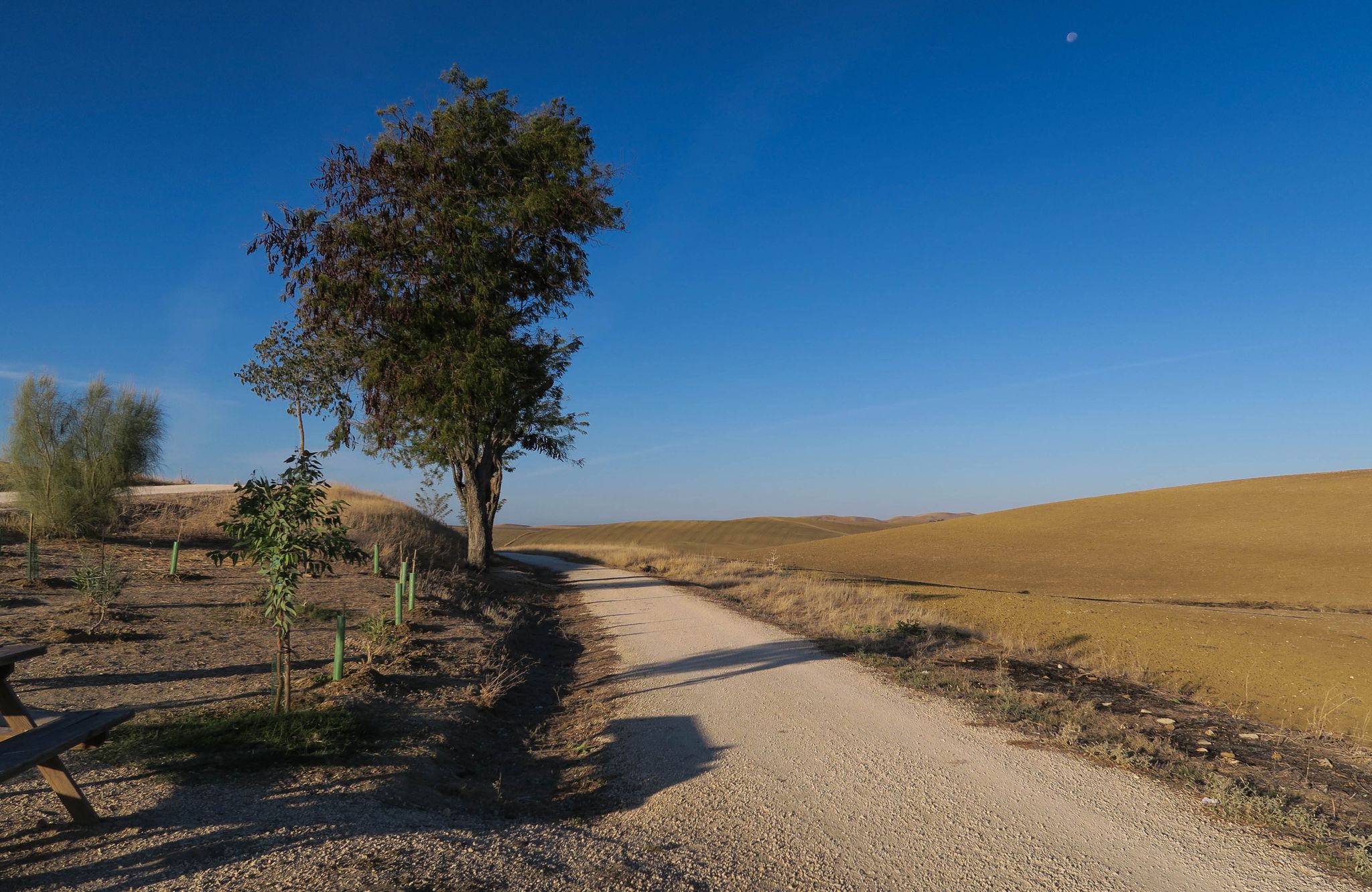
Cycle through the countryside of Spain’s Cordoba – Via Verde de la Campiña
Other adventures around Campiña Baja


Tips from the Community

The Mosque-Cathedral of Córdoba is one of the most impressive monuments in the world, a symbol of Islamic art in the West and a UNESCO World Heritage Site since 1984. It was originally the Visigothic Basilica of San Vicente, shared by Christians and Muslims. In 784, Abd al-Rahman I began construction of the mosque, which was expanded by his successors: Abd al-Rahman II, Abd al-Rahman III, Al-Hakam II, and Almanzor. After the Christian Reconquista in 1236, it was consecrated as the Cathedral of the Assumption of Our Lady, and in 1523 a Renaissance basilica was built inside.
15
0

Castillo de Almodóvar del Río (Hisnu-l-mudawar; "the round castle") is a castle of Arab Muslim origin in the town of Almodóvar del Río, Province of Córdoba, Spain. Previously a Roman fort, the current structure is of Arab Umayyad origin, in the year 760. During the Middle Ages, it underwent several renovations and reconstructions. Between 1901 and 1936, it was restored by the owner Raphael Desmaissiers, 12th Count of Torravala, under the technical direction of the architect Adolfo Fernández Casanova. The most important towers are the Cuadrada, the Redonda, and the Homenaje.
3
0
The palace was originally built in the 14th century and has undergone several renovations and modifications since then. The Palacio de Viana is an example of Cordoban noble style and houses twelve beautiful patios, each with its own unique character and style. The architecture combines various historical influences, from the austere Renaissance to the Baroque Cordoban design. The exterior wall is simple and white, but the interior spaces are richly decorated with art and furniture. The palace is one of the best preserved stately homes in Cordoba and Spain. It has a rich history and has served as a home for various noble families over the centuries1. It is now a museum and a major tourist attraction in Cordoba. The contents of the Palacio de Viana include an impressive collection, including paintings, mosaics, tapestries and guadamecíes (worked leather). The palace's library contains over 6,000 volumes, and the historical archives contain over 400,000 documents dating back to the 12th century.
7
0

The Palacio de Viana is a large palace consisting of over a hundred rooms, twelve courtyards and several gardens. It is located in the northern part of the old town. The palace was expanded and used by the Marquis of Viana for generations. The approximately 6,500 square meter ensemble contains areas that were built between the 15th and 20th centuries. It is largely open to the public as a museum and, in addition to contemporary furniture in the oldest parts of the building, mainly displays garden art in the courtyards. In 1980 it was declared a National Monument of Historical and Artistic Interest and in 1983 it was also declared an art-historical garden. A visit to the Palacio de Viana offers the opportunity to experience the rich history and culture of Córdoba and to enjoy the beauty of Andalusian architecture and garden art. Information on opening times at: https://www.palaciodeviana.com https://de.wikipedia.org/wiki/Palacio_de_Viana
8
0
Cordoba is a wonderful city to visit! Here are some recommendations for visiting: Mezquita-Catedral de Córdoba: A stunning monument that combines Islamic and Christian architecture. It is one of the most iconic places in the city. Alcázar de los Reyes Cristianos: A beautiful palace with spectacular gardens. It offers a fascinating view of the history of Cordoba. Roman Bridge: A historic bridge that crosses the Guadalquivir River. It is a perfect place to walk around and enjoy the views. Judería: A historic neighborhood with narrow, charming streets. Here you will find the Cordoba Synagogue and many flower-filled courtyards. Courtyards of Cordoba: If you visit in May, don't miss the Festival de los Patios, where residents open their flower-decorated courtyards to the public. Plaza de la Corredera: A lively square with many bars and restaurants. It is a good place to try the local cuisine.
14
0

One of the most beautiful patios visible from the outside
1
0
The Castillo de Almodóvar del Río, also known as Castillo de la Floresta, is located near the town of Almodóvar del Río and is a well-preserved and lavishly restored castle. The castle was built by the Moors in the 8th century for strategic reasons and was completed in the 12th century. Due to its location on a hill, it controlled a significant section of the Guadalquivir. The mighty towers of the complex are naturally reminiscent of the fortress and the wall of the Alhambra in Granada. The impressive fortress, which towers high above the Guadalquivir River, was the filming location for the series "Game of Thrones". Guided tours are offered to visitors to the castle.
4
0
The Torre de la Calahorra is a fortified tower of Islamic origin, designed as an entrance and protection of the Roman bridge of Cordoba. The tower, which stands on the left bank of the Guadalquivir, was rebuilt in 1369 by order of Henry II of Trastámara to defend himself against his brother Pedro I of Castile, adding a third tower to the two existing ones. In 1931 it was declared a Historic-Artistic Monument, and today the building houses the Museo Vivo de al-Ándalus.
10
0
Frequently Asked Questions
What types of castles can I explore in Campiña Baja?
Campiña Baja offers a diverse range of fortifications, from well-preserved palaces to ancient ruins. You'll find structures showcasing various architectural styles, including late Gothic, Mudéjar, Renaissance, and Arab influences, reflecting the region's rich history.
Are there any well-preserved castles in Campiña Baja that I can visit?
Yes, the Palace of the Infantado in Guadalajara is a majestic example of Spanish Renaissance civil architecture, featuring unique diamond-point stone protrusions and housing the Provincial Museum. Another well-preserved option is the Castillo de Pioz, known for its robust late 15th-century structure with two walled enclosures and a prominent keep.
Which castles in Campiña Baja have significant historical importance?
The Palace of the Infantado is a monument to the powerful Mendoza family. Zorita de los Canes Castle has deep Arab origins, later reinforced by the Order of Calatrava, and played a vital role in the Reconquista. Even Almoguera Castle, though largely reconstructed, stands on the ruins of an old Arab fortification, highlighting its strategic past.
Can I visit castles that are more in a ruined state to see their original architecture?
Absolutely. The Castillo de Vállaga, also known as 'Las Cuevas del Marqués,' offers a glimpse into Andalusian military architecture, even though it's mostly in ruins and was later adapted for agricultural use. Zorita de los Canes Castle also features remnants from its Arab construction, including a horseshoe arch, despite centuries of modifications.
Are there family-friendly castles to visit in Campiña Baja?
Many castles in Campiña Baja, such as the Palace of the Infantado, offer engaging experiences for families, including museums and historical exploration. The open access and impressive architecture of Castillo de Pioz can also be fascinating for all ages. When planning, consider checking specific castle websites for family-oriented activities or accessibility information.
What kind of natural features or viewpoints can I find near these castles?
Several castles in Campiña Baja are strategically located to offer impressive views. Zorita de los Canes Castle, for instance, is situated on a rocky hill overlooking the Tagus River. The Castillo de Vállaga also benefits from its picturesque setting next to the Tagus River, providing scenic surroundings for exploration.
What outdoor activities can I do near the castles in Campiña Baja?
The region around Campiña Baja offers various outdoor activities. You can explore gravel biking routes, enjoy waterfall hikes, or tackle MTB trails. These routes often pass through scenic landscapes, allowing you to combine castle visits with active exploration of the natural surroundings.
Are there hiking trails near the castles in Campiña Baja?
Yes, you can find several hiking opportunities. For example, there are waterfall hikes with routes like the 'Arroyo Bejarano – Elephant Fountain loop' or the 'Baños de Popea Waterfalls loop,' offering moderate to easy options to explore the natural beauty surrounding the historical sites.
What makes the <a href="https://www.komoot.com/highlight/4041503" target="_blank" rel="noopener">Palace of the Infantado</a> a must-visit in Campiña Baja?
The Palace of the Infantado is considered a jewel of Spanish Renaissance civil architecture. Its striking façade with decorative diamond-point stone protrusions and the elegant Courtyard of the Lions are highlights. It also houses the Provincial Museum of Guadalajara, offering a blend of history, art, and culture from the 15th to 20th centuries.
What is unique about Castillo de Pioz?
Castillo de Pioz stands out for its remarkably well-preserved original structure from the late 15th century, without extensive modern restoration. It features two walled enclosures, an exterior barbican, and a unique irregular-shaped keep. Its 'cross and orb' loopholes indicate its adaptation for early firearms, making it a clear example of a defensive and residential fortress of its era.
Can I learn about the Reconquista at any of the castles in Campiña Baja?
Zorita de los Canes Castle is an excellent site for understanding the Reconquista. Its long history includes periods under Arab rule, the Knights Templar, and the Order of Calatrava. It served as a vital stronghold guarding a passage of the Tagus River, and ongoing archaeological excavations provide insights into its past, including a medieval cemetery of Calatrava knights.
Is there a castle in Campiña Baja that has been repurposed over time?
Yes, the Castillo de Vállaga, also known as 'Las Cuevas del Marqués,' is an example of a fortification with Andalusian origins that was almost entirely transformed due to its later use as a wine cellar. This offers a unique perspective on how historical structures were adapted for different purposes throughout history.
Most popular routes around Campiña Baja
Most popular attractions around Campiña Baja

Get inspired with the komoot mobile app


Didn’t find what you were looking for?
Explore Campiña Baja’s best castles region by region:
Explore more
Looking for the best castles somewhere else? Discover other guides around Campiña Baja:
