Top 4 Caves around Sierra De Cadiz
Best caves around Sierra De Cadiz are found within a region characterized by dramatic karst formations and unique natural landscapes. This area offers a diverse range of subterranean experiences, from ancient dwellings to significant natural monuments. The Sierra de Cádiz is known for its distinctive geological features, where towns and natural sites are often integrated with the rock formations. Visitors can explore a variety of cave types, showcasing both natural beauty and historical human adaptation.
Best caves around Sierra De…
Last updated: August 20, 2026
Cuevas del Sol Street, Setenil de las Bodegas
Highlight • Settlement
Translated by Google •
Tip by

Cave of the Two Doors
Highlight (Segment) • Cave
Translated by Google •
Tip by

Sign up now to discover places like this
Get recommendations on the best single tracks, peaks, & plenty of other exciting outdoor places.
Sign up for free
Alta Cave
Highlight • Cave
Translated by Google •
Tip by
Cave of the Bats
Highlight • Cave
Translated by Google •
Tip by

Start today with a free account
Your next adventure awaits.
Login or Signup
Popular around Sierra De Cadiz

Triathlon 360 – my journey around the world
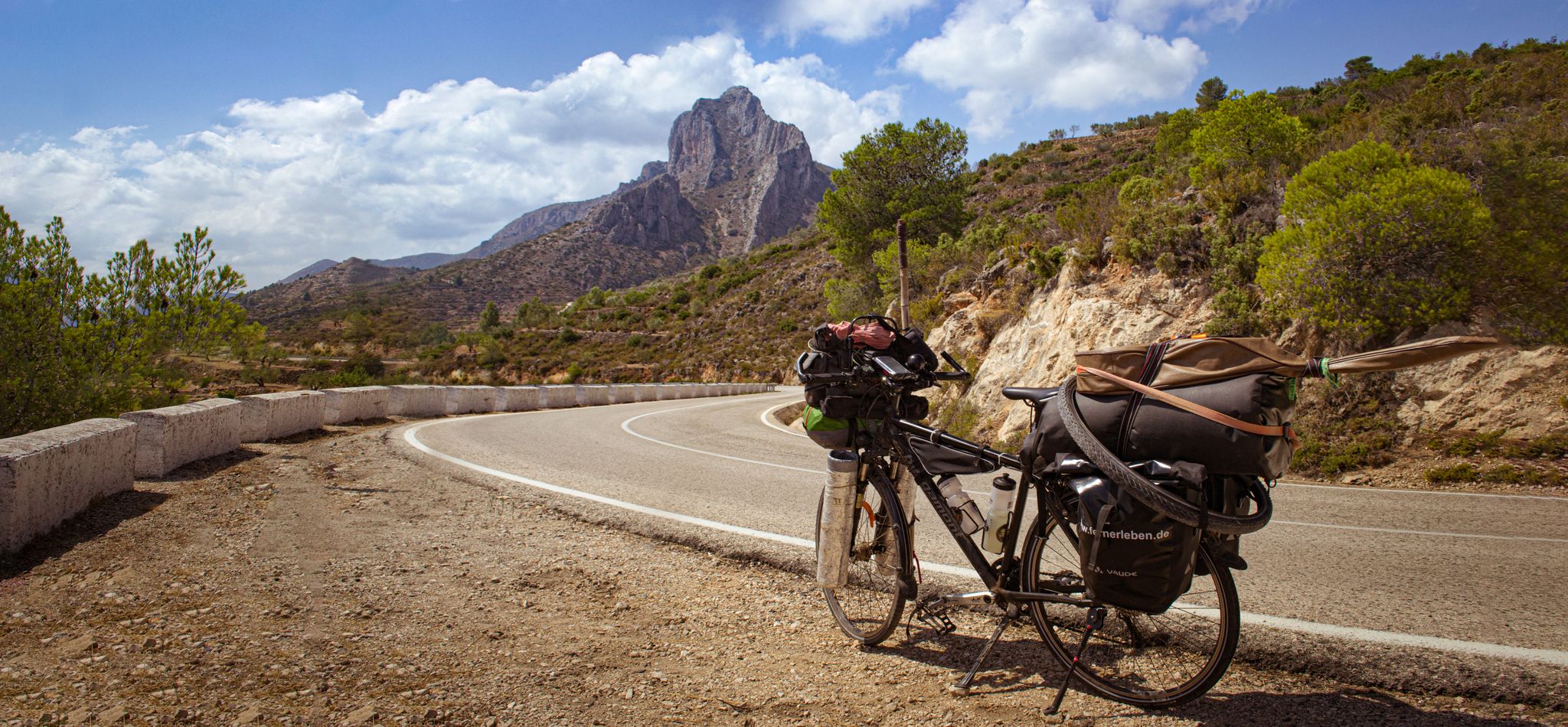
On the road to the sun — bikepacking to southeast Spain
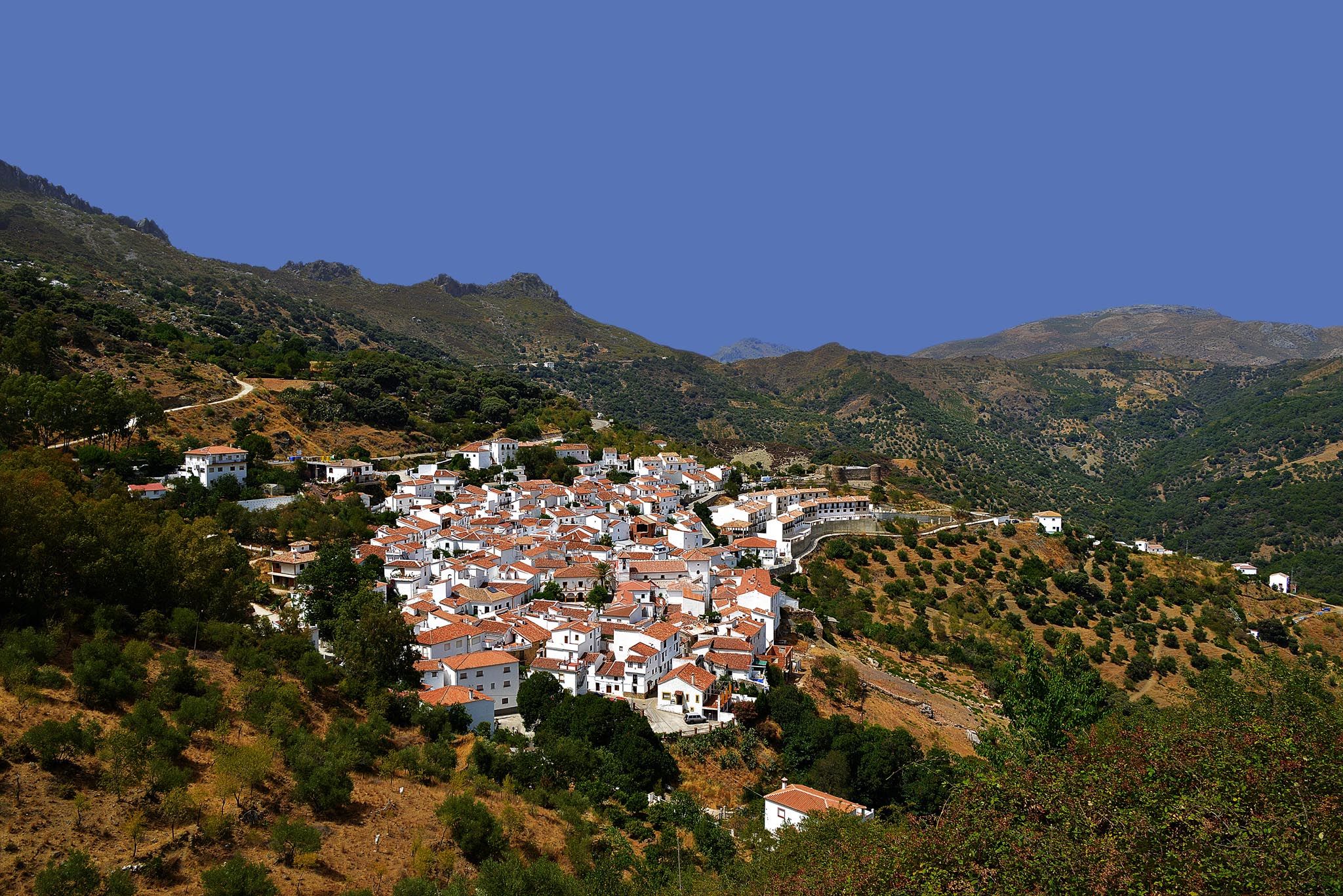
Windows to the past – White Towns of Andalusia
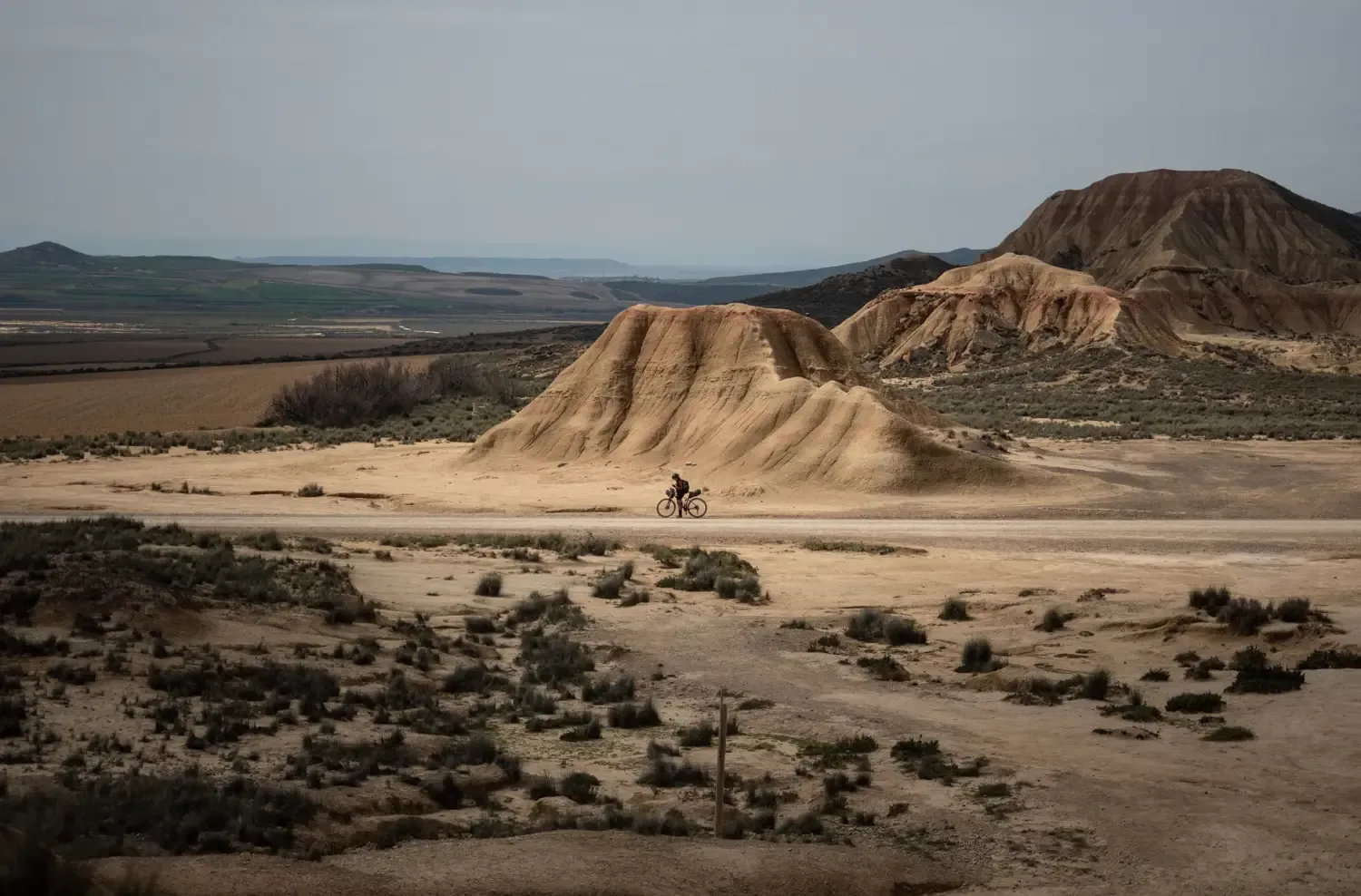
9 mountain biking routes in undiscovered Spain
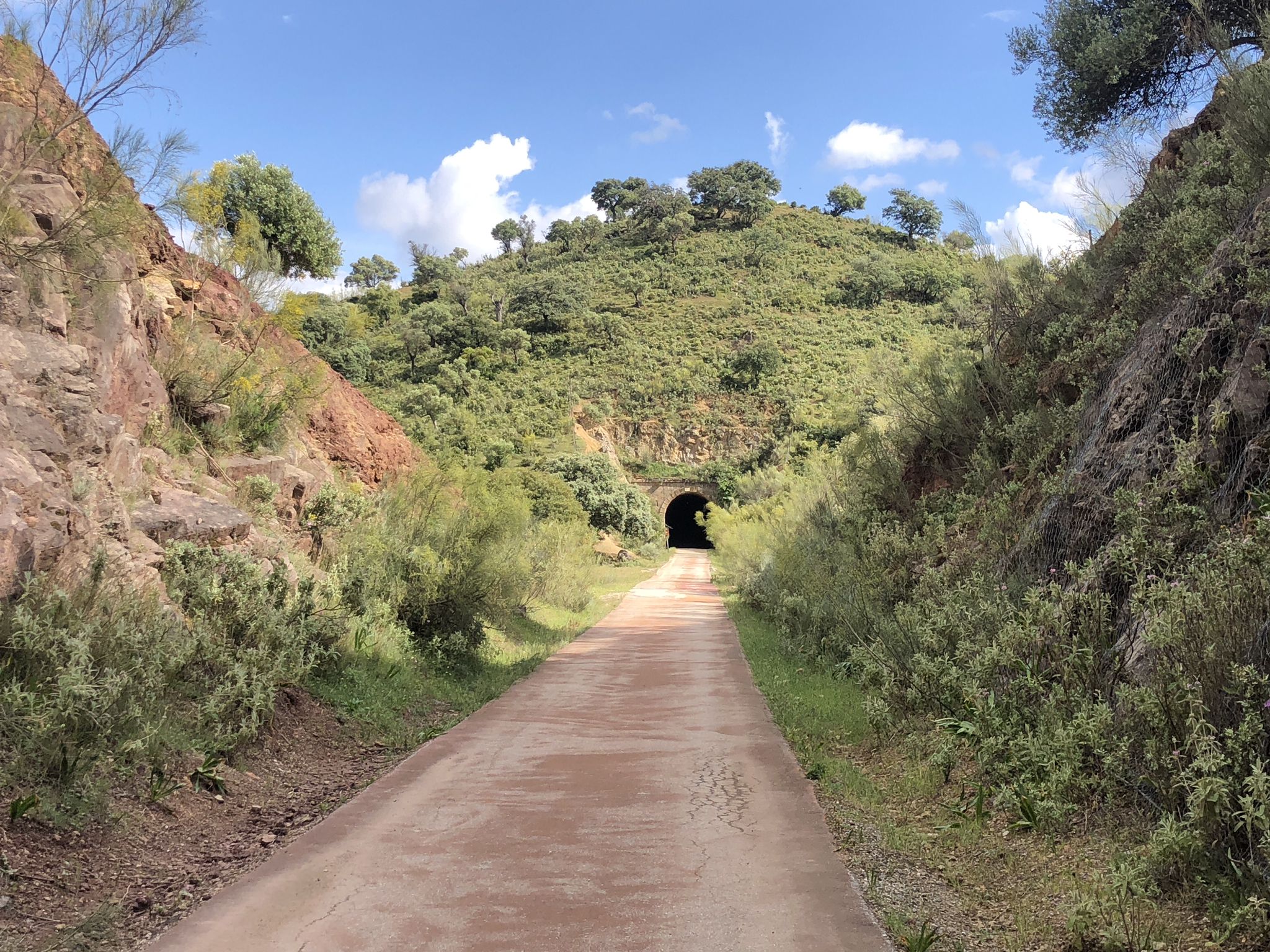
A magical bike Tour in Andalusia – Sierra Greenway in Spain
Between the mountains and villages of Cadiz – Sierra de Grazalema
Explore the Betic Mountains on two wheels – Altravesur
Andalusia without limits – Tarifa to La Puebla de Don Fabrique on the GR 7
Iconic summits on foot – Sierra de Grazalema Natural Park
An encounter with nature – Spain’s Sierra de Grazalema Natural Park
Other adventures around Sierra De Cadiz


Tips from the Community

Don't trust the Komoot marking at night. I made that mistake too. Follow the path further uphill. Trust the cairns of others. They know the way. Better to go around the summit on the right side. Then you will find it. The ascent is really hard, but the cave is quite beautiful.
0
0

The Cueva Alta in Setenil de las Bodegas is one of the town's most iconic cave dwellings, offering an authentic experience of life beneath the rock. It is an ancient dwelling carved into the rock, located at 22 Calle Cantarería Alta. Inside, there is a natural well, demonstrating how these dwellings took advantage of the surrounding resources. It currently operates as a museum-shop.
1
0
Cuevas del Sol Street in Setenil de las Bodegas is one of the most iconic and photographed corners of this picturesque town in the Sierra de Cádiz, famous for its houses built directly beneath enormous rocks.
8
0

Unfortunately, we also had great difficulty on the aforementioned scree field. There were no signposts or arrows to be seen, and the path was so dangerous that we had to turn back. As a result, we couldn't complete the entire loop. What a shame.
0
0

Obtain permission via the QR code in the photo. If you are a foreigner, it's best to provide the address of your accommodation.
0
0
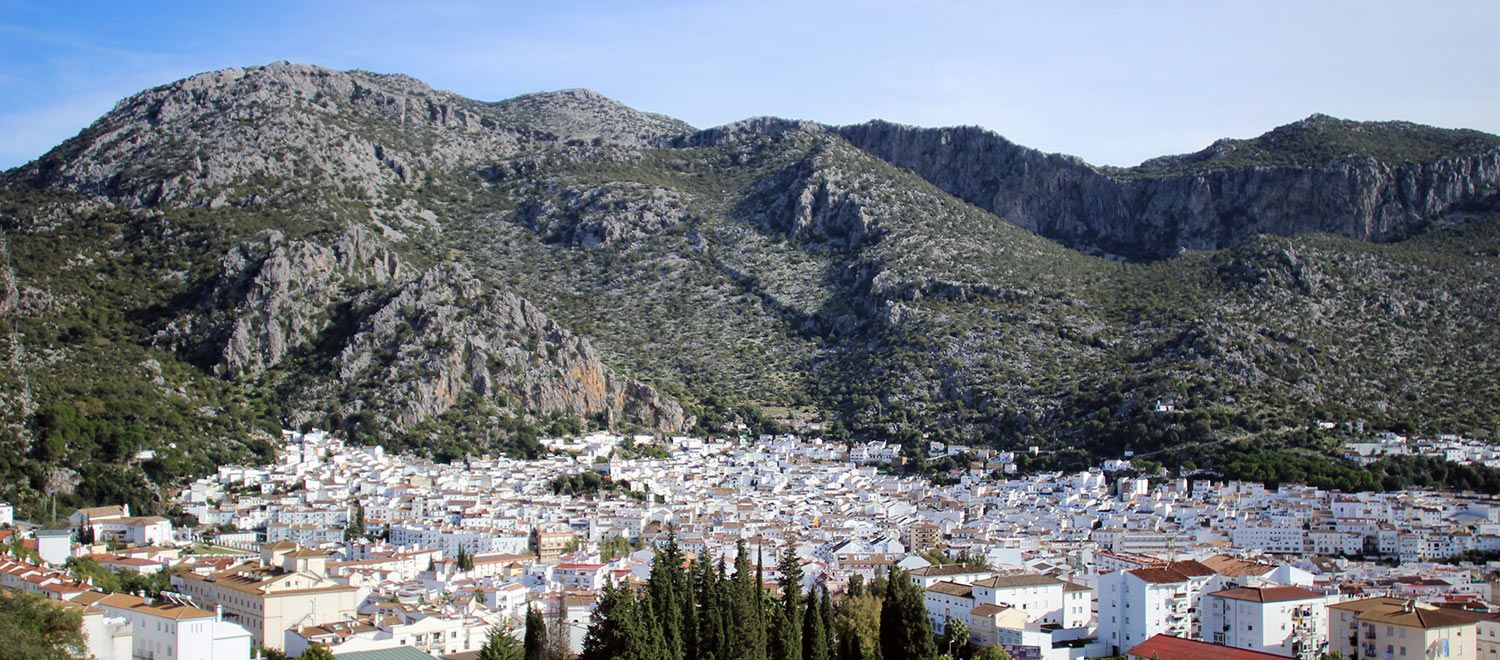
Setenil de las Bodegas is a picturesque municipality in the province of Cadiz, Andalusia. It is known for its unique urban layout, with houses built under large rocks that form part of the Trejo River canyon. This town is an essential stop on the famous route of the White Villages of Cadiz.
9
0

There is a main street on either side of the Guadalporcún river that runs through the village, both of which offer the perfect places to enjoy the view of the rocks. They are called Cuevas del Sol and Cuevas de la Sombra (Sun and Shadow Caves). They owe their name to the sunlight phenomenon that occurs thanks to the rocks above them. Cuevas del Sol is always in sunlight.
7
0

The oldest human traces in Setenil date back to the Neolithic period. The Romans also later had a colony in nearby Laccipo. However, it was only during the Arab kingdom that Setenil de las Bodegas gained fundamental historical importance. Due to its location and the rocks that surround the village, the Catholic monarchs besieged the village seven times, the last siege in 1484 lasting only 15 days. The name Setenil comes from the Latin words "Septem Nihil" and means "Seven times nothing". The village owes the second part of the name to the surrounding vineyards and the excellent wine that is produced there, "de las bodegas" means "from the wineries". Source and further information https://www.ruralidays.de/reisen/reisefuehrer/sehenswuerdigkeiten-in-setenil-de-las-bodegas/
4
0
Frequently Asked Questions
What are some unique cave experiences in the Sierra de Cádiz region?
The region offers a diverse range of cave experiences. You can explore ancient prehistoric art at Cueva de la Pileta, marvel at the unique architecture of houses built into rock overhangs in Cuevas del Sol Street, Setenil de las Bodegas, or enjoy the natural beauty and refreshing waters around Cueva del Gato. For a more tranquil experience, the Cueva del Higueral offers a peaceful hike to a natural karst formation.
Which caves in Sierra de Cádiz offer prehistoric art or archaeological significance?
The most significant cave for prehistoric art is Cueva de la Pileta, a designated Spanish National Treasure. It features extensive Palaeolithic and Neolithic wall paintings dating back over 30,000 years, depicting animals and symbols. Setenil de las Bodegas also has archaeological findings, such as the 5,000-year-old "La Damita de Setenil," confirming ancient habitation in its unique cave dwellings.
Are there any caves with unique geological features or natural pools?
Yes, Cueva del Gato is famous for its crystal-clear water that flows from the cave, forming a natural pool popular for swimming in summer. This cave is part of one of Europe's most important karst complexes. Cueva de la Pileta also boasts stunning geological formations like stalactites and stalagmites, creating impressive underground chambers.
What is special about the cave houses in Setenil de las Bodegas?
Setenil de las Bodegas is renowned for its extraordinary urban layout where houses are built directly into and beneath massive rock overhangs. Streets like Cuevas del Sol Street showcase homes, shops, and restaurants integrated into the natural rock. These cave dwellings were chosen for their natural insulation against heat and cold. The Alta Cave in Setenil operates as a museum-shop, demonstrating how these dwellings utilized natural resources like an internal well.
What is the best time of year to visit the caves in Sierra de Cádiz?
The Sierra de Cádiz region is pleasant to visit year-round. For enjoying the natural pools, such as those near Cueva del Gato, the warmer summer months are ideal. However, for exploring the caves themselves and hiking, spring and autumn offer milder temperatures and comfortable conditions. Always check specific cave opening times and tour availability, as some may have seasonal variations.
Are there family-friendly cave experiences in the area?
While some caves like Cueva de la Pileta involve navigating stairs and can be challenging for very young children, the exterior areas of Cueva del Gato are very family-friendly, offering scenic spots for picnics and swimming. The village of Setenil de las Bodegas, with its unique cave houses, is also a fascinating and accessible experience for families. The hiking route to Cueva del Higueral is considered relatively easy and suitable for families.
Do I need permits or special equipment to visit caves in Sierra de Cádiz?
For some caves, like Cueva de la Pileta, guided tours are mandatory, and booking in advance is highly recommended due to limited group sizes. For the Cave of the Bats, you need to obtain permission, often via a QR code or by contacting local authorities. While the exterior of Cueva del Gato is open to the public, access to its complex interior is generally restricted to experienced speleologists. Always check specific requirements for each cave you plan to visit.
How accessible are the caves in Sierra de Cádiz for visitors with mobility issues?
Many natural caves, due to their uneven terrain, stairs, and sometimes slippery surfaces, may present challenges for visitors with mobility issues or wheelchairs. For example, Cueva de la Pileta involves navigating stairs. However, the village of Setenil de las Bodegas, with its unique cave houses, offers more accessible areas to explore, particularly its main streets integrated into the rock. It's advisable to contact specific cave attractions directly for detailed accessibility information.
What outdoor activities can I combine with a visit to the caves?
The Sierra de Cádiz region is excellent for outdoor enthusiasts. You can find numerous hiking trails, such as the Puerto de las Presillas Trail or the Majaceite River Trail, which offer beautiful views of the natural parks. For cycling, there are traffic-free bike rides like the Vía Verde de la Sierra Loop from Olvera, and challenging MTB trails. You can explore more options on the Hiking around Sierra De Cadiz or Traffic-free bike rides around Sierra De Cadiz guide pages.
What kind of wildlife might I encounter in or around the caves?
Many caves in the region, including Cueva de la Pileta and Cueva del Gato, are home to large colonies of bats. The Sierra de Grazalema Natural Park, where Cueva del Gato is located, is rich in flora and fauna, offering opportunities to spot various bird species, including raptors, and other local wildlife in the surrounding natural landscapes.
Are there places to eat or stay near the caves?
Yes, towns like Setenil de las Bodegas offer unique dining experiences in cave-restaurants, along with various shops and accommodations. Other nearby villages and towns in the Sierra de Cádiz region provide a range of cafes, pubs, and lodging options. For example, the Alta Cave in Setenil also has a restaurant. It's recommended to check local listings for specific amenities near your chosen cave destination.
Most popular routes around Sierra De Cadiz
Most popular attractions around Sierra De Cadiz

Get inspired with the komoot mobile app


Didn’t find what you were looking for?
Discover more caves around Sierra De Cadiz region by region:
