Top 5 Castles around la Vall d'Albaida
Best castles around la Vall d'Albaida, a historical region in the province of Valencia, Spain, offers a glimpse into its rich past. The area is characterized by its diverse terrain, ranging from valleys to mountains, providing scenic backdrops for its historical structures. Visitors can explore a variety of fortified sites, from well-preserved palace-castles to significant historical ruins. The region's cultural significance is evident in its medieval architecture and ancient urban layouts.
Best castles around la Vall d'Albaida
- The most popular…
Last updated: July 10, 2026
Castle of Aielo de Rugat
Highlight • Castle
Unfortunately, it was destroyed during the War …
Translated by Google •
Tip by

View of Castell de Cocentaina
Highlight • Castle
Translated by Google •
Tip by

Sign up now to discover places like this
Get recommendations on the best single tracks, peaks, & plenty of other exciting outdoor places.
Sign up for free
View of Carrícola Castle
Highlight • Viewpoint
The Castillo de Carrícola rises on a rock above the …
Translated by Google •
Tip by

Castell del Xiu
Highlight • Castle
The castle is nestled within …
Translated by Google •
Tip by

Art Trail to Carrícola Castle
Highlight • Trail
Translated by Google •
Tip by
Start today with a free account
Your next adventure awaits.
Login or Signup
Popular around la Vall d'Albaida
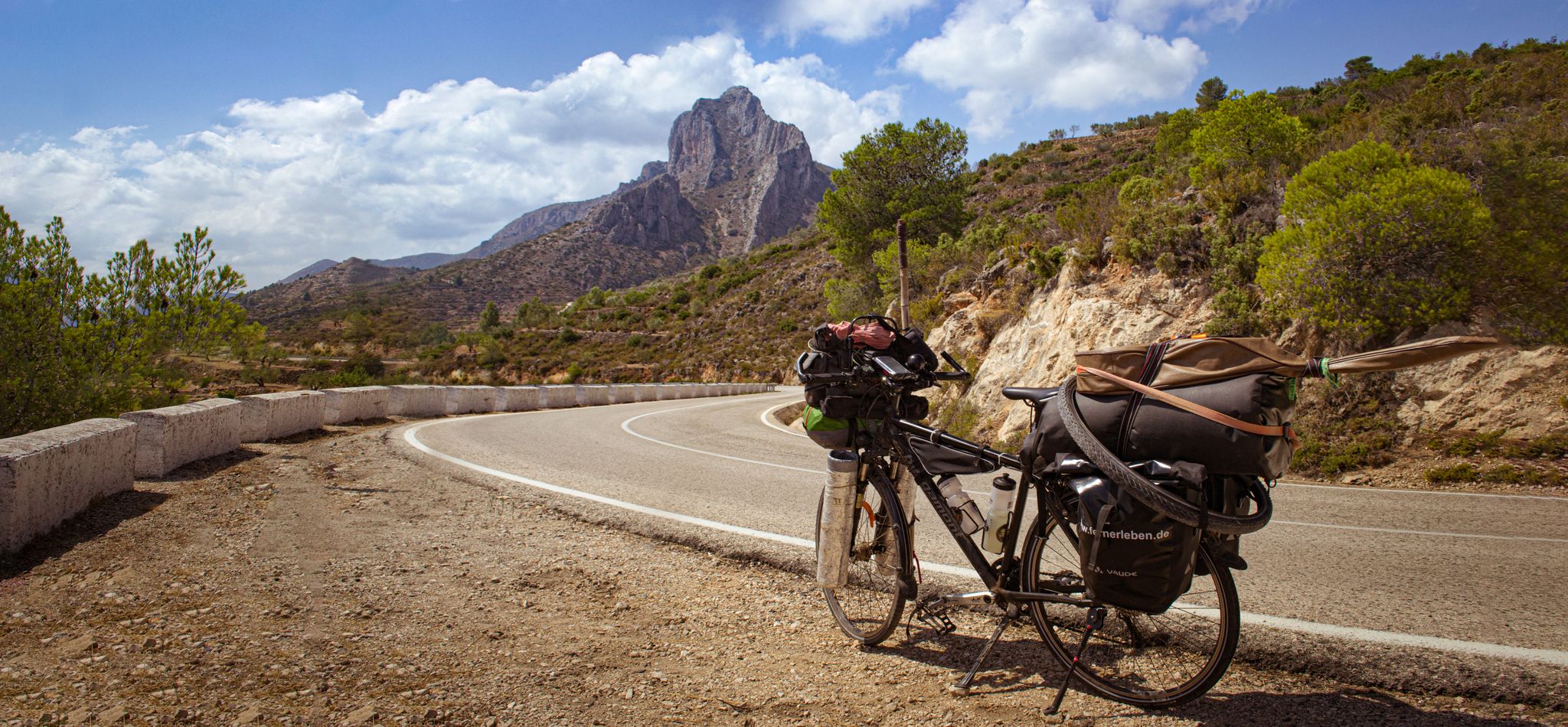
On the road to the sun — bikepacking to southeast Spain
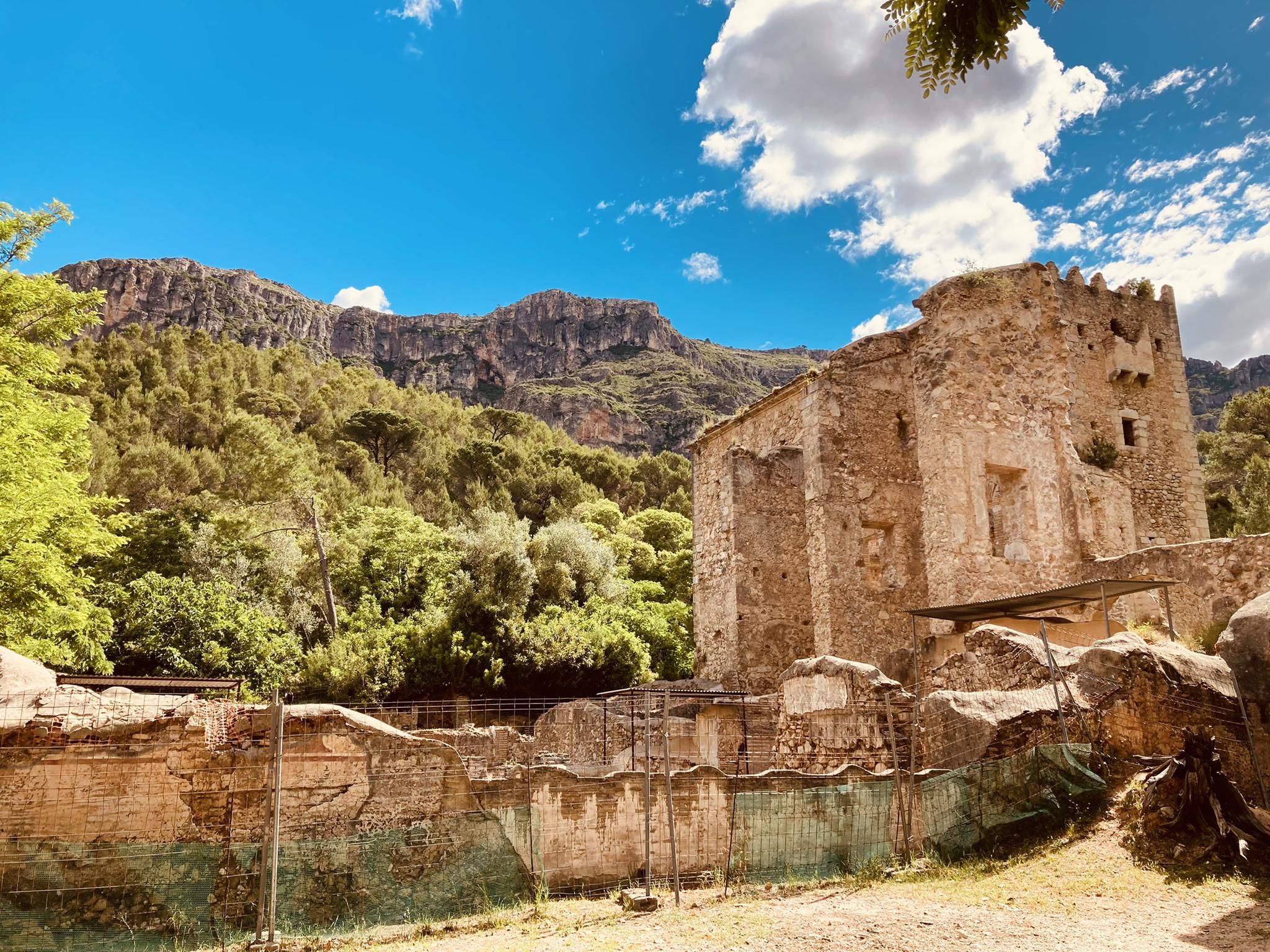
A spiritual walk - Monasteries of Valencia Route (GR 236)
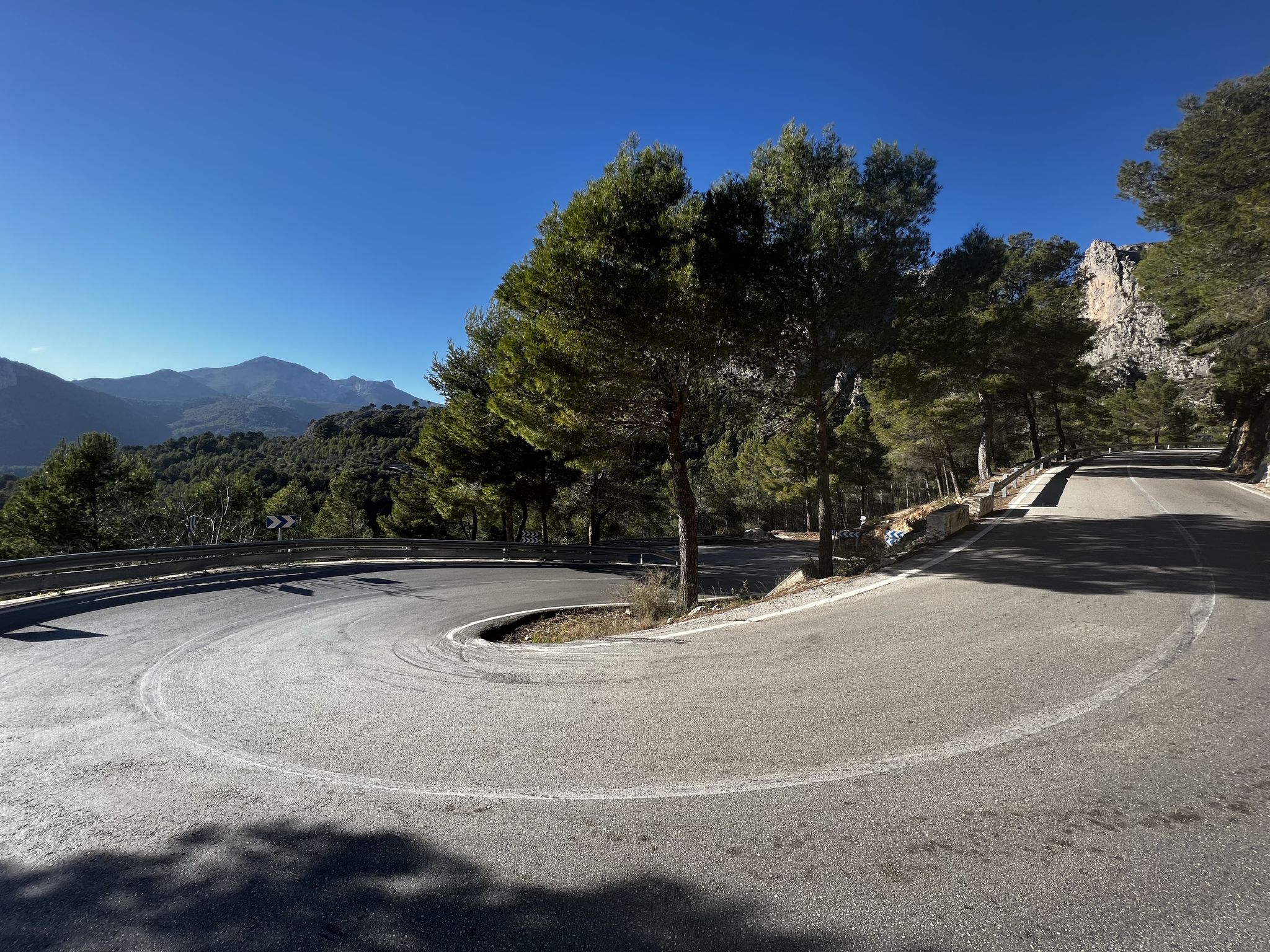
Sunny road cycling adventures in Alicante's Costa Blanca
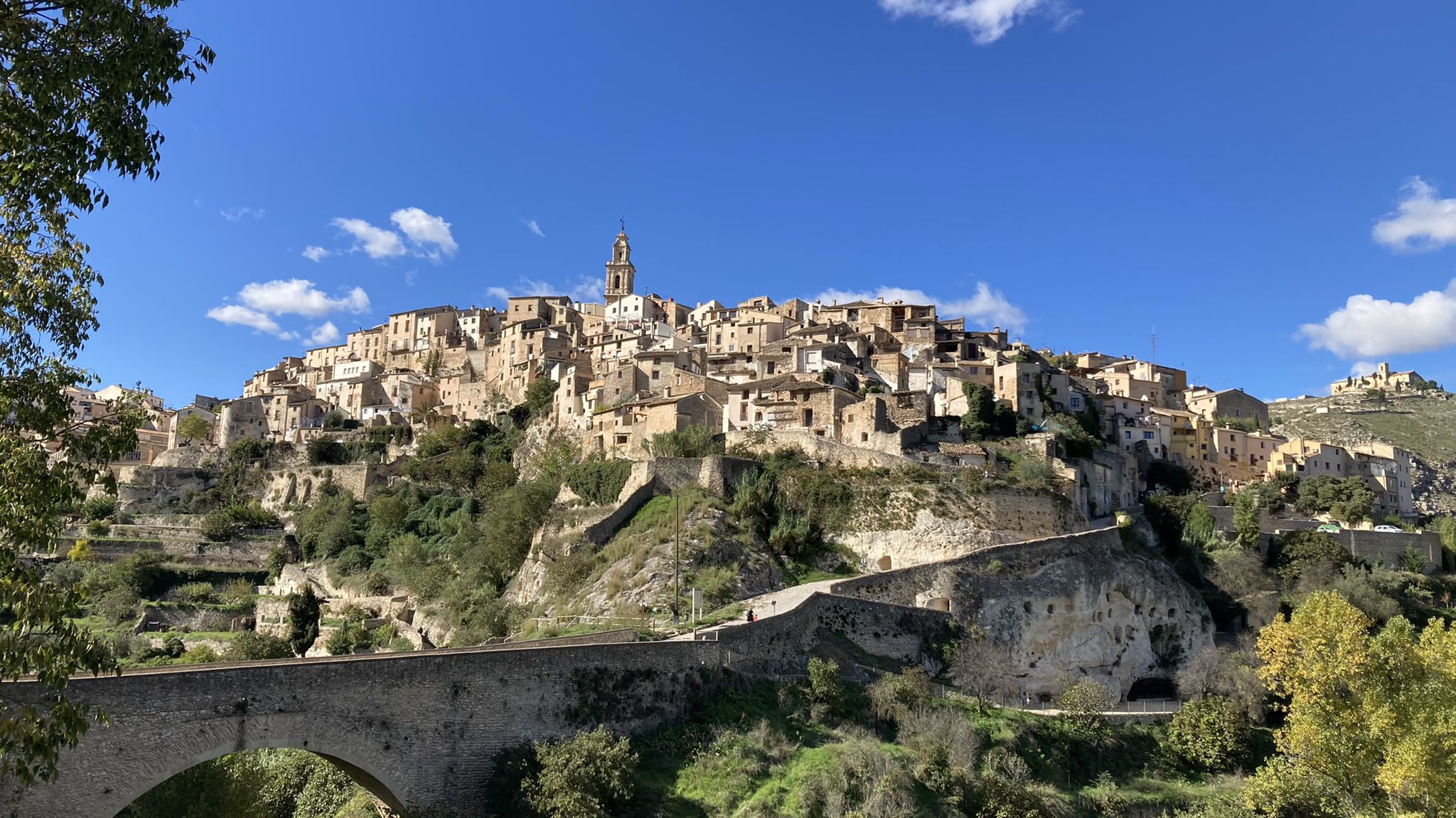
El Camino del Cid – defence of the south by gravel bike
A journey full of discoveries – the Valencia region on foot (GR7)
El Camino del Cid – defence of the south on MTB
Adventures through the Arab farmhouse — Albaida Valley
Hiking around la Vall d'Albaida
MTB Trails around la Vall d'Albaida
Road Cycling Routes around la Vall d'Albaida
Other adventures around la Vall d'Albaida


Tips from the Community

The route begins in the charming village of Carrícola, in the Vall d'Albaida region of Valencia. From there, a circular route begins that gently ascends along rural roads and well-marked trails, surrounded by Mediterranean vegetation and cultivated fields. The most special feature of this route is the Biodivers project, an artistic and ecological initiative that has transformed the surrounding area into an open-air museum. Along the way, visitors encounter contemporary sculptures integrated into the landscape: a giant iron spider, spiral books, human faces in fountains, geometric structures, and other works that invite reflection on the relationship between humans and nature.
3
0
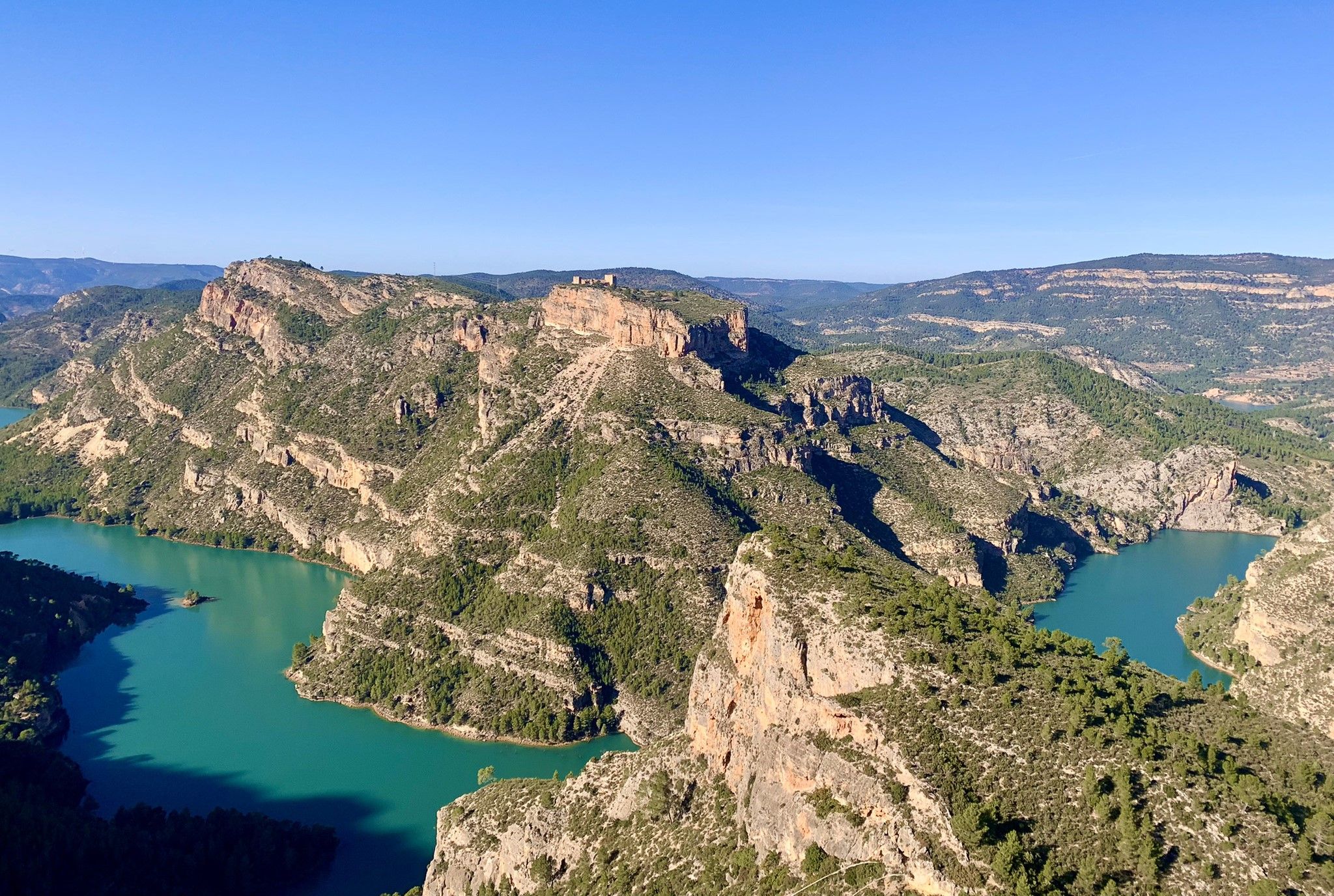
The Castell de Carrícola, also known as Castellet, is a historic and natural gem located in the municipality of El Palomar, in the Vall d'Albaida region of Valencia. It is an ancient Islamic fortification built between the 10th and 12th centuries, although the current tower was erected after the Christian conquest, around the mid-13th century. It has been declared a Site of Cultural Interest and has been restored to allow visitors to visit it, including access to its terrace, from where you can enjoy spectacular views of the region and the Bellús reservoir.
3
0

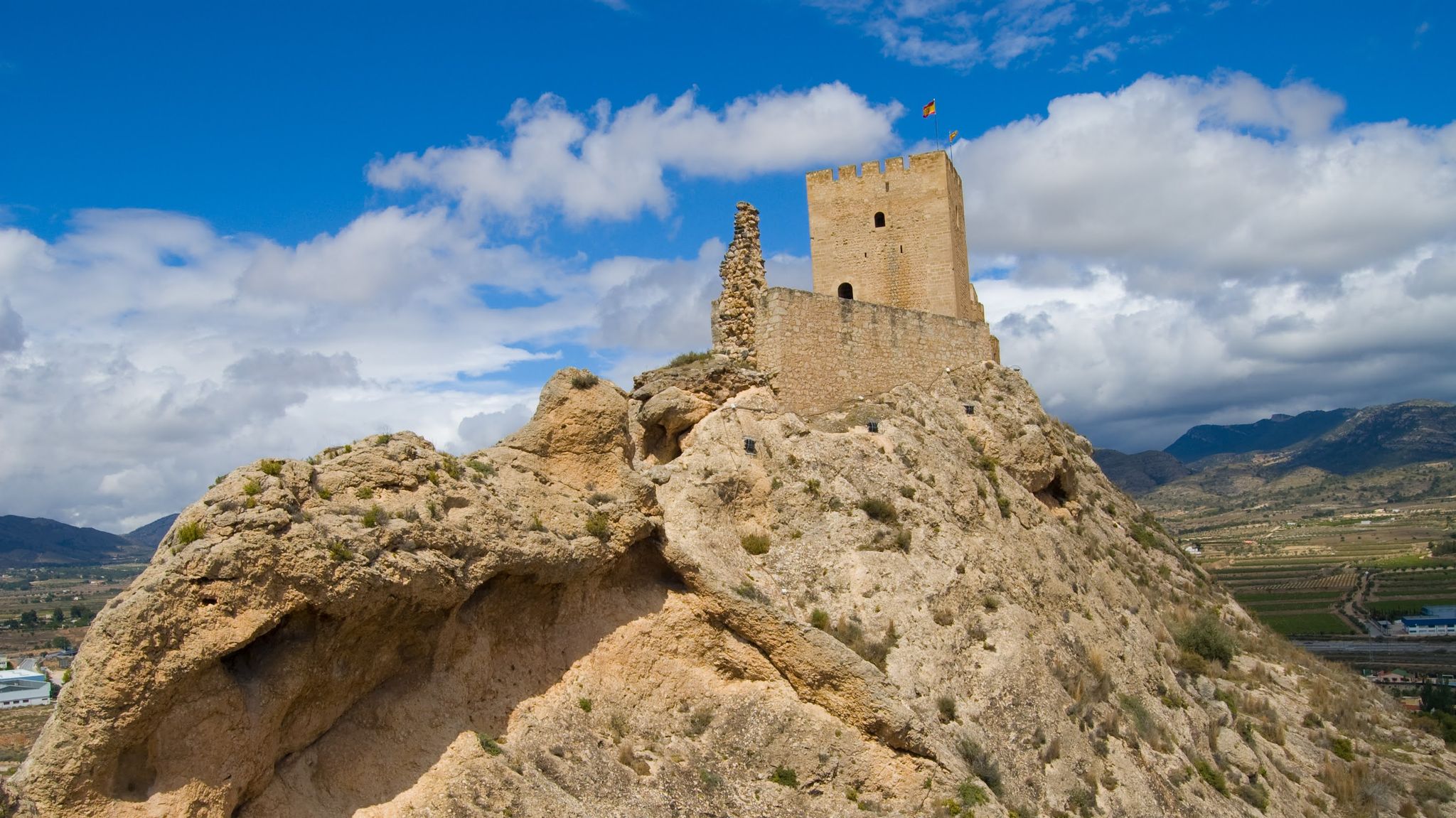
The castle, which is not particularly worth seeing, dates back to the Almohad period and was built between the 10th and 12th centuries. But the view is very beautiful.
0
1

This point is a great viewpoint. Below is the figure of the castle tower and in the background the valley. The Castillo de Carrícola rises on a rock above the town. A trail leads to the remains of the wall and the high tower through the beautiful ravine of the Castellar.
1
0

Wear suitable footwear, as there are quite steep steps and loose ground.
2
0
The views from the castle are spectacular.
2
0

The 12th century castle crowns the mill from where you can get stunning views of the valley and the mountains that surround it. Unfortunately, it was destroyed during the War of Castile in the 14th century. At present, you can distinguish, in some of its walls, the arrow slits that were used to shoot with crossbows during the war. Inside what would be the castle, you can find a well-preserved cistern.
2
2

Xiu Castle is a military defensive construction located in the municipal area of Llutxent. It was built in the twelfth century, during the Almohad period. The castle is nestled within the route of the Route of the Monasteries of Valencia, a monumental route inaugurated in 2008, which crosses this castle to visit the Monastery of Corpus Christi.
2
0
Frequently Asked Questions
What historical significance do the castles in La Vall d'Albaida hold?
The castles in La Vall d'Albaida are rich in history, reflecting centuries of evolution from defensive fortresses to palatial residences. They showcase a blend of Islamic, Gothic, and Renaissance architecture, with structures like the 15th-century Albaida Palace built atop 13th-century walls, and the 14th-century Llutxent Castle-Palace which transformed from a military stronghold into a noble residence. The region's history is also evident in ancient Arabic fortifications, such as the one Bocairent's Parish Church of Our Lady of the Assumption now stands upon.
Which castles offer the best views of the region?
For spectacular views, consider visiting the Castle of Aielo de Rugat, which crowns a hill and offers stunning panoramas of the valley and surrounding mountains. The View of Carrícola Castle also provides excellent vistas of the castle tower and the valley below. Additionally, the View of Castell de Cocentaina, an ancient Islamic fortification, offers breathtaking views from its restored terrace.
Are there any palace-castles I can visit in La Vall d'Albaida?
Yes, you can visit the Albaida Palace (Palau de la Vila) in Albaida, a significant 15th-century public building with Gothic architecture, unique murals, and rooms like the Throne Room and Music Room. It also houses the International Puppet Museum. Another notable palace-castle is the Llutxent Castle-Palace, a restored 14th-century Gothic landmark that evolved from a defensive fortress into a palatial residence, featuring interesting murals and a central courtyard.
What outdoor activities can I do near the castles in La Vall d'Albaida?
The region offers a variety of outdoor activities. You can explore numerous hiking trails, such as the Ombria del Benicadell Trail or the Barranc dels Tarongers Trail. For cycling enthusiasts, there are options for gravel biking and road cycling, including routes like 'Touring the interior of La Vall d'Albaida'. Many of these routes pass through scenic landscapes near historical sites. You can find more details on these activities in the Hiking around la Vall d'Albaida, Gravel biking around la Vall d'Albaida, and Road Cycling Routes around la Vall d'Albaida guides.
Are there any family-friendly activities or trails near the castles?
Yes, the region offers options for families. The medieval quarter of Bocairent, with its unique stacked houses and narrow streets, provides an engaging historical exploration. You can also explore the intriguing Covetes dels Moros (Moorish Caves) there. For a unique outdoor experience, consider the Art Trail to Carrícola Castle, which features contemporary sculptures integrated into the landscape, making it an open-air museum suitable for families.
What is the best time of year to visit the castles in La Vall d'Albaida?
The best time to visit the castles and explore the region's outdoor trails is generally during spring (April-May) and autumn (September-October). During these seasons, the weather is typically mild and pleasant, ideal for hiking, cycling, and exploring historical sites without the intense heat of summer. Winter visits are also possible, but some trails might be cooler or wetter.
Can I explore ancient ruins or defensive structures?
Absolutely. The region is home to several ancient ruins and defensive structures. The Castle of Aielo de Rugat, though in ruins, still shows visible arrow slits and a well-preserved cistern. The Castell del Xiu is a 12th-century military defensive construction located within the Route of the Monasteries of Valencia. Additionally, the Bellús Feudal Tower (Palau de Bellvis) in Bellús is a 14th-century defensive tower, recognized for its historical value.
What makes Bocairent a unique historical destination, even without a traditional standing castle?
Bocairent is unique because its historical significance is deeply tied to a former Arabic castle, upon whose ruins the Parish Church of Our Lady of the Assumption was built. The entire medieval quarter of Bocairent is a national site of artistic-historical importance, characterized by its unique stacked houses, narrow winding streets, and medieval chapels. Visitors can explore this charming town, enjoy panoramic views of the Sierra Mariola Natural Park, and visit the intriguing Covetes dels Moros (Moorish Caves).
Are there any castles that are part of a larger historical route?
Yes, the Castell del Xiu, a 12th-century military defensive construction, is notably located within the route of the Route of the Monasteries of Valencia. This monumental route, inaugurated in 2008, crosses this castle as part of its journey to visit the Monastery of Corpus Christi, offering a combined historical and cultural experience.
What do visitors particularly enjoy about the castles in La Vall d'Albaida?
Visitors appreciate the blend of history and natural beauty. Many enjoy the stunning views from castle ruins like the Castle of Aielo de Rugat, which offers panoramas of the valley and mountains. The historical depth of sites like the Albaida Palace, with its unique murals and Gothic architecture, also captivates visitors. The opportunity to explore ancient defensive structures and the charm of medieval towns like Bocairent are frequently highlighted.
What kind of terrain can I expect on trails around the castles?
The terrain around the castles in La Vall d'Albaida is diverse, ranging from valleys to mountains. Trails can include rural roads, well-marked paths, and sometimes steep steps or loose ground, especially when ascending to castle ruins. For example, when visiting the View of Castell de Cocentaina, it's recommended to wear suitable footwear due to steep steps and loose terrain.
Most popular routes around la Vall d'Albaida
Most popular attractions around la Vall d'Albaida

Get inspired with the komoot mobile app


Didn’t find what you were looking for?
Explore la Vall d'Albaida’s best castles region by region:
Explore more
Looking for the best castles somewhere else? Discover other guides around la Vall d'Albaida:
