Top 6 Caves around Sierra Rioja Media
Caves around Sierra Rioja Media present a varied landscape of subterranean features, encompassing both natural karst formations and historical human-made excavations. This region, situated within the broader La Rioja area of Spain, offers geological wonders and ancient spaces carved by human activity. It provides insights into natural processes and historical human ingenuity in adapting to the environment. The area's caves reflect its rich natural heritage and cultural history.
Best caves around Sierra Rioja Media
- The most popular caves are found…
Last updated: August 20, 2026
Ortigosa de Cameros
Highlight • Settlement
Translated by Google •
Tip by

CuevaMesa
Highlight • Cave
Translated by Google •
Tip by

Sign up now to discover places like this
Get recommendations on the best single tracks, peaks, & plenty of other exciting outdoor places.
Sign up for free
CuevaLobrega-I
Highlight • Cave
Translated by Google •
Tip by
Cueva Ventana
Highlight • Cave
Translated by Google •
Tip by

Start today with a free account
Your next adventure awaits.
Login or Signup
Popular around Sierra Rioja Media
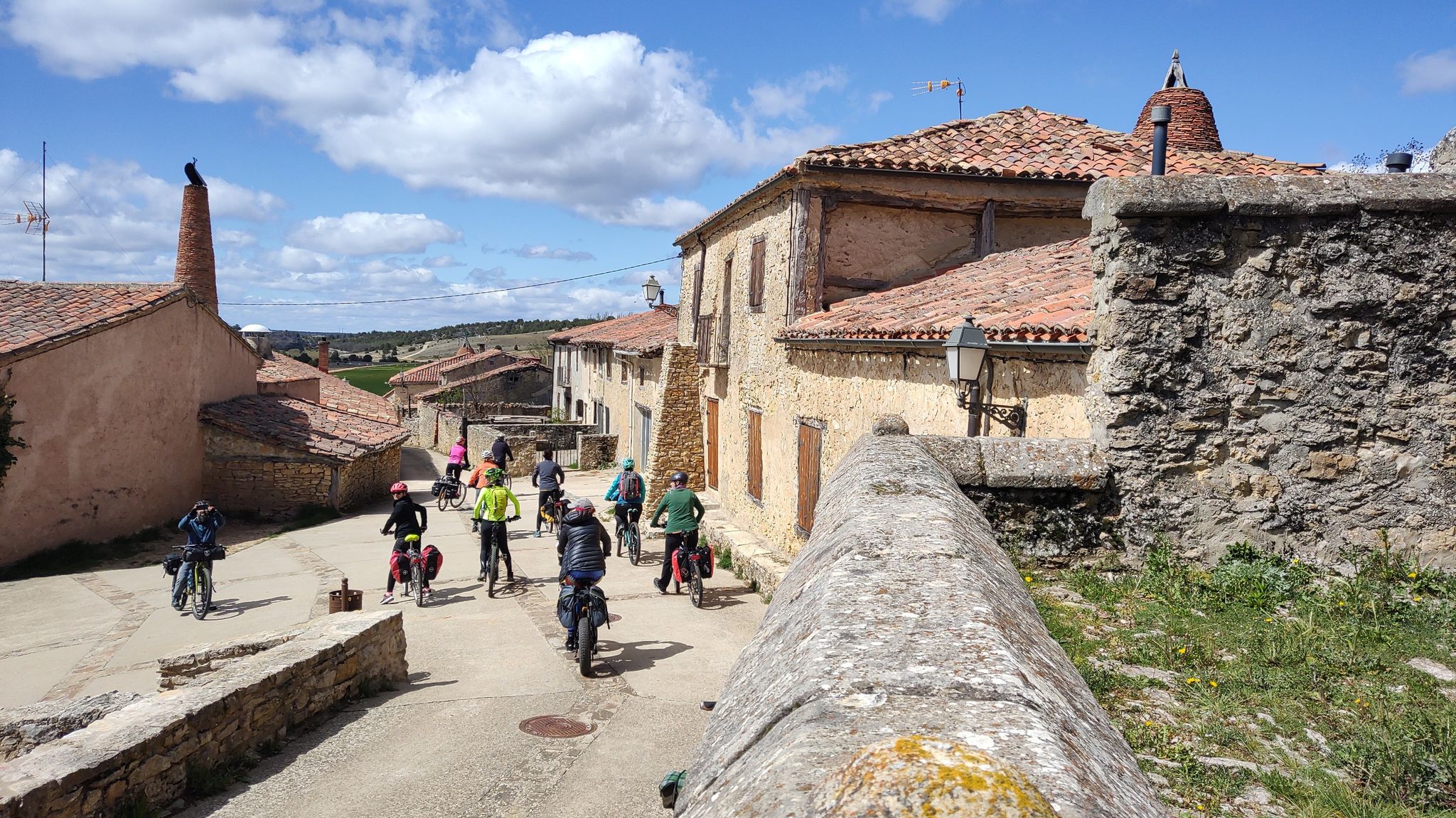
Millennial treasures on pedals – Romanesque art of Soria by MTB
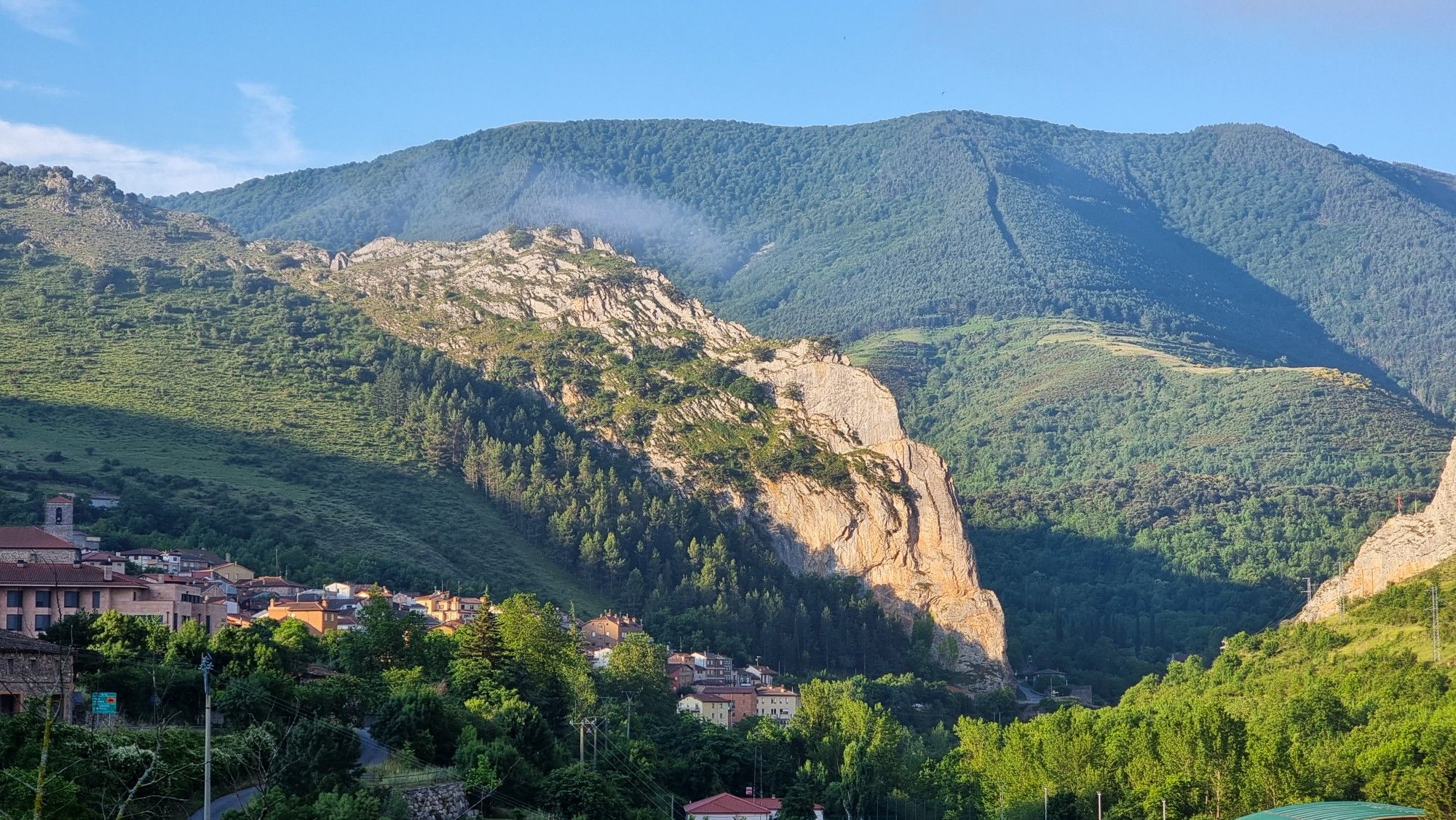
Passes and dinosaur footprints – Spain’s Sierras Riojanas (GR 93)
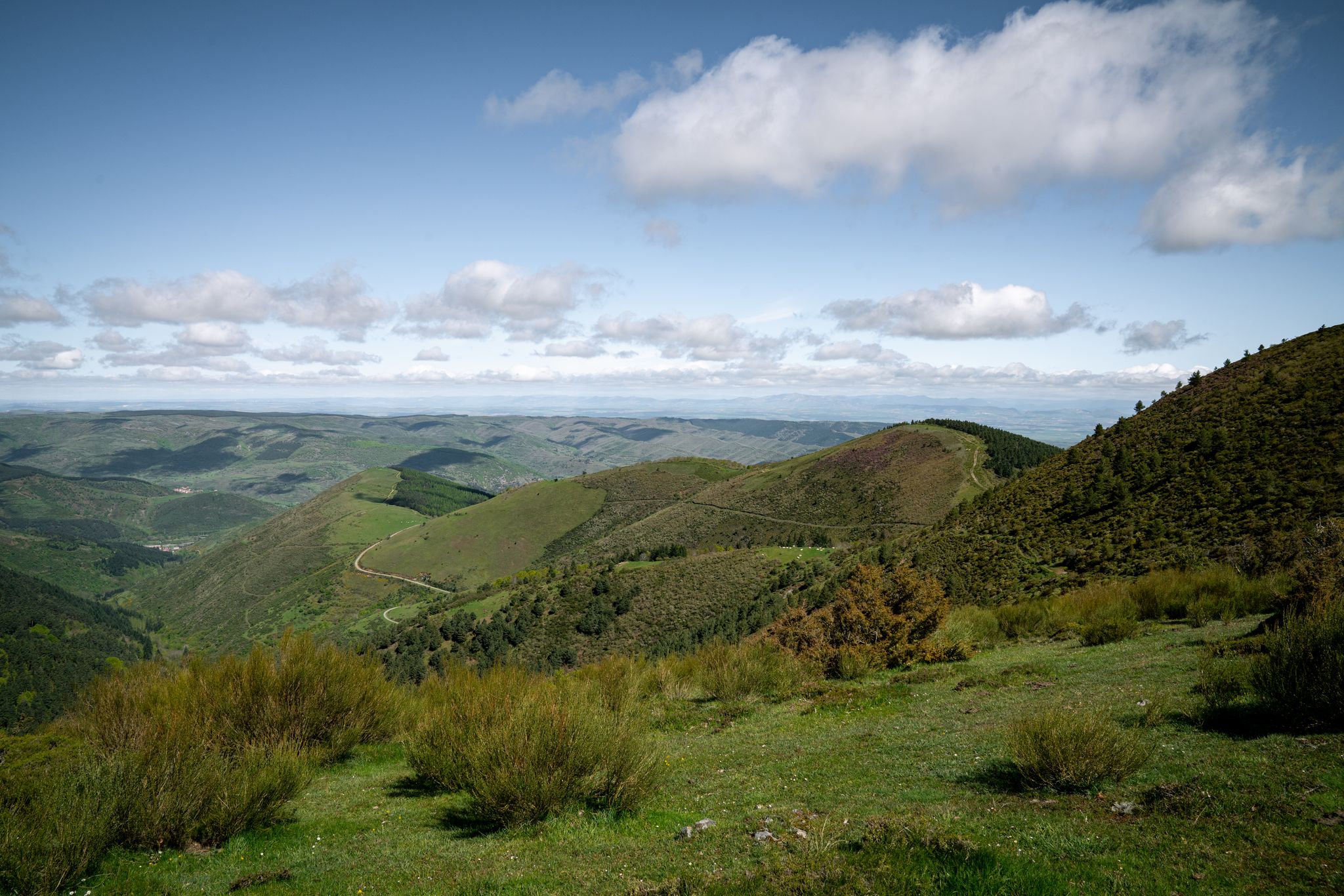
In the mountains of La Rioja – Iberian High Valleys trail (GR 190)
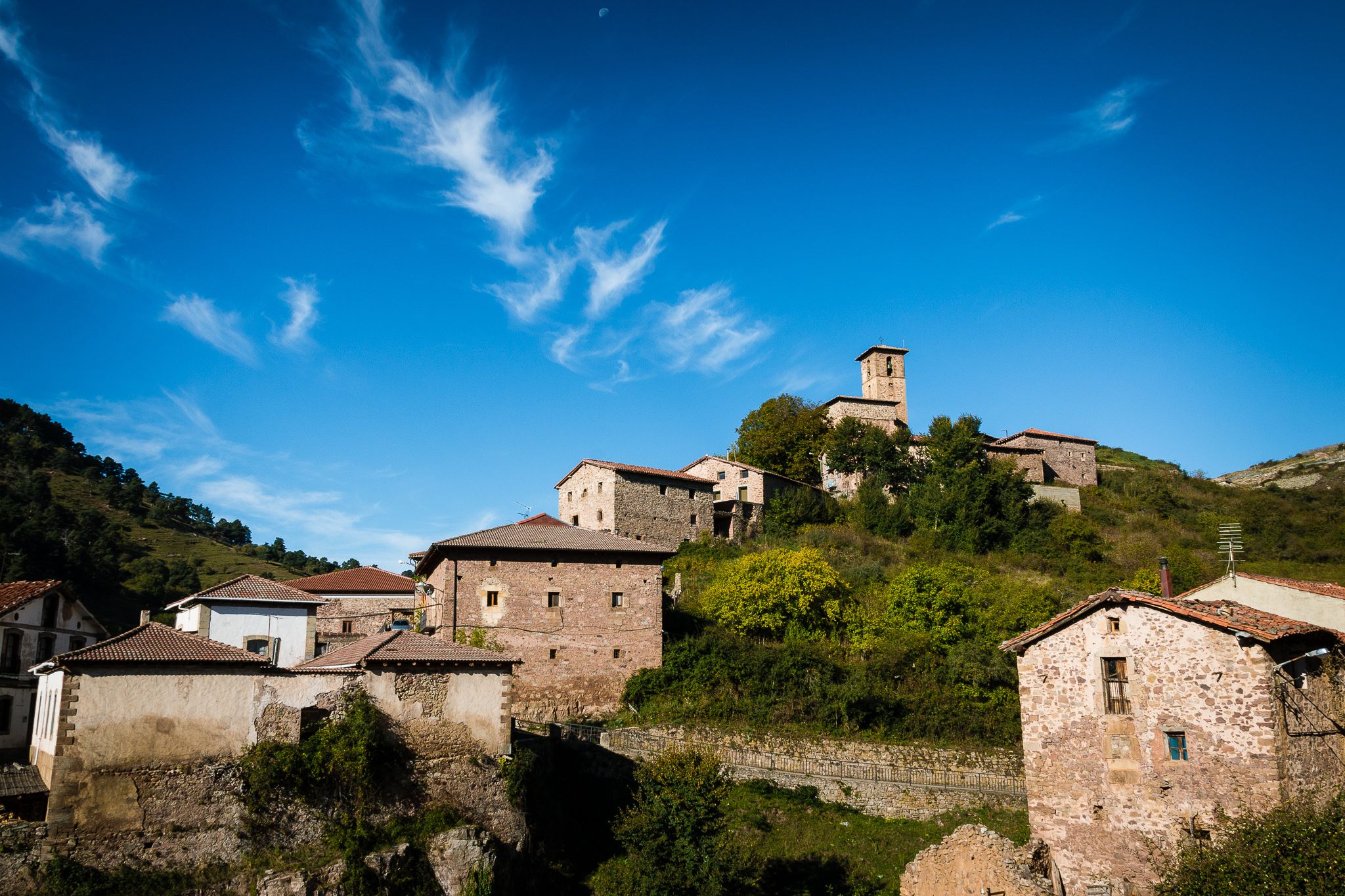
An adventure on quiet roads – MyMerac Rioja
Mountains, valleys and trails in La Rioja – GR 93 by e-bike
Hiking around Sierra Rioja Media
Road Cycling Routes around Sierra Rioja Media
MTB Trails around Sierra Rioja Media
Running Trails around Sierra Rioja Media

Gravel biking around Sierra Rioja Media
Other adventures around Sierra Rioja Media


Tips from the Community

One of the most beautiful mountain villages in the Cameros region. Filled with stone houses, it is located on the slopes of a natural canyon, the Encinedo massif. This ravine was formed through a karstic process that gave rise to several chasms and caves. Two of them can be visited, the one in La Paz and the one in La Villa.
1
0

Important town of the region of Cameros.
1
0

Curiously, it is just 50 meters from Cueva Mesa and Cueva Silla, no joke. Nearby there is a sign that says Cueva Lóbrega.
0
0
Curiously, it is just 50 meters from Cueva Mesa and Cueva Silla. Nearby there is a sign that says Cueva Lóbrega.
1
0

I have to admit that I didn't find any cave there, the most I did was peek at some area that could have a hole, but getting as far as I got was a real ordeal of spikes and boxwoods. I don't recommend trying it.
1
0
The cavity is nice, but the effort to get up ... whew, it was full of spikes and stuff. I do not recommend going up.
1
0
Small hole that is awfully hard to get to, due to the weeds and the spikes. In my opinion it is not worth the effort.
1
0
Second entrance to the cave, this is the most impressive, I have heard that it has more than 400 meters to go, although I do not think I walked more than 50-100 meters, just until I reached a rope/ladder, and that already It was scary, because he was alone. the cave is impressive
1
0
Frequently Asked Questions
Which natural caves in Sierra Rioja Media are open for tourist visits?
The only natural caves in the La Rioja region adapted for tourist visits are the Cuevas de Ortigosa, located in Ortigosa de Cameros. These include Gruta de La Paz and Gruta de La Viña, both offering guided tours to explore their impressive karst formations.
Are there any historical or man-made caves to explore in the region?
Yes, the region features several significant historical man-made caves. In Nájera, you can visit the cave within the Monasterio de Santa María la Real, which holds religious and historical importance. Nájera also has extraordinary man-made caves carved into red sandstone cliffs, historically used for storage and as dovecotes. Additionally, Arnedo is home to the unique Cueva de los 100 Pilares, which served various purposes from a hermitage to a dovecote.
Can I visit traditional underground wine cellars, known as 'calados', in Sierra Rioja Media?
Absolutely. The La Rioja region is famous for its wine, and many wineries offer tours of their 'calados' or underground wine cellars. These hand-excavated caves, some dating back to the 16th century, provide ideal conditions for aging wine. You can find examples like 'El Calado' in Logroño or explore the 'Barrio de las Cuevas' in San Asensio.
Are there family-friendly cave experiences in Sierra Rioja Media?
Yes, the Cuevas de Ortigosa are considered family-friendly. They offer guided tours that are suitable for visitors of various ages, showcasing natural geological beauty in an accessible way. The town of Ortigosa de Cameros itself also provides a charming environment for families.
What kind of natural features can I expect to see in the caves?
In natural caves like those in Ortigosa, you'll encounter spectacular karst formations such as stalactites, stalagmites, columns, flags, and various calcifications. These formations create unique shapes often named after everyday objects, like 'the dog' or 'the seahorse'. Some caves, like Cueva Covernantes, are known for 'cathedral of ice' appearances with frozen waterfalls during certain times.
What is the best time of year to visit the caves in Sierra Rioja Media?
The Cuevas de Ortigosa are generally open year-round, but it's always advisable to check their specific operating hours, especially during off-peak seasons. The stable temperatures inside the caves make them a comfortable visit regardless of outside weather. For caves with frozen waterfalls like Cueva Covernantes, winter would be the ideal time to witness that specific natural spectacle.
Are there hiking trails near the caves in Sierra Rioja Media?
Yes, the region offers various hiking opportunities. For instance, you can find moderate running trails like the 'González Lacasa Reservoir - El Rasillo Loop' near Ortigosa de Cameros. There are also easy hikes available, such as the 'Olmo de El Rasillo – Ortigosa Iron Bridge loop from El Rasillo de Cameros'. You can explore more options on the Running Trails around Sierra Rioja Media and Easy hikes around Sierra Rioja Media guides.
What other outdoor activities can I do near the caves?
Beyond hiking, the area around Sierra Rioja Media offers road cycling. You can find challenging routes like the 'Montenegro and Peña Hincada Passes Loop' or the 'Route of the Three Valleys'. For more details, refer to the Road Cycling Routes around Sierra Rioja Media guide.
Are there any challenging caves for experienced explorers?
Yes, for those seeking a more challenging experience, CuevaLobrega-I is noted as a challenging cave, serving as an entrance to a larger system extending over 400 meters. CuevaMesa and Cueva Ventana are also described as challenging to access due to terrain, though the cavities themselves are considered worthwhile natural features.
What should I wear when visiting caves in Sierra Rioja Media?
Inside natural caves, temperatures are consistently cool, typically around 12-14°C (54-57°F), and humidity is high. It's advisable to wear comfortable walking shoes with good grip and bring a light jacket or sweater, even in summer. For challenging, undeveloped caves, appropriate caving gear, including helmets and headlamps, is essential.
Are there any caves with archaeological significance?
Yes, the Gruta de La Viña in Ortigosa de Cameros has yielded archaeological remains from the Bronze Age, suggesting it was once inhabited. Additionally, the Caves of Mount Cantabria in Logroño offer a historical perspective with archaeological remains dating back to the 2nd century B.C.
Most popular routes around Sierra Rioja Media
Most popular attractions around Sierra Rioja Media

Get inspired with the komoot mobile app


Didn’t find what you were looking for?
Discover more caves around Sierra Rioja Media region by region:
Explore more
Extend your search for the best caves by checking out these guides of the top ones around Sierra Rioja Media:
