Top 6 Caves around Montaña Alavesa
Caves around Montaña Alavesa offer a glimpse into the region's unique geological formations and historical adaptations. This area is known for its rich artistic-cultural heritage, including medieval villages and hermitages, with caves often integrated into this landscape. Visitors can explore both natural cave systems and sites with historical significance, providing a tangible connection to past inhabitants. The Montaña Alavesa region presents a diverse range of subterranean features for exploration.
Best caves around Montaña Alavesa
- The most popular caves is Okina…
Last updated: July 10, 2026
San Kiliz Cave
Highlight • Cave
Translated by Google •
Tip by

Okina Sinkhole
Highlight • Cave
Translated by Google •
Tip by

Sign up now to discover places like this
Get recommendations on the best single tracks, peaks, & plenty of other exciting outdoor places.
Sign up for free
CuevaDeObi-II
Highlight • Cave
Translated by Google •
Tip by

CuevaDelAngel
Highlight • Cave
Translated by Google •
Tip by
Hermitage-Cave of Our Lady of the Rock
Highlight • Religious Site
Translated by Google •
Tip by
Cueva San Miguel
Highlight • Cave
Translated by Google •
Tip by
Start today with a free account
Your next adventure awaits.
Login or Signup
Popular around Montaña Alavesa
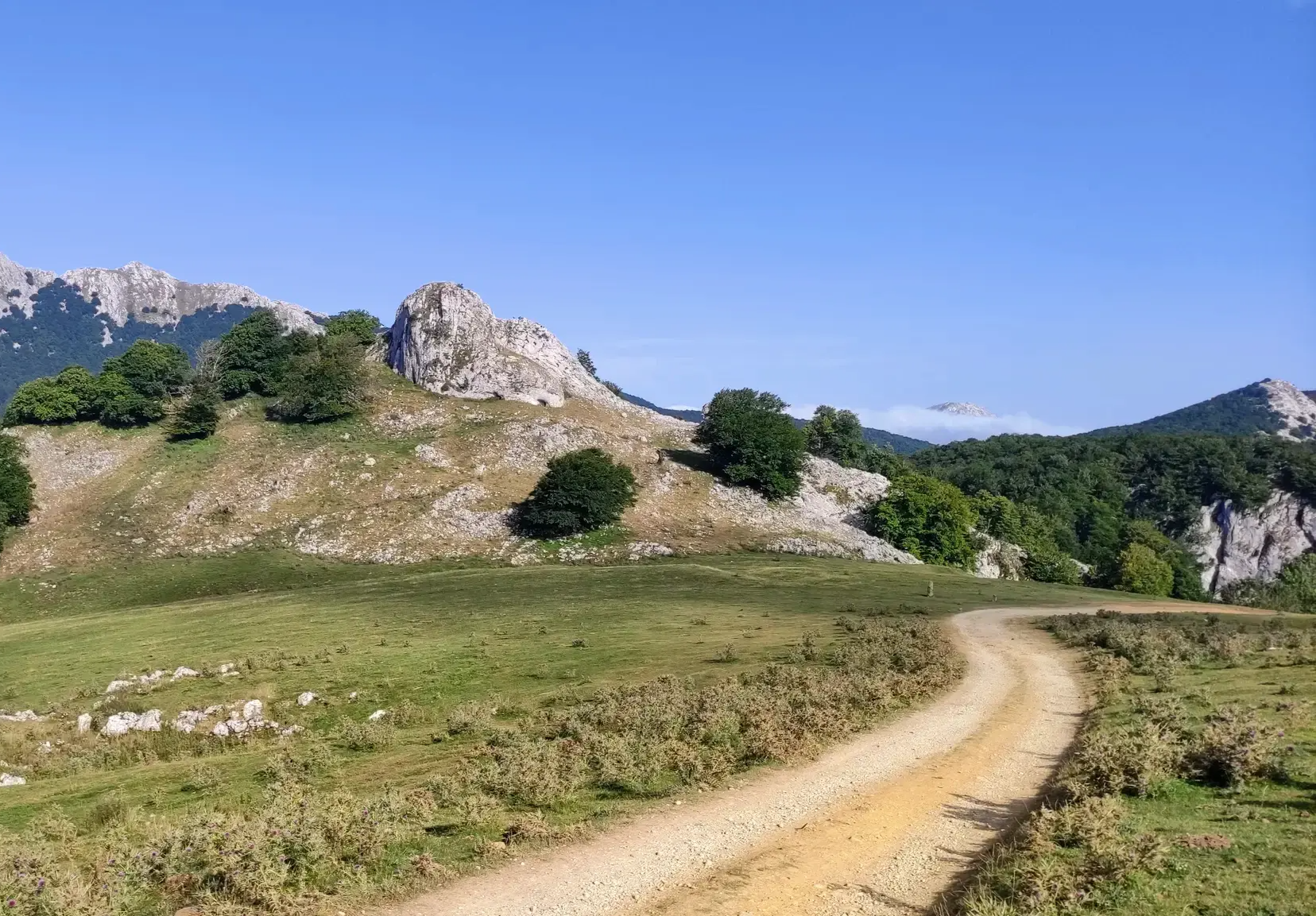
The Ignatian Way - In the footsteps of Ignatius of Loyola
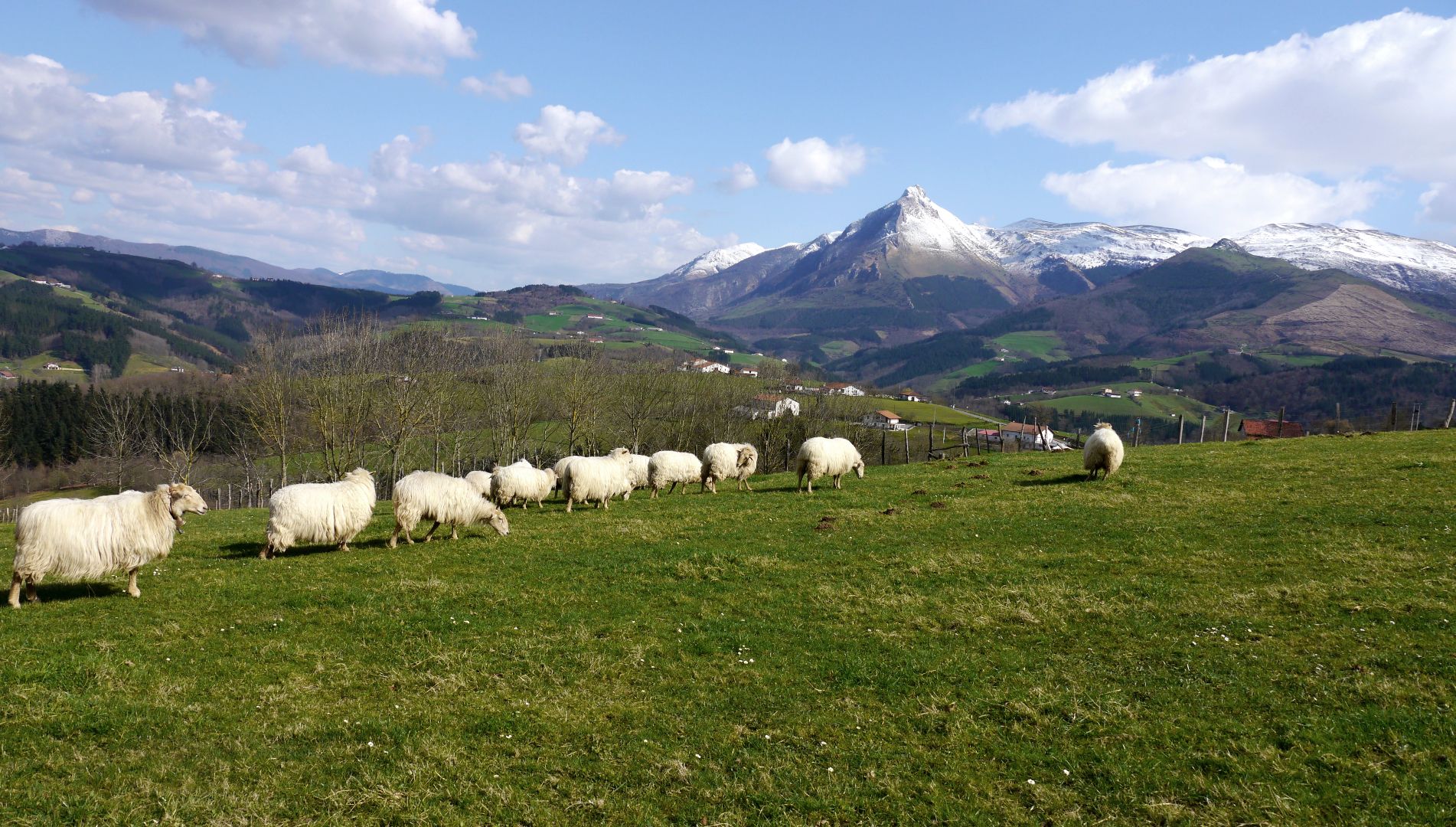
Mountains with tradition in Spain’s Basque Country – Shepherd's Path (GR 282)
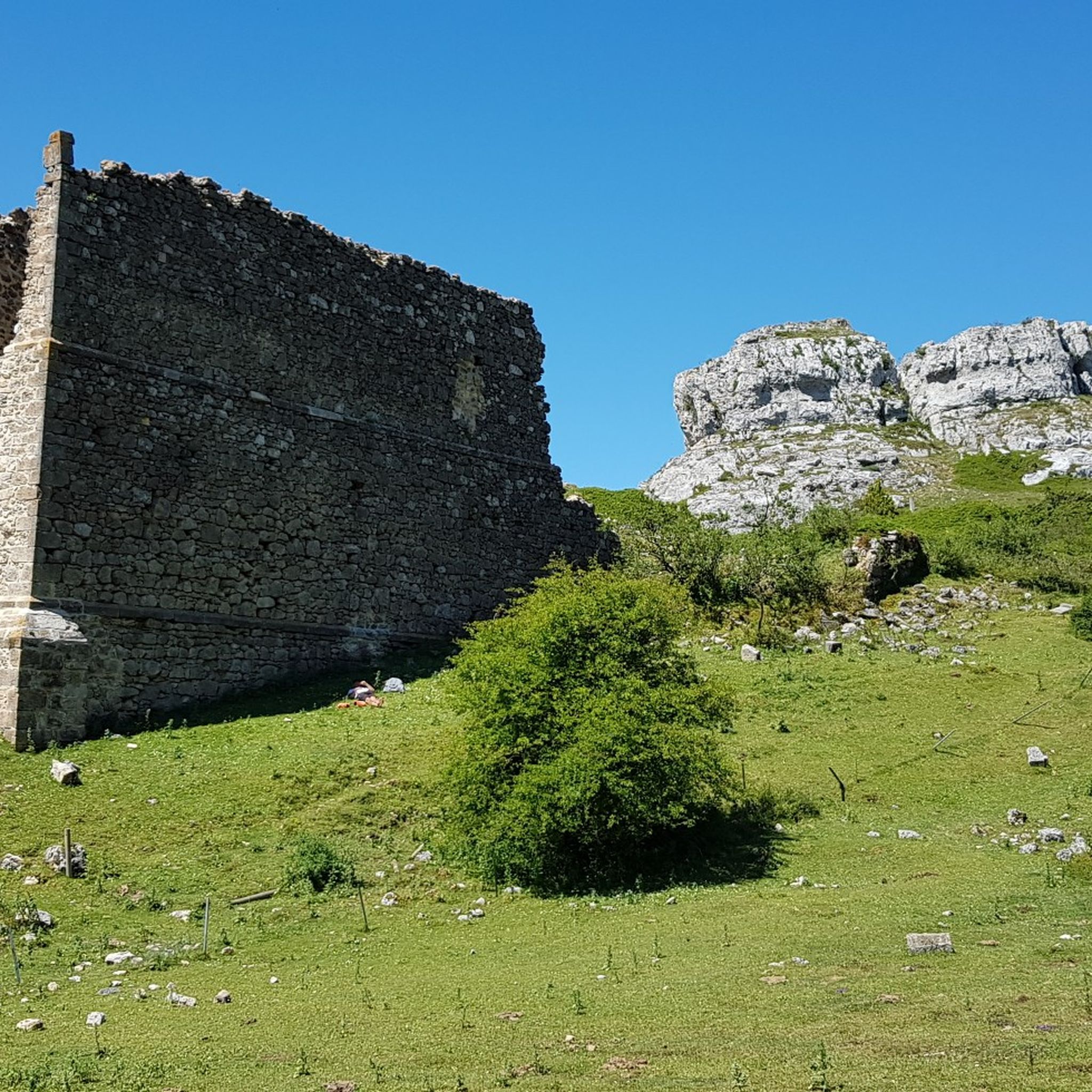
Hiking around Montaña Alavesa
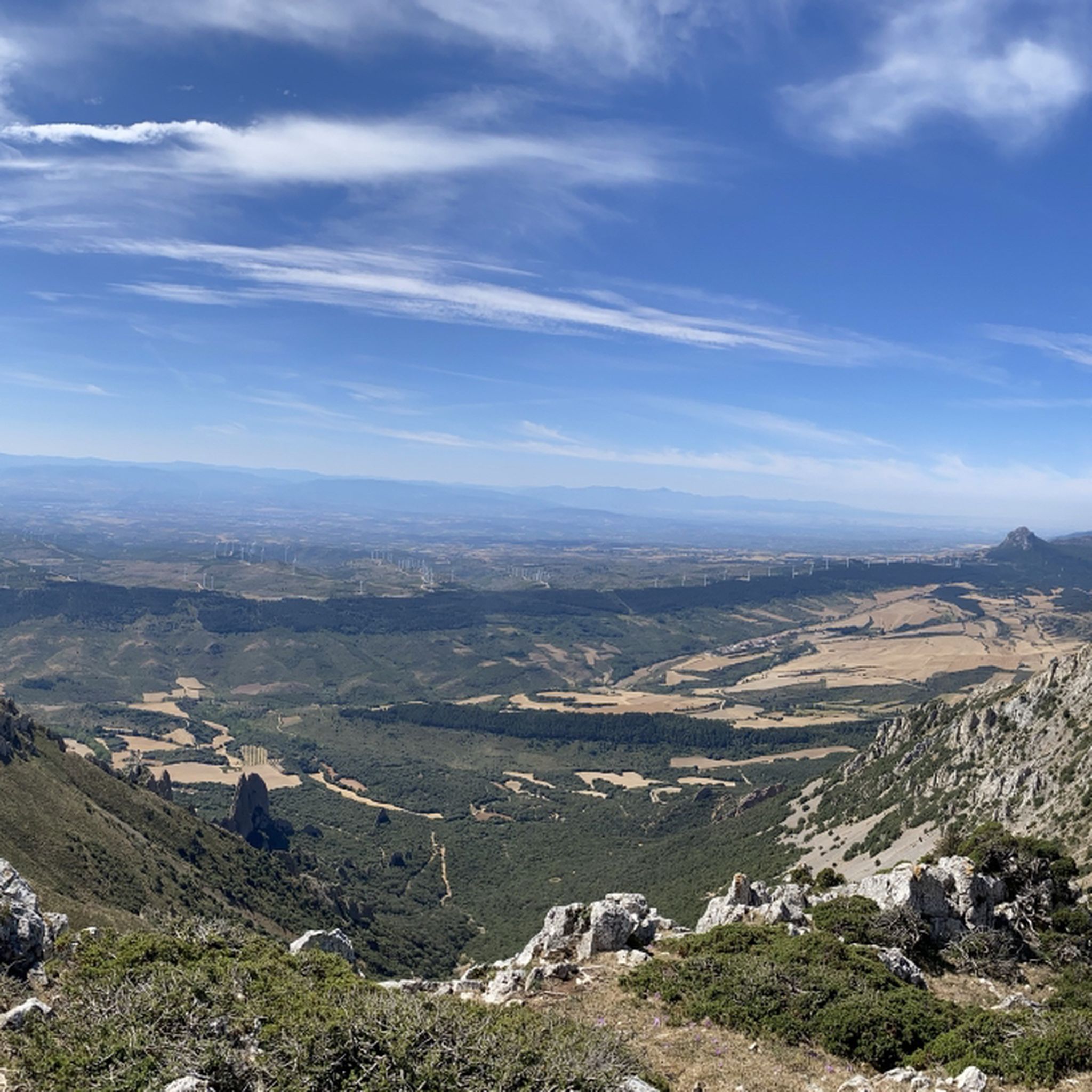
MTB Trails around Montaña Alavesa
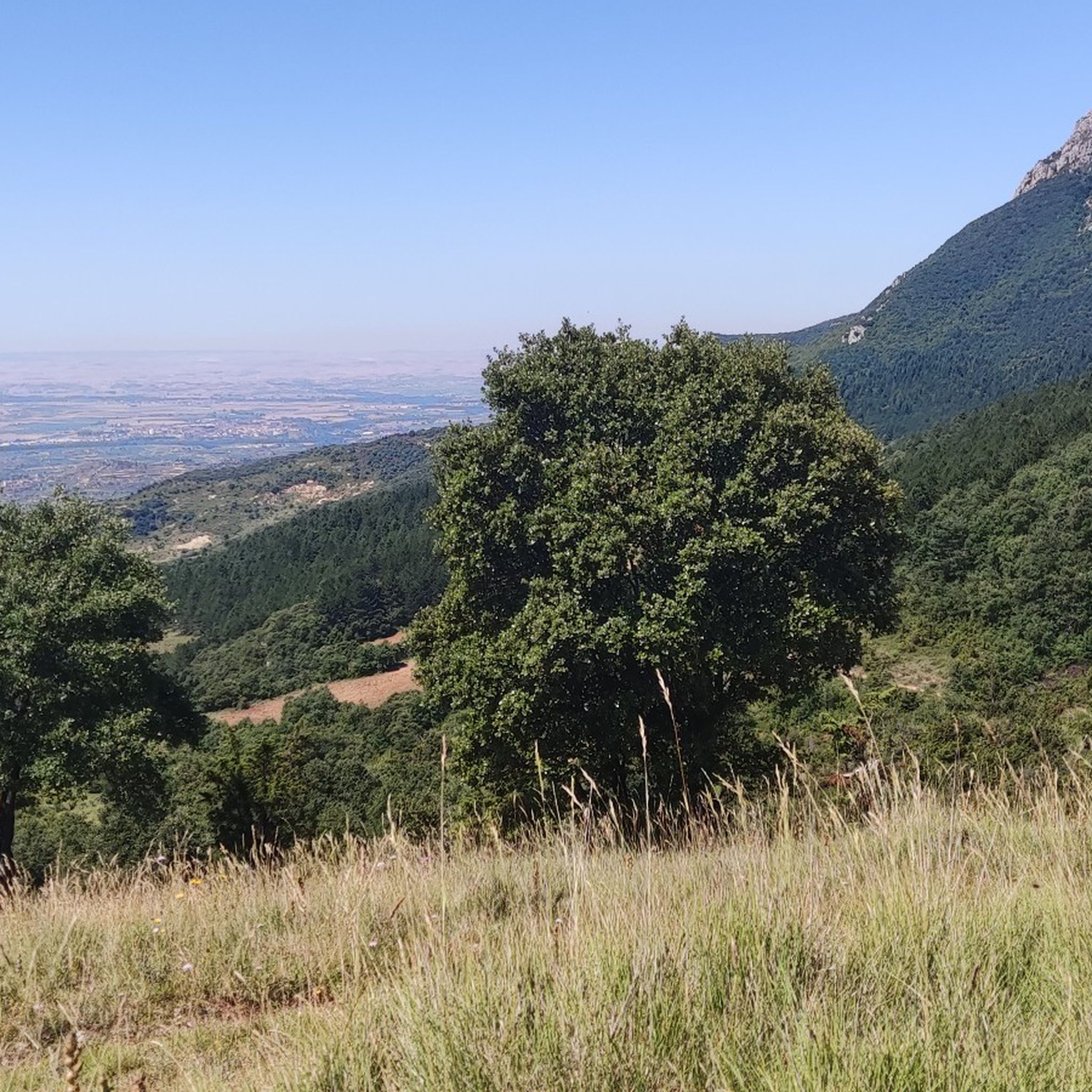
Cycling around Montaña Alavesa
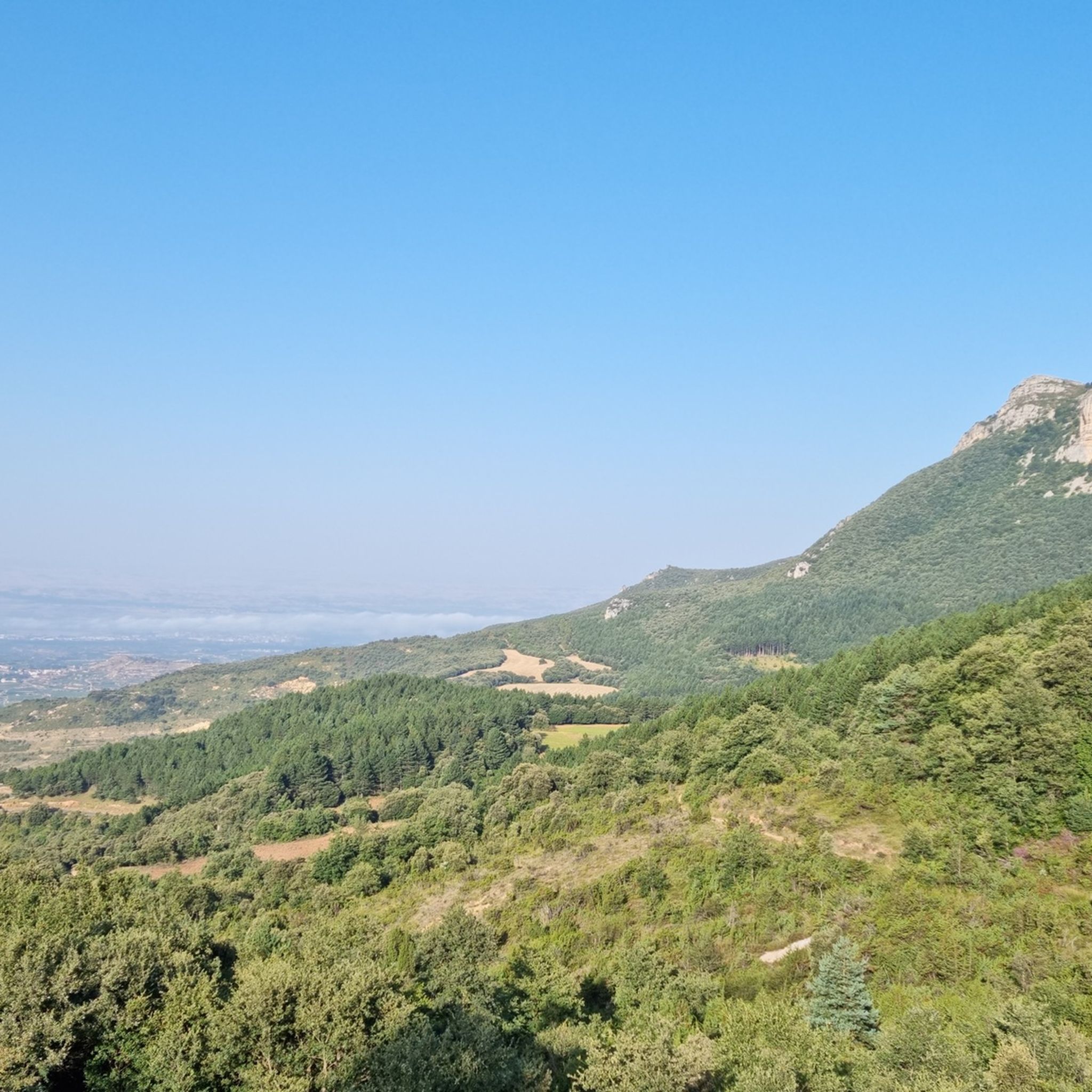
Road Cycling Routes around Montaña Alavesa
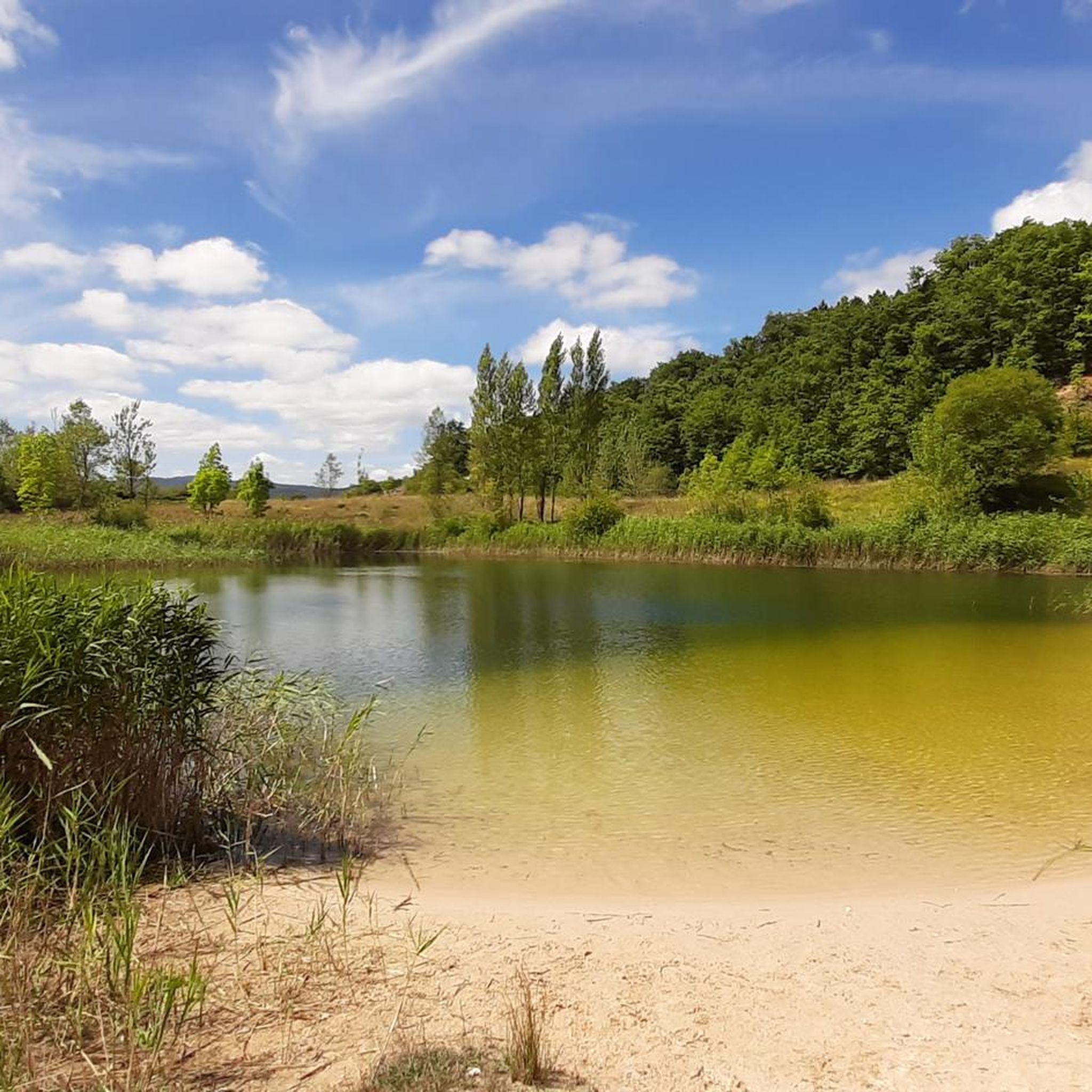
Running Trails around Montaña Alavesa

Gravel biking around Montaña Alavesa

Mountain Hikes around Montaña Alavesa


Tips from the Community

Large bell approximately 30 meters high and at the base there is a siphon through which the water goes. On one side there is a spring of water that in the rainy season forms a small waterfall.
1
0

There are already two times that I try to access the cave and I can't. Although I have heard that it is not worth much, and the access does not seem easy.
1
0
It's super pretty, really impressive
1
0
Very curious set of cave and hermitage with the same name. You can access the roof of the hermitage. Very close to the town of Faido.
1
0
Very close to the town of Faido is this curious cavity. You can access the interior without problems.
0
0
This one cannot be entered without special equipment, the hole is very large and seems deep, be careful not to get too close.
1
0
The truth is that I didn't really get to see it. I got as close as my instinct/fear allowed and didn't see the entrance. But later I met some mountaineers who told me that I did the right thing, that it was not worth the risk. I advise against trying it, not so much because of the metal ladder, which has no risk, but because of the path down.
2
0

Spectacular cave that you can cross from side to side on your way to the mountains, Cruz del Castillo and Palomares.
0
0
Frequently Asked Questions
What types of caves can I explore in Montaña Alavesa?
Montaña Alavesa is unique for its blend of natural geological formations and significant man-made caves. You can explore natural caves and sinkholes like the Okina Sinkhole, alongside archaeological sites such as Las Gobas and Santorkaria, which are ancient man-made complexes with historical and religious significance.
Are there any historical or archaeological cave sites in the region?
Yes, Montaña Alavesa is rich in historical cave sites. Notable examples include Las Gobas, a complex of 11 man-made caves, some believed to be ancient temples, and Santorkaria, with 18 caves featuring eremite dwellings and basilicas. These sites offer a glimpse into early medieval life and religious practices.
What are some of the most unique natural cave features to see?
The Okina Sinkhole is a must-see, featuring a large bell approximately 30 meters high. At its base, there's a siphon through which water flows, and a spring forms a small waterfall during the rainy season.
Are there caves that are easy to access or suitable for beginners?
While some caves require special equipment, others are more accessible. For instance, Cueva San Miguel, located near Faido, allows access to its interior without problems. The Okina Sinkhole is also described as accessible and very curious.
What kind of challenges can I expect when exploring caves here?
Some caves in Montaña Alavesa present significant challenges. For example, CuevaDeObi-II cannot be entered without special equipment due to its large and deep hole. Similarly, San Kiliz Cave and CuevaDelAngel are categorized as challenging.
Are there any cave-hermitages or religious sites integrated with caves?
Yes, the region features unique cave-hermitages. The Hermitage-Cave of Our Lady of the Rock, near Faido, is a very curious set of a cave and hermitage with the same name, where you can even access the roof of the hermitage.
What outdoor activities can I do near the caves in Montaña Alavesa?
The Montaña Alavesa region offers a variety of outdoor activities. You can find numerous mountain hikes, such as the challenging Peña de los Cencerros – Ioar loop, or explore extensive MTB trails like those in Izki Natural Park. Road cycling routes are also popular, including the long 'Through the Horseshoes of the Urbasa and Andía Natural Park' route. For more details, refer to the Mountain Hikes, MTB Trails, and Road Cycling Routes guides for the area.
Are there hiking trails that incorporate cave visits?
Yes, many hiking routes in Montaña Alavesa pass by or through cave sites. For example, San Kiliz Cave can be crossed from side to side on the way to the mountains, Cruz del Castillo and Palomares, making it an integral part of a hike.
What is the best time of year to visit the caves in Montaña Alavesa?
The best time to visit depends on your activity. During the rainy season, the Okina Sinkhole features a small waterfall, adding to its natural beauty. Generally, spring and autumn offer pleasant weather for exploring both the caves and the surrounding landscape.
Are there any specific safety considerations for exploring caves in this region?
Yes, safety is important. For challenging caves like CuevaDeObi-II, special equipment is required, and caution is advised to avoid getting too close to deep holes. Always be careful when approaching sinkholes like the Okina Sinkhole.
Can I find other natural landmarks or viewpoints near the caves?
Absolutely. The Hermitage-Cave of Our Lady of the Rock is also noted as a viewpoint, offering scenic vistas in addition to its historical significance. The broader Montaña Alavesa landscape itself is known for its natural beauty and medieval villages.
Most popular routes around Montaña Alavesa
Most popular attractions around Montaña Alavesa

Get inspired with the komoot mobile app


Didn’t find what you were looking for?
Discover more caves around Montaña Alavesa region by region:
Explore more
Extend your search for the best caves by checking out these guides of the top ones around Montaña Alavesa:
