Top 9 Castles around Conca De Barbera
Best castles around Conca de Barbera offer a journey through centuries of history in a region known for its rich cultural heritage. This area features a diverse landscape, from rolling hills to vineyards, providing scenic backdrops for historical exploration. The Conca de Barbera region is home to 9 castles, each reflecting different historical periods and architectural styles. These sites provide insights into the area's past, including its role as a defensive stronghold.
Best castles around Conca De Barbera
- The most…
Last updated: June 26, 2026
Milmanda Castle
Highlight • Castle
Translated by Google •
Tip by

Montblanc City Walls
Highlight • Historical Site
Translated by Google •
Tip by

Sign up now to discover places like this
Get recommendations on the best single tracks, peaks, & plenty of other exciting outdoor places.
Sign up for free
Prenafeta Castle
Highlight • Castle
Translated by Google •
Tip by

Sant Miquel de Montclar
Highlight • Religious Site
Translated by Google •
Tip by
Sant Jordi Wall, Montblanc
Highlight • Monument
Translated by Google •
Tip by
Rocafort de Queralt
Highlight • Settlement
Its origin is …
Translated by Google •
Tip by
Montbrió de la Marca
Highlight • Settlement
Translated by Google •
Tip by
Segura
Highlight • Settlement
Translated by Google •
Tip by

Barberà Castle
Highlight • Castle
Translated by Google •
Tip by
Start today with a free account
Your next adventure awaits.
Login or Signup
Popular around Conca De Barbera
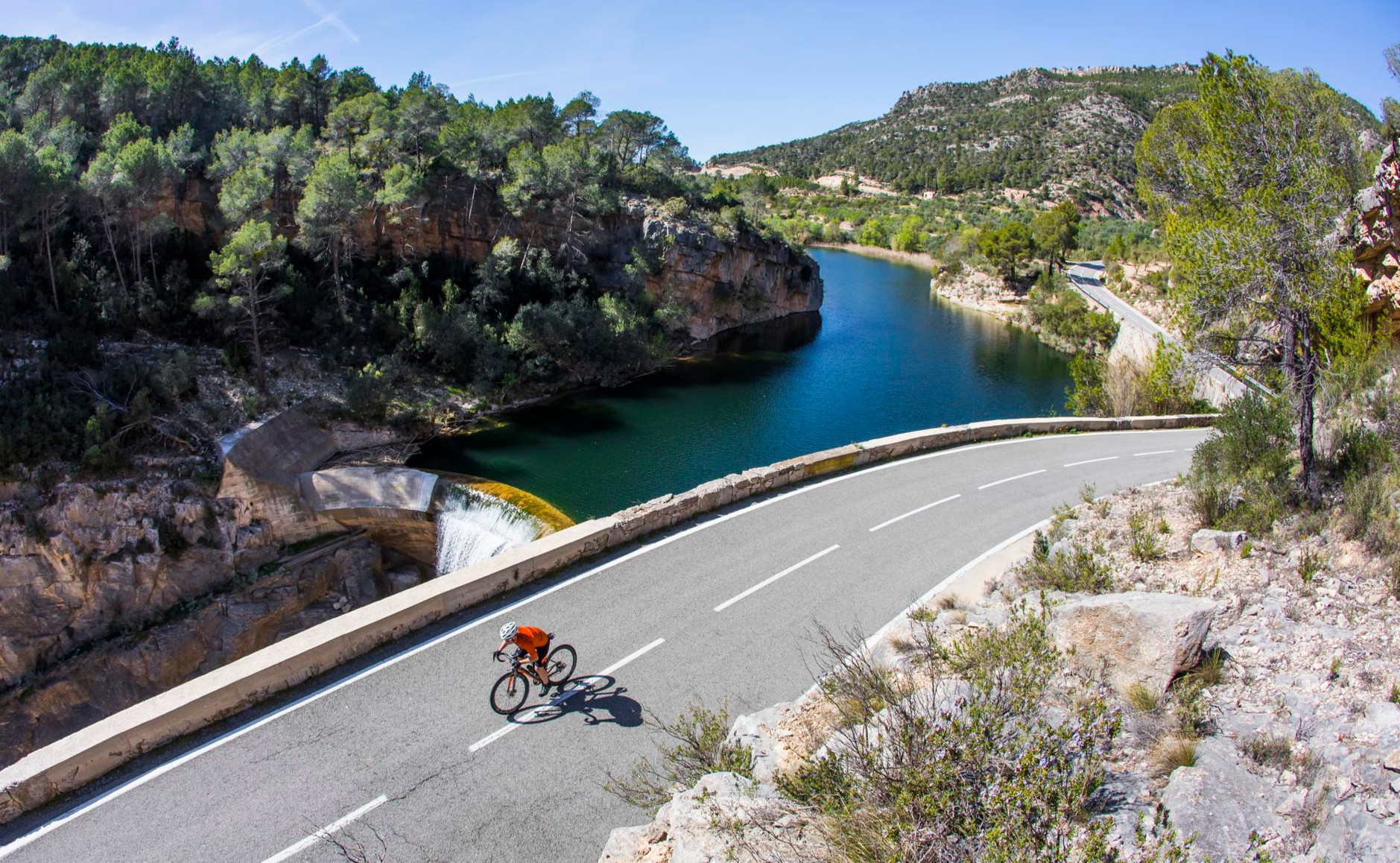
Costa Daurada - Mountains, orchards and monuments by bike
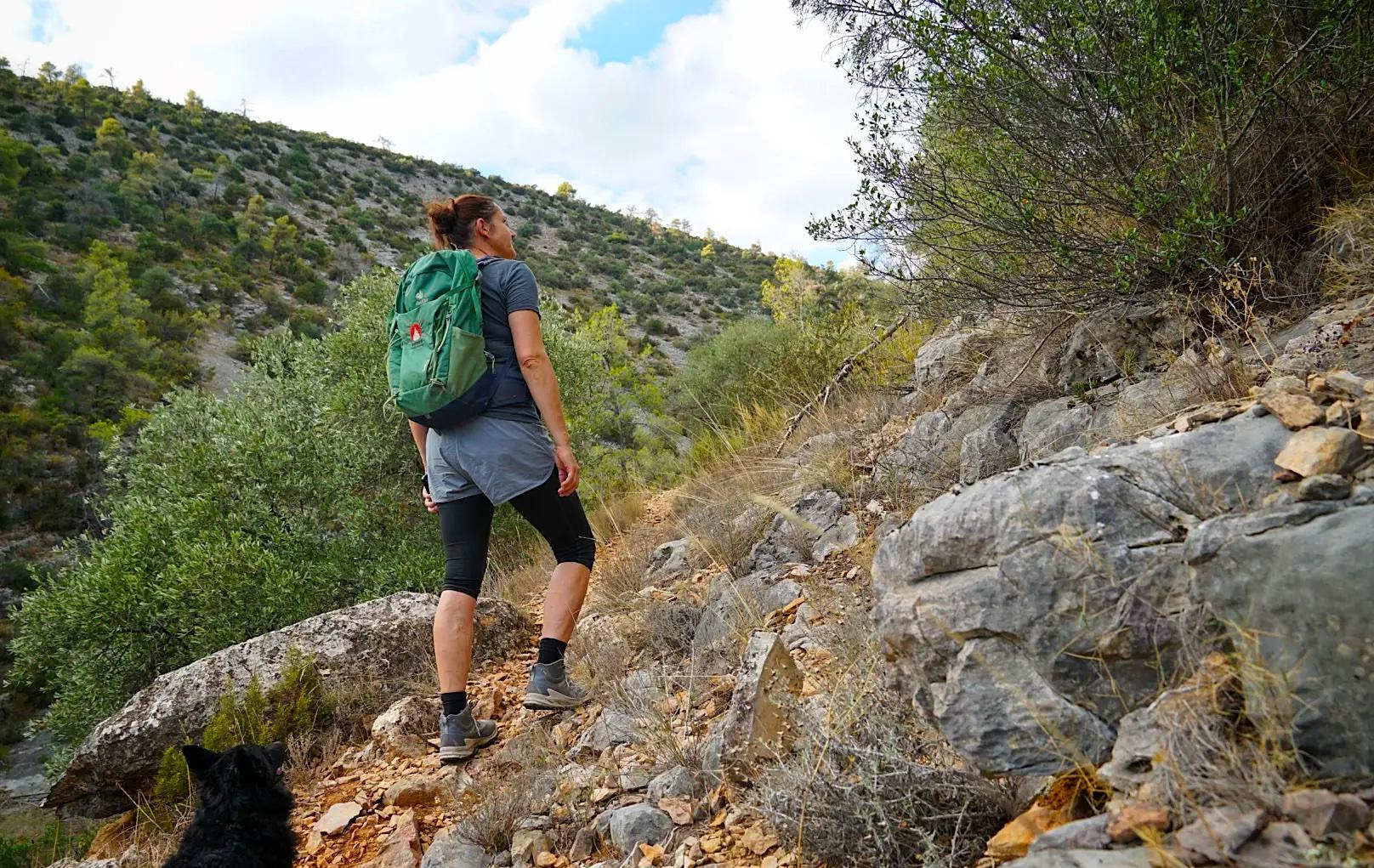
Catalonia's wild south — between sea and mountains
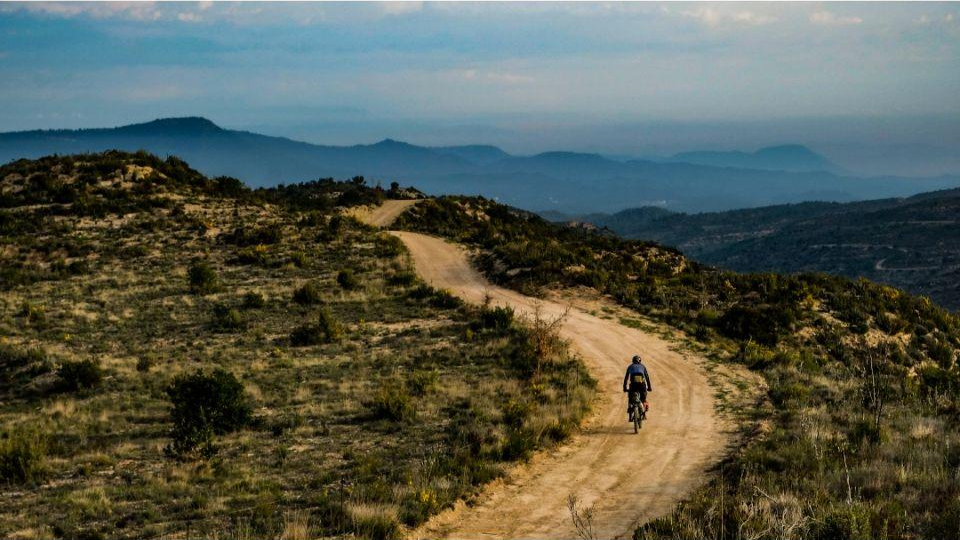
European Divide Trail across the Iberian Peninsula – north
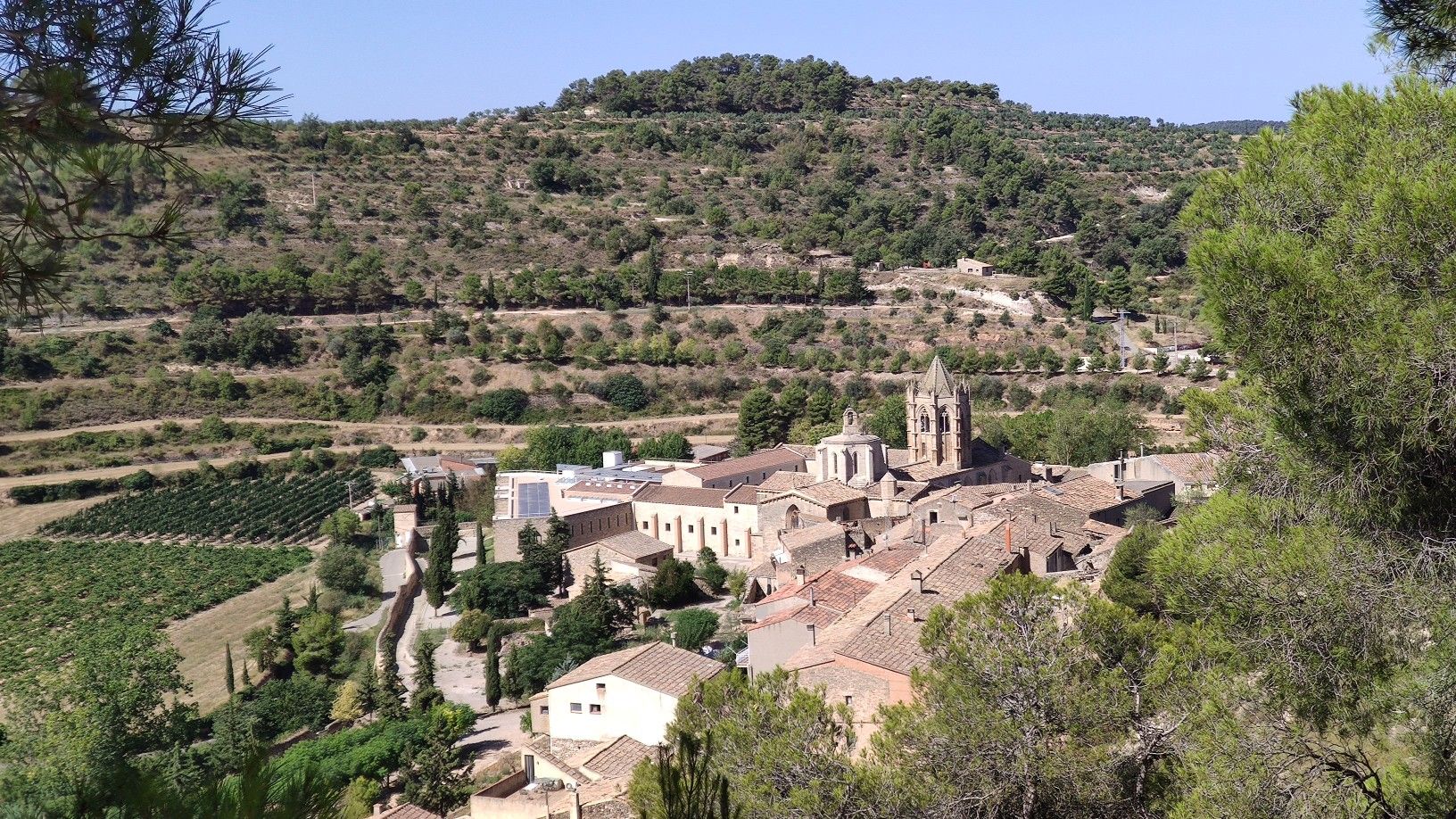
Monasteries, nature and culture – the Cistercian Route on foot
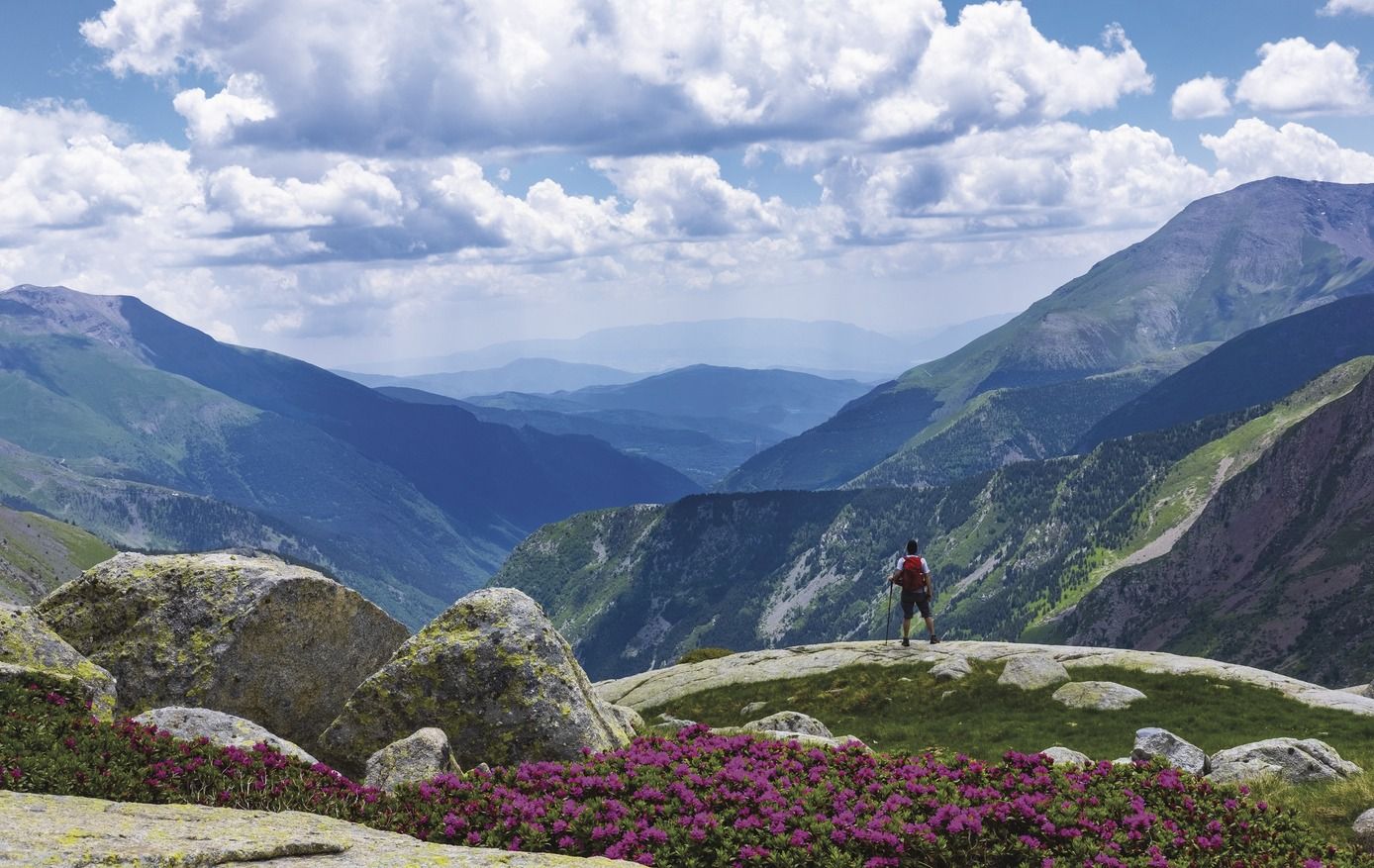
Great Hiking Routes of Catalonia
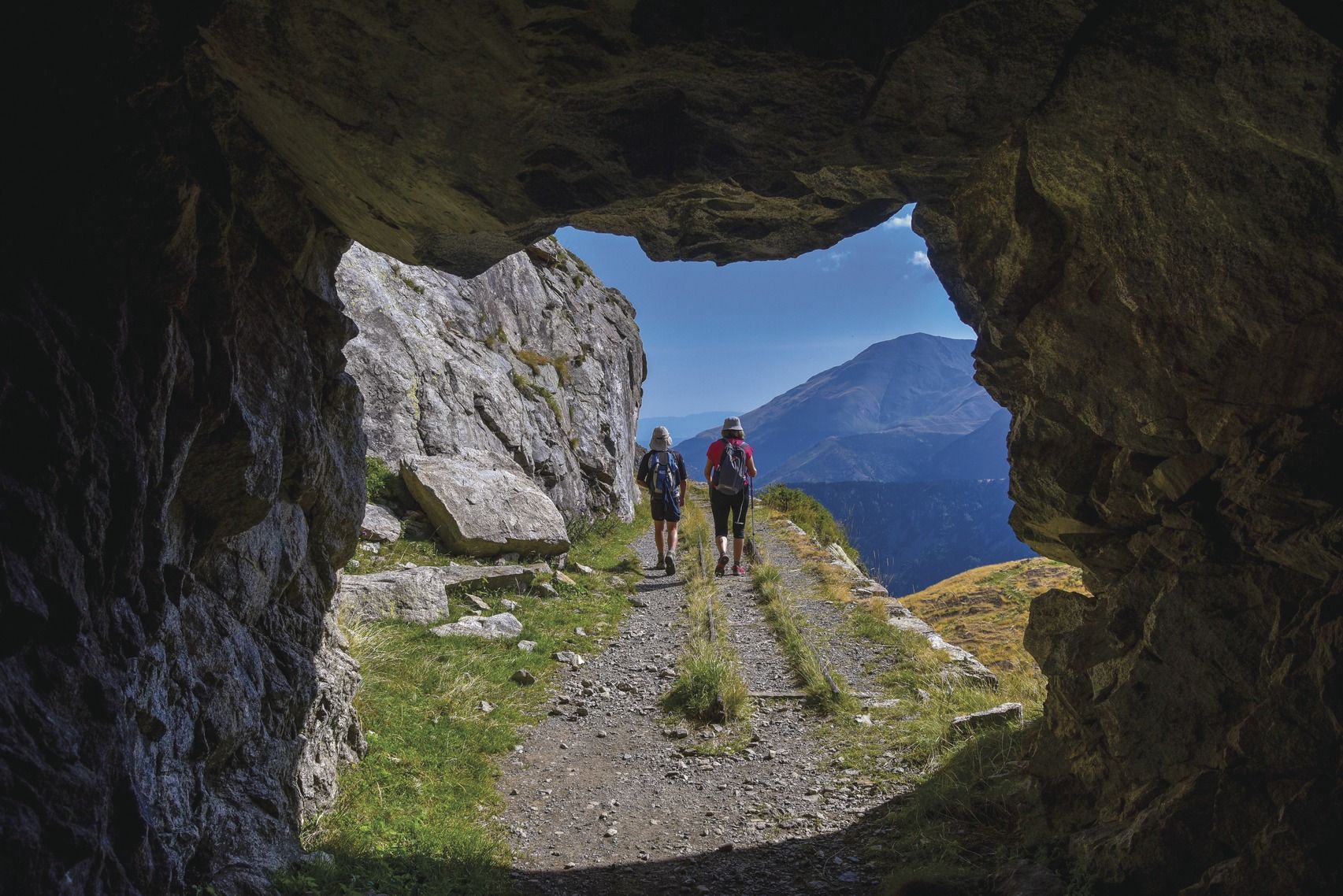
Six spectacular circular tours to discover Catalonia
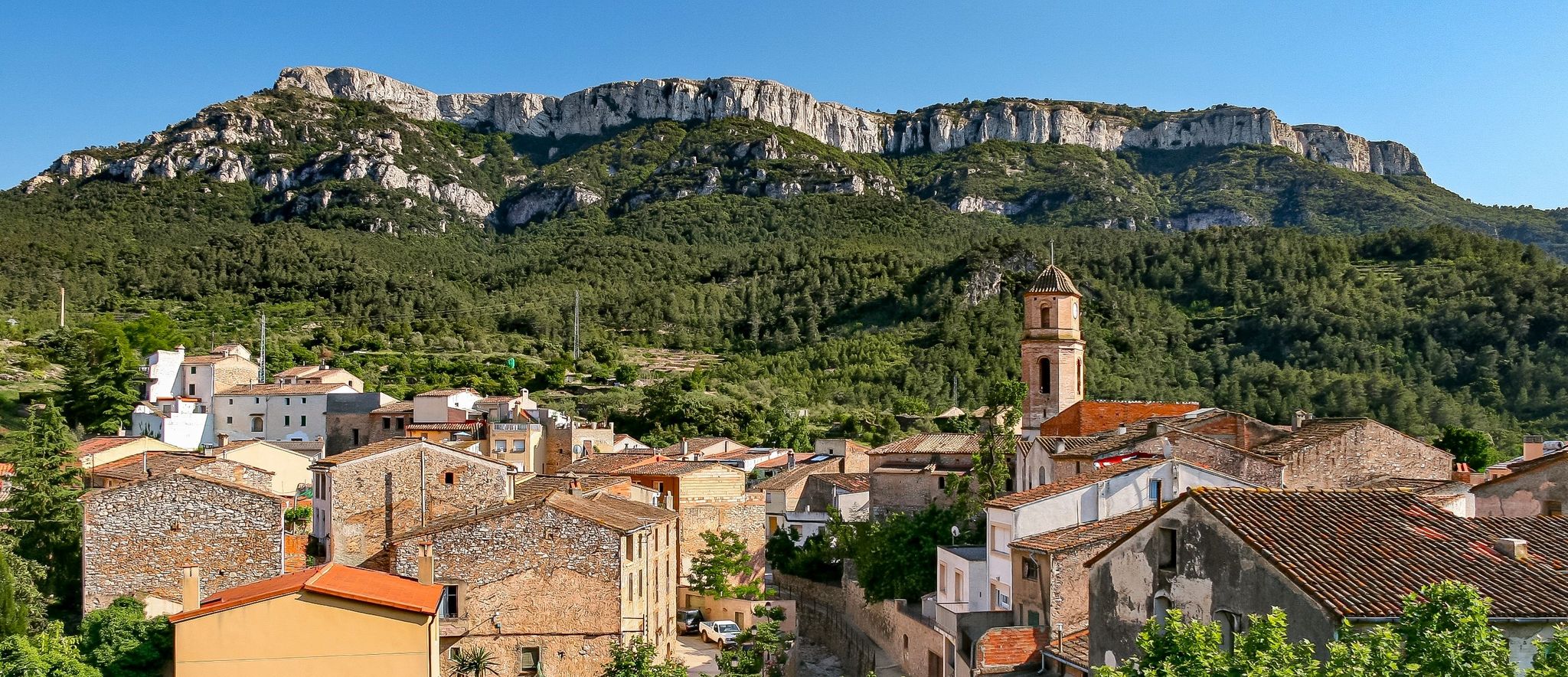
A land of contrasts – Tarragona to the Pyrenees on the GR 7
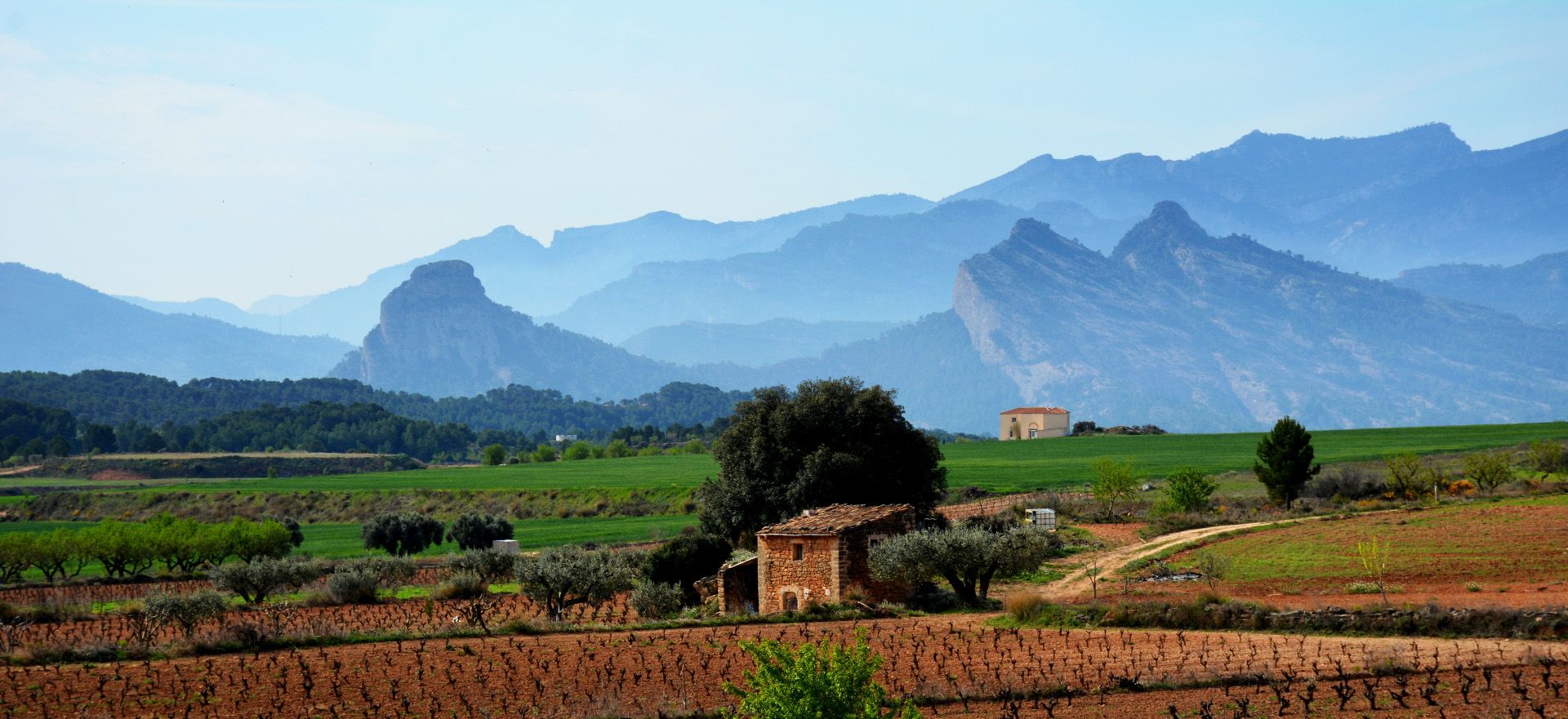
From the heart of southern Catalonia – GR 171
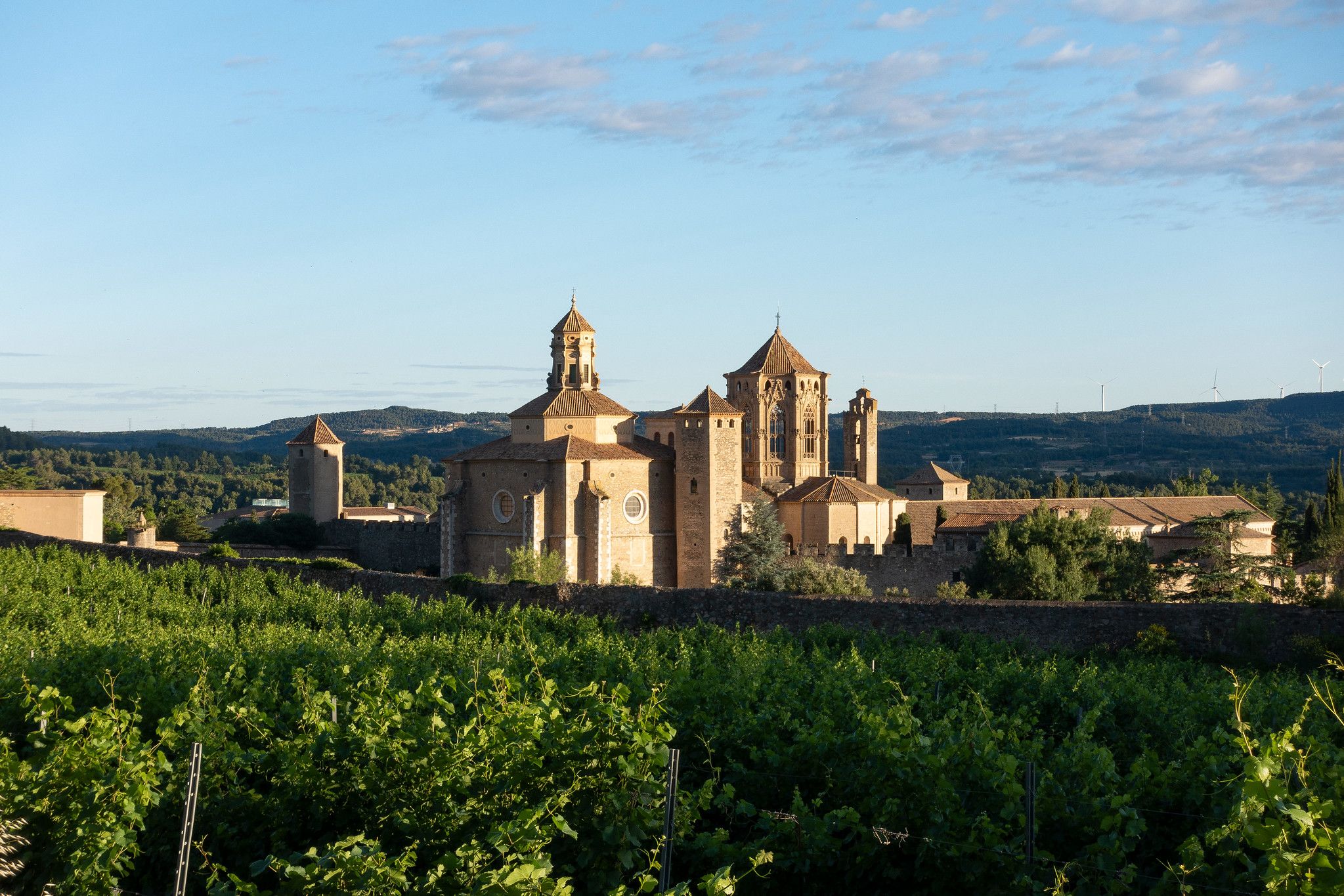
Ride Spain’s Cistercian Route – three monasteries and gravel
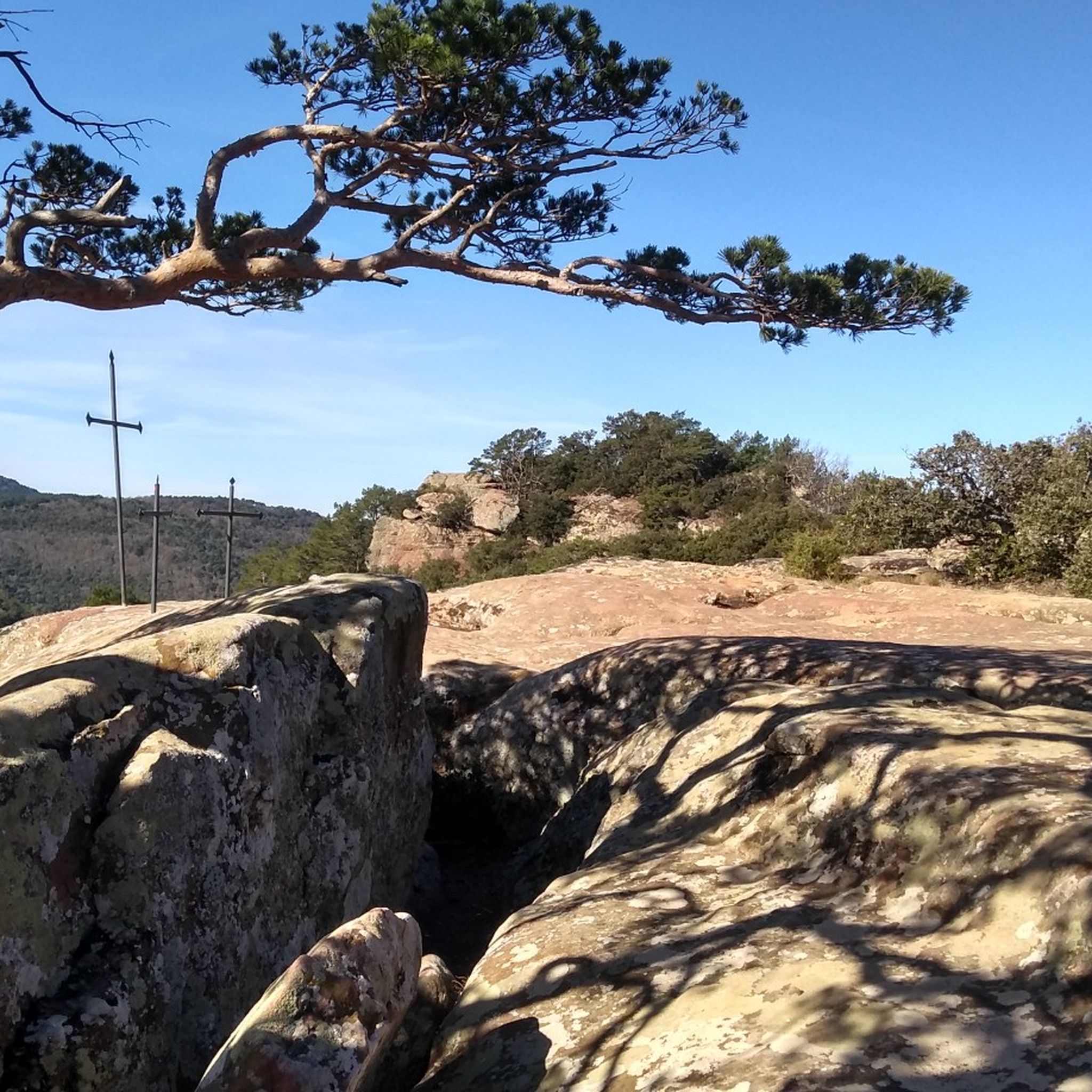
Hiking around Conca De Barbera
Other adventures around Conca De Barbera


Tips from the Community

The ruins of the castle of Prenafeta (11th century) also include part of the original nucleus of the population of Prenafeta. You can still see remains of the castle, the church and the fountain of Sant Salvador. The castle is also known as Torre del Moro.
0
0
Montbrió de la Marca is a small nucleus belonging to the municipality of Sarrat, in the Conca de Barberà region (Tarragona). It is located on the slopes of a promontory where the old castle of Montbrió was located, from the 11th century. Very close to the location of the castle, in the upper part of the town, the church of Sant Llorenç was erected, documented as early as the 12th century. Originally in a transitional style between Romanesque and Gothic, later reforms ended up giving it a Baroque appearance. It has a small dome and is crowned by a belfry bell tower.
0
0
Halfway between the monasteries of Santa Maria de Vallbona and Santes Creus, the town of Rocafort de Queralt belongs to the region of Conca de Barberà (Tarragona). Its origin is in the 11th century and in 1370 the barony of Rocafort de Queralt was established. It has a parish church dedicated to Sant Salvador (18th century), built on top of a previous church. The castle, from the 12th century, was completely rebuilt in 1964. Two portals of the wall that protected the town are also preserved.
0
0

Hermitage that is located close to the mountain that bears the same name. The environment is beautiful to take a break and see the whole that surrounds it.
0
0

Segura is a town belonging to the municipality of Savallà del Comtat, in the Conca de Barberà region. The town has traces of a medieval castle, a baroque church and lovely views of the surrounding fields and hills.
0
0

Imposing arrival at Montblanc, Tarragona
0
0

Montblanc is one of the most beautiful medieval towns in Catalonia. Take the opportunity to visit the Ronda Passage of the wall, a museum space where you will discover a very well preserved medieval military work. There are fantastic views of the town and its surroundings from the towers.
0
0
The castle, mentioned as early as 1005, was the center of a lordship and, centuries later, became a manor house. Only the cemetery and some sloping walls remind us that it was once a slender fortification.
1
0
Frequently Asked Questions
What are some historically significant castles in Conca de Barberà?
The Conca de Barberà region is rich in history. Notable castles include Barberà Castle, which has Iberian, Templar, and Hospitaller roots, and the Castle of the Counts in Santa Coloma de Queralt, a former residence for the barons of Queralt. Rocafort de Queralt also has origins dating back to the 11th century.
Are there castles in Conca de Barberà that offer unique experiences like wine tasting?
Yes, Milmanda Castle offers tours that include vineyard visits and wine tastings. Similarly, Castell de Riudabella, a 12th-century castle amidst vineyards, combines history with enotourism, allowing visitors to enjoy wine tours and tastings from its winery.
Which castles in the Conca de Barberà region offer great views?
For panoramic views, visit Sant Miquel de Montclar, where the remains of Montclar castle provide excellent vistas of the Conca de Barberà and the Alt Camp. Prenafeta Castle ruins also offer scenic outlooks, and the elevated position of Barberà Castle provides great regional views.
Are there family-friendly castles to visit in Conca de Barberà?
Several castles and associated sites are considered family-friendly. Milmanda Castle, Rocafort de Queralt, and Sant Jordi Wall, Montblanc are all categorized as family-friendly, offering engaging historical experiences for all ages.
Can I find hiking or cycling routes near the castles in Conca de Barberà?
Absolutely! The region offers numerous outdoor activities. You can find various hiking routes, such as the 'Route Terras del Gaià' or 'Valle del Río Corb', and cycling routes like the 'Cistercian Route' loops. For more details, explore the Hiking around Conca De Barbera and Cycling around Conca De Barbera guides.
What are some lesser-known or 'hidden gem' castles in Conca de Barberà?
Beyond the more prominent sites, the ruins of Prenafeta Castle offer a glimpse into an 11th-century stronghold, including remains of the original settlement, church, and fountain. The medieval village of Conesa, with its castle, is also praised for its beauty and well-preserved medieval walls, offering a journey back in time.
What is the best time of year to visit the castles in Conca de Barberà?
The Conca de Barberà region generally enjoys pleasant weather for exploring castles. Spring and autumn offer mild temperatures ideal for walking and outdoor activities. Summer can be warm, but many castles provide shade, and winter visits can be charming, especially if combined with local festivities, though some sites might have reduced hours.
Are there any castles in Conca de Barberà with Templar connections?
Yes, Barberà Castle (Castell de la Comanda) is particularly known for its Templar and later Hospitaller stages. It was an important stronghold of the Marca Hispánica, and visitors can explore its old chapel and a tower reflecting its Templar-era construction.
Can I find accommodation within or near any of the castles?
Castell de Riudabella offers a unique opportunity for accommodation, as it has rental apartments available within the castle itself, allowing for an immersive historical stay amidst vineyards.
Are there dining options or restaurants near the castles?
Many towns and villages surrounding the castles, such as Santa Coloma de Queralt or Montblanc, offer local restaurants and cafes where you can enjoy traditional Catalan cuisine. Milmanda Castle also includes wine tastings as part of its tour, and Castell de Riudabella is situated within a winery, providing a culinary experience.
Are there any medieval villages associated with castles in Conca de Barberà?
Conesa is a notable medieval village that preserves parts of its ancient walls and cobbled streets, with Conesa Castle serving as a focal point. Santa Coloma de Queralt, home to the Castle of the Counts, also boasts a picturesque medieval atmosphere with its arcaded main square.
What are the parking options when visiting castles in Conca de Barberà?
Parking availability varies by castle. Larger towns like Montblanc or Santa Coloma de Queralt typically have public parking areas. For more remote castles or ruins, parking might be limited to roadside spots or small designated areas. It's advisable to check specific castle websites or local tourist information for detailed parking guidance.
Are there dog-friendly options for visiting castles in Conca de Barberà?
While specific indoor access for dogs can vary, many outdoor areas around castles and their associated ruins, like Prenafeta Castle or the grounds of Sant Miquel de Montclar, are often accessible for leashed dogs. It's always best to check individual site regulations before your visit.
How long should I plan for a visit to the castles in Conca de Barberà?
The duration of your visit depends on the castle and your interest. For a quick exploration of ruins like Prenafeta Castle, 1-2 hours might suffice. For castles offering tours, such as Milmanda Castle with its vineyard visit and tasting, plan for 2-3 hours. Exploring a medieval village like Conesa or Santa Coloma de Queralt, including its castle, could easily take half a day.
Most popular routes around Conca De Barbera
Most popular attractions around Conca De Barbera

Get inspired with the komoot mobile app


Didn’t find what you were looking for?
Explore Conca De Barbera’s best castles region by region:
Explore more
Looking for the best castles somewhere else? Discover other guides around Conca De Barbera:
