Top 5 Caves around Girones
Best caves around Girones are found within a region characterized by its natural landscapes and historical significance. The area features geological formations and former mining sites that offer insights into both natural processes and human activity. Girones provides opportunities to explore subterranean environments, from natural caves to historical mine galleries. These sites contribute to the region's diverse outdoor experiences.
Best caves around Girones
- The most popular caves is Boratuna Cave, a cave that requires a climb with considerable difficulty…
Last updated: June 26, 2026
Niño Jesús Mine
Highlight • Structure
Translated by Google •
Tip by

Nen Jesús Mines
Highlight • Cave
Translated by Google •
Tip by

Sign up now to discover places like this
Get recommendations on the best single tracks, peaks, & plenty of other exciting outdoor places.
Sign up for free
Boratuna Cave
Highlight • Cave
Translated by Google •
Tip by
Victoria Mine Entrance
Highlight • Structure
The elements that make up this infrastructure are …
Translated by Google •
Tip by

The Adri Lava Flow
Highlight • Cave
You can see lava flow remains, which
last over time....
Translated by Google •
Tip by

Start today with a free account
Your next adventure awaits.
Login or Signup
Popular around Girones

Triathlon 360 – my journey around the world
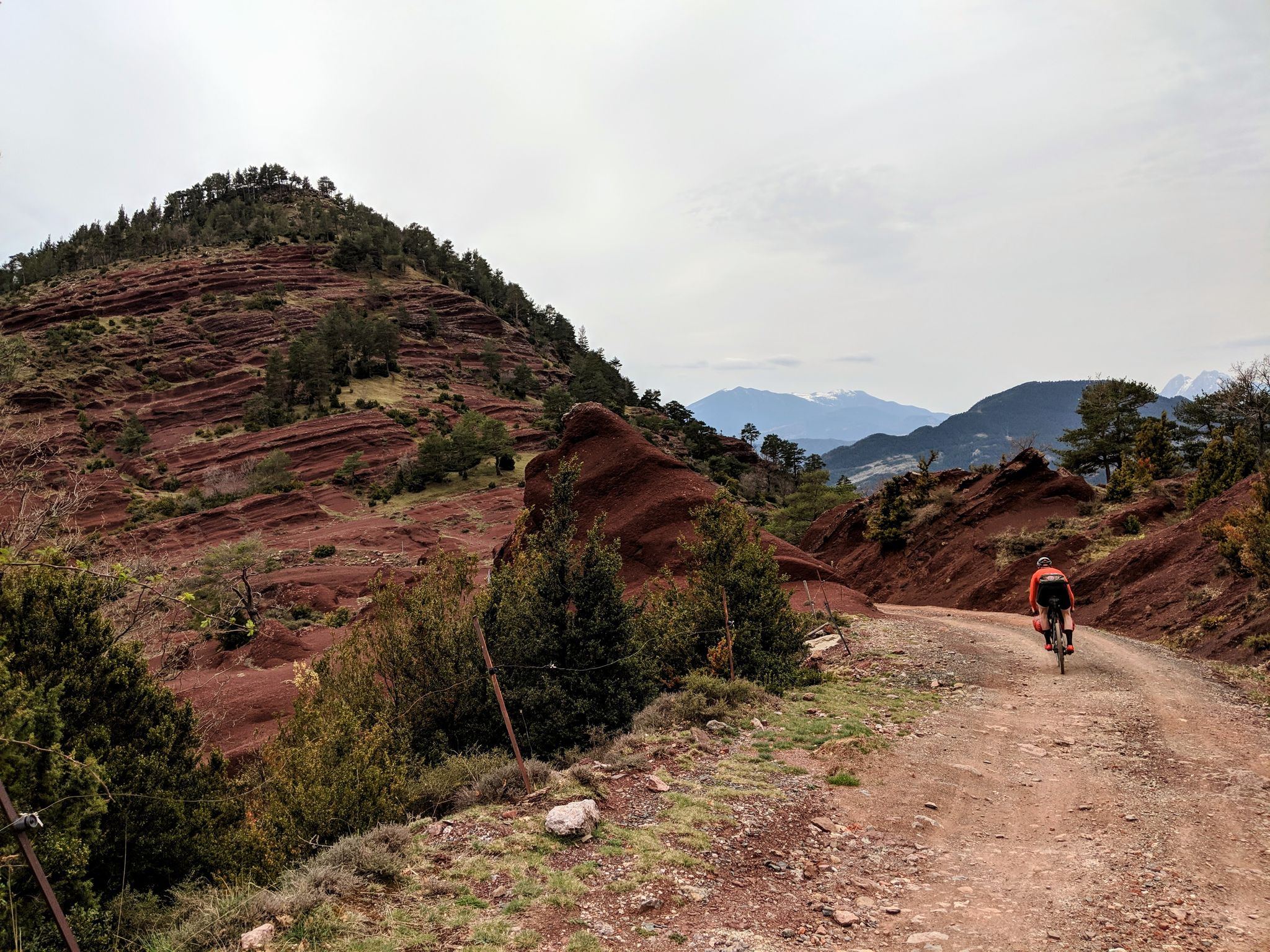
Catalunya Trail — Bikepacking in the Pyrenees
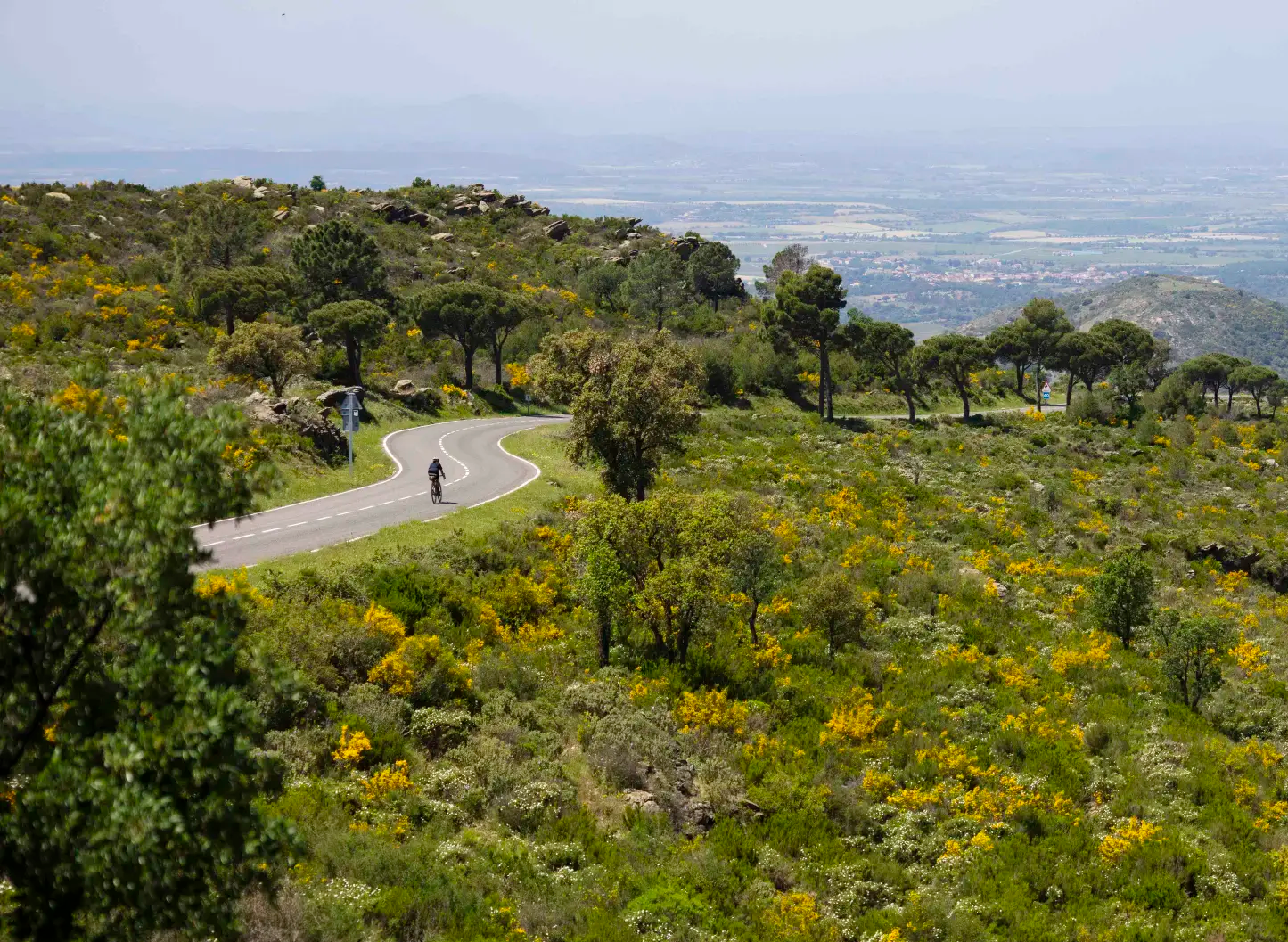
Ports and Roads — Catalonia on Wheels
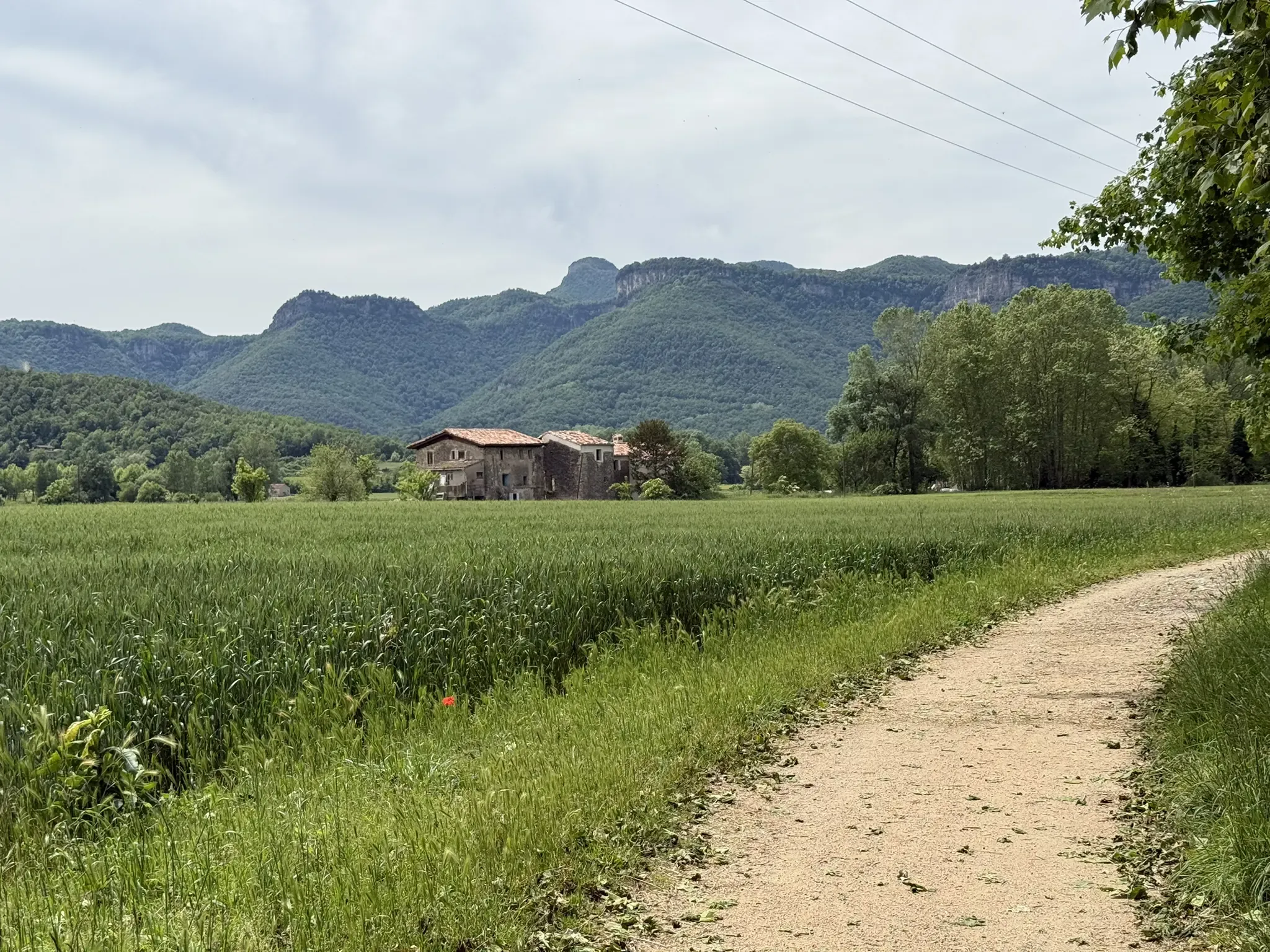
Pirinexus – Pyrenees and Costa Brava bikepacking
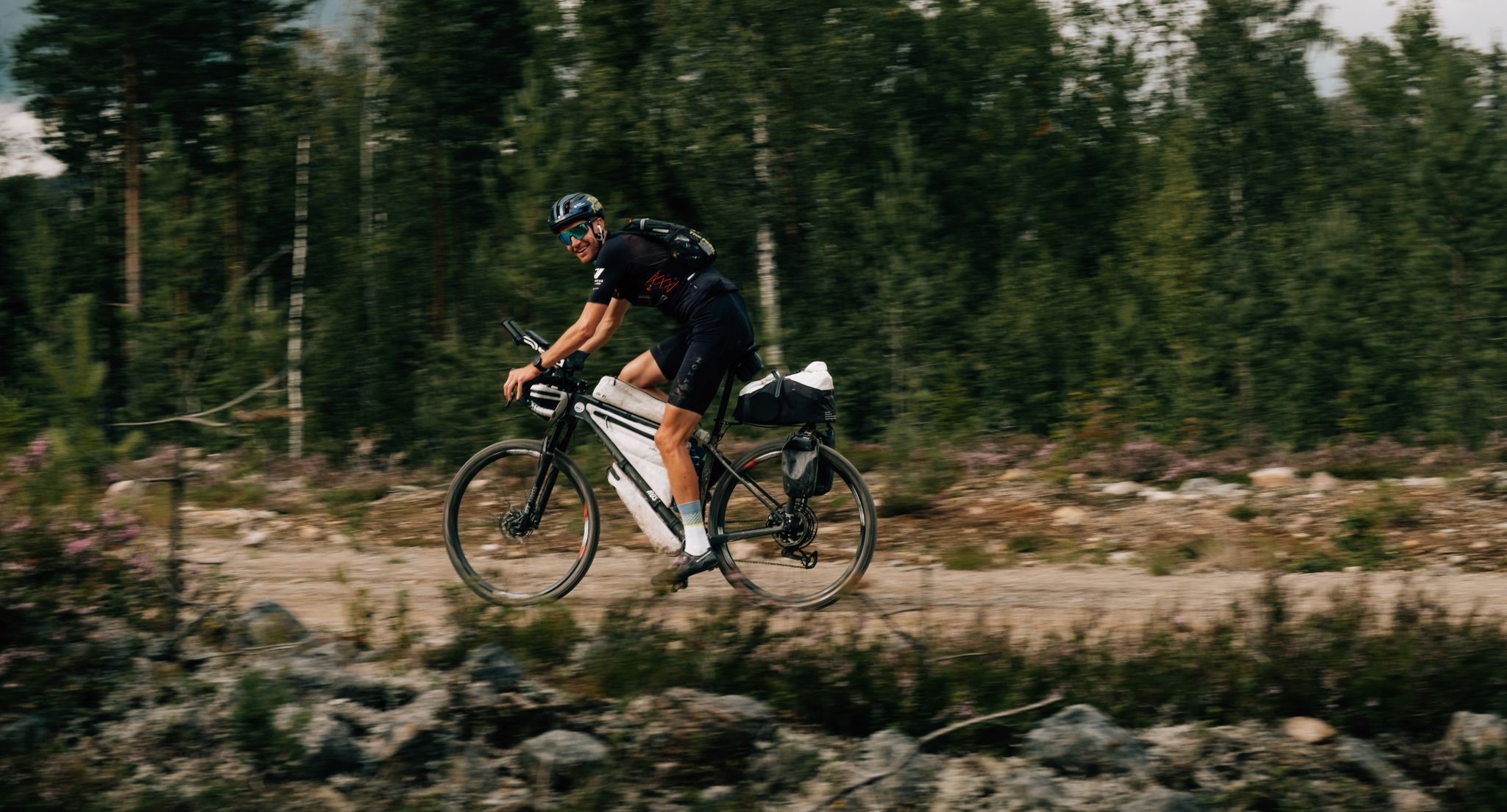
European D̶I̶V̶I̶D̶E̶ Connect Trail Project – a journey across Europe
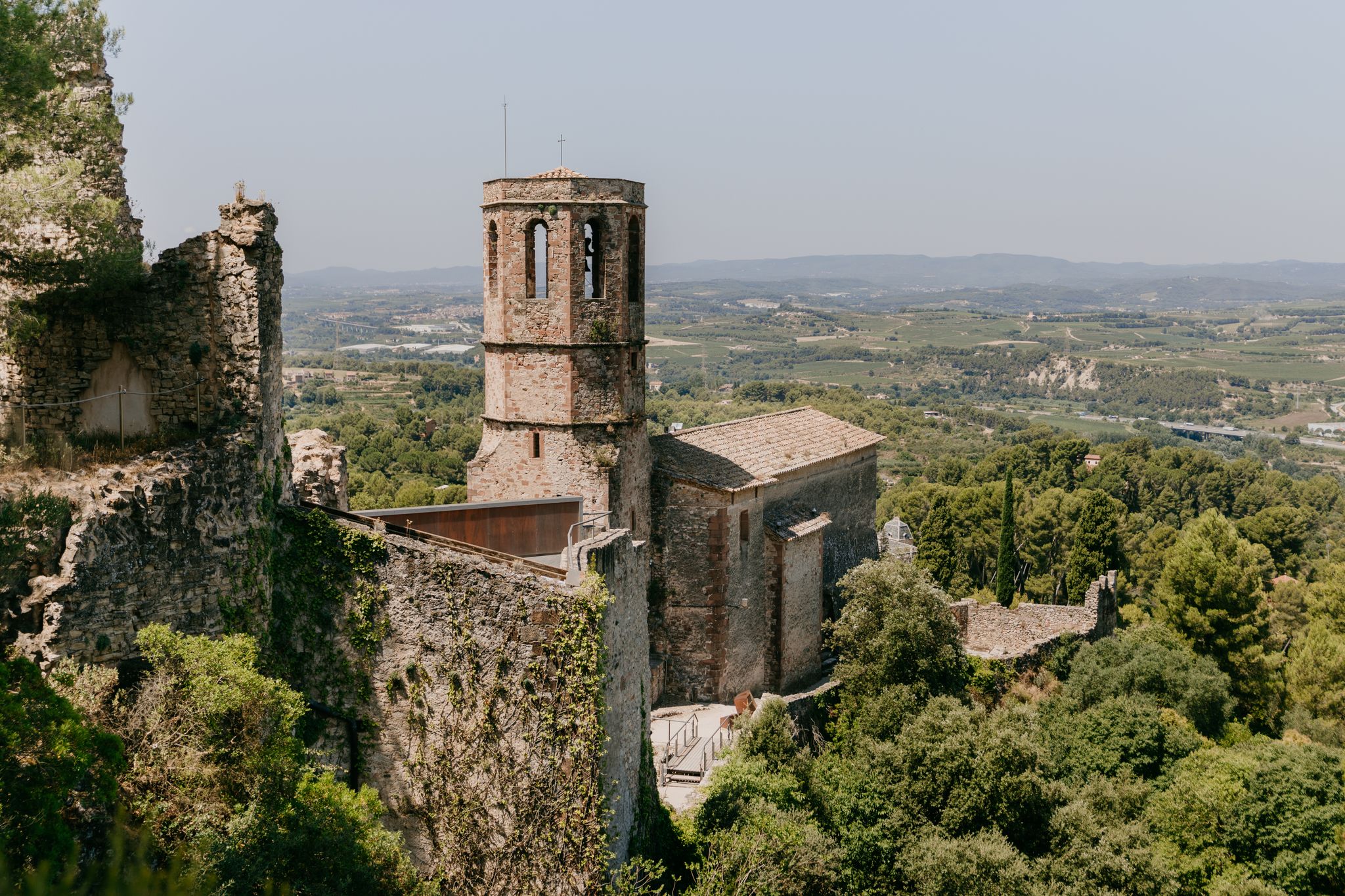
Catalonia by bike — Itineraries between culture and nature
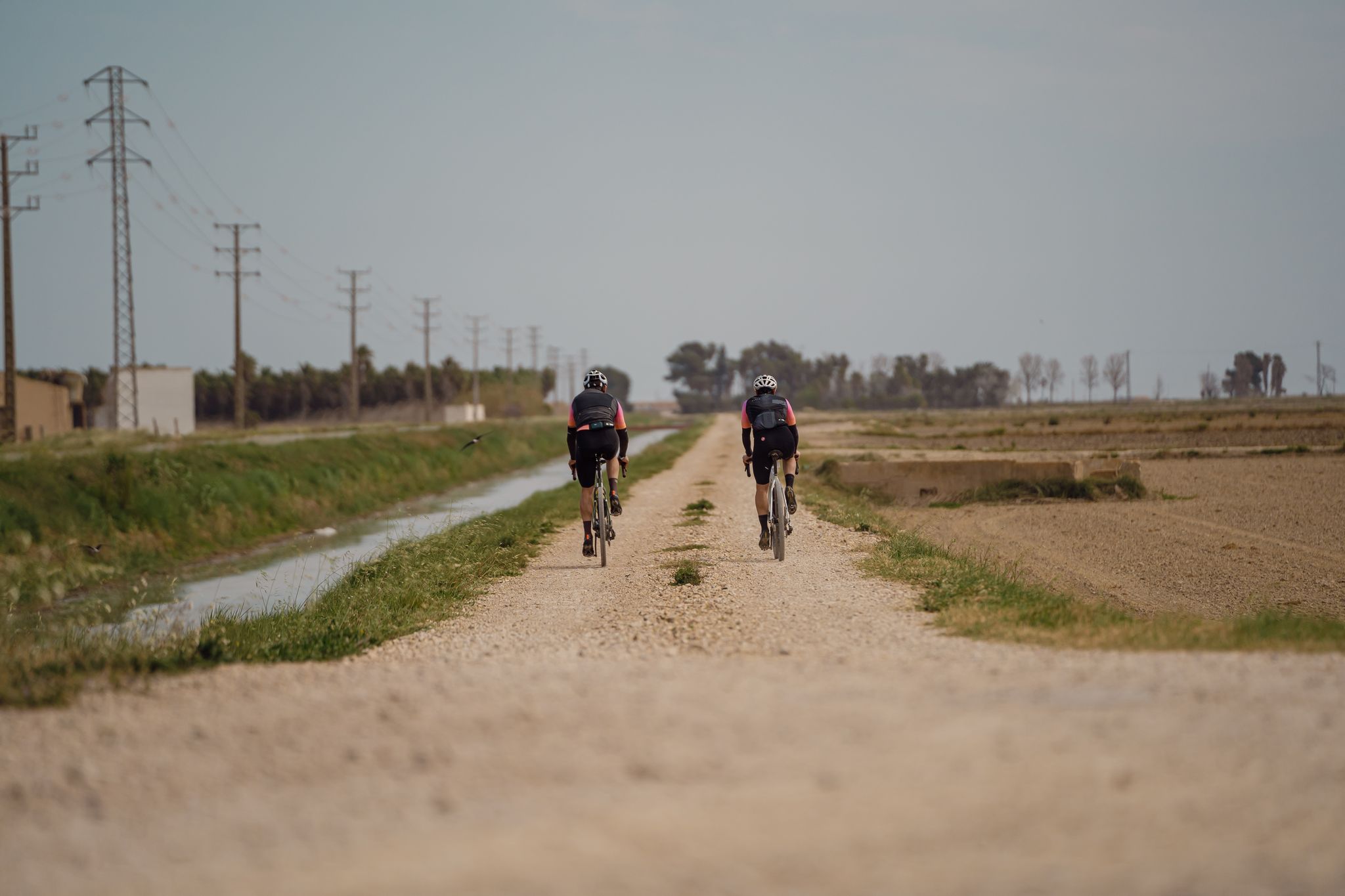
Discover Catalonia on a gravel bike
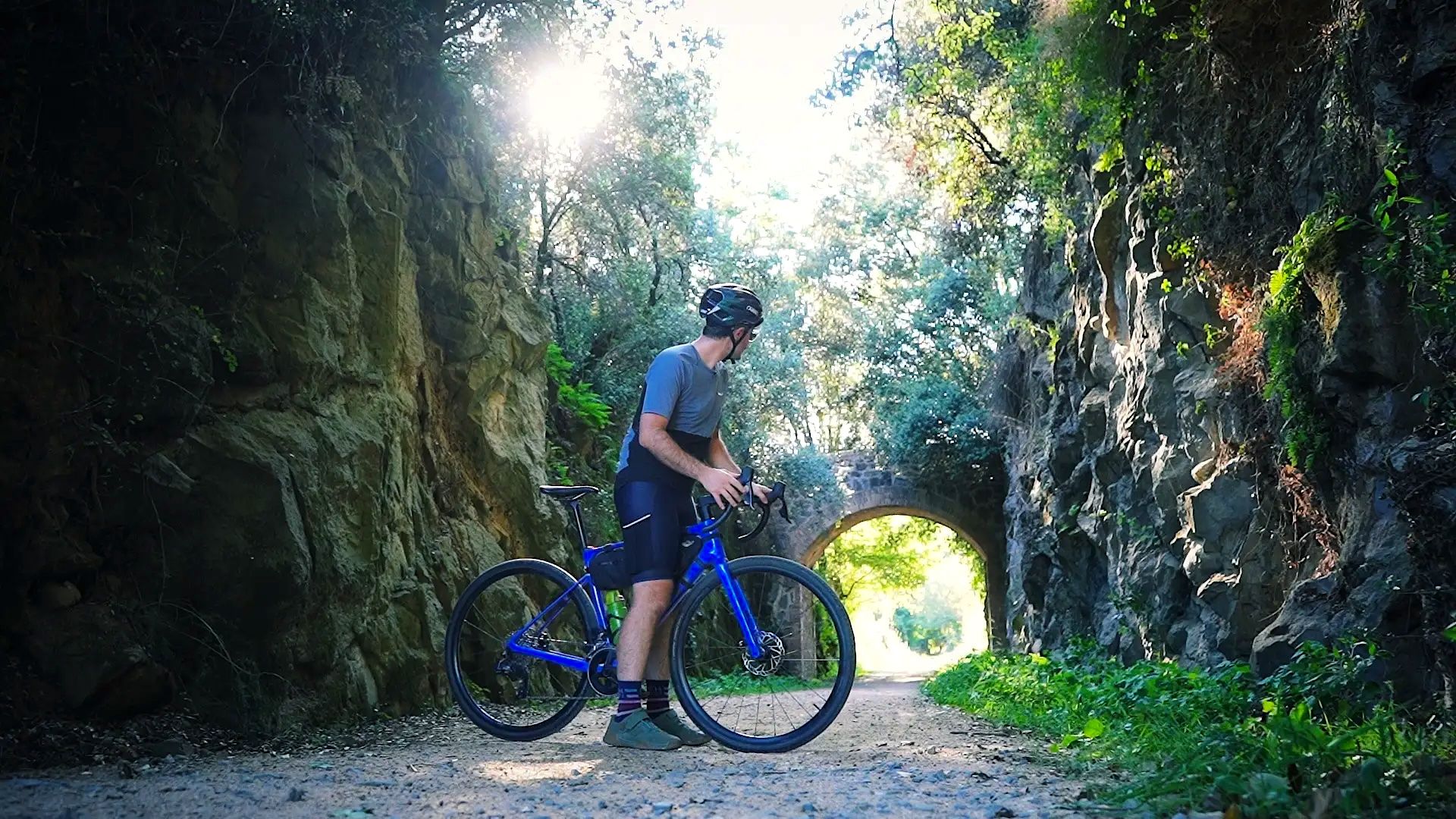
Cycling in Catalonia with Pietro Franzese – four unmissable routes
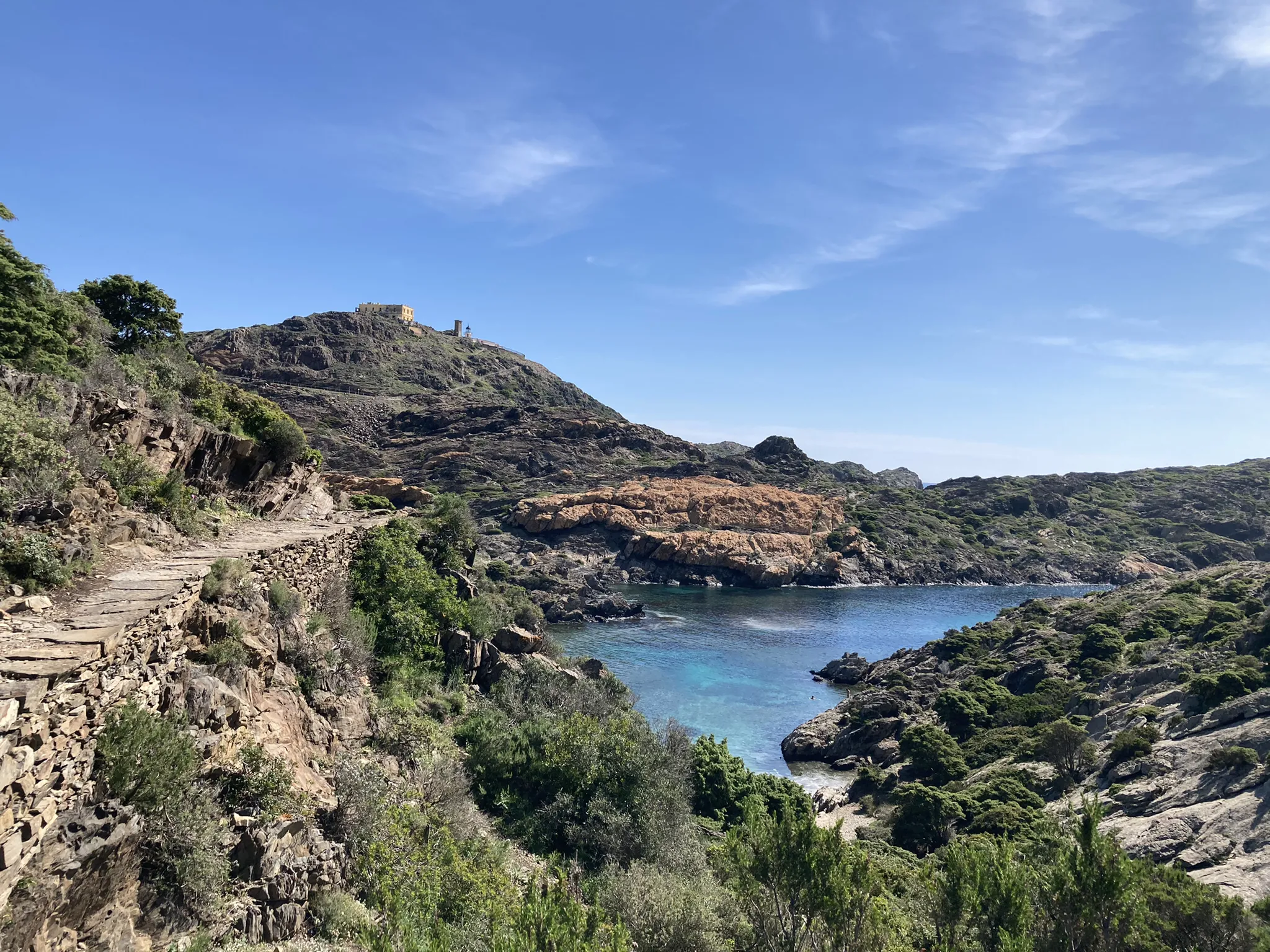
The paradise of the Costa Brava — Trail Running from Girona to Llançà
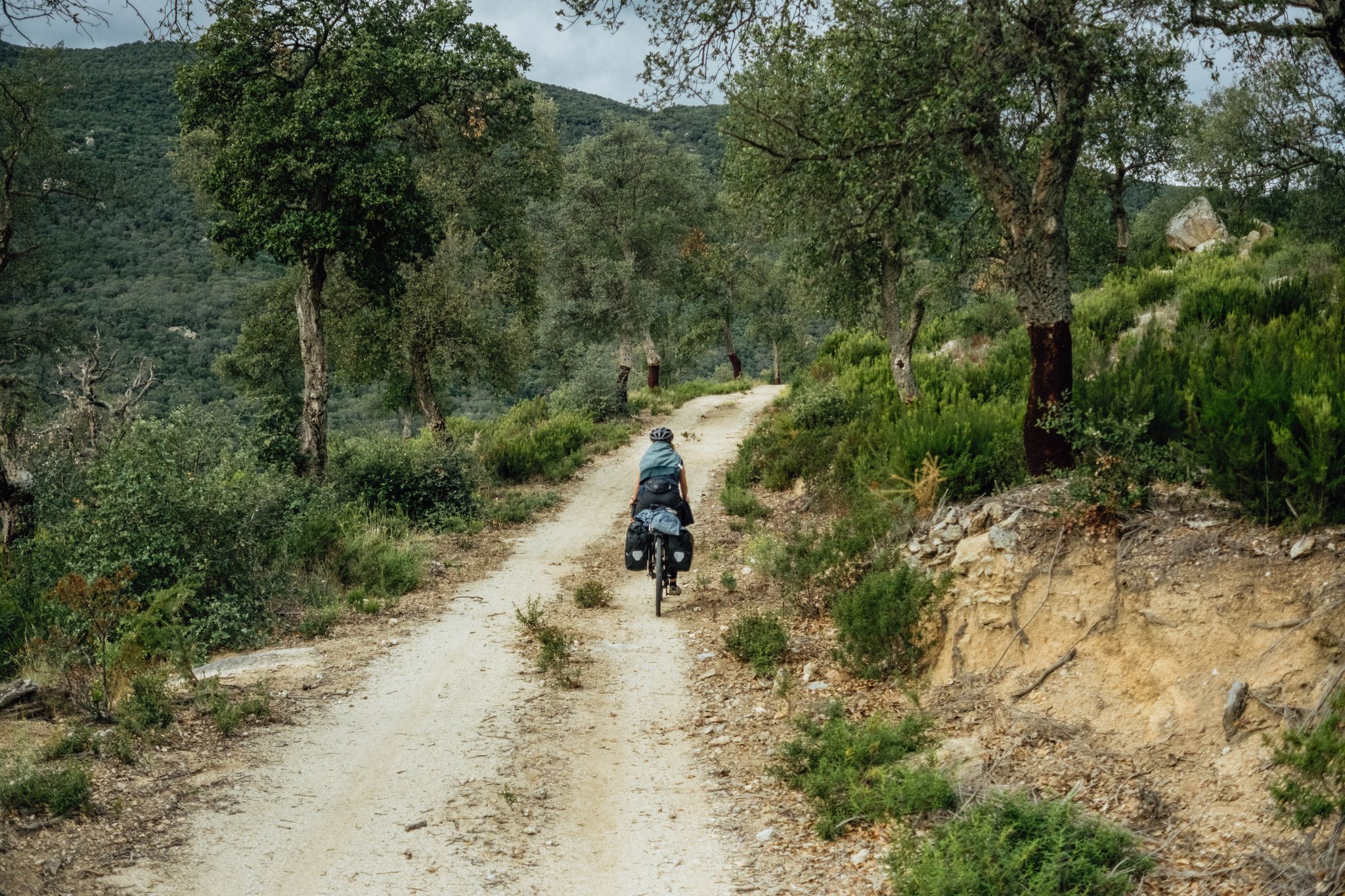
In search of the sun – between the Pyrenees and the Mediterranean
Other adventures around Girones


Tips from the Community

There are a lot of loose stones, so good footwear
0
0

The mine is made up of a set of 11 galleries that go beyond the southern slope of the Olivet del Ros. The elements that make up this infrastructure are the loader, the mounts, which were supported by the station to lower the material from the mountain, and the trenches. The loader and the bridge over the torrent are the two most characteristic elements of this mine, which define the protection perimeter of this heritage element declared a Site of National Interest in the Gavarres area. The mine was closed in 1918, after only 26 years of operation. It is forbidden to enter the mines, not only for safety reasons, but also because they are the refuge of several species of bats, which are key to the health of an ecosystem such as the Mediterranean forest, which is at the heart of human pressure on its habitats.
1
0

nice place to inspect
0
0

Below the volcano... You can see lava flow remains, which last over time....
1
0

On the north side of the Castle of Sant Miquel we find these caves that we can discover thanks to a path. Holes in the walls of La Gavarres known by the inhabitants of the towns in the area.
0
0

Do not forget to bring a flashlight, it is worth entering and observing the interior
0
1
In 1892, Arístides de Artiñano from Barcelona registered two iron ore mines with the names "Niño Jesús" and "Victoria Esperanza", after having carried out some promising prospecting. It was already known that iron had been mined in this area of Les Gavarres in the s. XVIII, and the growing Catalan industrial economy of the s. XIX needed this raw material to develop, along with coal. The mine is made up of a set of galleries that drill the northern side of the Bacs mountain at different levels, with 23 open galleries located. The mine was closed in 1918, after only 26 years of operation, due to the low profitability of the iron ores and the cost of transport to the foundries. The charger is the first item you will find, on the right hand side of the path, following some stairs with a wooden railing. It is the most characteristic and significant of the mining complex and is located at the confluence between the Mavalls stream and the Deveses stream. Following the path again, you will reach the main mines that are at the foot of the route. Nowadays the galleries have become an important resting and breeding habitat for bats, animals often despised for their appearance and associated mythology, but of great natural importance for their predatory ability on insects and as bioindicators of the quality environmental and the impact of climate change on an ecosystem. It is advised not to enter the galleries, for safety reasons and to preserve the tranquility of the fauna that lives there.
1
1
Frequently Asked Questions
What types of caves can I explore in the Gironès region?
The Gironès region offers a mix of natural caves, historical mine galleries, and even lava flow remains. You can explore sites like the Boratuna Cave, which is a natural cave, or delve into historical sites such as the Nen Jesús Mines and the Victoria Mine Entrance, which are former iron ore mines. Additionally, you can find geological curiosities like The Adri Lava Flow.
Are there any family-friendly cave experiences near Gironès?
While some local sites require careful navigation, the nearby Parc de les Coves Prehistòriques de Serinyà, adjacent to Gironès, offers an excellent family-friendly experience. It provides guided tours and workshops focused on prehistoric life and archaeological discoveries, making it educational and engaging for all ages.
What are some notable historical cave sites in Gironès?
The Gironès region is rich in historical mining sites. The Nen Jesús Mines and the Victoria Mine Entrance are significant examples. These former iron ore mines, operational in the late 19th and early 20th centuries, feature multiple galleries and remnants of mining infrastructure like loaders and bridges. It's important to note that entry into some galleries is restricted for safety and to protect bat habitats.
What should I bring when visiting caves in Gironès?
For exploring caves like the Boratuna Cave or inspecting the interior of the Nen Jesús Mines, a flashlight or spotlight is highly recommended. Good footwear is also essential, especially for sites like The Adri Lava Flow, where there can be loose stones.
Are there any caves with unique geological formations near Gironès?
Yes, while the Gironès region itself features lava flow remains at The Adri Lava Flow, the Coves del Salnitre in the Montserrat massif (a bit further afield) are renowned for their spectacular speleothems, including abundant stalactites, stalagmites, and columns, creating an ornate underground landscape.
Can I find sea caves along the Costa Brava, accessible from Gironès?
Yes, the Costa Brava coastline, which borders parts of the Girona province, features numerous sea caves. Notable examples include Cova d'en Gispert, Cova de la Sal, La Foradada, and Cova de s'Infern. These are primarily accessible by water, offering unique perspectives and exploration opportunities by kayak or boat.
What is the difficulty level for exploring caves in the Gironès area?
The difficulty varies. For instance, reaching the Boratuna Cave involves a climb with considerable difficulty and slope, though it is relatively short. Many historical mine entrances, like the Nen Jesús Mines and Victoria Mine Entrance, are generally accessible for inspection from the outside, but entering the galleries is often prohibited for safety reasons and to protect wildlife.
Are there hiking trails near the caves in Gironès?
Yes, the Gironès region offers various hiking opportunities. You can find trails that lead to or pass by some of these cave sites. For more hiking options in the area, explore the Hiking around Girones guide, which includes routes like the 'Santuario dels Angels and Castillo de Sant Miquel from Girona - Circular in Les Gavarres' that might take you near some of these geological features.
What other outdoor activities can I combine with a visit to the caves?
The Gironès region is excellent for various outdoor activities. You can combine cave exploration with cycling, gravel biking, or more extensive hiking. Check out the Gravel biking around Girones or Cycling around Girones guides for routes that traverse the diverse landscapes of the region.
Are there any caves near Gironès that are significant for archaeology?
Yes, the Parc de les Coves Prehistòriques de Serinyà, located adjacent to Gironès, is one of Western Europe's most important prehistoric sites. It comprises several shelters and caves, including Cova de l'Arbreda, Mollet, and Reclau Viver, which have provided crucial insights into the progression from Neanderthal man to modern man over 200,000 years.
What is the best time of year to visit caves in the Gironès region?
Caves generally maintain a more stable temperature year-round, making them suitable for visiting in various seasons. However, for sites that involve outdoor approaches or hiking, spring and autumn offer pleasant weather. If visiting the Coves del Salnitre, note that they host music concerts during July, which might be a unique experience.
Are dogs allowed in or near the caves in Gironès?
Specific regulations for each site vary. While some outdoor areas and trails leading to caves might be dog-friendly, access to the interior of caves, especially historical mines like the Niño Jesús Mine and Victoria Mine Entrance, is often restricted to protect sensitive ecosystems, such as bat habitats. It's best to check individual site rules before planning a visit with a dog.
Most popular routes around Girones
Most popular attractions around Girones

Get inspired with the komoot mobile app


Didn’t find what you were looking for?
Discover more caves around Girones region by region:
Explore more
Extend your search for the best caves by checking out these guides of the top ones around Girones:
