Top 6 Caves around Valles Oriental
Best caves around Valles Oriental offers a diverse landscape of natural and historical cave formations within Catalonia, Spain. This region is characterized by its unique geological features, including rock shelters formed by erosion and artificial cavities with significant human history. Visitors can explore sites that blend natural beauty with archaeological and historical importance. The area provides opportunities to discover ancient human uses of these spaces, from prehistoric shelters to monastic complexes.
Best caves around Valles Oriental
- The most popular caves…
Last updated: August 20, 2026
Sant Miquel del Fai Road
Highlight • Cycleway
Tip by

The Swallows' Rock
Highlight • Natural Monument
Translated by Google •
Tip by

Sign up now to discover places like this
Get recommendations on the best single tracks, peaks, & plenty of other exciting outdoor places.
Sign up for free
Balma la Miquelona
Highlight • Cave
Translated by Google •
Tip by

Socau Mine
Highlight • Cave
Translated by Google •
Tip by

Can Nadal Cave
Highlight • Cave
Introduction
The Can Nadal cave is a large monolithic block with a hollow interior that is protected to the east and at the top by a natural rock wall …
Translated by Google •
Tip by

Foradada Rock of Can Planes
Highlight • Natural Monument
Translated by Google •
Tip by
La Balma d'en Xec
Highlight • Cave
An old waterfall has eroded the cliffs to form these …
Translated by Google •
Tip by

Start today with a free account
Your next adventure awaits.
Login or Signup
Popular around Valles Oriental
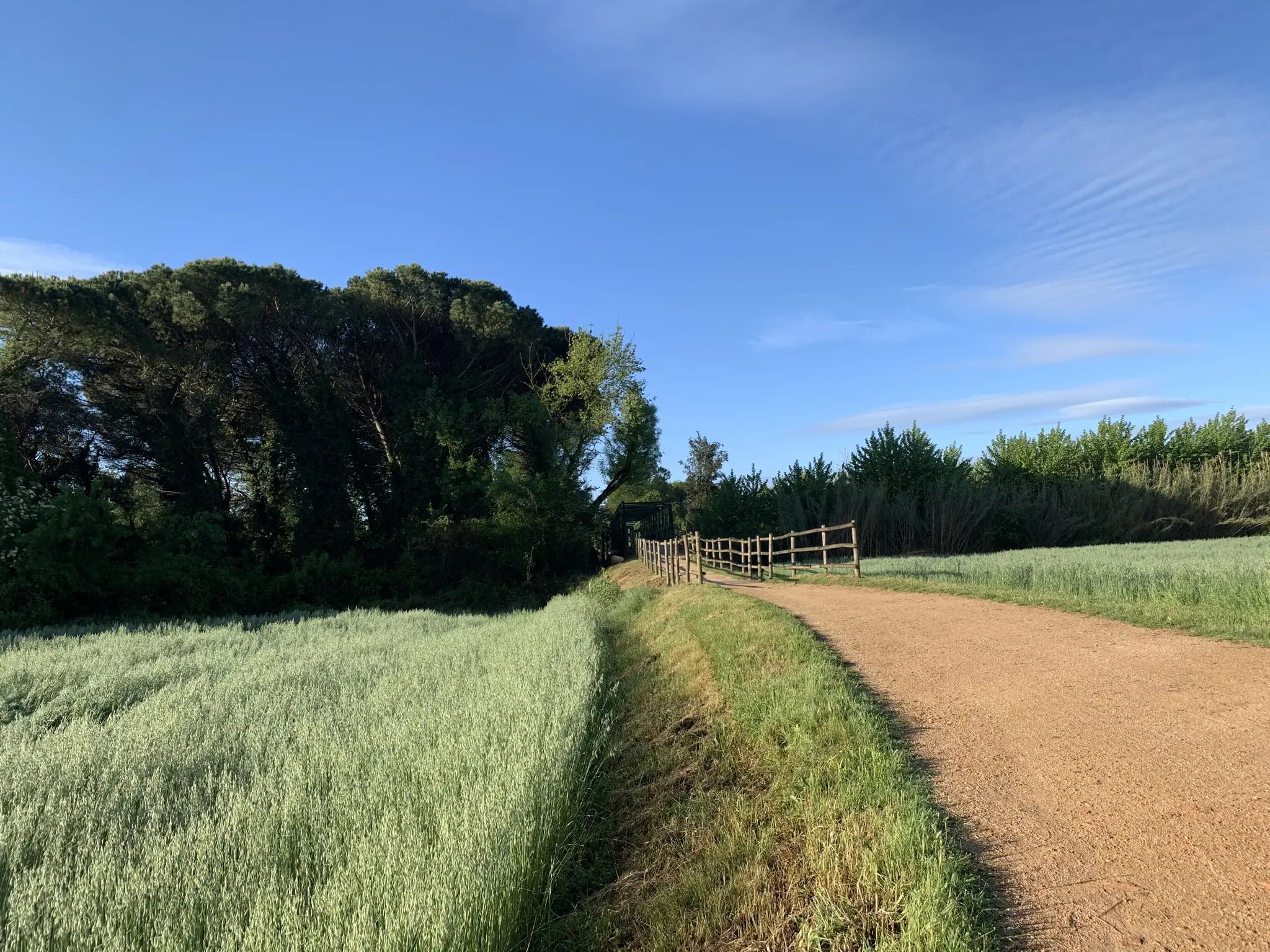
Barcelona to Girona – a road cycling mecca on your gravel bike
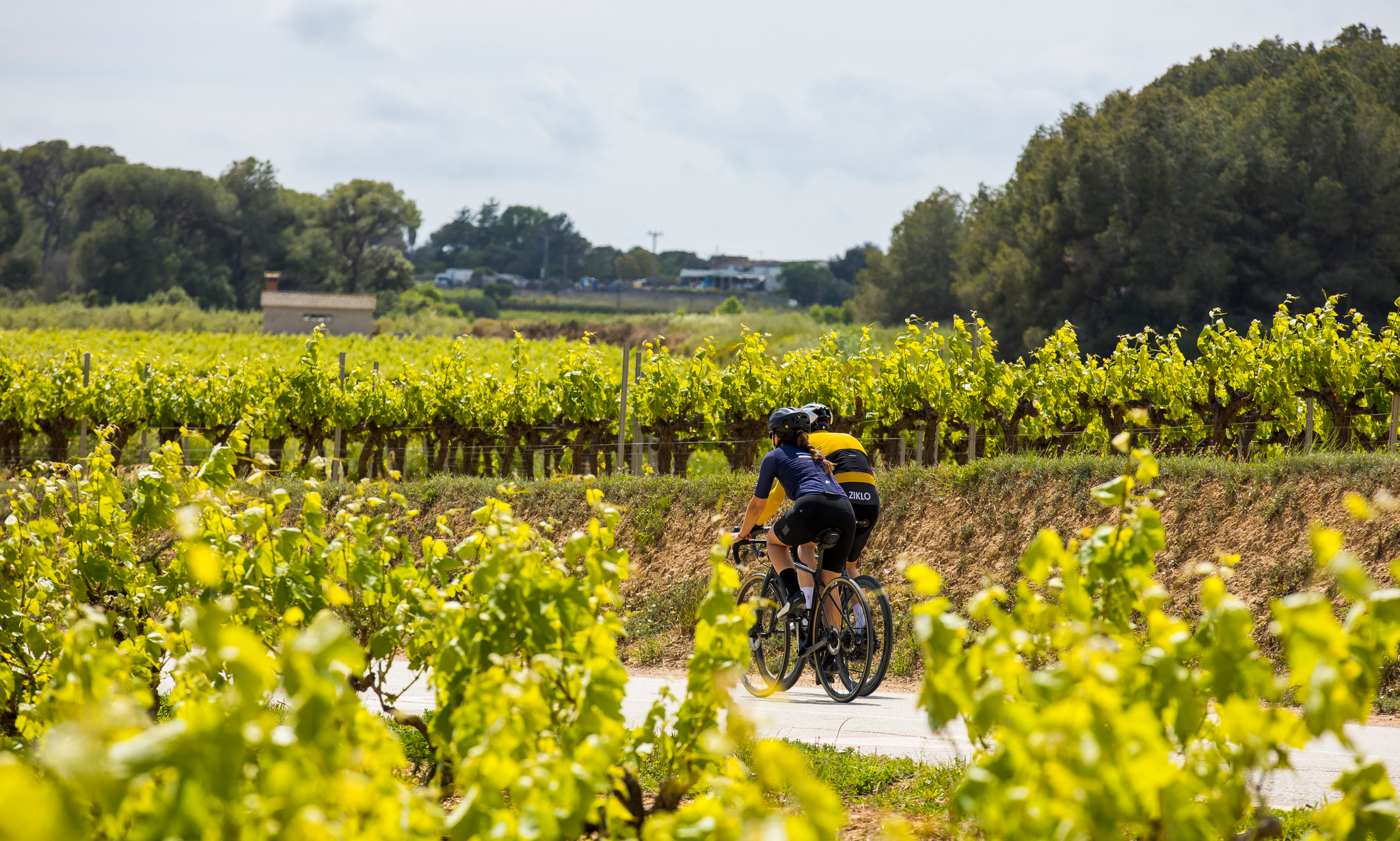
Cycling in the province of Barcelona — family routes and traverses
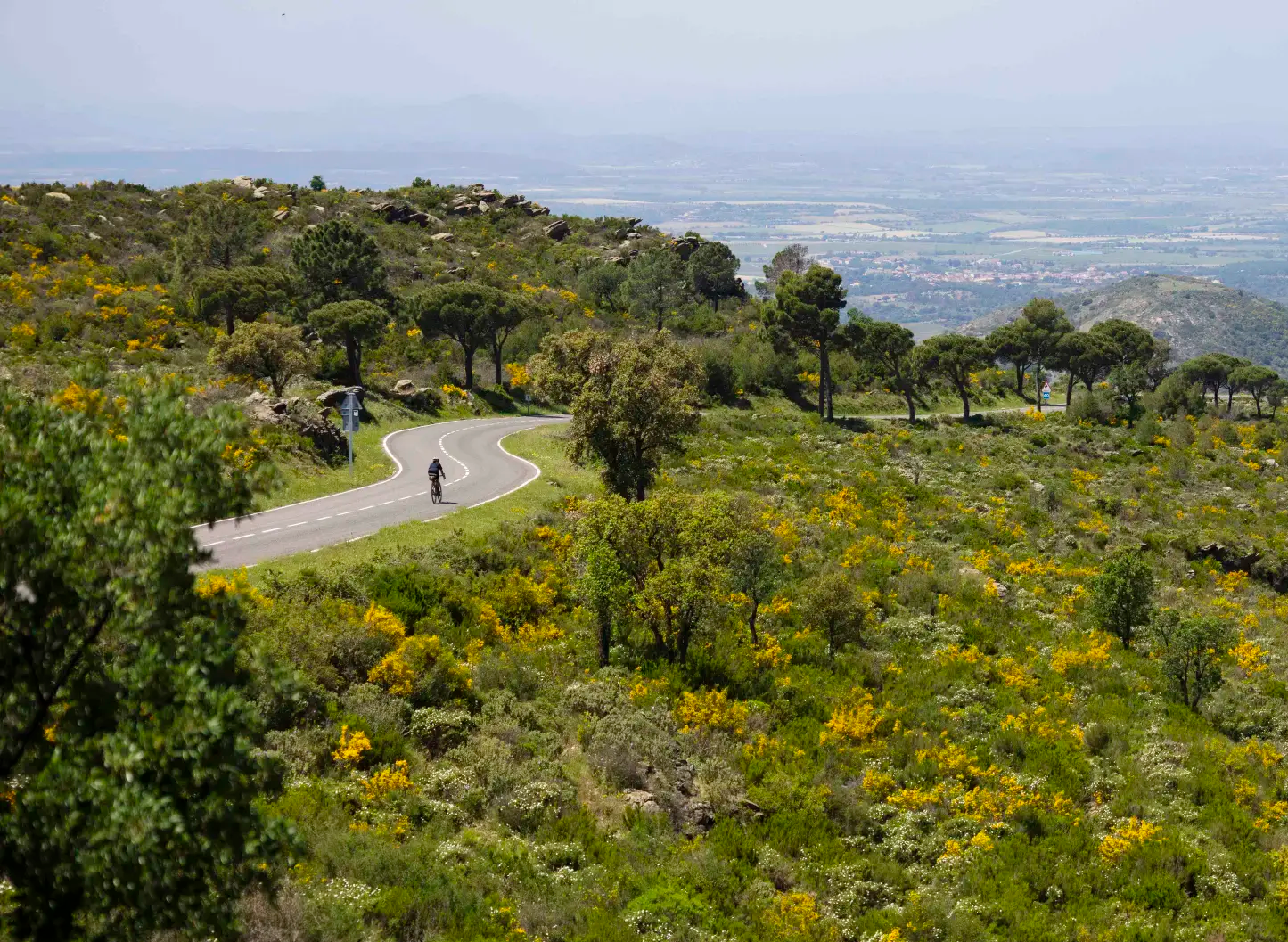
Ports and Roads — Catalonia on Wheels
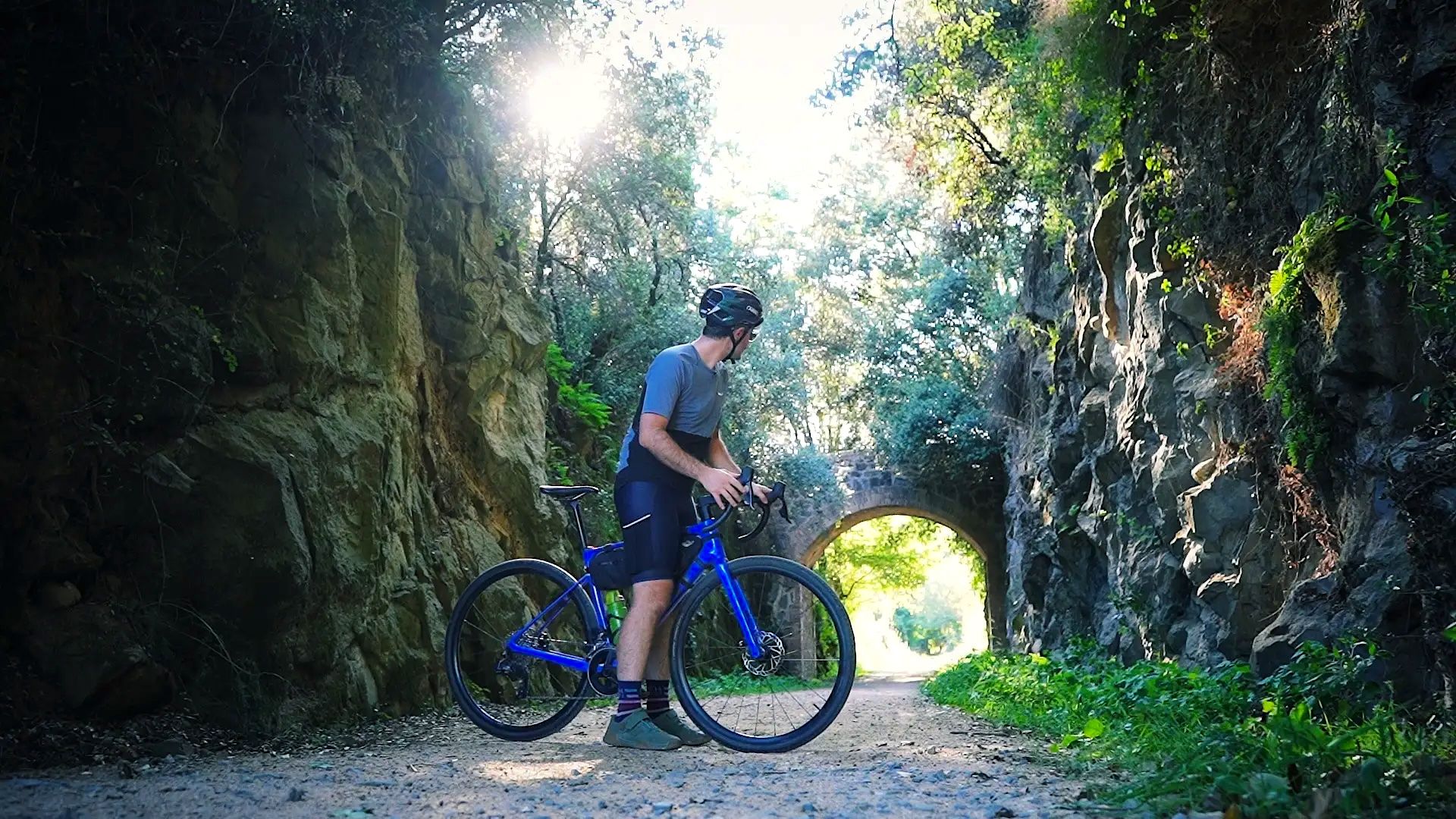
Cycling in Catalonia with Pietro Franzese – four unmissable routes
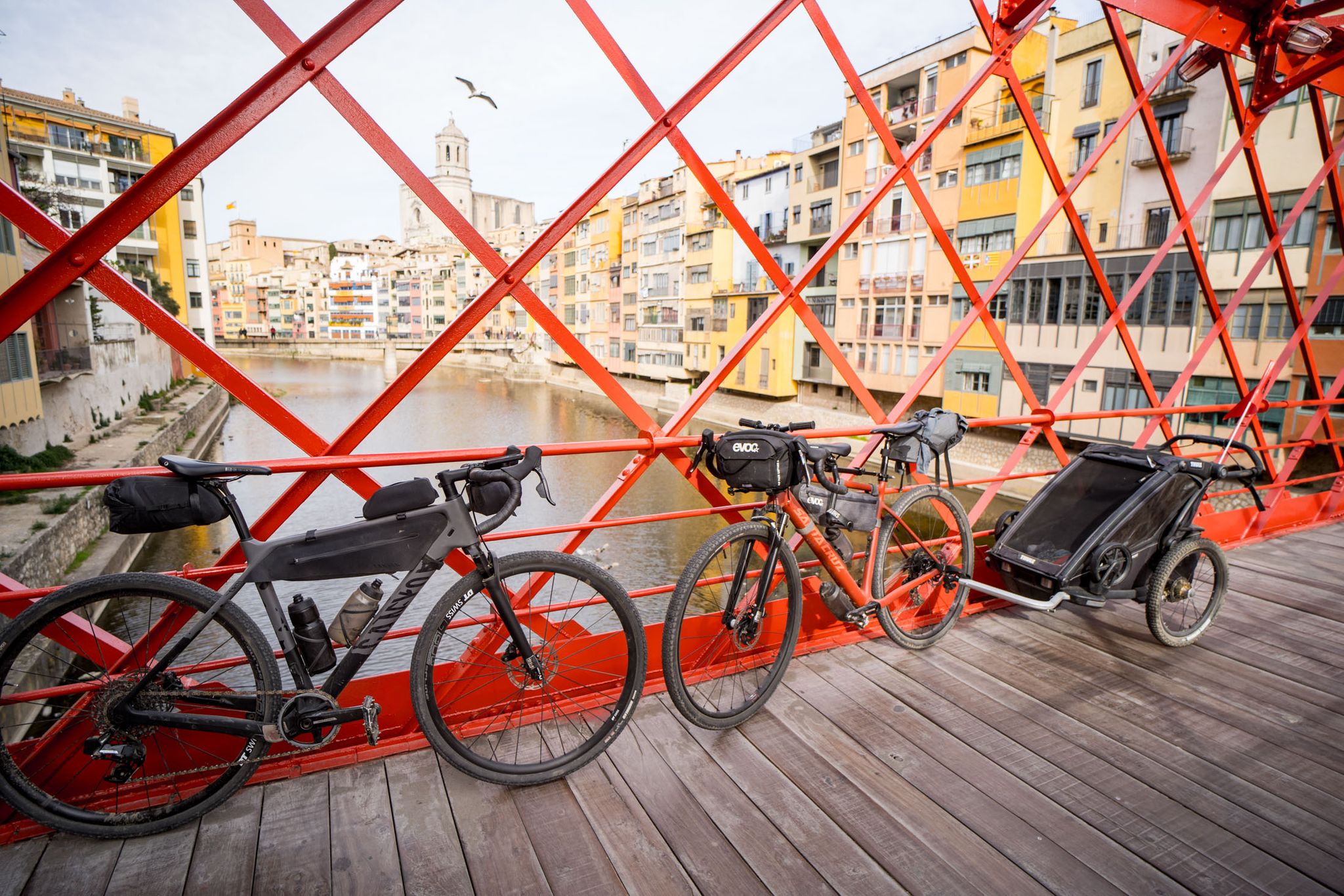
Family Bikepacking / Barcelona-Girona
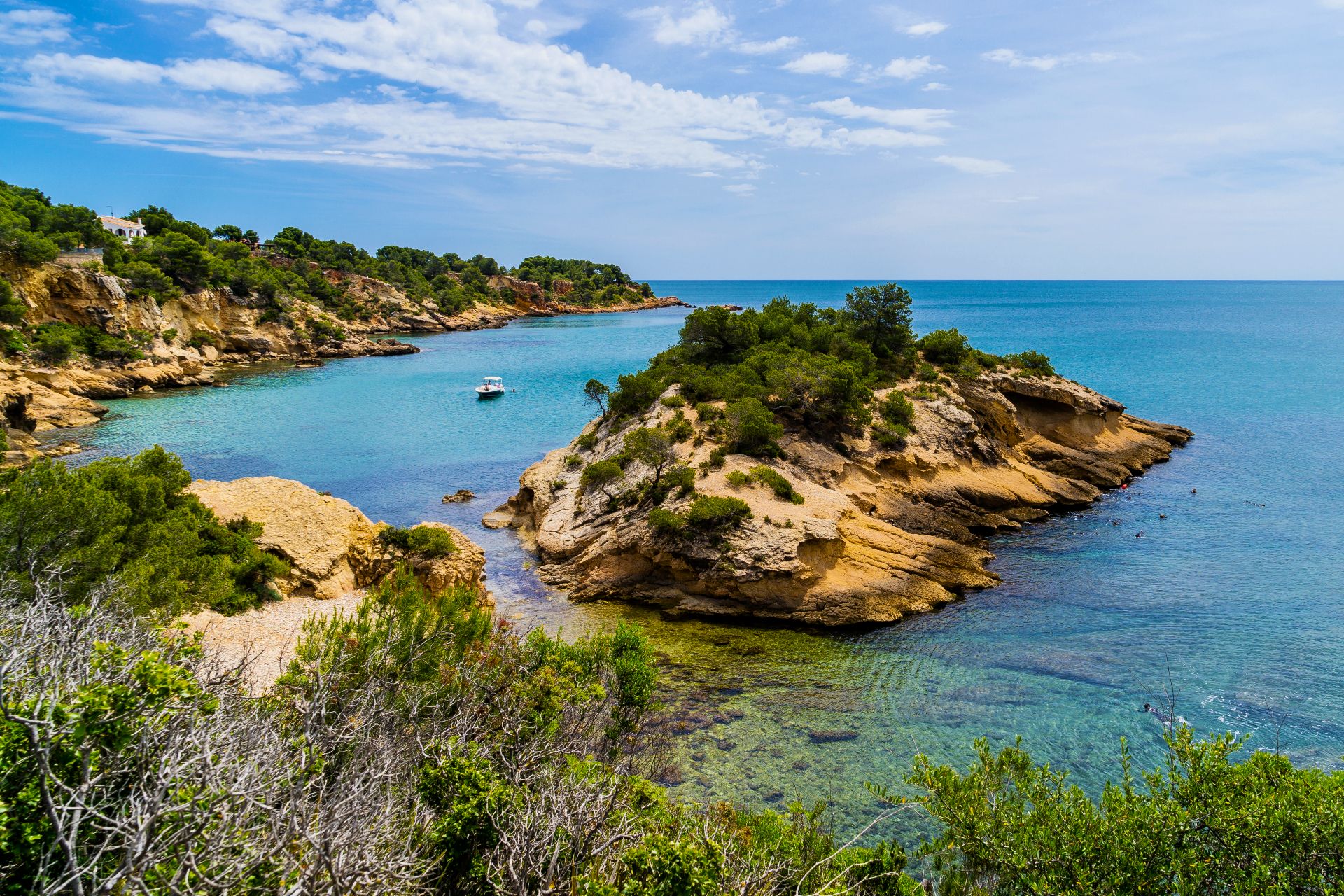
The Catalan coast on foot – Mediterranean Path (GR 92)
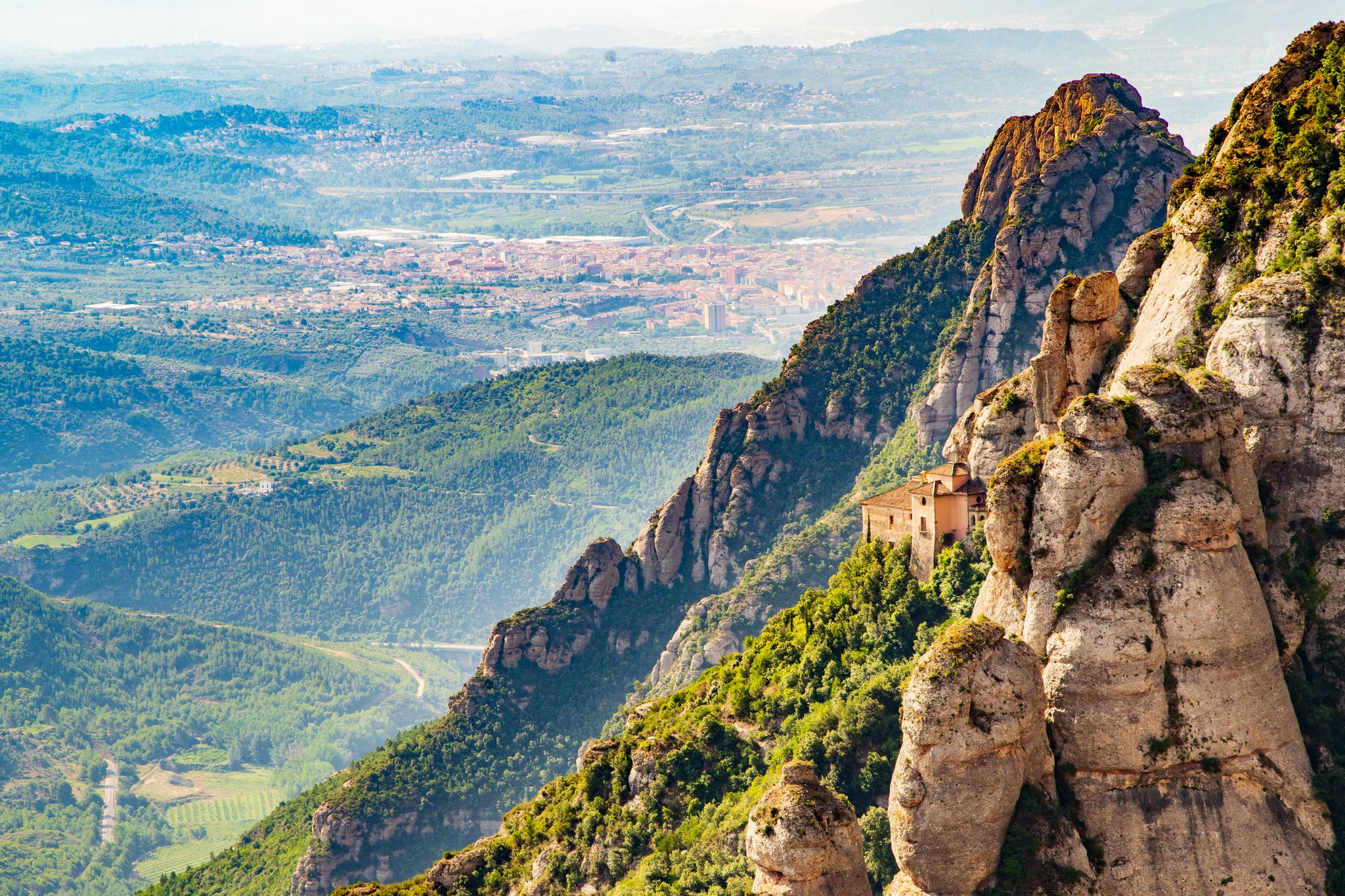
The Barcelona Arch – Natural Parks Trail (GR 5)
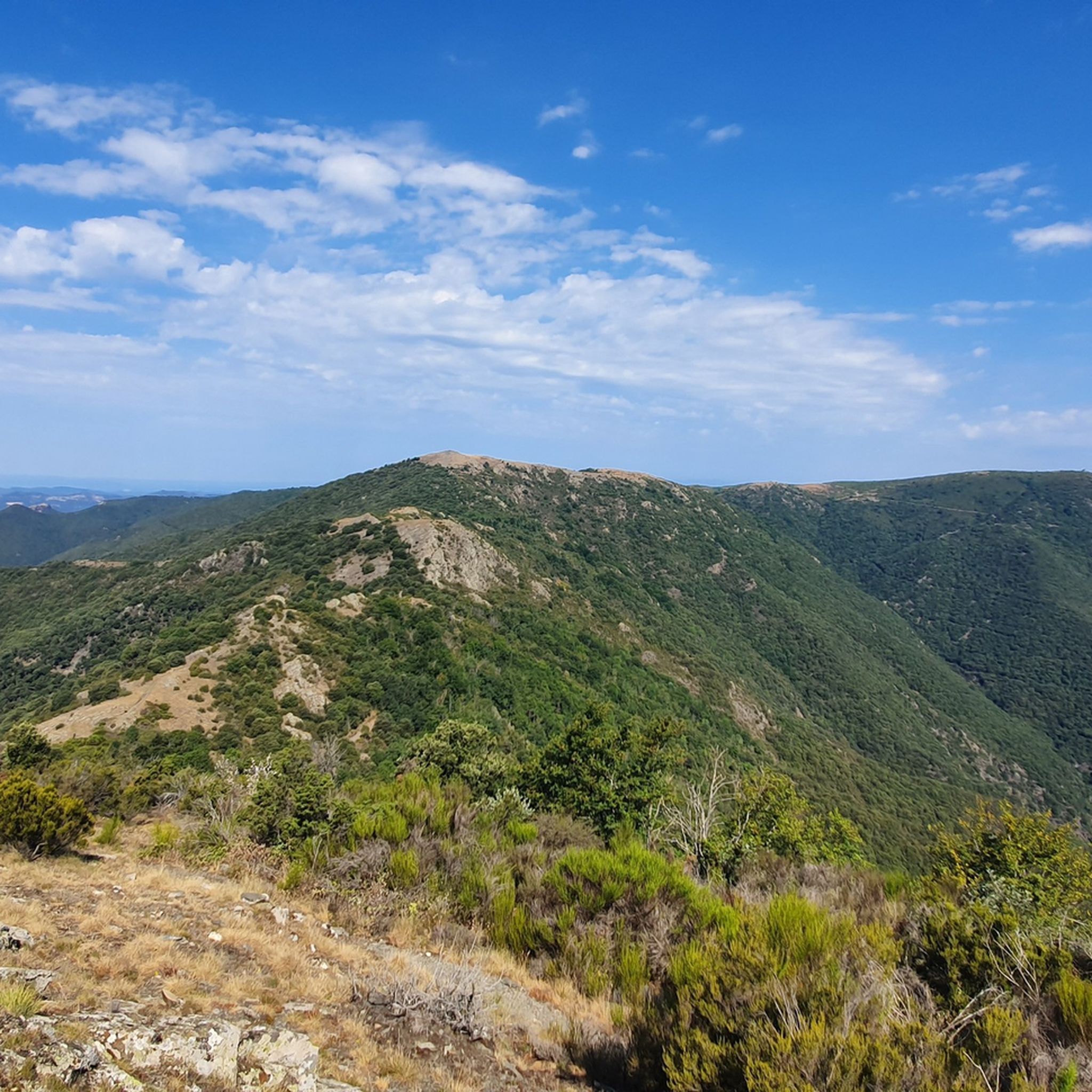
Hiking around Valles Oriental

Road Cycling Routes around Valles Oriental
Cycling around Valles Oriental
Other adventures around Valles Oriental


Tips from the Community

Jaciment arqueològic amb pintures rupestres, declarat Patrimoni de la Humanitat.
0
0


A real discovery! Superb views, decent asphalt and virtually no cars.
0
0


It has an archaeological curiosity that is not always clearly explained, and I'm not making this up; it is documented as an artificially built granite block and is related to the Chalcolithic or Megalithic period between 2200 and 1800 BC, which suggests that it is not just a rock with a hole but could have been a prehistoric burial chamber where burials or funerary rituals were performed in prehistory.
0
0
A curious story circulates among the locals: during the post-war years, a man nicknamed "the Clockmaker" lived here for almost a decade, repairing clocks and small appliances in exchange for food. They say that at night a flickering light could be seen emerging from the cave, its ticking audible all the way to the Can Nadal road. Today, only the marks on the rock remain, along with a silence that seems to continue measuring time.
0
0
Hidden among the forests of Figaró, the Socau Mine was a small magnetite mine in the late 19th century. Today, half-covered by vegetation, it retains its entrance tunnel and some of the rusted mine carts. Some hikers say that as they approach, the air feels colder, as if the earth still breathes from within. Some leave candles or stones at the entrance, following an old local custom of asking for protection before entering places where the mountain "speaks."
1
0
This cave, inhabited in prehistoric times, contains remains that demonstrate its use in the Neolithic or Bronze Age, such as stone tools, pottery fragments, and evidence of fire. Its strategic location, hidden but with good visibility of the surroundings, made it ideal as a refuge or stopover. Today, for cyclists like us, it's an excellent shelter in case of rain or to enjoy breakfast in the shade, thanks to its peaceful and protected location.
1
0
Frequently Asked Questions
What types of caves and rock formations can I explore in Valles Oriental?
Valles Oriental offers a diverse range of cave experiences, from natural rock shelters formed by erosion to artificial cavities with significant human history. You can find impressive stalactite caves, large rock overhangs known as 'balmas', and even caves integrated into monastic complexes. The region's geology provides unique formations and historical sites.
Are there caves in Valles Oriental with historical or archaeological significance?
Yes, several caves in Valles Oriental boast rich historical and archaeological importance. For instance, the Can Nadal Cave in Vilanova del Vallès features artificial cavities excavated in granite, identified as possible hermitages or 'primitive Christian tombs' from the Carolingian era, later repurposed as vineyard huts. Another example is The Swallows' Rock, a natural monument with a medium-sized shelter containing prehistoric rock art and evidence of use in the Neolithic or Bronze Age.
Which caves are suitable for families in Valles Oriental?
Many sites are accessible and enjoyable for families. The area around Can Nadal Cave offers an easy hiking route, making it suitable for family outings. The natural area of Sant Miquel del Fai Monastery and Waterfall, with its impressive waterfalls and accessible cave sections, is also a captivating visit for all ages, though some parts may involve steps.
What natural features can I expect to see when visiting the caves?
Beyond the caves themselves, Valles Oriental's cave sites are often set amidst beautiful natural landscapes. At Sant Miquel del Fai Monastery and Waterfall, you'll encounter spectacular waterfalls, stalactites, and stalagmites. La Balma d'en Xec showcases travertine concretions formed by ancient waterfalls, and Cave Hill offers panoramic views of the Montseny region from its summit.
Can I find hiking or cycling routes near the caves in Valles Oriental?
Absolutely! The region surrounding the caves is excellent for outdoor activities. For hiking, you can explore easy trails like the Empedrat de Morou and Turó de Morou Trail. If you're into mountain biking, there are routes such as the TransCatalunya and Dragon Khan Loop. You can find more details on these and other routes in the Easy hikes around Valles Oriental and MTB Trails around Valles Oriental guides.
Are there any easy-to-access caves for beginners or those seeking less challenging exploration?
For easier exploration, consider sites like the Can Nadal Cave, which is part of an easy hiking route. The main cave here has an entrance leading to a chamber that is relatively accessible. Many of the 'balmas' (rock shelters) like La Balma d'en Xec are also natural overhangs that are easy to visit and explore without specialized equipment.
What do visitors enjoy most about the caves in Valles Oriental?
Visitors frequently praise the blend of natural beauty and historical intrigue. Many appreciate the unique experience of sites like Sant Miquel del Fai Monastery and Waterfall, where you can walk behind waterfalls and explore stalactite caves. The historical context of places like The Swallows' Rock, with its prehistoric rock art, also captivates those interested in the past. The peaceful and protected locations often serve as excellent shelters for breaks during outdoor activities.
Is there a best time of year to visit the caves in Valles Oriental?
The caves and their surrounding natural areas can be enjoyed year-round. However, spring and autumn generally offer the most pleasant weather for hiking and exploring, with milder temperatures. If you wish to see the waterfalls at their most impressive, visiting after periods of rain, typically in spring or late autumn, would be ideal.
Are there any specific permits or regulations for visiting caves in Valles Oriental?
For most publicly accessible sites like Can Nadal Cave or La Balma d'en Xec, no special permits are typically required for general visitation. However, for private properties or more secluded caves, such as certain parts of Sant Miquel del Fai, there might be an entrance fee or specific access rules. Always check local signage or official websites for the most current information.
Are the caves in Valles Oriental dog-friendly?
While many outdoor areas in Valles Oriental are dog-friendly, specific rules for caves can vary. Natural rock shelters and open-air cave formations like La Balma d'en Xec or the trails leading to Can Nadal Cave might allow dogs, often on a leash. However, enclosed cave systems or private attractions like Sant Miquel del Fai may have restrictions. It's always best to verify with the specific site beforehand.
Where can I find refreshments or accommodation near the caves?
The towns and villages surrounding the cave sites, such as Vilanova del Vallès (near Can Nadal Caves), Sant Feliu de Codines (near La Balma d'en Xec), and Bigues i Riells (near Sant Miquel del Fai), offer various options for cafes, restaurants, and accommodation. Many visitors stop for coffee or a meal in these charming local communities before or after their cave explorations.
What should I wear or bring when visiting the caves?
For most cave explorations in Valles Oriental, comfortable hiking shoes with good grip are recommended, as paths can be uneven or wet. Layers of clothing are advisable, as cave interiors can be cooler than outside temperatures. A headlamp or flashlight is useful for darker sections, even in accessible caves. For sites like Sant Miquel del Fai, be prepared for steps and potentially damp conditions near waterfalls.
Are there any unique or lesser-known cave sites worth exploring in the region?
Beyond the more popular spots, you might consider exploring Balma la Miquelona, a not-very-deep cavity excavated in a rocky margin, known for its historical use as a shelter and bivouac spot. Another intriguing site is Socau Mine, which offers a glimpse into the region's industrial history within a cave setting, though it's categorized as challenging.
Most popular routes around Valles Oriental
Most popular attractions around Valles Oriental

Get inspired with the komoot mobile app


Didn’t find what you were looking for?
Discover more caves around Valles Oriental region by region:
Explore more
Extend your search for the best caves by checking out these guides of the top ones around Valles Oriental:
