Top 5 Caves around Osona
Best caves around Osona are located in Catalonia, Spain, a region known for its varied geological formations and natural landscapes. The area features significant natural features, including cliffs, valleys, and unique rock structures. These geological characteristics contribute to a range of cave types, providing insights into the region's natural heritage. Osona offers opportunities to explore both natural geological caves and historical sites integrated with natural cavities.
Best caves around Osona
- The most popular caves is Els Bufadors de Beví,…
Last updated: May 14, 2026
Salt del Molí Bernat
Highlight • Waterfall
Translated by Google •
Tip by

Els Bufadors de Beví
Highlight • Natural Monument
Translated by Google •
Tip by

Sign up now to discover places like this
Get recommendations on the best single tracks, peaks, & plenty of other exciting outdoor places.
Sign up for free
Can Boix Castle
Highlight • Castle
Translated by Google •
Tip by

Cave of the Pixarelles
Highlight • Cave
Considered one of the oldest …
Translated by Google •
Tip by

Bauma de les Piques
Highlight • Cave
Translated by Google •
Tip by
Bauma de la Baronesa
Highlight • Cave
Translated by Google •
Tip by

Start today with a free account
Your next adventure awaits.
Login or Signup
Popular around Osona
10 hikes with teenagers — Catalan paradises
The shepherds' path – Camí Ramader de la Marina
Discover ancient history – Camino de Girona
European Divide Trail across the Iberian Peninsula – north
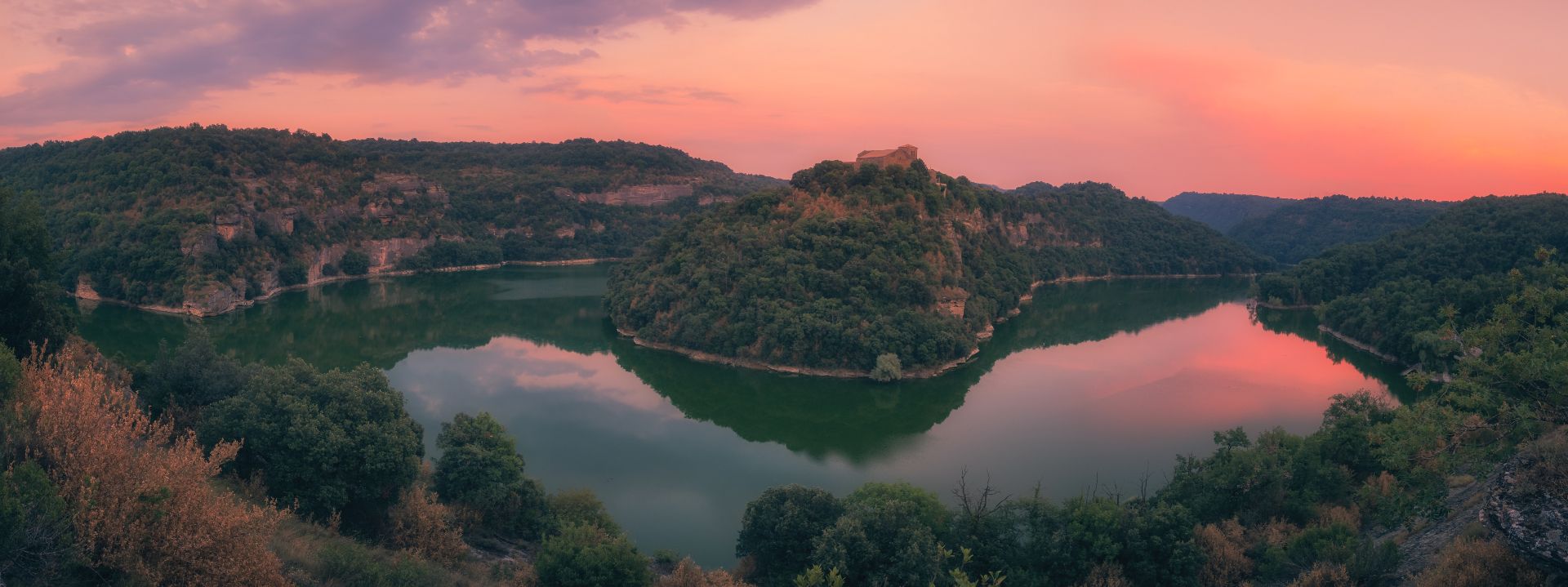
The water trail – Ruta del Ter (GR 210)
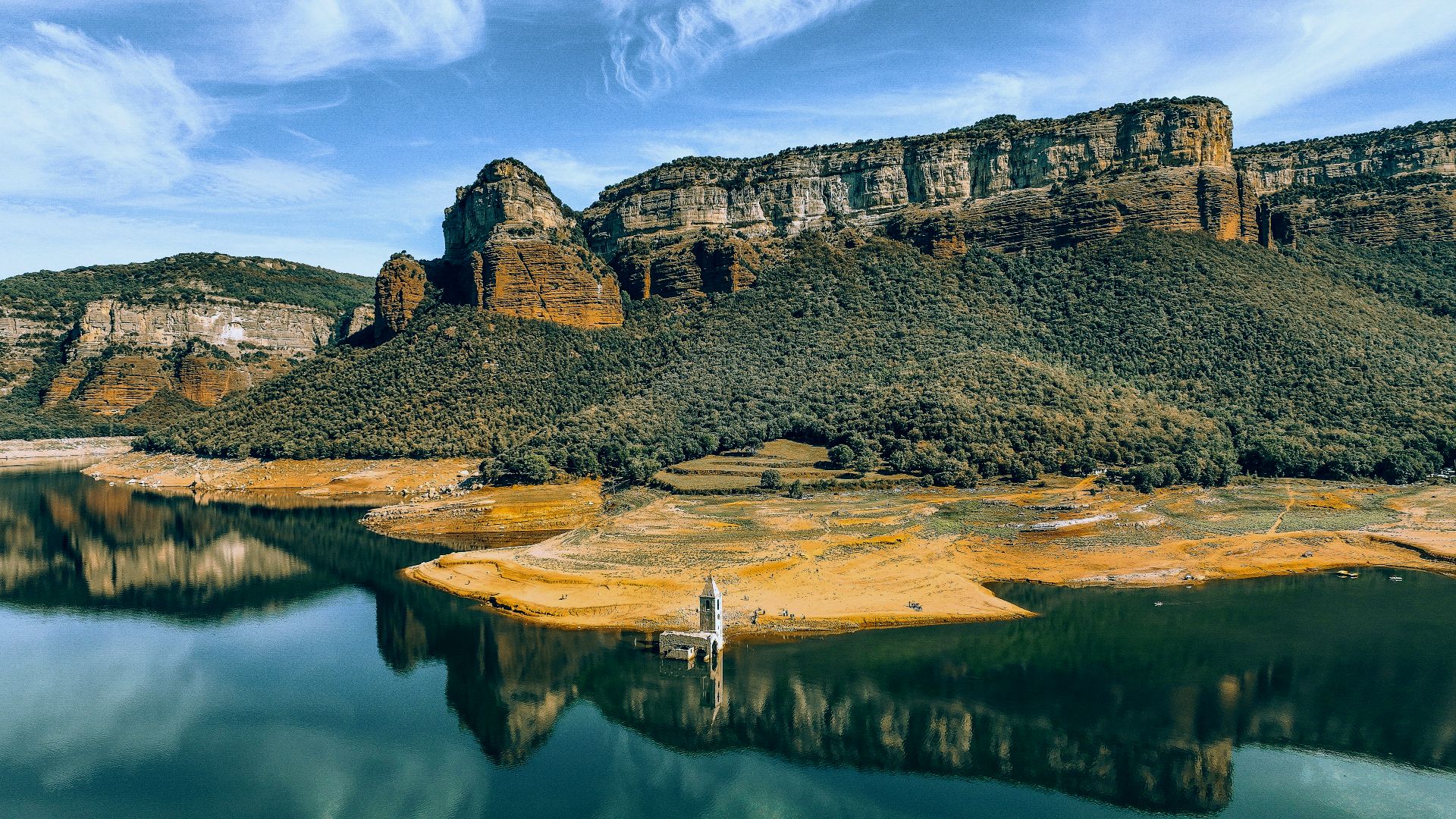
In the footsteps of the Catalan Romanesque – El Camino Oliba
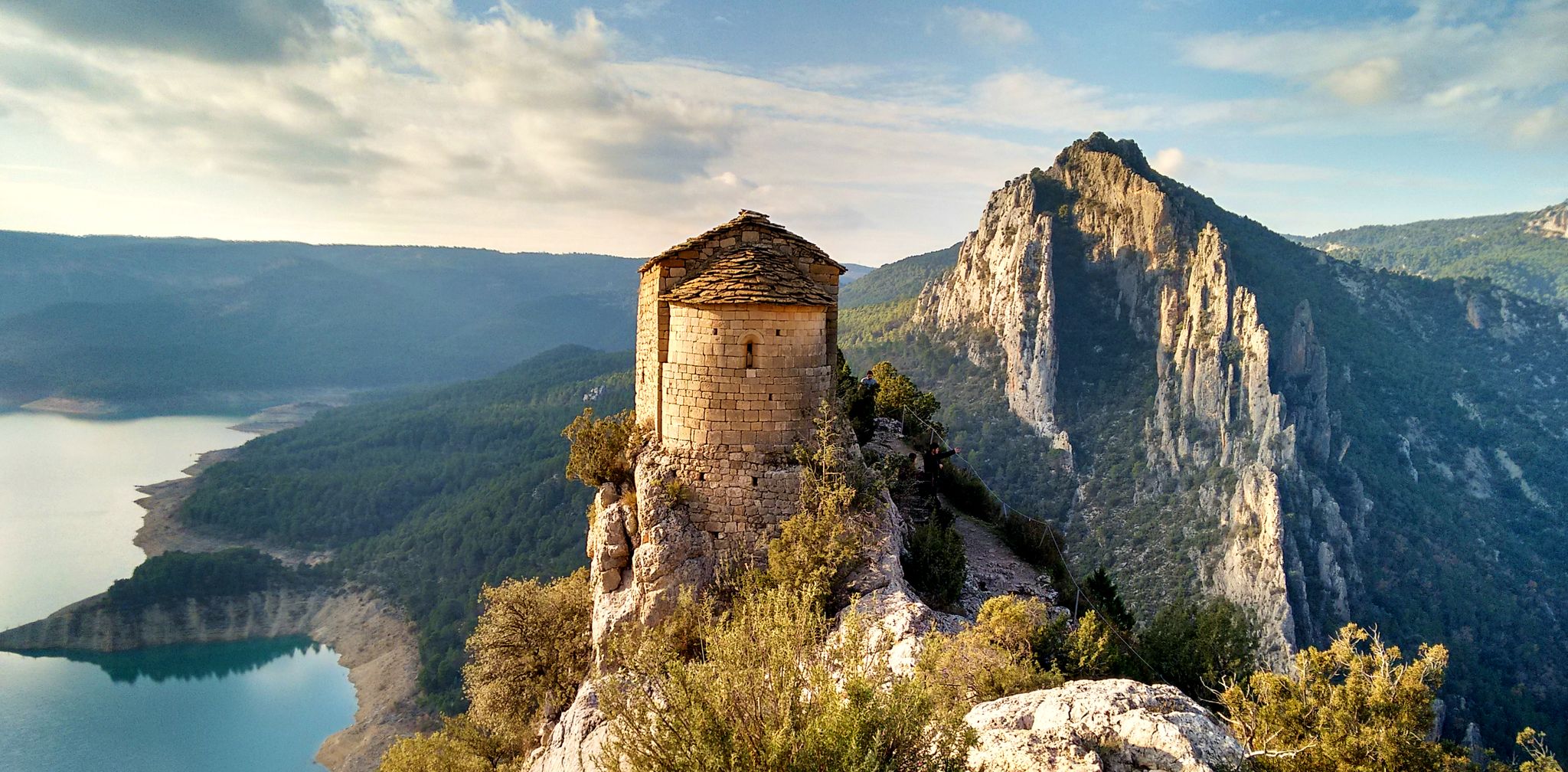
From the Mediterranean to the Pre-Pyrenees – Historical Path in Catalonia (GR 1)
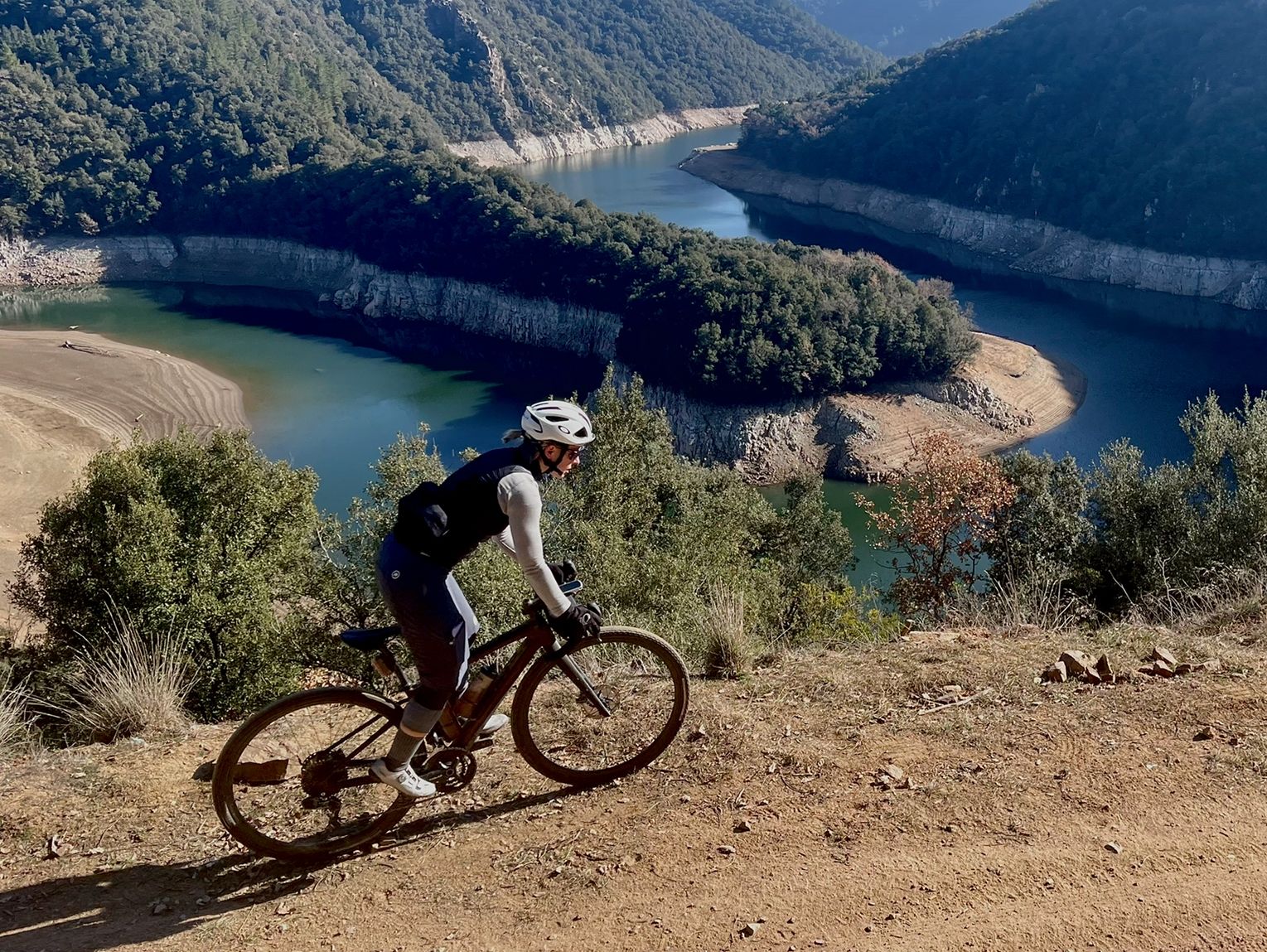
Catalan Pyrenees to the Mediterranean – La Ruta del Ter on gravel
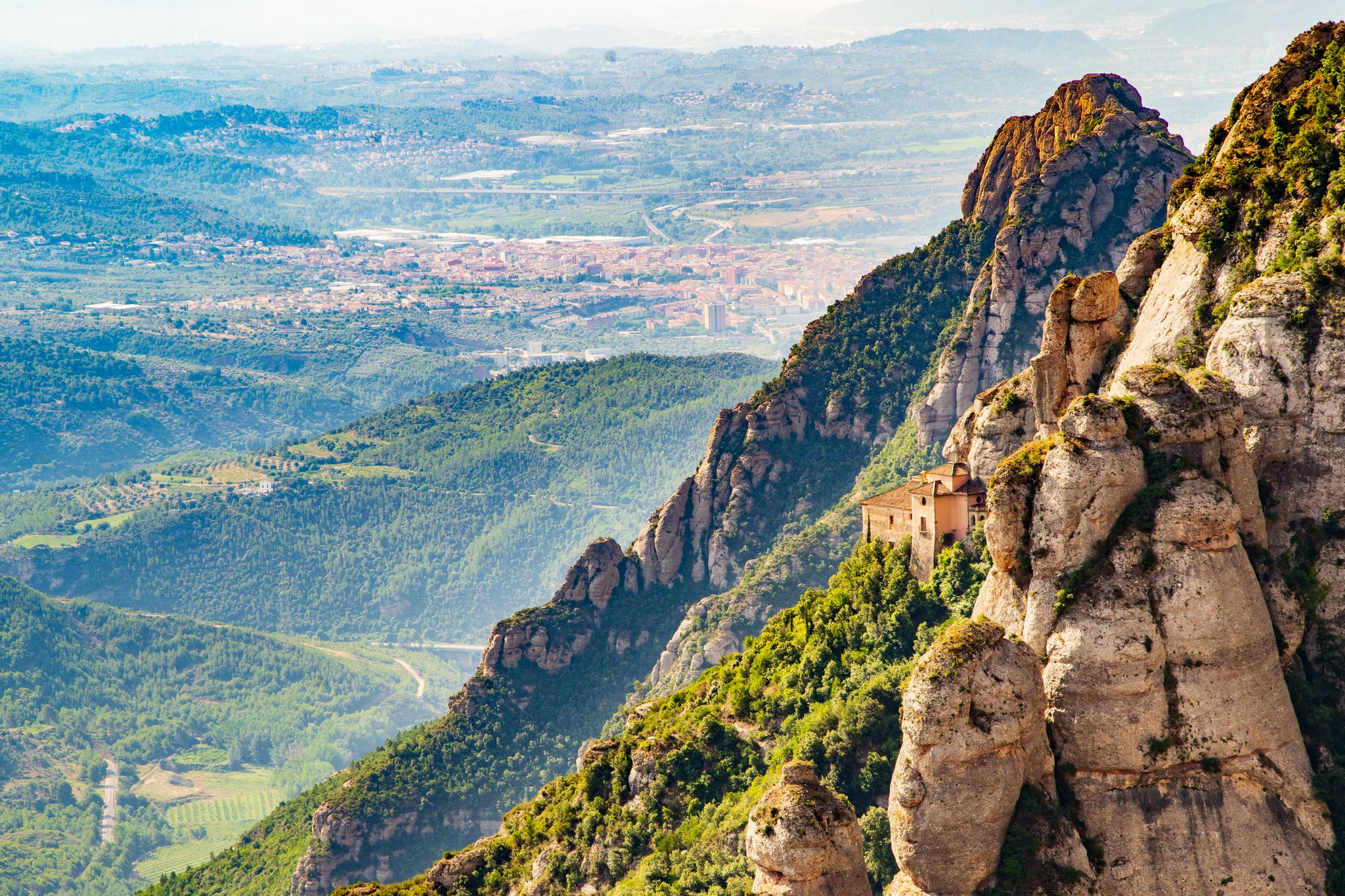
The Barcelona Arch – Natural Parks Trail (GR 5)
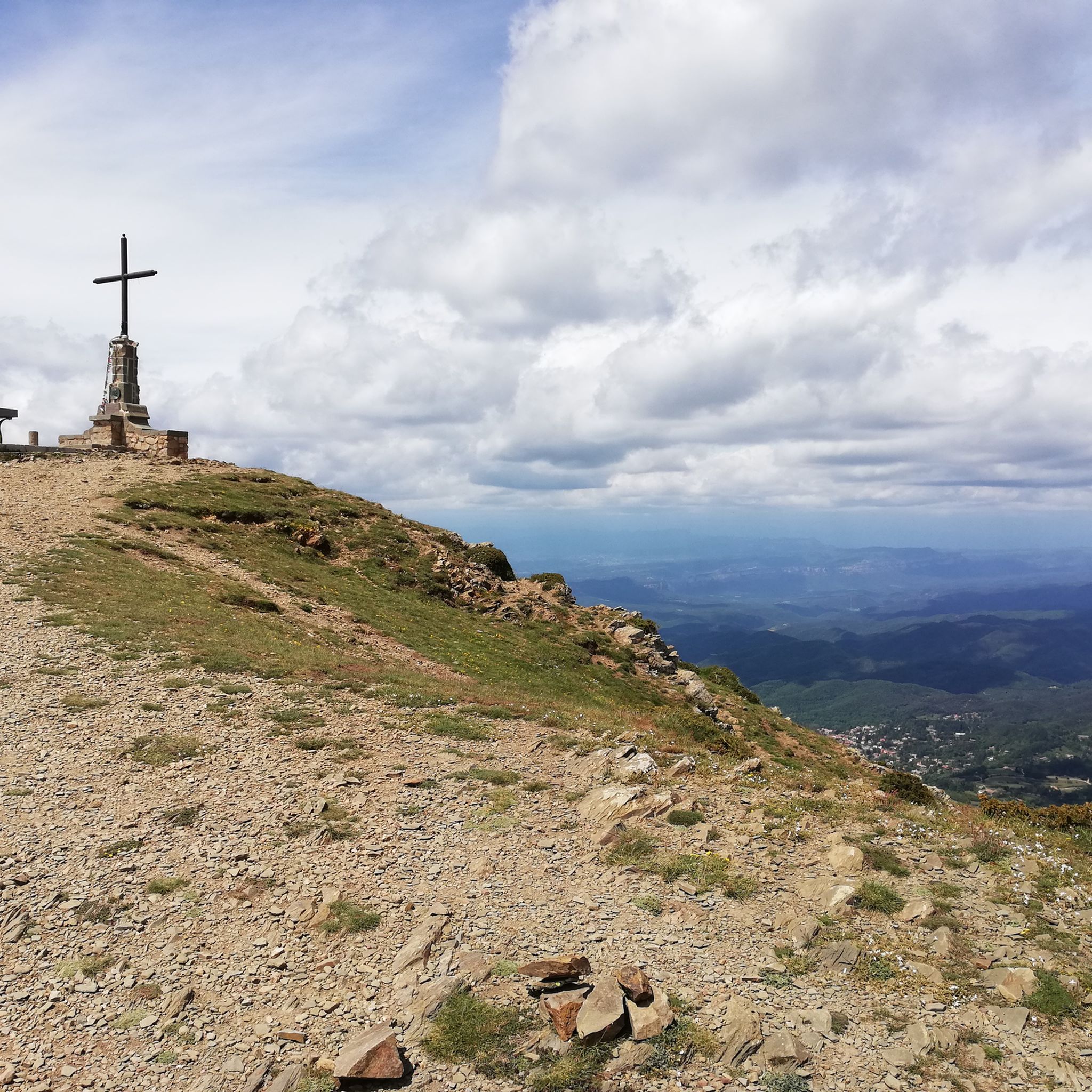
Hiking around Osona
Other adventures around Osona


Tips from the Community

We were here in April 2026. Unfortunately, the hiking trail is not in good condition. The descent to the waterfall is quite steep but passable. The paths to the stairs of the Riscos de la Perereda are all overgrown, and only a shortened path past an old mill back to the parking lot is passable.
0
0

Idyllic place to stop for a bite and disconnect from everything
0
0

good views of the Plain of Vic and the Pyrenees and very fun downhill trails.
1
0

Can Boix Castle, also known as Taradell Castle, is located on some large rocks, at an altitude of 803 metres. Below the castle is a large cave. I think there are parts of the castle from the 10th century.
3
0

Shelter dug into the rock with a small picnic area and fountain of the same name.
1
1

It is one of the largest pools in the Collsacabra, with a width of 70 m, although it is not very deep, it has a maximum of 7 m. The maximum height is 4 m. Inside there are two large rectangular sinks (one simple and one double) dug into the rock that collect the water that falls from the roof of the balma. It was possibly the primitive house of the Baumes, located well below. It could also have been the refuge of the famous Serrallonga, since according to a legend, he used to rest in a balma near Tavertet that had room for 60 men and beasts of burden. It is a balm, that of Spades, which meets these conditions, due to its capacity and strategy.
0
1
The Salt del Molí Bernat is one of the most impressive waterfalls in the country with a 50 meter drop, it belongs to the Gorgàs stream, from the Sot de Balà. The whole of the balma, the jump and the remains of the mill make up one of the most attractive and unique places in the region. If you want to see the jump in all its glory, we recommend doing the route after rains, despite the added difficulty because of the mud you can find on the way down, but seeing the water fall from inside the balma is really impressive .
2
1

Caves that during the Neolithic and until the Iberian period had been a lookout and hunting settlement (complementary to the town of Pla del Castell). Considered one of the oldest documented stable occupations, dating from the year 3100 to 900 before our era. Although no human remains have been found, the discovery in this lower level of a prehistoric home and a fauna deposit (with the supposed remains of a wild boar half consumed by the ancient settlers) will help to study what life was like in this space six years ago. a thousand years.
1
1
Frequently Asked Questions
What unique geological formations can I explore in Osona?
Osona is home to several distinctive geological features. You can visit Els Bufadors de Beví, known for its 'blowholes' or fissures that emit air currents, creating a unique microclimate with moss-covered rocks. Another impressive site is Salt del Molí Bernat, a waterfall with a 50-meter drop where water emerges from inside a large rock shelter (balma).
Are there any historical sites integrated with natural caves in Osona?
Yes, Osona offers fascinating historical sites built upon or within natural cavities. Can Boix Castle, also known as Taradell Castle, is distinctive for being built atop a large grotto, with remnants dating from the 10th and 14th centuries. Additionally, the Cave of the Pixarelles served as a lookout and hunting settlement from the Neolithic to the Iberian period, representing one of the oldest documented stable occupations in the region.
What is the Cave of the Serrat del Vent and can I visit it?
The Cave of the Serrat del Vent, located within the Tavertet cliffs, is notable as the largest sandstone cave in the world, boasting an impressive length of 4,273 meters and a depth of 215.5 meters. While it's a significant site for speleological interest due to its scale and unique geological composition, details on public access or guided tours are not readily available.
What is the best time to visit the waterfalls and natural features in Osona?
To experience the waterfalls, such as Salt del Molí Bernat, in their full glory, it is recommended to visit after periods of rain. This ensures a more impressive water flow, though it might also mean muddier trails. The area around Els Bufadors de Beví is particularly spectacular in autumn, with its moss-covered rocks and distinctive flora.
Are there family-friendly activities or caves suitable for children in Osona?
While specific 'family-friendly cave tours' are not detailed, the scenic walk to Els Bufadors de Beví offers a magical atmosphere with unique geological features that can be engaging for families. Exploring the historical context of Can Boix Castle, built on a grotto, can also be an interesting outing for older children.
What kind of outdoor activities can I do near the caves in Osona?
The Osona region offers a variety of outdoor activities. You can find numerous hiking trails, including routes like 'Salto de Sallent and Sant Joan de Fàbregues' or 'Morro de l'Abella and Salt de Molí-Bernat Circuit'. For cyclists, there are extensive road cycling routes and gravel biking trails that allow you to explore the diverse landscapes of the region.
Do I need a permit to visit the caves in Osona?
For general viewing and walking around natural features like Els Bufadors de Beví or visiting sites like Can Boix Castle, permits are typically not required. However, for serious speleological exploration of larger or more complex cave systems, such as the Cave of the Serrat del Vent, specific permits or guided tours may be necessary, though public access details are not widely available.
What is the Bauma de les Piques?
The Bauma de les Piques is one of the largest rock shelters (balmas) in the Collsacabra area, measuring 70 meters wide and up to 4 meters high. It features two large rectangular sinks carved into the rock that collect water. Legend suggests it might have been a refuge for the famous bandit Serrallonga due to its size and strategic location.
What should I be aware of when visiting Els Bufadors de Beví?
When visiting Els Bufadors de Beví, you'll find a beautiful area with unique 'blowholes' and a magical, mossy landscape. While it's a wonderful place for a walk, the ground around the blowholes can be unstable, and it is not advisable to enter them. You can feel cold air emanating from the fissures and sometimes hear whistling sounds.
Are there any caves in Osona that offer good viewpoints?
Yes, some cave-related sites in Osona offer excellent viewpoints. Can Boix Castle, situated at an altitude of 803 meters on large rocks above a grotto, provides good views of the Plain of Vic and the Pyrenees. Additionally, Bauma de la Baronesa is also noted as a cave with a viewpoint.
What do visitors enjoy most about the caves and natural areas in Osona?
Visitors frequently appreciate the unique natural beauty and tranquility of Osona's cave areas. The magical atmosphere of Els Bufadors de Beví, especially in autumn, is often highlighted. The impressive 50-meter drop of Salt del Molí Bernat, particularly after rain, is also a favorite. Many enjoy the combination of natural landscapes with historical intrigue, such as the grotto beneath Can Boix Castle.
Most popular routes around Osona
Most popular attractions around Osona

Get inspired with the komoot mobile app


Didn’t find what you were looking for?
Discover more caves around Osona region by region:
Explore more
Extend your search for the best caves by checking out these guides of the top ones around Osona:
