Top 11 Castles around Bages
Best castles around Bages offer a glimpse into the rich history and architectural heritage of this region in Catalonia, Spain. The landscape is characterized by a hilly terrain and the meandering Llobregat river, providing natural foundations for many historical structures. This area is home to numerous medieval fortresses and historical sites, reflecting centuries of cultural significance. Exploring these castles provides insight into the region's past and its strategic importance.
Best castles around Bages
- The most popular castles is Castellnou Castle…
Last updated: August 20, 2026
Talamanca Castle
Highlight • Castle
Translated by Google •
Tip by

Castelltallat Castle and astronomical observatory
Highlight • Castle
Showing Translation
Tip by

Sign up now to discover places like this
Get recommendations on the best single tracks, peaks, & plenty of other exciting outdoor places.
Sign up for free
Castellnou Castle Tower
Highlight • Castle
Tip by

Balsareny Castle
Highlight • Castle
Translated by Google •
Tip by

Rajadell Castle
Highlight (Segment) • Castle
Translated by Google •
Tip by

Torres de Fals
Highlight • Castle
Translated by Google •
Tip by

Cardona Castle
Highlight • Castle
Salt also plays an important role in Cardona. You …
Translated by Google •
Tip by

Torre Sagimona (La Torra)
Highlight • Historical Site
Translated by Google •
Tip by

Castle of Cardona
Highlight • Castle
It …
Translated by Google •
Tip by

Artés Castle
Highlight • Castle
Translated by Google •
Tip by

Sign up for free to discover even more castles around Bages.
Sign up for free
Already have an account?
Start today with a free account
Your next adventure awaits.
Login or Signup
Popular around Bages
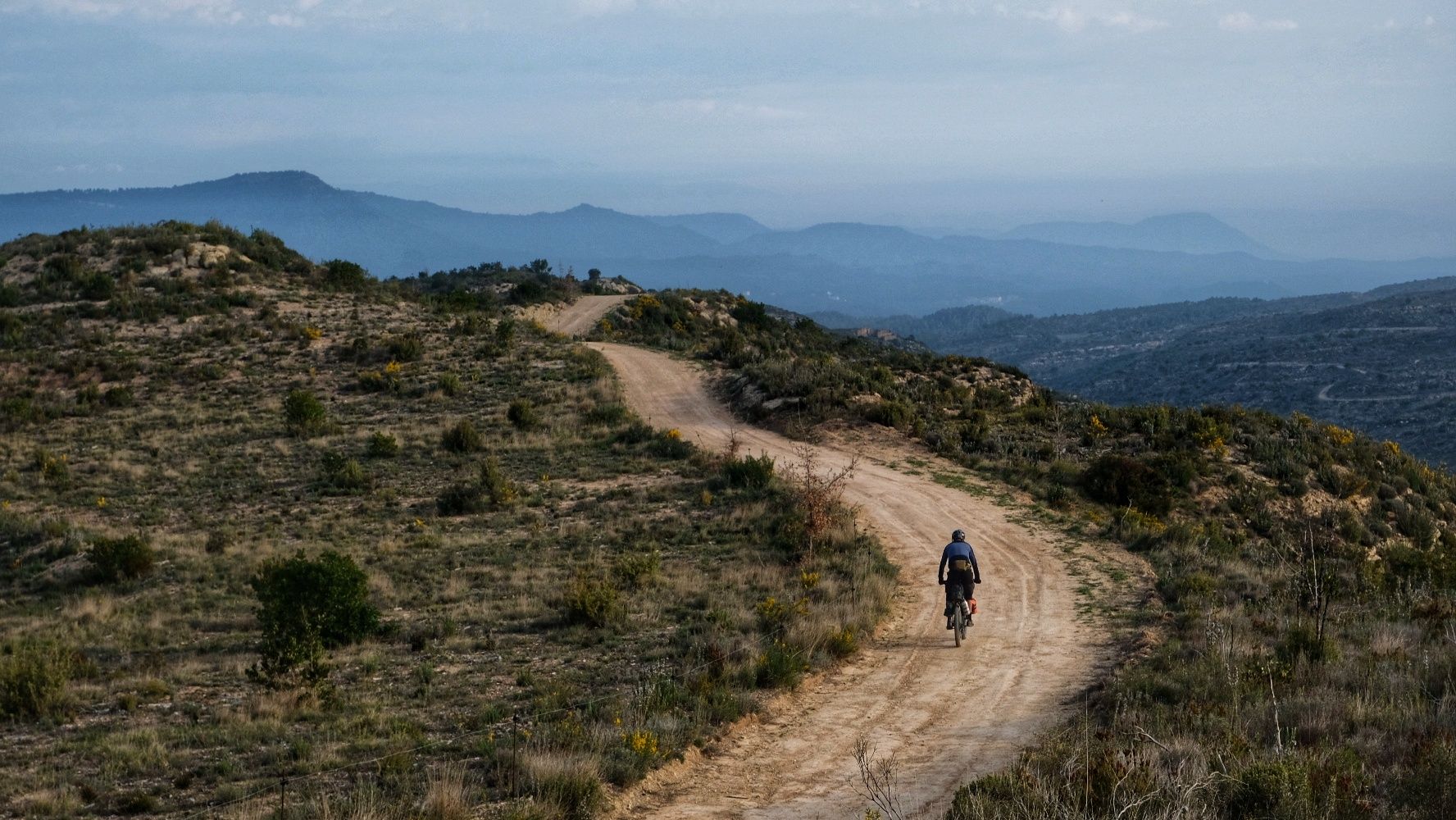
European Divide Trail — 7,600 km across the continent
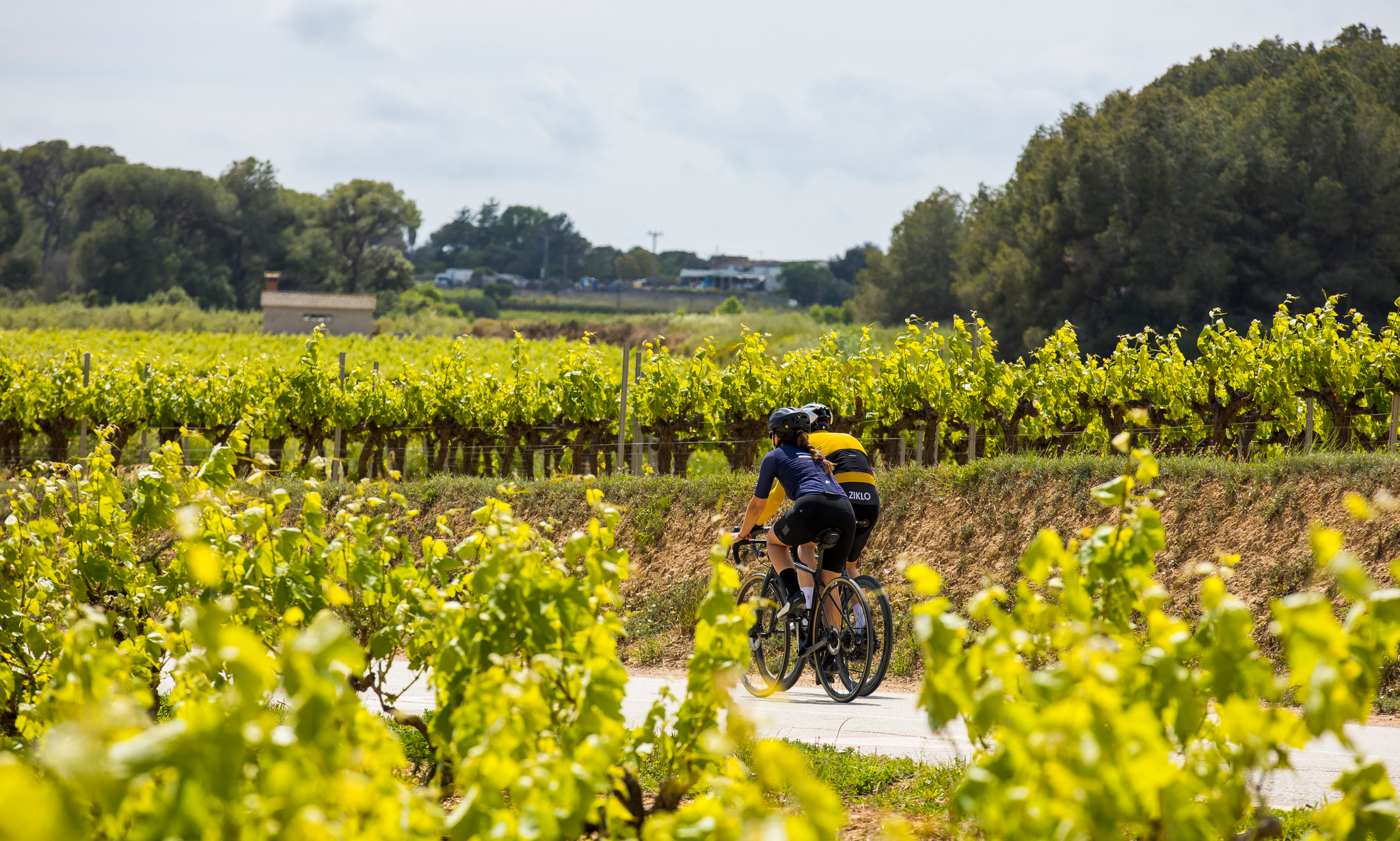
Cycling in the province of Barcelona — family routes and traverses
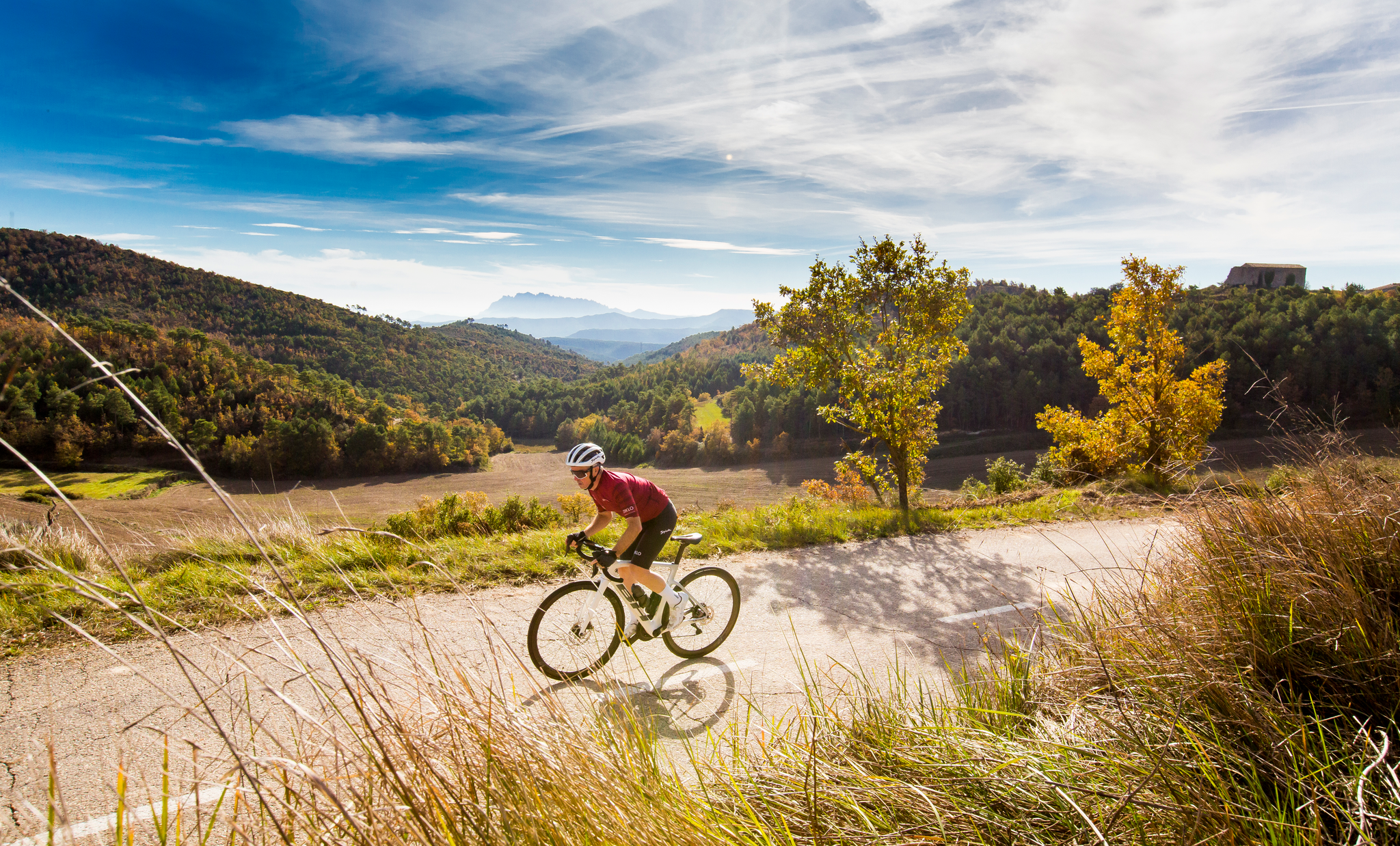
Barcelona: routes near the Tour de France 2026 Grand Départ
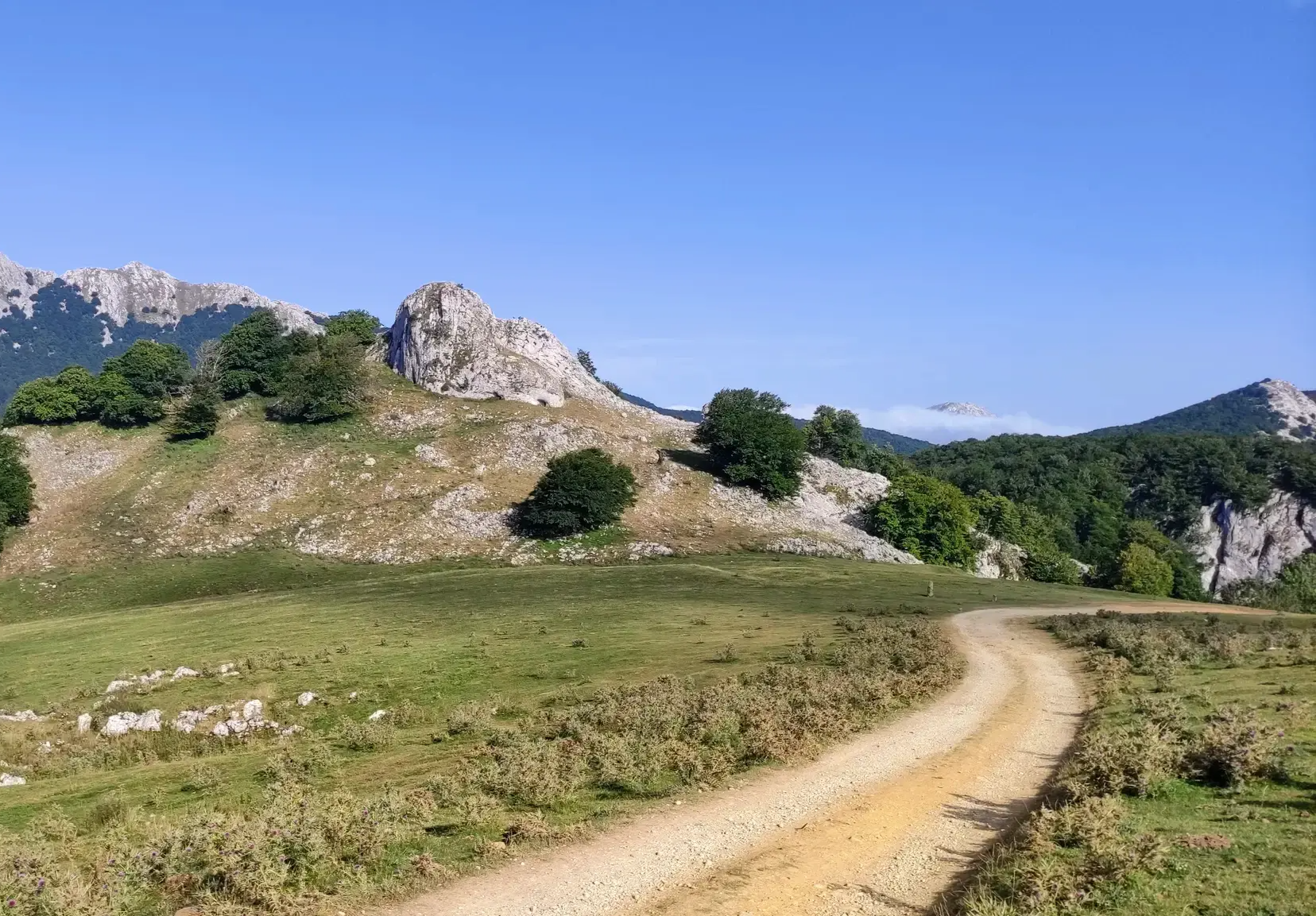
The Ignatian Way - In the footsteps of Ignatius of Loyola
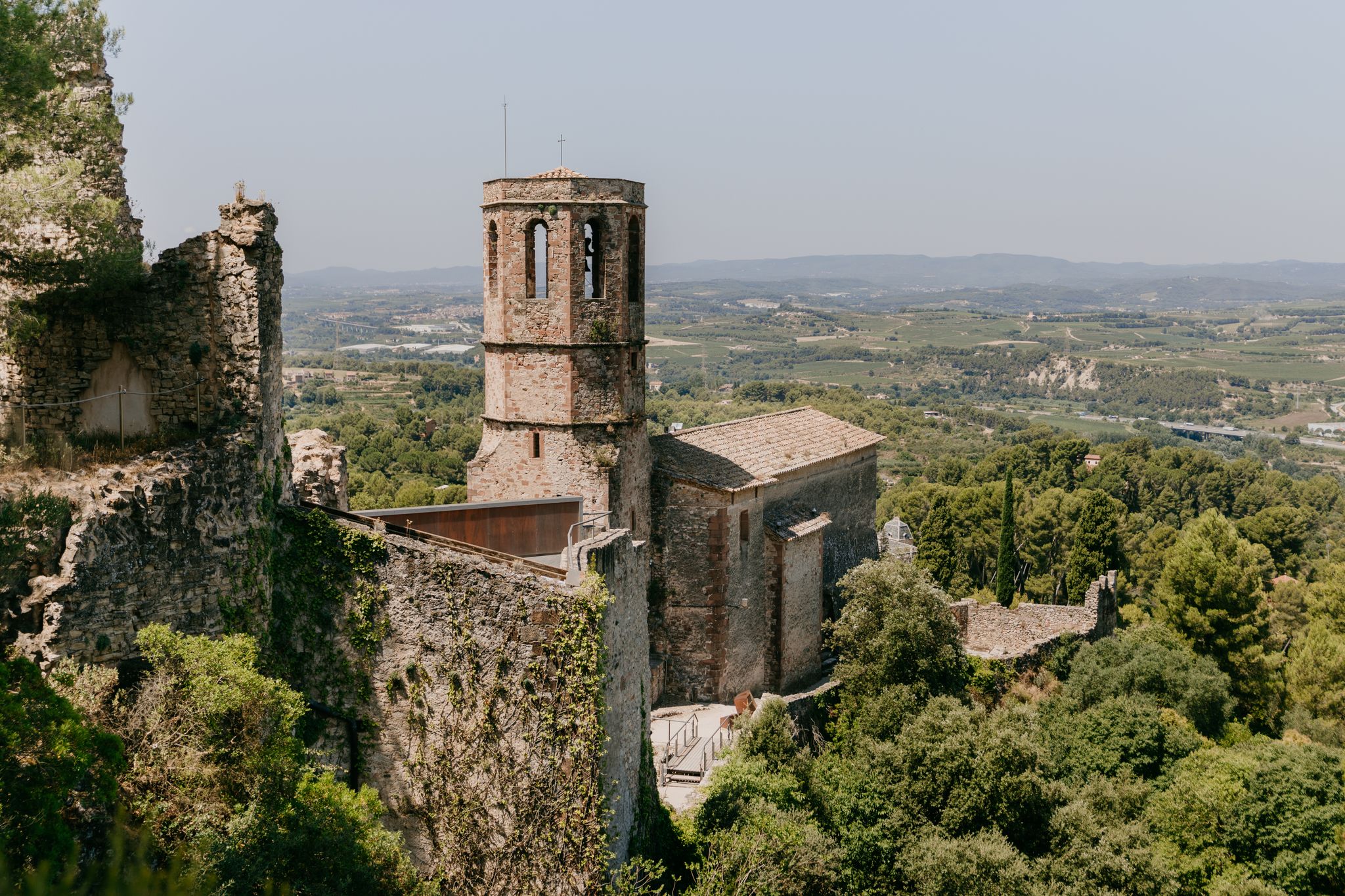
Catalonia by bike — Itineraries between culture and nature
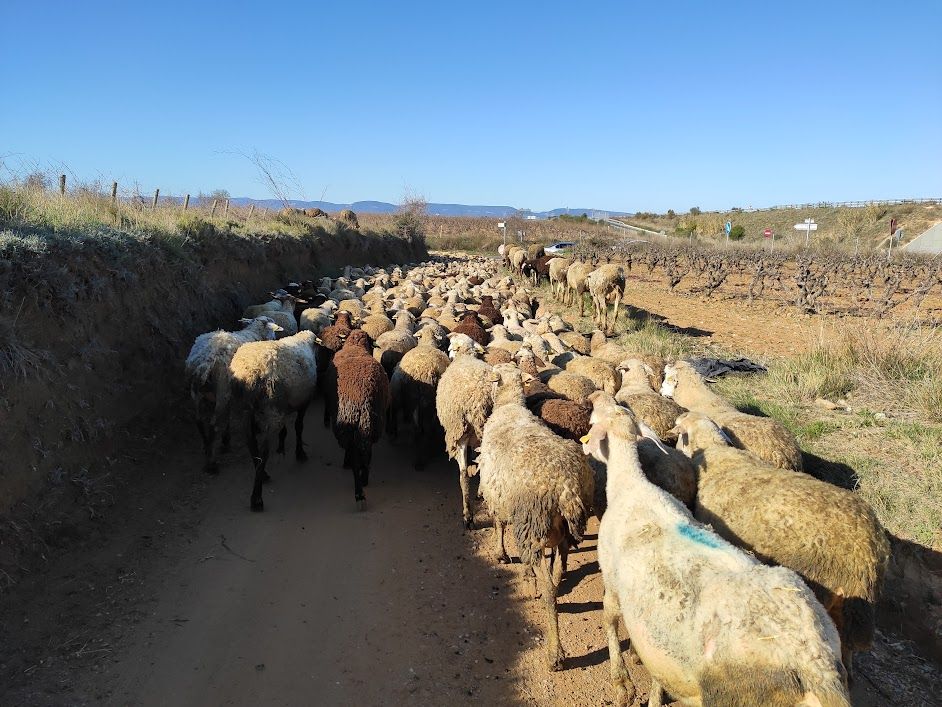
The shepherds' path – Camí Ramader de la Marina
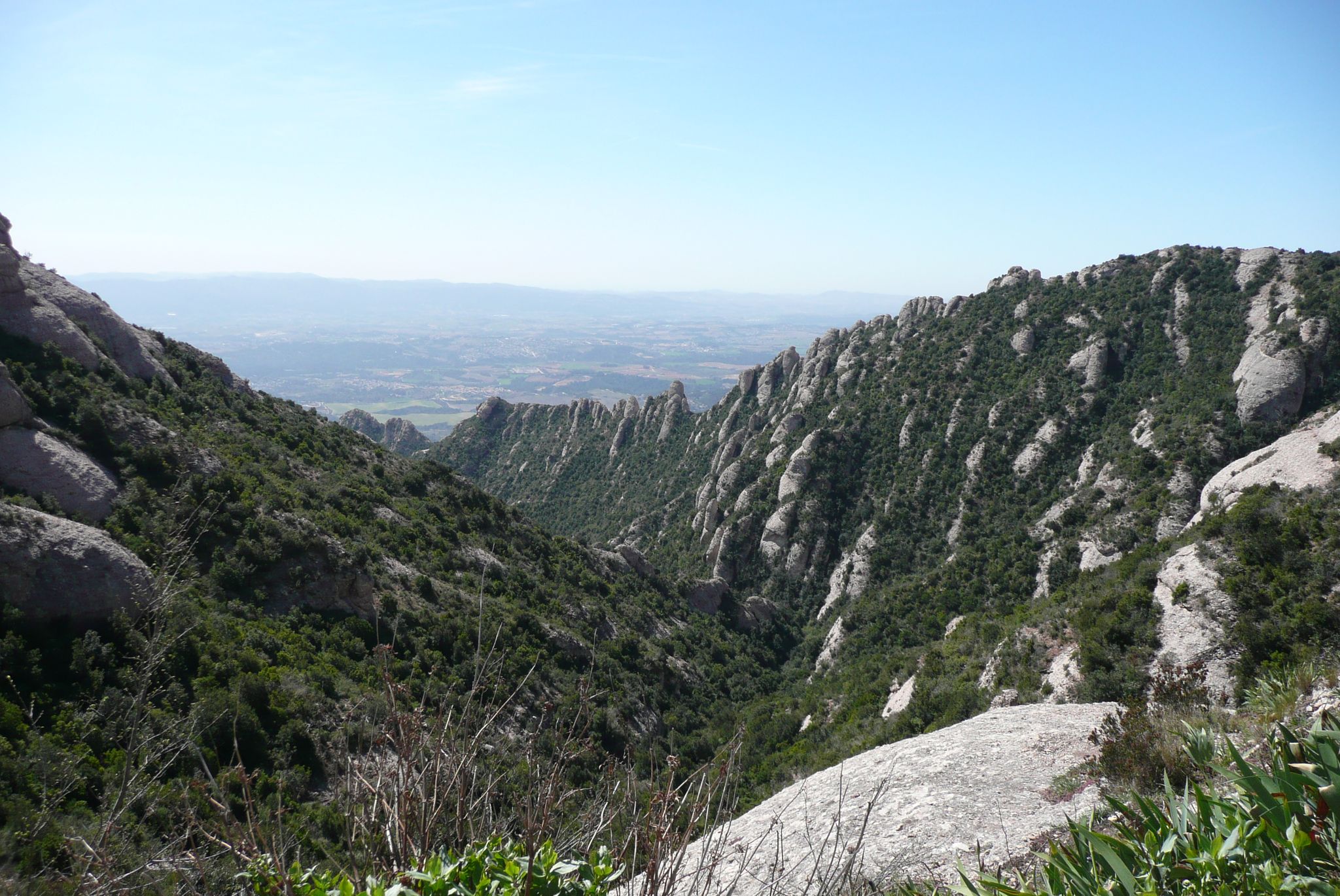
Tour the heart of Catalonia – Volta pel Bages
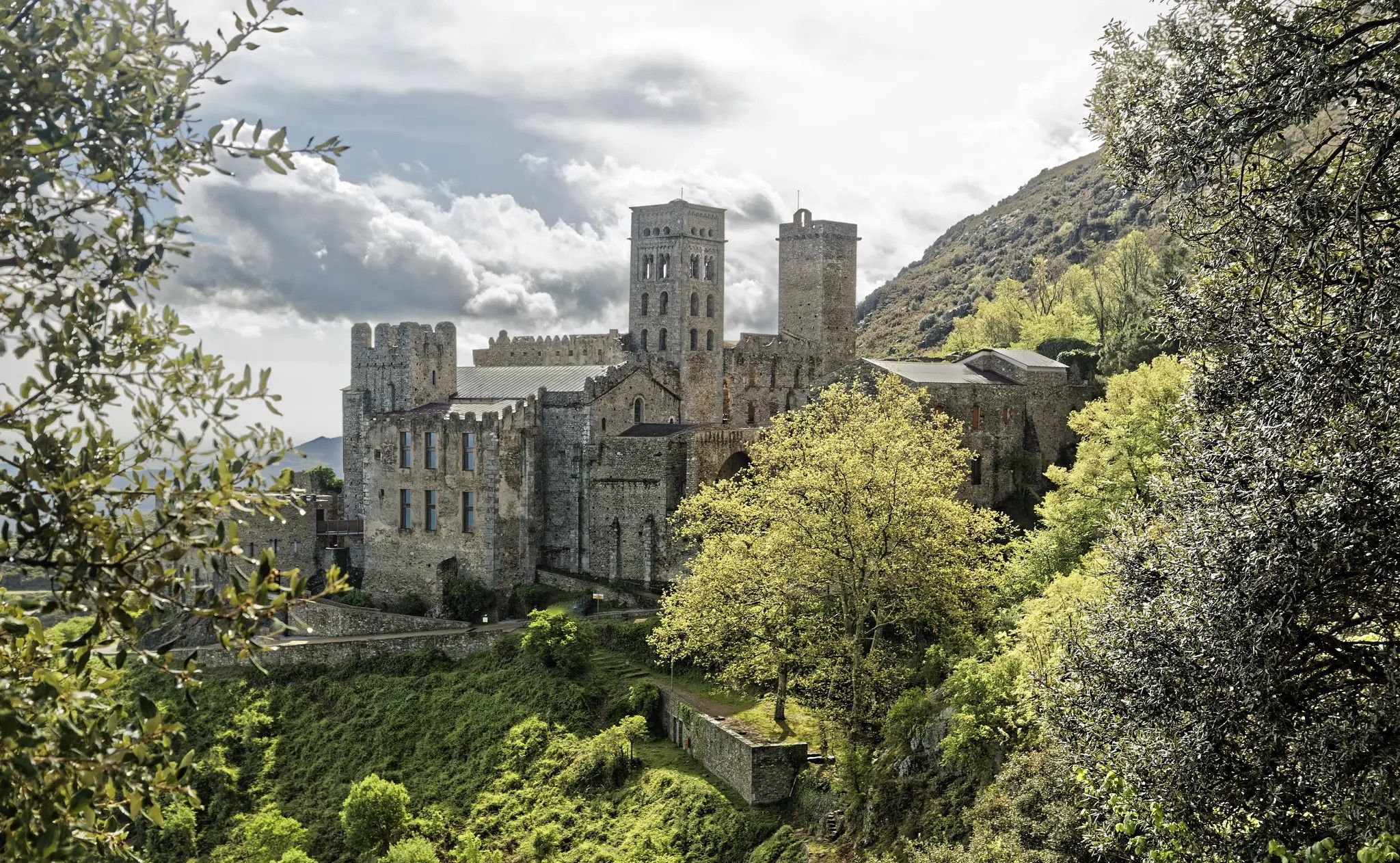
Discover ancient history – Camino de Girona
European Divide Trail across the Iberian Peninsula – north
On foot from France to Montserrat – GR 4
Other adventures around Bages


Tips from the Community

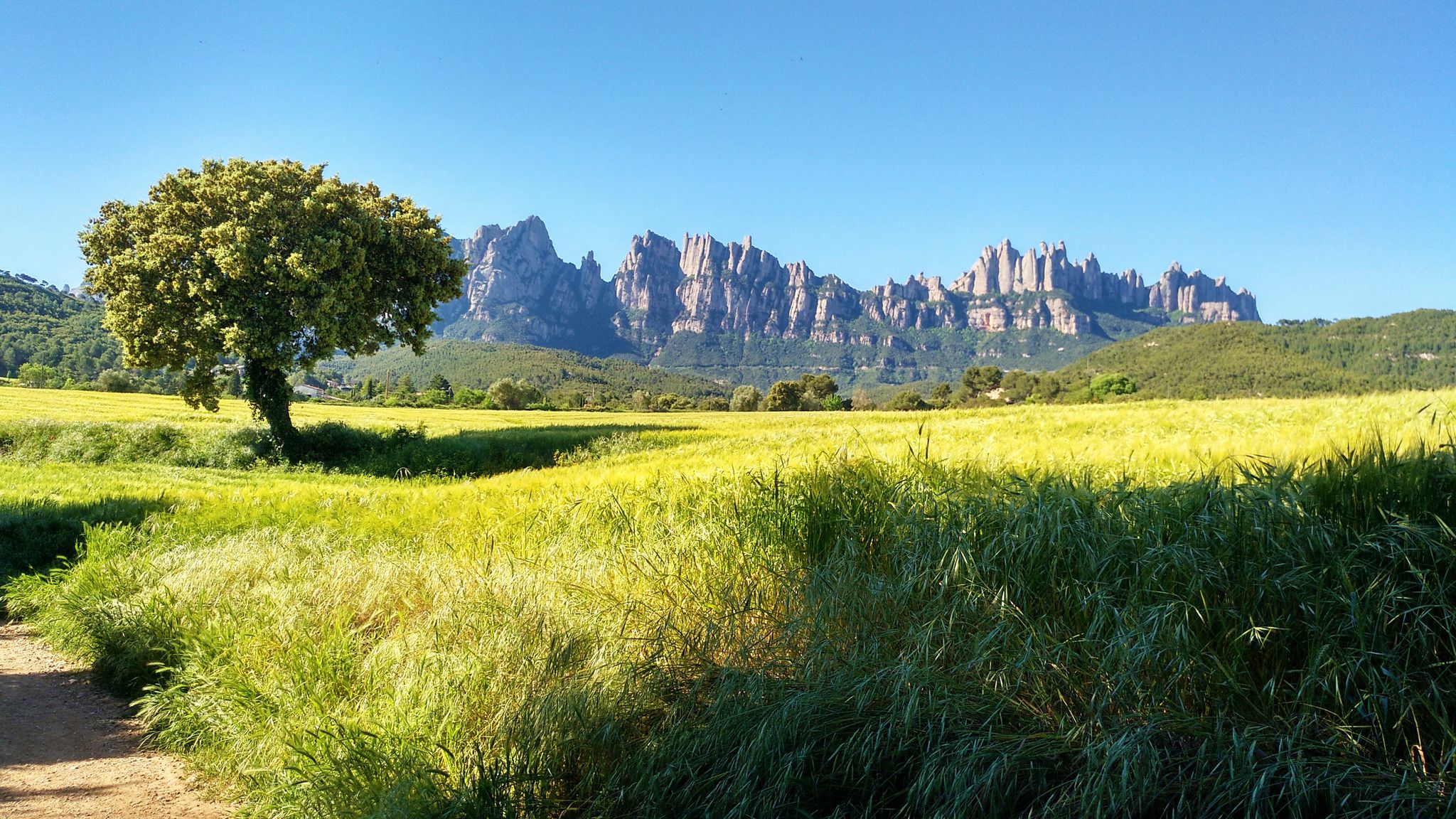
The ascent to the castle and observatory of Castelltallat is one of the cycling classics of this sparsely populated area. In this mountain range there are only a few farmhouses, which contributes to the low light pollution and makes the installation of an observatory ideal. On the ascent, the views of Montserrat are spectacular.
1
0

I grew up there, long before the observatory and the archaeological works at the Castle. When we were little, it seemed to us that the idea that there was a castle behind the church was a chimera. When it was brought to light, it seemed like magic.
0
0

A town with a great history that is worth visiting 🤩
1
0

Pleasant walk through Talamanca and its surroundings with a moderate slope. The route runs along well-marked tracks and is marked with milestones with white and green labels. With this itinerary we will discover the medieval origins of Talamanca based on its cultural and natural heritage. The route follows a section of the stream between small gorges and waterfalls that have emerged between the rocks. The itinerary discovers constructions such as the dry stone huts, the water lilies or the unique area of the balma salt of the Gobians and a part following the stream bed, scene of one of the most important battles of the war of succession. Part of the excursion goes through Sant Llorenç del Munt i l'Obac Natural Park.
0
0
The original building, built in the 11th century, was the embryo of the town and the political center of the district. It was part of the network of castles aimed at the defense of the colonists who repopulated the lands conquered by the Saracens. In the twelfth century, the Saracen threat faded but the process of feudalization caused disputes between Castilians for control of the castle, with several sagas taking place: the Cardona, the Talamanca, the Castellbell. In 1717, Bourbon troops demolished the castle, a fate shared by many of the castles of Old Catalonia. In the 18th century, the Castellbells built the manor house with a tower.
0
0

On January 22, 1939, Franco's troops occupied the summit of Cal Xamal, where General García Valiño installed the major plain, and deployed to the upper part of Pla de Fals. Some rudimentary coats that the soldiers made to spend the night can still be found. On the morning of the 23rd, the soldiers began to advance through the Plan, surrounding the group of houses in the Raval d'Oliveres. A republican machine gun, installed at the top of La Torra (see photo above), fired, while another fired from the corner of the boulder. Artillery responded and destroyed part of the construction. The machine gunners withdrew in the direction of Manresa. On the other side of Pla de Fals, on an elevated point in Les Costetes, another machine gun was placed there, which killed a non-commissioned officer of the nationals. In retaliation, the machine gun soldiers were shot. The next day, the owner of Grauet found the bodies of seven soldiers, and a patrol hung them all together. Because the grave was shallow, animals and rains soon uncovered some of the remains, and even today scattered bones of the soldiers are found. Since then, the place has been known as the "Plan of the Dead".
1
0
The Sagimona Tower, also known as "La Torra", is a square-plan farmhouse, covered on four sides and with ridges parallel to the facades. Although it is probably a work of the 17th century, much reformed in the 18th century, it was built next to an old medieval tower of the 11th century. This tower was probably a keep of the neighboring castle of Fals, built to control access through the corner of Pla de Fals and to protect the path from Fals to Rajadell. The tower is cylindrical, with an external diameter of 5.85m and a height of 14.25 metres. Surely, the people of Torreda should acquire rights over the land that surrounded it until it became a prosperous farm, which made the construction of the farmhouse possible. A set of 10 tubs are located on the west side of the building.
1
0

This section, which runs between Molins and Rajadell, parallel to the train track, is well known and frequented by local cyclists.
0
0
Frequently Asked Questions
Which castles in Bages offer the best historical insights?
For a deep dive into history, Cardona Castle is highly recommended. It's considered one of the most important medieval fortresses in Catalonia, with origins dating back 2,500 years. Guided tours are available to explore its interior and the adjacent Collegiate Church of Sant Vicenç. Another significant site is Talamanca Castle, a Romanesque castle from the 10th century, known for its role in the Battle of Talamanca in 1714.
Are there castles in Bages that offer panoramic views?
Yes, several castles provide excellent viewpoints. Castellnou Castle Tower, a cylindrical watchtower, offers high views over the Llobregat valley. Balsareny Castle, perched on a small hill, also provides good views of the surrounding valley. Additionally, Castelltallat Castle (astronomical observatory), located at 911 meters above sea level, offers magnificent views of the Pla de Bages and Montserrat.
What are some family-friendly castle options in the Bages region?
Several castles in Bages are suitable for families. Castelltallat Castle (astronomical observatory) offers activities designed for all types of audiences, combining history with sky observation. Talamanca Castle is also categorized as family-friendly. For a more amenity-rich experience, Fortaleza Medieval La Manyosa in Granera offers free WiFi, a garden, and a pool table, while Rural Castle in Bellprat provides an outdoor pool and barbecue grills.
Can I find hiking trails near the castles in Bages?
Absolutely! The Bages region is excellent for combining castle visits with outdoor activities. You can find various hiking trails nearby. For example, there are numerous routes around the region, including easy, moderate, and difficult options. Explore more hiking opportunities in the area by checking out the Hiking around Bages guide, the Mountain Hikes around Bages guide, or the Easy hikes around Bages guide.
What is the best time of year to visit the castles in Bages?
The Bages region generally enjoys a Mediterranean climate. Spring (April to June) and autumn (September to October) are often ideal for visiting, as the weather is pleasant for exploring castles and engaging in outdoor activities like hiking. Summers can be hot, while winters are milder but some facilities might have reduced hours.
Are there any unique castles that combine history with other attractions?
Yes, Castelltallat Castle (astronomical observatory) is a unique destination. It features the ruins of a 7th-century castle alongside a modern astronomical observatory inaugurated in 2004. Its high elevation and isolation make it a privileged place for sky observation, offering a blend of historical exploration and stargazing.
What kind of architectural styles can I expect to see among the Bages castles?
The castles around Bages showcase a rich variety of architectural styles, reflecting centuries of history. You'll find Romanesque castles, such as the 10th-century Talamanca Castle, and Gothic buildings like the originally Gothic Castellbell Castle. Many are medieval fortresses, with some structures, like Cardona Castle, having origins dating back even further.
Are there any lesser-known or 'hidden gem' castles worth exploring in Bages?
While Cardona Castle is widely recognized, other sites offer fascinating glimpses into the region's past. The Torres de Fals, for instance, consists of the remains of an old castle with two towers and a church separated by a ravine, offering a unique historical landscape. Rajadell Castle also provides an interesting historical site to explore.
What amenities can I find near the castles in Bages?
The Bages region offers various amenities for visitors. While specific amenities vary by castle, you can generally find cafes, pubs, and accommodation options in nearby towns and villages. Some castles, particularly those with modern integrations or private ownership, might offer specific facilities like gardens, pools, or even free WiFi, as seen with Fortaleza Medieval La Manyosa or Rural Castle in Bellprat.
How long should I allocate for visiting a castle in Bages?
The time needed to visit a castle can vary. For major sites like Cardona Castle, especially if taking a guided tour and exploring the adjacent church, you might want to allocate 2-3 hours. Smaller castle ruins or towers, such as Castellnou Castle Tower or Torres de Fals, might only require 30 minutes to an hour to explore, depending on your interest in photography or the surrounding area.
Are there any castles in Bages that are particularly well-preserved?
Cardona Castle is renowned for its preservation and extensive historical elements, making it a prime example of a well-maintained medieval fortress. While other castles like Castellbell Castle have undergone various destructions and restorations, what remains often provides a clear picture of their historical significance and architectural features.
Most popular routes around Bages
Most popular attractions around Bages

Get inspired with the komoot mobile app


Didn’t find what you were looking for?
Explore Bages’s best castles region by region:
Explore more
Looking for the best castles somewhere else? Discover other guides around Bages:
