Top 5 Castles around Barco Avila-Piedrahita
Best castles around Barco Avila-Piedrahita include historical structures that showcase the region's architectural heritage. The area, situated in Ávila province, features medieval castles and fortified settlements. El Barco de Ávila, a designated Historic-Artistic Site, is notable for its strategic position in the Tormes river valley. These sites offer insights into the historical significance of the Barco Avila-Piedrahita region.
Best castles around Barco Avila-Piedrahita
- The most popular castles is Valdecorneja Castle, a castle that dominates the Tormes River valley from…
Last updated: October 27, 2026
El Barco de Ávila
Highlight • Settlement
Translated by Google •
Tip by

Valdecorneja Castle
Highlight • Castle
Translated by Google •
Tip by
Sign up now to discover places like this
Get recommendations on the best single tracks, peaks, & plenty of other exciting outdoor places.
Castle of El Barco de Ávila
Highlight • Castle
Translated by Google •
Tip by
Castle of Bonilla de la Sierra
Highlight • Castle
Translated by Google •
Tip by

El Mirón Castle
Highlight • Castle
Translated by Google •
Tip by

Start today with a free account
Your next adventure awaits.
Popular around Barco Avila-Piedrahita
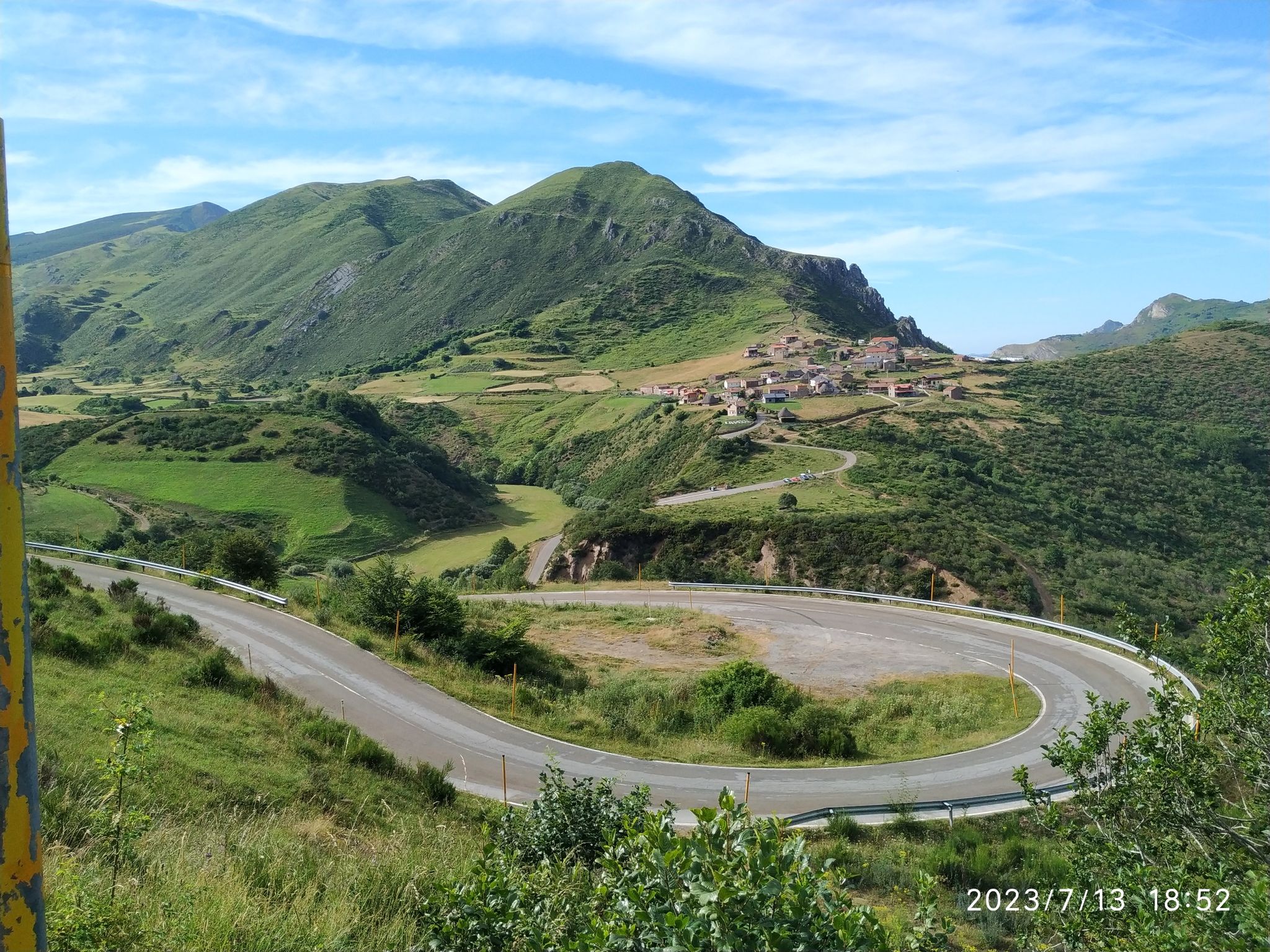
Height Challenges — Ports in Castilla y León
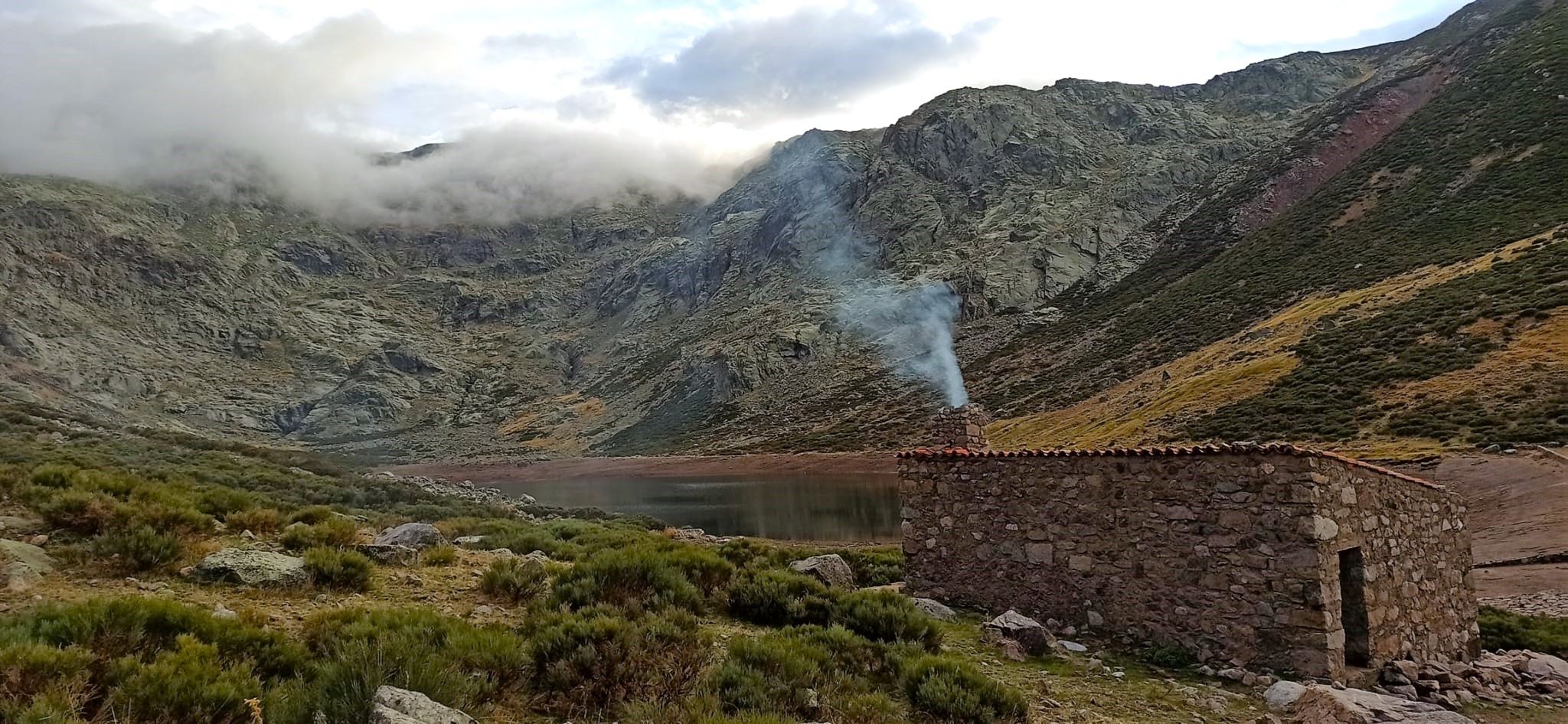
Between lagoons and goat paths – hike in Spain’s Gredos Mountains
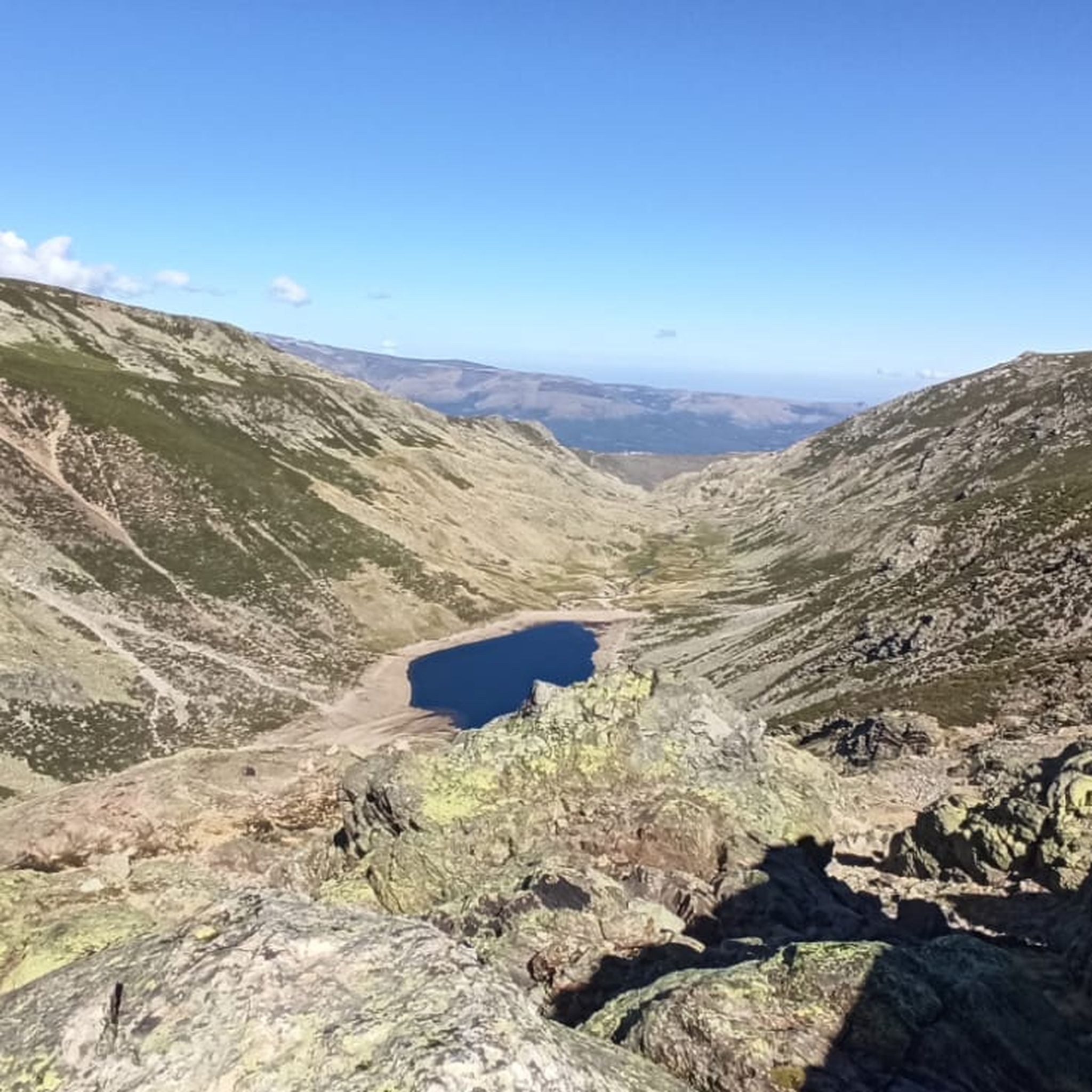
Hiking around Barco Avila-Piedrahita
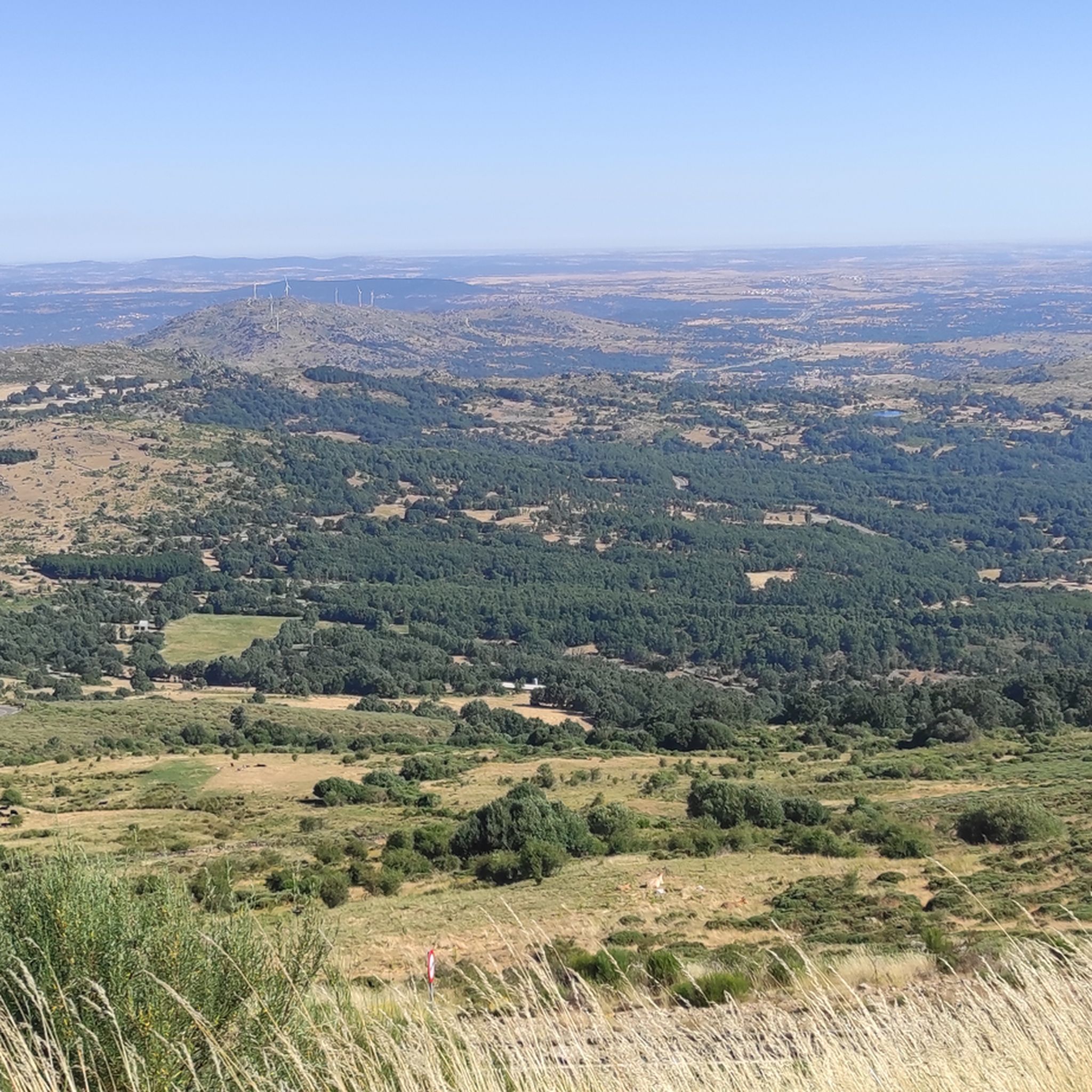
Road Cycling Routes around Barco Avila-Piedrahita
MTB Trails around Barco Avila-Piedrahita
Running Trails around Barco Avila-Piedrahita
Cycling around Barco Avila-Piedrahita

Mountain Hikes around Barco Avila-Piedrahita

Gravel biking around Barco Avila-Piedrahita


Tips from the Community

Valdecorneja Castle, located in El Barco de Ávila, is a medieval gem that dominates the Tormes River valley from a strategic, elevated position. It is one of the most emblematic monuments in the province of Ávila and a must-see for history and architecture lovers.
2
0
Visiting El Barco de Ávila is an excellent option for a cultural and natural getaway at any time of year. This medieval town, located in the Alto Tormes region and at the gateway to the Sierra de Gredos, combines history, architecture, landscapes, and gastronomy in a charming way.
2
0

Built on a Vettonian fort that was destroyed by the Romans, it was built in the 12th century and rebuilt in the 14th century. After being conquered from the Arabs, King Alfonso VI donated the Lordship of Valdecorneja to his daughter and son-in-law, Ramon de Borgoña, for repopulation. At the beginning of the 14th century, Henry II of Trastamara donated these lands to the House of Alba in the person of Don García Álvarez de Toledo. The House of Alba was responsible for building the castle. Grand Duke Don Fernando Álvarez de Toledo had his second residence here. During the Peninsular War, it suffered significant deterioration, not only due to the war itself but also because its stones were used to build private homes. The old interior arcade (which apparently formed a double gallery on the inside of the tower) was dismantled and rebuilt to provide arcades for the town hall building, located in the Plaza Mayor. Between 1851 and 1904, the interior of the castle grounds was used as a municipal cemetery, which further deteriorated its condition. Today, the exterior is in perfect condition after restorations carried out in 1985 and 2004, preserving its original perimeter. The pavement and part of the keep were repaired. Access to the monument is free, and visitors can see the well located in the center of the courtyard, a vaulted cistern excavated in the subsoil rock, and the ancient windows and oriel windows with double pointed arches. The courtyard is used for certain cultural events held in this town.
1
0

Beautiful castle that is located at the top of the town of El Barco de Ávila and that shows us the history that the town had in ancient times. Even running its walls are beautiful!
0
1
Right at the top of the town of El Mirón there is a hill with an old tower/castle from past times that offers impressive views of the town and the area as a whole.
1
0
Views from the Castle of El Mirón from where you can see a great view of the landscape of the area. The old castle can be visited without any problem, but with a road bike it is complicated, you can go with it on your back. Nice castle!
0
0
Beautiful castle that is located at the top of the town of El Barco de Ávila and that shows us the history that the town had in ancient times. On arrival at the town you can see the towers and walls.
0
0

El Barco de Ávila is an outstanding town in the Tormes Valley, the town center has been declared a Historic-Artistic Site, it has a superb castle built in the 12th century on the remains of a primitive Veton fort and rebuilt in the 14th century. It preserves part of the medieval walls and has a Romanesque-style bridge over the River Tormes built in the Middle Ages. In the streets there are stately homes, arcaded squares, cobbled floors, fountains and a rich ethnographic, artistic and monumental heritage. The cycling trip leaves from the Plaza de España, which is always lively with the atmosphere of the terraces and shops, there is also the tourist office in the popular Casa del Reloj. The route passes by the side of the church and goes down to the medieval bridge, the best way to leave the town of Tormes. On the western shore is the hermitage of Christ and on the right the first steep slope of the route appears, but it does not last long, the path crosses the main road and continues straight ahead along a livestock alley that is only used by cyclists and hikers. The surface is slow and entertaining, there is a lot of grass and flooded sections may appear depending on the season.
1
0
Frequently Asked Questions
What historical castles can I explore in the Barco Avila-Piedrahita region?
The region offers several historically significant sites. You can visit Valdecorneja Castle in El Barco de Ávila, a medieval fortress with roots in the 12th century. Another notable site is the Castle of Bonilla de la Sierra, located in one of Spain's most beautiful towns. Additionally, the Palacio de los Duques de Alba in Piedrahíta, though primarily a palace, was built on the ruins of a medieval castle and offers a glimpse into the area's rich past.
Are there any family-friendly castles to visit in Barco Avila-Piedrahita?
Yes, Valdecorneja Castle in El Barco de Ávila is considered family-friendly. Its exterior and parts of the interior are accessible, and its courtyard often hosts cultural activities during the summer, which can be enjoyable for all ages.
Which castles offer the best views of the Barco Avila-Piedrahita landscape?
For impressive panoramic views, visit El Mirón Castle, which sits atop a hill offering expansive vistas of the town and surrounding area. Valdecorneja Castle also provides strategic views of the Tormes river valley from its elevated position.
What is the best time of year to visit the castles in Barco Avila-Piedrahita?
The summer months are particularly vibrant, as the courtyard of Valdecorneja Castle hosts cultural activities like cinema, concerts, and theatrical performances. However, spring and autumn offer pleasant weather for exploring the exteriors and gardens, avoiding the peak summer heat.
Can I find hiking trails near the castles in Barco Avila-Piedrahita?
Yes, the region offers several hiking opportunities. For example, you can find routes like the 'Castle of El Barco de Ávila – Valdecorneja Castle loop from El Barco de Ávila' which is an easy hike. You can explore more options in the Easy hikes around Barco Avila-Piedrahita guide.
Are there cycling routes that pass by the castles?
Absolutely. Cycling is a popular way to explore the area. Routes such as 'Castillo de Valdecorneja, puente del Tormes y Puerto de Umbrías — circular desde El Barco de Ávila' allow you to cycle past Valdecorneja Castle. Discover more cycling adventures in the Cycling around Barco Avila-Piedrahita guide.
What makes El Barco de Ávila a significant historical site beyond its castle?
El Barco de Ávila is a designated Historic-Artistic Site. Beyond Valdecorneja Castle, the town features a medieval bridge over the Tormes River, ancient walls, and a historic church, all contributing to its rich ethnographic, artistic, and monumental heritage.
What is the history of the Palacio de los Duques de Alba in Piedrahíta?
The Palacio de los Duques de Alba was built between 1755 and 1766 as a grand summer residence for the 12th Duke of Alba, Fernando de Silva. It stands on the ruins of a medieval castle and was influenced by French palace designs. The palace is known for its neoclassical architecture and its connection to famous visitors like painter Francisco Goya.
Can I visit the gardens of the Palacio de los Duques de Alba?
Yes, while the interior of the Palacio de los Duques de Alba is generally not open to the public, its splendid French-style gardens are permanently open. They offer a serene experience and allow visitors to appreciate the palace's grand scale and historical ambiance.
What do visitors enjoy most about the castles in Barco Avila-Piedrahita?
Visitors frequently appreciate the historical significance and architectural beauty of the castles. Many enjoy the strategic viewpoints offered by sites like Valdecorneja Castle and El Mirón Castle. The cultural activities held at Valdecorneja Castle during summer are also a highlight for many.
Are there any hidden gems or lesser-known castles worth visiting?
While not a 'hidden gem' in the traditional sense, the Castle of Bonilla de la Sierra is located in a town often listed among Spain's most beautiful, offering a charming historical setting beyond just the castle itself. Exploring its cobbled streets provides a unique experience.
Most popular routes around Barco Avila-Piedrahita
Most popular attractions around Barco Avila-Piedrahita

Get inspired with the komoot mobile app


Didn’t find what you were looking for?
Explore Barco Avila-Piedrahita’s best castles region by region:
Explore more
Looking for the best castles somewhere else? Discover other guides around Barco Avila-Piedrahita:
