Top 5 Caves around Mancha Alta
Best caves around Mancha Alta offer a diverse range of subterranean experiences, from natural formations to historical rock-cut sites. The region features a landscape where human activity has interacted with natural rock, creating unique shelters and archaeological sites. These locations provide insight into past civilizations and natural geological processes. Visitors can explore a variety of cave types, showcasing both natural beauty and cultural heritage.
Best caves around Mancha Alta
- The most popular caves is Bache Cave, a cave that…
Last updated: June 26, 2026
Tarancón
Highlight • Settlement
Translated by Google •
Tip by

Bache Cave
Highlight • Cave
Translated by Google •
Tip by

Sign up now to discover places like this
Get recommendations on the best single tracks, peaks, & plenty of other exciting outdoor places.
Sign up for free
Rock-Cut Necropolis with Carved Symbol
Highlight • Historical Site
Translated by Google •
Tip by
Rock-cut Necropolis of Buenafuente del Sistal
Highlight • Historical Site
Translated by Google •
Tip by
Rock Shelter
Highlight • Cave
Translated by Google •
Tip by
Jualón Shelter Cave
Highlight • Cave
Translated by Google •
Tip by
La Cueva del Monte
Highlight • Cave
Translated by Google •
Tip by
Start today with a free account
Your next adventure awaits.
Login or Signup
Popular around Mancha Alta
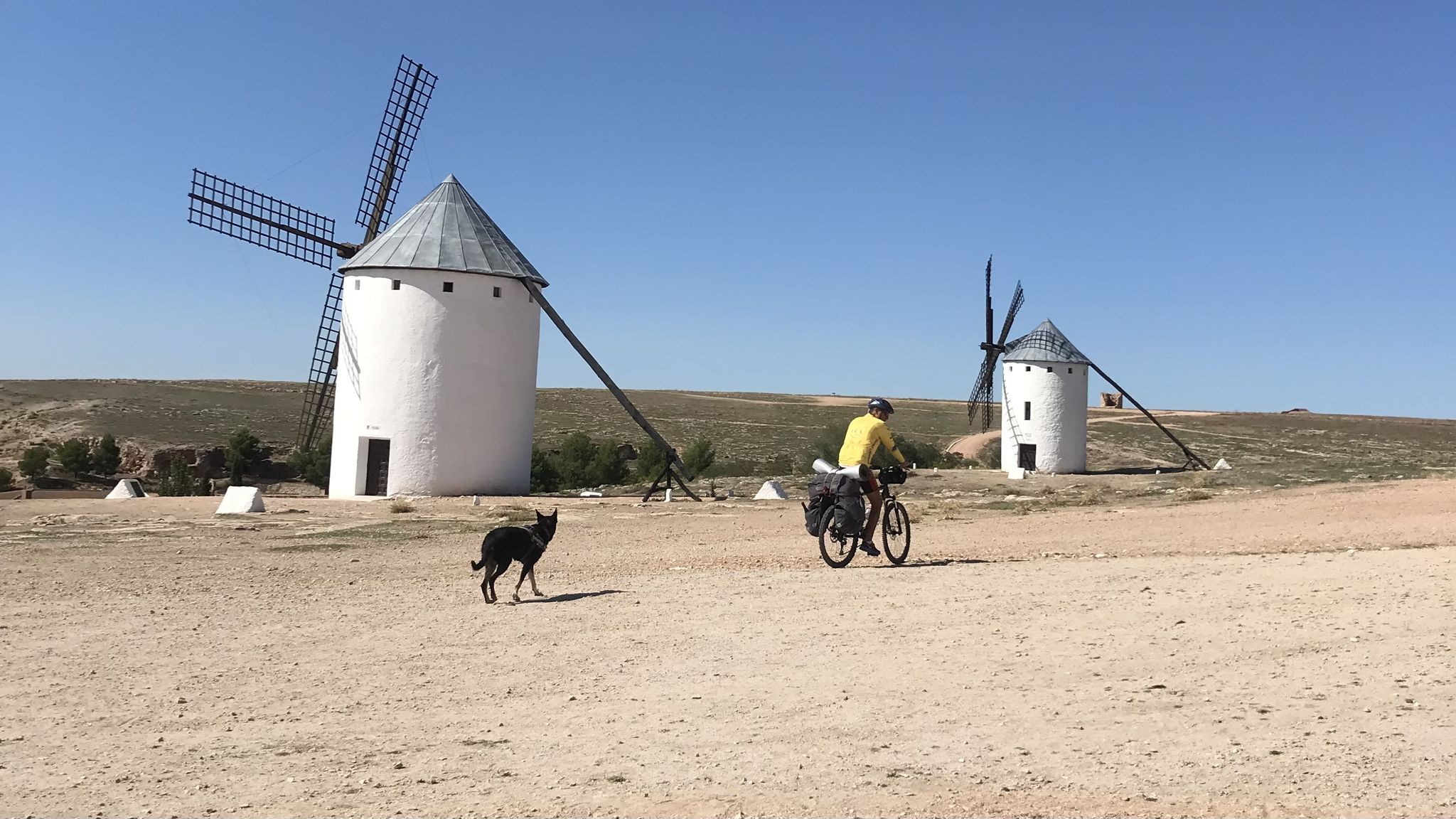
Don Quixote's route – The knight of the sorry face
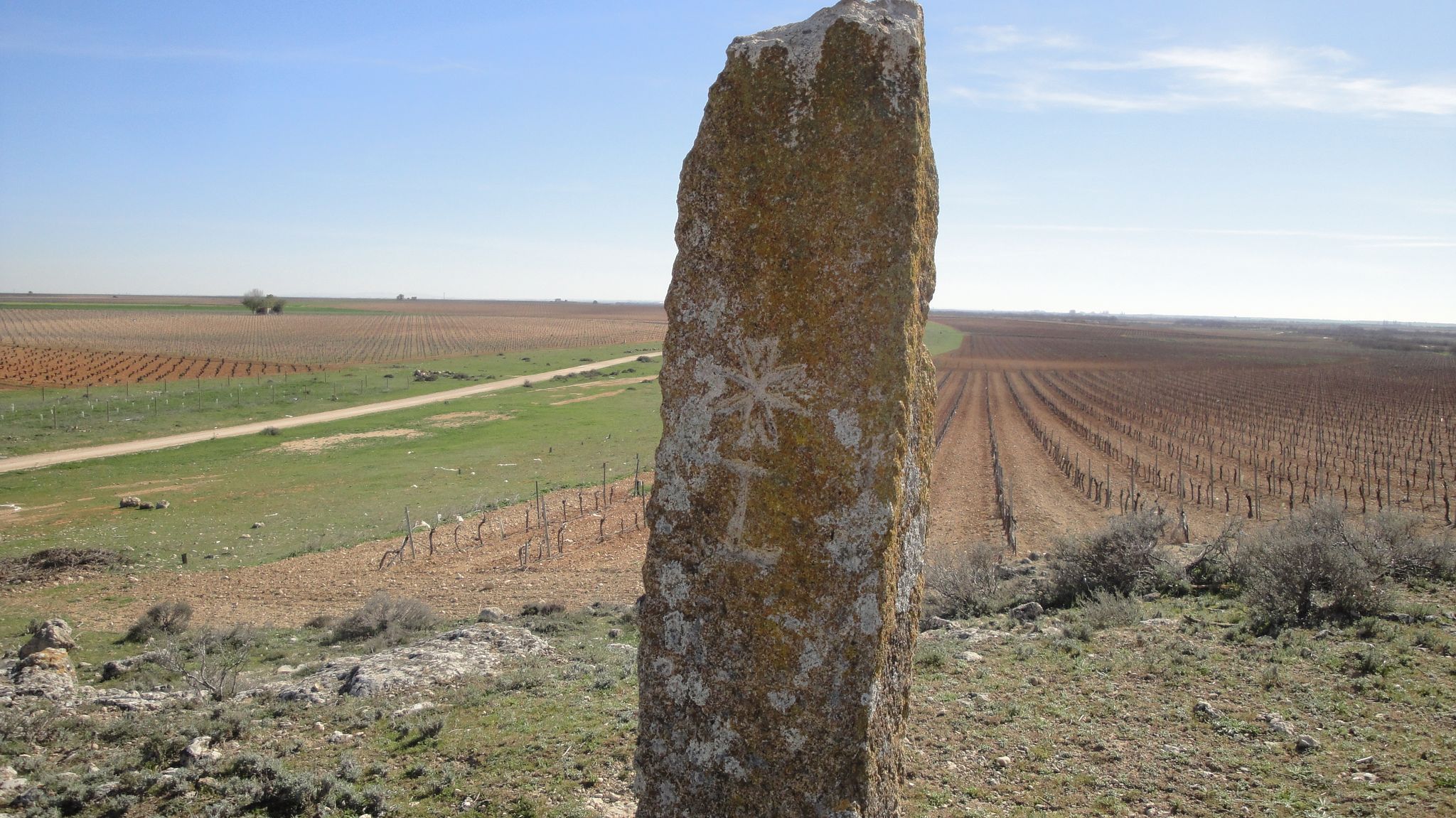
The Reconquest of La Mancha on Foot - Camino Natural del río Riánsares
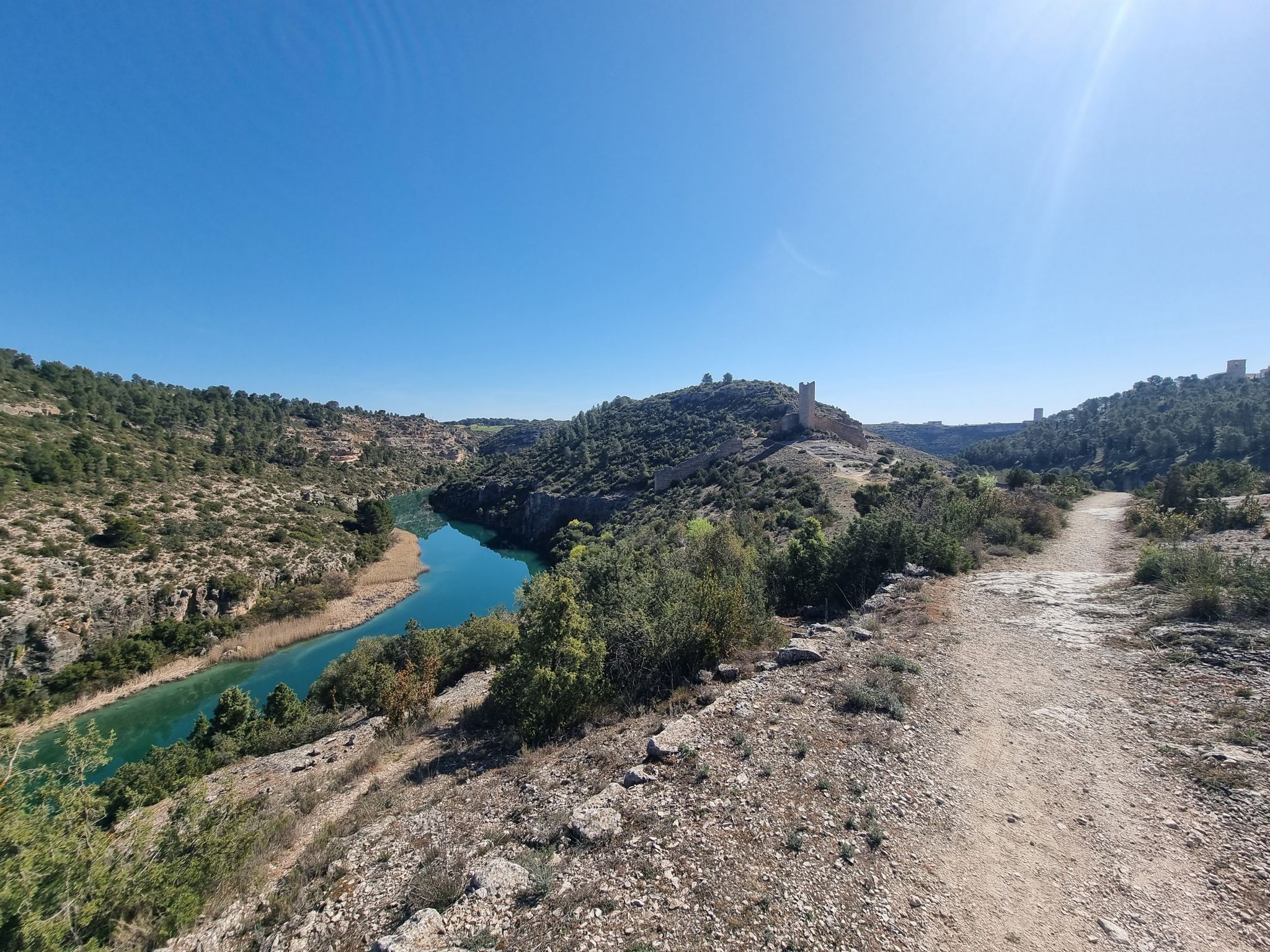
A gravel bike adventure between Madrid and Valencia
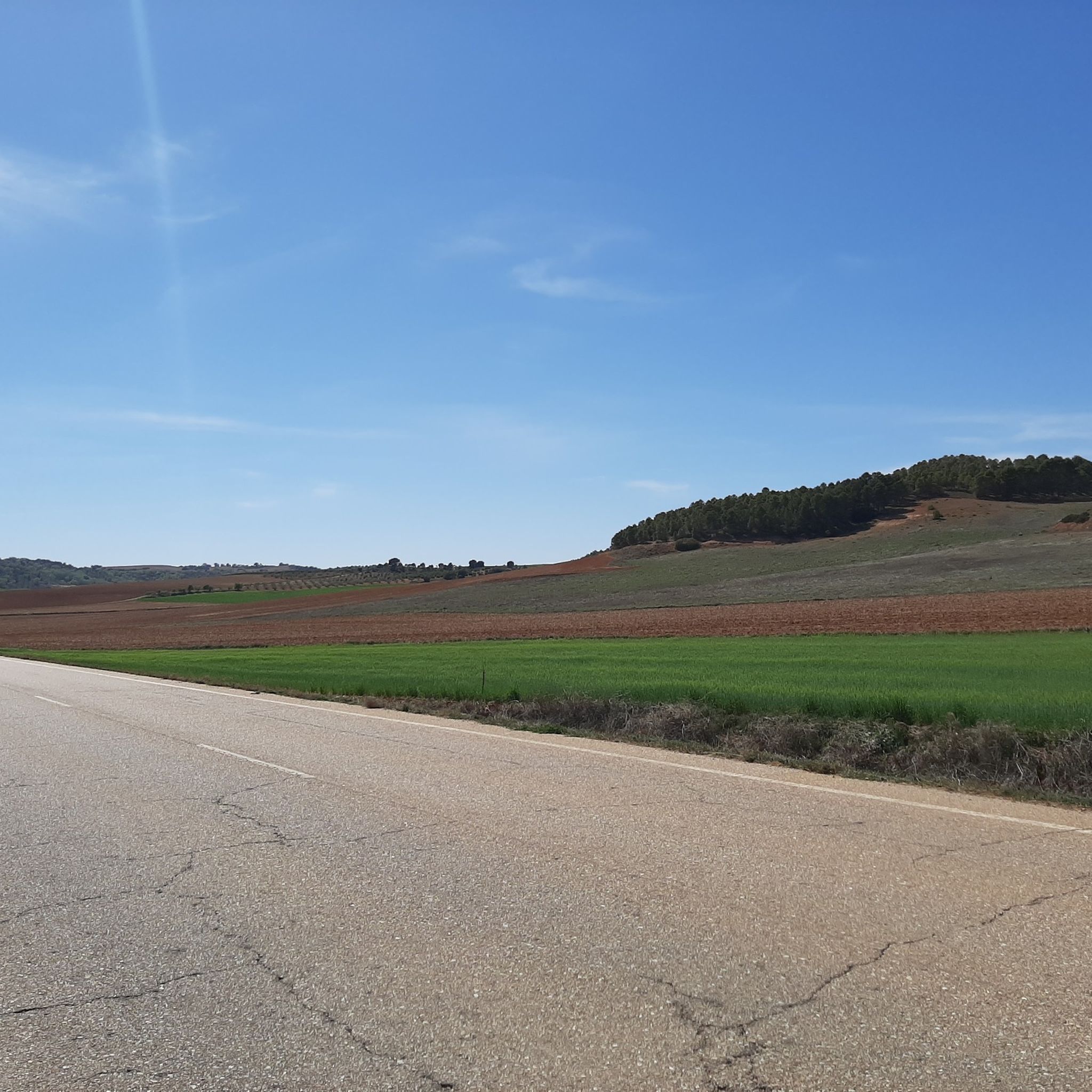
Road Cycling Routes around Mancha Alta
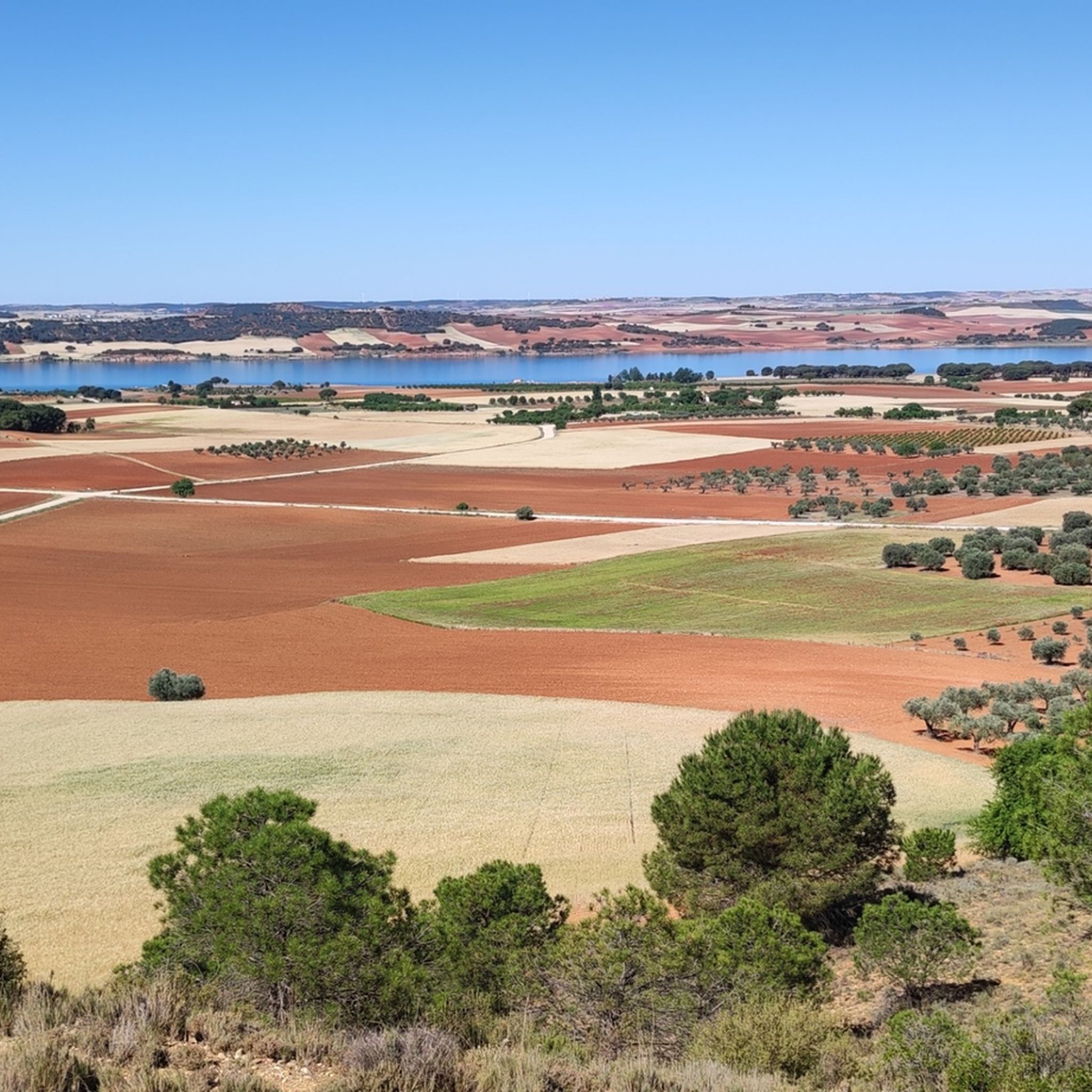
Hiking around Mancha Alta
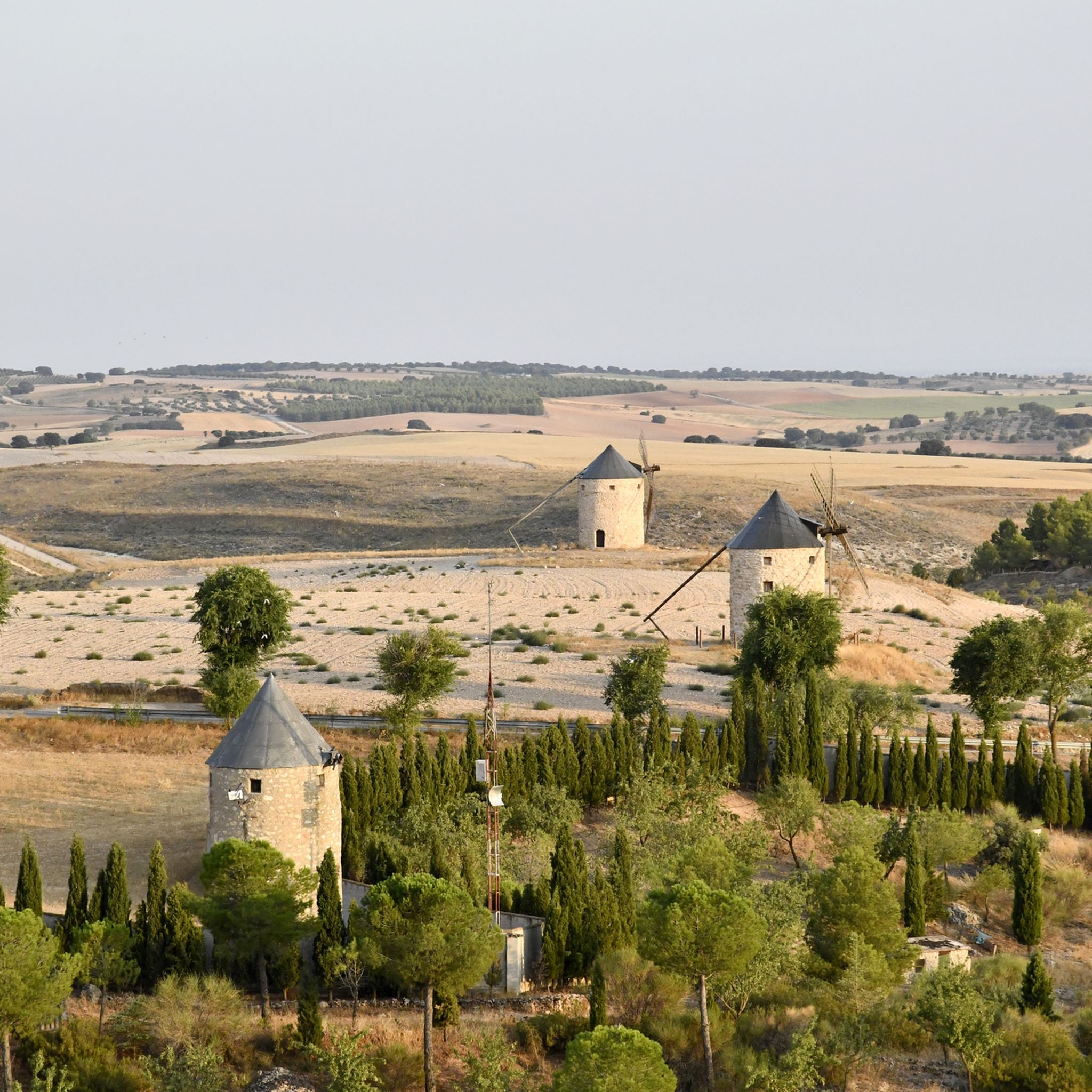
MTB Trails around Mancha Alta
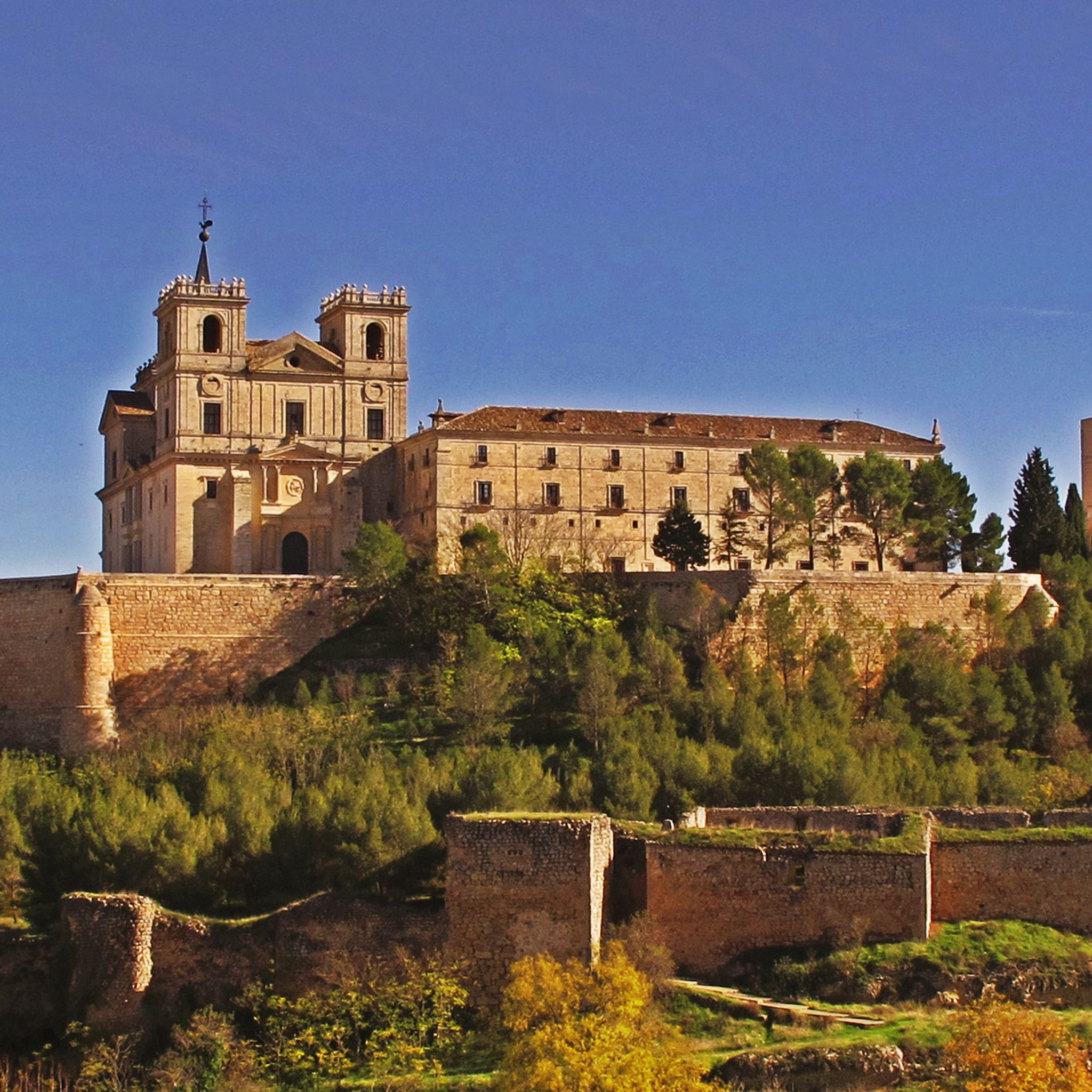
Cycling around Mancha Alta
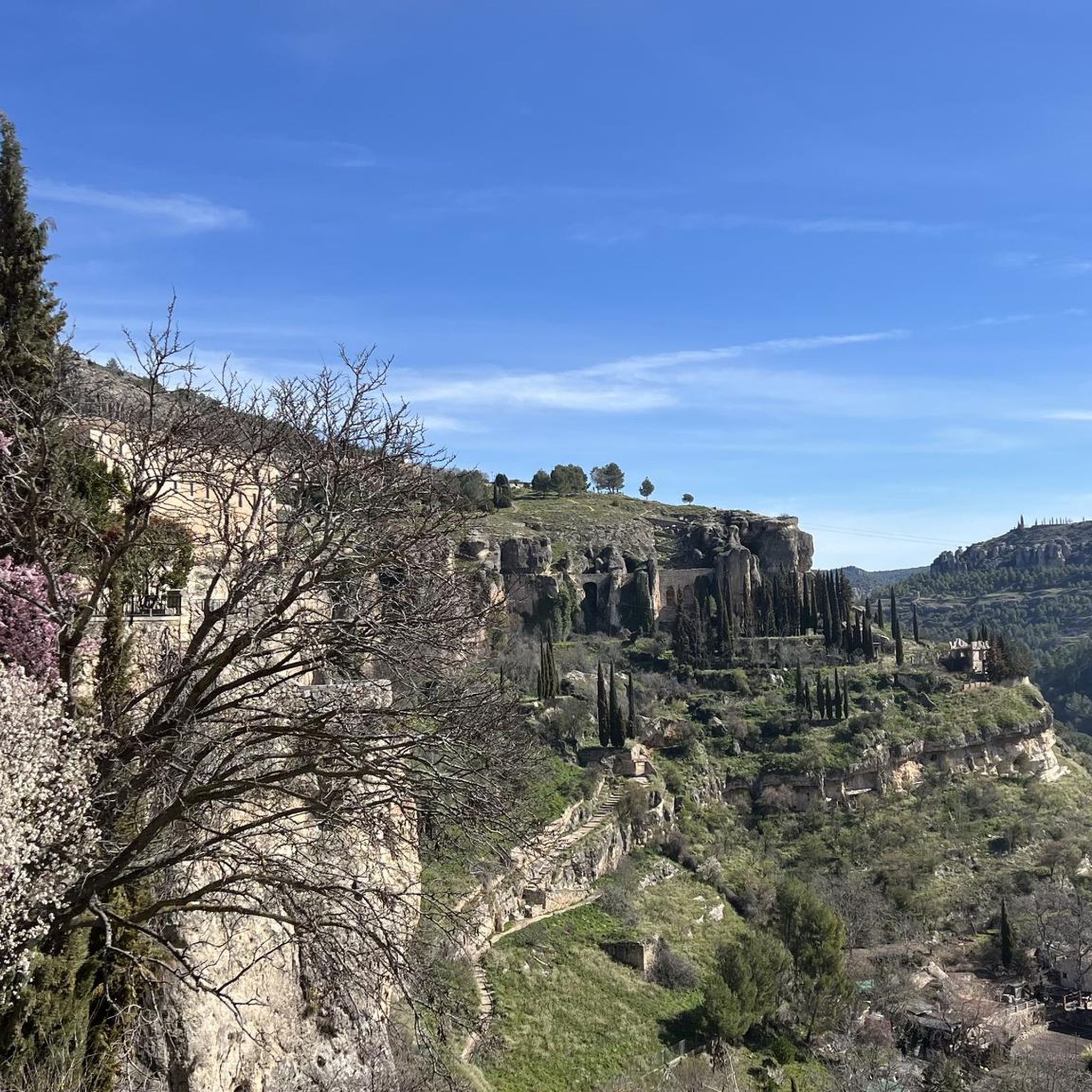
Running Trails around Mancha Alta

Gravel biking around Mancha Alta
Other adventures around Mancha Alta


Tips from the Community

Small cave-shelter carved directly into the rock. It has a couple of inscriptions, some initials and the date 1963, all clearly legible.
0
0
The cave isn't visible from the road, but luckily the surrounding area is flat, making it easy to spot the mound beneath which it's located. A powerful flashlight is highly recommended if you plan to visit; the cave is quite impressive. It's enormous, seriously. Also, there's a lot of dust inside, so using just your phone's flashlight won't provide much light.
0
0
I invented the name because of the river. It looks like an old farm with a cattle shelter or a cave and corral.
0
0
Hollow in the wood that makes a small shelter. There is no marked path to climb, you have to go through wherever you can. The views are beautiful.
0
0

A place that fortunately goes unnoticed by most people, and which treasures centuries of history.
1
0

Tarancón offers several places to visit, among them the following stand out: the Plaza de la Constitución, next to the town hall, the Malena arch, the Church of Our Lady of the Assumption, the sculptures of Don Quixote, inside the palace of the Dukes of Riánsares, and within it the caves.
0
0
Necropolis, I don't know how old it is. Worth a visit. You have to follow the path to the picnic area below the Ave and go up the slope. It is seen on the left wall.
2
0
You have to go to the picnic areas near the spring and take the path to the left. Leave the bike and cross the field towards the stones on the right. First we see the necropolis and later the hermitage.
0
0
Frequently Asked Questions
What types of caves can I explore around Mancha Alta?
The Mancha Alta region offers a mix of natural caves, historical rock-cut sites, and man-made shelters. You can find impressive natural formations like Bache Cave, as well as ancient historical sites such as the Rock-Cut Necropolis with Carved Symbol and the Rock-cut Necropolis of Buenafuente del Sistal. There are also smaller carved shelters like Rock Shelter.
Are there any historical or archaeological cave sites in the Mancha Alta area?
Yes, the region is rich in historical cave sites. The Rock-Cut Necropolis with Carved Symbol and the Rock-cut Necropolis of Buenafuente del Sistal are significant historical and natural monuments, preserving centuries of history. These sites offer a glimpse into past civilizations that utilized the natural rock formations.
What are some notable natural features or geological formations to see in the caves?
Beyond the immediate Mancha Alta highlights, the broader Castile-La Mancha region features remarkable natural cave systems. For instance, the Los Calares del Río Mundo y de la Sima Natural Park boasts over 85 caves, including the extensive Los Chorros cave, known for its impressive source of the Mundo River. The Enchanted City of Tamajón also presents unique limestone rock formations with numerous small cavities and arches created by erosion.
What should I bring or wear when exploring caves in Mancha Alta?
For exploring caves like Bache Cave, a powerful flashlight is highly recommended due to the cave's size and potential dust. Generally, sturdy footwear, comfortable clothing suitable for varying temperatures, and possibly a headlamp are advisable for any cave exploration. Some sites, like Sanabrio Cave in Cuenca, may require a helmet and flashlight for tours.
Are there any family-friendly cave experiences around Mancha Alta?
While specific family-friendly tours are not detailed for Mancha Alta, many of the historical rock-cut sites and smaller shelters can be interesting for families. The Rock Shelter, with its legible inscriptions, offers an accessible and intriguing visit. For a broader experience, the Lagunas de Ruidera Natural Park offers activities like kayaking through caves and crystal-clear waters, which can be enjoyable for families.
What is the best time of year to visit the caves in the Mancha Alta region?
Many caves, especially those used as shelters or dwellings, maintain a consistent temperature year-round, making them suitable for visiting in various seasons. For natural caves and those within natural parks, spring and autumn often offer pleasant weather for outdoor exploration around the cave entrances. Summer can be a good time to escape the heat by venturing into cooler subterranean environments.
Are there any challenging cave routes for experienced cavers?
The region offers some challenging options. La Cueva del Monte is categorized as challenging. For more extensive caving, the Los Calares del Río Mundo y de la Sima Natural Park, though not directly in Mancha Alta, is known for its over 50 kilometers of explored cavities in Los Chorros cave, attracting experienced speleologists.
What outdoor activities can I do near the caves in Mancha Alta?
The area around Mancha Alta offers various outdoor activities. You can find numerous routes for mountain biking, gravel biking, and easy hikes. For example, explore MTB Trails around Mancha Alta, discover Gravel biking around Mancha Alta, or enjoy Easy hikes around Mancha Alta. These guides provide routes that allow you to combine cave visits with other outdoor adventures.
Are there any unique cave dwellings or troglodyte architecture in the wider region?
Yes, the Caves of Alcalá del Júcar, located in the broader Castile-La Mancha region, are famous for their houses built directly into the rock. Many of these are deep caves that traverse the cliff, such as the El Diablo and Masagó Caves. Exploring these offers a unique perspective on traditional troglodyte architecture and how people adapted to the natural environment.
What do visitors enjoy most about the caves around Mancha Alta?
Visitors appreciate the diversity of experiences, from exploring the impressive size of natural formations like Bache Cave to discovering the rich history embedded in sites like the Rock-Cut Necropolis with Carved Symbol. The blend of natural beauty and cultural heritage, often in less-trafficked locations, is a significant draw.
Are there any caves with prehistoric art in the Castile-La Mancha region?
Yes, the Cave of La Vieja de Alpera in Albacete, within the broader Castile-La Mancha region, is a UNESCO World Heritage site renowned for its exceptional collection of Levantine and Schematic rock art. These paintings, dating back thousands of years, depict human and animal figures, offering a unique journey through prehistoric art.
Can I find Roman-era mining caves in the area?
The Sanabrio Cave in Cuenca, part of Castile-La Mancha, is a notable example of a Roman-era mining complex. It was used for extracting 'Lapis Specularis,' a crystallized mineral. Visitors can explore ancient galleries and observe marks from miners' picks, gaining insight into Roman mining techniques and daily life.
Most popular routes around Mancha Alta
Most popular attractions around Mancha Alta

Get inspired with the komoot mobile app


Didn’t find what you were looking for?
Discover more caves around Mancha Alta region by region:
Explore more
Extend your search for the best caves by checking out these guides of the top ones around Mancha Alta:
