Top 5 Gorges around Alcarria
Best canyons around Alcarria are found within a region characterized by a plateau carved by rivers, creating impressive gorges and karst formations across parts of Guadalajara, Cuenca, and Madrid provinces. This central Spanish area offers diverse landscapes shaped by geological processes. The Alcarria region features notable gorges with rich biodiversity and varied terrain.
Best canyons around Alcarria
- The most popular canyons is Estrecho Bridge, a bridge that allows crossing the Escabas river after traversing the Hoz del Conde. This…
Last updated: June 26, 2026
Estrecho de Priego
Highlight • Canyon
Translated by Google •
Tip by

Hoz del Conde
Highlight (Segment) • Gorge
Translated by Google •
Tip by
Sign up now to discover places like this
Get recommendations on the best single tracks, peaks, & plenty of other exciting outdoor places.
Sign up for free
Estrecho Bridge
Highlight • Bridge
Translated by Google •
Tip by

The Altomira Valley
Highlight • Gorge
Translated by Google •
Tip by
Canyon and Ravines of Olmedilla de Eliz
Highlight (Segment) • Canyon
Translated by Google •
Tip by

Covatillas Narrows
Highlight (Segment) • Gorge
Translated by Google •
Tip by

El Hoyo Redondo Sinkhole
Highlight • Natural Monument
Translated by Google •
Tip by
Start today with a free account
Your next adventure awaits.
Login or Signup
Popular around Alcarria


Tips from the Community

Beautiful ravine in the Jabalera area. The ravine bed, as well as the slopes that enclose it, are of great beauty.
0
0

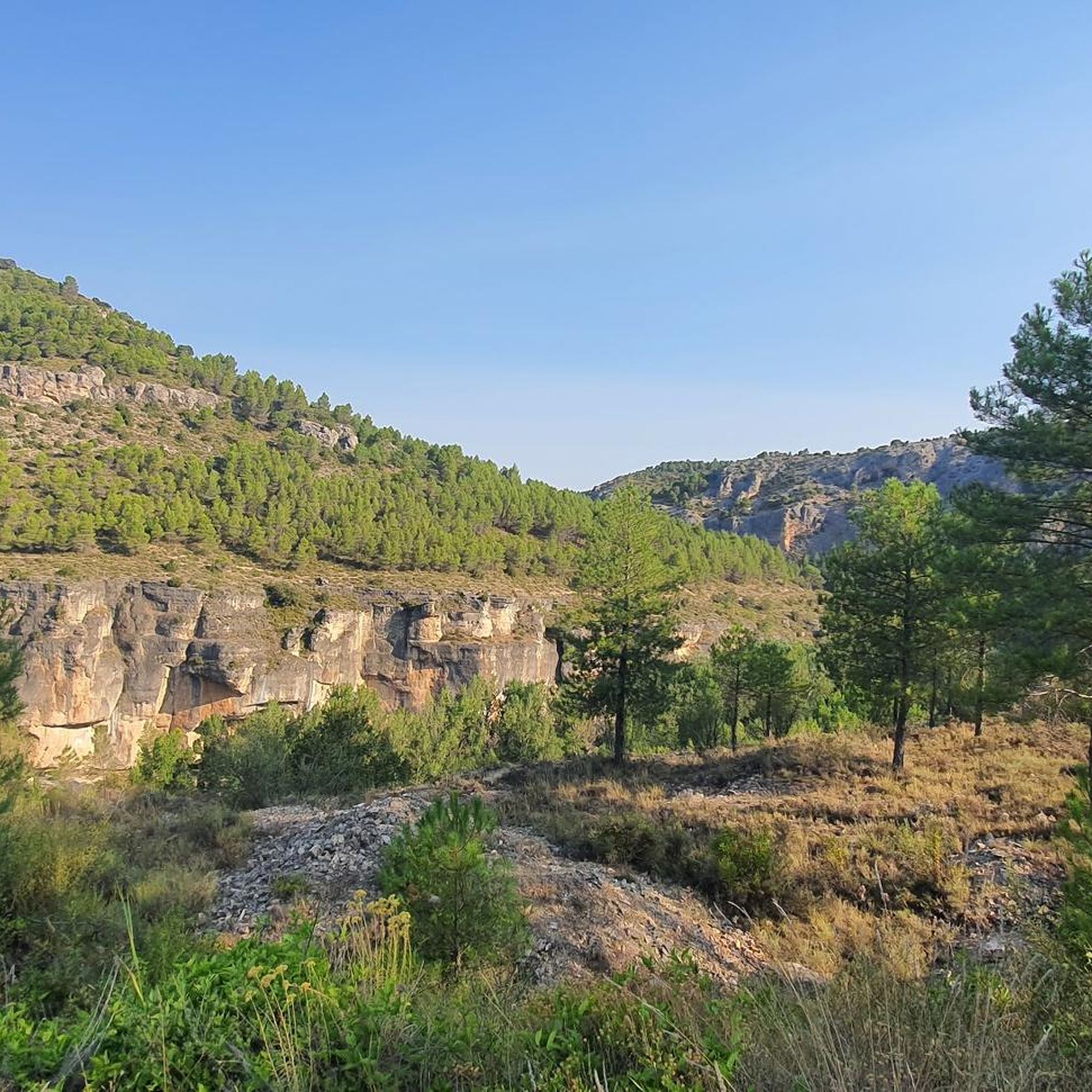
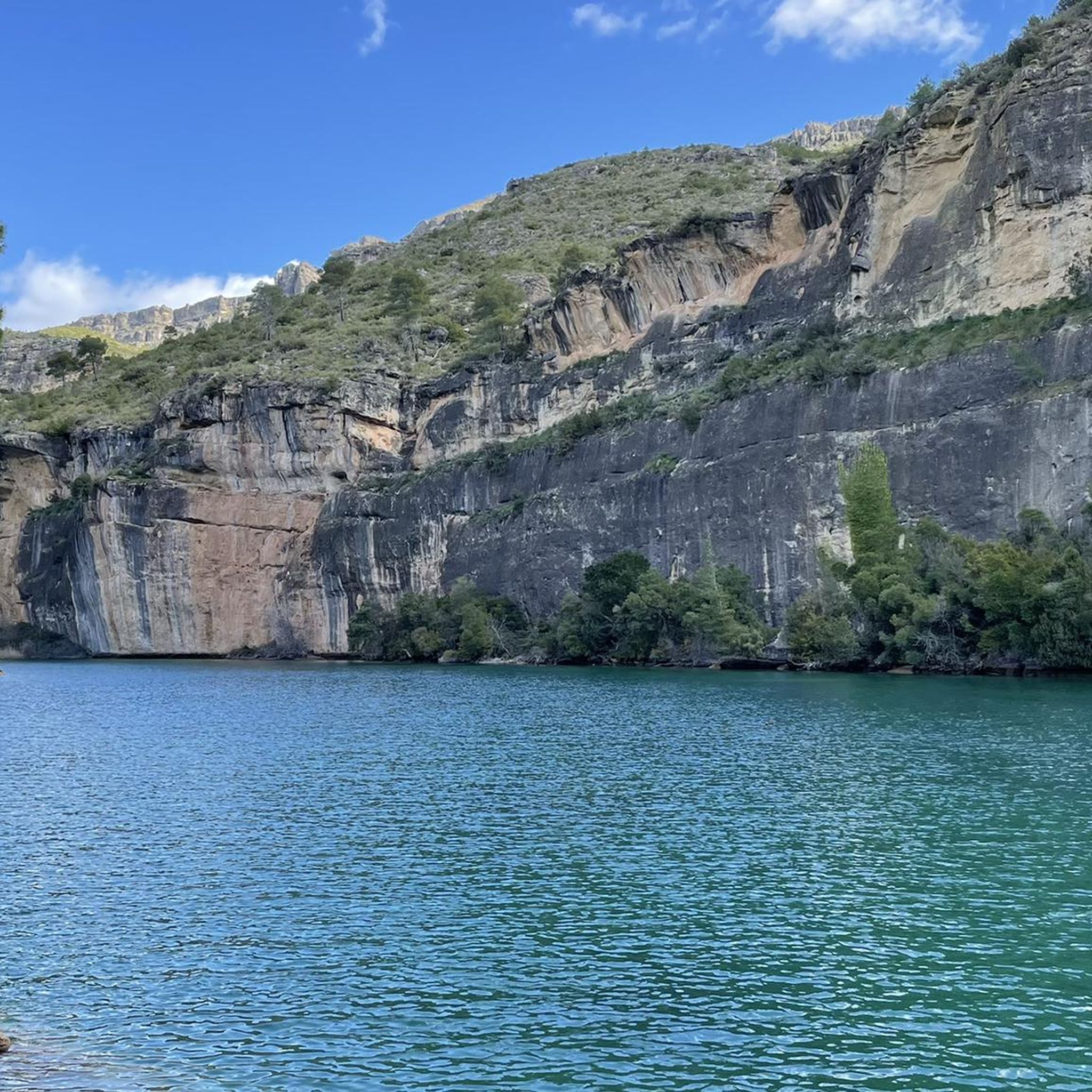
It is a small canyon near Olmedilla de Eliz and with the characteristics of the predominant subsoil!
0
0

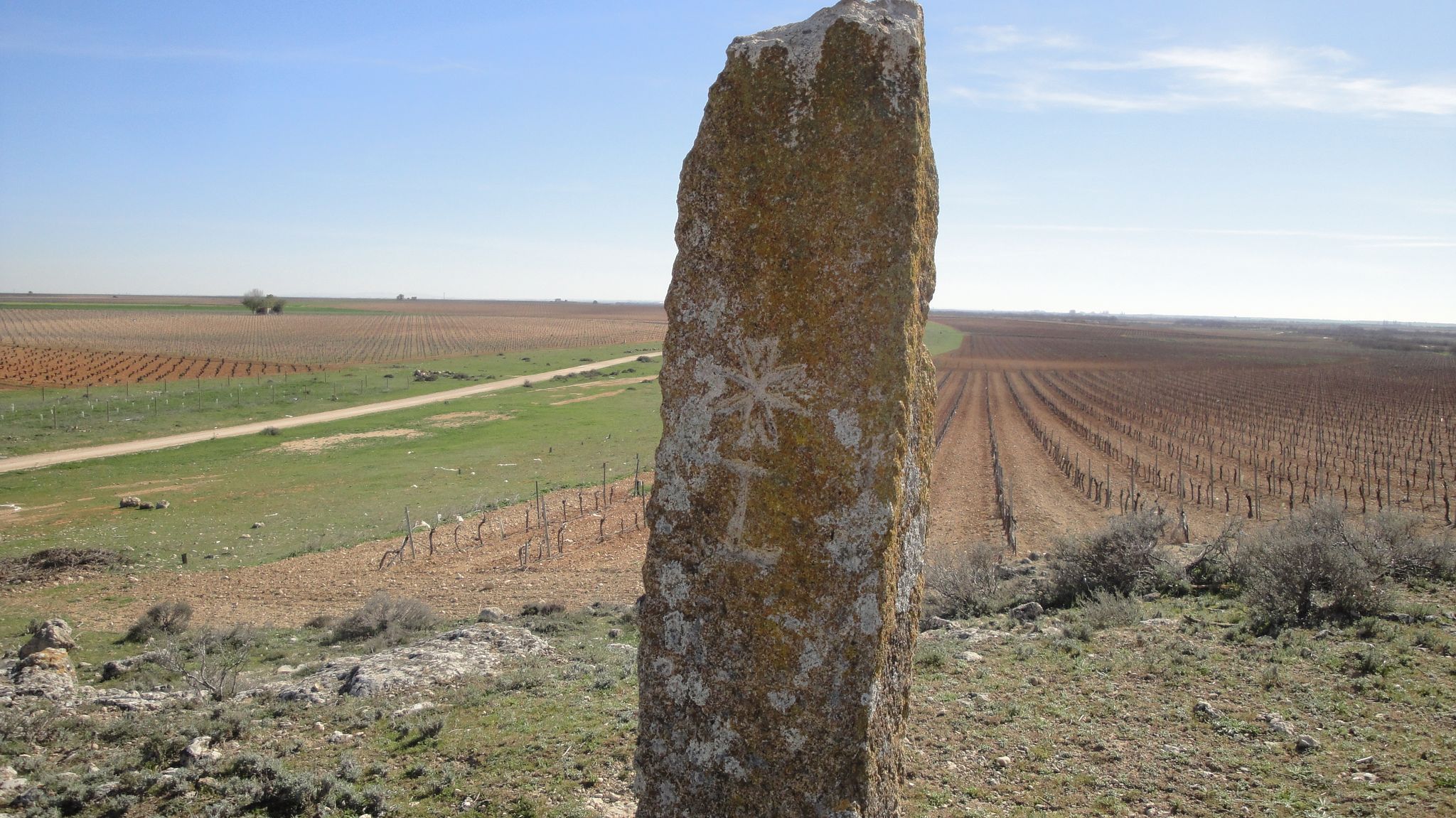
The Torca del Hoyo Redondo is a depression or sudden subsidence of the land, typical of soils of calcareous origin, very common in the province of Cuenca.
1
1
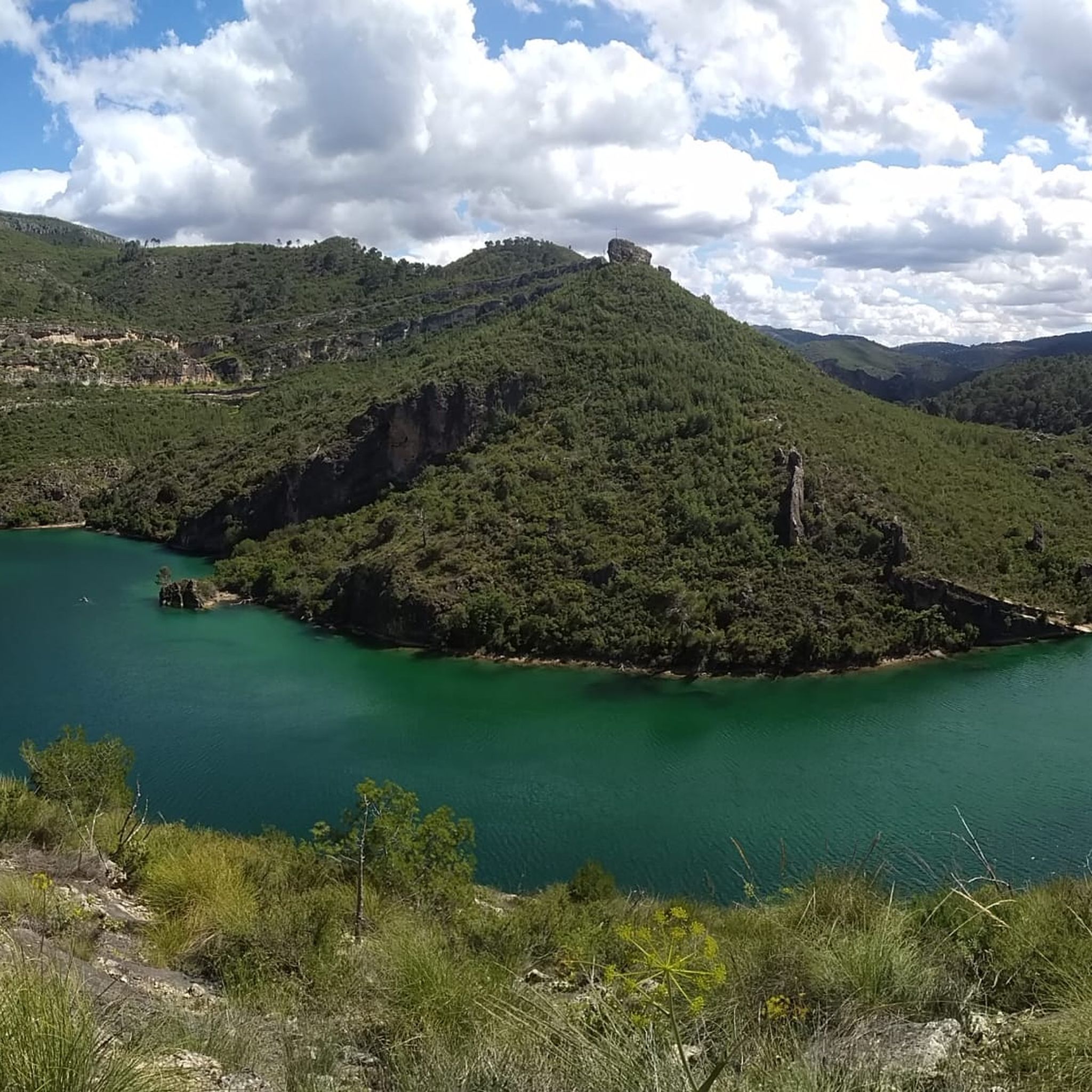
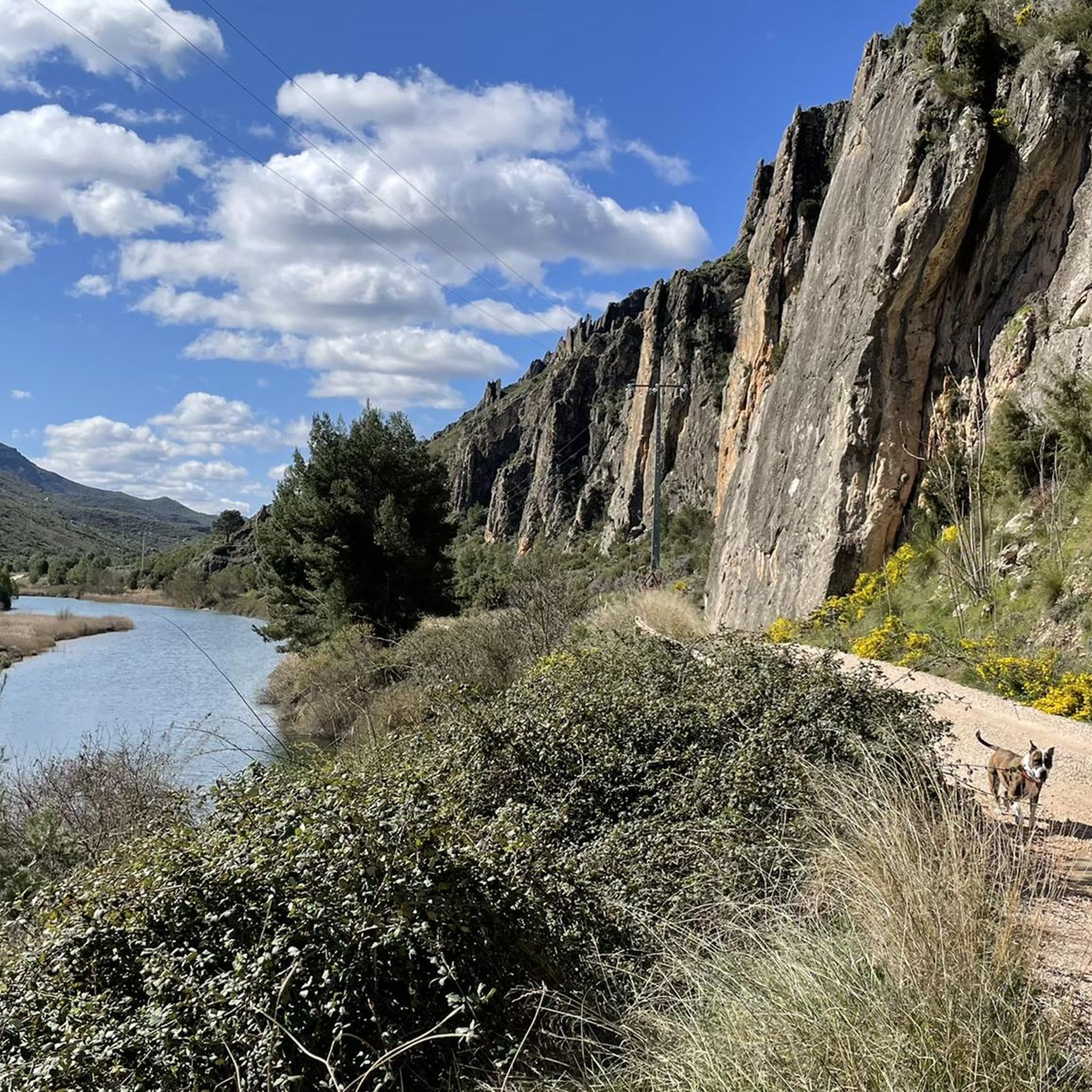
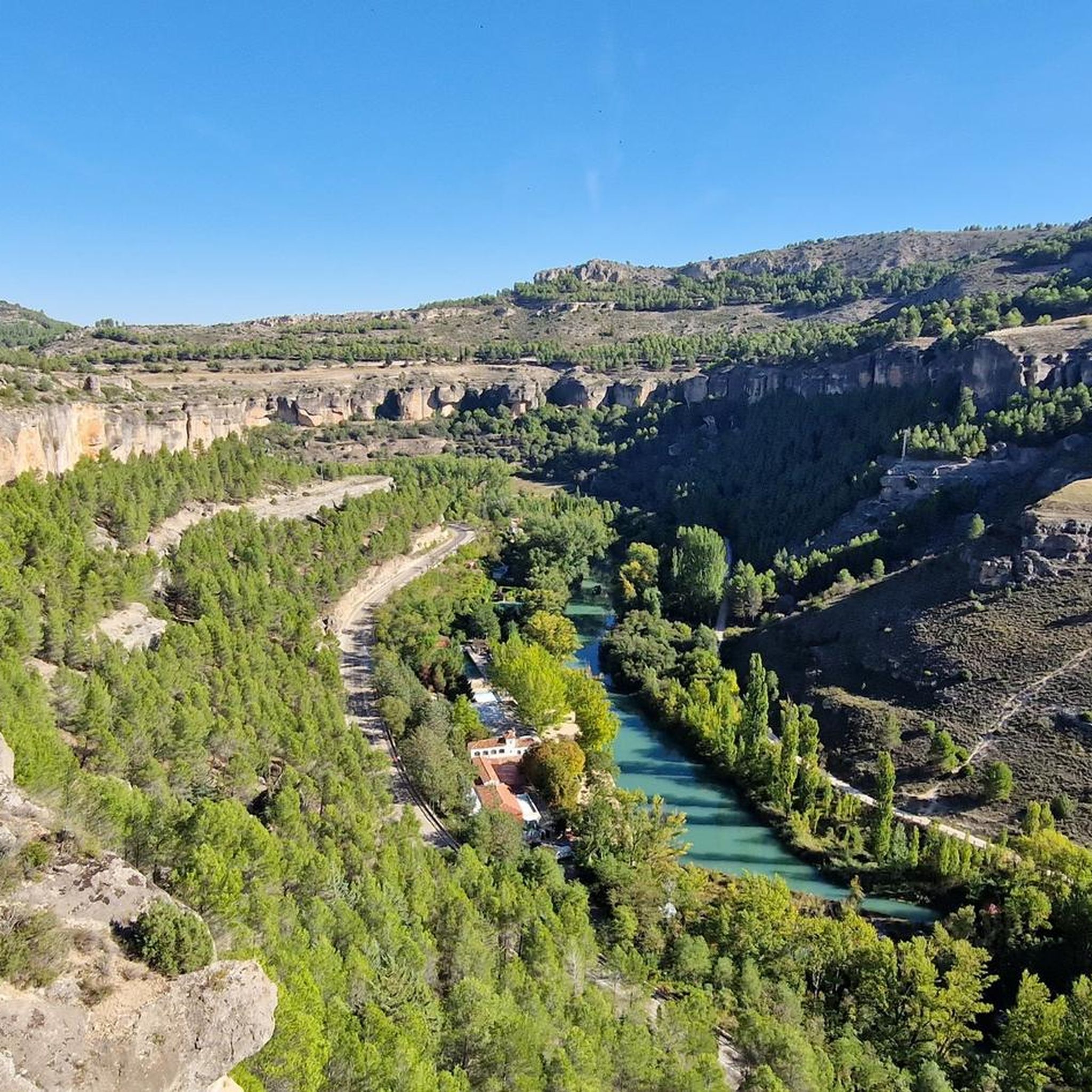
The Hoz de Conde formed by the erosion of the Escabas river, is an impressive landscape, very close to the town of Priego.
2
0
A beautiful place for all nature lovers. It is a canyon that we can cross by road, one of the most picturesque in Spain. Enjoying the views do not forget to be careful going through the curves next to the rock walls of up to 400 m. Luckily there is little traffic.
2
0

Formed by the erosion of the Escabas River, the Hoz del Conde is an impressive landscape that is worth visiting even if it is a paved road. From the urban center of Priego to the Strait Bridge, there are about 4 kilometers to enjoy this beautiful and impressive landscape.
1
0
Also known as the Liende bridge, it allows you to cross the Escabas river at the exit of the town of Priego after having traveled through the wonderful landscape of the Hoz del Conde.
1
0
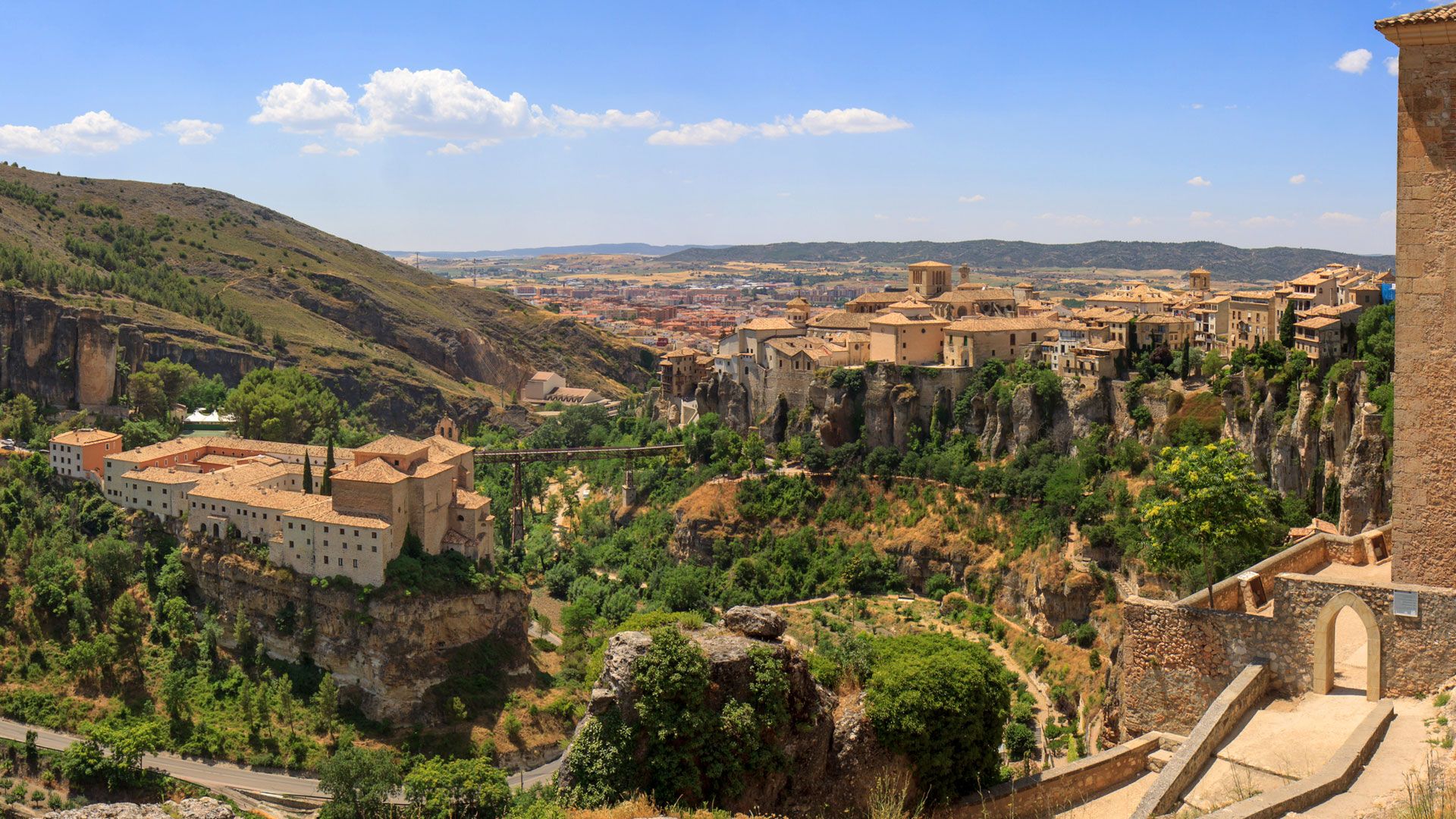
Between the towns of Jabalera and Garcinarro the so-called Valley of Altomira was formed through which the river de la Vega passes. On its west bank it is limited by the Sierra de San Sebastián that offers spectacular views of the area.
1
0
Frequently Asked Questions
What are the most notable canyons to explore in the Alcarria region?
The Alcarria region offers several impressive canyons. Highlights include the Hoz del Conde, a gorge carved by the Escabas River near Priego, and the Estrecho Bridge, which crosses the Escabas after the Hoz del Conde. Other significant natural formations are the Canyon and Ravines of Olmedilla de Eliz and the Covatillas Narrows in the Jabalera area. Beyond these, the Hoz del Río Dulce, Hoz de Beteta, and Hoces del Cabriel are also highly regarded for their natural beauty and geological features.
What kind of natural features and wildlife can I expect to see in the Alcarria canyons?
The canyons in Alcarria are rich in diverse natural features. You'll find calcareous gorges, limestone cliffs, and deep river canyons. Areas like the Hoz del Río Dulce boast riparian forests with willows, poplars, and ash, alongside surrounding moorlands of oaks and junipers. The Hoz de Beteta is known for its unique botanical interest, including carnivorous plants and monumental lime trees, as well as distinctive geological formations like 'La Librería'. Wildlife is abundant, with many canyons serving as habitats for various bird species such as royal eagles, griffon vultures, and eagle owls. River fauna like kingfishers and otters can also be spotted.
Are there family-friendly trails or activities in the canyons around Alcarria?
Yes, several canyons offer accessible options. The Hoz de Beteta, for instance, features the 'Paseo Botánico' (Botanical Walk), an easy 2.6 km path suitable for all ages, especially enjoyable in spring. Many areas also have recreational spots like Casa de la Pradera and Fuente de los Tilos, equipped with fountains and tables, perfect for family outings. While specific family-friendly categories aren't listed for all highlights, the general appeal of these natural spaces makes them suitable for exploration with children.
What is the best time of year to visit the canyons in Alcarria?
Spring and autumn are generally the best times to visit the canyons in Alcarria. In spring, the 'Paseo Botánico' in Hoz de Beteta is particularly recommended as flora flourishes, and seasonal waterfalls like Cascada del Gollorio in Hoz del Río Dulce are more active. Autumn offers stunning displays of color in the riparian forests of places like Hoz del Río Dulce. Mild temperatures during these seasons make hiking and outdoor activities more comfortable.
What outdoor activities can I do near the canyons in Alcarria?
Beyond exploring the canyons themselves, the Alcarria region offers a variety of outdoor activities. You can find numerous hiking opportunities, such as the path starting from Pelegrina in Hoz del Río Dulce, or trails like the 'Cueva del Armentero' in Hoz de Beteta. For more structured routes, consider exploring the hiking routes around Alcarria. The Hoces del Cabriel is particularly popular for adventure sports, including rafting with sections featuring grade III and IV rapids. Cycling is also popular, with options for road cycling and gravel biking available in the wider region.
Are there any historical or cultural points of interest near the canyons?
Yes, the Alcarria region has a rich history. The Hoces del Cabriel area, for example, contains numerous archaeological sites from Iberian and Roman periods, as well as the paleontological site of Puente de la Vía. You can also find old bridges, waterwheels, and inland saltworks. The region also has a strong wine culture, with wineries and a Wine Museum in Utiel. While the canyons are primarily natural attractions, their surroundings often hold cultural significance.
What makes the Hoz del Río Dulce a significant natural park?
The Hoz del Río Dulce, a natural park since 2003, is significant for its geological formations dating back to the Jurassic period and its rich biodiversity. It features diverse ecosystems, including vibrant riparian forests and surrounding moorlands. It's a crucial habitat for various bird species, such as royal eagles and griffon vultures, and river fauna like otters. The area is also famous as a filming location for naturalist Félix Rodríguez de la Fuente, with a dedicated viewpoint offering panoramic views.
What are the 'Cuchillos of Contreras' and where can I see them?
The 'Cuchillos of Contreras' are distinctive knife-like geological formations found within the Hoces del Cabriel Natural Park. These impressive rock formations are a highlight of the park, showcasing the dramatic landscape sculpted by the Cabriel River on the border between the provinces of Cuenca and Valencia.
Can I find viewpoints offering panoramic views of the canyons?
Absolutely. Many canyons in Alcarria offer spectacular viewpoints. In the Hoz del Río Dulce, there's a viewpoint dedicated to Félix Rodríguez de la Fuente, providing impressive panoramic views of the gorge. The Altomira Valley, limited by the Sierra de San Sebastián, also offers spectacular views of the area. These spots are ideal for appreciating the scale and beauty of the carved landscapes.
What is the Hoz del Conde and how can I explore it?
The Hoz del Conde is an impressive gorge formed by the erosion of the Escabas River near the town of Priego. It extends for about 4 kilometers from the urban center of Priego to the Estrecho Bridge. Visitors can explore this landscape, which includes a paved road, making it accessible for a scenic walk or drive to enjoy the natural beauty.
Are there any specific geological formations worth noting in the Alcarria canyons?
Yes, the Alcarria region is known for its fascinating geology. The Hoz del Río Dulce features formations dating back to the Jurassic period. In the Hoz de Beteta, a distinctive geological formation known as 'La Librería' stands out, characterized by thin, layered limestone resembling books on shelves. The 'Cuchillos of Contreras' in Hoces del Cabriel are another striking example of the region's unique geological features.
Most popular routes around Alcarria
Most popular attractions around Alcarria

Get inspired with the komoot mobile app


Didn’t find what you were looking for?
Want to see even more gorges? See the best ones around Alcarria region by region:
Explore more
Already discovered everything in this region? See additional gorges around Alcarria for your next adventure:
