The 5 Most Amazing Peaks around Mancha
Best mountain peaks around Mancha provide a diverse landscape, contrasting with the region's vast plains. These mountainous areas, part of Castilla-La Mancha in Spain, feature unique geological formations and natural beauty. Visitors can explore various mountain ranges near La Mancha, offering opportunities for outdoor activities and nature observation. The region presents a blend of rugged terrain, river gorges, and high summits for exploration.
Best mountain peaks around Mancha
- The most popular mountain peaks include Sierra de la Mojonera, a…
Last updated: July 10, 2026
Our Lady of the Assumption
Highlight • Religious Site
Translated by Google •
Tip by

Sierra de la Mojonera
Highlight • Summit
Translated by Google •
Tip by

Sign up now to discover places like this
Get recommendations on the best single tracks, peaks, & plenty of other exciting outdoor places.
Sign up for free
Cerro de las Chocas
Highlight • Viewpoint
Translated by Google •
Tip by
Ascent to El Navajo
Highlight • Climb
Translated by Google •
Tip by
Cerro de Piquito
Highlight • Viewpoint
Translated by Google •
Tip by
La Rendija Summit
Highlight • Summit
Translated by Google •
Tip by
Start today with a free account
Your next adventure awaits.
Login or Signup
Popular around Mancha
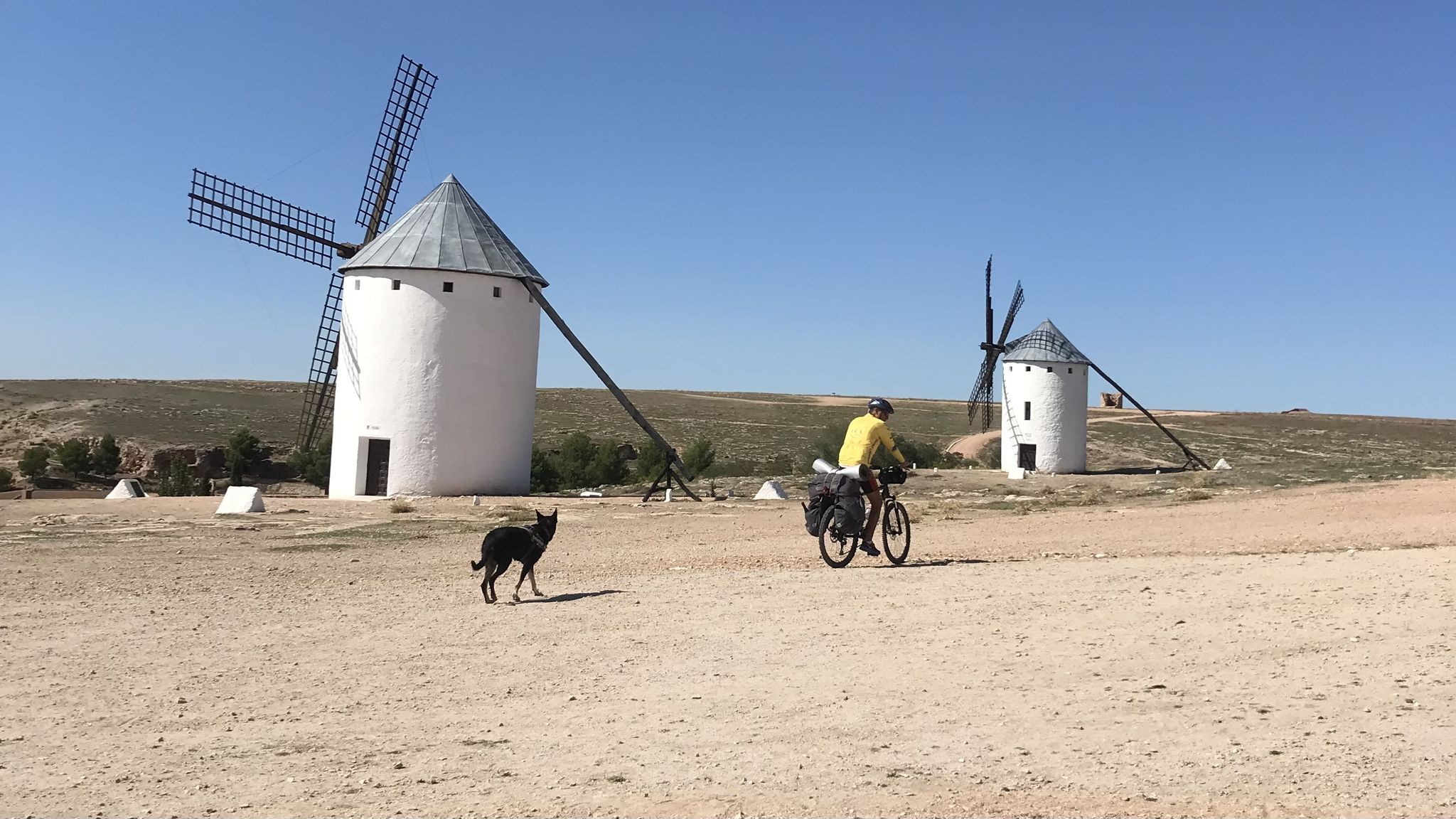
Don Quixote's route – The knight of the sorry face
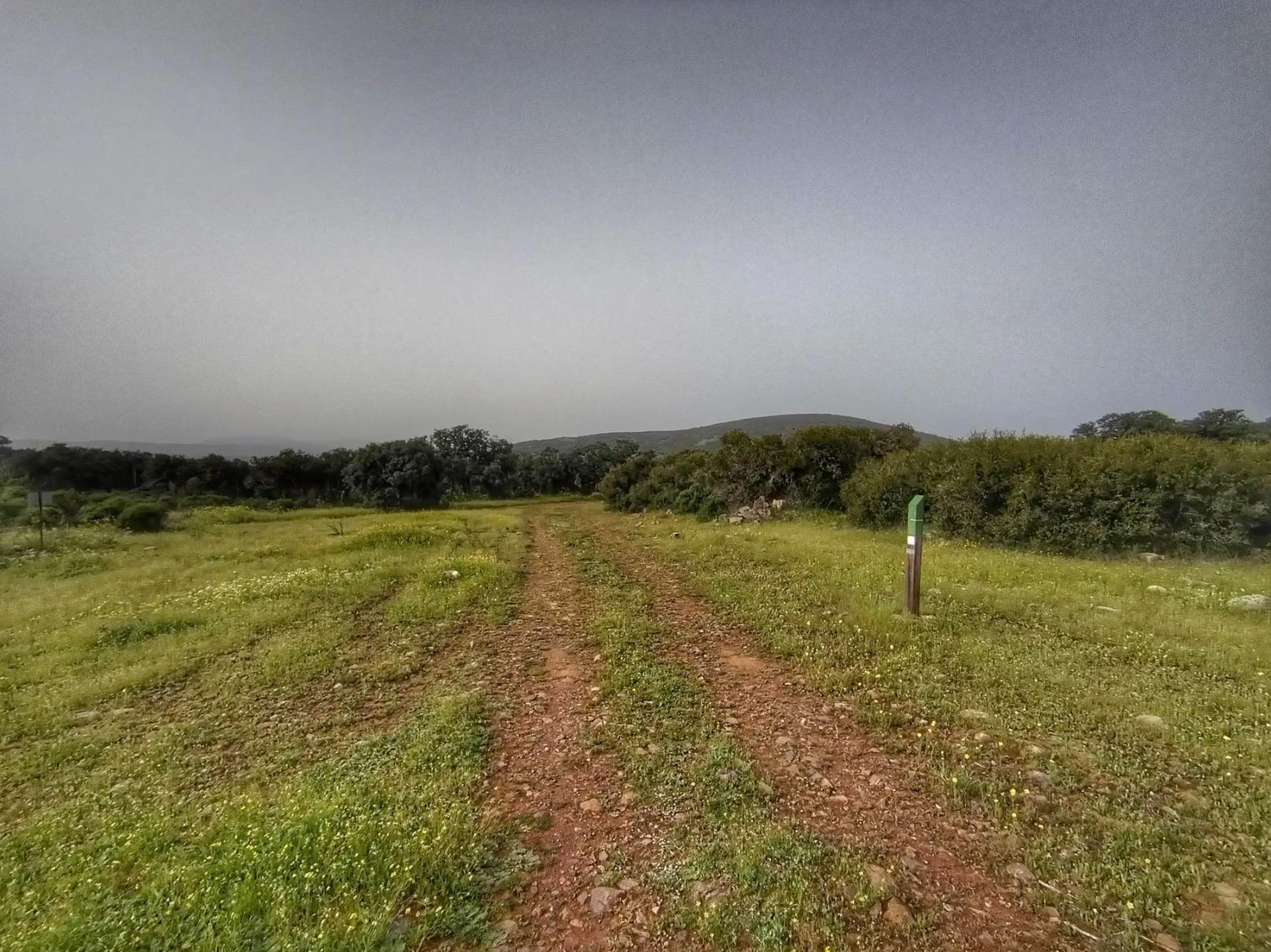
Sigue la trashumancia — GR 164 Cañada Real Conquense o Los Serranos
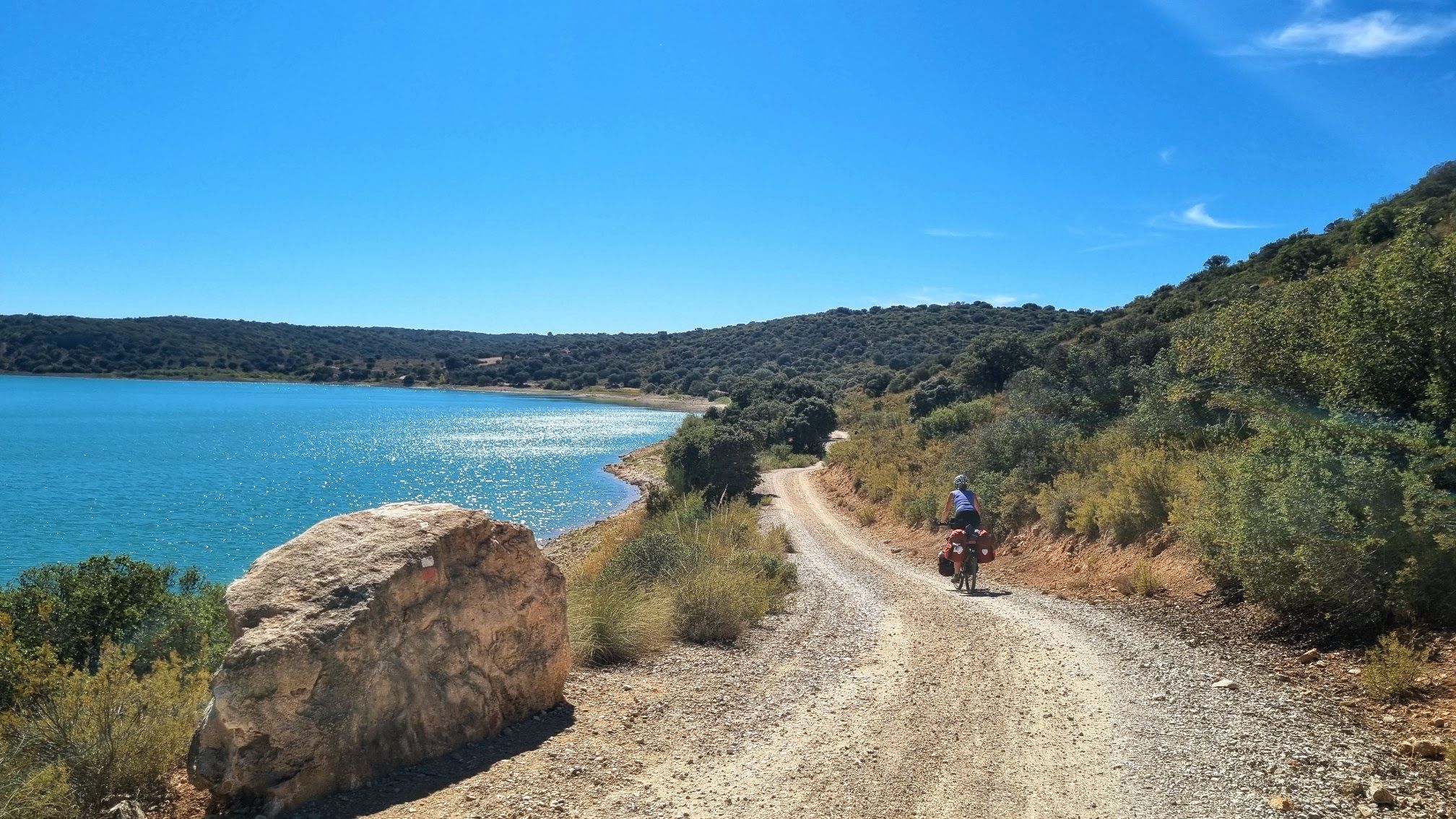
Pedalea junto al gran río — Camino Natural del Guadiana
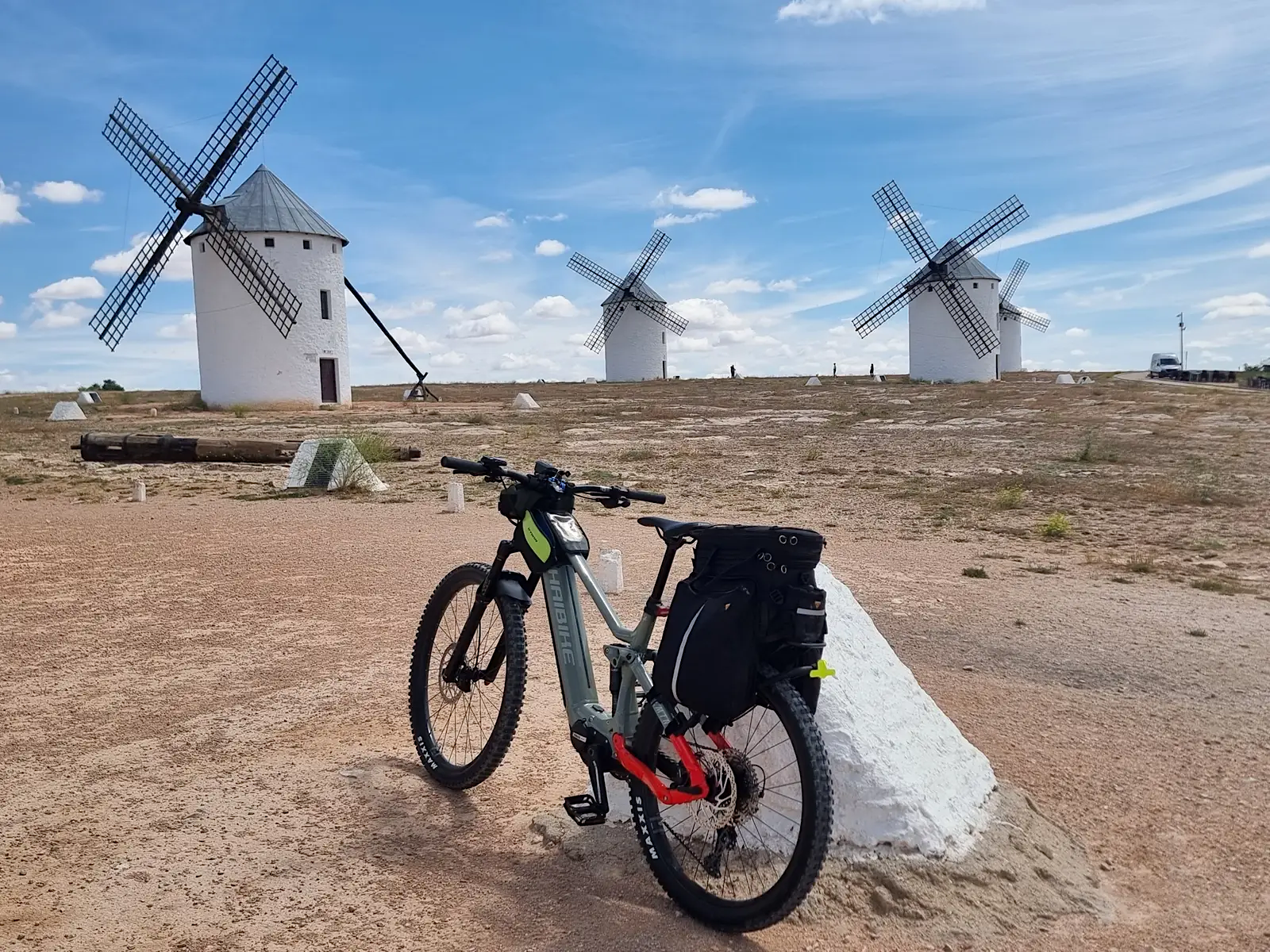
Route of Don Quixote – cycling between rivers, lagoons and hills
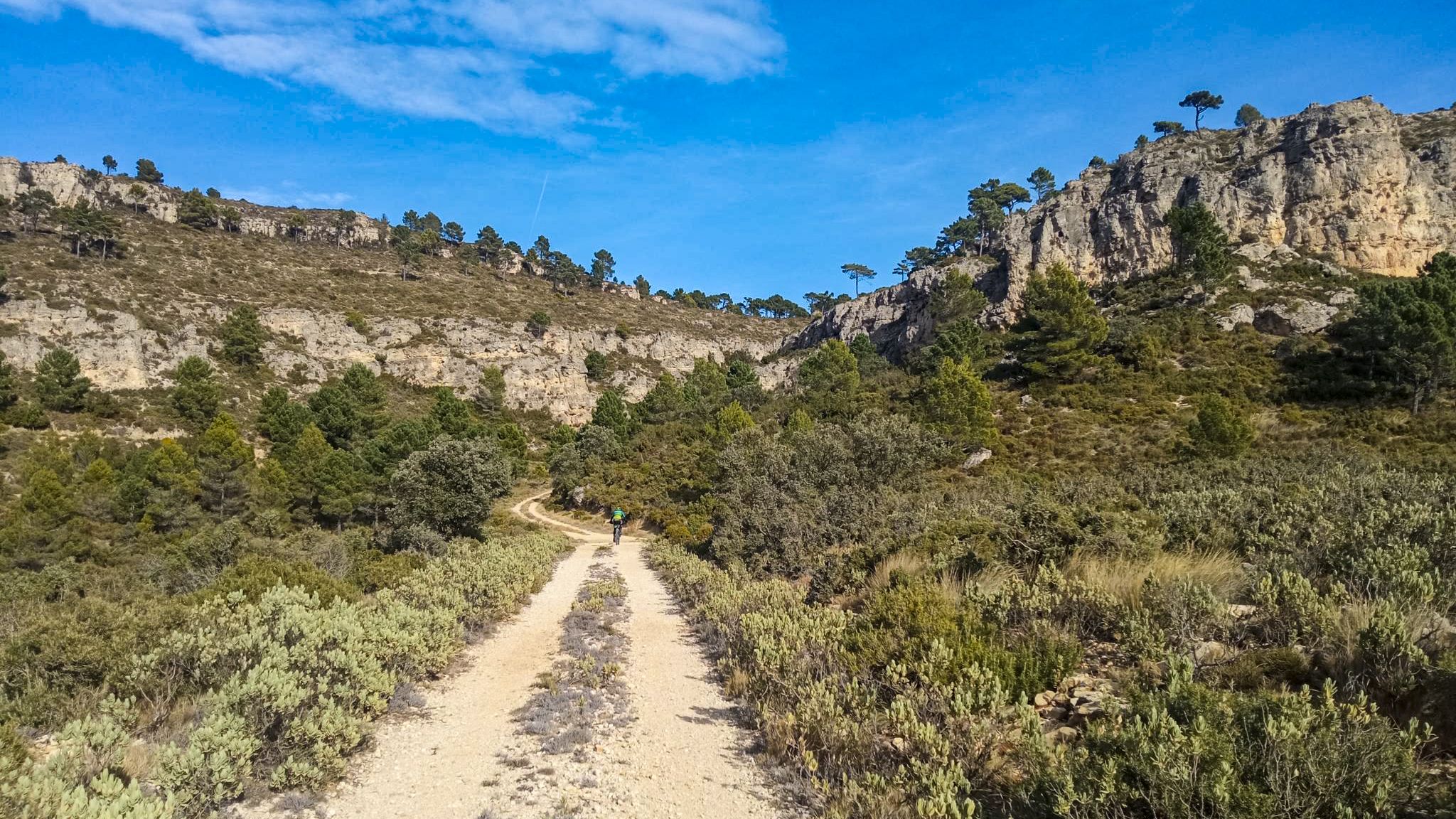
10 gravel routes to discover hidden gems in Spain
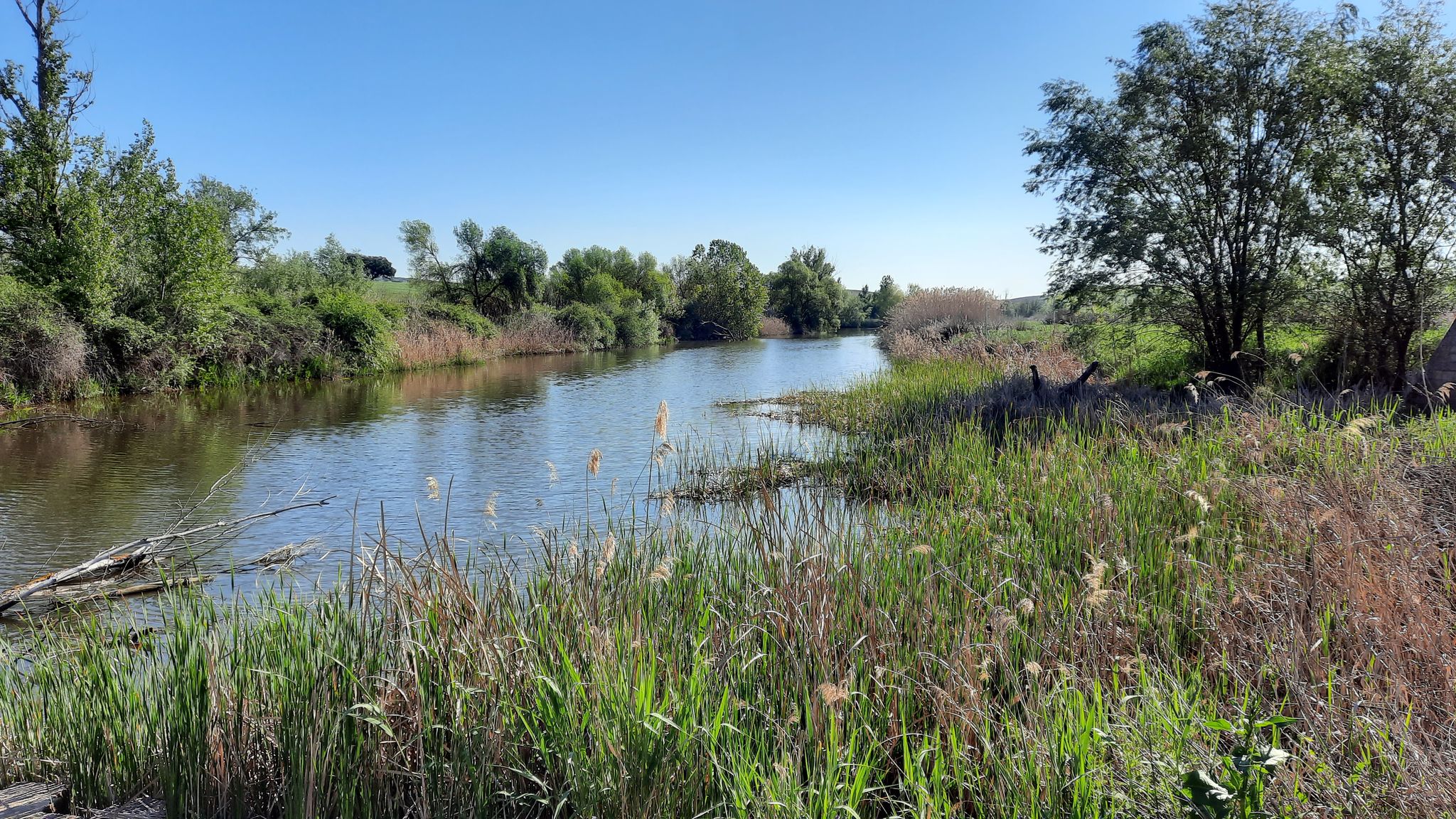
The magic of an endless river – Spain's Guadiana Natural Trail (GR 114)
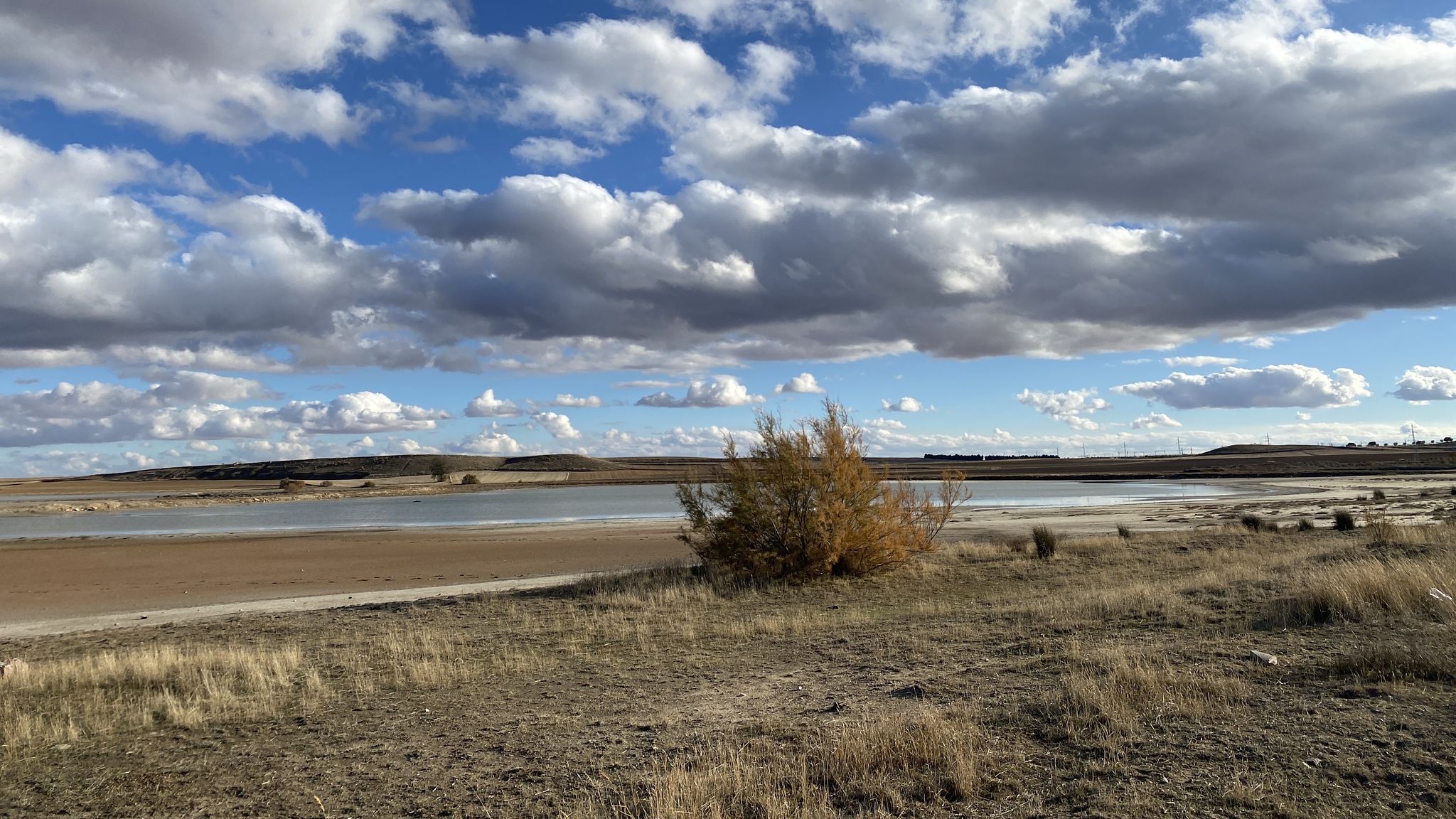
An adventure through La Mancha’s wetlands – discover an oasis
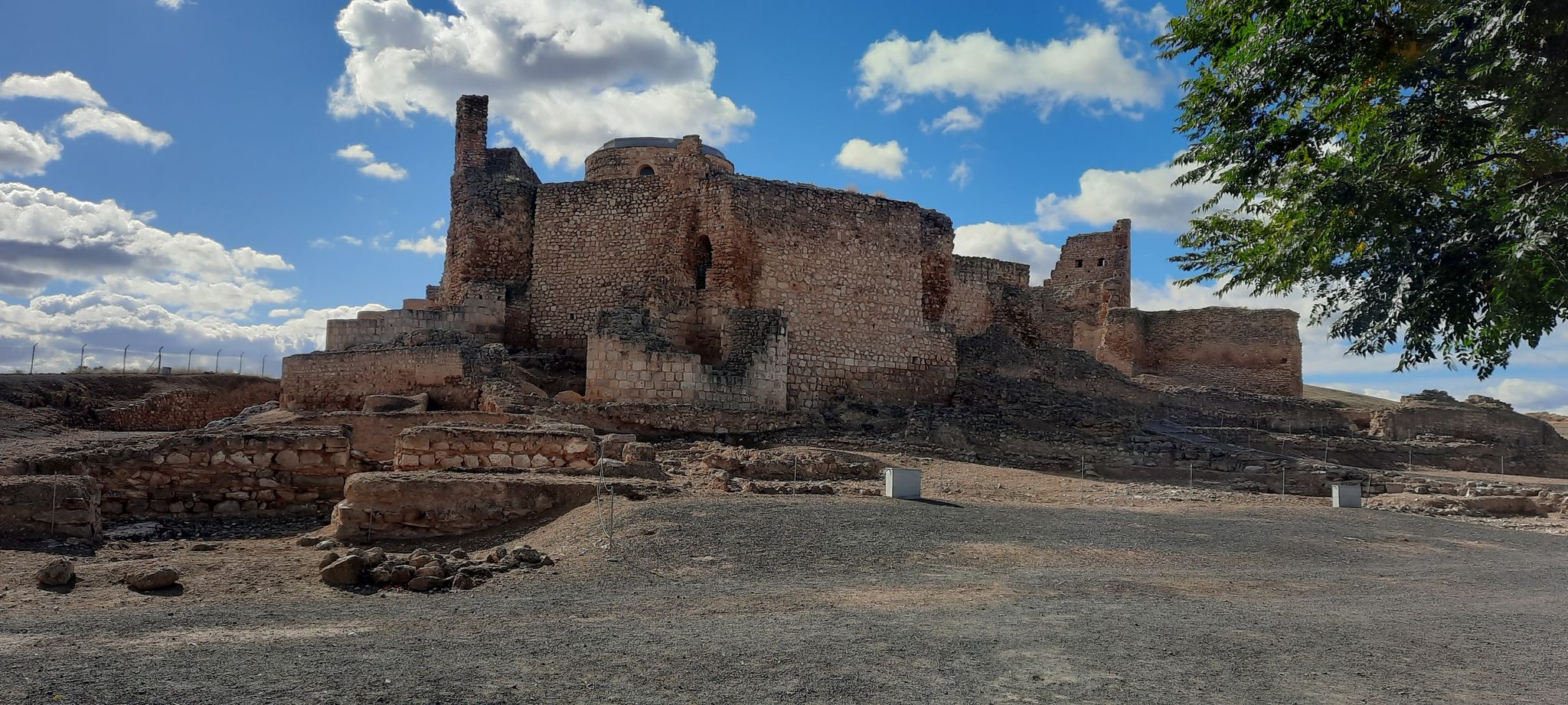
Old volcanoes and castles – bikepacking through Campo de Calatrava
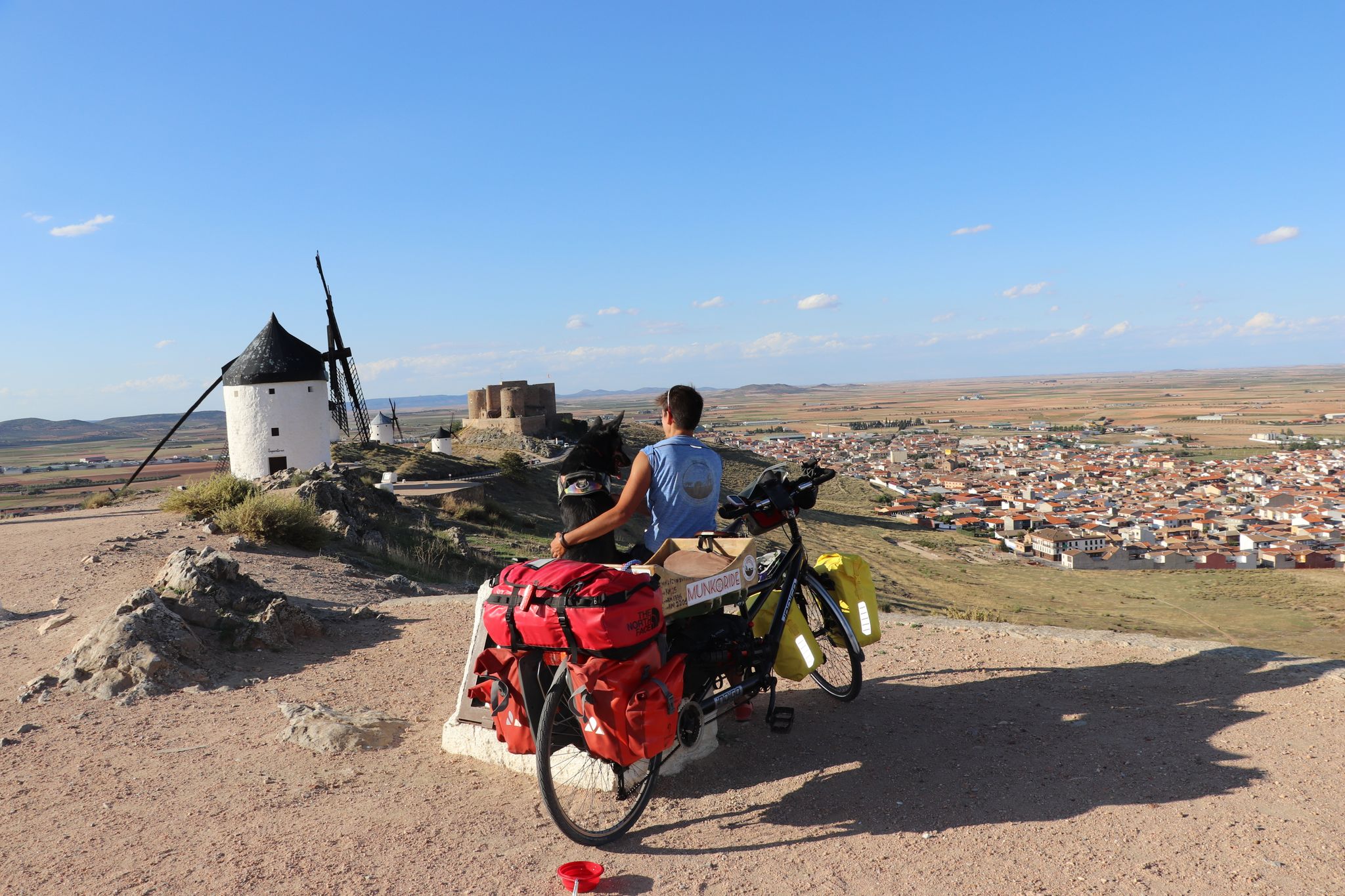
Cycle among the Giants of La Mancha in Spain – Route of Don Quixote
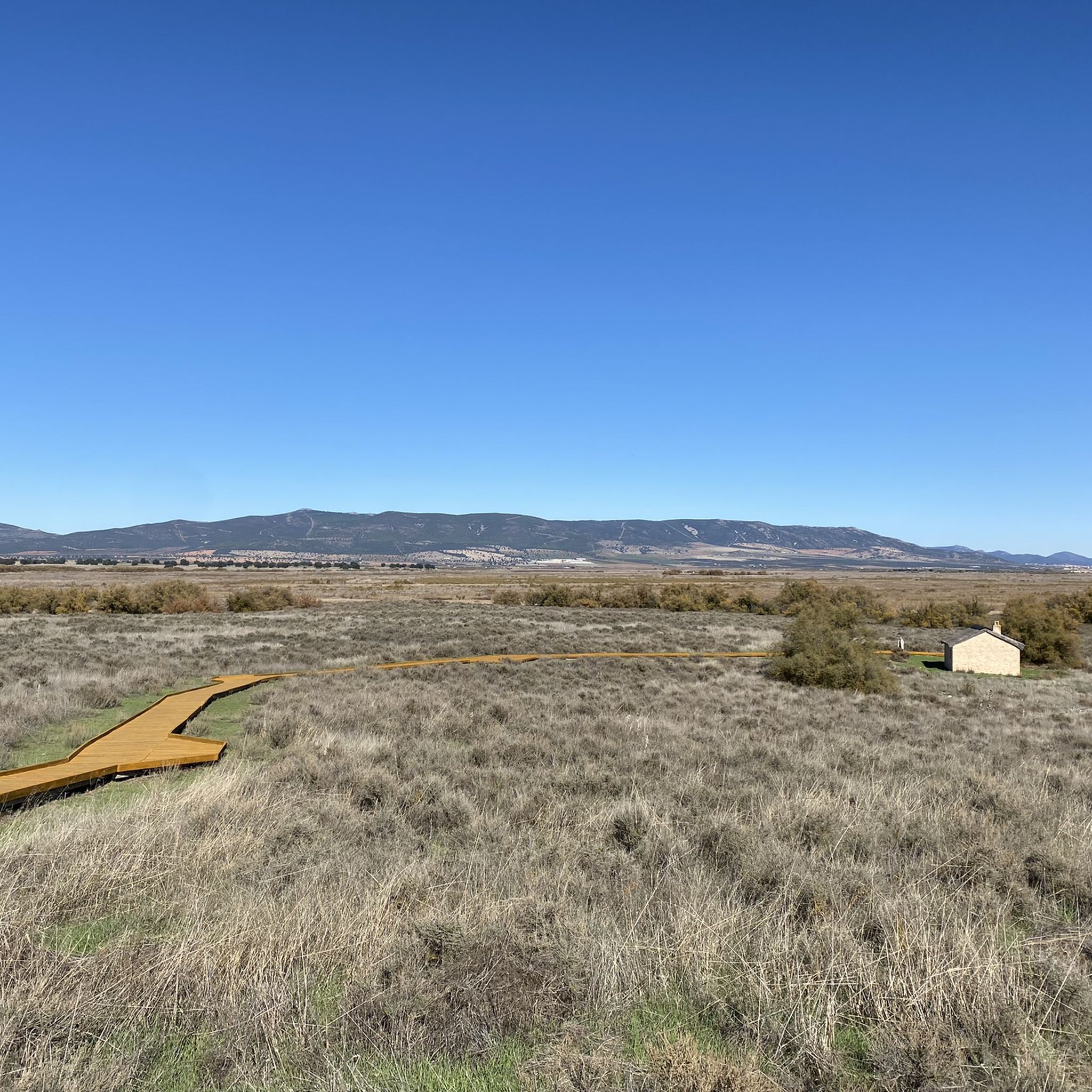
Hiking around Mancha
Other adventures around Mancha


Tips from the Community

Cerro de Piquito is a peak located within the Tablas de Daimiel National Park. This hill offers stunning panoramic views of the park and is a prime spot for birdwatching and nature photography.
15
0
Cerro de las Chocas is a hill located within the Tablas de Daimiel National Park. This hill offers stunning panoramic views of the park and is a prime spot for birdwatching and nature photography.
13
0

La Rendija is the mountain top of the small mountain range called the Sierra de la Sevillana. At its highest point is this rocky peak with incredible panoramic views!
0
0
In what is called the Sierra de las Tres Fuentes, there appears this mountain that reaches over 800 meters and is called Navajo, between Puerto Lápice and Herencia.
1
0
Mountain that is part of the Sierra del Cristo and that is located right next to the mountain that bears the same name of the Sierra. This, the Sierra Mojonera, a few meters lower than the neighboring peak.
2
0
The Parish Church of Nuestra Señora de la Asunción, located in the Plaza de la Constitución, forms an architectural complex of great beauty with the arcades that surround it and the Town Hall of the town. It dates from the 16th century. It has a beautiful Plateresque portal with a tympanum and fan-shaped trumpets. The reliefs of the Assumption, the figure of God the Father and the musical angels stand out. The interior is simple and austere in a single nave with an octagonal apse and a tower at its feet. It has a 1,200 m2 Latin cross plan and is framed by five side chapels. Currently in rehab.
4
0

Built in the 16th century, the church of Nuestra Señora de la Asunción is in the Castilian Renaissance style, and is the largest temple in the diocese of Ciudad Real. Its sculptural portico, dedicated to the Virgin, stands out from the construction. It has a triangular pediment in which the image of her coronation is represented in a large medallion, surrounded by different figures of angels and representations of God the Father about to impose the crown on the Virgin. Its interior is simple and austere, with a huge 1,200 m2 Latin cross floor plan, framed by five side chapels. Its tall tower, which can be seen from a great distance, consists of three bodies, with a square plan, octagonal in the bell tower and a spire as a finish.
1
0
Route CIMA CR03 Navajo near Herencia.
4
0
Frequently Asked Questions
What are some of the most notable mountain ranges around La Mancha?
The La Mancha region is bordered by several significant mountain ranges. These include the Serranía de Cuenca, known for its unique geological formations and lush forests; the Montes de Toledo, which feature rich biodiversity and Mediterranean forests; and the rugged Sierra Morena, forming a natural boundary to the south. Additionally, the broader Castilla-La Mancha community includes peaks like Pico del Lobo, the highest summit in the region.
Which specific mountain peaks are recommended for visitors in the La Mancha region?
Visitors can explore a variety of peaks and viewpoints. Highly recommended spots include Sierra de la Mojonera, an intermediate challenge within the Sierra del Cristo, and Ascent to El Navajo, a climb reaching over 800 meters in the Sierra de las Tres Fuentes. For panoramic views, consider Cerro de las Chocas and Cerro de Piquito, both offering stunning vistas within the Tablas de Daimiel National Park. The Serranía de Cuenca also features peaks like Pico de la Zorra and the higher Pico de las Nieves.
What unique geological features can I expect to see in the mountains around La Mancha?
The mountains around La Mancha offer remarkable geological diversity. The Serranía de Cuenca is famous for its spectacular rock formations, such as the 'Ciudad Encantada' (Enchanted City), and scenic river gorges carved by the Escabas and Júcar rivers. The Montes de Toledo, with their ancient, heavily eroded sedimentary rocks, share geological similarities with the Appalachians. The Sierra Morena is characterized by dramatic landscapes, rugged peaks, and deep valleys.
Are there any protected natural parks associated with the mountain peaks near La Mancha?
Yes, several protected areas are found within or near the mountain ranges. The Montes de Toledo encompass the Cabañeros National Park, known for Europe's only intact Mediterranean forest. The Serranía de Cuenca includes many natural areas within the Network of Protected Areas of Castilla-La Mancha, such as the Birth of the Cuervo River Natural Monument. Additionally, Cerro de las Chocas and Cerro de Piquito are located within the Tablas de Daimiel National Park.
What kind of hiking opportunities are available in the mountain ranges near La Mancha?
The region offers diverse hiking opportunities for various skill levels. In the Serranía de Cuenca, you'll find trails along river gorges and through lush forests, with options ranging from easy nature walks to more challenging routes to peaks like Pico de la Zorra. The Montes de Toledo and Sierra Morena also provide numerous trails, including those within Cabañeros National Park, suitable for exploring Mediterranean ecosystems and rugged terrain. Many highlights, such as Sierra de la Mojonera and Ascent to El Navajo, are considered intermediate challenges.
Are there family-friendly mountain walks or easy hikes in the La Mancha region?
Yes, there are options suitable for families and those seeking easier walks. The 'Ciudad Encantada' in the Serranía de Cuenca offers accessible paths to explore its unique rock formations. Nature walks along the riverbanks in the Serranía are also generally gentle. While specific 'family-friendly' categories aren't always listed for peaks, viewpoints like Cerro de las Chocas within Tablas de Daimiel National Park provide easy access and opportunities for birdwatching, making them suitable for all ages.
What other outdoor activities can I do near the mountain peaks around La Mancha?
Beyond hiking, the region offers excellent opportunities for cycling and mountain biking. You can find various routes, such as the 'Lagunas de Alcázar y Villafranca' for MTB or the 'Lagunas de Ruidera Loop' for cycling. For more options, explore the MTB Trails around Mancha, Cycling around Mancha, and Road Cycling Routes around Mancha guides.
Can I spot wildlife when visiting the mountain peaks around La Mancha?
Absolutely. The mountain regions are rich in wildlife. Cabañeros National Park in the Montes de Toledo is a crucial habitat for endangered species like the Iberian lynx and imperial eagle, as well as black storks and black vultures. The Serranía de Cuenca is home to vultures, raptors, deer, wild boars, and mouflons. Areas like Cerro de las Chocas are prime spots for birdwatching.
When is the best time of year to visit the mountain peaks around La Mancha for hiking?
The best time to visit for hiking is generally during the spring (April to June) and autumn (September to November). During these seasons, temperatures are milder, and the natural landscapes are particularly vibrant, with blooming flora in spring and rich colors in autumn. Summers can be very hot, especially in the plains, making early mornings or late afternoons preferable for activities. Winters can bring colder temperatures and occasional snow at higher elevations.
Are there any culturally significant sites or historical landmarks near the mountain peaks?
Yes, the region blends natural beauty with cultural heritage. While not a towering peak, Calderico Hill in Consuegra is famous for its historic Consuegra Castle and iconic windmills, immortalized in Don Quixote. The area also features religious buildings like Our Lady of the Assumption, which is listed as a historical site and a highlight in the region.
What do visitors enjoy most about the mountain peaks around La Mancha?
Visitors particularly appreciate the diverse landscapes and the sense of discovery. The unique geological formations of the Serranía de Cuenca, the rich biodiversity of Cabañeros National Park, and the panoramic views from various summits like La Rendija Summit are frequently highlighted. The opportunity for nature observation, hiking, and experiencing the contrast to La Mancha's plains are also highly valued.
Most popular routes around Mancha
Most popular attractions around Mancha

Get inspired with the komoot mobile app


Didn’t find what you were looking for?
Discover Mancha’s best peaks and summits by region:
Explore more
See even more amazing summits around Mancha with these guides:
