Top 9 Castles around Krimpenerwaard
Best castles around Krimpenerwaard are primarily historical sites and former castle locations, as the region is characterized by polders, charming village centers, and monuments. While traditional standing castles are not prominent, the area offers insights into its rich past through various historical buildings and sites. The Krimpenerwaard's landscape reflects centuries of Dutch history and water management.
Best castles around Krimpenerwaard
- The most popular castles is Woerden Castle, a castle that is approximately 600 years old. Today, the location is…
Last updated: August 20, 2026
Woerden Castle
Highlight • Castle
Translated by Google •
Tip by

Montfoort Castle
Highlight • Castle
Translated by Google •
Tip by

Sign up now to discover places like this
Get recommendations on the best single tracks, peaks, & plenty of other exciting outdoor places.
Sign up for free
Huys ten Donck
Highlight • Historical Site
Translated by Google •
Tip by

Huis te Woude Castle ruins
Highlight • Castle
Construction of …
Translated by Google •
Tip by

Heerlijkheid Huis te Capelle Sloteiland
Highlight • Historical Site
In front of you lies the Sloteiland, which is named after the two castles that stood there. These managed until the territory look called lordship) …
Translated by Google •
Tip by

Sign up for free to discover even more castles around Krimpenerwaard.
Sign up for free
Already have an account?
Start today with a free account
Your next adventure awaits.
Login or Signup
Popular around Krimpenerwaard
Pilgrim Trail (LAW 7-1) - Through idyllic villages and vast polders
Peace and quiet in the middle of the Randstad – Groene Hartpad (SP 12)
Unique water landscape in the west of the Netherlands - The Oeverloperpad
Oude Hollandse Waterlinie Wandelpad
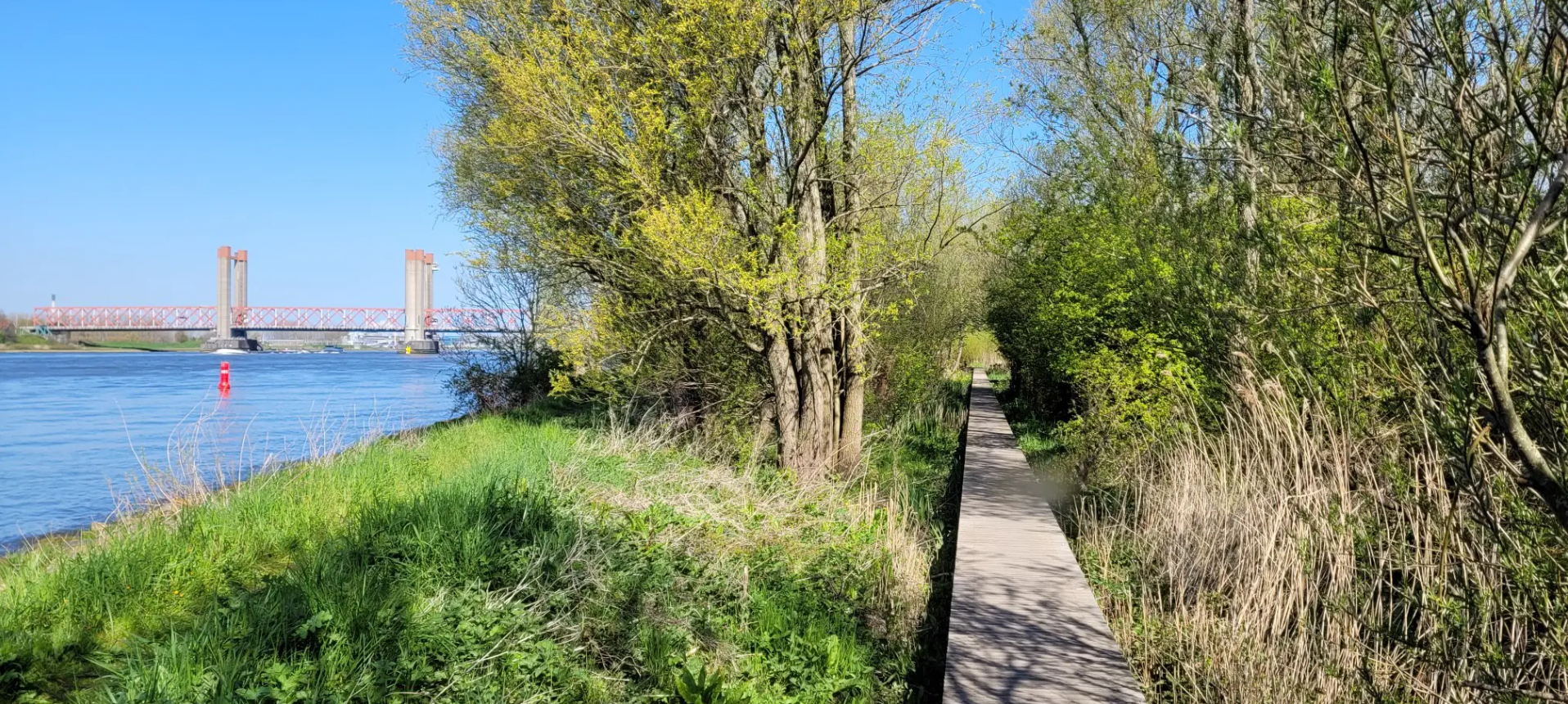
Follow the Dutch rivers – Great Rivers Trail (LAW 6)
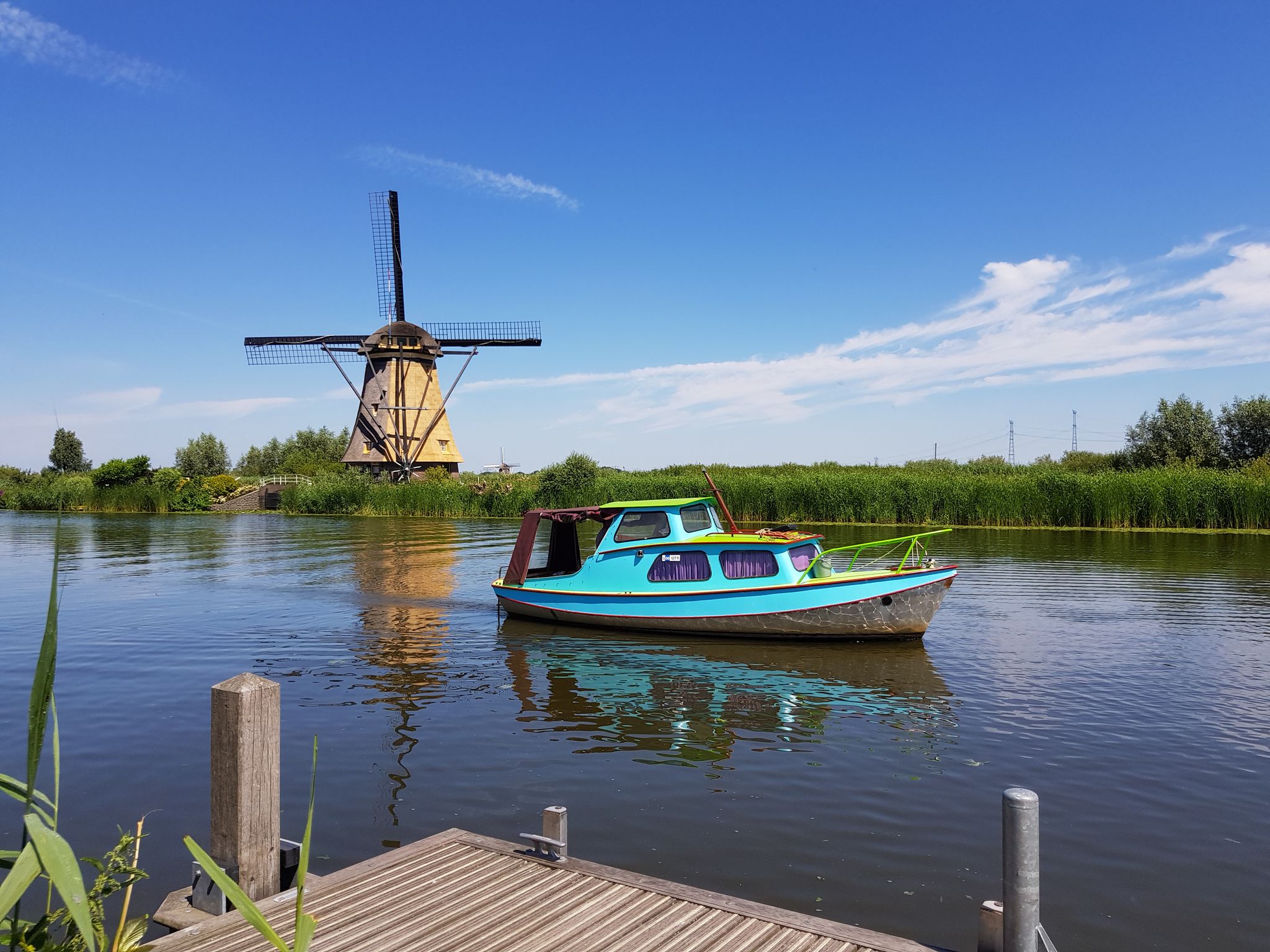
Floris V-pad long-distance hike – Dutch History on LAW 1-3
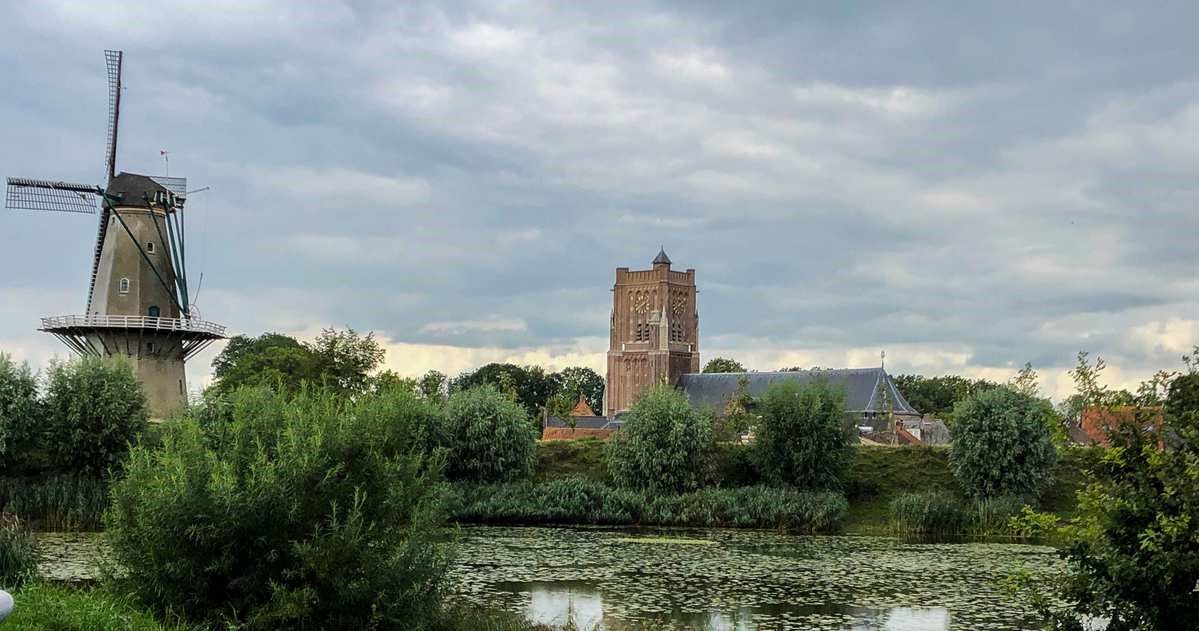
Amsterdam to 's-Hertogenbosch – Pilgrims’ Path part 1
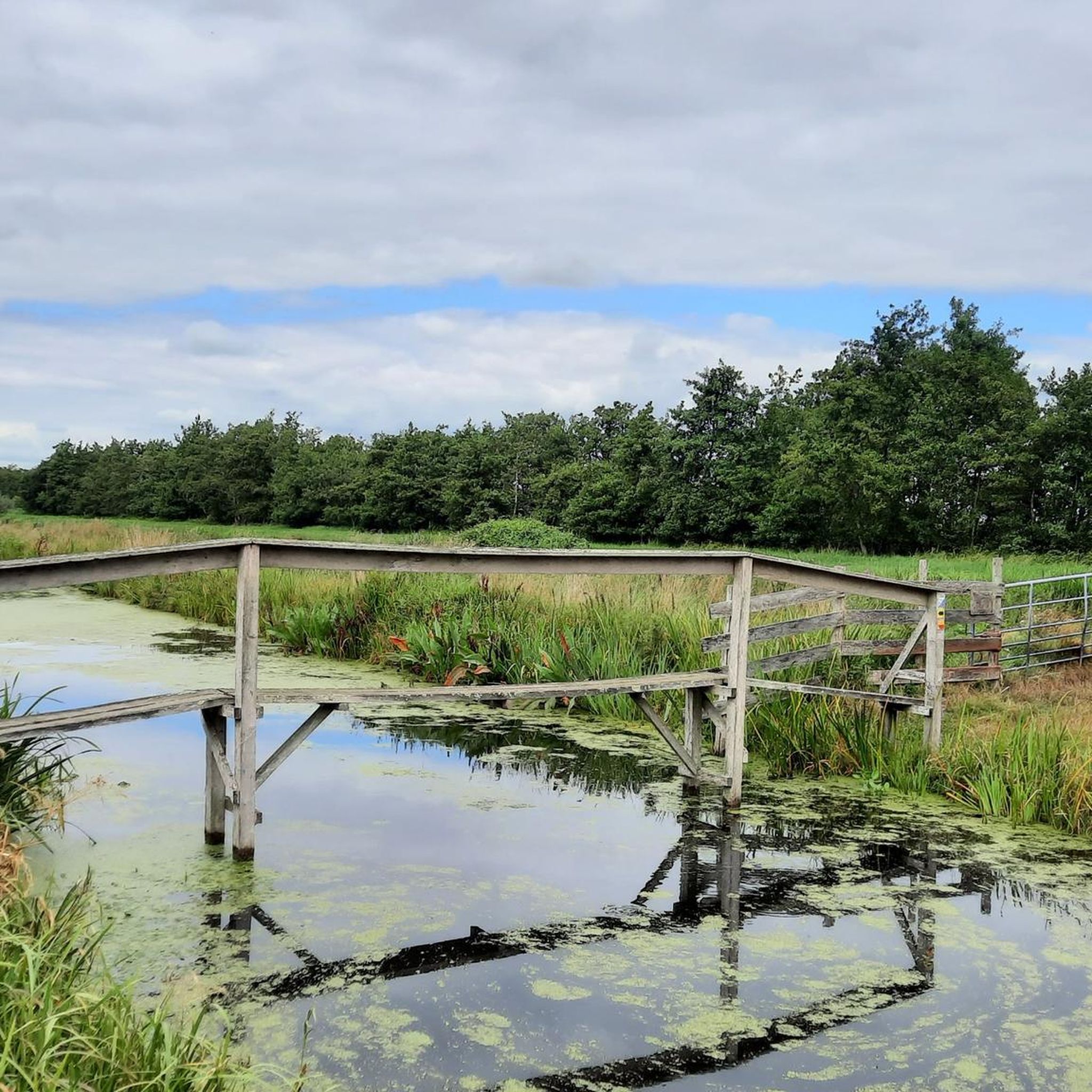
Cycling around Krimpenerwaard
Hiking around Krimpenerwaard
Road Cycling Routes around Krimpenerwaard
Other adventures around Krimpenerwaard


Tips from the Community

Nothing remains of the castle there. There is only a small island on which the castle stood and a drawbridge. In one place there is an engraved disc, depicting the castle, so that you can get a small idea of what it once looked like.
0
0

The castle was built in a relatively short time and has dominated Woerden's city center ever since. The first mention dates from 1415 and can be found on a drawing for the castle's construction. Based on this document, it is assumed that construction began in 1410. Steward Heynric Hermans is considered the first resident. He was an innkeeper and represented the Duke of Brabant, Jan van Beieren, who built the castle in Woerden. Even then, the castle served as a safe haven for the Duke's guests. The towers are connected by stone-vaulted corridors. At the end of the 15th century, it was used as the official residence of the Bailiff of the Land of Woerden. It retained this function until the end of the 18th century. In the 19th century, it served as a prison for men for a time, and later for women. Afterward, it served as a central warehouse for military supplies, a function the castle retained until the early 1980s. Now, more than 600 years later, Woerden Castle is known as the premier event venue in the Groene Hart region and serves as a safe haven for all its guests.
1
0

Huys ten Donck is a monumental country house dating from 1746, located in Ridderkerk, South Holland. It is surrounded by a beautiful 18th-century park in the English landscape style. The house is still privately occupied by descendants of the original family and is occasionally open for tours, events, and weddings. The estate is also popular for walking in the green surroundings.
5
0
In the municipality of Ridderkerk, in the Riederwaard near Slikkeveer, lies the castle ruin of the noble Van Woude family, which held a fiefdom belonging to the count. Construction of the castle began in 1372 but was never completed because the Riederwaard flooded in 1373. The existing walls withstood the flood, but were torn down during the Hook and Cod Wars. During the St. Elizabeth's Flood in 1421, the remains were covered with a layer of clay. The castle measured approximately fifteen by twenty meters. A wall divided the building lengthwise into two naves. There was at least one floor, which likely housed a representative hall. The ground floor resembled a cellar lit by slit windows. Because the rising walls were only 50 to 65 centimeters thick, Huis te Woude likely served residential purposes rather than defense.
0
0
Montfoort Castle is a medieval fortress dating back to the 12th century, with a turbulent history of sieges and destruction, still visible today in the gatehouse and outer bailey. After centuries of education and correctional facilities, the castle has evolved into an atmospheric, multifunctional venue for gastronomy and events.
5
0

Only a small part of the original castle remains but it is still worth including in your walk.
3
0

Montfoort Castle in Montfoort, Utrecht, was built in 1163 by Bishop Godefried van Rhenen to defend the Sticht against the county of Holland. Only part of the outer bailey still stands. Wikipedia
0
0

Nice, not so special to visit. Very nice for events.
3
0
Frequently Asked Questions
What kind of 'castles' can I expect to find around Krimpenerwaard?
The Krimpenerwaard region is unique because it doesn't feature traditional, standing castles that are typically open to visitors. Instead, you'll discover historical sites, castle ruins, and repurposed historical buildings that offer a glimpse into the area's rich past. These sites often highlight the region's architectural heritage and its historical significance.
Are there any well-preserved castles I can visit near Krimpenerwaard?
While Krimpenerwaard itself doesn't have well-preserved traditional castles, nearby areas offer notable historical sites. For example, Woerden Castle, approximately 600 years old, is now used for art exhibitions, catering, and events. Another option is Montfoort Castle, a medieval fortress where only a small part of the original structure, including its impressive entrance gate, remains.
What happened to the historical castle in Schoonhoven?
A significant castle once stood in Schoonhoven, built around 1220. It played a crucial role in the town's development and economy, even contributing to Schoonhoven's reputation as the 'Silver City.' Unfortunately, this original castle was destroyed in a large city fire in 1518 and was never rebuilt. Today, its historical significance lies in its foundational role for the city, but no physical structure remains.
Are there any family-friendly historical sites around Krimpenerwaard?
Yes, several historical sites around Krimpenerwaard are considered family-friendly. Woerden Castle and Montfoort Castle are listed as family-friendly. Additionally, Huys ten Donck, a monumental country house with an 18th-century park, is also suitable for families, offering green surroundings for walks.
What kind of outdoor activities can I do near these historical sites?
The Krimpenerwaard region offers various outdoor activities. You can find numerous routes for mountain biking, running, and hiking. For example, there are moderate MTB routes like 'De Mol Sculpture – Loetbos loop' and 'Haastrecht Drawbridge – Tiendweg to Rotterdam loop'. Hiking options include scenic routes like 'Vlist: Waterway and Windmill – Photogenic trail along the Vlist'. You can explore more routes on the respective guide pages for MTB Trails, Running Trails, and Hiking around Krimpenerwaard.
Can I visit castle ruins in the Krimpenerwaard area?
Yes, you can visit castle ruins. The Huis te Woude Castle ruins in Ridderkerk offer a historical experience. This castle was never completed due to floods and conflicts, but its remains provide insight into medieval construction and the region's turbulent past. It was likely intended for residential purposes rather than defense.
Are there any historical estates or country houses to visit?
Absolutely. Huys ten Donck is a notable example. This monumental country house, dating from 1746, is surrounded by a beautiful 18th-century park in the English landscape style. While still privately occupied, it is occasionally open for tours, events, and weddings, and its estate is popular for walking.
What is the best time of year to visit the historical sites around Krimpenerwaard?
The Krimpenerwaard region, with its polders and historical sites, is generally pleasant to visit during spring and summer (April to September) when the weather is mild, and the landscape is green. This period is ideal for outdoor activities like walking and cycling around the sites. Some historical houses or parks might have specific opening hours or events during these seasons.
Are there cafes or restaurants near these historical locations?
Yes, some historical locations offer dining options. For instance, Montfoort Castle has a restaurant with a terrace at Schlossplatz, making it convenient for visitors to enjoy a meal or a drink. For other sites, you might find cafes and restaurants in the nearby charming village centers.
What do visitors appreciate most about the historical sites around Krimpenerwaard?
Visitors appreciate the rich history and the unique character of the sites. They enjoy seeing how historical buildings have been repurposed, like Woerden Castle hosting art exhibitions. The blend of historical significance with modern uses, along with the beautiful surrounding landscapes, makes for an engaging experience. The community has shared over 60 photos and given more than 160 upvotes for these highlights.
Is public transport available to reach these historical sites?
While specific public transport details for each site are not provided, the Krimpenerwaard region is generally accessible by public transport within the Netherlands. It's advisable to check local bus or train schedules to nearby towns like Woerden, Montfoort, or Ridderkerk, and then plan your route to the specific historical site.
Are the historical sites around Krimpenerwaard wheelchair accessible?
Accessibility can vary greatly between historical sites, especially those with older structures or ruins. While some repurposed buildings like Woerden Castle might have modern facilities, others like castle ruins or country estates with extensive grounds may have limited accessibility. It's recommended to check the specific site's information or contact them directly for detailed accessibility options.
Most popular attractions around Krimpenerwaard

Get inspired with the komoot mobile app


Explore more
Looking for the best castles somewhere else? Discover other guides around Krimpenerwaard:
