Top 20 Lakes around S-Gravendeel
Best lakes around S-Gravendeel are primarily found within the broader Hoeksche Waard region, characterized by its polder landscape, rivers, and canals. While S-Gravendeel itself does not feature large natural lakes, the area offers various water-based recreational opportunities through its extensive network of waterways. These include the Kil river and numerous canals, providing settings for activities such as walking, cycling, and fishing. The region's connection to water is integral to its natural and historical identity.
Best lakes around S-Gravendeel
- The most…
Last updated: June 26, 2026
De Biesbosch National Park
Highlight • Natural
Translated by Google •
Tip by

Jantjesplaat
Highlight • Natural
Paths and footbridges are paved, detours into the countryside are not recommended, swampland!
Translated by Google •
Tip by

Sign up now to discover places like this
Get recommendations on the best single tracks, peaks, & plenty of other exciting outdoor places.
Sign up for free
Dead trees in the De Biesbosch wetlands
Highlight • Natural
Translated by Google •
Tip by

Oeverlanden Hollands Diep Nature Reserve
Highlight • Natural
Translated by Google •
Tip by

Bench Noordergat van de Visschen
Highlight • River
Showing Translation
Tip by

Sign up for free to discover even more lakes around S-Gravendeel.
Sign up for free
Already have an account?
Start today with a free account
Your next adventure awaits.
Login or Signup
Tips from the Community


There's plenty of flora and fauna to discover in the Biesbosch National Park. The park's museum and café are also a must-see. It's important to check the ferry service to Crezée in advance.
1
0

Anyone who is a fan of tidal areas will really do themselves a big favor by going for a walk here for a day. Beautiful nature and wonderfully quiet on weekdays. Watch out for the cattle that like to stand in the water when it is warm. Dragonflies, frogs, dozens of species of birds and beautiful flowers! Do bring your own food and drinks because there are no catering facilities or water points here.
2
0

National Park De Biesbosch is on the list of protected nature reserves. De Biesbosch is partly used for agriculture and there is a lot of (water) recreation. Specially constructed reservoirs provide for the storage of clean surface water. Since 1994, De Biesbosch has been a national park, where work is now in full swing to give more space to the rivers.
2
0

The (bicycle) ferry from Lage Zwaluwe runs all day until about half past six (with a break between a quarter past 1 and 2 o'clock). From there you will be treated to a beautiful wetland, outside the Wadden area, the Netherlands' most beautiful nature reserve, if I may say so. Enjoy the many birds and the diversity of (wet) nature. If you park your bicycle, you can also explore the area on foot; there are several lookout towers where you can secure your bicycle. At the end of the ride I set up my tent at the Knotwilg nature campsite. A hiker's field with a view over the water, great! There are also beautiful routes into the area from there. There is a mini lookout tower near the campsite, so you can enjoy a beautiful sunset.
5
0
With the (bicycle) ferry from Lage Zwaluwe you will be completely immersed in the most beautiful nature reserve in the Netherlands. Take your time for this part, there are various routes into the area!
3
1

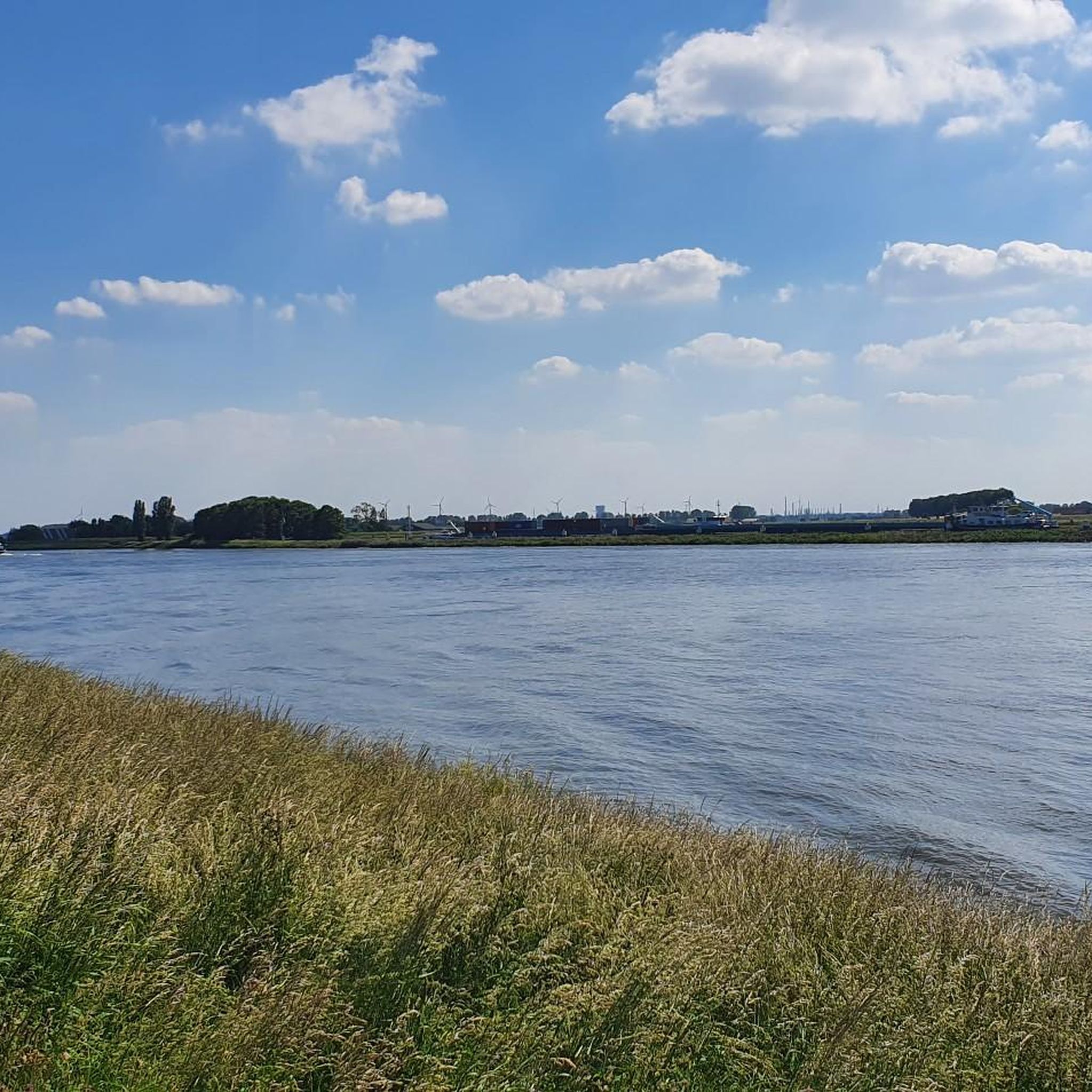
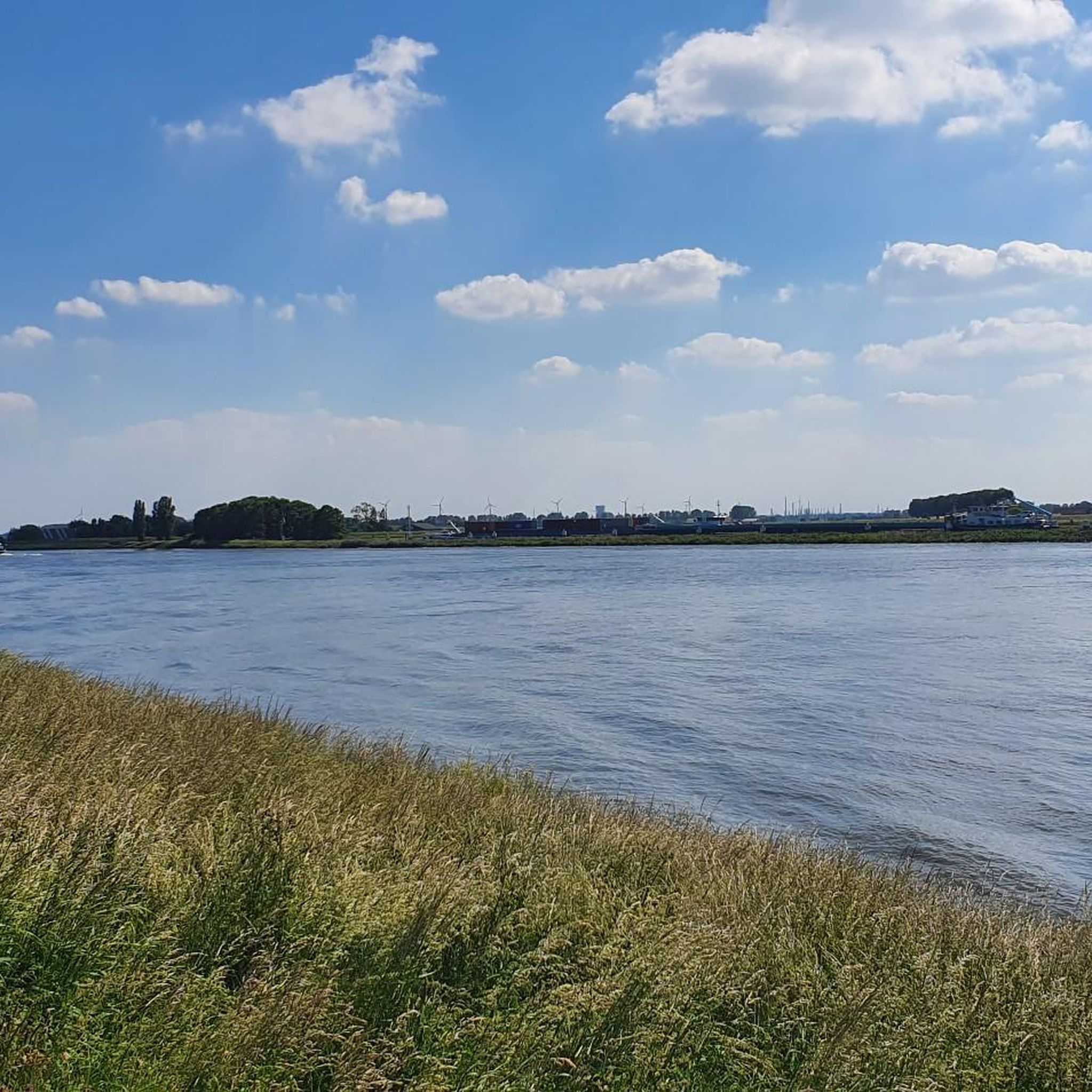
The creation of the riparian lands on the Hollands Diep is a fascinating interplay of nature and human effort. The Hollands Diep formed a natural division between areas, with its banks formed by the natural movement of water and sediment. However, with the arrival of humans, the landscape began to change. In the past, residents saw the potential of the fertile banks and started reclaiming pieces of land from the water with the help of dikes and ditches. This marked the beginning of an era of land reclamation and water management. As time and technology advanced, the experimental land reclamation efforts became more ambitious. Engineers designed complex systems of dikes and dams, creating more and more riparian lands. The once wild banks transformed into orderly, fertile lands, where nature and people together form a unique and harmonious landscape along the Hollands Diep. Each piece of land reclaimed became a new chapter in the timeless story of the interaction between land, water and people in the Netherlands.
7
0
Frequently Asked Questions
What kind of water bodies can I expect around S-Gravendeel?
S-Gravendeel is situated in the Hoeksche Waard region, known for its polder landscape, rivers, and canals, rather than traditional large natural lakes. You'll find extensive networks of waterways, including the Kil river and numerous smaller canals, which offer diverse recreational opportunities.
What are the main natural attractions or reserves to visit near S-Gravendeel?
The most prominent natural attraction is De Biesbosch National Park, a unique freshwater tidal area with a labyrinth of rivers and streams. Other notable spots include Jantjesplaat, an island nature reserve, and the Oeverlanden Hollands Diep Nature Reserve, known for its tidal areas and rich biodiversity.
What outdoor activities can I do near the water around S-Gravendeel?
The water areas around S-Gravendeel are excellent for various outdoor activities. You can enjoy walking, cycling, and fishing along the riverbanks and canals. De Biesbosch National Park is particularly popular for hiking, cycling, and canoeing through its extensive reed areas and swampy forests. For more specific routes, you can explore running trails, MTB trails, and road cycling routes in the region.
Can I go fishing in the canals or rivers around S-Gravendeel?
Yes, the numerous canals and ditches crisscrossing S-Gravendeel and the Hoeksche Waard are popular spots for anglers. Species like Northern Pike and European Perch are commonly found, offering a peaceful pastime amidst the Dutch landscape.
What kind of wildlife can I expect to see in these water areas?
The water areas, especially De Biesbosch National Park, are rich in wildlife. Bird lovers will find hundreds of bird species, including kingfishers and sea eagles. You might also spot dragonflies, frogs, and various water birds, particularly around Jantjesplaat and the Oeverlanden Hollands Diep Nature Reserve.
Are the water areas around S-Gravendeel family-friendly?
Many areas are family-friendly. De Biesbosch National Park and the area around Dead trees in the De Biesbosch wetlands offer accessible paths and scenic views suitable for families. The general polder landscape with its flat terrain is also good for family walks and bike rides.
What are the walking conditions like around these water bodies?
Walking conditions vary. In areas like Jantjesplaat, paths and footbridges are often paved, but detours into the countryside are not recommended due to swampland. The Oeverlanden Hollands Diep Nature Reserve offers beautiful, quiet walks, but be mindful of cattle that may be in the water. Generally, the region offers many flat paths along dikes and canals.
What is the best time to visit the water areas around S-Gravendeel?
The water areas around S-Gravendeel can be enjoyed year-round. Spring and summer are ideal for cycling, canoeing, and wildlife observation, especially for birds. Autumn offers beautiful colors, and even winter walks can be tranquil, though some paths might be muddy after heavy rain.
Are there any unique natural features to explore?
Yes, De Biesbosch National Park is one of the few freshwater tidal areas in the world, creating a unique ecosystem. The area of Dead trees in the De Biesbosch wetlands offers a distinct wetland landscape, accessible via bicycle paths and ferry services, providing a glimpse into untouched nature.
How can I access areas like De Biesbosch National Park?
Access to De Biesbosch National Park is possible by car, and there are also ferry services, such as the bicycle ferry from Lage Zwaluwe, which takes you directly into the heart of the wetlands. Once there, you can explore by foot or bicycle on designated paths.
Are there places to sit and enjoy the views by the water?
Yes, you can find tranquil spots to relax. For instance, there's a specific Bench at Noordergat van de Visschen, which offers a beautiful view over an important waterway in the Brabantse Biesbosch, perfect for enjoying the scenery.
What makes the water landscape around S-Gravendeel unique?
The uniqueness stems from its polder environment and the interplay of land and water. Unlike traditional lakes, the region's rivers and canals are integral to its identity, offering a blend of natural beauty, historical significance (like S-Gravendeel's past as a port town on the Kil), and a rare freshwater tidal ecosystem in De Biesbosch National Park.
Most popular attractions around S-Gravendeel

Get inspired with the komoot mobile app


Explore more
Still not found your perfect lake around S-Gravendeel? Check out the guides of these regions to see even more beautiful places.
