Top 8 Castles around Zwartewaterland
Best castles around Zwartewaterland offers a glimpse into the region's rich history through its historical buildings and estates. While traditional fortified castles are not prevalent, the area features significant historical landmarks. These structures reflect centuries of local heritage and architectural value. The broader Dutch landscape includes many historic country houses and estates, some of which are found in or near Zwartewaterland.
Best castles around Zwartewaterland
- The most popular castles is Hattem, a settlement that features the last remains of…
Last updated: June 26, 2026
Hattem
Highlight • Settlement
Translated by Google •
Tip by

Rear of Havezathe Havixhorst
Highlight • Historical Site
Translated by Google •
Tip by

Sign up now to discover places like this
Get recommendations on the best single tracks, peaks, & plenty of other exciting outdoor places.
Sign up for free
Den Oldenhof Estate
Highlight • Historical Site
Translated by Google •
Tip by

Toutenburg Castle ruins
Highlight • Castle
Translated by Google •
Tip by
Remains of the City Wall and Dikke Tinne Castle
Highlight • Castle
Translated by Google •
Tip by

Sign up for free to discover even more castles around Zwartewaterland.
Sign up for free
Already have an account?
Start today with a free account
Your next adventure awaits.
Login or Signup
Popular around Zwartewaterland
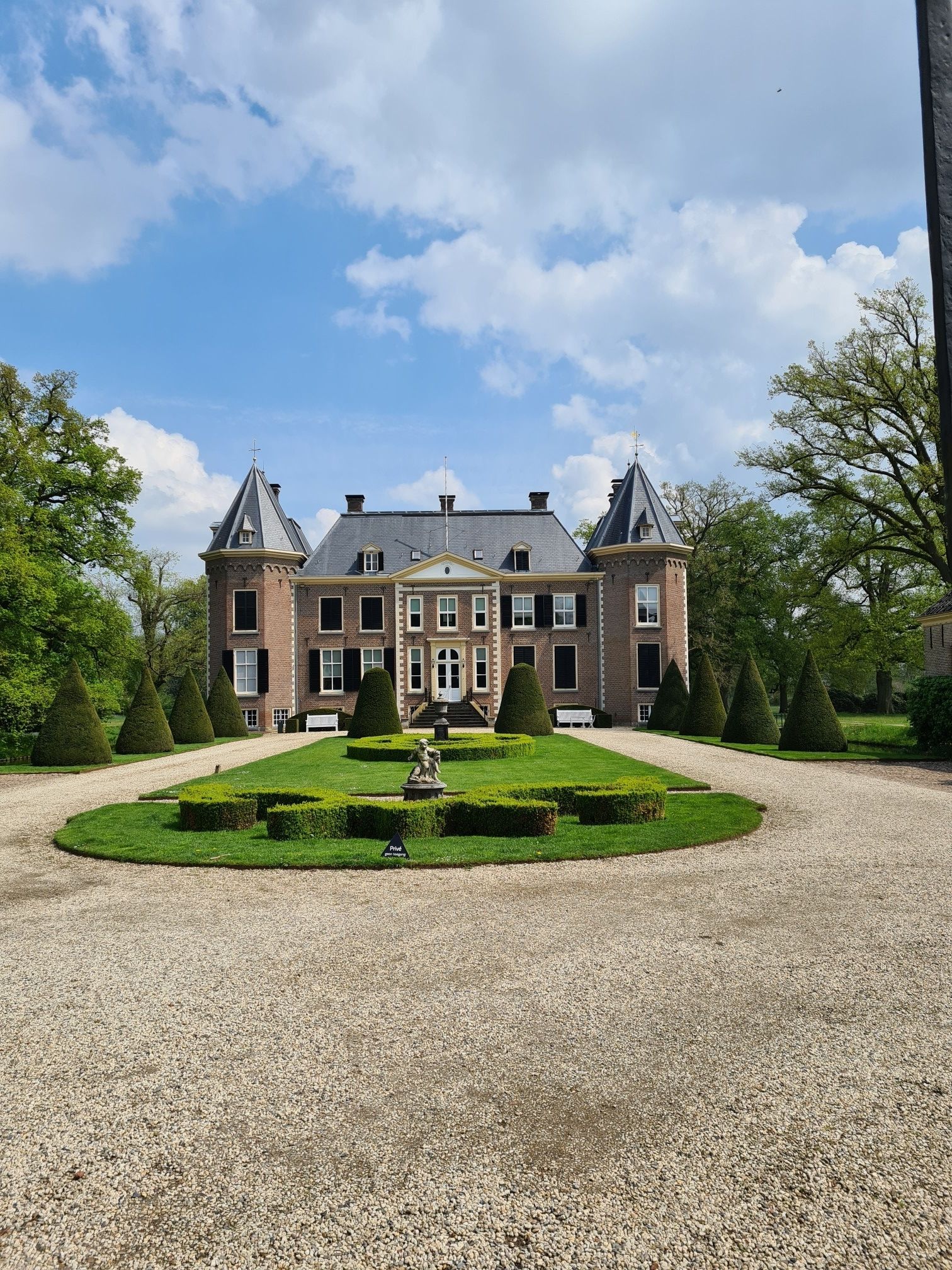
Explore the idyllic Dutch province of Overijssel – Havezatenpad
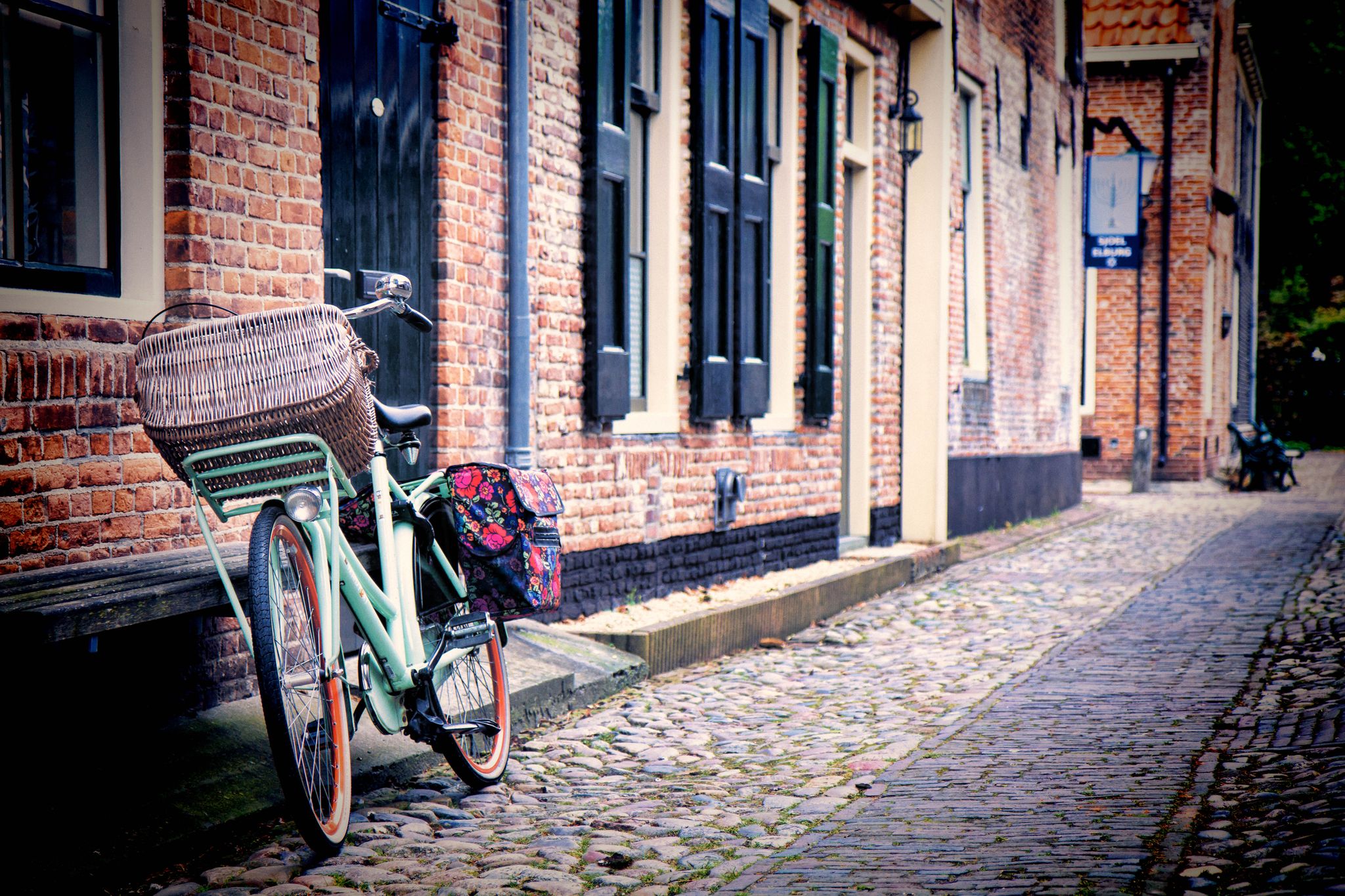
Wonderful round trips along the German and Dutch Hanser Route
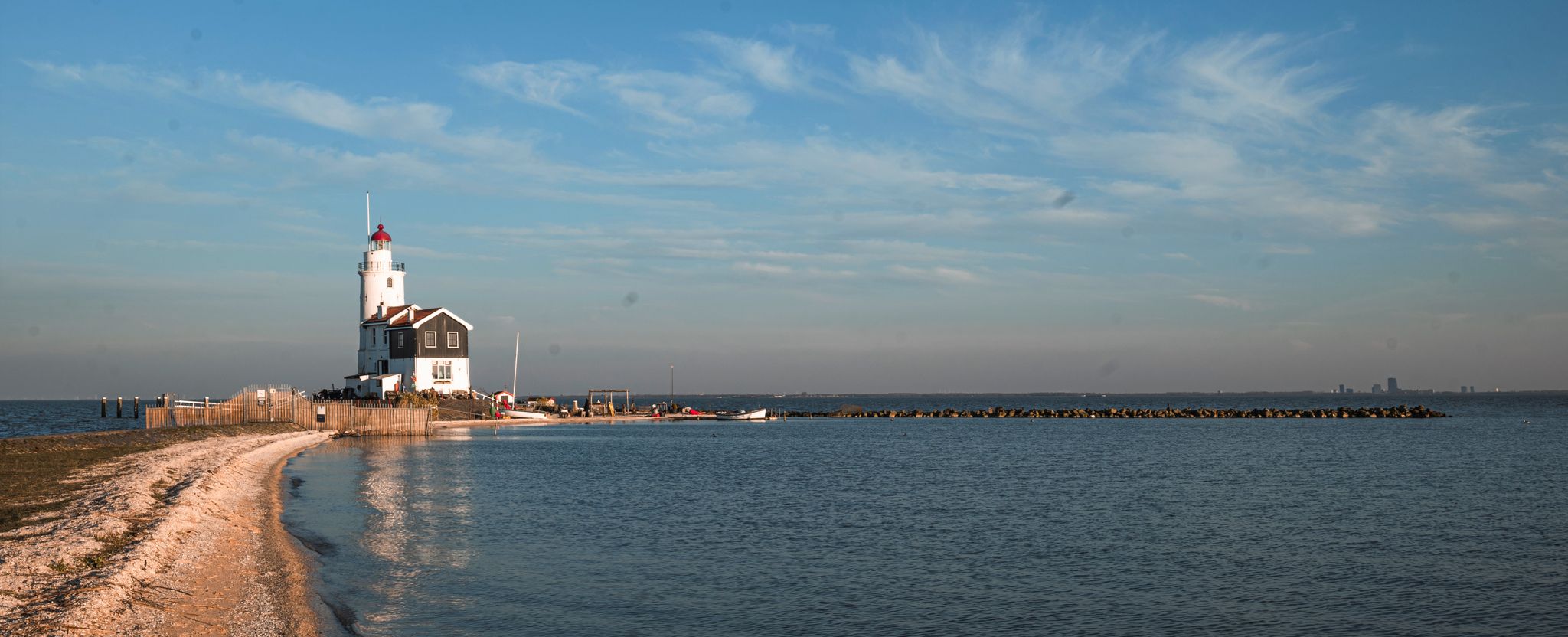
Zuiderzeepad – hike around the IJsselmeer in 28 stages
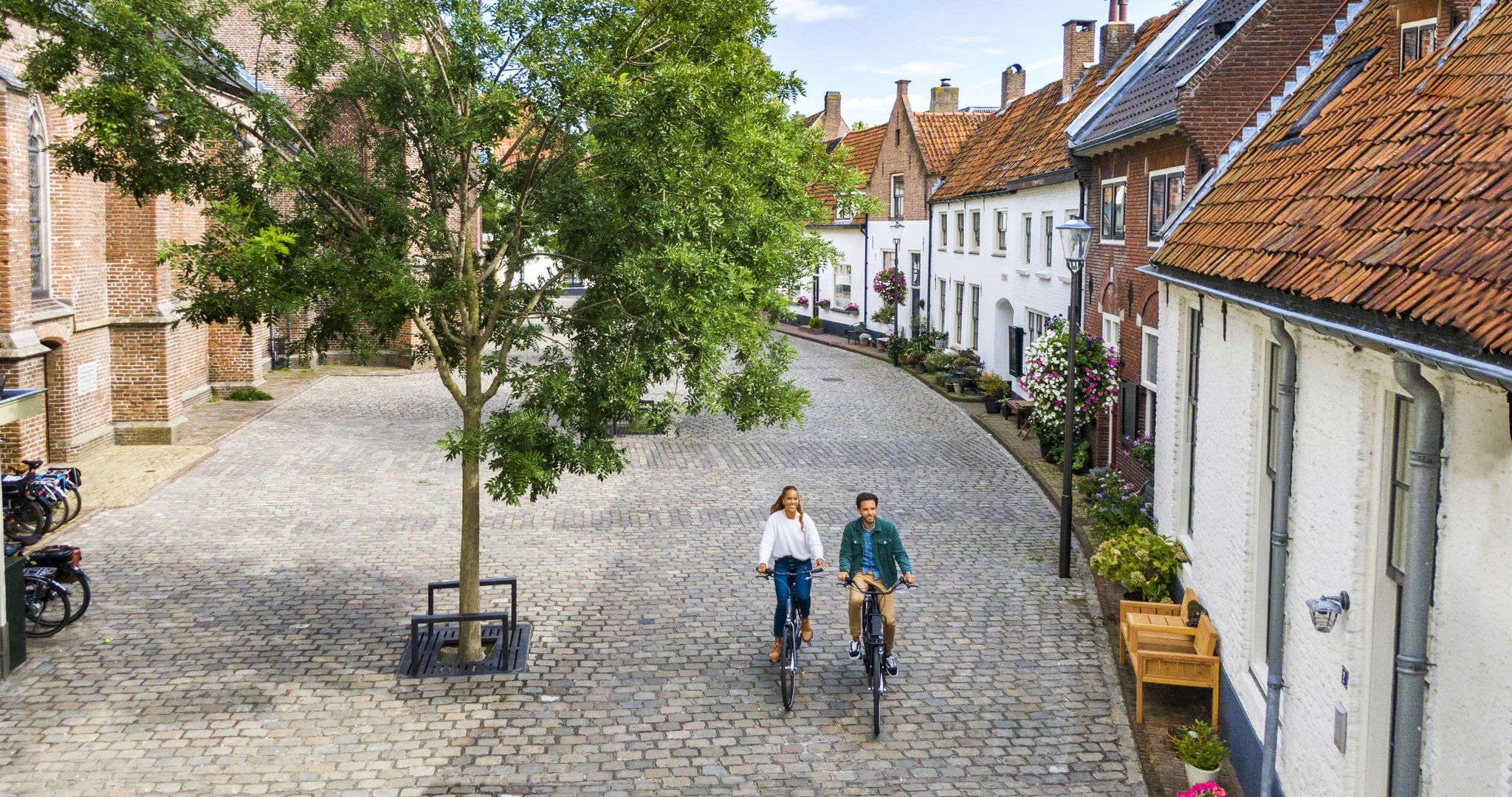
Nine Hanseatic cities, nine pearls in the east of the Netherlands
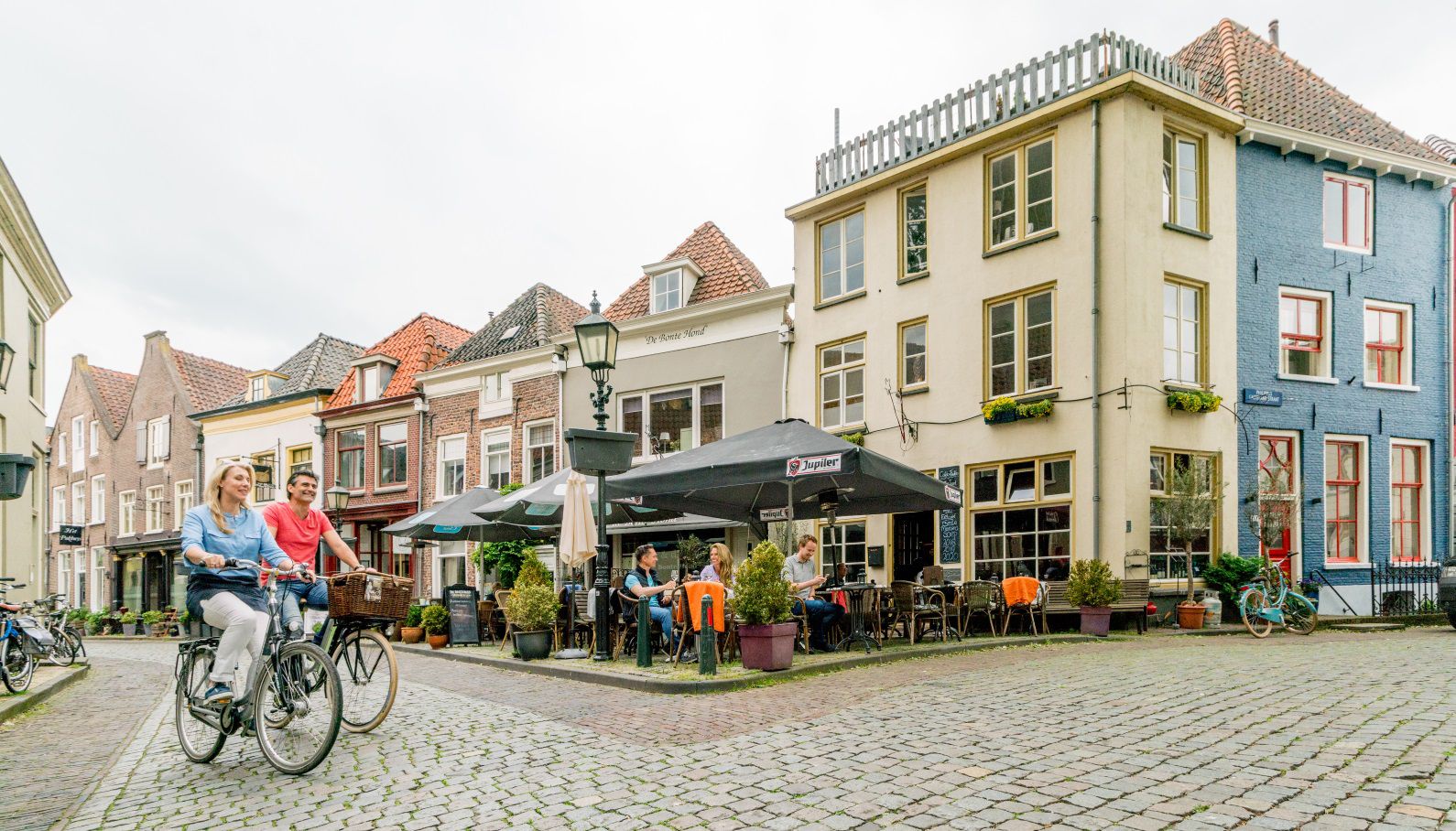
Cycling along the Dutch Hanseatic Cities
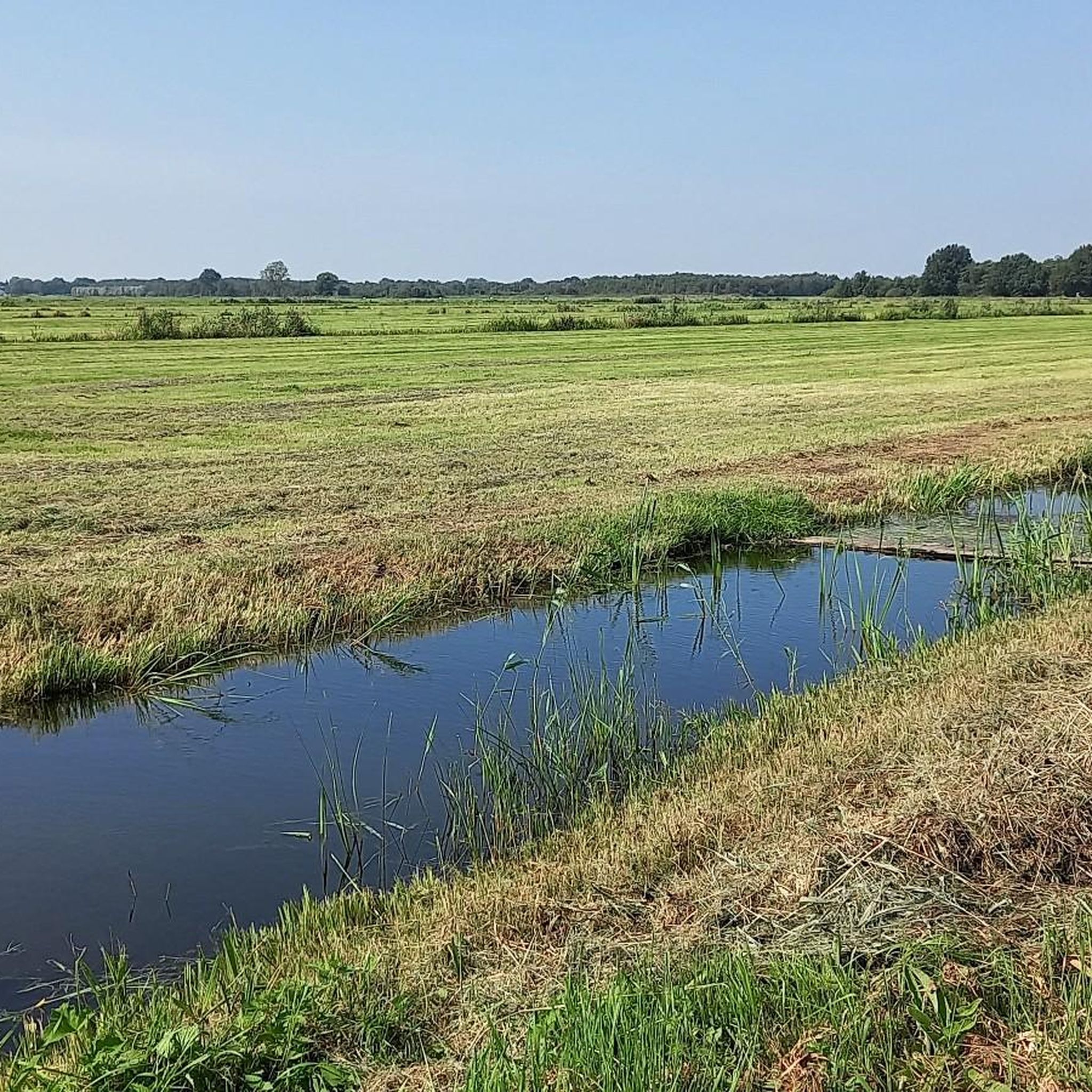
Cycling around Zwartewaterland
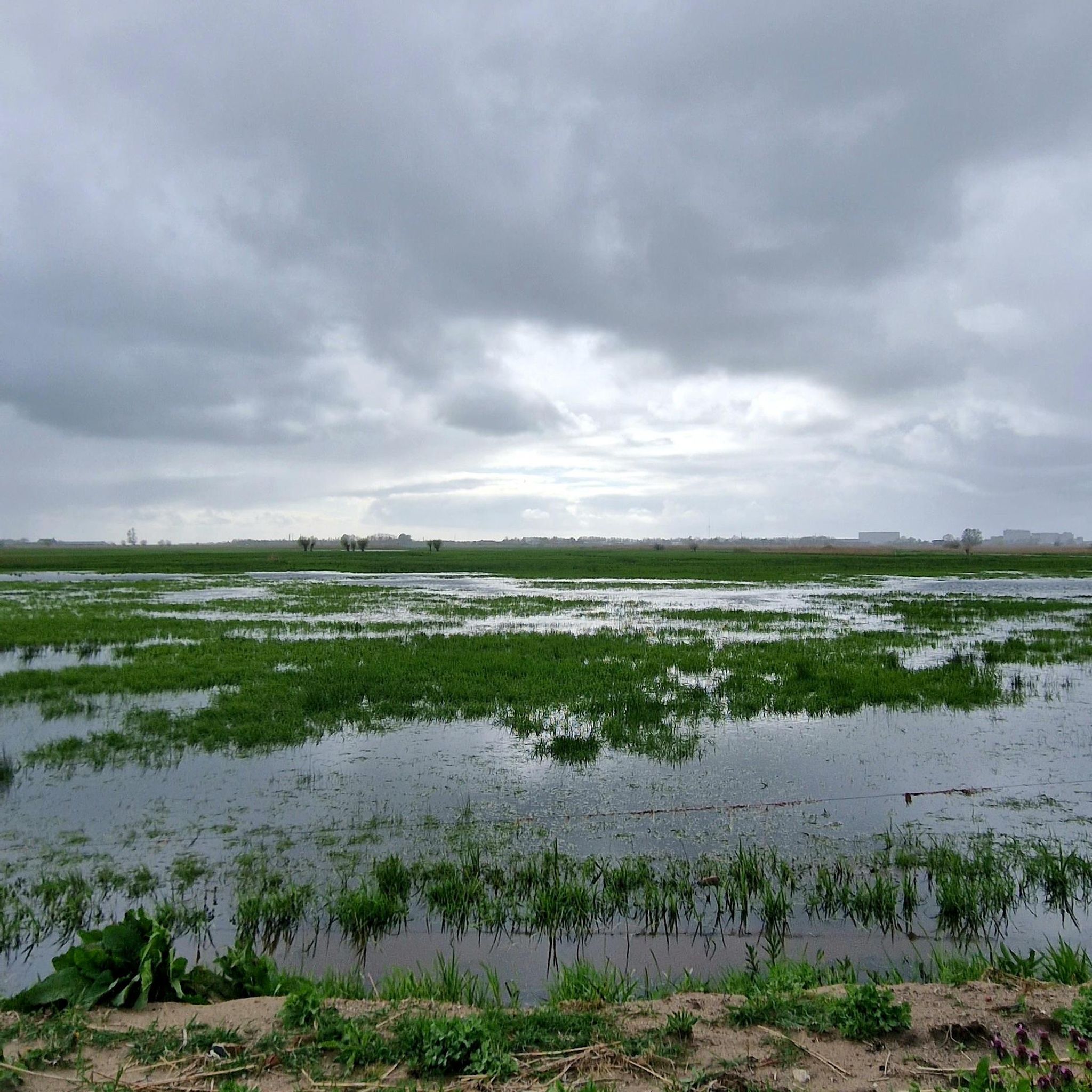
Hiking around Zwartewaterland
Road Cycling Routes around Zwartewaterland
Running Trails around Zwartewaterland

Gravel biking around Zwartewaterland
Other adventures around Zwartewaterland


Tips from the Community

The town, first documented in the 9th century as Hattheim, was granted town rights in 1299. Due to its location on the IJssel opposite Zwolle in Overijssel, the town was strategically important for the Duchy of Gelderland in the Middle Ages. Hattem was a member of the Hanseatic League for some time. During the Eighty Years' War, Hattem was unsuccessfully besieged by Spanish troops in 1629. During the Dutch War, Hattem was occupied by troops of the Prince-Bishop of Münster, Christoph Bernhard von Galen, in 1672 and 1673. After 1700, trade and thus the town's economic importance declined sharply.
1
0


Walk back centuries and breathe in the atmosphere of 1635, when the noble Sloet family had this stately country estate built. Time seems to stand still in the surrounding forest and gardens. Enjoy a real night's sleep at the campsite. Taste special flavors in the tea house. www.landgoedoldenhof.nl
0
0

The Havixhorst consists in the core of the manor house with outbuildings, garden, canal and surrounding forest. The estate is approximately 100 hectares in total. The estate is beautifully situated in the stream valley of the Reest, between Meppel and De Wijk. The existence of De Havixhorst is first mentioned in 1409, in the archives of Dickninge Abbey. The current shape and appearance mainly dates from 1753. The manor has been inhabited for three centuries by the De Vos van Steenwijk family. https://www.drentslandschap.nl/objecten/havixhorst
0
0

Havixhorst is first mentioned in 1371. Until the 17th century, Havixhorst was owned by members of the Van den Clooster family. From the 15th century, the lords of Havixhorst owned the collation right in the church of IJhorst. The Van den Clooster family also owned the manors of Rheebruggen and Vledderinge. In 1580, the manor Batinge was also conquered by them, but had to be relinquished. In the 17th century, the Havixhorst passed to the Van Munster family. Due to financial problems, Reinold van Munster had to give up the Havixhorst in 1658 and exchanged his property with the Ibinge heir in Echten owned by Johan de Vos van Steenwijk. The De Vos van Steenwijk family owned the manor house for almost three hundred years, from 1658 to 1956. In 1956, Havixhorst passed on to two grandnieces, the ladies Van Mourik, who sold the Havixhorst in 1963, after which major repairs took place over the years and, for example, the coach house was completely rebuilt. During that period it was used alternately as a retirement home, a holiday resort for young people, a reception center for Vietnamese refugees, and was eventually used as a hotel. In 1982, the Havixhorst was purchased by Het Drentse Landschap and its renovations and restoration continued.
0
0

The former fortress of the Dikke Tinne was strategically located in the northernmost point on the Gelderse part of the IJssel. The Burcht de Dikke Tinne dates from 1307. Today, the contours of the castle can still be seen in Hattem.
1
0


A very nice little place with a lot of historical buildings and some interesting museums. The Bakkerijmuseum is definitely worth a visit, especially with children. In summer, unfortunately, often very crowded and the traffic in parts of the old town doesn't really help - but when it's quiet it is always nice.
11
2
Frequently Asked Questions
What types of historical buildings can I expect to see in Zwartewaterland?
While Zwartewaterland does not feature traditional fortified castles, the region is rich in historical buildings, including well-preserved estates, manor houses, and significant historical landmarks. These structures offer a glimpse into centuries of local heritage and architectural value, often reflecting the broader Dutch landscape of historic country houses.
Are there any specific historical sites in Zwartewaterland that are particularly notable?
Yes, a prominent historical landmark in the region is the Oude Stadhuis (Old Town Hall) in Hasselt. This late Gothic building, first mentioned in 1431, showcases intricate historical craftsmanship and features a characteristic council chamber and a unique weapon collection. It's open to visitors during the tourist season from April to October.
Which historical sites around Zwartewaterland are recommended for visitors?
Visitors often enjoy exploring Hattem, a historic settlement featuring the last remains of Castle De Dikke Tinne. Another popular spot is Den Oldenhof Estate, a beautiful country house from 1635 with surrounding gardens and a canal. The Toutenburg Castle ruins in Vollenhove, with its former moat, also attract many interested in medieval history.
Are there any family-friendly historical sites or estates to visit?
Many of the historical sites around Zwartewaterland are suitable for families. Hattem, Den Oldenhof Estate, and the Toutenburg Castle ruins are all categorized as family-friendly, offering engaging experiences for all ages.
What is the best time of year to visit the historical sites around Zwartewaterland?
The tourist season, generally from April 1 to October 1, is ideal for visiting many historical sites, including the Oude Stadhuis in Hasselt, as they are open to the public during these months. The warmer weather also makes exploring estates and ruins more enjoyable.
Can I explore the natural surroundings of these historical estates?
Absolutely. Estates like Den Oldenhof Estate are surrounded by beautiful forests and gardens, which are largely open to the public for exploration. Similarly, the Rear of Havezathe Havixhorst includes a manor house with outbuildings, a garden, a canal, and a surrounding forest, perfect for a leisurely walk.
Are there any walking or cycling routes near these historical sites?
Yes, the region offers various outdoor activities. You can find numerous routes for road cycling, gravel biking, and mountain biking around Zwartewaterland. For example, there are easy road cycling routes like the 'Hamingen – Zwartsluis loop' or more challenging gravel biking trails like the 'Zwolse Bos Singletrack'. You can explore these and more options in the Road Cycling Routes around Zwartewaterland or Gravel biking around Zwartewaterland guides.
What kind of historical details can I learn about at these sites?
The sites offer rich historical context. For instance, at Hattem, you can learn about its past as a Hanseatic city and the impressive 'Dikke Tinne' castle walls. Havezathe Havixhorst has a history dating back to 1371, with various noble families having owned it over centuries, and it now serves as a nature reserve.
What do visitors enjoy most about the historical sites in Zwartewaterland?
Visitors appreciate the tangible connection to history, the well-preserved architecture, and the peaceful atmosphere of these sites. Many enjoy imagining life centuries ago, exploring the grounds, and discovering unique features like the weapon collection at the Oude Stadhuis or the replica iron cage at Hattem.
Are there any hidden historical gems or lesser-known sites worth discovering?
While not a 'hidden ruin' in the traditional sense, the Rear of Havezathe Havixhorst offers a serene and less crowded experience. This manor, with its long history and beautiful estate, provides a tranquil setting to explore the region's heritage away from more bustling attractions.
Are there cafes or dining options near these historical locations?
Yes, for example, in Hattem, the 'het Spookhuys' restaurant is located where the last remains of Castle De Dikke Tinne can be seen. Den Oldenhof Estate also features a tea house where visitors can enjoy special flavors. The towns and villages near these sites typically offer various dining options.
What is the significance of the 'Dikke Tinne' in Hattem?
The 'Dikke Tinne' (Thick Wall) refers to Castle St. Lucia in Hattem, known for having the thickest castle walls in the Netherlands, up to 7 meters. Although mostly demolished, its remains and historical significance are celebrated annually with a festival, and a replica of an iron cage from its history can be seen on Tinneplein.
Most popular routes around Zwartewaterland
Most popular attractions around Zwartewaterland

Get inspired with the komoot mobile app


Explore more
Looking for the best castles somewhere else? Discover other guides around Zwartewaterland:
