Top 20 Lakes around Steenbergen
Best lakes around Steenbergen are primarily found in the surrounding North Brabant province, offering diverse water recreation opportunities. The region is characterized by its proximity to significant water bodies like the Grevelingenmeer, Western Europe's largest saltwater lake, and De Biesbosch National Park, a unique freshwater delta. These areas provide extensive natural landscapes for exploration and various water-based activities. Steenbergen itself serves as a gateway to these natural features, which are popular for both their ecological significance and recreational value.
Best…
Last updated: June 26, 2026
Fort Waterschans
Highlight • Historical Site
Translated by Google •
Tip by

De Pluimpot Nature Reserve
Highlight • Natural Monument
Translated by Google •
Tip by

Sign up now to discover places like this
Get recommendations on the best single tracks, peaks, & plenty of other exciting outdoor places.
Sign up for free
Volkerak
Highlight • Lake
Translated by Google •
Tip by

Haringvliet Wetlands and Highland Cattle
Highlight • Natural
Translated by Google •
Tip by

De Zeezuiper
Highlight • Lake
Translated by Google •
Tip by

Sign up for free to discover even more lakes around Steenbergen.
Sign up for free
Already have an account?
Start today with a free account
Your next adventure awaits.
Login or Signup
Popular around Steenbergen
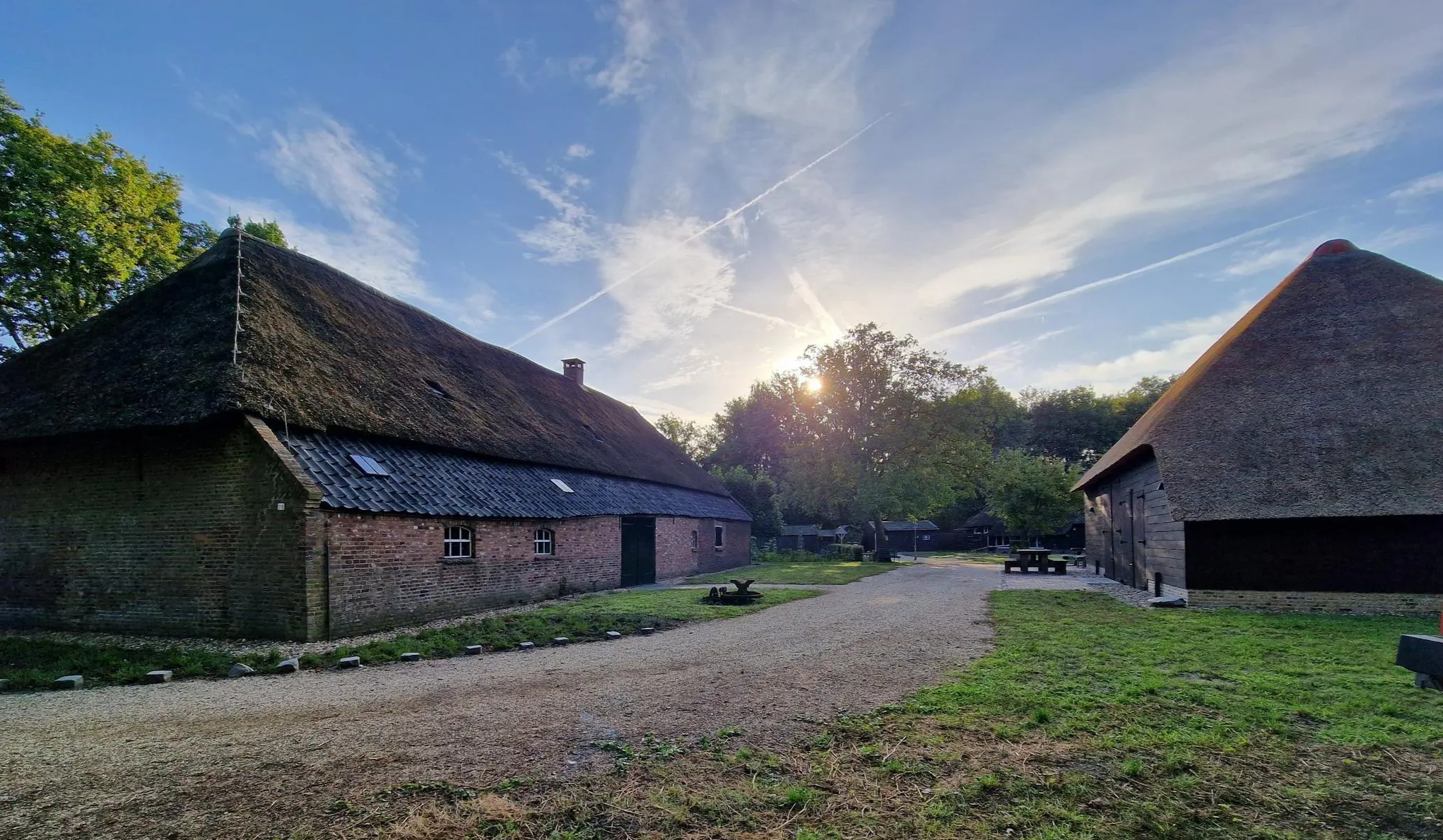
Four versatile Brabant – Nature camping route Noord-Brabant
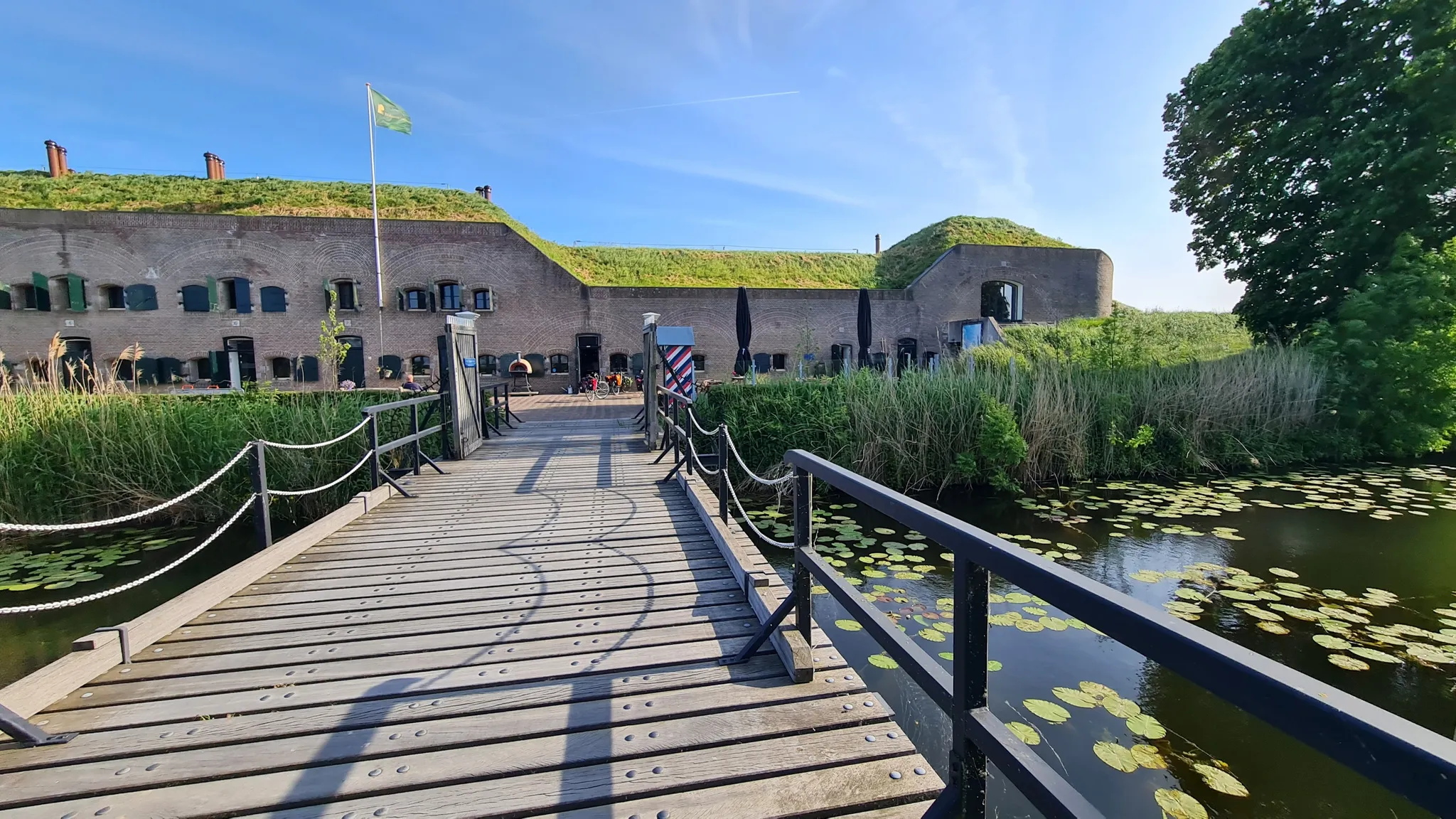
De Waterlinieroute – 8 days along forts and fortified cities
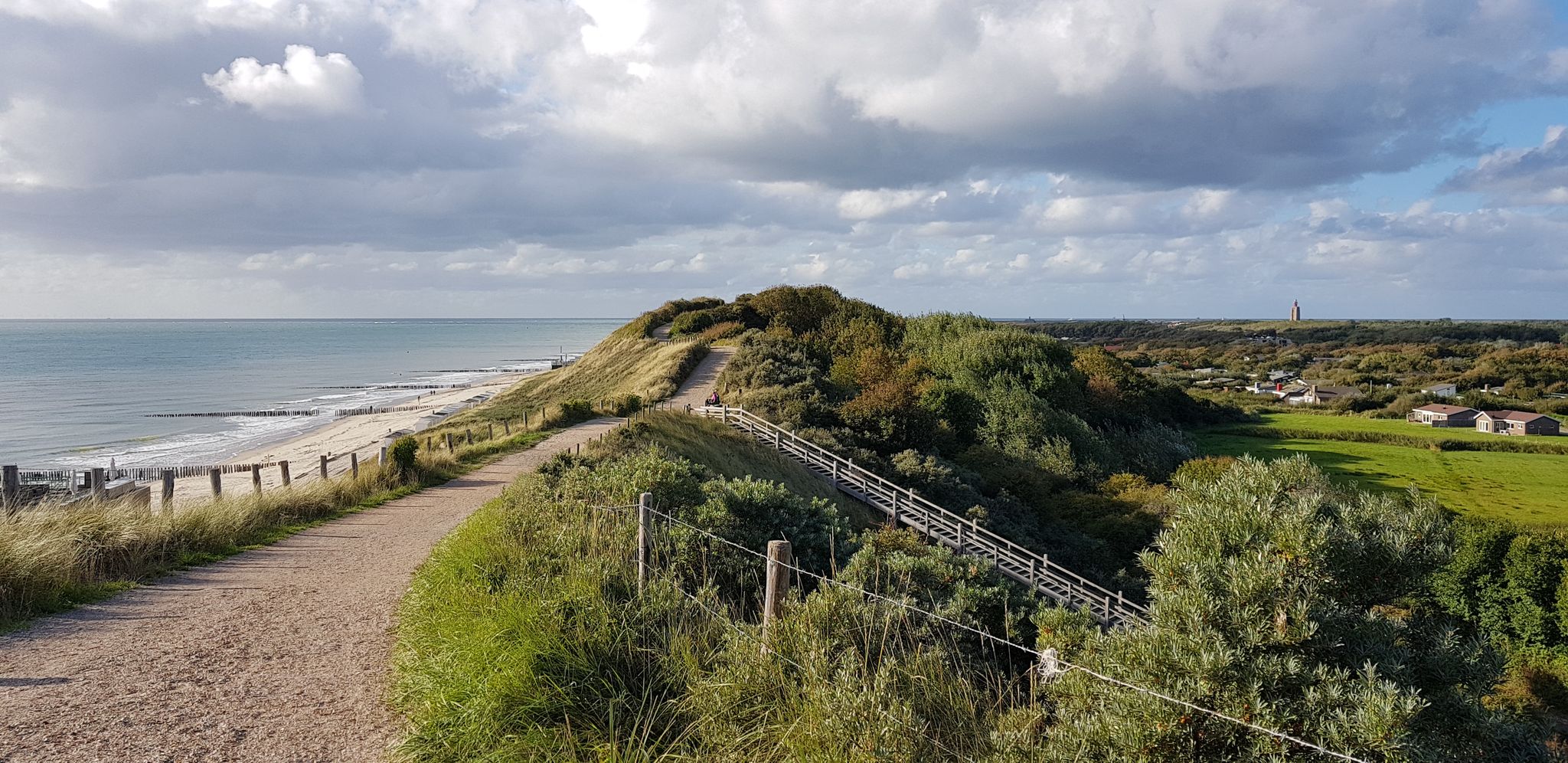
Along the Zeeland Coast — part 1: Dutch Coastal Path (formerly Deltapad)
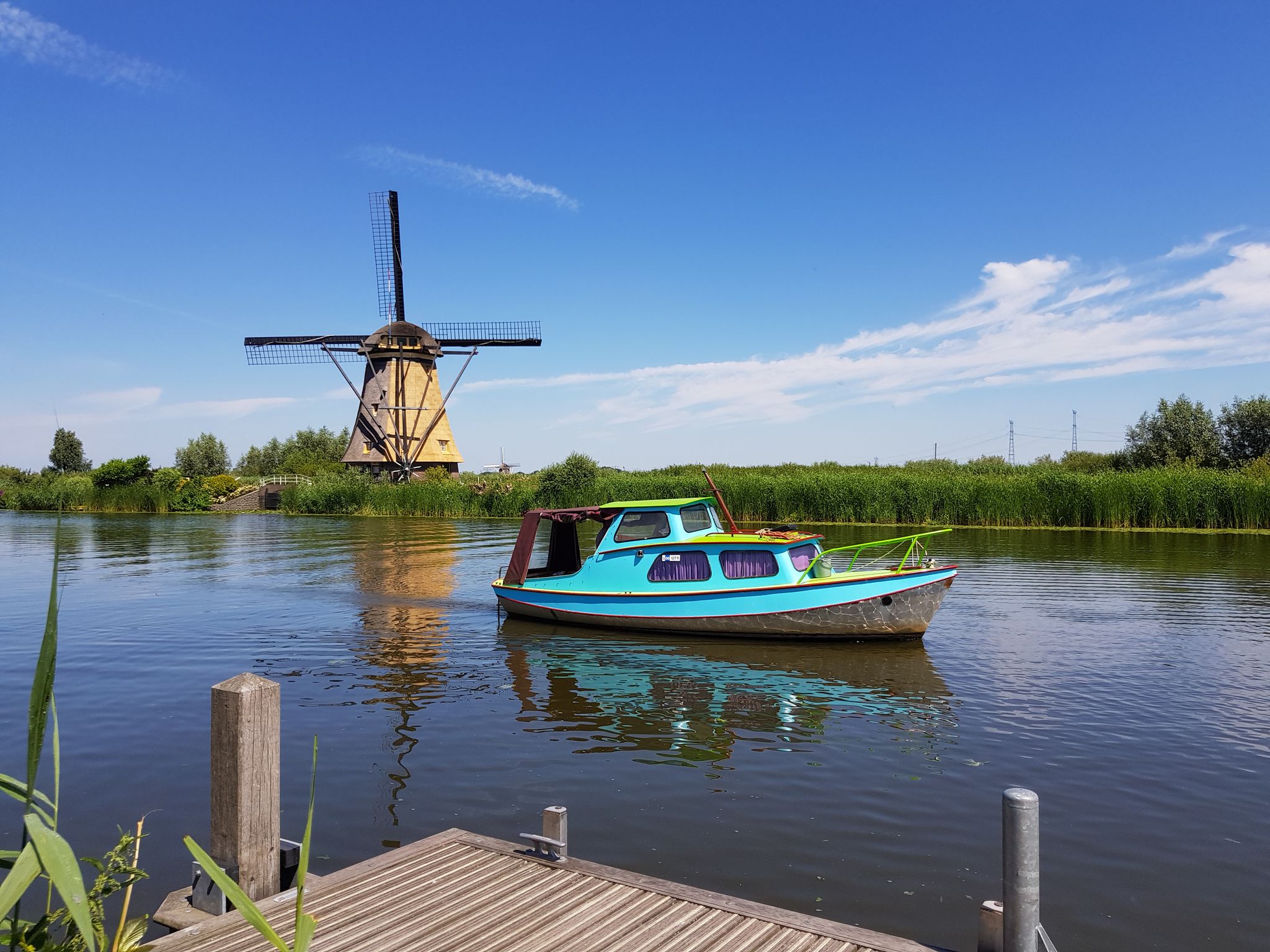
Floris V-pad long-distance hike – Dutch History on LAW 1-3
Road Cycling Routes around Steenbergen
Hiking around Steenbergen
Cycling around Steenbergen
Running Trails around Steenbergen

Gravel biking around Steenbergen
MTB Trails around Steenbergen
Other adventures around Steenbergen


Tips from the Community

Completely separate growth of bushes in a kind of ball shape in the watery marsh area. Very nice to see.
0
0

The Volkerak locks, west of Willemstad, were built as part of the Delta Plan. A secondary dam had to be built in the Volkerak to close off the Oosterschelde and the Haringvliet. However, the closing off of the Volkerak, which was planned in 1969, would also block an important shipping route between Rotterdam/Germany and Antwerp/France. It was therefore decided to build a lock complex in the dam to be constructed. The first two inland navigation locks were built in 1964. In 1977, the complex was expanded to the northwest with an additional lock for inland shipping, an inlet lock and finally a separate recreational lock. Bridges had already been built over the newly constructed locks: a fixed bridge and a double movable bascule bridge over the southern lock for commercial shipping. To the south of the locks are various service houses and a workshop and storage area for the emergency power supply and the nuclear shelter below. On the south bank of the Volkerak, at the beginning of the lock, there is a lookout tower, with a storage area for the reserve gates underneath. In addition, a new lock keeper's office was built around 2012; the old lock keeper's house between the eastern and middle locks was demolished shortly afterwards. At some distance from the locks on the south bank, there is another office and a door storage / workshop. In 1988, the complex was mentioned in the Guinness Book of Records as the largest inland shipping object in the world. The commercial shipping locks are each 325 metres long and 24 metres wide. The locks are built of concrete and each has four pairs of steel doors; two pairs for ebb and two pairs for flood.
7
0

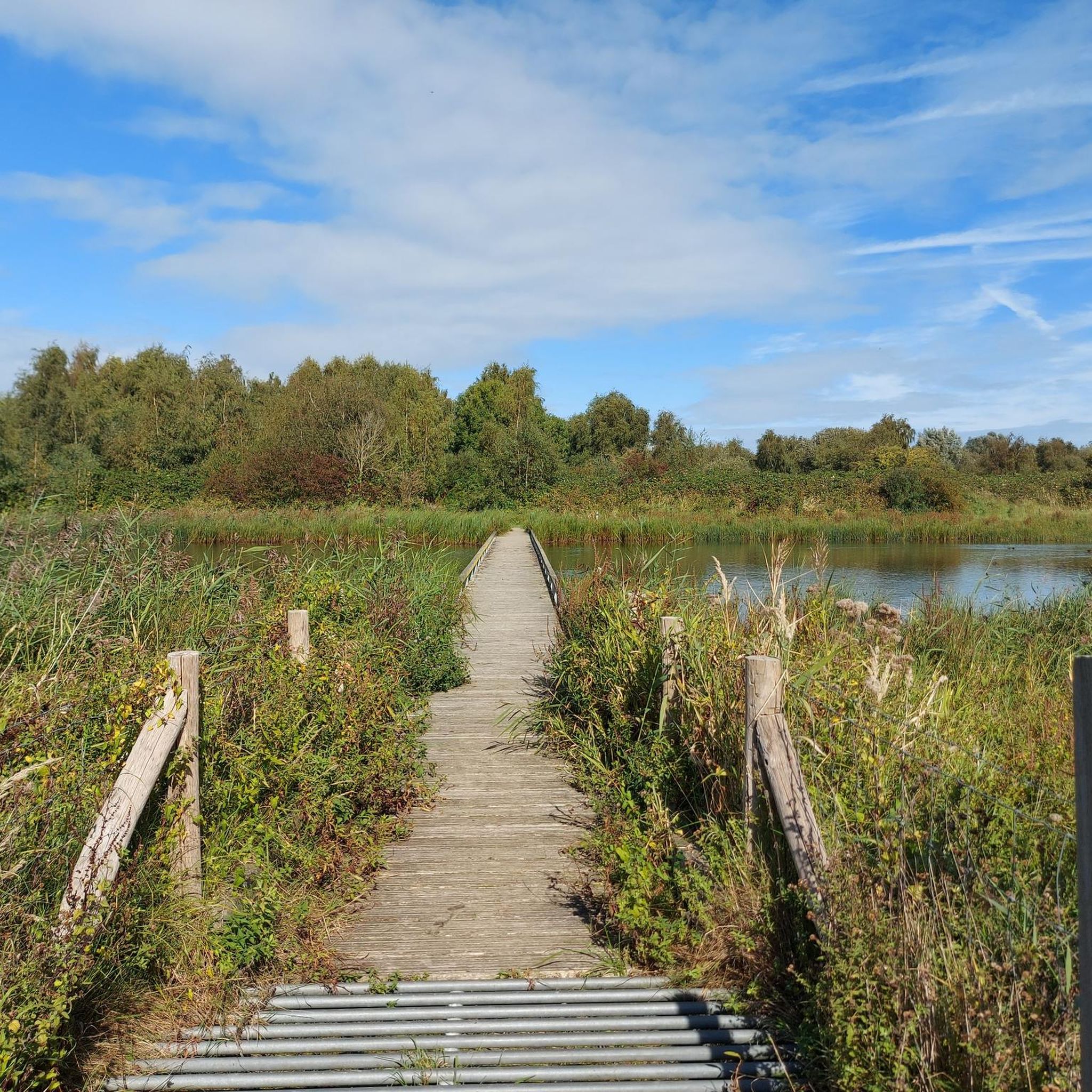
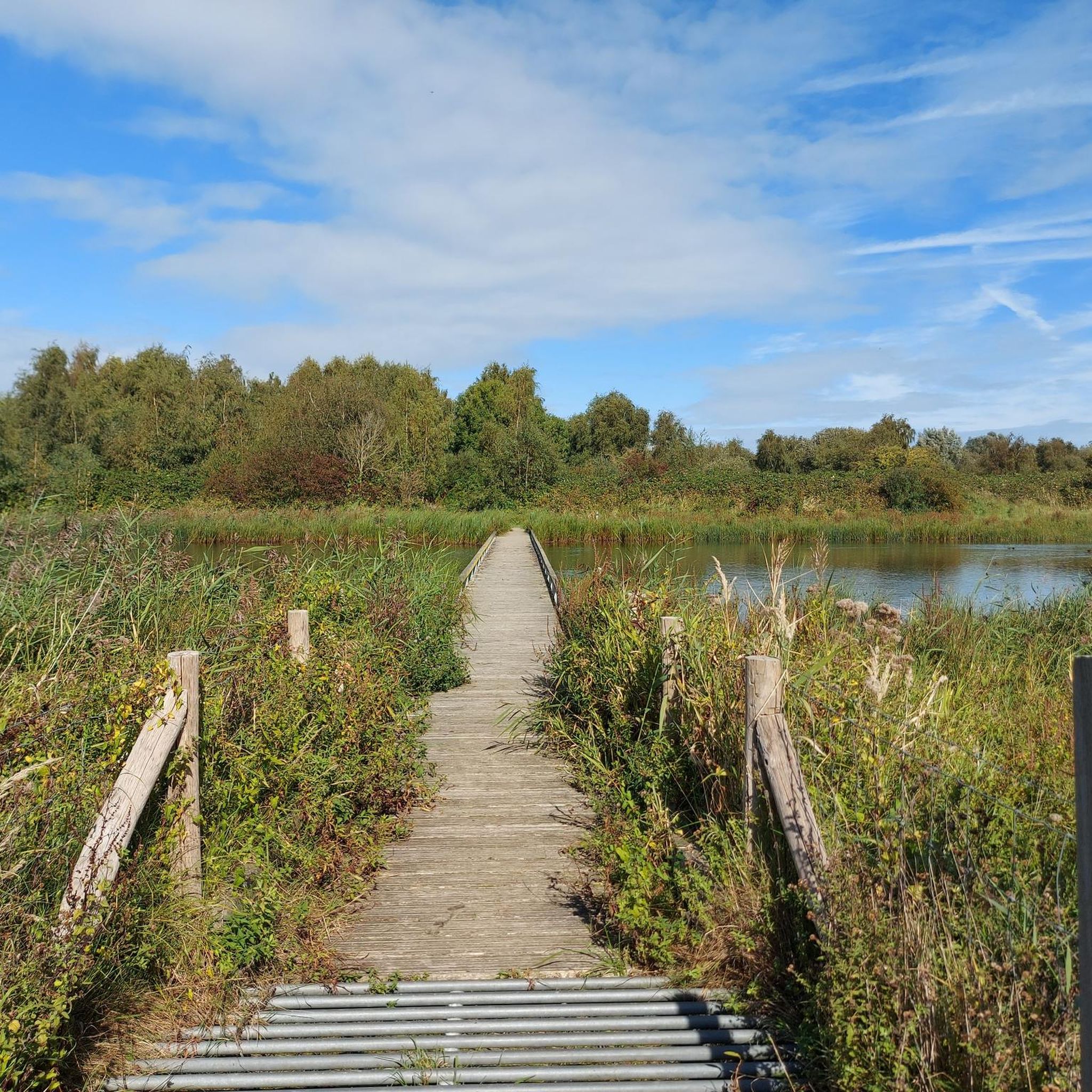
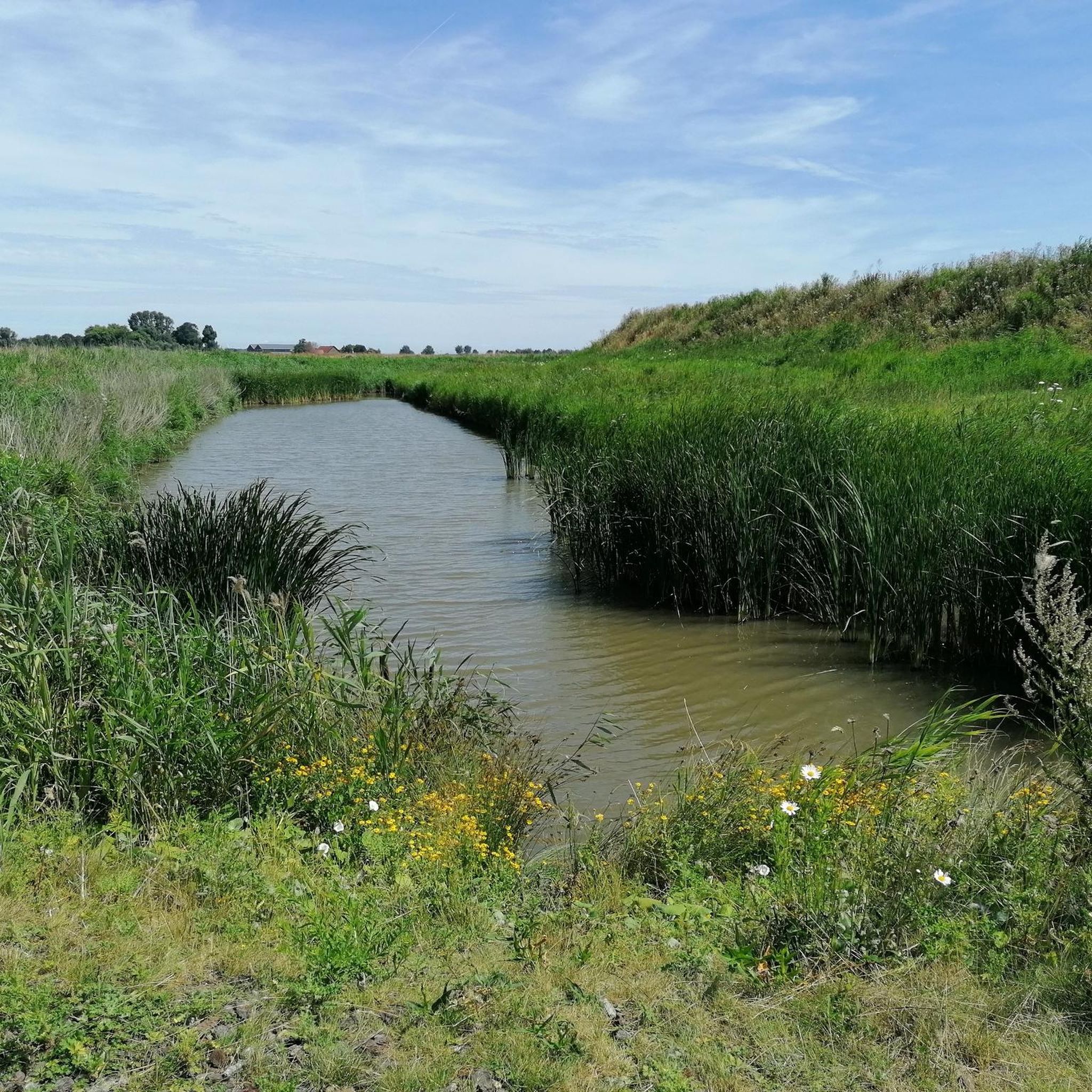
De Pluimpot is a small but fascinating nature reserve on Tholen. You can access it via some accesses to the walking paths with information boards such as here. You can also access it via the parking lot at the tiny beach and the village. On the other side of the road you see a sign for a piece of nature, Tholen Dorpsbos St. Maartendijk, but that is only a small piece of green and not really a forest. Back to De Pluimpot. You can read everything about the nature reserve on this link: https://www.zeeland.com/nl-nl/visit/190_nl/natuurgebied-de-pluimpot There you can see that the Pluimpot was one of the largest channels when Tholen still consisted of small islands separated by channels. De Pluimpot was even the sea channel that divided Tholen in two after all the salt marshes had already been reclaimed. Already in the sixteenth century, people started to dam the Pluimpot and the last part was closed in 1957. Today's nature reserve was created after that damming and is therefore a dammed creek where you will find many water birds (and others) and also a specific flora. Binoculars are useful with all those birds. There is a wooden bridge over part of the creek and there are paths that run all the way next to the water, to or from the area around the Sint-Maartensdijk swimming pool.
6
0

Once the protector of the harbor, then an oyster farm, a lobster park, and built up with industry. Now the canals, ramparts, and inner courtyard have been restored to their former state. But so much has happened at this extensive bulwark as a vital point in the defense of the fortified city of Bergen op Zoom. William of Orange approved the design of this large fort in 1584. Many sieges followed, which the fort withstood. However, it lost its function as a defensive work, but what remains is the interesting history of the Waterschans.
0
0

The Waterschans is the oldest fortification in Bergen op Zoom and has recently been restored. The area has been reconstructed in recent years according to drawings found from around 1880. Experience the history of the extensive stronghold, surrounded by the water of the Scheldt. From the 16th century onwards, the Waterschans protected safe access to the city for several centuries. The buildings with stone buildings were like a small village for the soldiers. After its function as a military fortified city was abolished, the canals, which were clean due to the ebb and flow of the tide, were used as breeding ponds for fishing. Later still, the entire area in and around the fort was filled with factory halls. This involves often polluting industries such as an iron foundry, asphalt factory and oil tanks. The fort has now been restored to its former glory and forms a beautiful nature reserve for recreation.
12
0

The oldest fortification in Bergen op Zoom.
1
1

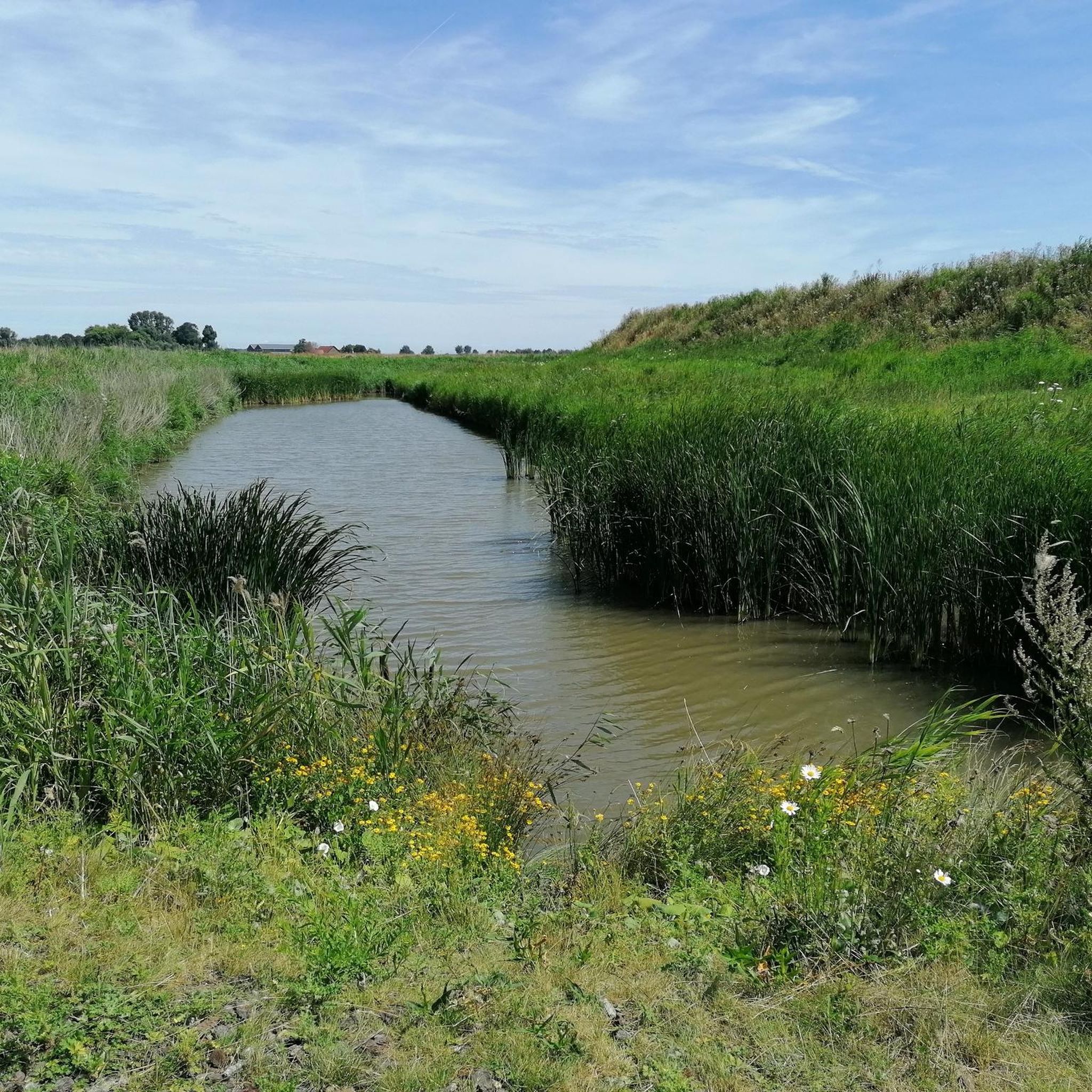
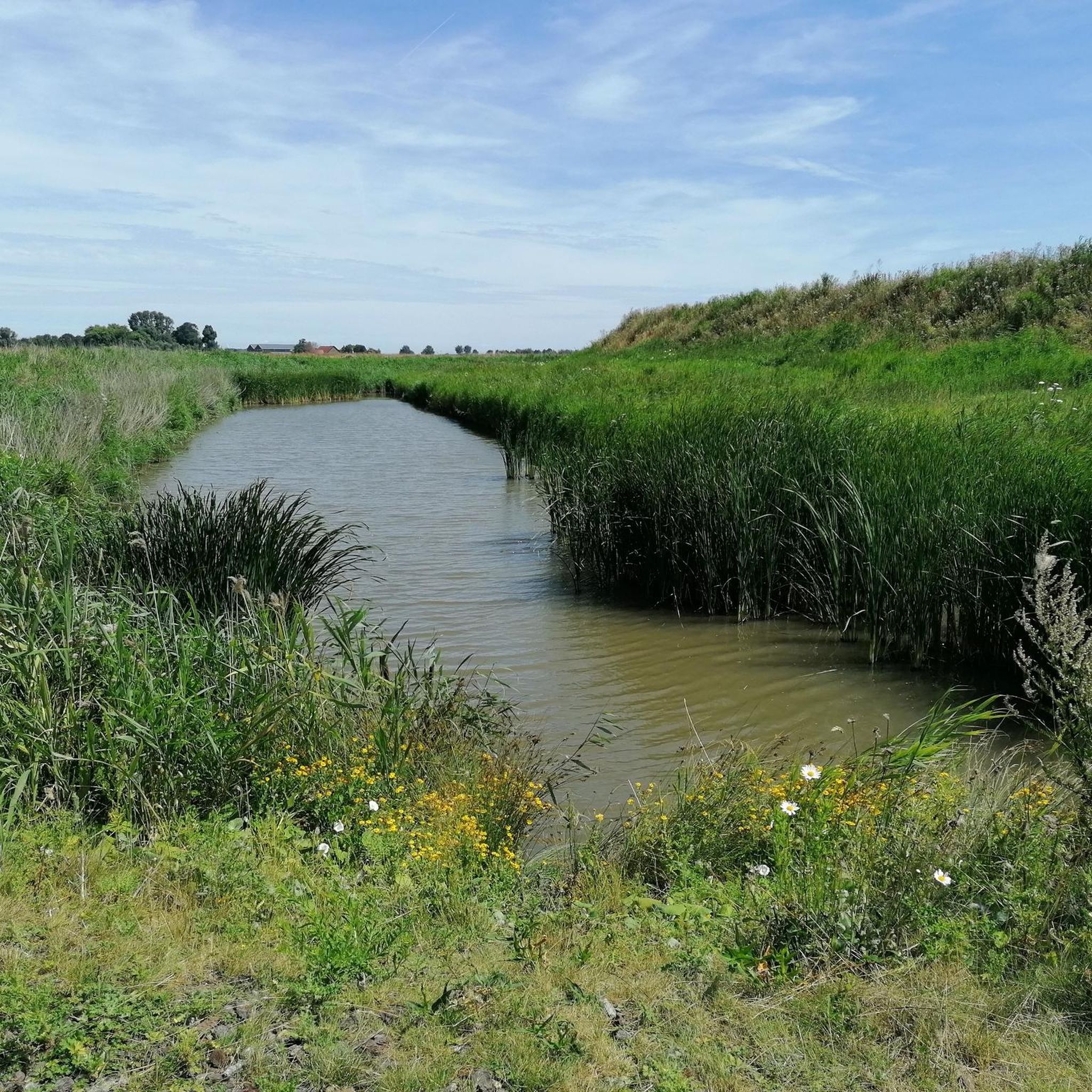
The Volkerak is a body of water located southeast of the South Holland island of Goeree-Overflakkee. On the east side of the Volkerak are the Volkerak locks to the Hollands Diep; The Krammer is located on the west side. In the south of the Volkerak, the Scheldt-Rhine Canal to Antwerp begins
4
0

A beautifully varied forest, narrow paths, beautiful avenues, along heath fields but also on the edge along meadows and of course De Zeezuiper. You hear and see birds everywhere and if you are lucky you can enjoy the beautiful deer in this area.
2
0
Frequently Asked Questions
What are the main types of water bodies found around Steenbergen?
While Steenbergen itself doesn't have large natural lakes, the surrounding North Brabant province offers diverse water bodies. You'll find Western Europe's largest saltwater lake, the Grevelingenmeer, and the unique freshwater delta of De Biesbosch National Park. Additionally, there are smaller recreational ponds and significant waterways like the Volkerak.
What kind of activities can I do at the Grevelingenmeer?
The Grevelingenmeer is ideal for a wide range of water sports. You can enjoy surfing, sailing, diving, and fishing in its clear waters. It also features recreational beaches with shallow areas perfect for children, and designated swimming zones. Nature enthusiasts can spot wildlife like flamingos and seals, and even wild horses on sandbars.
Are there family-friendly lakes or water areas near Steenbergen?
Yes, several areas are great for families. The Grevelingenmeer offers recreational beaches with shallow waters suitable for children. For a unique nature experience, De Pluimpot Nature Reserve is a fascinating spot to observe water birds and specific flora. Bergse Diepsluis - North Beach is also a popular bathing beach with good water quality and parking.
Where can I go for hiking or walking near the lakes around Steenbergen?
There are excellent opportunities for hiking and walking. You can find scenic trails around the Grevelingenmeer, offering great views and birdwatching spots. For a unique natural experience, consider a walk through Haringvliet Wetlands and Highland Cattle, known for its wonderful nature walks. For more options, explore the various hiking trails around Steenbergen.
What historical sites are located near the water around Steenbergen?
A significant historical site is Fort Waterschans. This extensive stronghold, once protecting the harbor, has been restored to its former glory and is surrounded by water. It offers a unique opportunity to experience centuries of history.
What kind of wildlife can I expect to see in the natural areas around Steenbergen's lakes?
The region is rich in wildlife. At the Grevelingenmeer, you might spot flamingos during winter months, seals, and wild horses. De Biesbosch National Park is particularly famous for its beaver population and hundreds of bird species, including sea eagles and ospreys. De Pluimpot Nature Reserve is also known for its many water birds.
Are there opportunities for cycling near the lakes?
Yes, both the Grevelingenmeer and De Biesbosch National Park offer numerous cycling trails. These routes provide scenic views and opportunities to explore the natural landscapes. For more cycling adventures, you can check out gravel biking routes around Steenbergen.
What is unique about De Biesbosch National Park?
De Biesbosch National Park is a unique freshwater delta and one of Europe's largest freshwater tidal wetlands. It's characterized by a labyrinth of small rivers, creeks, and willow forests, creating a 'jungle-like' environment. The best way to experience it is from the water, with activities like canoeing, kayaking, and guided boat trips.
What do visitors appreciate most about the lakes and water areas around Steenbergen?
Visitors frequently appreciate the diverse natural beauty and the wide range of recreational opportunities. The clear waters of the Grevelingenmeer are popular for water sports, while the unique ecosystem of De Biesbosch offers unparalleled wildlife viewing. Historical sites like Fort Waterschans also draw interest for their rich history and scenic surroundings.
Can I go diving near Steenbergen?
Yes, Bergse Diepsluis - North Beach in the Oosterschelde is a popular dive site. It's known for its clear water and rich marine life, including oysters and various fish species.
What is the Volkerak known for?
The Volkerak is a significant body of water, particularly known for the Volkerak locks. These locks were built as part of the Delta Plan and were once recognized in the Guinness Book of Records as the largest inland shipping object in the world. It's an impressive feat of engineering connecting important waterways.
Are there any running trails near the water around Steenbergen?
Yes, there are several running trails in the vicinity. You can find various routes that incorporate scenic views and natural surroundings. For detailed options, refer to the running trails around Steenbergen guide.
Most popular routes around Steenbergen
Most popular attractions around Steenbergen

Get inspired with the komoot mobile app


Explore more
Still not found your perfect lake around Steenbergen? Check out the guides of these regions to see even more beautiful places.
