Top 3 Castles around Noordoostpolder
Best castles around Noordoostpolder are found in a region primarily known for its 20th-century land reclamation, offering a unique historical landscape. This area, once part of the Zuiderzee, features historical sites that predate its modern formation, providing insights into its ancient past. Visitors can explore remnants of medieval strongholds and significant historical structures that reflect the region's development and its struggle against water. The landscape combines reclaimed land with forested areas, offering diverse exploration opportunities.
Best castles around Noordoostpolder
- The…
Last updated: October 13, 2026
Burcht van Kuinre
Highlight • Castle
Showing Translation
Tip by

Den Oldenhof Estate
Highlight • Historical Site
Translated by Google •
Tip by

Sign up now to discover places like this
Get recommendations on the best single tracks, peaks, & plenty of other exciting outdoor places.
Toutenburg Castle ruins
Highlight • Castle
Translated by Google •
Tip by

Ruins of Toutenburg Castle, Vollenhove
Highlight • Castle
Translated by Google •
Tip by

Ruins of Burg Roofridders
Highlight • Historical Site
Translated by Google •
Tip by

Start today with a free account
Your next adventure awaits.
Popular around Noordoostpolder
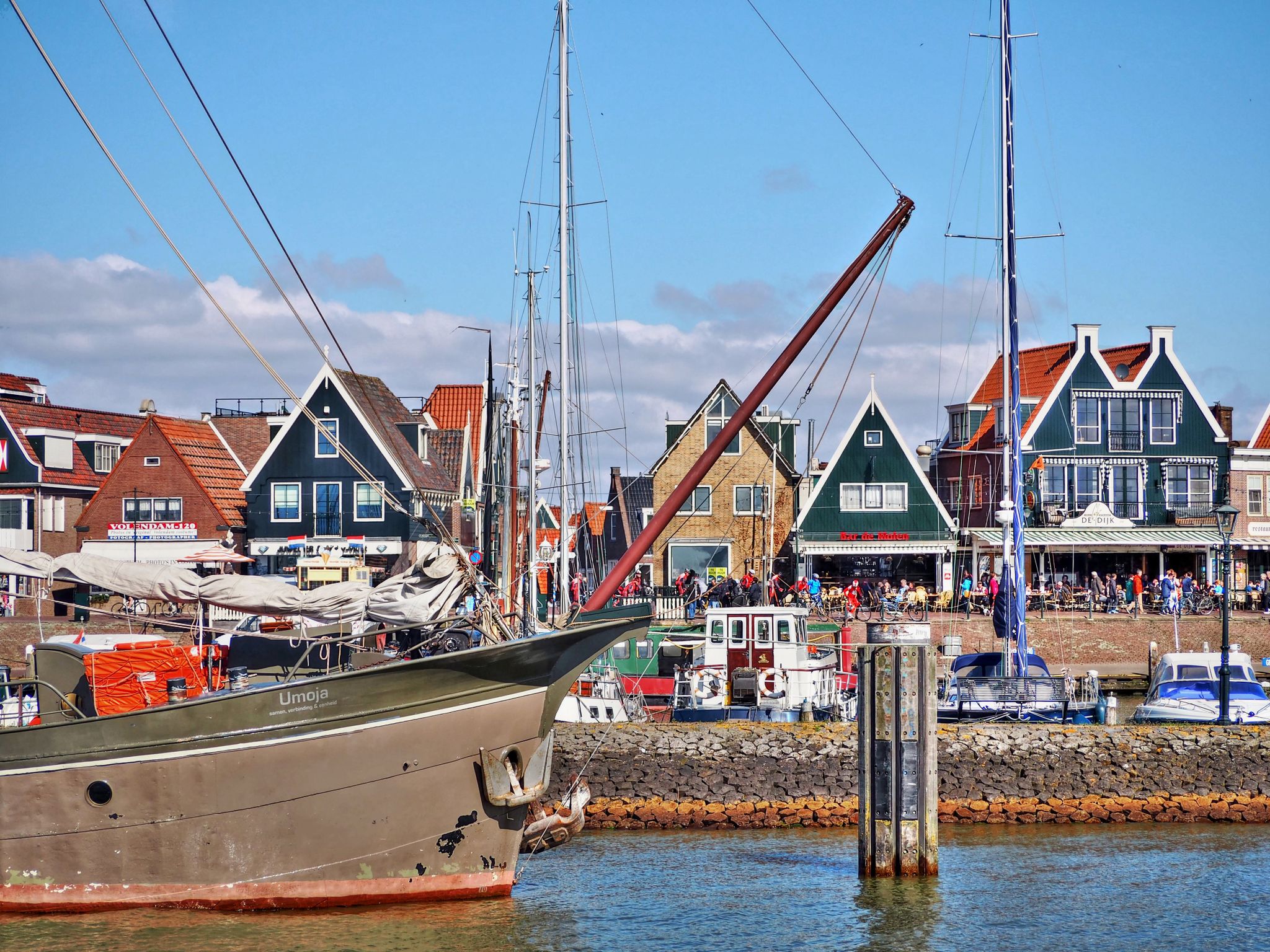
Cycling the LF Zuiderzee Route – Delve into history around IJsselmeer lake
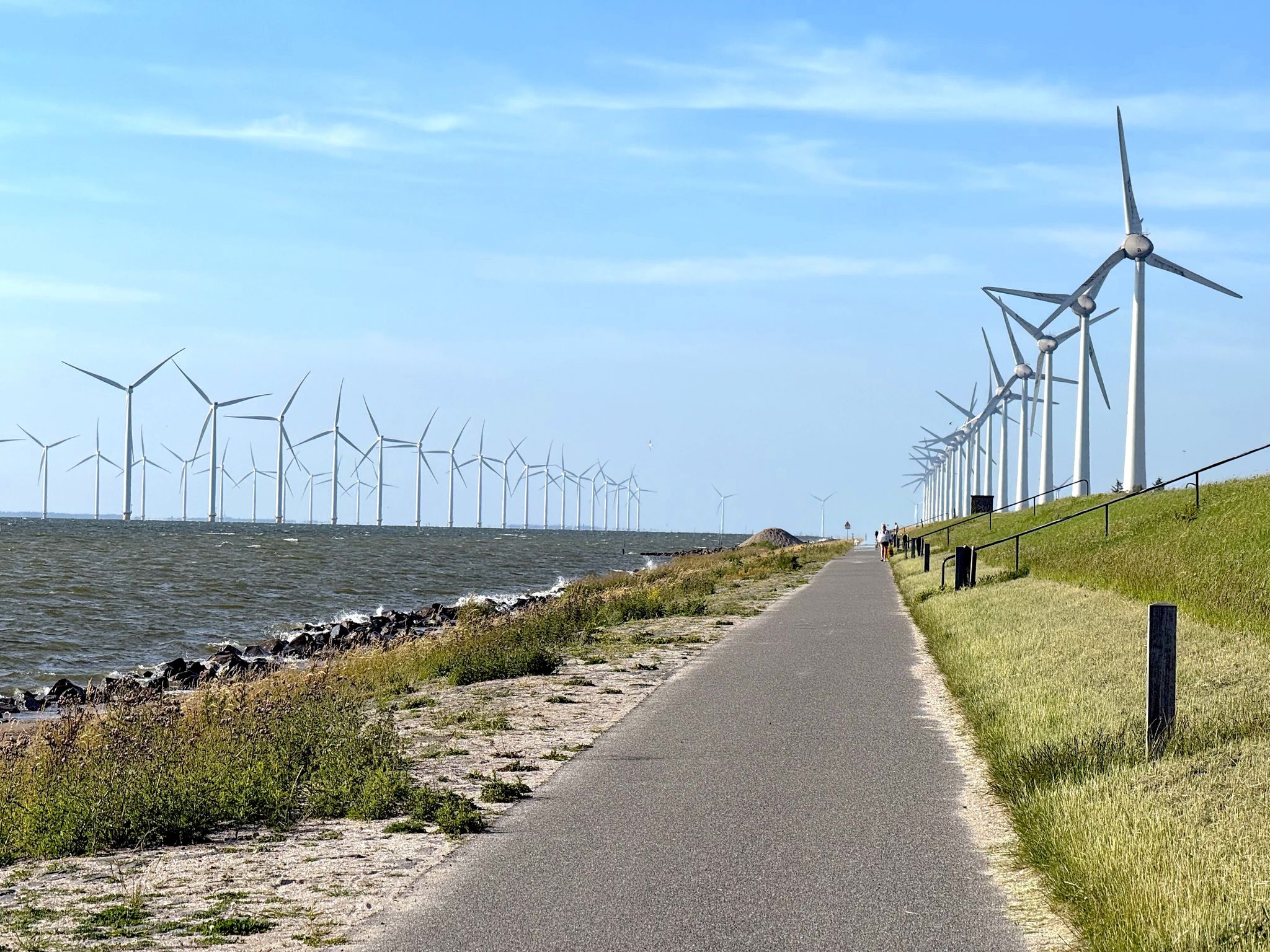
Surrounded by water – cycling in Flevoland
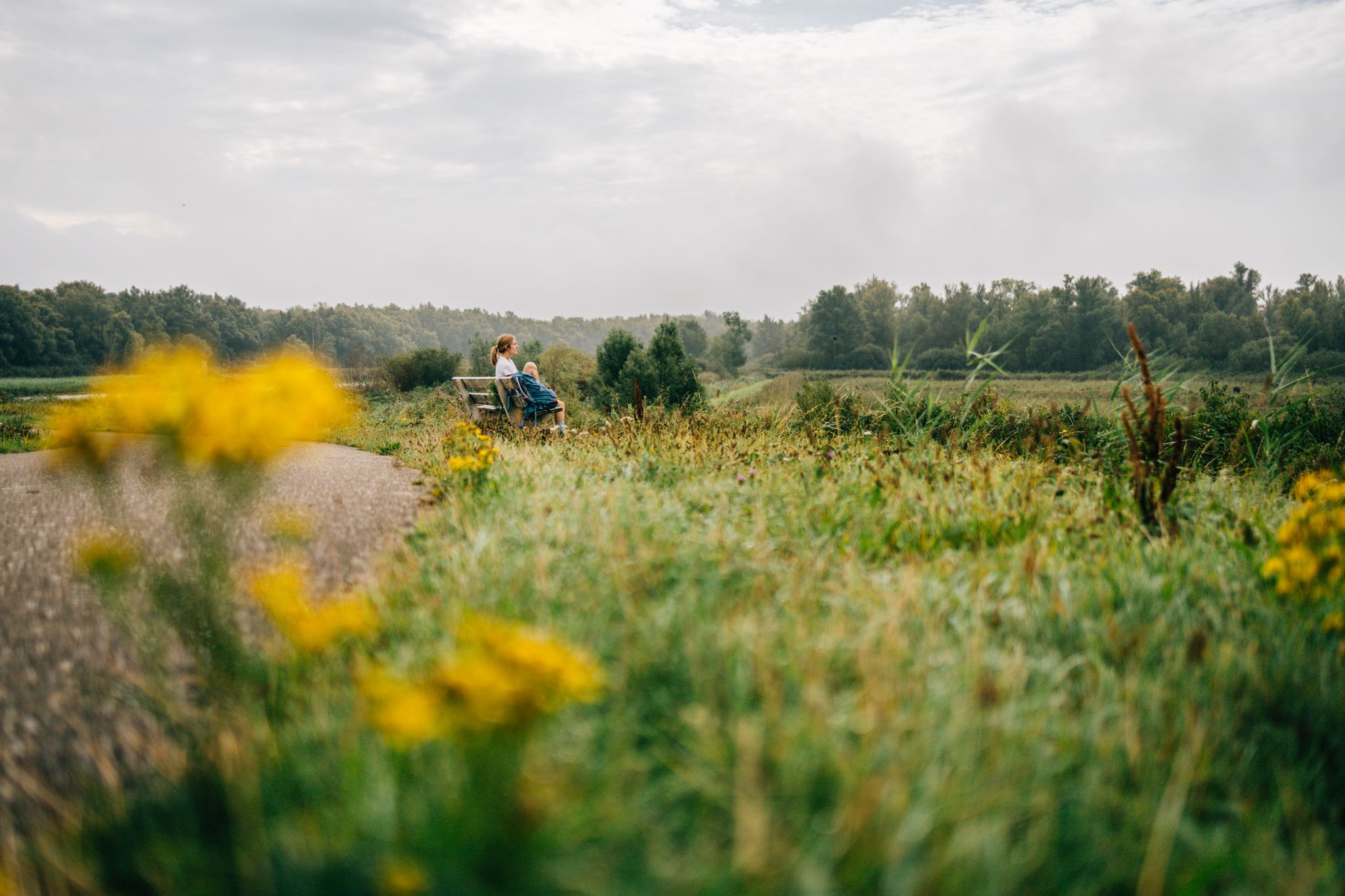
Where woodland and water meet – hiking in Flevoland
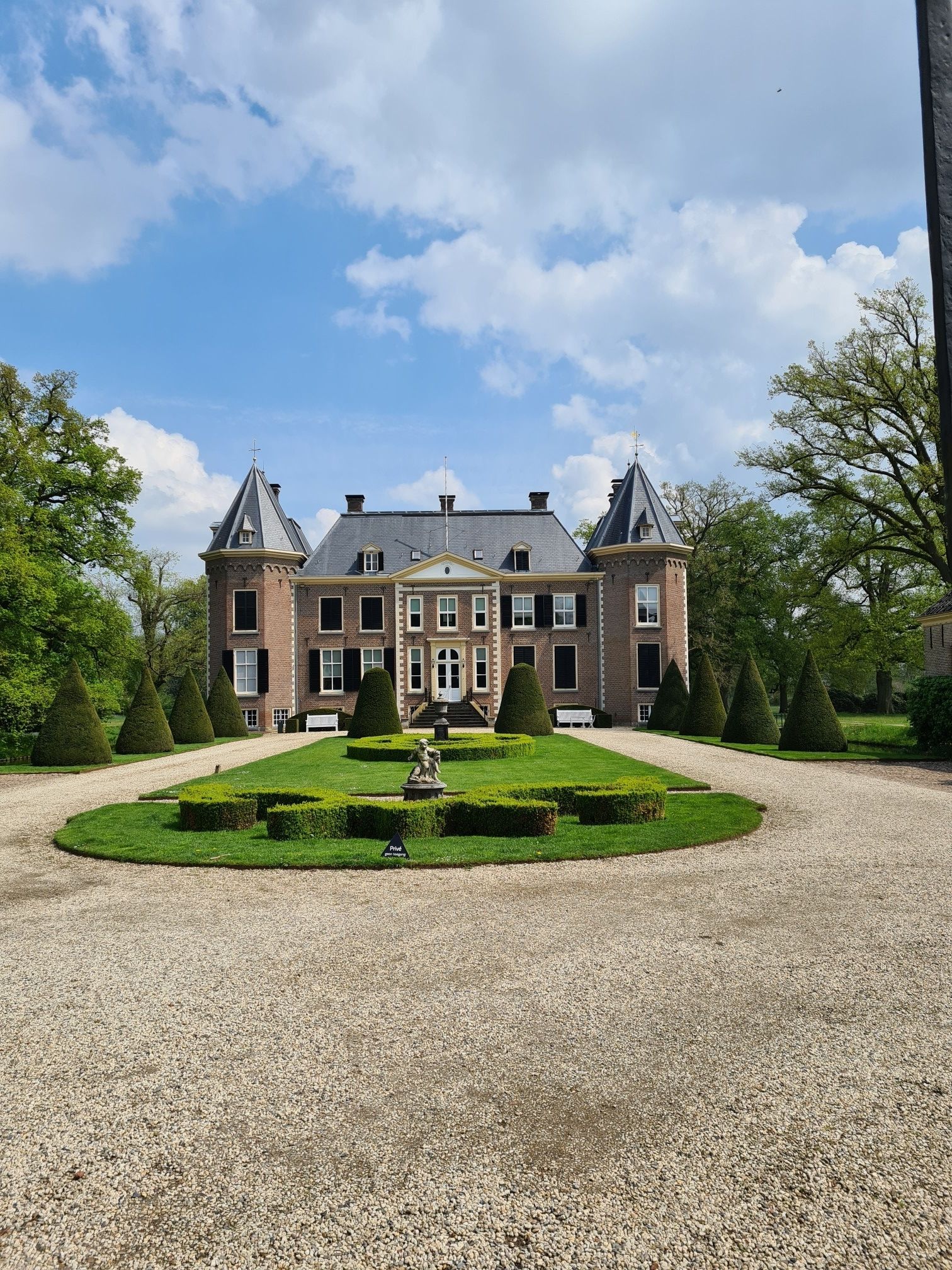
Explore the idyllic Dutch province of Overijssel – Havezatenpad
In the middle of nature - 20 accessible routes in and around Overijssel
Grazing cows and old windmills – Farmland Route

The gift of the sea – exploring Flevoland on foot
Discover Flevoland in a wheelchair – 7 Tours through nature
Walking through history - 8 beautiful routes along cultural heritage
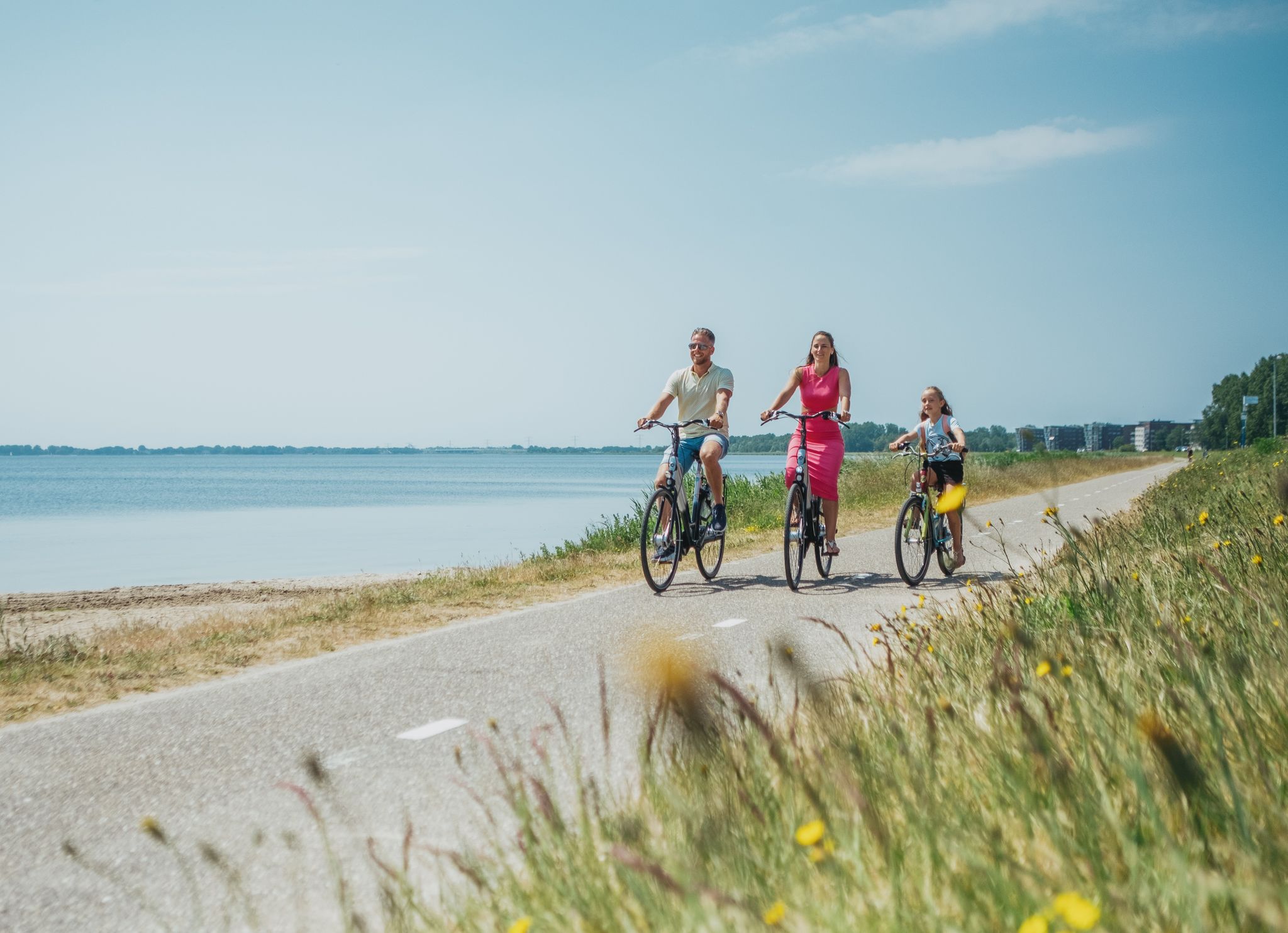
The gift of the sea – exploring Flevoland by bike
Other adventures around Noordoostpolder


Tips from the Community

Burcht van Kuinre, or also Kuinderburcht, is the name of two consecutive castles near Kuinre. The Lords of Kuinre resided here in Flevoland. Have you discovered the remains yet? From the castle, ships on the Zuiderzee were attacked and shipping to the Hanseatic cities was controlled. In the Kuinderbos you can see for yourself how big it was. The Kuinderberg offers a view of the island with the remnants of the castle. During the walk, there is still something surprising to discover. In the 12th century, the glory of Kuinre arose on the border between Friesland and the Upper Monastery of Utrecht. Castle no. 1 The first castle of Kuinre was probably built between 1165 and 1197. At the end of the 12th century, it was in the hands of the lord of Kuinre, Heynric die Crane, who, as a minister of the bishop of Utrecht, was responsible for overseeing the local settlements. Frisians. In 1204, a new castle was built on the same spot. Castle no. 2 In 1378, the castle was abandoned to build a new castle on the other bank of the Kuinder. During the Geldrian disputes between 1510 and 1527, it was conquered several times by Gelre and recaptured by Utrecht. From 1531 to 1536, the castle was definitively demolished. The remains were gradually submerged. Drainage After the Noordoostpolder was drained in 1942, the area was archaeologically investigated. The foundation of the first castle has been partially restored, the second castle is covered with earth. `Bron: https://www.visitnoordoostpolder.nl/nl/locaties/4007775335/kuinderburcht
0
0

beautiful monument
0
0

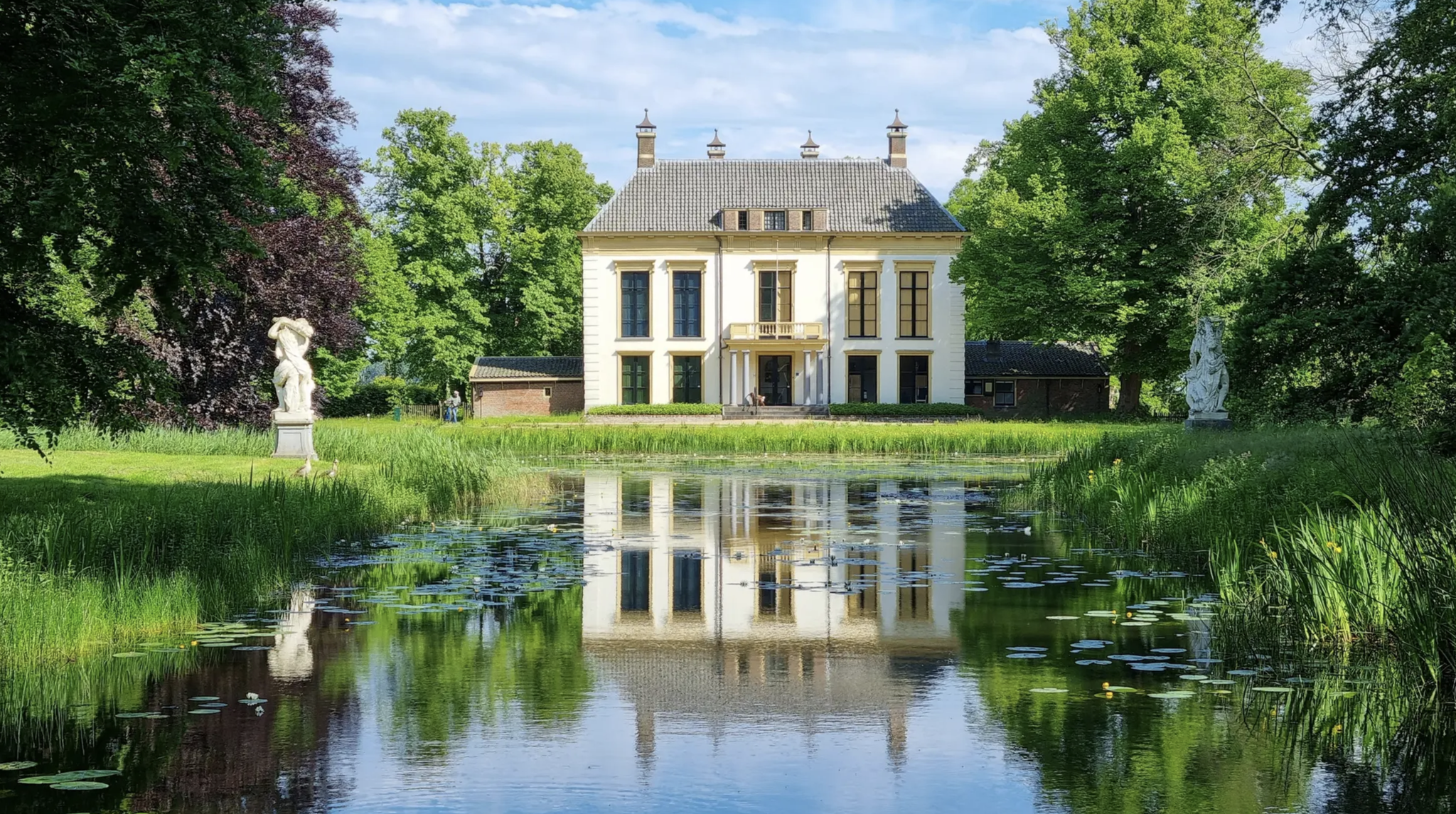
Walk back centuries and breathe in the atmosphere of 1635, when the noble Sloet family had this stately country estate built. Time seems to stand still in the surrounding forest and gardens. Enjoy a real night's sleep at the campsite. Taste special flavors in the tea house. www.landgoedoldenhof.nl
0
0

A moat surrounds the former castle complex - more like a small hilltop castle, a moth. A carved knight and some remains of the wall give an idea of the castle.
2
0

Beautiful little harbor in the center of the town with a few cafes that invite you to linger.
0
0

beautiful water pump installation in moat.
0
0

Beautiful country house surrounded by a canal and avenues. The estate is largely open to the public.
1
0

These ponds used to form the moat of Castle Toutenburg. That was a medieval castle in Vollenhove. It was built around 1500. In the 18th century the building fell into disrepair, all that remains is a ruin.
3
0
Frequently Asked Questions
What kind of historical castles and sites can I explore in Noordoostpolder?
Noordoostpolder, being reclaimed land, offers a unique historical perspective. The most prominent castle site is the Kuinderburcht (Kuinre Castle), which consists of the ruins of two successive castles. These were once strategic strongholds on the edge of the former Zuiderzee. You can explore the partially restored foundations of the first castle within the Kuinderbos. While not traditional castles, other significant historical sites include Den Oldenhof Estate, a stately country estate from 1635, and the Toutenburg Castle ruins in Vollenhove, which was a medieval castle built around 1500.
Are there any family-friendly historical sites or castles in the Noordoostpolder region?
Yes, several historical sites in the Noordoostpolder region are suitable for families. The Den Oldenhof Estate is largely open to the public and offers surrounding forest and gardens to explore. The Toutenburg Castle ruins and the Ruins of Burg Roofridders are also categorized as family-friendly, providing interesting historical backdrops for an outing.
What outdoor activities can I combine with visiting these historical sites?
The historical sites in Noordoostpolder are often nestled within beautiful natural surroundings, perfect for outdoor activities. The Kuinderburcht is located within the Kuinderbos, the oldest and largest forest in the polder, offering excellent opportunities for walking and cycling. You can find various hiking routes and traffic-free bike rides in the area, such as the 'Castle route in the Kuinderbos'. The Den Oldenhof Estate also features surrounding forests and gardens ideal for a stroll.
Is there a UNESCO World Heritage site in Noordoostpolder that I should visit?
Absolutely. While not a castle, Schokland is a UNESCO World Heritage Site and a must-visit. It was the first Dutch monument to receive this status, symbolizing the country's centuries-old struggle against water. Once an island, it's now an elongated strip of peatland within the polder, offering insights into 10,000 years of human habitation. You can visit historical buildings like an old lighthouse keeper's house and the Museum Schokland, housed in an 1834 church.
Where can I find information about the history of the Kuinderburcht?
The Burcht van Kuinre (Kuinderburcht) has a rich history. It was home to the Lords of Kuinre, who used it to control shipping on the Zuiderzee. The site comprises the ruins of two castles, with the foundations of the first partially restored. You can learn more about its strategic importance and the archaeological investigations that followed the polder's drainage in 1942 by visiting the site itself. For additional details, you can refer to Visit Noordoostpolder's page on Kuinderburcht.
Are there any specific walking routes around the historical sites?
Yes, particularly around the Kuinderburcht. The ruins are situated within the Kuinderbos, which features a dedicated 'Castle route in the Kuinderbos' for easy exploration. This allows visitors to combine historical discovery with a pleasant walk through nature. You can find more hiking routes around Noordoostpolder that might pass by or near other historical points of interest.
What is the best time of year to visit the castles and historical sites in Noordoostpolder?
The best time to visit the castles and historical sites in Noordoostpolder is generally during the spring (April-June) and summer (July-August) months. During these periods, the weather is mild and pleasant for outdoor exploration, walking through the Kuinderbos, and enjoying the natural settings of sites like the Kuinderburcht and Den Oldenhof Estate. The UNESCO site of Schokland is also very enjoyable in warmer weather.
Can I find cafes or restaurants near these historical locations?
While specific cafes directly at every ruin might be limited, the region offers options. For instance, Den Oldenhof Estate features a tea house where you can enjoy special flavors. For other sites, you'll find cafes and restaurants in nearby towns and villages within Noordoostpolder. It's always a good idea to check local listings for options closest to your chosen destination.
What is unique about the historical buildings from the reclamation era in Noordoostpolder?
Beyond the ancient castle ruins, Noordoostpolder boasts over fifty listed buildings primarily from the 20th-century land reclamation period. These include distinctive farms and workers' residences, many recognized for their cultural-historical value and some designated as national heritage sites. These structures tell the unique story of the polder's planned development and its agricultural roots, showcasing the architectural and social planning of this 'new land'.
Are there cycling routes that pass by historical sites in Noordoostpolder?
Yes, Noordoostpolder is very cyclist-friendly, and many routes incorporate its historical landscape. You can find various road cycling routes and traffic-free bike rides that allow you to explore the region's unique history. For example, the Kuinderbos, home to the Kuinderburcht, is a great area for cycling, with a dedicated 'Castle route' for bikes. These routes often connect different points of interest, including historical farms and the former island of Schokland.
Most popular routes around Noordoostpolder
Most popular attractions around Noordoostpolder

Get inspired with the komoot mobile app


Explore more
Looking for the best castles somewhere else? Discover other guides around Noordoostpolder:
