Top 11 Gorges around Jihomoravský kraj
Best canyons around Jihomoravský kraj are characterized by significant geological formations, primarily within the Moravian Karst. This region features deep gorges, ravines, and notable river valleys, offering unique natural landscapes. The Moravian Karst, northeast of Brno, is the largest karst area in the Czech Republic, encompassing sinkholes, disappearing rivers, and numerous caves. These areas provide dramatic, water-carved landscapes for exploration.
Best canyons around Jihomoravský kraj
- The most popular canyons is Macocha Abyss, a gorge that is a 138.5 m…
Last updated: August 19, 2026
Macocha Abyss
Highlight • Gorge
Translated by Google •
Tip by

Punkva Cave (Punkevní Jeskyně)
Highlight • Cave
Stalactites worth seeing and a view of the stepmother's gorge (Propast Macocha).
With a small boat trip at the end.
More information: visit.caves.cz/de/cave/punkevni-jeskyne
Translated by Google •
Tip by

Sign up now to discover places like this
Get recommendations on the best single tracks, peaks, & plenty of other exciting outdoor places.
Sign up for free
Schwedengraben Gorge
Highlight • Gorge
The moat is believed …
Translated by Google •
Tip by

Gangloff Trail
Highlight (Segment) • Trail
Translated by Google •
Tip by
Suchý Žleb Gorge and Caves
Highlight (Segment) • Gorge
Translated by Google •
Tip by

Trenckova Rokle Natural Monument
Highlight (Segment) • Natural Monument
Translated by Google •
Tip by
Šebrovka Waterfall
Highlight • Waterfall
Translated by Google •
Tip by
Ceksův Mlýn Valley
Highlight • Gorge
reise-karhu.de/reisebuecher.html
Translated by Google •
Tip by

Waterfalls in Trenckova Gorge
Highlight • Waterfall
Translated by Google •
Tip by
Start today with a free account
Your next adventure awaits.
Login or Signup
Popular around Jihomoravský kraj
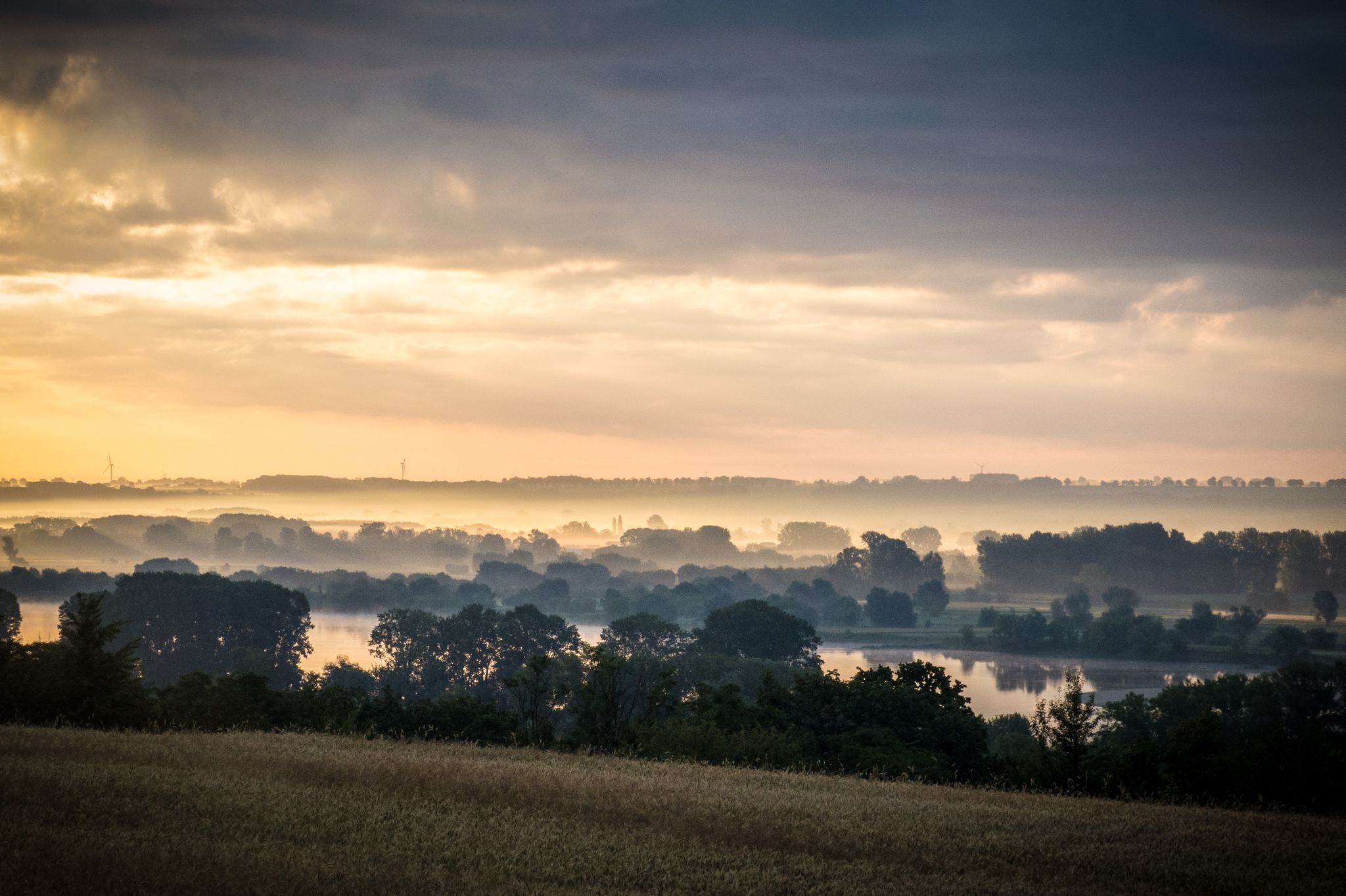
EuroVelo 9 – The Amber Route from the Baltic to Adriatic Sea
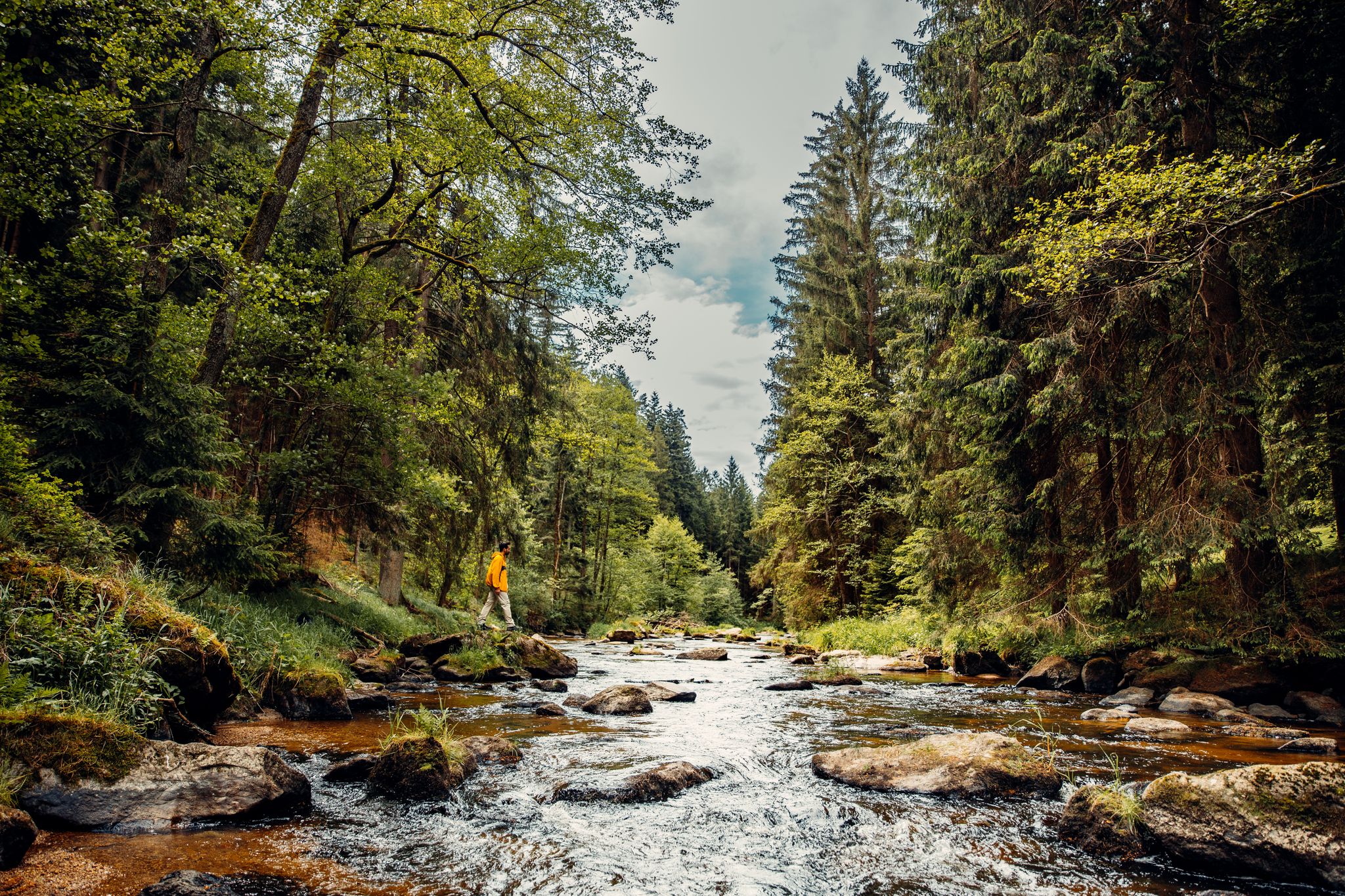
Cliffs, a gorge and vineyards – day hikes in the Waldviertel
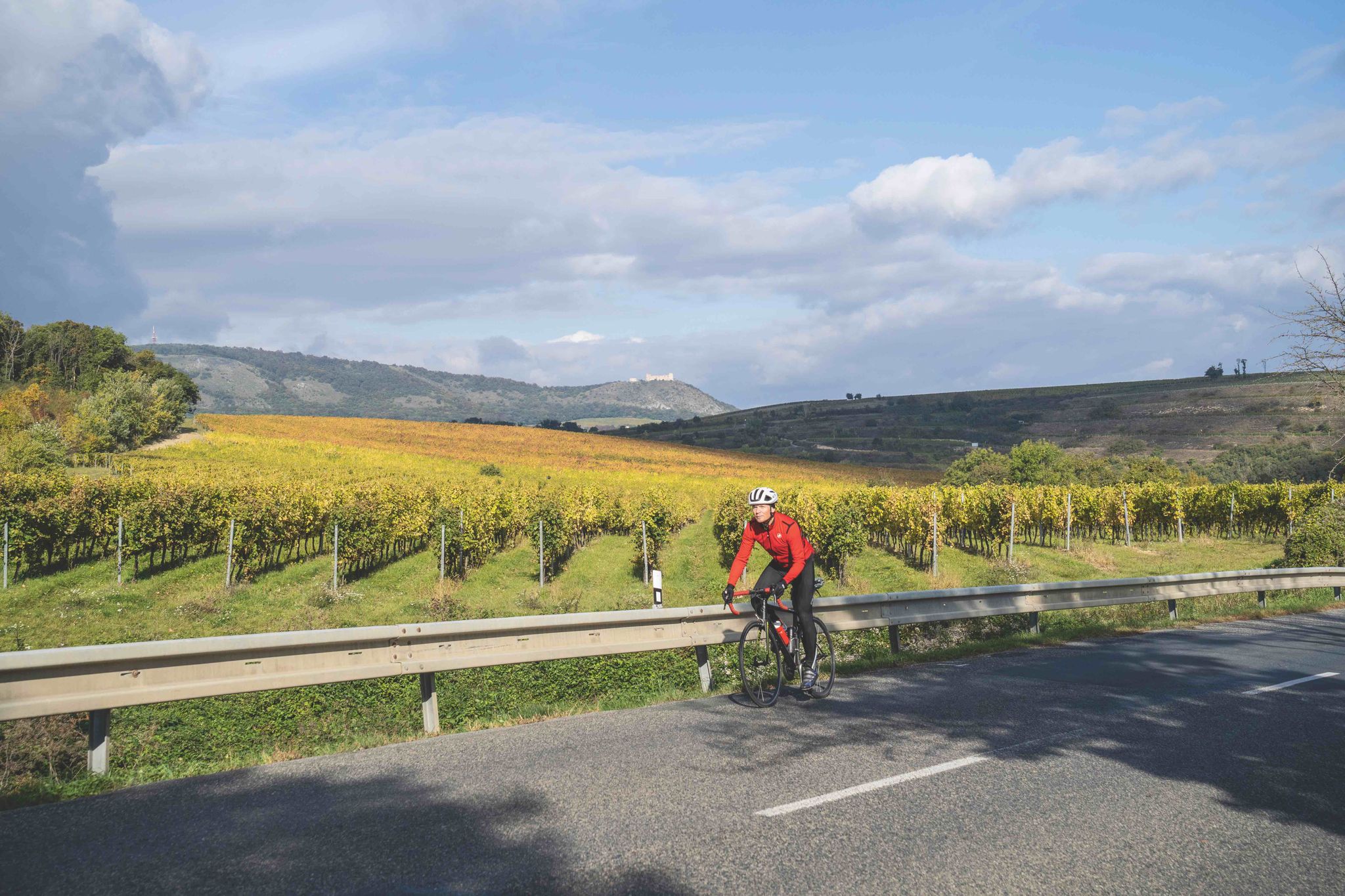
Fine asphalt and bumpy roads in the Czech Republic - with TOUR in Moravia
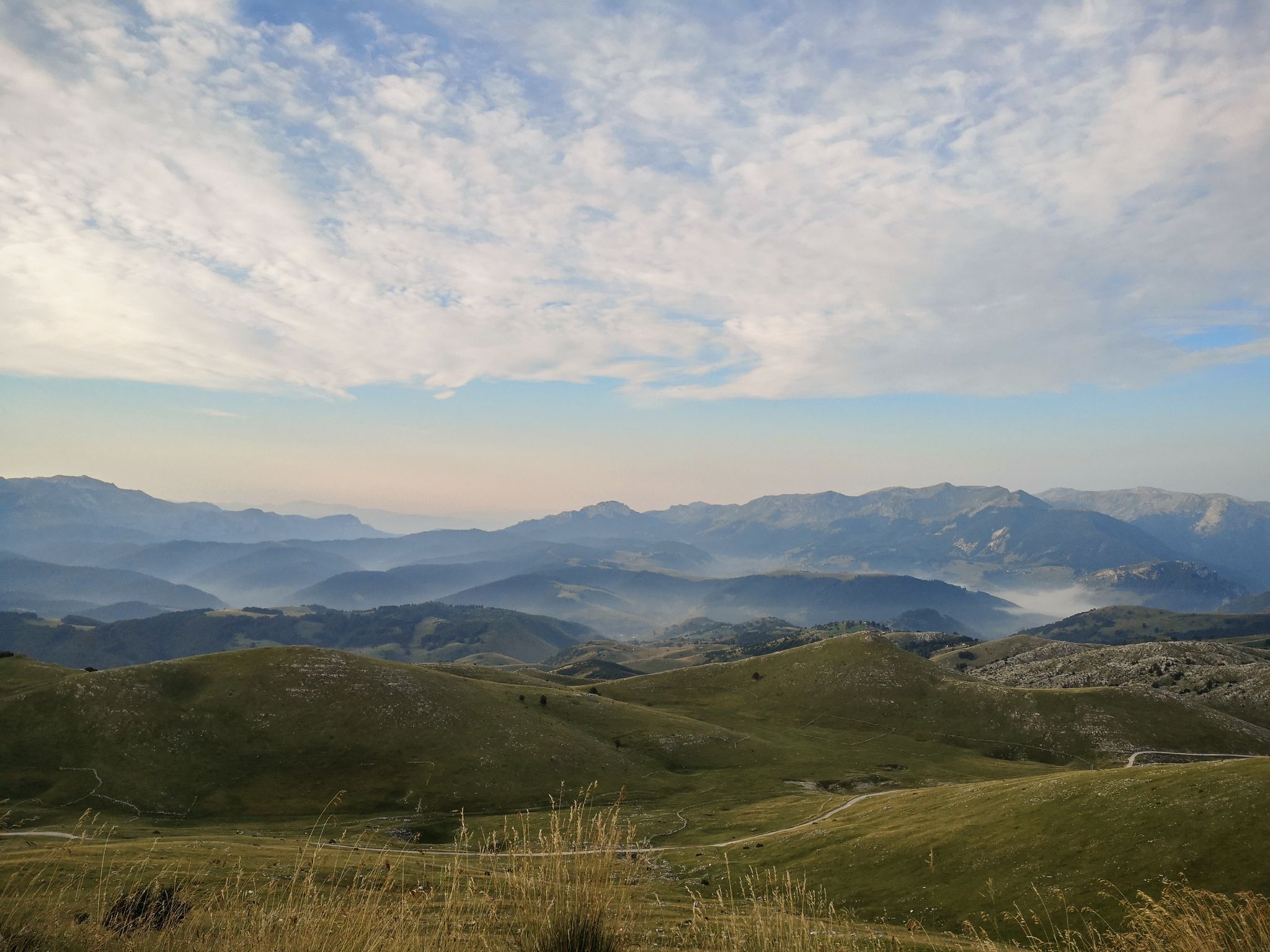
As we wrote history – the Transcontinental Race #TCRN06
Hiking around Jihomoravský kraj
Cycling around Jihomoravský kraj
Road Cycling Routes around Jihomoravský kraj
MTB Trails around Jihomoravský kraj
Running Trails around Jihomoravský kraj
Gravel biking around Jihomoravský kraj
Other adventures around Jihomoravský kraj


Tips from the Community

Beautifully situated, well-maintained hiking trails
0
0

Tip: You can find travel guides (free shipping) for the Czech Republic at: https://www.reise-karhu.de/reisebuecher.html
0
0

Here is the exit of the cave.
0
0

The Swedes decided to cut off the water source in order to quench the thirst of the castle garrison. They tried to dig a canal and divert the river water out of the reach of the water towers. That is what the legend says. In March 2013, geologists explored the terrain of the rocky meander and found numerous transverse cracks. They found that the stone slabs are of different thickness and strength, and that is why the rock blocks slide down into the valley. In reality, the Swedes were unable to take the castle, so they plundered the manor, damaged the church, destroyed the iron ore mine near the village of Hamry and retreated to Znojmo.
0
0
The so-called Swede's Moat - a sight of the Vranov massif is a rocky ravine located behind the Church of the Assumption of the Virgin Mary. The moat is believed to be man-made due to the traces of stone mining. During the Thirty Years' War (1618-1648), Vranov (Frein) was occupied and badly affected by General Torstenson's troops. The troops moved to Vranov after their victory in the Battle of Jankov. An old legend says: the inhabitants of Vranov hid in the forest, others - including the priest - hid in the fortified castle. The castle was bravely protected by the garrison and imperial reinforcements. The Swedes besieged the castle in vain from the slopes to the south. Stone balls can still be found on the southern walls today. The weak point of the otherwise stable castle was the lack of water. Due to the rocky ground, it was not possible to dig a well here. Water was lifted directly from the river.
1
0

The valleys of Loučky and Bobrůvka stretch between the villages of Strážek, Střížeš and Skryje (approx. 10 km northwest of Tišnov). Approximately in the middle of this valley is Trenckova Rokle. The beginning of the journey would logically be offered in the village of Skryje. On the one hand, the red sign leads from there. The transport from Tišnov here is not bad either. Well, I don't think the journey itself is that interesting, personally I'm in favor of the route from Drahonín. You can reach the red sign from Drahonín by following a dirt road, basically after getting off the bus it is enough to continue along the road, after a few meters it becomes a dirt road and after about two and a half kilometers you will be at the red sign near Šafránkova mlýn. There is also a nice view of the surroundings from this path, which we won't be able to enjoy in the valley. I personally rank the road from here to the Trenck Gorge as one of the most beautiful tourist roads around Brno. For a while by the Loučka river, for a while on the slope above the river. Various obstacles await us on the slope in the form of fallen trees, sloping rocks and various elevations. However, be careful - in winter, under snow cover, I would not recommend going this part of the road in any case. The road is really on a slope, in addition on smooth rock in places, in combination with snow it is quite dangerous.
0
0
Trenck's gorge is a completely unique rock gorge in Vysočina. There are cascades and waterfalls on the small stream that flows through the gorge, the highest of which is 4 meters.
0
0
You can reach Macoch from two sides, go up to the parking lot and walk about 1 km, or go down to the parking lot, walk about 2 km and take the cable car up. The second option is a bigger experience, we didn't wait in line anywhere, the walk to the cable car was pleasant and you got moving. I recommend visiting both viewpoints, from the bottom you can see the very bottom of Macocha. There are fewer people during the week.
2
0
Frequently Asked Questions
What are the main geological features to explore in Jihomoravský kraj?
The Jihomoravský kraj is renowned for its significant geological formations, primarily within the Moravian Karst. This area features deep gorges, ravines, and notable river valleys. Key attractions include the dramatic Macocha Abyss, the extensive Punkva Cave (Punkevní Jeskyně) system with its underground river, and the canyon-like Pustý Žleb Gorge.
Are there any family-friendly gorges or trails in the region?
Yes, several areas are suitable for families. The Punkva Cave (Punkevní Jeskyně) offers boat tours that are popular with all ages. The Gangloff Trail is described as a physically easy walk, less than 6 km long, through a deep valley. Additionally, Ceksův Mlýn Valley is also noted as family-friendly.
What kind of historical sites can be found near the gorges?
While the primary focus is natural formations, some areas blend natural beauty with history. For instance, the Schwedengraben Gorge is a rocky ravine with historical significance related to the Thirty Years' War, where legends speak of Swedish attempts to besiege a nearby castle. The Thaya Valley also features castles and other historical elements.
What is the best time of year to visit the gorges and karst areas?
The Moravian Karst and its gorges are generally best visited from spring to autumn (April to October). During these months, the weather is milder, making hiking and cave tours more comfortable. Spring brings lush greenery, while autumn offers beautiful foliage. Some cave systems, like Punkva, operate year-round, but access to outdoor viewpoints and trails might be affected by snow or ice in winter.
What outdoor activities are available near the gorges in Jihomoravský kraj?
Beyond exploring the gorges and caves, the region offers various outdoor activities. You can find numerous MTB trails, cycling routes, and waterfall hikes. The Thaya Valley, for example, is excellent for hiking, with routes like the Thaya Valley Path, offering views of river meanders and rocky massifs.
Are there any challenging trails or gorges for experienced hikers?
Yes, for those seeking a more challenging experience, the Trenckova Rokle Natural Monument is categorized as challenging, featuring a gorge and forest trails. The nearby Waterfalls in Trenckova Gorge also offer intermediate to difficult hiking opportunities.
Can I see waterfalls in the gorges of Jihomoravský kraj?
Yes, the region features several waterfalls, often nestled within its gorges. Notable examples include the Šebrovka Waterfall and the Waterfalls in Trenckova Gorge. These natural features add to the scenic beauty of the trails.
What makes the Moravian Karst unique compared to other areas?
The Moravian Karst is the largest and best-developed karst area in the Czech Republic. It's unique for its extensive range of karst phenomena, including sinkholes, disappearing rivers, karst lakes, and hundreds of caves. The combination of the deep Macocha Abyss and the underground boat tours in Punkva Cave, which allows visitors to see the bottom of the abyss, is a particularly rare and impressive experience.
What are some of the natural monuments worth visiting in the gorges?
Many of the gorges and their features are designated natural monuments. Besides the prominent Macocha Abyss and Punkva Cave, you can explore the Pustý Žleb Gorge, Gangloff Trail, Trenckova Rokle Natural Monument, and Suchý Žleb Gorge and Caves, all recognized for their unique geological and ecological value.
Are there opportunities for viewing wildlife in the gorges?
The deep gorges, ravines, and extensive cave systems of Jihomoravský kraj, particularly within the Moravian Karst and areas like the Thaya Valley, provide diverse habitats for wildlife. While specific viewing opportunities vary, these natural areas are home to various bird species, small mammals, and unique cave-dwelling organisms. Exploring the trails quietly increases your chances of spotting local fauna.
What are the main viewpoints for experiencing the scale of the gorges?
The most famous viewpoints are at the Macocha Abyss, where observation bridges offer stunning views into the 138-meter-deep collapse doline. The Suchý Žleb Gorge and Caves also provide scenic viewpoints. Additionally, the Schwedengraben Gorge and Ceksův Mlýn Valley offer picturesque vistas of the water-carved landscapes.
Most popular routes around Jihomoravský kraj
Most popular attractions around Jihomoravský kraj

Get inspired with the komoot mobile app


Didn’t find what you were looking for?
Want to see even more gorges? See the best ones around Jihomoravský kraj region by region:
