Top 14 Castles around Elvas
Best castles around Elvas are found in a region renowned for its extensive and well-preserved fortifications, a UNESCO World Heritage site in Portugal. This area offers a glimpse into military architecture and history, with structures primarily serving defensive purposes rather than as royal residences. Situated in the Alentejo plains, Elvas's strategic location near the Spanish border shaped its historical development. The landscape features a mix of medieval castles and significant star-shaped forts.
Best castles around Elvas
- The most popular castles…
Last updated: June 26, 2026
Alcazaba of Badajoz
Highlight • Castle
Translated by Google •
Tip by

Fort of Graça
Highlight • Historical Site
Remarkable example of 19th century military architecture. XVIII and considered by many historians to be …
Translated by Google •
Tip by

Sign up now to discover places like this
Get recommendations on the best single tracks, peaks, & plenty of other exciting outdoor places.
Sign up for free
Castle of Elvas
Highlight • Castle
Translated by Google •
Tip by

Views of the Alcazaba of Badajoz
Highlight • Viewpoint
Showing Translation
Tip by

Castle of Campo Maior
Highlight • Castle
Translated by Google •
Tip by

Sign up for free to discover even more castles around Elvas.
Sign up for free
Already have an account?
Start today with a free account
Your next adventure awaits.
Login or Signup


Tips from the Community

This castle differs significantly from other castles in Portugal, as it is more of a fortress than a royal residence. It is located to the north of the city, with very thick and high castle walls. Due to its strategic location at the highest point in the city, the top of the castle and its ramparts offer magnificent panoramic views of the surrounding landscape.
3
0

A place full of history, in the recent past it was a Military Prison where many young Portuguese soldiers served prison sentences.
1
2

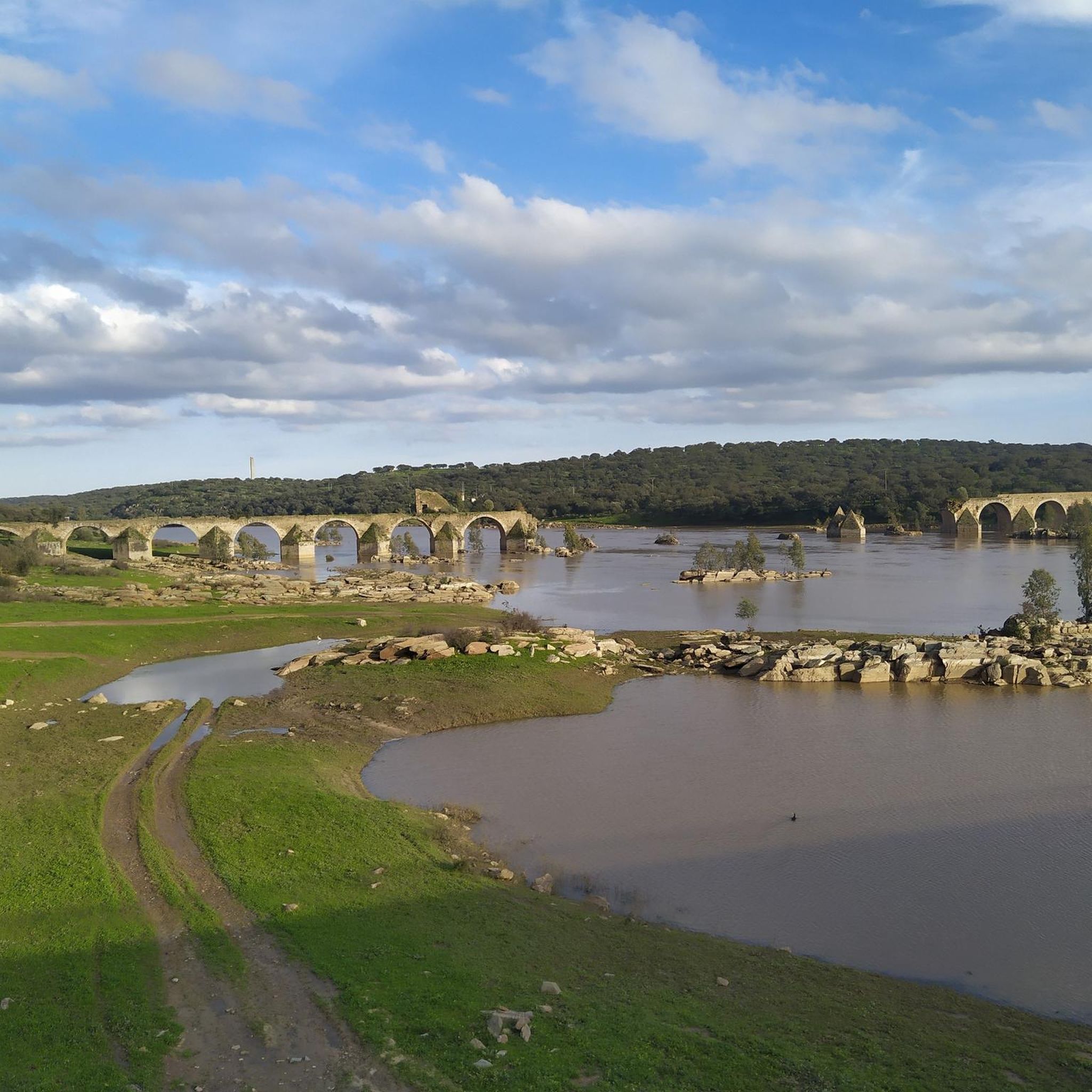
The Castle of Campo Maior is a medieval military fortress located in the civil parish of São João Bapista, municipality of Campo Maior, part of a first line of defense in the Portuguese Alentejo, facing Spain, associated with the military fortresses of Ouguela, Elvas, Olivença and Juromenha.
6
0

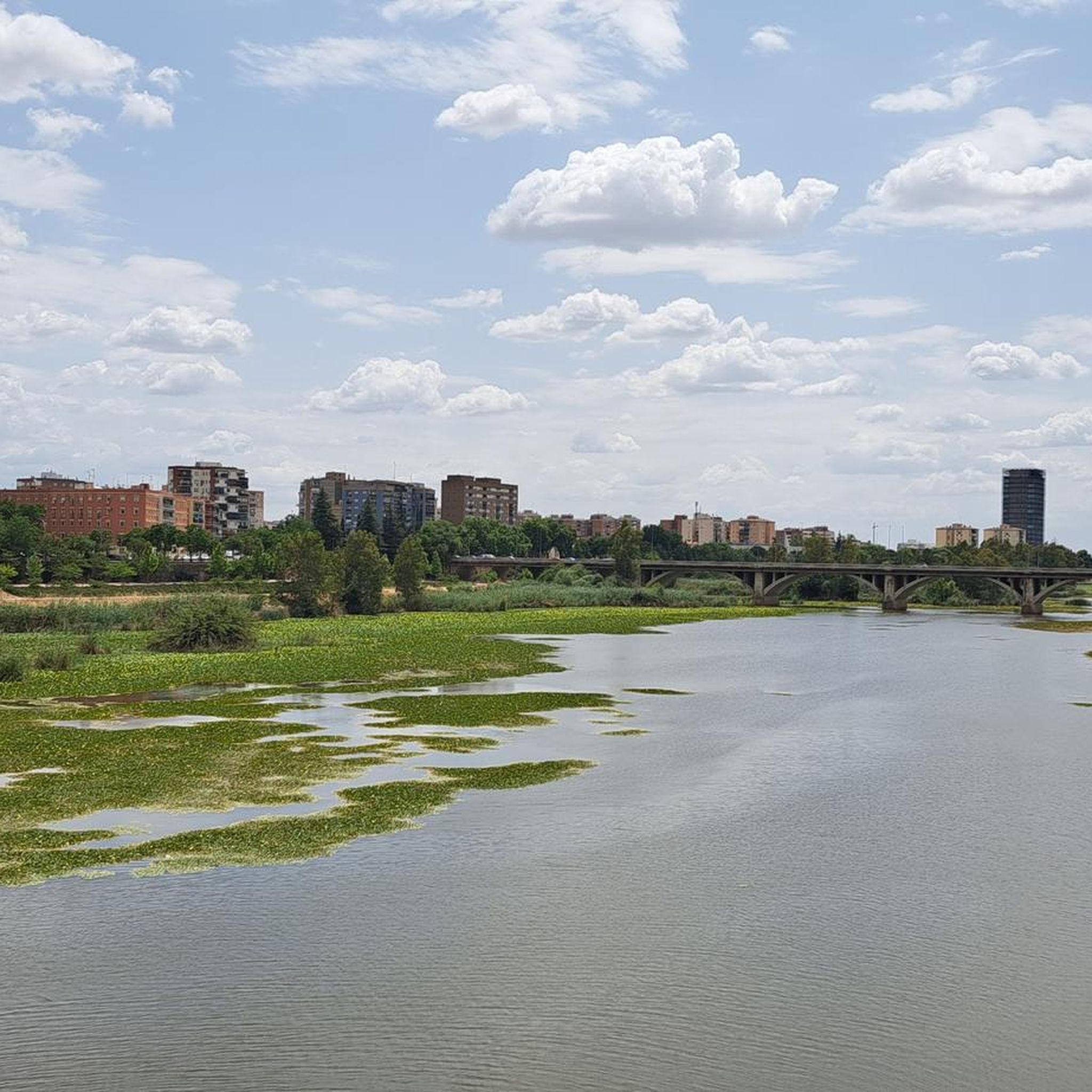
Located in the highest part of Badajoz, it was originally built in the year 875 by the hand of Abd-al-Ramman Ibn Marwan "El Yilliqui" and being modified and completed by the different governments that succeeded in the city. Its current configuration is basically the product of the largest reform carried out and that it underwent in the 12th century at the hands of the Almohads, although its greatest period of splendor was in the 11th century during the Aftasid Dynasty.
11
0
Pretty little castle with a museum, entry €2
4
2
The Fort of Graça is really impressive! You really get lost in it! This mighty building is particularly impressive from the air! Please do not confuse this with the Santa Luzia, this is located south of the city.
5
2

From this side of the Guadiana River, you can see the Alcazaba of Badajoz in all its splendor. You can see the towers, walls, and how they look out over the river. Above, you can find the San Cristóbal fort.
1
1

Magnificent and grandiose building on Praça de Elvas on a large hill to the north. Remarkable example of 19th century military architecture. XVIII and considered by many historians to be one of the most powerful bastioned fortresses in the world, the Graça or Lippe Fort is still original for its design and location.
11
1
Frequently Asked Questions
What makes the castles around Elvas unique?
The fortifications around Elvas, a UNESCO World Heritage site, are primarily extensive and well-preserved defensive structures rather than royal residences. They offer a deep dive into military architecture and history, showcasing medieval castles and significant star-shaped forts like the 18th-century Fort of Graça, which is considered one of the largest fortresses in the world.
Which castles offer the best panoramic views of the region?
For breathtaking panoramic views, visit the Castle of Elvas, located at the city's highest point. Its ramparts provide magnificent vistas of the surrounding Alentejo plains and even into Spain. The Fort of Graça also offers spectacular views of the countryside and Elvas itself.
Are there family-friendly castles to visit near Elvas?
Yes, several castles are suitable for families. The Alcazaba of Badajoz and the Castle of Elvas are both categorized as family-friendly. The Castle of Elvas also has a small museum, and exploring its walls can be an engaging experience for children.
What historical periods do the castles in Elvas represent?
The castles in Elvas span various historical periods, primarily focusing on military defense. The Alcazaba of Badajoz dates back to 875 with 12th-century modifications, reflecting Muslim and Christian influences. The Castle of Elvas has medieval origins from the 8th century, taking its final form in the 16th century. The Forte de Santa Luzia was built in the 17th century, and the impressive Fort of Graça is an 18th-century masterpiece of military engineering.
What outdoor activities can I do near the castles around Elvas?
The Elvas region offers various outdoor activities. You can find numerous routes for cycling, hiking, and mountain biking. For example, the 'Praça da República, Elvas – Castle of Elvas loop' is an easy 4.8 km hike that takes you past the Castle of Elvas. You can explore more options in the Hiking around Elvas, Cycling around Elvas, and MTB Trails around Elvas guides.
How long does it take to visit the main fortifications in Elvas?
To fully appreciate the main fortifications like the Castle of Elvas, Forte de Santa Luzia, and Fort of Graça, you should allocate at least half a day, or even a full day if you wish to explore the museums and walk the surrounding trails. The Fort of Graça alone can take a couple of hours, especially if you opt for a guided tour or walk its 2.6 km trail.
What is the best time of year to visit the castles in Elvas?
The best time to visit the castles around Elvas is typically during the spring (April to June) and autumn (September to October). During these months, the weather is milder and more pleasant for exploring the outdoor fortifications and walking the ramparts. Summers can be very hot in the Alentejo region, while winters are generally mild but can be rainy.
Are there any castles near Elvas that served as a prison?
Yes, the Fort of Graça, after losing its defensive function, served as a political prison before undergoing renovation and becoming a military museum. This adds another layer of historical intrigue to its already impressive military architecture.
What is the entry cost for the castles?
Entry fees vary by fortification. For example, the Castle of Elvas has an entry fee of €2 to access its museum and ramparts. The Fort of Graça also has an entrance fee, and guided tours are available and recommended for a more in-depth experience.
Is there a castle that highlights the border defense aspect of the region?
Absolutely. The Castle of Campo Maior is a medieval military fortress that was part of a crucial first line of defense in the Portuguese Alentejo, directly facing Spain. Its strategic importance is closely associated with other military fortresses in the region, including Elvas.
What should I know about visiting the Forte de Santa Luzia?
The Forte de Santa Luzia, a 17th-century four-bastion fort, is a key part of Elvas's defensive ring. It features a well-preserved interior with underground passages and offers 360-degree views. It now houses a military museum, providing insights into Elvas's military evolution and significant battles. It's an excellent example of 17th-century military engineering.
Can I find information about the Alcazaba of Badajoz, which is near Elvas?
Yes, the Alcazaba of Badajoz is a significant historical site located in the highest part of Badajoz. Originally built in 875, it was modified in the 12th century and features ruins from the old Muslim fortification, later becoming a Christian castle. It's a must-see for those interested in the region's diverse history.
Most popular attractions around Elvas

Get inspired with the komoot mobile app


Explore more
Looking for the best castles somewhere else? Discover other guides around Elvas:
