Top 5 Castles around Manteigas
Best castles around Manteigas are found in the wider Beira region, which surrounds this village nestled in Portugal's Serra da Estrela Natural Park. Manteigas itself is known for its natural landscapes, glacial valleys, and traditional industries, offering a rich experience focused on nature and local heritage. While the village does not feature prominent medieval fortresses, the surrounding area boasts a string of defensive castle towns that played significant roles in Portugal's history. These historical sites provide insights into the region's…
Last updated: May 13, 2026
Belmonte Historic Village
Highlight • Historical Site
Translated by Google •
Tip by

Aldeia Histórica de Linhares da Beira
Highlight • Settlement
Translated by Google •
Tip by
Sign up now to discover places like this
Get recommendations on the best single tracks, peaks, & plenty of other exciting outdoor places.
Sign up for free
View of Linhares da Beira and Castle
Highlight (Segment) • Viewpoint
Translated by Google •
Tip by

Start today with a free account
Your next adventure awaits.
Login or Signup
Popular around Manteigas
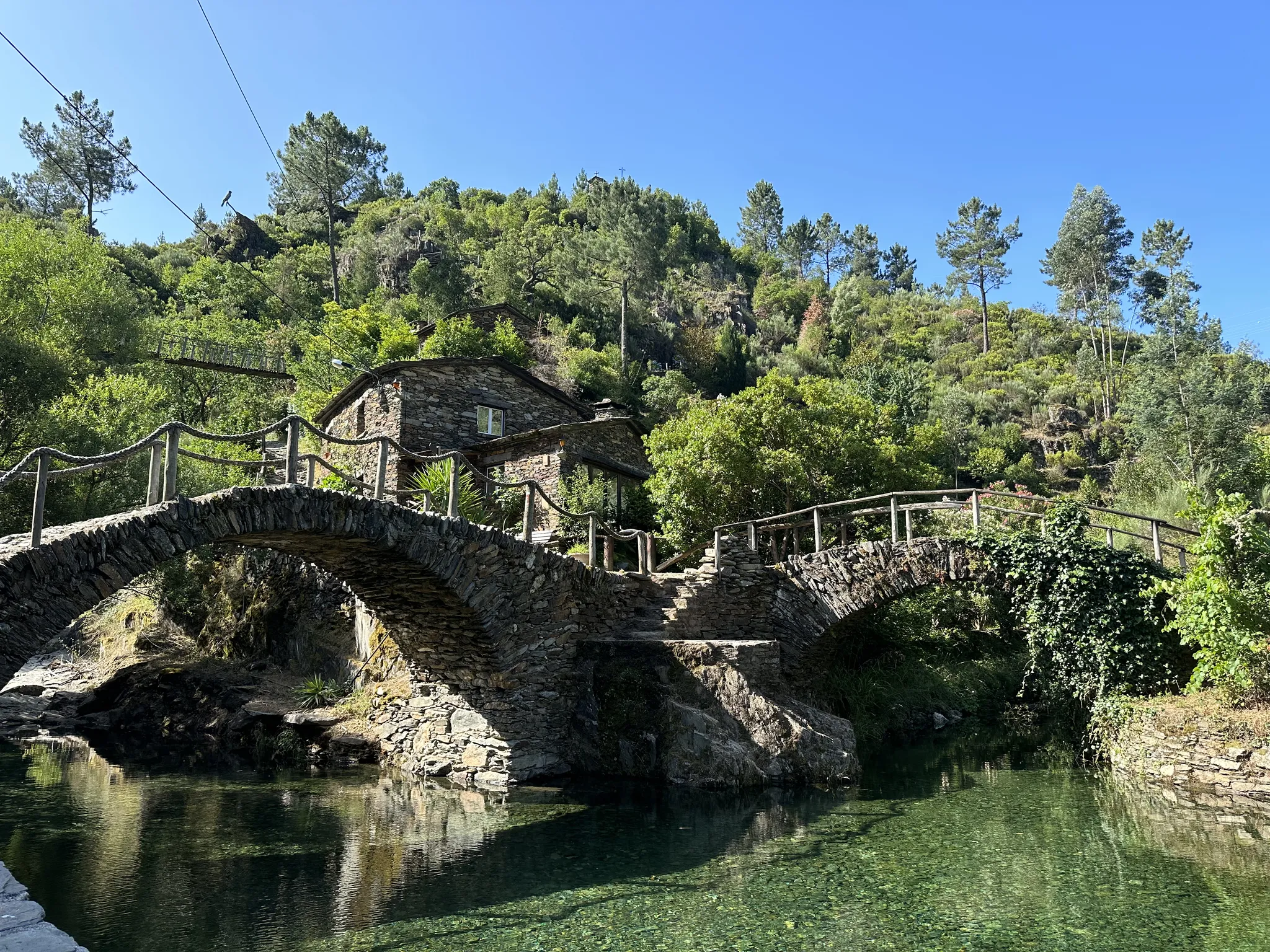
Great Route of Historic Villages (GR 22 south loop) – A nation is born
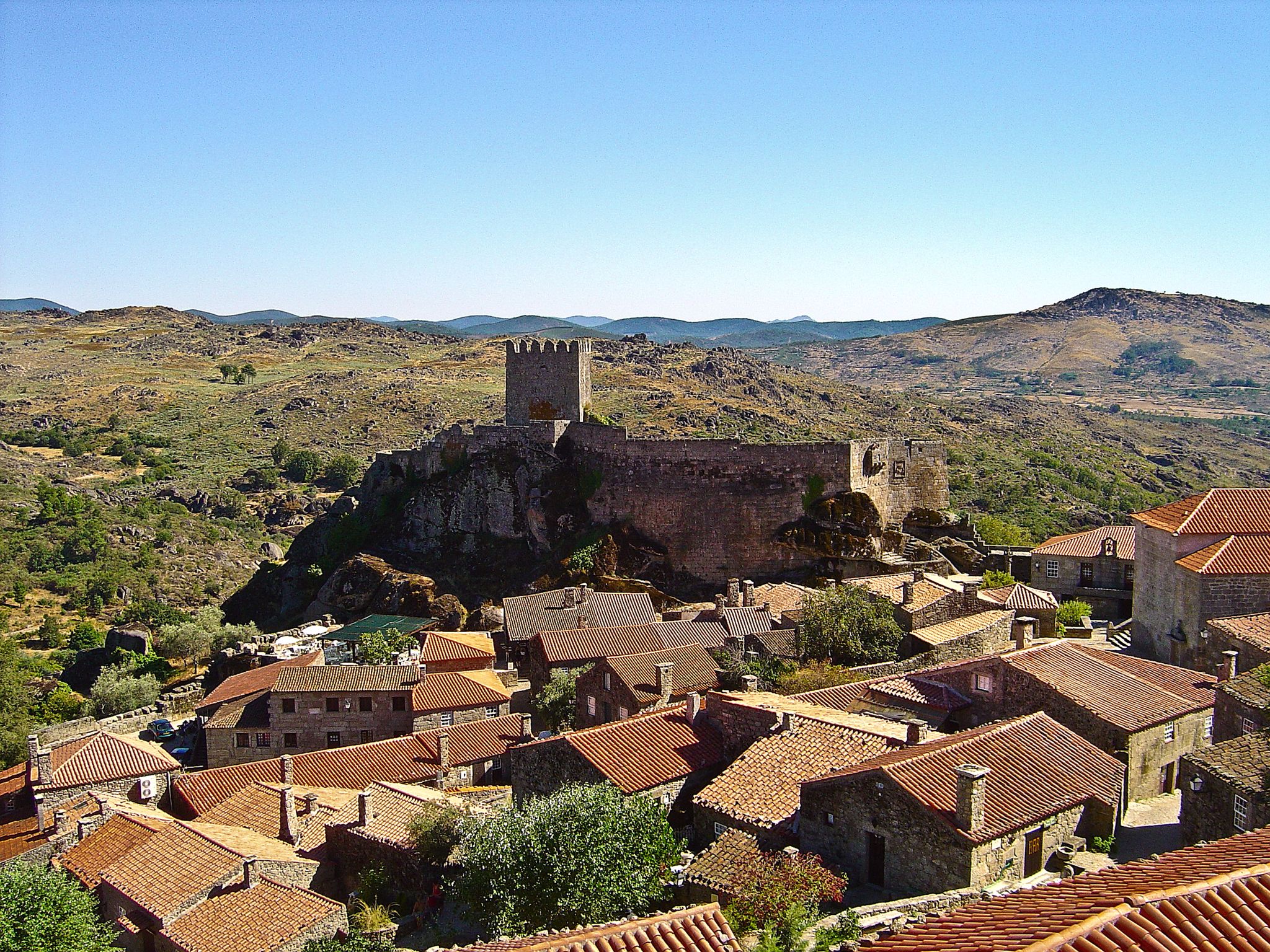
Great Route of Historic Villages (GR 22 north loop) - castles and valleys
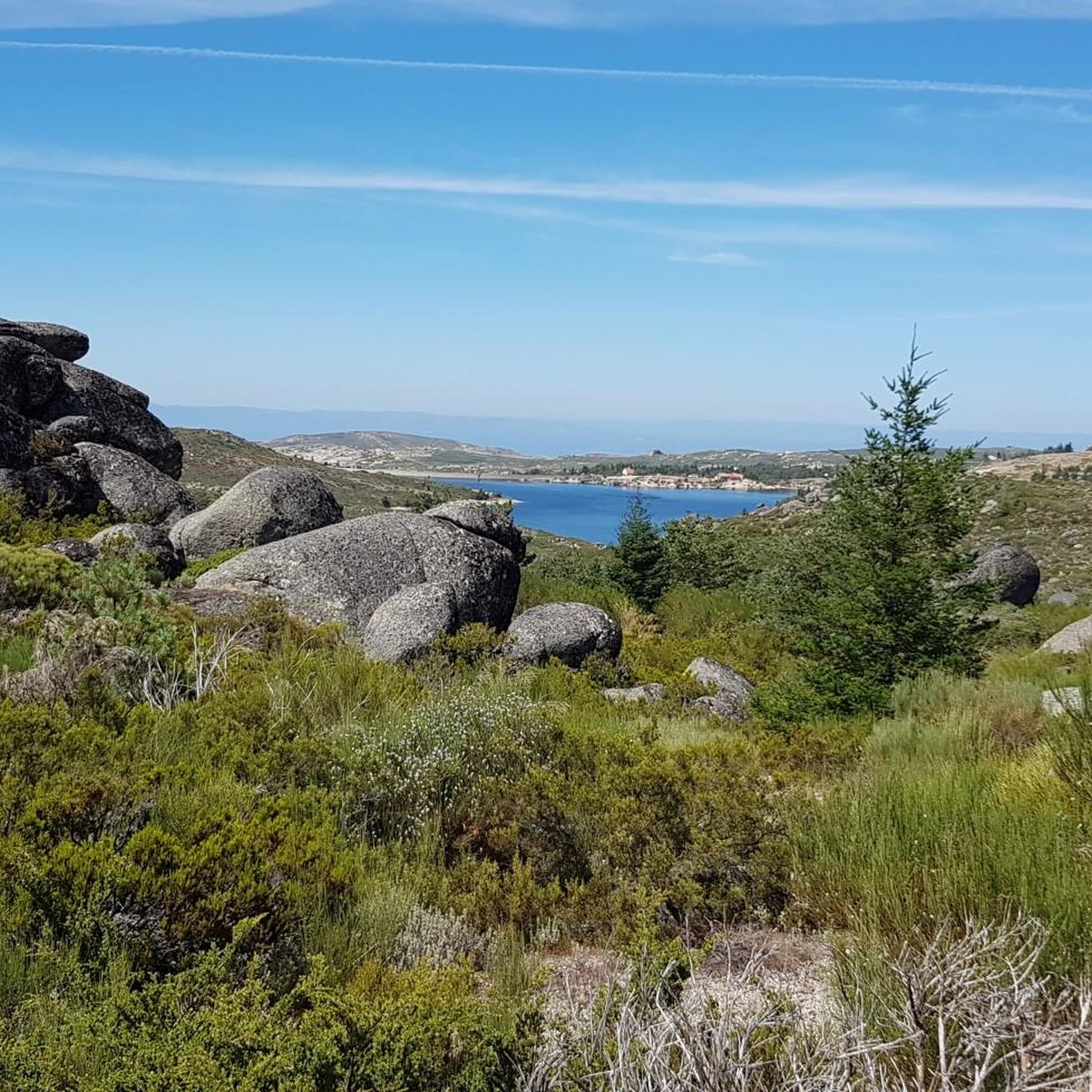
Hiking around Manteigas
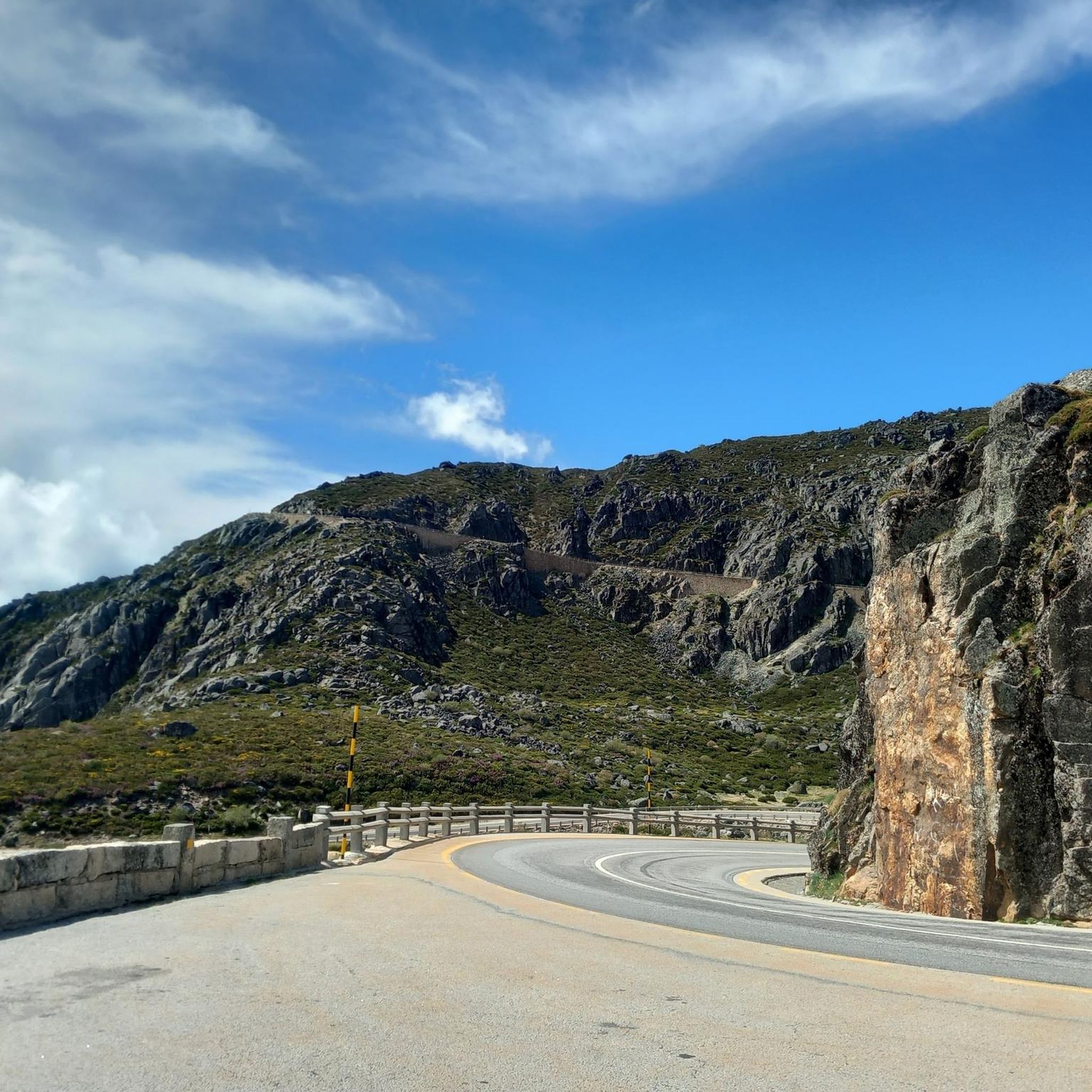
MTB Trails around Manteigas
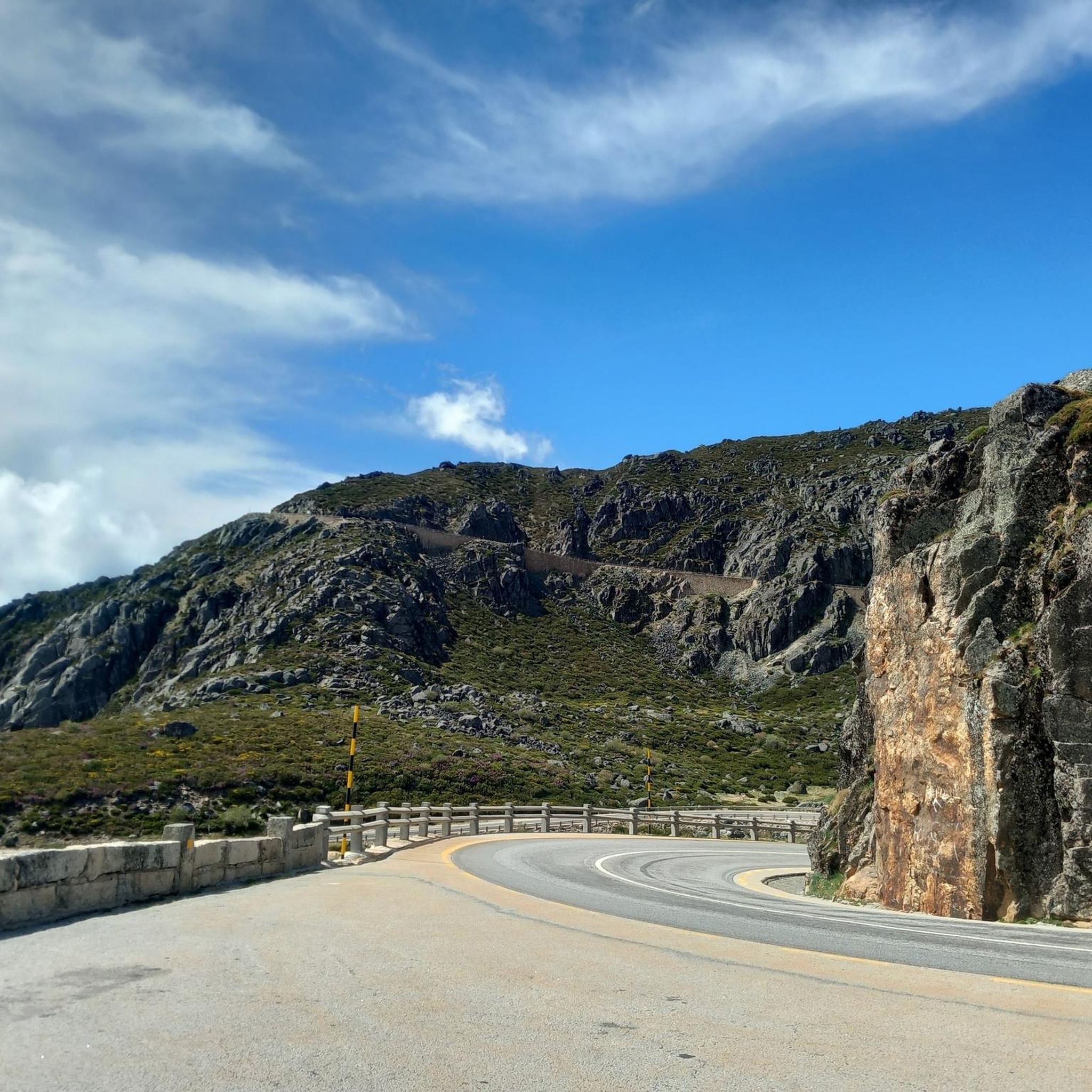
Road Cycling Routes around Manteigas
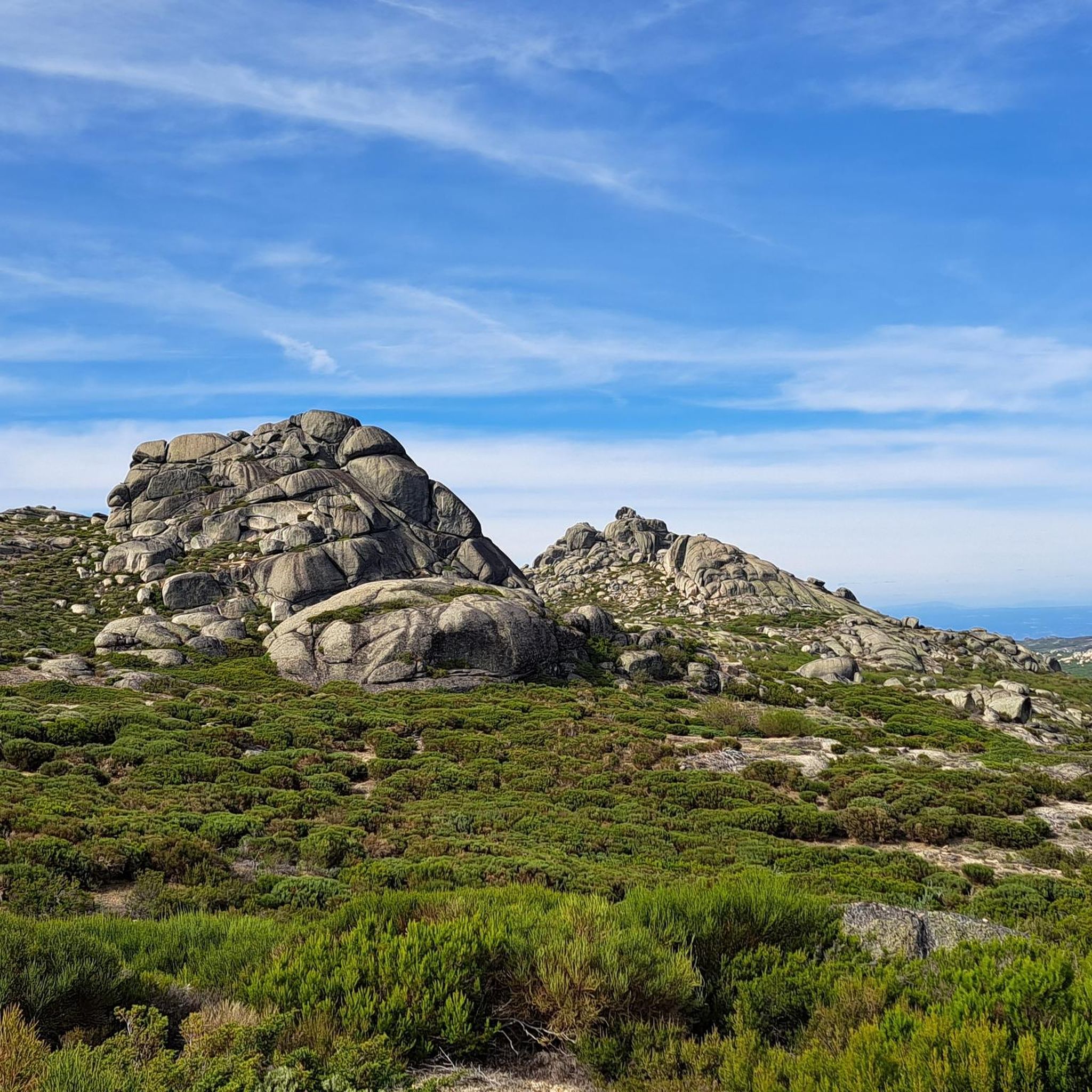
Running Trails around Manteigas
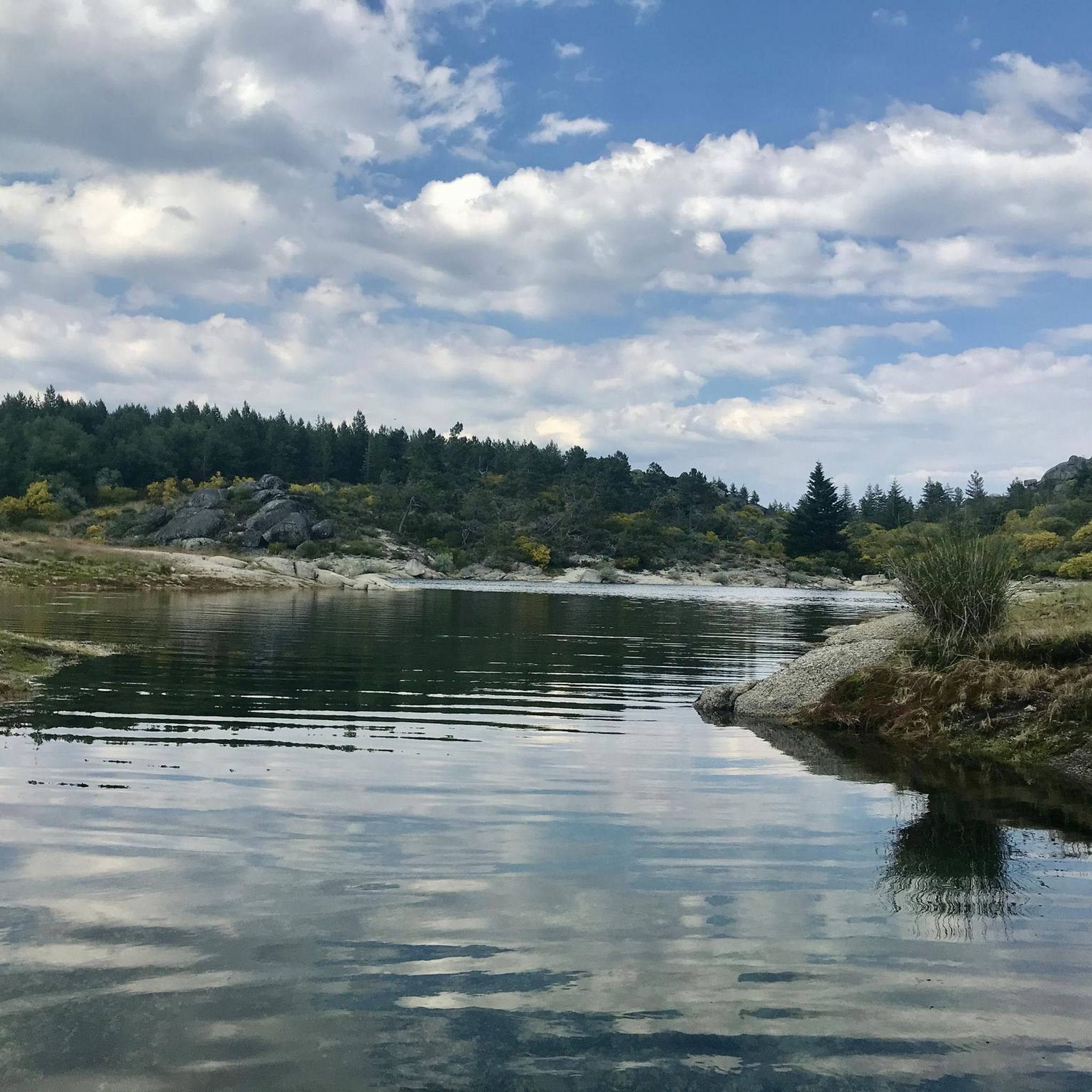
Cycling around Manteigas
Gravel biking around Manteigas

Tips from the Community

A historic village of undeniable beauty. Thank you for sharing the photos.👍🥾🚲
0
0

Linhares da Beira is steeped in centuries of history. Founded, apparently, in the 6th century BC by the Turduli, it saw the passage of the Lusitanians, Romans, and Visigoths, who made it the seat of their diocese. It was the scene of Moorish legends, recovered by the kings of León and later by Afonso Henriques, who granted it a charter in 1169 and integrated it into the region's defensive line. Over time, it welcomed Jews, resisted invasions, and lost its municipality in 1842, but never its soul. Today, it is proud to be one of the 12 Historic Villages of Portugal, where every stone tells a piece of the past.
3
0
Belmonte, one of the twelve Historic Villages of Portugal, is the home of Pedro Álvares Cabral and guardian of the country's largest Jewish community, a legacy that endured centuries of Inquisition. Between walls and memories, mystique and history abound, with the Serra da Estrela on one side and the Malcata Reserve on the other. The food completes the enchantment: Jewish flavors like fried offal coexist with broths, migas, esparregados, and traditional Beira sweets: rice pudding, papas de carolo, and filhós. Here, the landscape and the food merge into a delightful experience.
5
0
Pedro Álvares Cabral, the man who gave Europe Brazil, was born high up in Cova da Beira, with the Serra da Estrela on the horizon. But the history of Belmonte begins much earlier: among dolmens, forts and the enigmatic Torre de Centum Cellas. A town of walls, synagogues and conquests, it was the scene of Romans, Jews and Portuguese heroes. Today, it continues to stand firm on a beautiful hill — true to its name and its legendary past.
3
0

Located just off the main road south of Guarda (which at 1,053 metres is the highest city in Portugal), it is one of twelve aldeias históricas (historic villages), a government-sponsored initiative to promote the immense heritage of the beautiful Beiras region. Belmonte’s most famous son is without doubt Pedro Álvares Cabral, a major figure of the Age of Discovery who was born in the village in 1467. As a young and very ambitious sea captain of just 32 years old, he commanded a fleet of thirteen ships with some 1,500 men that departed from the shores of Lisbon on the 9th of March, 1500. Six weeks later Cabral dropped anchor off the north-east coast of Brazil, becoming the first Portuguese navigator to reach South America. It was also the first known expedition to have touched all four continents of Europe, Africa, America and Asia. Built in the 13th century, Belmonte Castle (the village’s key attraction) became the birthplace of the young explorer in 1467 after his father received it as a loyalty payment from King Afonso V and adapted it as the Cabral family residence. One of the region’s most prominent landmarks, the castle offers today’s visitors fine views of the Estrela mountains and the surrounding Lower Beiras countryside from its towering keep, which stands proud at an altitude of 615 metres above sea level. Adjacent to the castle stands the church of São Tiago which is of the same period and has many interesting features, including a a painted 14th-century granite pietà and the pantheon of the Cabral family, although the navigator’s body now rests at the Convento da Graça in Santarém.
6
1

Beautiful hike from the village, on the route you will find a beautiful place for a picnic with a panoramic view
0
0


Worth seeing, interesting history and birthplace of the port. National hero of the recent national history.
9
1
Frequently Asked Questions
Are there castles directly in Manteigas?
Manteigas itself is primarily known for its stunning natural landscapes, glacial valleys, and traditional industries. While it offers a rich experience focused on nature and local heritage, there are no prominent medieval fortresses or historical castles directly within the village. The castles are found in the wider Beira region.
Which historic villages with castles can I visit near Manteigas?
You can visit several historic villages that feature impressive castles. These include Belmonte Historic Village, known for its 13th-century castle and as the birthplace of explorer Pedro Álvares Cabral. Another must-see is Aldeia Histórica de Linhares da Beira, a settlement integrated into the region's defensive line. Folgosinho also features an imposing medieval castle with spectacular views.
What kind of history do these castles represent?
The castles around Manteigas, such as those in Belmonte and Linhares da Beira, played significant roles in Portugal's history, often as part of defensive lines. They offer insights into the region's past, including periods of Moorish presence, the Reconquista, and the Age of Discovery. Many are integrated into ancient villages, preserving centuries of heritage.
Are there family-friendly activities at the castles near Manteigas?
Visiting the historic villages and their castles can be a family-friendly experience. Children can enjoy exploring the ancient walls, cobbled streets, and imagining life in medieval times. The villages often have museums or local shops that provide cultural insights. For example, Belmonte Historic Village has a rich history, including a Jewish community legacy, which can be interesting for older children.
What natural features can I see when visiting castles near Manteigas?
Many castles in the Beira region offer stunning views of the surrounding natural landscape. For instance, the castle in Belmonte Historic Village provides views of the Estrela mountains. From Folgosinho's medieval castle, you can enjoy spectacular views of the surrounding landscape. The region itself, including Manteigas, is known for its glacial valleys and the Serra da Estrela Natural Park.
Can I combine a castle visit with hiking or other outdoor activities?
Yes, the region around Manteigas is excellent for combining historical exploration with outdoor activities. You can find numerous hiking, cycling, and mountain biking routes. For hiking, explore trails like the Faias Trail or the Poço do Inferno Route. For cycling, consider routes like the Circular Route 13 de Manteigas. You can find more details on these activities in the Hiking around Manteigas, Cycling around Manteigas, and MTB Trails around Manteigas guides.
Are there viewpoints near the castles?
Yes, many of the castles themselves are situated on elevated positions, offering panoramic views. For example, the castle in Belmonte Historic Village provides fine views of the Estrela mountains. Additionally, there's a specific highlight called View of Linhares da Beira and Castle, which is a beautiful spot for a picnic with a panoramic view of the village and its castle.
What is the best time to visit the castles around Manteigas?
The best time to visit the castles and the Manteigas region generally depends on your preferred activities. Spring and autumn offer pleasant temperatures for exploring the villages and hiking. Summer can be warm but is ideal for enjoying the mountain air. Winter brings a different charm, especially if you combine castle visits with snow activities in Serra da Estrela, though some routes or access might be affected by weather.
What should I wear for castle walks and explorations?
For exploring the castles and historic villages, comfortable walking shoes are essential, as you'll often encounter cobbled streets and uneven terrain. Layers of clothing are advisable, as mountain weather can change quickly. If you plan to combine your visit with hiking, appropriate hiking gear, including sturdy boots and waterproofs, is recommended.
What do visitors enjoy most about the castles and historic villages in this area?
Visitors often appreciate the rich history and cultural heritage preserved within these villages. The imposing medieval castles and granite houses, like those in Folgosinho, offer a glimpse into the past. The spectacular views from the castle keeps and the charm of the historic villages, such as Aldeia Histórica de Linhares da Beira, are frequently highlighted by the komoot community.
Are there any hidden gem castles or lesser-known historical sites nearby?
While the guide focuses on prominent historic villages, the broader Beira region is rich with historical structures. Beyond the main castles, exploring the smaller, less-frequented villages can reveal charming historical sites and local traditions. Manteigas itself, though without a castle, offers insights into traditional life with attractions like the Ethnographical Museum and the Burel Factory.
Most popular attractions around Manteigas

Get inspired with the komoot mobile app


Explore more
Looking for the best castles somewhere else? Discover other guides around Manteigas:
