Top 5 Caves around Gué-D'Hossus
Best caves around Gué-D'Hossus are found in the wider Ardennes region, spanning France and Belgium. This area is characterized by its forested landscapes and limestone geology, which has led to the formation of various underground cavities. While Gué-D'Hossus itself does not host large, publicly accessible natural caves, the surrounding region offers notable subterranean experiences. These sites provide insights into geological formations and local history.
Best caves around Gué-D'Hossus
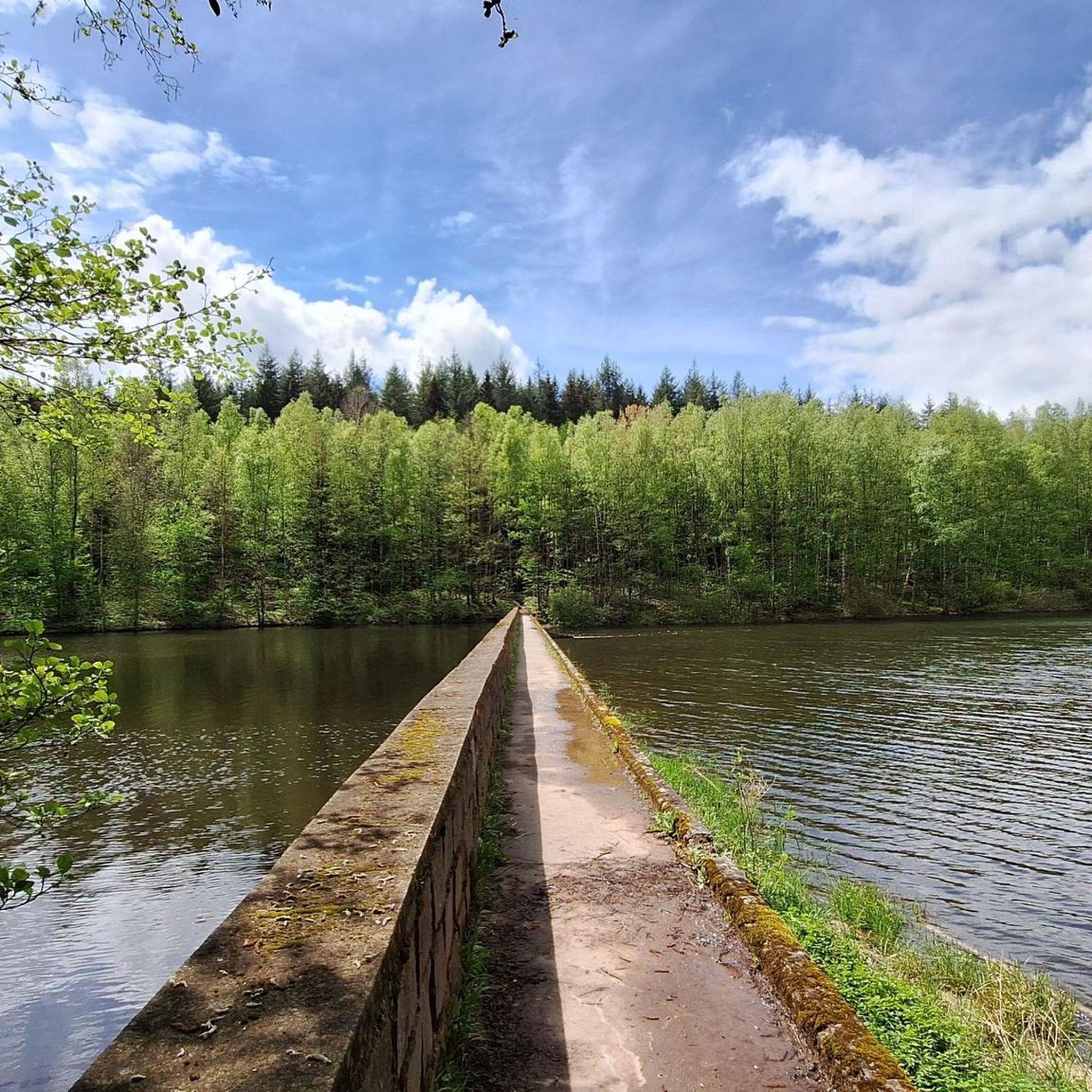
- The most popular caves is Virginia Nordic Walking Trail 5 – Parc naturel Viroin Hermeton, a trail that features a river and forest. This route includes an entrance to an old quarry.
- Another must-see spot is Former Hamérienne Slate Quarry, a historical site with cave features. Visitors can explore a tunnel dug under a path, with surrounding ruins visible in the forest.
- Visitors also love Trou Godin, a cave and historical site. This cavity originated from a prospecting operation in the rock face, likely in the 18th century.
- Gué-D'Hossus is known for natural caves, historical mining sites, and rock shelters. The region offers a variety of underground features to see and explore.
- The caves around Gué-D'Hossus are appreciated by the komoot community, with more than 10 photos and more than 10 upvotes shared across various highlights.
Last updated: May 13, 2026
Trou Godin
Highlight • Cave
Translated by Google •
Tip by

Former Hamérienne Slate Quarry
Highlight • Cave
Tip by

Sign up now to discover places like this
Get recommendations on the best single tracks, peaks, & plenty of other exciting outdoor places.
Sign up for free
Virginia Nordic Walking Trail 5 – Parc naturel Viroin Hermeton
Highlight (Segment) • Trail
Translated by Google •
Tip by

Abyss Caverns
Highlight • Cave
Translated by Google •
Tip by

The Devil’s Hole – Remnant of the Slate Quarries
Highlight • Cave
Translated by Google •
Tip by
Start today with a free account
Your next adventure awaits.
Login or Signup

Tips from the Community

Entrance to old quarry?
1
0

According to legend, a wagon and its entire team fell inside. The horses and coachman died, smashing against the stone. Some believe that the ghost of the unfortunate man has been haunting this cursed excavation ever since, and that it's possible to glimpse him after dark...
1
0
Undoubtedly one of the most breathtaking places in Revin, but one of the most difficult to reach. It's best to have strong legs. The Godin Hole (the name is uncertain), several centuries old, originated from a prospecting operation in the rock face. It lies at the bend of a small, steep path overlooking the house in the middle of Fallières. "It comes from the search for slate schists. At the time, people were very poor and looked for slate by digging into the rock. There are other similar holes along the stream below, they extend all the way to the Plateau," says Edmond Szelong, a history buff. No one knows exactly when this breakthrough was made, probably in the 18th century. The imposing cavity, dug into this porous rock, inexorably lets water seep through. It fills with every downpour. “Children used to be responsible for emptying it every morning using buckets.”
1
0

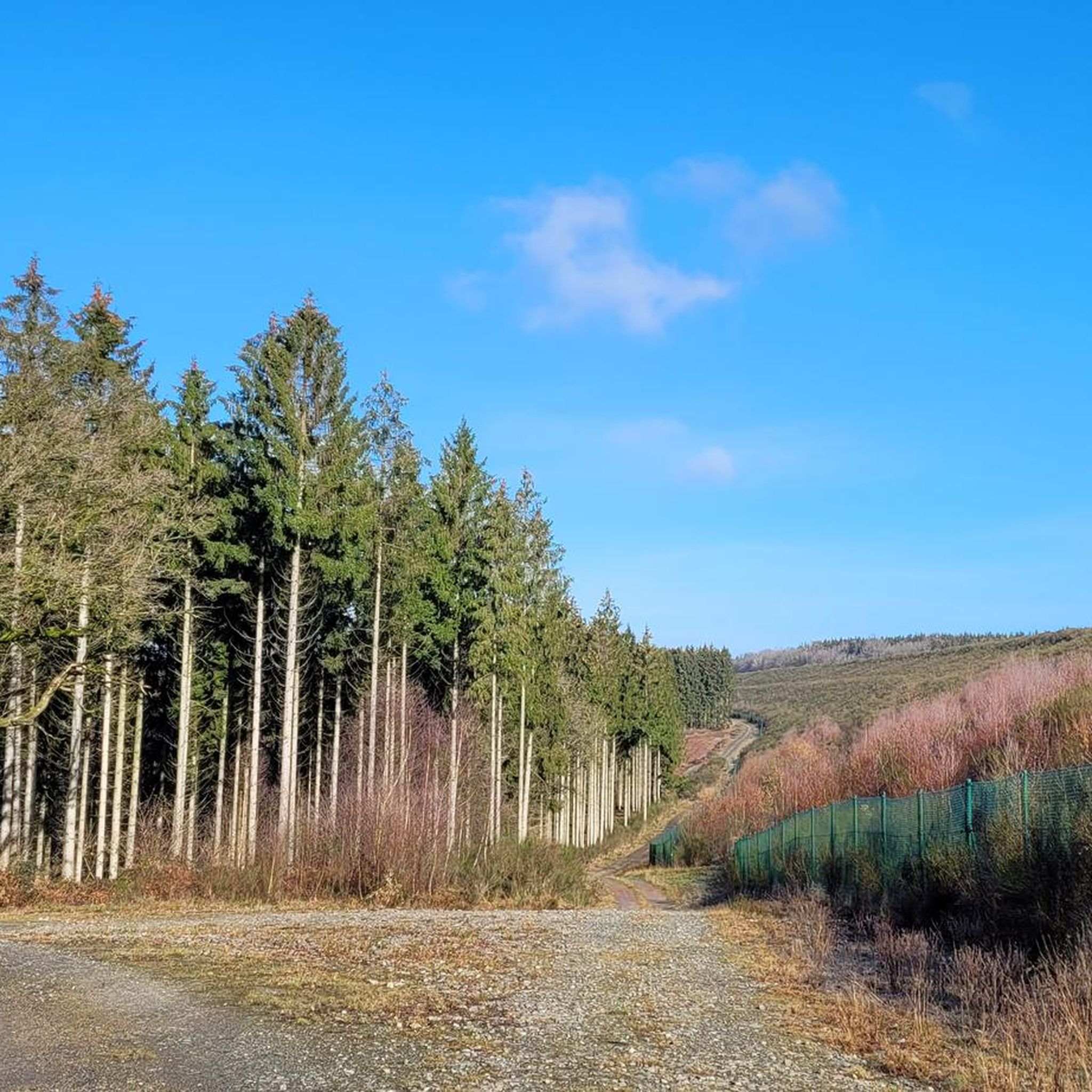
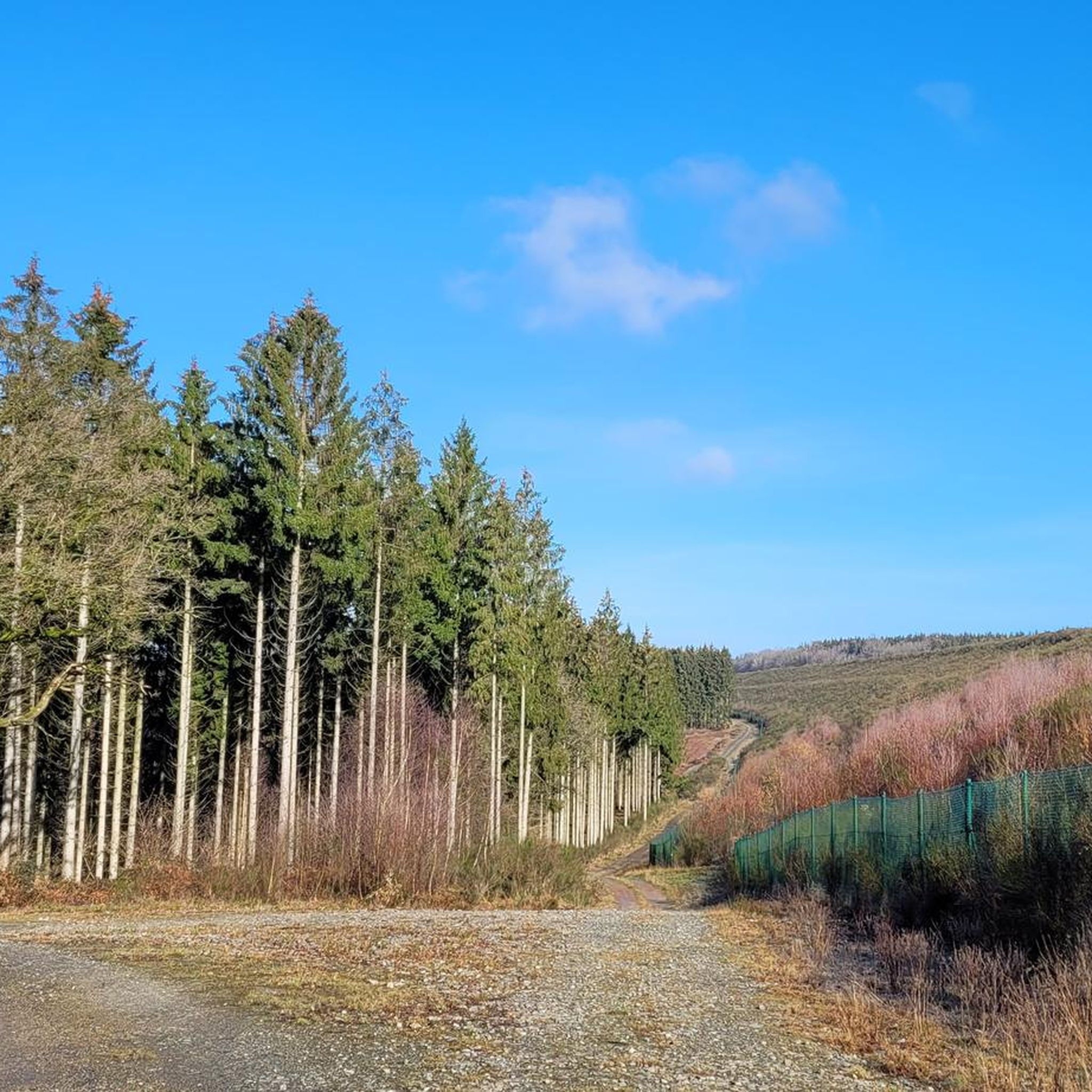
Fairly easy route but can be very muddy - few hikers - reliable GPS tracking variety of forest landscape
1
0

These caverns constitute one of the largest rock shelters in Belgium. This one and other rooms also served as a place of protection and refuge for the inhabitants during the Second World War. From this rock was also born the legend of Count à la Houssette. Site closed to the public since August 2017.
1
0

leave the road by following the almost erased track 100 m to the North.
0
0
Access the hole via a wide but almost erased path 100m further east. Watch out for children: the hole is steep and unsecured.
0
0
The tunnel is dug under the path. you'll notice the surrounding ruins in the forest from the path.
4
0
Frequently Asked Questions
Which are the most recommended caves to visit near Gué-D'Hossus?
For a developed and engaging cave experience, the most recommended options are the Nichet Cave in Fromelennes, France, and the Grottes de Neptune in Couvin, Belgium. Both offer guided tours and unique features, making them excellent choices for visitors to the wider Ardennes region.
What kind of geological formations can I expect to see in the caves?
In the publicly accessible caves like the Nichet Cave, you can admire a variety of impressive limestone concretions, including stalactites, stalagmites, and draperies. The Grottes de Neptune also showcase diverse formations such as rimstones, draperies, and columns, all sculpted by the Eau Noire river over millions of years.
Are there family-friendly caves to explore near Gué-D'Hossus?
Yes, both the Nichet Cave and the Grottes de Neptune are considered family-friendly. The Nichet Cave offers a children's play area and picnic facilities, while the Grottes de Neptune provide an engaging 50-minute guided tour and an immersive boat trip that appeals to all ages.
What historical or archaeological significance do the caves in the region hold?
The Nichet Cave has significant archaeological importance, with discoveries including bones of prehistoric animals and human remains from various periods, including a Bronze Age common grave. It's also steeped in local legends. Closer to Gué-D'Hossus, sites like Former Hamérienne Slate Quarry and Trou Godin are historical mining or prospecting sites, offering a glimpse into the region's industrial past.
What unique experiences do the Grottes de Neptune offer?
The Grottes de Neptune are renowned for their unique underground river journey. Visitors embark on a small boat for a sound and light show set to music by Vangelis, creating a truly immersive and magical sensory experience within one of Belgium's oldest underground cavities.
What makes the Nichet Cave a special visit?
The Nichet Cave is unique as the only underground cavity open to visitors in the North-East of France. It features an extensive network of 20 chambers, impressive geological formations, and guided tours available in multiple languages, accompanied by sound and light effects that bring local Ardennes legends to life.
What is the best time to visit the caves around Gué-D'Hossus?
Caves generally maintain a constant temperature year-round. For example, the Nichet Cave stays at a steady 9°C (48°F), making it a cool escape in summer and relatively warm in winter. This means caves can be visited comfortably in any season, though surrounding outdoor activities might be more pleasant in spring, summer, or autumn.
Are there any challenging or less accessible cave features near Gué-D'Hossus?
Yes, some local features are more challenging. Trou Godin is described as difficult to reach, requiring strong legs. The Devil’s Hole, a remnant of slate quarries, is steep and unsecured, making it unsuitable for casual visitors or children. These are historical sites rather than developed tourist attractions.
What outdoor activities can I do near these caves?
The region around Gué-D'Hossus offers various outdoor activities. You can find numerous hiking trails, including easy to difficult routes around Rocroi. There are also running trails and gravel biking routes, allowing you to explore the forested landscapes and scenic viewpoints above ground.
Where can I find more information about the Nichet Cave and Grottes de Neptune?
For details on the Nichet Cave, you can visit the Val d'Ardenne Tourisme website: valdardennetourisme.com. For information on the Grottes de Neptune, check the Visit Wallonia website: visitwallonia.com.
Are there any caves that are part of hiking trails?
Yes, some cave features are integrated into local trails. For instance, the Virginia Nordic Walking Trail 5 – Parc naturel Viroin Hermeton includes an entrance to an old quarry. Similarly, the Former Hamérienne Slate Quarry features a tunnel dug under a path, with surrounding ruins visible in the forest.
What should I wear when visiting the caves?
Given that caves maintain a cool, constant temperature (around 9°C or 48°F), it's advisable to wear layers, even in summer. A light jacket or sweater is recommended to stay comfortable during your underground exploration.
Most popular routes around Gué-D'Hossus
Most popular attractions around Gué-D'Hossus

Get inspired with the komoot mobile app


Explore more
Extend your search for the best caves by checking out these guides of the top ones around Gué-D'Hossus:
