Top 12 Caves around Tursac
Best caves around Tursac are located in the Vézère Valley of the Dordogne region, an area known for its significant prehistoric sites and unique troglodytic dwellings. This region offers compelling examples of prehistoric human occupation and natural geological formations. The landscape features numerous rock shelters and caves, providing insights into ancient human life and natural history. Tursac and its surroundings are a rich destination for those interested in prehistory and geology.
Best caves around Tursac
- The most popular caves is La Roque Saint-Christophe, a historical site with natural cavities. These cavities were inhabited by people in prehistoric times and later converted into a fortress during the Middle Ages.
- Another must-see spot is Les Eyzies-de-Tayac, a historical site considered the capital of prehistory. Visitors can explore numerous extraordinary prehistoric sites and museums dedicated to the science of prehistory.
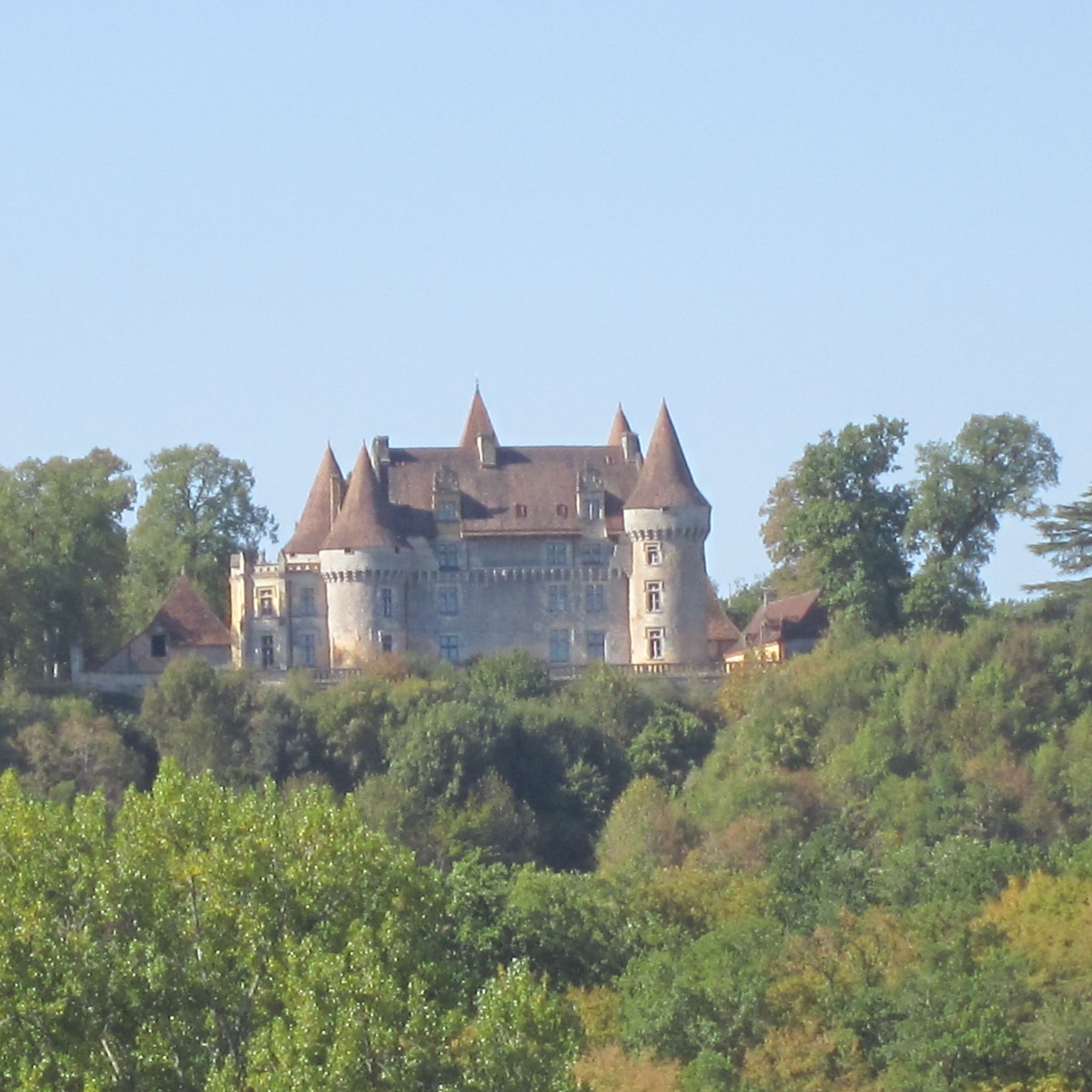
- Visitors also love Maison Forte de Reignac, a fortified house built under a cliff. This unique dwelling was inhabited until the 20th century and now serves as a museum showcasing everyday objects and its integration with the rock.
- Tursac is known for its rock shelters, prehistoric settlement sites, and natural cave formations. The area offers a variety of sites, from ancient human habitations to geological wonders.
- The caves around Tursac are appreciated by the komoot community, with over 115 upvotes and 50 photos shared by visitors.
Last updated: August 19, 2026
La Roque Saint-Christophe
Highlight • Historical Site
Translated by Google •
Tip by

Les Eyzies-de-Tayac
Highlight • Historical Site
In addition to the very richly supplied national museum, I encourage you to go to the Pôle de la préhistoire. Building entirely dedicated to this science and free. Find out about all the prehistoric marvels that can be admired in and around the town. They are not missing.
It is not without reason that the Vézère valley has been nicknamed the valley of man.
Translated by Google •
Tip by
Sign up now to discover places like this
Get recommendations on the best single tracks, peaks, & plenty of other exciting outdoor places.
Sign up for free
Abri de La Madeleine
Highlight • Cave
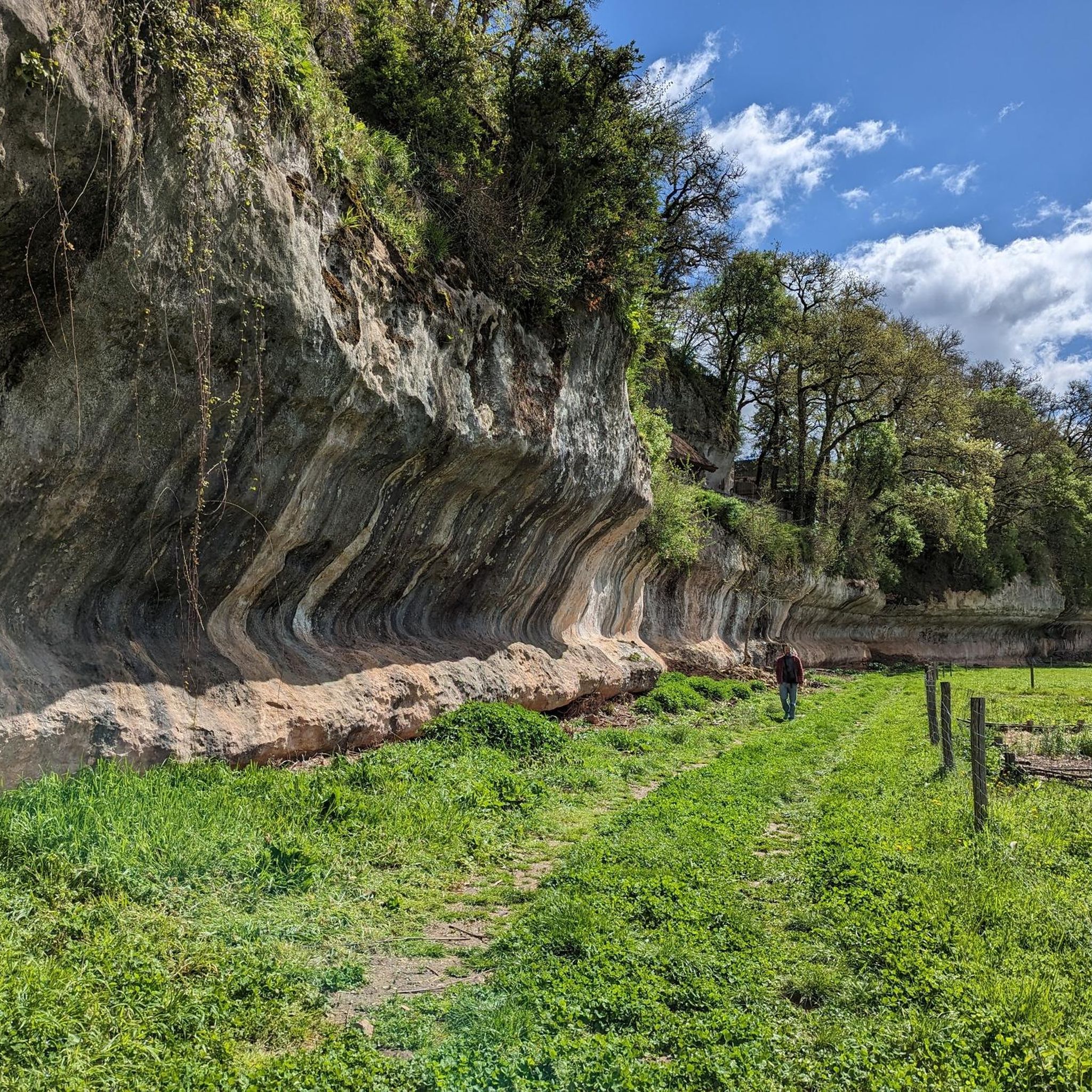
For the Upper Palaeolithic period of the Magdalenian period, this important find site acts as a type locality. It is located in the lower abri (rock overhang) below the chapel dedicated to Saint Magdalene of the troglodyte village.
Around 17,000 years ago, Cro-Magnon people settled in the rock shelters beneath the south-facing cliffs of La Madeleine near the River Vézère. These offered natural protection against the effects of the weather, and the southern orientation warmed the settlement site.
The emergence of the troglodytic settlements on the cliffs of La Madeleine in the 8th century has been proven.
(Wikipedia)
Translated by Google •
Tip by

Maison Forte de Reignac
Highlight • Castle
Source Wikipedia en.m.wikipedia.org/wiki/Tursac
Translated by Google •
Tip by

La Madeleine Prehistoric Site
Highlight • Historical Site
Translated by Google •
Tip by

Sign up for free to discover even more caves around Tursac.
Sign up for free
Already have an account?
Start today with a free account
Your next adventure awaits.
Login or Signup
Tips from the Community

This museum is certainly interesting, unfortunately we didn't have enough time
0
0
Impressive are the dwellings in the rocks and the houses from the rocks
0
0

Here we have the situation – previously completely unknown to me and therefore surprising – that MADELEINE, a Christian saint (the name is derived from the biblical "Mary Magdalene"), has become the namesake of an era from the proverbial "dim prehistory" (one to one and a half dozen millennia before the beginning of our era). To paraphrase it from Wikipedia, which can explain it better than I can: "The Magdalenian is an archaeological cultural stage in the younger part of the Upper Paleolithic in Central and Western Europe at the end of the last Ice Age. The Magdalenian was named in 1869 by Gabriel de Mortillet after the semi-cave La Madeleine in the Dordogne department. It spanned an approximate period from approximately 18,000 to 12,000 BC."
2
0
Here we have the situation – previously completely unknown to me and therefore surprising – that MADELEINE, a Christian saint (the name is derived from the biblical "Mary Magdalene"), has become the namesake of an era from the proverbial "dim prehistory" (one to one and a half dozen millennia before the beginning of our era). To paraphrase it from Wikipedia, which can explain it better than I can: "The Magdalenian is an archaeological cultural stage in the younger part of the Upper Paleolithic in Central and Western Europe at the end of the last Ice Age. The Magdalenian was named in 1869 by Gabriel de Mortillet after the semi-cave La Madeleine in the Dordogne department. It spanned an approximate period from approximately 18,000 to 12,000 BC."
2
0

Village to include in your hike around these places. Beautiful detours
1
0

Said to be the last intact rock castle in France.
0
0

Welcome to the capital of prehistory! This is the nickname given to this modest village which follows the course of the Vézère. It must be said that the extraordinary sites that you can visit are numerous. In addition to the very richly supplied national museum, I encourage you to go to the Pôle de la préhistoire. Building entirely dedicated to this science and free. Find out about all the prehistoric marvels that can be admired in and around the town. They are not missing. It is not without reason that the Vézère valley has been nicknamed the valley of man.
2
1

Worth to visit, very nice fortified house
0
0
Frequently Asked Questions
What are the most historically significant prehistoric sites near Tursac?
The Vézère Valley, where Tursac is located, is rich in prehistoric sites. Notable examples include La Roque Saint-Christophe, a historical site with natural cavities inhabited since prehistoric times, and Les Eyzies-de-Tayac, often called the capital of prehistory. The Abri de La Madeleine is also crucial, being the type-site for the Magdalenian period and featuring a troglodyte village.
Are there any caves near Tursac known for unique geological formations?
Yes, the Grand Roc Cave, located approximately 4 km from Tursac, is famous for its diverse and abundant crystal formations. It features an impressive array of stalactites, stalagmites, 'eccentrics,' and 'fistulous stalactites,' making it a UNESCO World Heritage Site and a stunning visual spectacle of nature's artistry.
Which sites offer insights into ancient human habitation and troglodytic life?
The Village of La Madeleine (Abri de la Madeleine) is an excellent example, showcasing a preserved troglodyte village that dates back to the 10th century, with fortifications from the 12th century. It offers a glimpse into centuries of human habitation within rock shelters. Maison Forte de Reignac is another unique example, a fortified house built under a cliff and inhabited until the 20th century.
Are there family-friendly activities or sites for children near Tursac's caves?
The Village of La Madeleine offers workshops for children on engraving and prehistoric painting during peak seasons, providing an engaging way for younger visitors to learn about prehistory. Exploring the troglodyte villages and historical sites like La Roque Saint-Christophe can also be an educational and exciting experience for families.
What kind of prehistoric art can be seen in the caves around Tursac?
The region is renowned for its prehistoric art. The Abri du Cap-Blanc features an impressive 13-meter long relief frieze of animals, including horses and bison. The Grotte de Font de Gaume is one of the last caves in France where original polychrome prehistoric paintings, mainly of bison and horses dating back around 17,000 years, are still accessible. The Grotte de Combarelles is known for its numerous prehistoric engravings of animals and anthropomorphic figures.
What outdoor activities can I do near the caves around Tursac?
The area around Tursac offers various outdoor activities. You can find numerous hiking trails, such as the 'Discovering Roque Saint-Christophe' route or the 'Cliffs of Les Eyzies – Maison Forte de Reignac loop'. For mountain biking, there are trails like the 'Vézère Valley – La Roque Saint-Christophe loop'. Running enthusiasts can explore routes like the 'Running loop from Tursac'. You can find more details on these activities in the Hiking around Tursac, MTB Trails around Tursac, and Running Trails around Tursac guides.
What is the best time to visit the caves and prehistoric sites in the Tursac region?
The caves and prehistoric sites in the Vézère Valley are generally accessible year-round, though some sites may have seasonal hours or closures. Visiting during the spring or autumn offers pleasant weather for exploring both indoor and outdoor attractions, avoiding the peak summer crowds and heat. It's always advisable to check specific site opening times before your visit.
Are there any sites near Tursac that are UNESCO World Heritage listed?
Yes, the Grand Roc Cave is listed as a UNESCO World Heritage Site due to its exceptional natural beauty and unique crystal formations. Additionally, many of the prehistoric sites and decorated caves in the Vézère Valley, including those mentioned in the region research, are part of the 'Prehistoric Sites and Decorated Caves of the Vézère Valley' UNESCO World Heritage designation.
What should I wear when visiting the caves around Tursac?
Even on warm days, the temperature inside caves remains consistently cool, often around 12-14°C (54-57°F). It's recommended to wear layers, including a light jacket or sweater. Comfortable walking shoes with good grip are also essential, as paths inside caves can be damp or uneven.
What do visitors enjoy most about the caves and sites near Tursac?
Visitors frequently appreciate the profound journey into the prehistoric past, the stunning natural geological formations, and the insights into early human life. The preserved troglodyte villages, the rich archaeological finds, and the impressive prehistoric art are often highlighted as particularly captivating aspects of the region.
Are there any sites that combine natural caves with historical structures?
Yes, Maison Forte de Reignac is a prime example. This fortified house is built directly under a cliff, integrating natural rock formations into its structure. It was inhabited until the 20th century and now serves as a museum, showcasing how human dwellings merged with the natural rock over centuries.
Where can I learn more about the Magdalenian period in the Tursac area?
The Abri de La Madeleine is the type-site for the Magdalenian period, making it a key educational destination. This archaeological site provides extensive testimony to human occupation during this era, approximately 17,000 to 12,000 years ago, with evidence of tools and jewelry found there.
Most popular attractions around Tursac

Get inspired with the komoot mobile app


Explore more
Extend your search for the best caves by checking out these guides of the top ones around Tursac:
