Top 4 Castles around Jujols
Castles around Jujols are primarily found in the surrounding region, as Jujols itself is a small commune known for its natural reserve and outdoor activities in the Pyrénées-Orientales department of France. The area offers a blend of natural landscapes and significant historical fortifications. These sites provide insights into military architecture and medieval life, complementing the region's focus on hiking and nature.
Best castles around Jujols
- The most popular castles is Fort Libéria, a castle that is part of the…
Last updated: June 25, 2026
Fort Libéria
Highlight • Castle
Translated by Google •
Tip by

Villefranche-de-Conflent
Highlight • Historical Site
Showing Translation
Tip by

Sign up now to discover places like this
Get recommendations on the best single tracks, peaks, & plenty of other exciting outdoor places.
Sign up for free
Château de Paracolls
Highlight • Castle
Translated by Google •
Tip by

View of Château de Thorrent and Thorrent Hamlet
Highlight • Viewpoint
Translated by Google •
Tip by

Start today with a free account
Your next adventure awaits.
Login or Signup

Tips from the Community

This ancient trading town, the capital of Conflent, has preserved some beautiful traces of its history and its status as a defensive town. Examples include the ramparts and the Viguerie Tower, built by the Count of Cerdagne in the 11th century and subsequently reinforced by Vauban's fortifications in the 17th century.
0
0
VIllefranche-de-Conflent is a town with an exceptional heritage: from the Middle Ages to the present day, time has left its mark in the stones of the men who built, conquered or lived in the town. More than anyone, Vauban, the "Sun King's wanderer", has left his mark here.
10
0
The fort was built in 1681 on a rocky spur on the mountainside. It guarded the Têt Valley and, together with the ramparts of Villefranche, formed a formidable defensive complex. It stood 180 meters above the Têt, on the summit of Belloch Mountain, like a king. In peacetime, the fort could accommodate 50 to 100 garrison members.
0
0

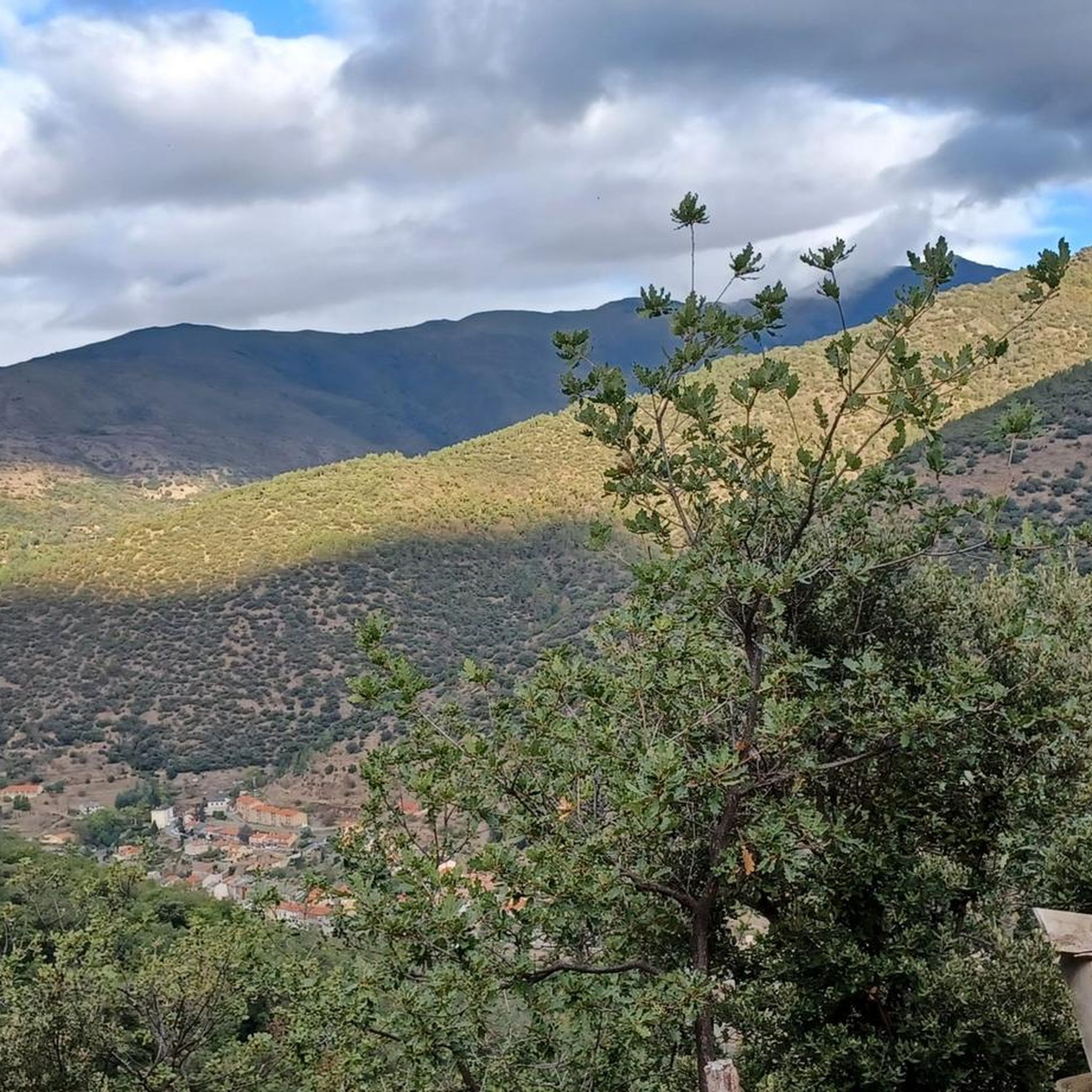
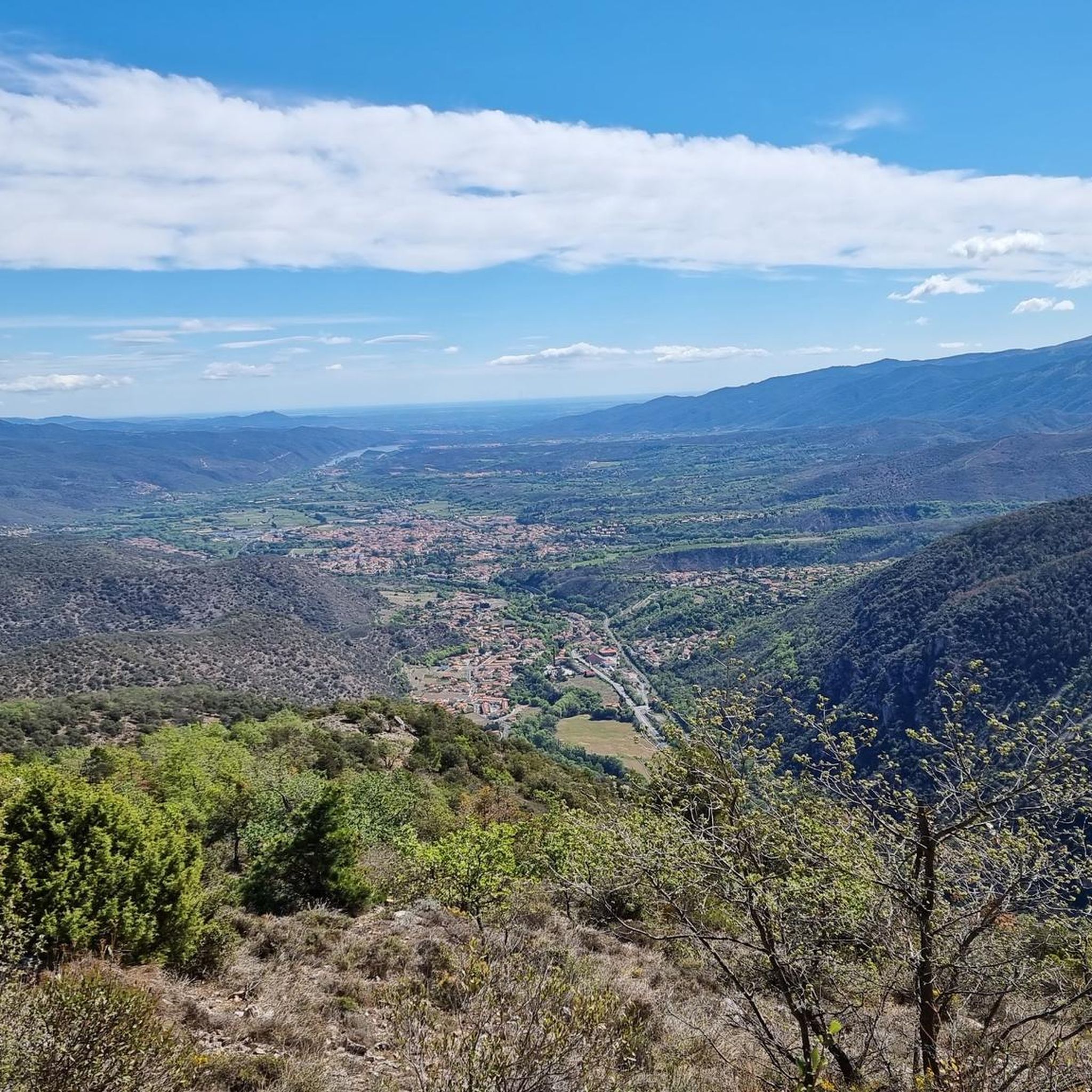
Standing on a granite spur overlooking the Castellane River, the ruins of Paracolls Castle have guarded the deep, narrow gorges carved by the river for centuries. It is one of the oldest fortresses in Conflent (its name is mentioned in 948), built, as its name suggests, to defend a pass (in this case, a defile). It was part of the network of signal towers that stretched as far as Mosset and beyond, towards the Col de Jau. It is believed that Paracolls was the birthplace of the Catalan troubadour Béranger, "educated, courteous, and valiant, but not very wealthy." photos-pour-ot-et-bm-087 Part of the chapel dedicated to Saint Peter remains: the semicircular apse and part of the nave, a cistern, and sections of the walls. Paracolls is accessible on foot from the spa park and from Campôme. There is a beautiful view of Molitg and the valley upstream towards Mosset and downstream towards Prades.
1
0

really a beautiful place, rightly counts among the listed beautiful villages
3
0


Very beautiful fortress. A (guided) tour is recommended, especially in the evening with a lantern. Inside the fortress there are many lovely shops with regional products and of course restaurants where you can enjoy good food.
6
0

Imposing fortress with village. Was planned and built by Vauban. UNESCO World Heritage Site. Lots of antique and junk shops at the moment. More information: https://de.wikipedia.org/wiki/Villefranche-de-Conflent?wprov=sfla1
8
0
Frequently Asked Questions
What historical fortifications and sites are notable around Jujols?
Beyond the well-known sites, you can explore the impressive Château de Paracolls, ruins standing on a granite spur overlooking the Castellane River, guarding deep, narrow gorges. It's one of the oldest fortresses in Conflent, dating back to 948. Additionally, the region boasts the Fort Libéria and the Villefranche-de-Conflent — Fortified Village, both UNESCO World Heritage sites showcasing Vauban's military architecture.
Are there any family-friendly castle experiences near Jujols?
Yes, the Villefranche-de-Conflent — Fortified Village is considered family-friendly. Its medieval village setting and impressive ramparts offer an engaging historical experience for all ages. Exploring the fortified town and its shops can be a fun outing.
What is the best way to experience the views of the castles and surrounding hamlets?
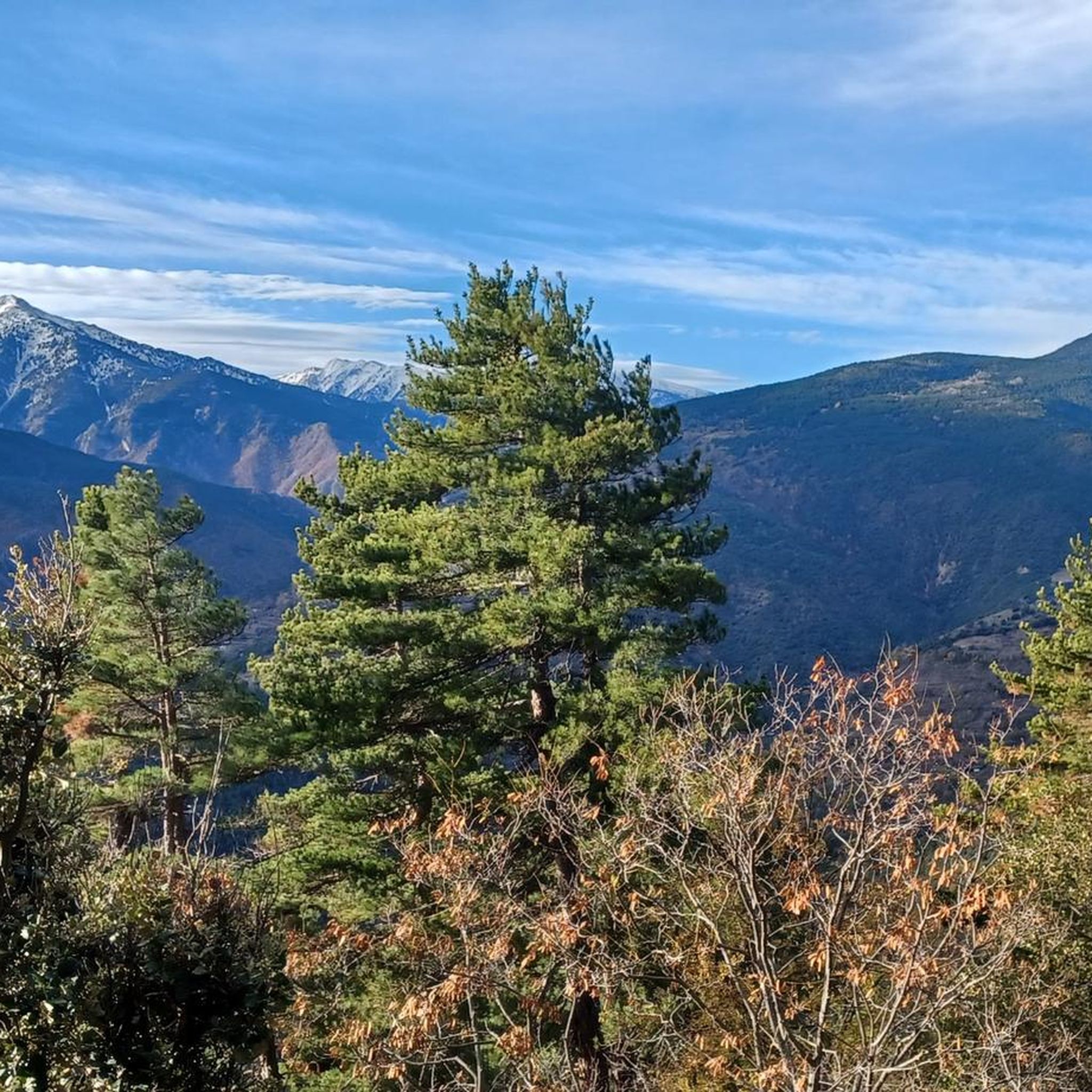
For a scenic perspective, visit the View of Château de Thorrent and Thorrent Hamlet. This viewpoint offers beautiful sights of the Château de Thorrent and its charming, small surrounding settlement. While you can only admire it from afar, it provides a picturesque glimpse into the region's historical landscape.
What kind of historical insights can I gain from visiting the fortifications around Jujols?
The fortifications around Jujols, particularly those designed by Vauban like Fort Libéria and the Villefranche-de-Conflent — Fortified Village, offer deep insights into 17th-century military architecture and town planning. These UNESCO World Heritage sites demonstrate the strategic importance of the region and the sophisticated defensive systems developed to secure borders.
Are there any other significant historical sites near Jujols, even if not strictly castles?
Absolutely. The Abbaye Saint Martin du Canigou, located approximately 9.8 km from Jujols, is a significant historical and architectural site. This Benedictine abbey, dating back to the 11th century, is nestled in the mountains and showcases stunning Romanesque architecture and medieval monastic life.
What outdoor activities can I combine with a visit to the castles around Jujols?
The region around Jujols is excellent for outdoor activities. You can find numerous routes for gravel biking, road cycling, and running. For example, there are challenging gravel biking routes like the 'Villefranche-de-Conflent – Mantet Pass loop' and road cycling ascents to 'Mont-Louis and col de la Llose'. Explore more options on the Gravel biking around Jujols, Road Cycling Routes around Jujols, and Running Trails around Jujols guide pages.
Are there hiking trails that lead to or offer views of the castles?
Yes, some castles are integrated into hiking experiences. For instance, the Fort Libéria is famously connected to Villefranche-de-Conflent by a partly underground staircase with 1000 steps, offering panoramic views. The ruins of Château de Paracolls are accessible on foot from the spa park and Campôme, providing beautiful views of Molitg and the valley.
What do visitors particularly enjoy about the castles and fortifications in this region?
Visitors frequently praise the historical depth and architectural grandeur. Many appreciate the well-preserved nature of sites like Villefranche-de-Conflent — Fortified Village, with its charming shops and restaurants. The panoramic views from Fort Libéria, reaching to the distant sea, are also a highlight for many.
Is there another Vauban-designed fortification worth visiting besides Villefranche-de-Conflent?
Yes, the Mont-Louis Citadel, approximately 16 km from Jujols, is another significant Vauban-designed fortification. It was built to secure the French border with Spain and stands as a testament to the military engineering of the era. Visitors can explore its robust defenses and learn about its strategic importance.
Can I find cafes or amenities near the main castle sites?
Yes, particularly around the more developed sites. The Villefranche-de-Conflent — Fortified Village has many lovely shops with regional products and restaurants where you can enjoy good food. At Fort Libéria, there is a cafe where you can refresh yourself after your tour, and picnic areas are also available.
What is the best time of year to visit the castles around Jujols?
While specific seasonal information for castle visits isn't detailed, the Pyrénées-Orientales department generally offers pleasant weather for exploration during spring, summer, and autumn. These seasons provide comfortable temperatures for walking and enjoying the outdoor aspects of the fortifications and their surrounding landscapes.
Most popular attractions around Jujols

Get inspired with the komoot mobile app


Explore more
Looking for the best castles somewhere else? Discover other guides around Jujols:
