Top 10 Caves around Saint-Cyprien
Best caves around Saint-Cyprien are found in a region often called the "Capital of Prehistory," renowned for its exceptional prehistoric caves. This area of the Dordogne offers a glimpse into the lives of early humans through its ancient art and unique geological formations. The Vézère valley, in particular, is a significant cultural center for prehistory, featuring numerous sites where hunter-gatherer groups once roamed and settled. Visitors can explore a variety of cave types, from those housing ancient art to rock…
Last updated: May 13, 2026
Les Eyzies-de-Tayac
Highlight • Historical Site
Translated by Google •
Tip by

Abri de La Madeleine
Highlight • Cave
Translated by Google •
Tip by

Sign up now to discover places like this
Get recommendations on the best single tracks, peaks, & plenty of other exciting outdoor places.
Sign up for free
Maison Forte de Reignac
Highlight • Castle
Source Wikipedia en.m.wikipedia.org/wiki/Tursac
Translated by Google •
Tip by

La Madeleine Prehistoric Site
Highlight • Historical Site
Translated by Google •
Tip by

Commarque Castle
Highlight • Cave
Translated by Google •
Tip by

Sign up for free to discover even more caves around Saint-Cyprien.
Sign up for free
Already have an account?
Start today with a free account
Your next adventure awaits.
Login or Signup
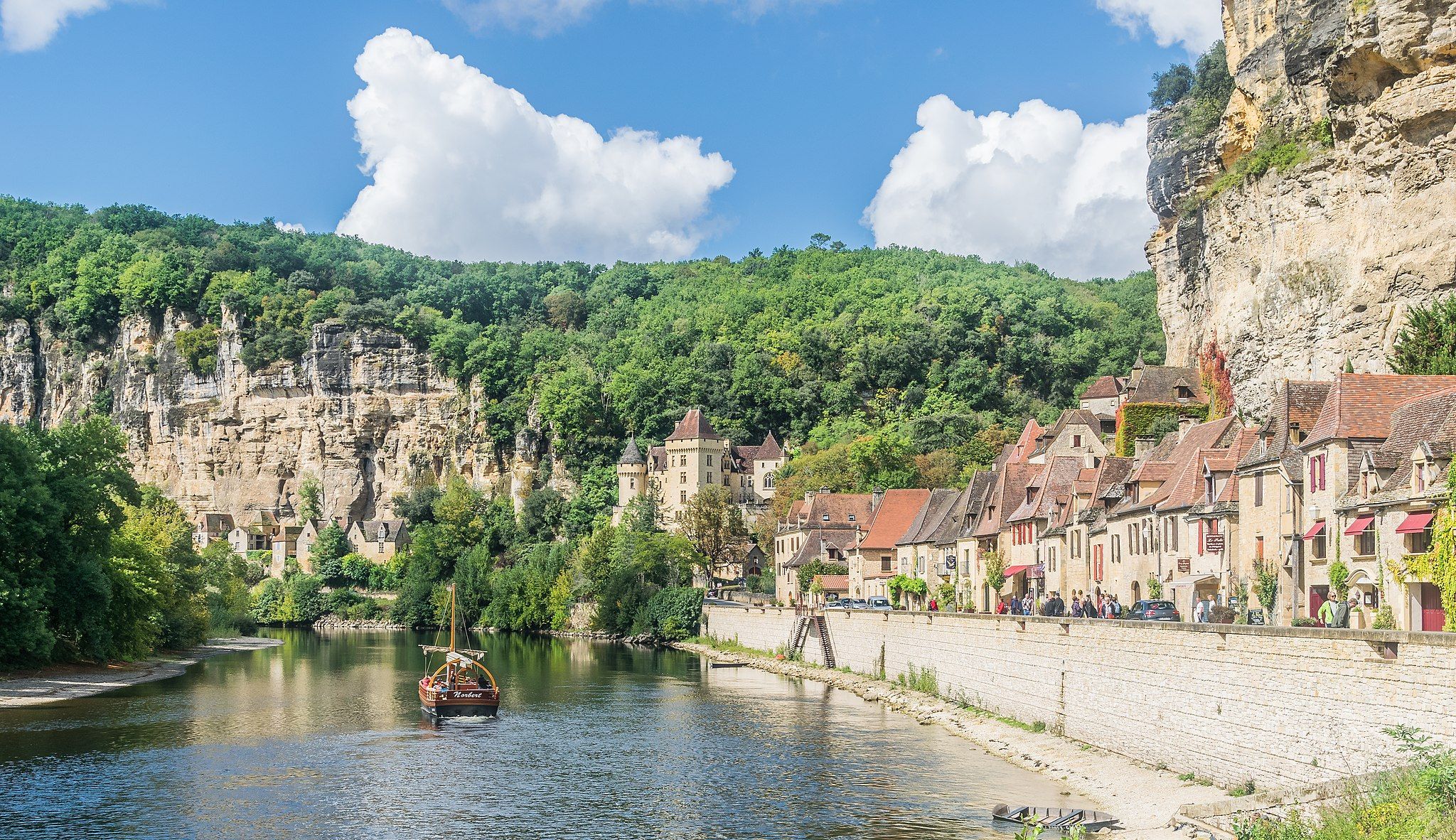
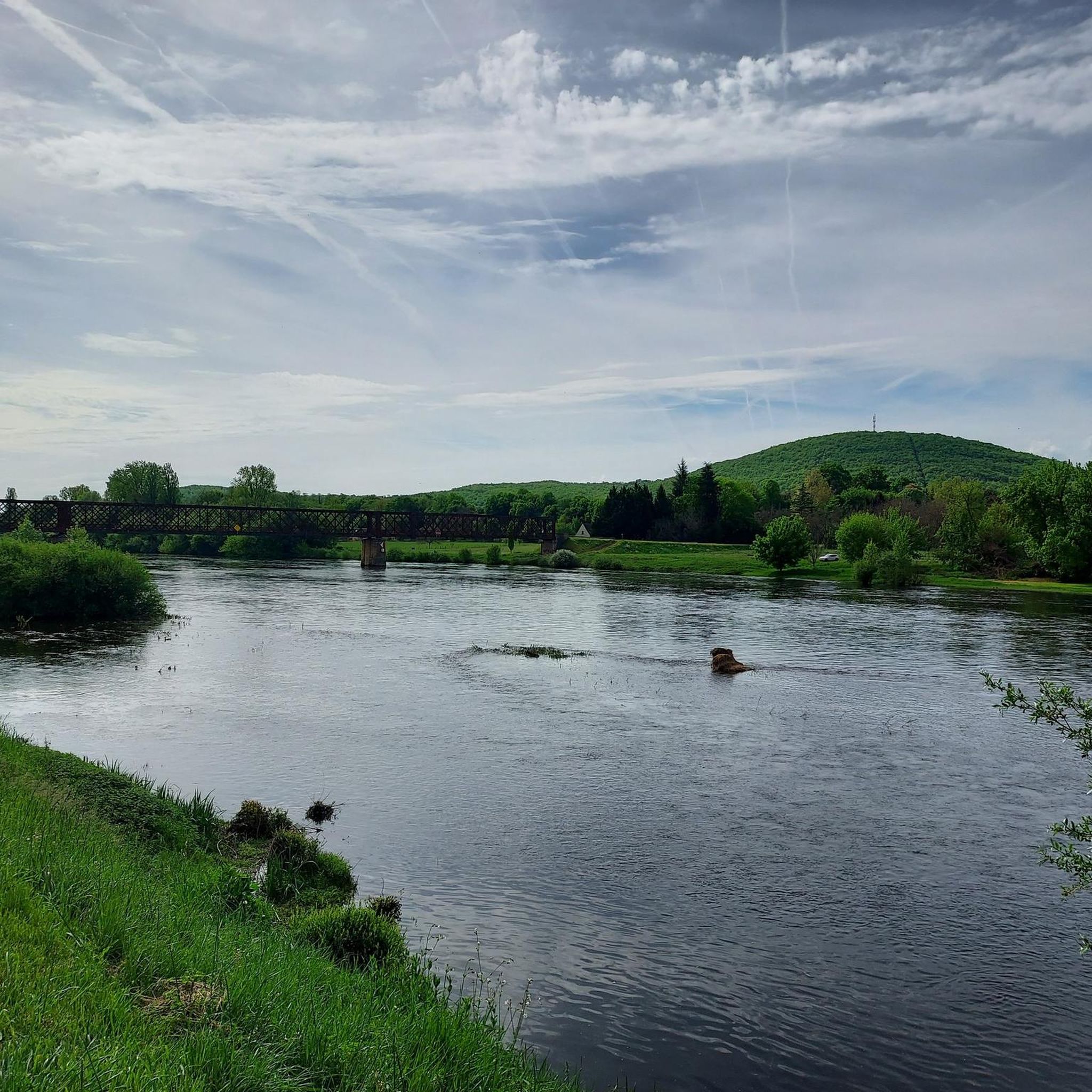
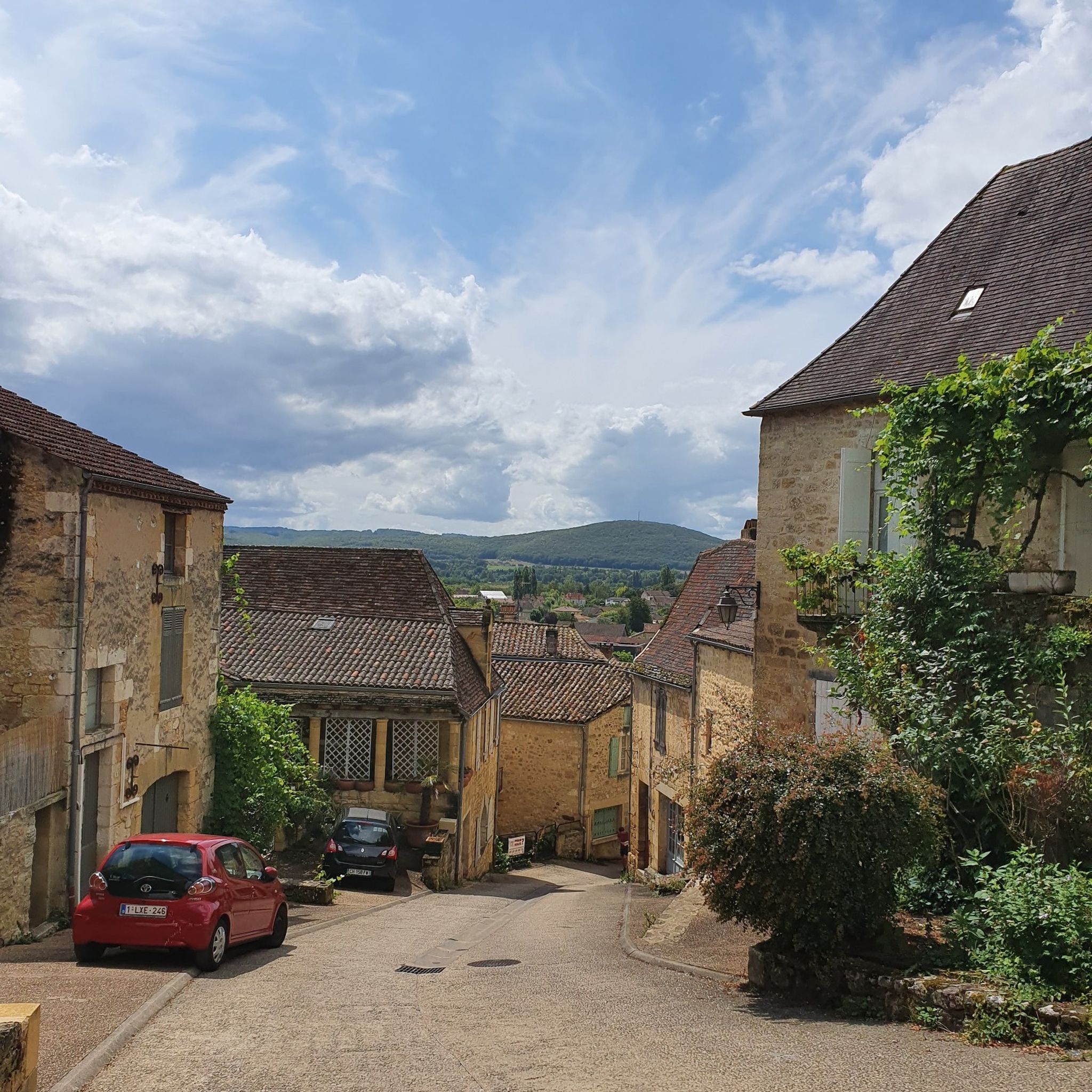
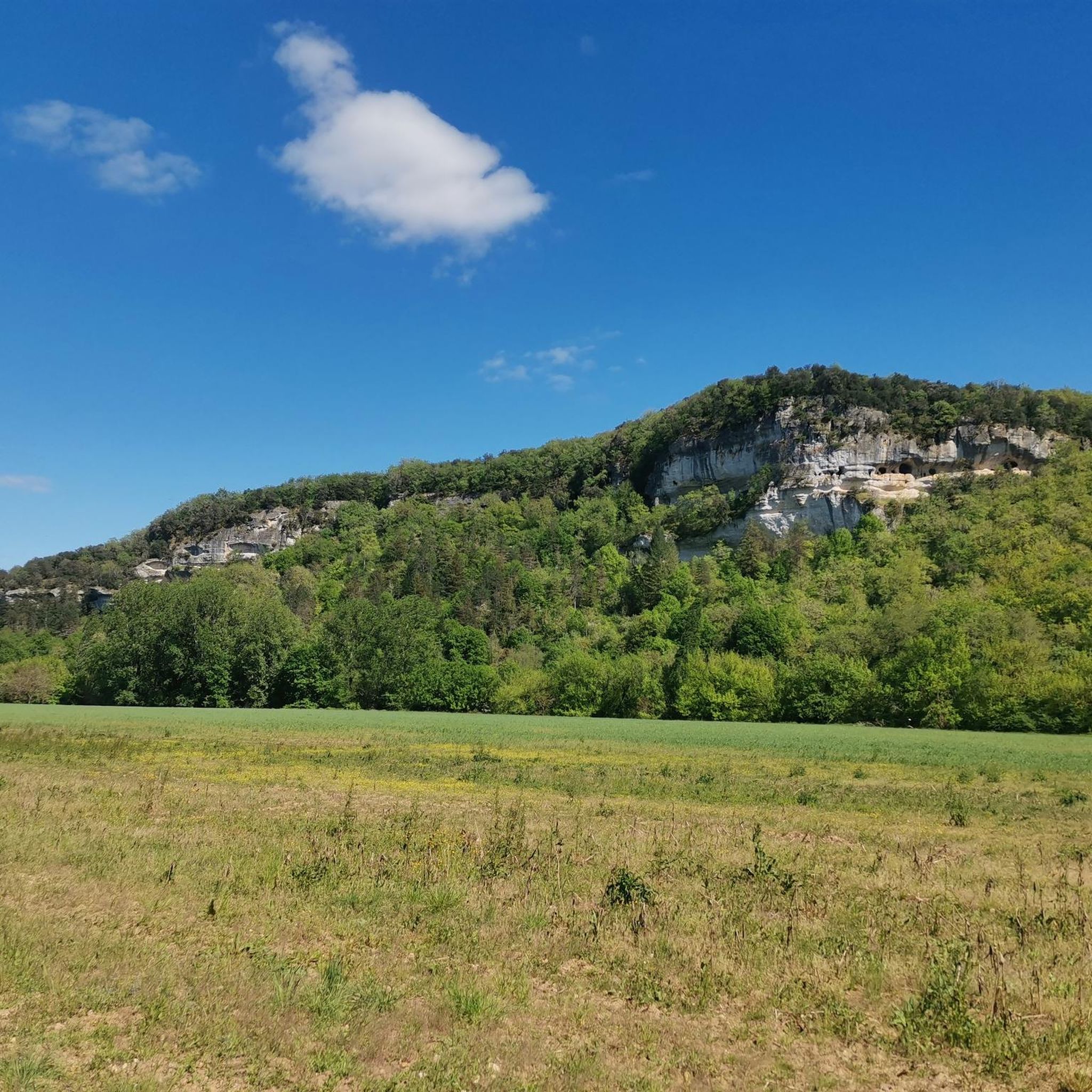

Other adventures around Saint-Cyprien

Tips from the Community


This museum is certainly interesting, unfortunately we didn't have enough time
0
0
Impressive are the dwellings in the rocks and the houses from the rocks
0
0

Here we have the situation – previously completely unknown to me and therefore surprising – that MADELEINE, a Christian saint (the name is derived from the biblical "Mary Magdalene"), has become the namesake of an era from the proverbial "dim prehistory" (one to one and a half dozen millennia before the beginning of our era). To paraphrase it from Wikipedia, which can explain it better than I can: "The Magdalenian is an archaeological cultural stage in the younger part of the Upper Paleolithic in Central and Western Europe at the end of the last Ice Age. The Magdalenian was named in 1869 by Gabriel de Mortillet after the semi-cave La Madeleine in the Dordogne department. It spanned an approximate period from approximately 18,000 to 12,000 BC."
2
0

The forgotten fortress: a millefeuille of stones where dungeons and fortified castles, troglodytes and prehistoric caves overlap in a preserved landscape
0
0
Here we have the situation – previously completely unknown to me and therefore surprising – that MADELEINE, a Christian saint (the name is derived from the biblical "Mary Magdalene"), has become the namesake of an era from the proverbial "dim prehistory" (one to one and a half dozen millennia before the beginning of our era). To paraphrase it from Wikipedia, which can explain it better than I can: "The Magdalenian is an archaeological cultural stage in the younger part of the Upper Paleolithic in Central and Western Europe at the end of the last Ice Age. The Magdalenian was named in 1869 by Gabriel de Mortillet after the semi-cave La Madeleine in the Dordogne department. It spanned an approximate period from approximately 18,000 to 12,000 BC."
2
0

Village to include in your hike around these places. Beautiful detours
1
0

located in the wild Grande Beune valley, is a historical and archaeological site in Périgord. It offers a journey into the past, with its medieval remains and picturesque landscapes. A must-visit for history and nature lovers.
0
0
Frequently Asked Questions
What makes the caves around Saint-Cyprien historically significant?
The region around Saint-Cyprien is often called the "Capital of Prehistory" due to its exceptional prehistoric caves. These sites offer a fascinating glimpse into the lives of early humans, featuring ancient art and evidence of occupation by hunter-gatherer groups. Many caves, like Les Eyzies-de-Tayac, are considered cultural centers for prehistory.
Which caves in the area feature prehistoric art?
Several caves around Saint-Cyprien are renowned for their prehistoric art. Rouffignac Cave, known as the "Cave of the Hundred Mammoths," contains over 250 engravings and paintings. Grotte des Combarelles features over 600 Magdalenian engravings, while Font-de-Gaume is one of the last caves with original polychrome paintings open to the public.
Can I visit a replica of a famous prehistoric cave in the area?
Yes, Lascaux IV is an almost complete and highly accurate replica of the original Lascaux Cave, often called the "Sistine Chapel of Prehistory." It offers an immersive and educational experience with state-of-the-art scenography and interactive exhibits, allowing visitors to appreciate the scale and detail of the artwork that is otherwise inaccessible.
Are there any unique or particularly famous human representations in the prehistoric art of the region?
The Grotte du Sorcier (Cave of the Sorcerer) at Saint-Cirq is particularly notable for containing a rare prehistoric representation of a human figure, famously known as "the Sorcerer." Human figures are scarce in prehistoric art, making this Magdalenian-era engraving highly significant and considered one of the most beautiful and enigmatic in European prehistoric art.
Are there family-friendly cave experiences near Saint-Cyprien?
Yes, several caves offer engaging experiences for families. Rouffignac Cave provides a unique exploration via a small electric train that travels deep into its passages. Lascaux IV, as a replica, offers an interactive and educational experience suitable for all ages, without the conservation restrictions of original caves.
What outdoor activities can I combine with a visit to the caves around Saint-Cyprien?
The region offers numerous outdoor activities. You can explore various hiking routes, such as the easy "Saint-Cyprien Medieval Village – Hermit's Cave loop," or moderate trails like "Leaving Les Eyzies – Le Pech Marchant Campsite loop." Cycling enthusiasts can enjoy routes like "Castelnaud-la-Chapelle – View of Château de Beynac loop," and there are also MTB trails like "Singletrack Through Woodland – Rocky Forest Trail loop." For more options, check the hiking, cycling, and MTB guides for Saint-Cyprien.
What is the best time of year to visit the caves around Saint-Cyprien?
The caves are generally accessible year-round, but the spring and autumn months (April-June and September-October) offer pleasant weather for exploring the surrounding region and combining cave visits with outdoor activities. Summer can be busy, and some caves have limited visitor numbers, so booking in advance is advisable, especially during peak season.
What should I expect regarding temperature inside the caves?
Cave temperatures remain consistently cool throughout the year, typically ranging between 12-14°C (54-57°F), regardless of the outside weather. It is advisable to bring a light jacket or sweater, even during summer, to ensure comfort during your visit.
Are there any historical sites built into or under cliffs in the region?
Yes, the region features unique historical sites integrated with natural rock formations. Maison Forte de Reignac is a castle built directly under a cliff, inhabited until the 1950s, offering a glimpse into historical dwellings. The Abri de La Madeleine is another significant settlement site, used for thousands of years, laid out under a rock overhang.
What is the significance of Les Eyzies-de-Tayac in the context of prehistoric caves?
Les Eyzies-de-Tayac is known as the "capital of prehistory" due to the concentration of extraordinary prehistoric sites in and around the village. It features numerous caves with ancient paintings and a national museum dedicated to prehistory, making it a central point for understanding early human history in the Vézère Valley.
Are there any castles or medieval ruins near the caves that are also considered natural monuments?
Yes, Commarque Castle, located in the wild Grande Beune valley, is a historical and archaeological site categorized as both a castle and a natural monument. It offers a journey into the past with its medieval remains and picturesque landscapes, providing a unique blend of history and nature.
Most popular routes around Saint-Cyprien
Most popular attractions around Saint-Cyprien

Get inspired with the komoot mobile app


Explore more
Extend your search for the best caves by checking out these guides of the top ones around Saint-Cyprien:
