Top 5 Castles around Fournes-Cabardès
Best castles around Fournes-Cabardès are located in the Montagne Noire region, known for its historical significance and varied terrain. This area features ancient fortifications often built on rocky outcrops, characteristic of the Cathar country. The landscape includes steep mountain sides and offers views over valleys, reflecting centuries of history and strategic importance. Visitors can explore a range of historical sites within this natural setting.
Best castles around Fournes-Cabardès
- The most popular castles is View of the Châteaux de Lastours from…
Last updated: August 18, 2026
Roquefère Castle
Highlight • Castle
Translated by Google •
Tip by

Mas-Cabardès Village
Highlight • Settlement
Tip by

Sign up now to discover places like this
Get recommendations on the best single tracks, peaks, & plenty of other exciting outdoor places.
Sign up for free
Castle and Church of Miraval-Cabardès
Highlight • Castle
Translated by Google •
Tip by

View of the Châteaux de Lastours from the Village
Highlight • Viewpoint
Translated by Google •
Tip by

Château des Saptes
Highlight • Castle
Translated by Google •
Tip by

Start today with a free account
Your next adventure awaits.
Login or Signup
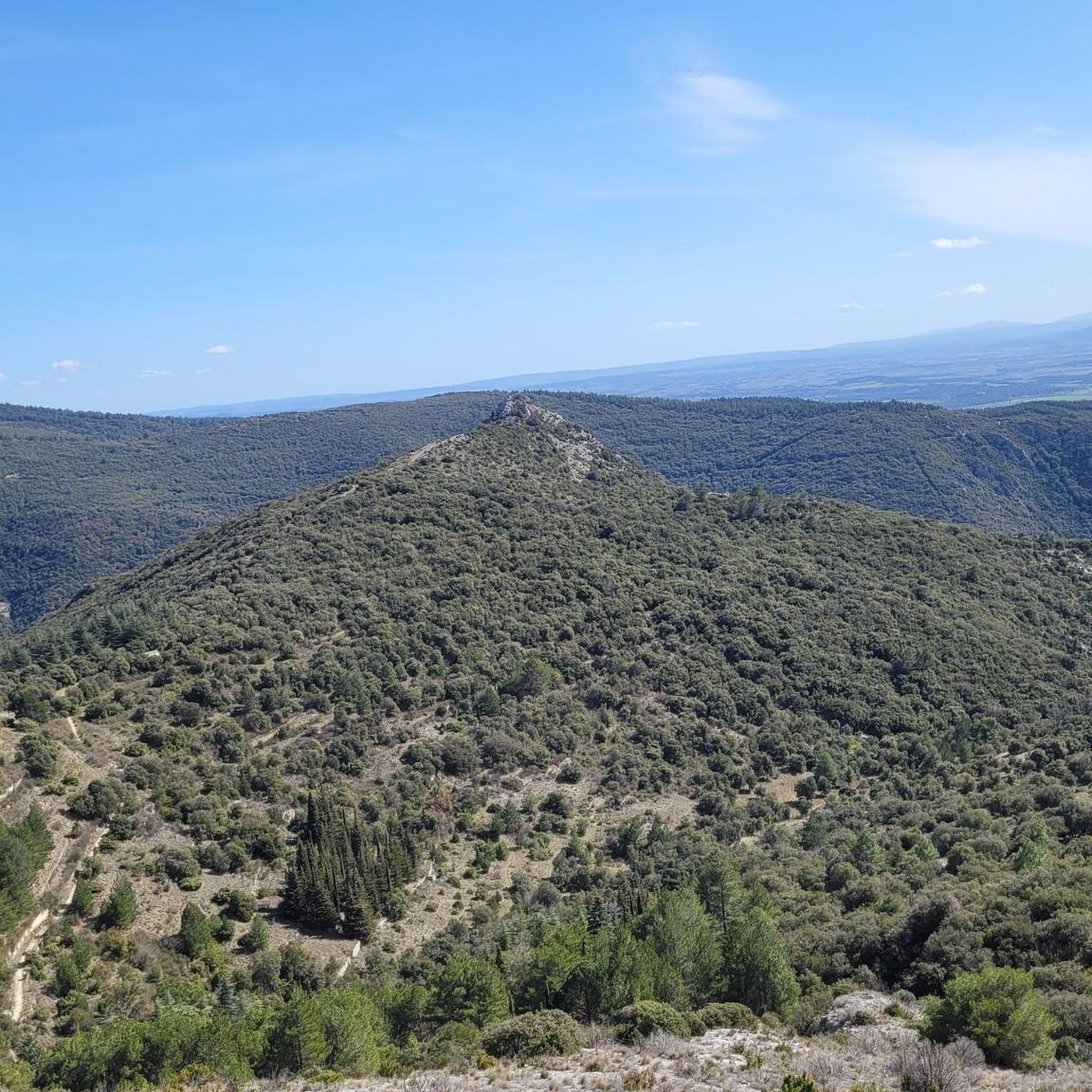
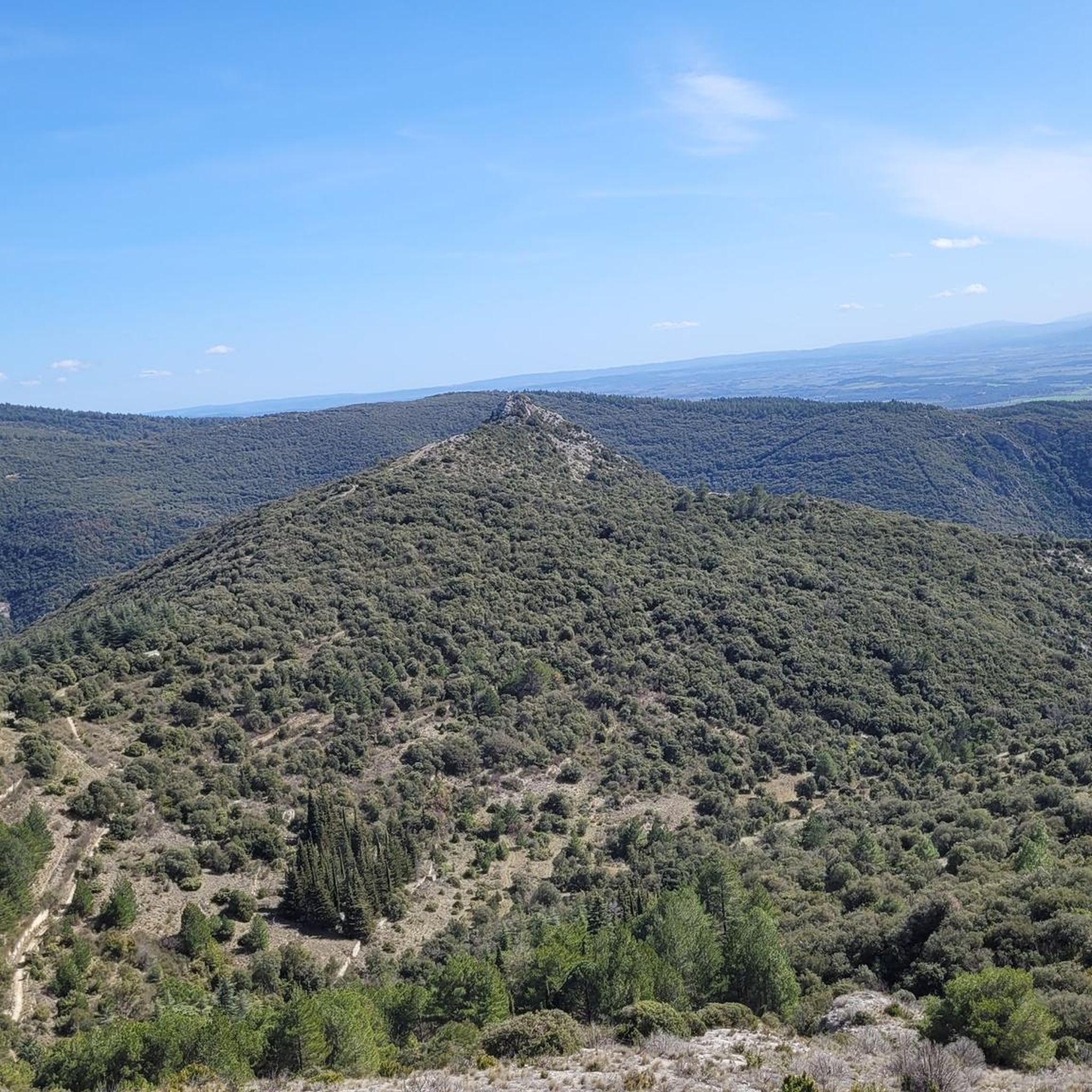
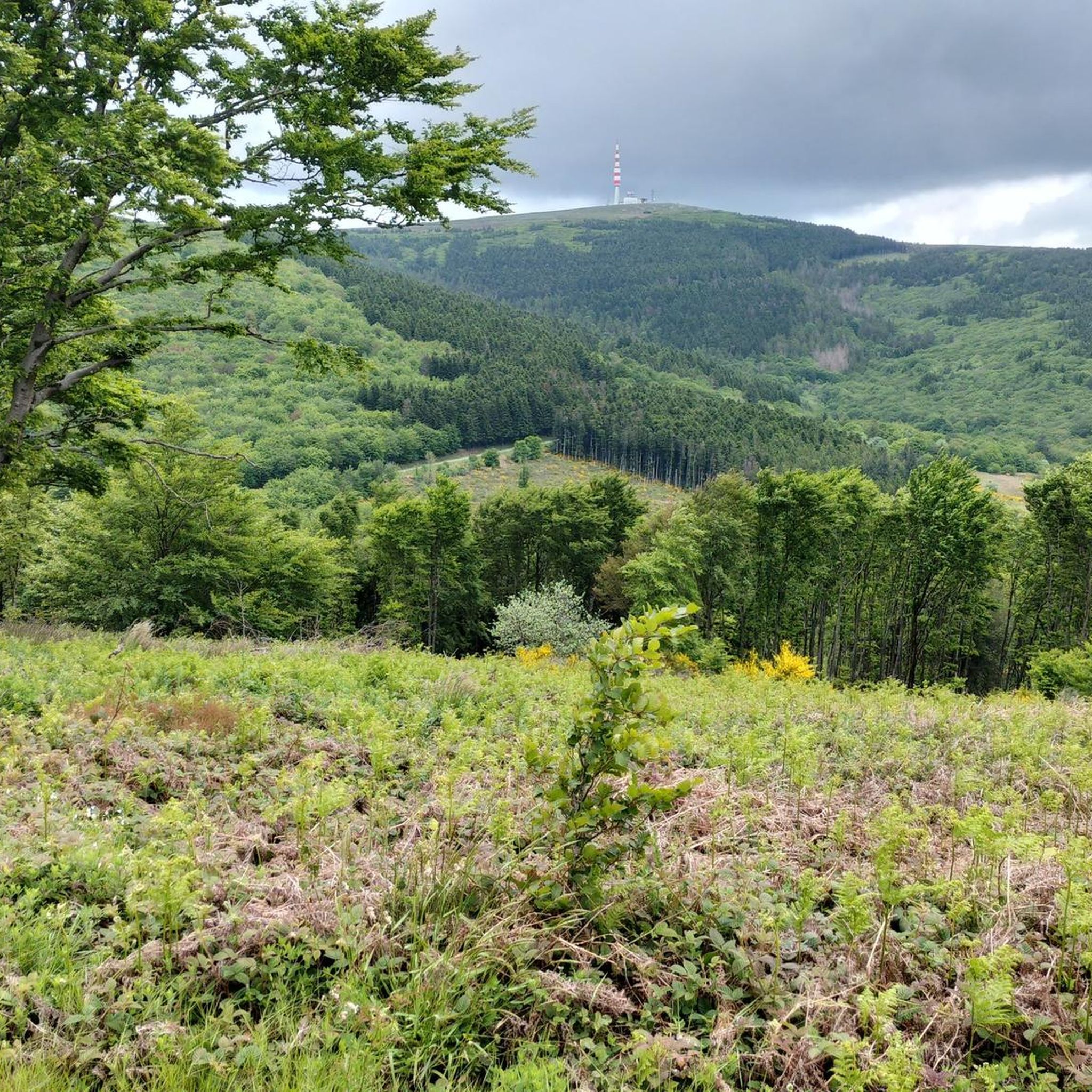

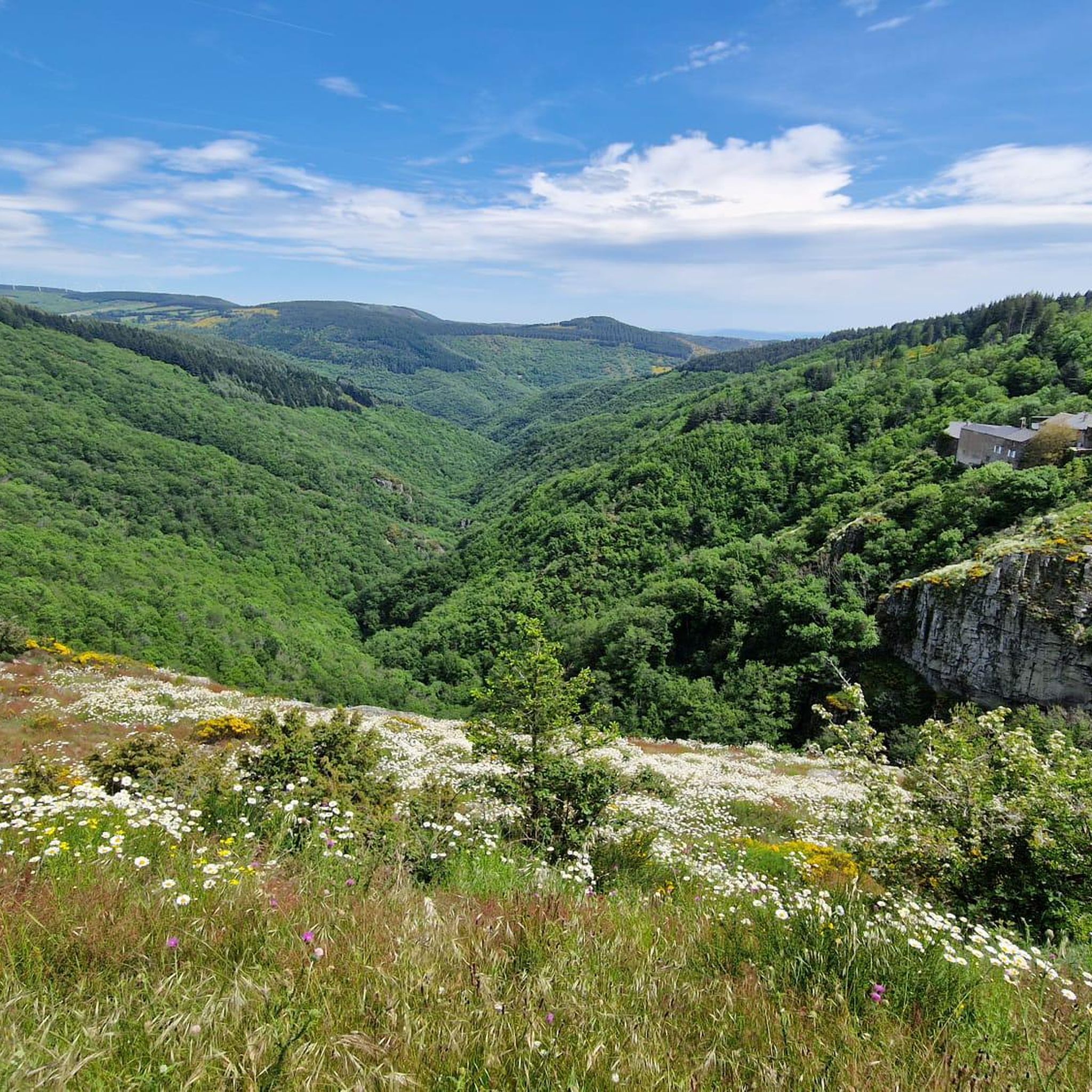
Tips from the Community

Commonly called Château des Saptes, the building is in fact, in its functions, a mill. The set was bought at the beginning of the 16th century by the Saptes brothers, drapers. They want to take advantage of its location on a bend in the River Orb to concentrate their activity: preparation of raw wool, washing, fulling, dyeing, weaving, trimming, everything could then be done in the same place. We find around the castle a set of houses which made it possible to gather around them other related professions. Thus twisters, weavers, re-entryers, masons in charge of building maintenance settled nearby.
2
0

Exceptional site of the Montagne Noire with its 4 castles, 40 caves and medieval village. Its history dates back to the Bronze Age and archaeological excavations continue in these places. The medieval complex includes 4 castles: Cabaret, Tour Régine, Surdespine and Quertineux, built on top of a rocky base; while the medieval village, the Castrum de Cabaret, is housed in the steep valley. For history buffs, visiting the village can easily keep you busy all day...
0
0
Here is a very small village quite representative of the Cathar country with its church and the ruins of a castle enthroned on a rocky outcrop. It had only 46 inhabitants in 2020, after having experienced a population peak of 469 inhabitants in 1806, a sign of the rural desertification that affects this region. The village is the birthplace of the troubadour Raimon de Miraval who officiated in the Languedoc region in the 12th and 13th centuries. A plaque leaning against the rock at the foot of the remains of the castle reminds us of his work and his existence.
1
0
Built lengthwise in the hollow of the valley formed by the Orbiel, this Cathar village is not lacking in charm. Dominated by the remains of a medieval castle that played a strategic role during the wars of religion, you can discover in the town, in addition to the Church, various old corbelled and half-timbered houses testifying to past prosperity. Similarly, the so-called Weavers' Cross evokes a textile activity that has now disappeared, just like the agricultural exploitation which is no longer practiced in the town because of the steepness of the land. After having counted up to 900 inhabitants around 1860, the village only has 177 at the last census.
0
0
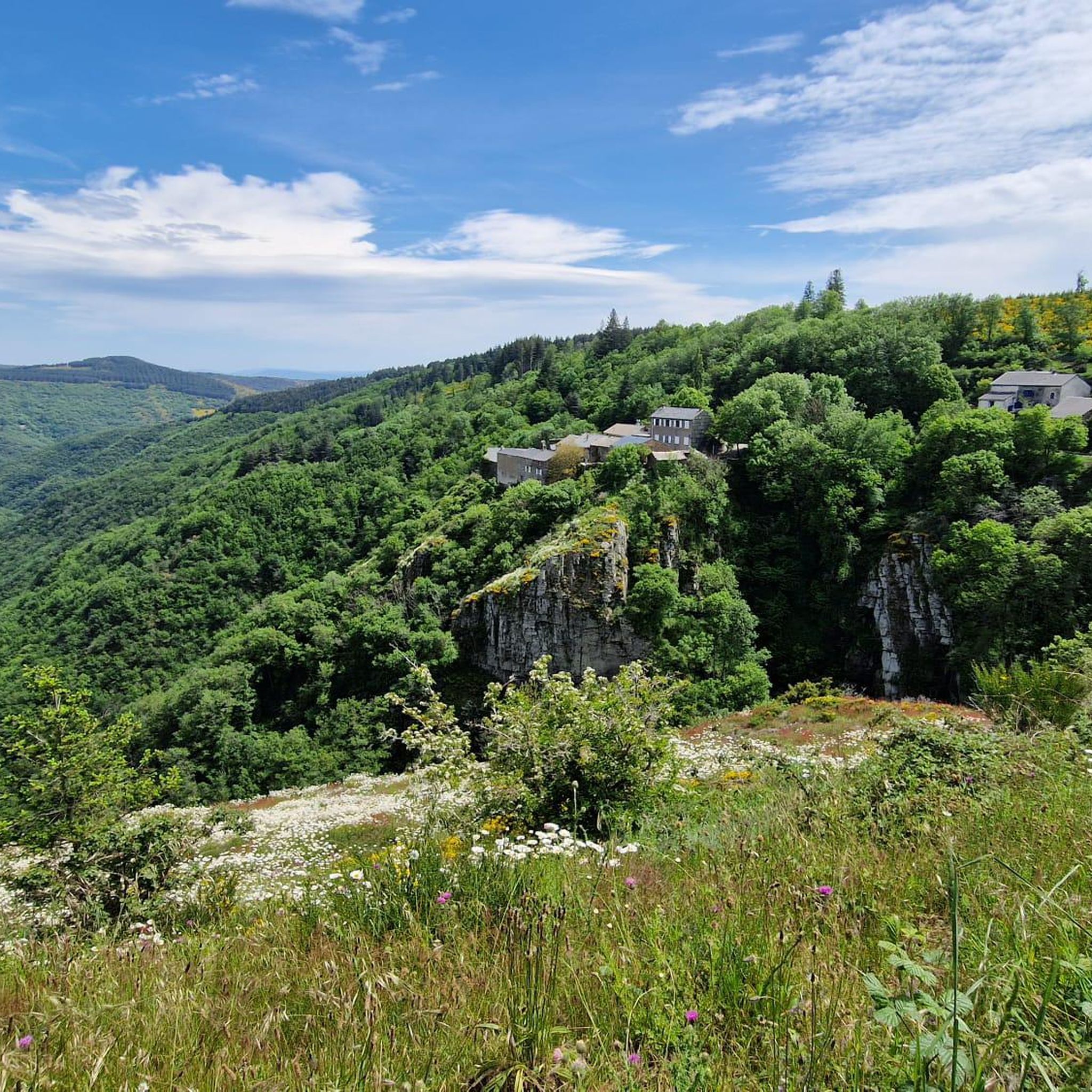
Part of the circuit of "Villages perched in the Black Mountain", Roquefère is a magnificent example. Set between two steep mountain sides, this tiny village has only 77 inhabitants at the last census. It is dominated by the castle built on a rock protuberance. The latter offered a surveillance point on the road between Carcassonne and the Albigeois. Its origin dates back to the 12th century, and it has undergone only a few changes in its configuration since feudal times, apart from the two square towers and the south facade redesigned in the 17th century. The castle has always been occupied since its origins. It now belongs to a private person. You should also know that you will find a drinking water tap on the small square next to the road, right next to a fountain with a metal wheel (see photo).
0
0

View of the four castles of the eponymous village! Access it by the Fournès road which climbs a little but without too many cars!
0
0

Magnificent castle with a magnificent view when you descend from the waterfalls
0
0
Atypical village that makes you want to come back to discover the hikes.
0
0
Frequently Asked Questions
What kind of castles can I expect to see around Fournes-Cabardès?
The castles around Fournes-Cabardès are characteristic of the Montagne Noire region and Cathar country. You'll find ancient fortifications often built on rocky outcrops, ranging from well-preserved structures to significant ruins. These sites reflect centuries of history and strategic importance within a natural landscape of steep mountain sides and valleys.
Which castles offer the best views in the Fournes-Cabardès area?
For breathtaking views, visit the View of the Châteaux de Lastours from the Village. This viewpoint provides an exceptional panorama of four medieval castles: Cabaret, Tour Régine, Surdespine, and Quertineux, all built on a rocky base. Roquefère Castle, situated on a rock protuberance, also offers magnificent views, especially when descending from the nearby waterfalls.
Are there family-friendly castles to visit near Fournes-Cabardès?
Many of the castles, while historical, can be explored by families. The Châteaux de Lastours complex, viewed from the village, offers a fascinating historical experience with its four castles and medieval village, which can easily keep families engaged for a day. Exploring the ruins of Castle and Church of Miraval-Cabardès also provides an interesting glimpse into the region's past.
What outdoor activities can I do near these castles?
The region around Fournes-Cabardès offers a variety of outdoor activities. You can find numerous hiking trails, including 'The sentinelles de l'Orbiel and the Quatre Châteaux' loop from Lastours. For mountain biking, routes like 'Pic de Nore – Pic de Nore Summit loop' are available. Road cycling enthusiasts can explore routes such as 'Mazamet Footbridge – Roquefère Castle loop'. You can find more details on these and other routes in the Hiking around Fournes-Cabardès, MTB Trails around Fournes-Cabardès, and Road Cycling Routes around Fournes-Cabardès guides.
Are there any hidden gem castles or lesser-known historical sites?
While not a traditional castle, the Château des Saptes is a unique historical site. Originally a mill, it was acquired by drapers in the 16th century and became a hub for textile production. It's surrounded by a set of houses where related professions settled, offering a glimpse into the region's industrial past.
What is the best time to visit the castles around Fournes-Cabardès?
The Montagne Noire region generally offers pleasant conditions for exploring castles during spring and autumn, when temperatures are milder. Summer can be warm, but the natural settings often provide some shade. Winter visits are possible, but some sites might have reduced hours or limited access due to weather conditions.
Are there cafes or places to eat near the castles?
While specific cafes directly adjacent to every castle might be limited, villages like Mas-Cabardès, near some of the castle sites, offer amenities. For instance, Mas-Cabardès Village has a well-known grocery store, Chez Denis, where you can refuel, and an associative café, Le Relais du Mas, which is open during the day in summer.
Can I find circular walks around the castles?
Yes, there are several circular walks that incorporate the castles and the surrounding natural beauty. For example, the 'The sentinelles de l'Orbiel and the Quatre Châteaux' is a moderate 6.5 km loop from Lastours that offers views of the famous four castles. Another option is the 'Cabaret Castle – Surdespine loop from Lastours', an easier 3.4 km route.
What historical significance do the castles in this region hold?
The castles around Fournes-Cabardès are deeply rooted in the history of the Cathar country. Many, like Roquefère Castle, date back to the 12th century and served as strategic surveillance points. The Châteaux de Lastours complex has a history dating back to the Bronze Age, with archaeological excavations still ongoing, highlighting centuries of human presence and conflict.
Are there any specific tips for visiting Roquefère Castle?
When visiting Roquefère Castle, be aware that it is a private property, though its exterior and the village are accessible. It's part of the 'Villages perched in the Black Mountain' circuit. You'll find a drinking water tap on the small square next to the road, right by a fountain with a metal wheel, which is convenient for visitors.
What makes the Castle and Church of Miraval-Cabardès unique?
The Castle and Church of Miraval-Cabardès represents a very small village typical of the Cathar country. The ruins of the castle are dramatically enthroned on a rocky outcrop. This village is also notable as the birthplace of the troubadour Raimon de Miraval, who was active in the Languedoc region during the 12th and 13th centuries, with a plaque commemorating his work.
Most popular routes around Fournes-Cabardès
Most popular attractions around Fournes-Cabardès

Get inspired with the komoot mobile app


Explore more
Looking for the best castles somewhere else? Discover other guides around Fournes-Cabardès:
