The 5 Most Amazing Peaks around Larnat
Mountain peaks around Larnat offer access to the Pyrenees in the Ariège department of southwestern France. The village of Larnat is situated at an elevation ranging from 639 to 1,544 meters, providing a base for exploring the surrounding mountainous terrain. The region features diverse landscapes, including high-altitude plateaus, forests, and valleys, with numerous peaks and viewpoints. It is known for its natural beauty and opportunities for outdoor activities.
Best mountain peaks around Larnat
- The most popular mountain peaks is Mount…
Last updated: June 24, 2026
Plateau de Beille
Highlight • Mountain Pass
Translated by Google •
Tip by

Mount Fourcat
Highlight • Summit
Translated by Google •
Tip by

Sign up now to discover places like this
Get recommendations on the best single tracks, peaks, & plenty of other exciting outdoor places.
Sign up for free
Pic de Risoul
Highlight • Summit
Translated by Google •
Tip by

View of the summit of Crouzille
Highlight (Segment) • Viewpoint
Translated by Google •
Tip by

Roc de Querquéou
Highlight • Viewpoint
Translated by Google •
Tip by
Sign up for free to discover even more peaks around Larnat.
Sign up for free
Already have an account?
Start today with a free account
Your next adventure awaits.
Login or Signup
Tips from the Community

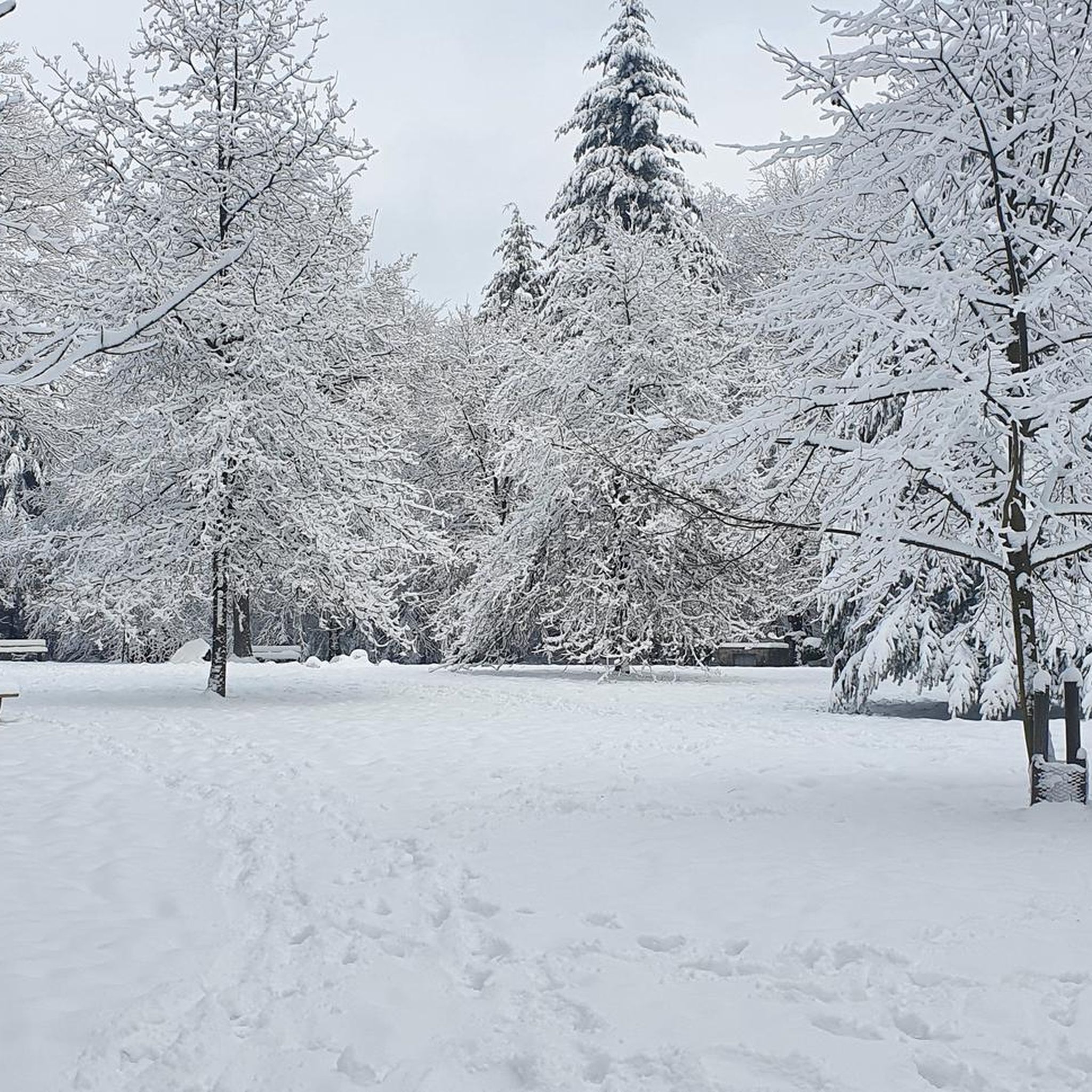
Very good place to practice skating skiing in winter!
0
0
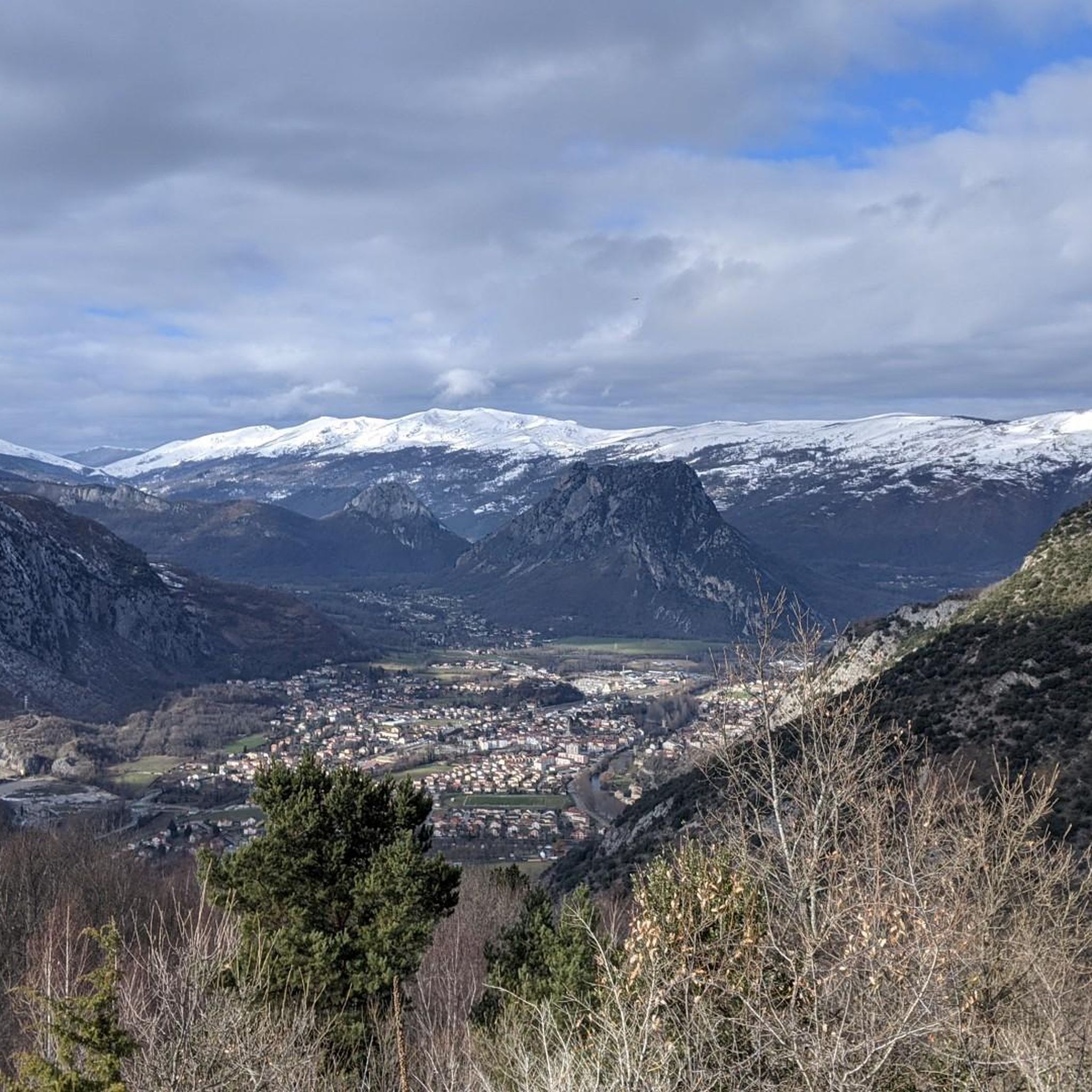
A magnificent location offering stunning views of the Ariège Pyrenees: the Montcalm Massif, the Bassiès Massif, the Beille Plateau, and more. Easily accessible from Croquié in both summer and winter, provided you're well-equipped and at least a little fit (800m+). Its only drawback: it's very crowded, especially in winter.
0
0

Possibility of bivouac and magnificent natural spectacle by numerous griffon vultures
1
1

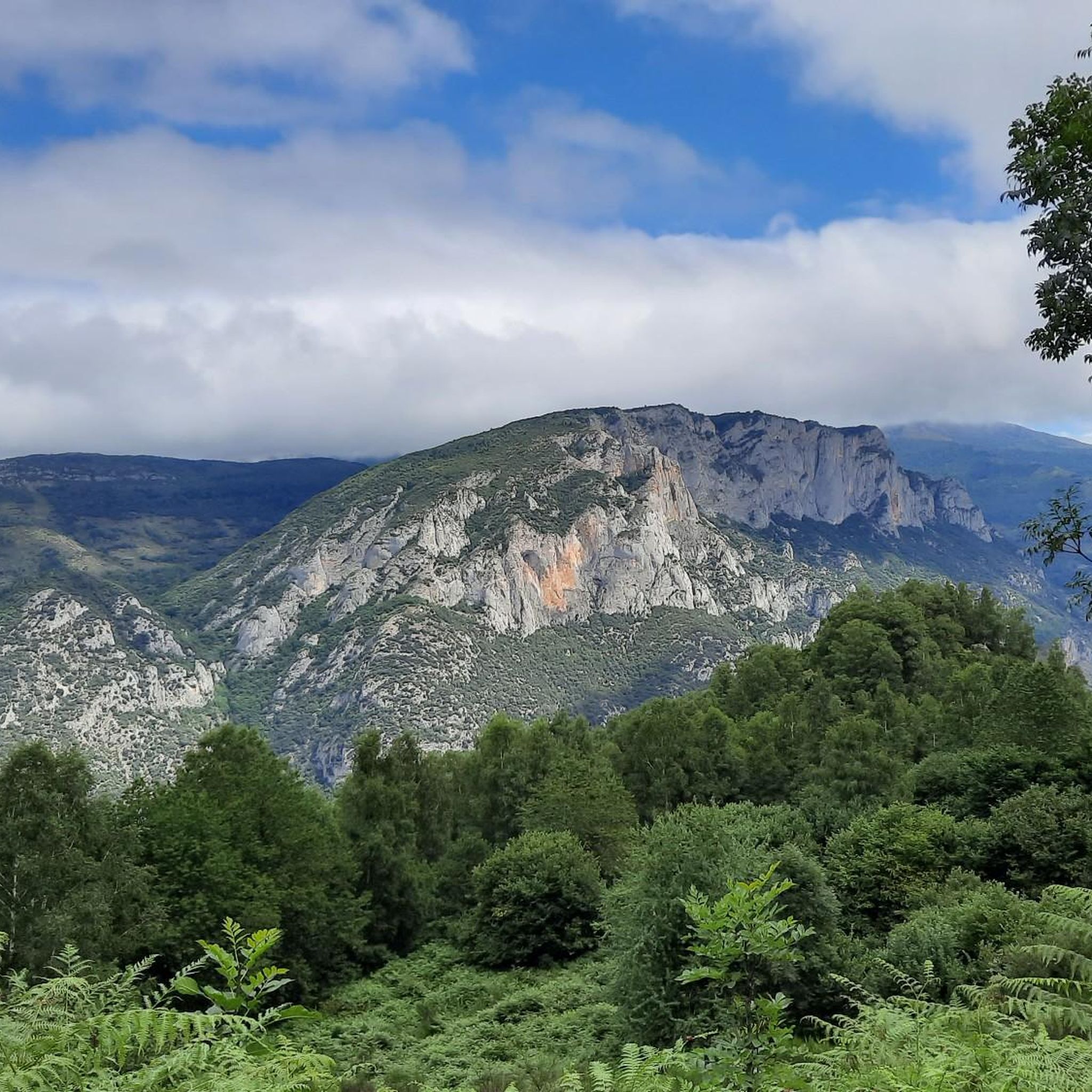
Magnificent place with breathtaking view!
0
0

Nice open view and plenty of parking space
1
0

The Beille plateau is a dead end. The road ends there. Besides being a finish of the Tour de France, it is also a ski resort in winter. Its altitude, which exceeds 1,800 meters, guarantees snow cover. In summer, it's more of a paradise for ruminants and hikers.
2
1

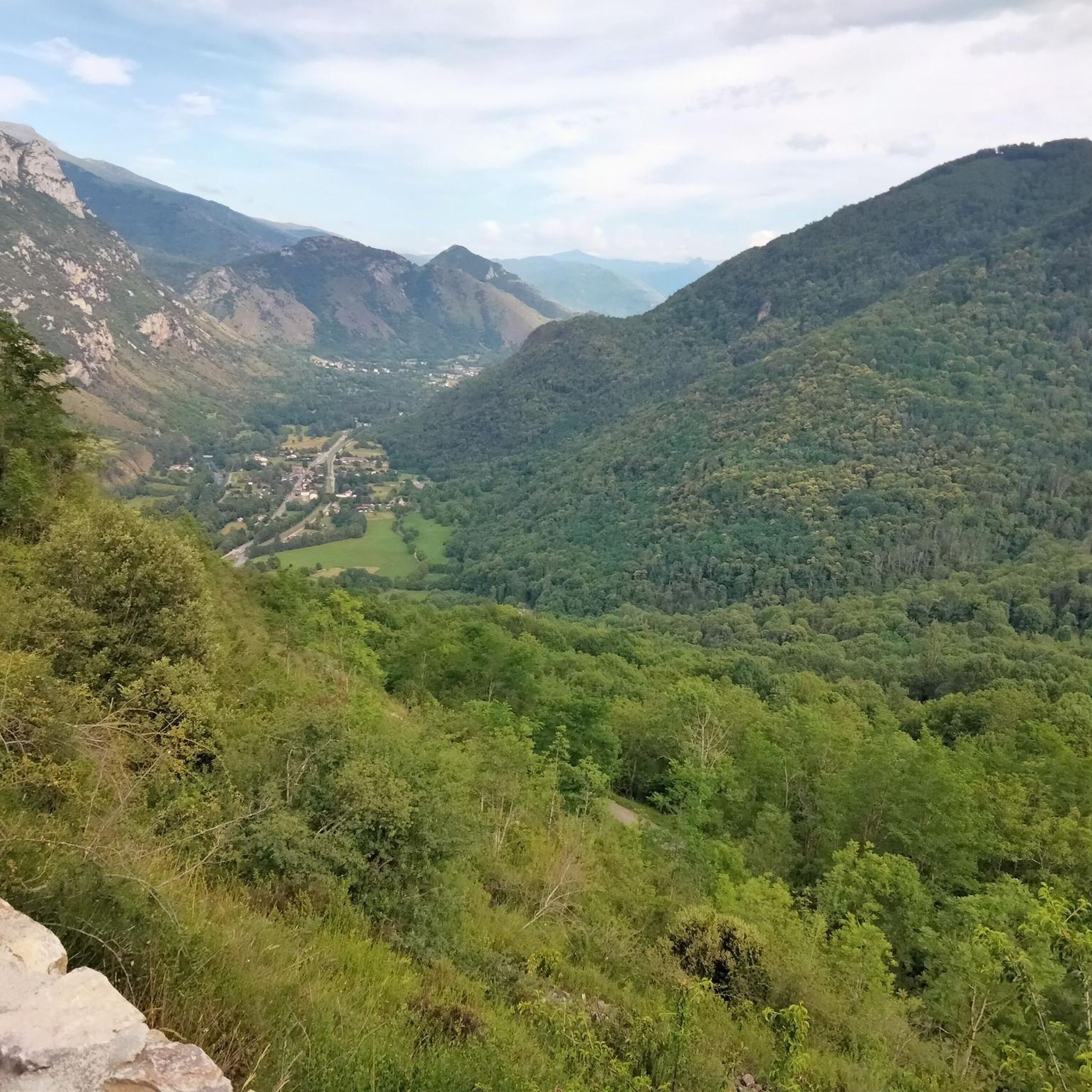
By climbing to the peak of Risoul you can enjoy a magnificent view of the village of Vicdessos and its valley. Be attentive, the chamois like to hang around and observe hikers.
1
0
Frequently Asked Questions
What are some notable mountain peaks to explore around Larnat?
Beyond the popular Mount Fourcat, you can explore the majestic Massif du Montcalm, home to the highest peaks in Ariège like Pique d'Estats (3,143 m) and Pic du Montcalm (3,077 m). Other significant areas include the Plateau de Beille, Les Monts d'Olmes, and the Goulier Snow Station, each offering unique mountain experiences.
What kind of views can I expect from the mountain peaks near Larnat?
The region offers diverse and stunning views. From the Roc de Querquéou, you'll get breathtaking panoramas from its ridge. The Plateau de Beille provides expansive 360-degree views of the Pyrenees, while Les Monts d'Olmes offers vistas of the mountain range and the distant Toulouse plain. From Pic de Risoul, you can enjoy a magnificent view of the village of Vicdessos and its valley. Even the accessible Col de Larnat provides extensive views of the surrounding peaks and the Ariège valley.
What is the best time of year to visit the mountain peaks around Larnat?
The best time depends on your preferred activities. For winter sports like cross-country skiing and snowshoeing, December to March is ideal, especially at Plateau de Beille, Les Monts d'Olmes, and Goulier Snow Station. For hiking, mountain biking, and climbing, the summer months from June to September offer pleasant weather and access to higher altitudes. Spring and autumn provide beautiful scenery with fewer crowds, though some higher trails might still have snow or be less accessible.
Are there family-friendly mountain areas near Larnat?
Yes, several areas cater to families. The Goulier Snow Station is particularly ideal for families and beginners, offering gentle slopes and a covered practice area in winter. Les Monts d'Olmes is also a family-friendly resort with varied slopes for skiing and areas for snowshoeing and sledding. In summer, both areas offer accessible hiking and activities like chairlift rides.
What natural features can I discover in the mountain areas around Larnat?
The region is rich in natural beauty. Plateau de Beille is a 'Natural Zone of Ecological Interest, Fauna and Flora' (ZNIEFF) with diverse habitats, rare plant species, and is bordered by the Aston and Labail rivers. Les Monts d'Olmes features high-altitude lakes known as 'Etangs' (such as Appy, Trout, and Diable ponds) and remarkable biodiversity including mountain flowers, large birds of prey, marmots, and isards. The Massif du Montcalm boasts vertical cliffs, verdant valleys, mountain lakes, and waterfalls.
Are there options for beginners looking to hike mountain peaks near Larnat?
Absolutely. The Col de Larnat is an accessible mountain pass that serves as a good starting point for nature hikes in the mid-mountains, with wide stony or grassy paths. While many peaks are intermediate or advanced, areas like Goulier Snow Station offer easier trails suitable for discovering the natural beauty of Ariège. You can also find moderate hiking loops like the 'Hiking loop from Larcat' which is 5.1 km long, detailed in the Hiking around Larnat guide.
What outdoor activities are available near the mountain peaks around Larnat?
The region offers a wide array of outdoor activities. In winter, you can enjoy cross-country skiing, snowshoeing, biathlon, and dog sledding at Plateau de Beille, or alpine skiing at Les Monts d'Olmes and Goulier Snow Station. During summer, popular activities include hiking, mountain biking (including downhill), climbing, trail running, and paragliding. The challenging climb to Plateau de Beille is also a famous road cycling route. For more specific routes, check out the Running Trails around Larnat, Road Cycling Routes around Larnat, and Hiking around Larnat guides.
Are there hiking trails near the mountain peaks around Larnat?
Yes, there are numerous hiking opportunities. The Plateau de Beille features trails that follow the GR 10, and Les Monts d'Olmes is an ideal location for hiking, with a chairlift operating in summer to ease access to mountain lakes and passes. The Massif du Montcalm is a paradise for experienced hikers and mountaineers, offering challenging multi-day treks. For specific routes, the Hiking around Larnat guide lists trails like the 'Hiking loop from Larcat' and the 'Miglos Castle – Saint-Hilaire Church of Miglos loop'.
What do visitors enjoy the most about the mountain peaks around Larnat?
Visitors frequently praise the superb views and the natural spectacle. For instance, Mount Fourcat is cherished for its classic, superb views. The Roc de Querquéou is described as a 'magnificent place with breathtaking view'. Many appreciate the quiet roads and splendid landscapes, especially along routes like the D20, Route du Corniche, which offers constant magnificent views. The chance to spot wildlife like chamois and griffon vultures also adds to the experience.
Can I find advanced hiking trails in the Larnat mountain region?
Yes, for experienced hikers and mountaineers, the Massif du Montcalm offers challenging multi-day treks and climbing opportunities. This area, home to peaks over 3,000 meters like Pique d'Estats and Pic du Montcalm, provides dramatic high-mountain scenery and demanding routes. You can also find difficult running and road cycling routes in the area, such as the 'Grotte de la Vache – Grotte de Sakany loop' for running or 'Loop 1: The four passes' for road cycling, detailed in their respective komoot guides.
Are there any viewpoints offering panoramic scenes without extensive hiking?
Yes, the Col de Larnat, at an elevation of 3,917 feet (approximately 1,194 meters), provides accessible scenic views. From this pass, you can admire the cliffs of Quié de Sinsat and enjoy extensive panoramic views of the surrounding peaks and the Ariège valley without needing to undertake a strenuous climb. The Plateau de Beille also offers expansive 360-degree views from its high-altitude plateau, accessible by road.
What kind of wildlife can be observed in the mountain areas near Larnat?
The diverse ecosystems around Larnat support a variety of wildlife. In Les Monts d'Olmes, you might spot large birds of prey, marmots, and isards. Visitors to Pic de Risoul are advised to be attentive, as chamois are known to frequent the area and observe hikers. The Plateau de Beille, designated a 'Natural Zone of Ecological Interest, Fauna and Flora,' also hosts diverse fauna within its varied habitats.
Most popular attractions around Larnat

Get inspired with the komoot mobile app


Explore more
See even more amazing summits around Larnat with these guides:
