Top 3 Castles around Vivès
Castles around Vivès offer a historical journey through the Pyrénées-Orientales department of southern France. The region is characterized by its strategic location near the Franco-Spanish border, featuring diverse historical sites. These fortifications and châteaux provide insights into the area's past, from Roman times to 19th-century grandeur. The landscape combines natural beauty with significant architectural heritage, making it a notable destination for historical exploration.
Best castles around Vivès
- The most popular castles is View of Château d'Aubiry, a castle that…
Last updated: June 24, 2026
Fort de Bellegarde
Highlight • Viewpoint
The main purpose of the Fort de Bellegarde was to control and protect the strategic passage through the Pyrenees between France and Spain. For centuries, this region was disputed …
Translated by Google •
Tip by

Panissars Ruins
Highlight • Historical Site
If the site retains such strong historical interest, it is because General Pompey had his trophy built …
Translated by Google •
Tip by

Sign up now to discover places like this
Get recommendations on the best single tracks, peaks, & plenty of other exciting outdoor places.
Sign up for free
Montesquieu Castle
Highlight • Castle
Translated by Google •
Tip by

View of Château d'Aubiry
Highlight • Castle
Translated by Google •
Tip by
Start today with a free account
Your next adventure awaits.
Login or Signup
Tips from the Community

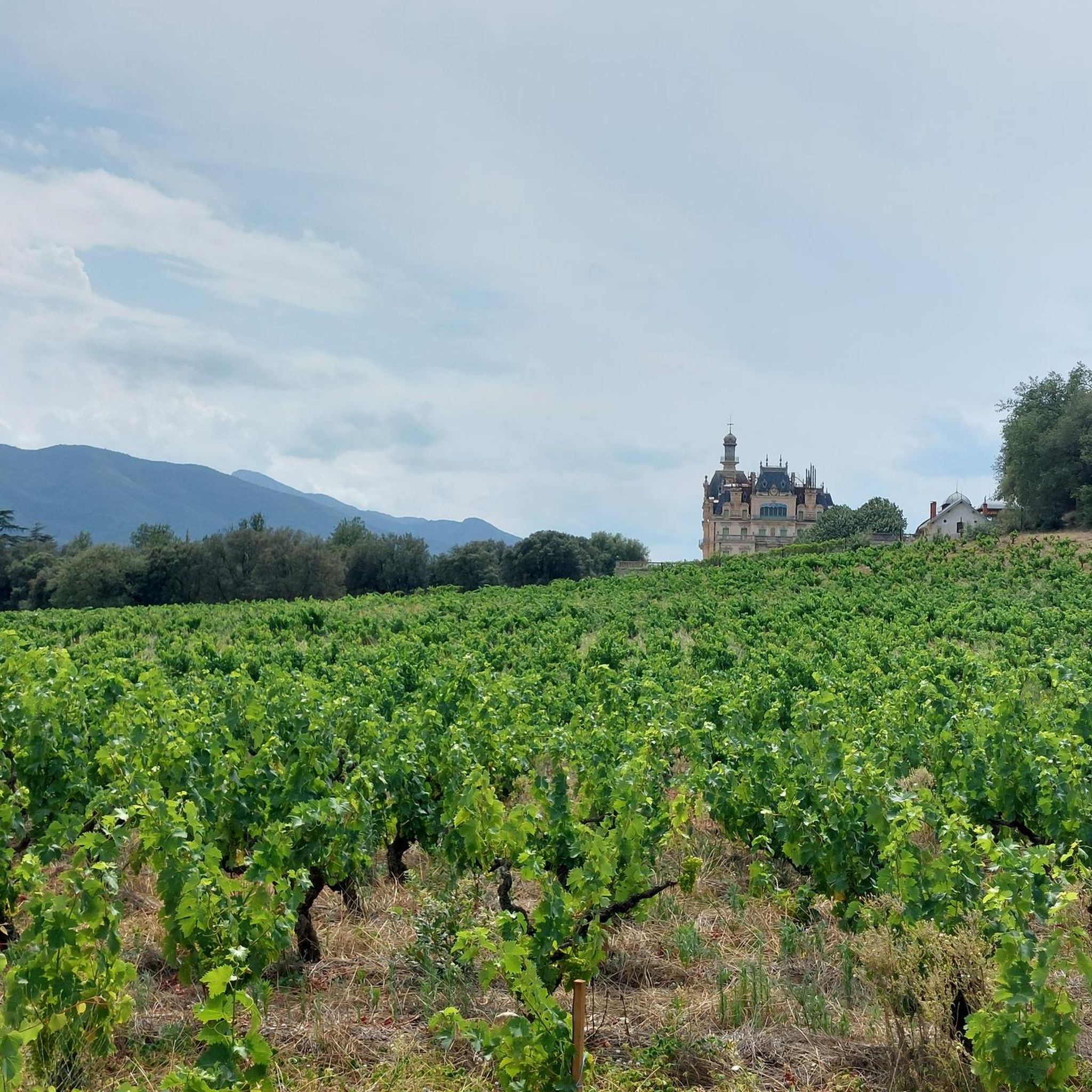
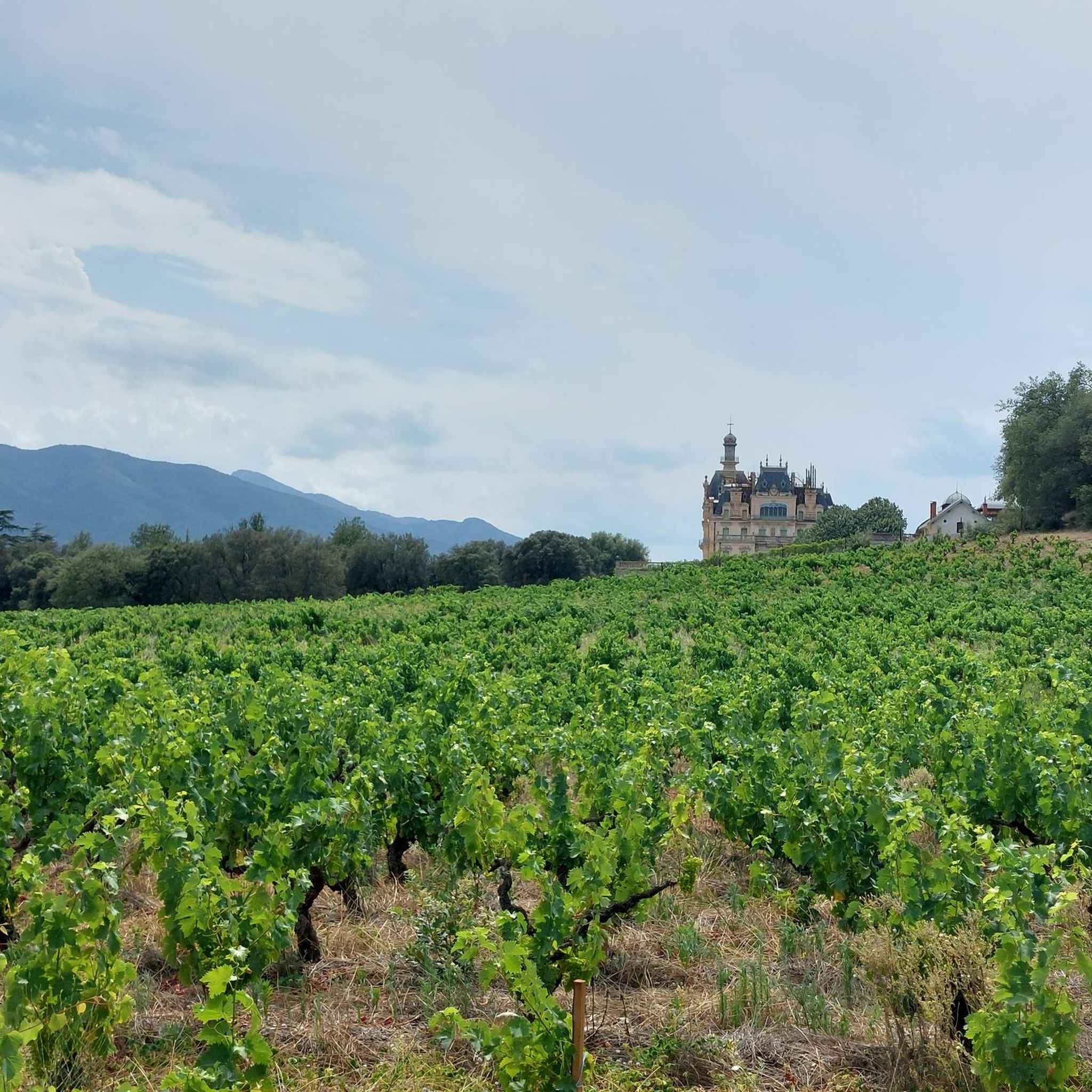
Although the castle is private and not always accessible to the public, the interior is known to be richly decorated with luxurious details such as high ceilings, ornate fireplaces, and grand staircases. The halls and bedrooms reflect the opulent style of the Belle Époque.
2
0
The castle is surrounded by extensive gardens designed in a formal French style, with fountains, ponds, and tree-lined walks. These gardens were carefully designed to complement the grandeur of the main building.
1
0
The Château d'Aubiry was built between 1893 and 1900 by the Danish architect Viggo Dorph-Petersen, who was very active in the Pyrénées-Orientales region. It was commissioned by Justin Bardou-Job, a wealthy tobacco industrialist, as a family residence.
2
0
Throughout its history, Fort de Bellegarde was the scene of numerous conflicts and battles, including the wars between France and Spain, as well as the Napoleonic Wars. However, over time and with changes in political and military circumstances, its strategic importance diminished. Today, Fort de Bellegarde is a historic and tourist site. Visitors can explore its imposing walls, towers and passageways, and learn about its fascinating history through exhibits and guided tours. The fortress offers stunning views of the surrounding landscape and remains a tangible reminder of the importance of border defence in European history.
1
0
@Marcus. It's very sad that you resort to editing and cropping photos that were not taken by you and pretending that you had been there in order to get points and become the leader of a region (Ceret).
0
0
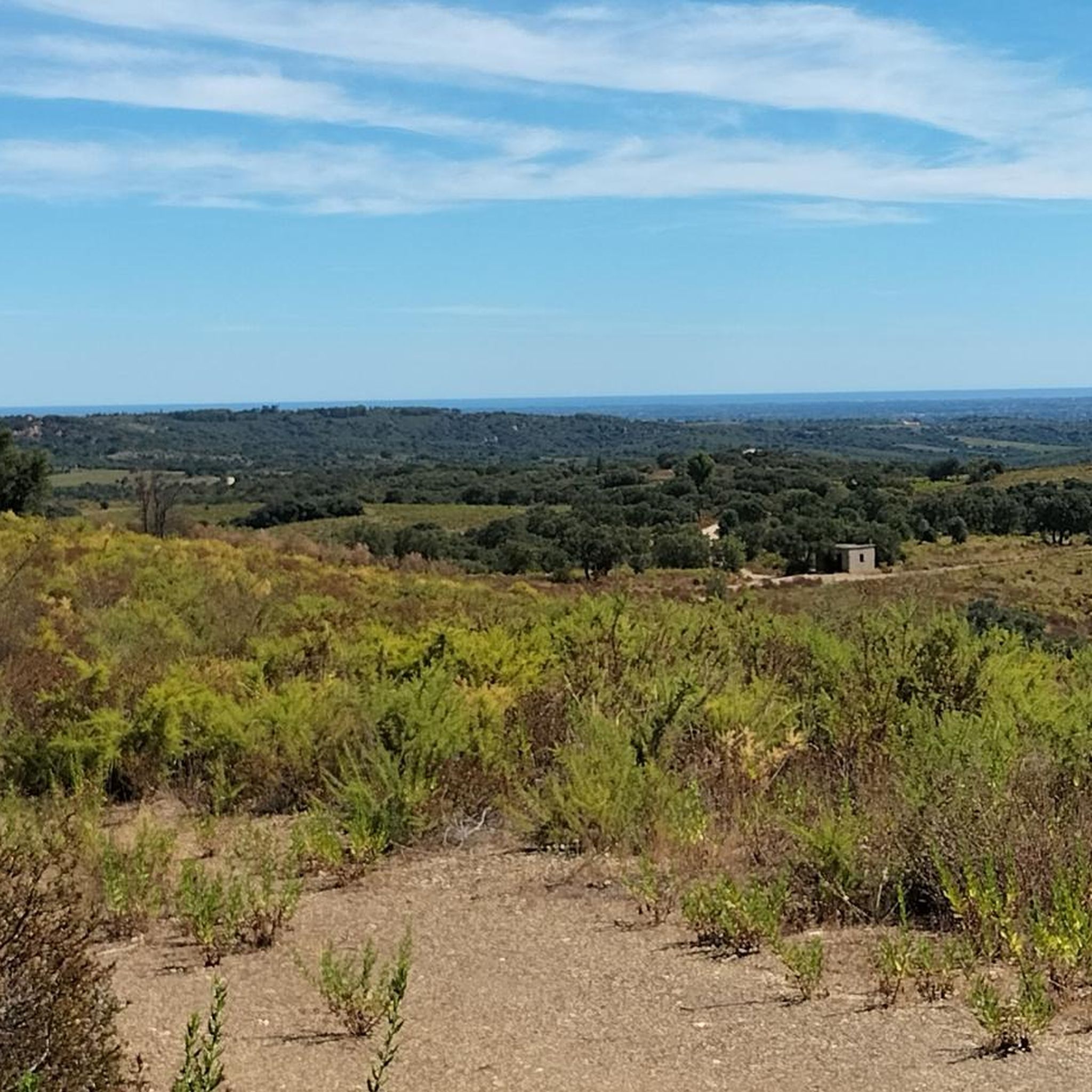
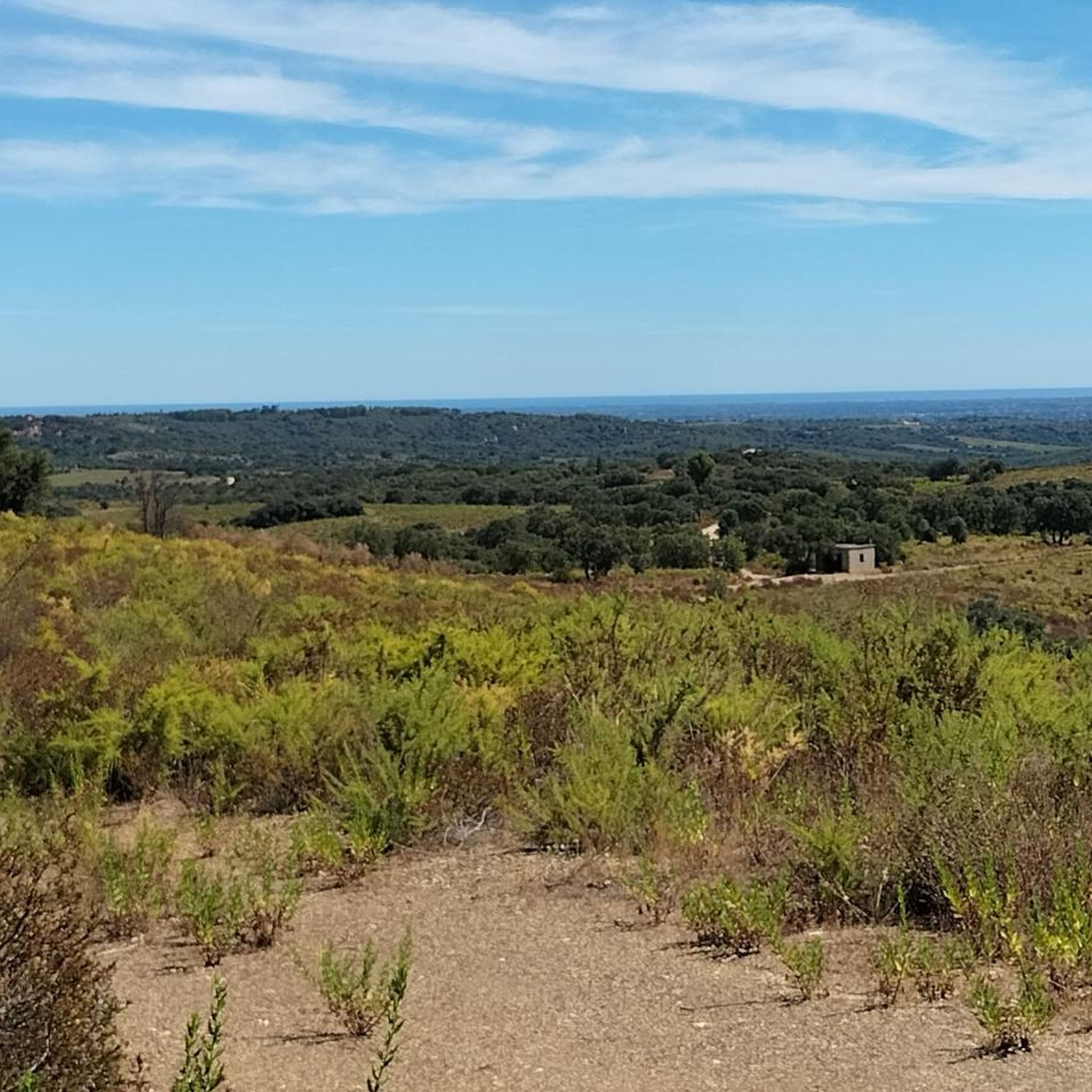
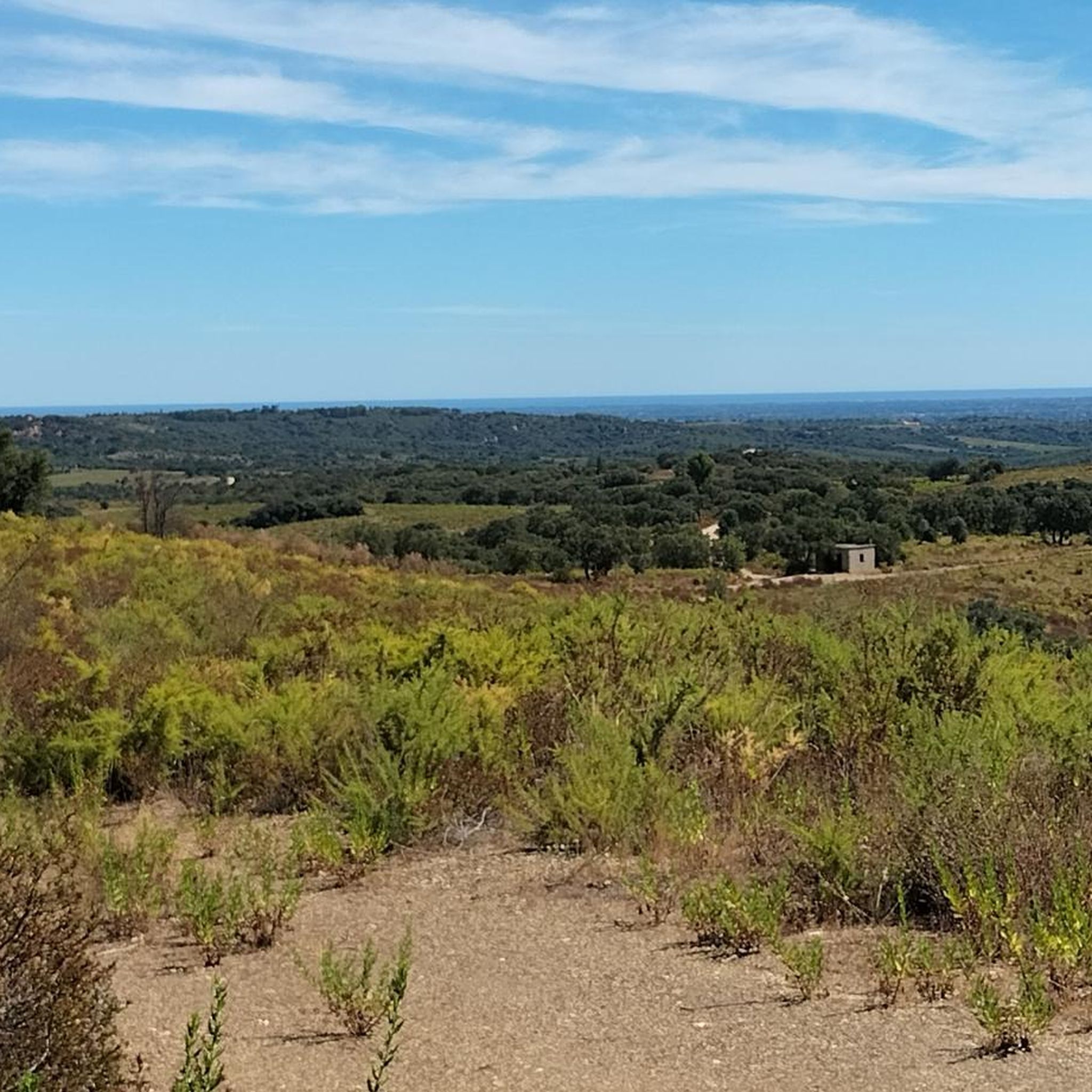
It was built by the Lords of Saint Cristau, who later took the name of Montesquieu. The keep forms an imposing building with a width of 16 metres and a length of 22 metres. The castle was protected by a wall 12 m high. From the top you have a great view of the plains of the region.
1
1

You should climb up and enjoy the view. The bike path only shows the tower from below, nothing else.
0
0
You can only visit it on foot or by Jeep, they do not allow entry with your bicycle. The visit costs 5e on foot and 16 by Jeep and the duration is 1 hour and 1.39 minutes by vehicle since they take you down to the water tank of the fortress and you have a guide who explains it to you. It is currently military property
3
0
Frequently Asked Questions
What historical castles can I visit near Vivès?
You can explore several historically significant sites. The Fort de Bellegarde is a formidable 17th-century bastion fortification designed by Vauban, offering insights into military history. The Panissars Ruins feature ancient Roman vestiges, including a trophy built by General Pompey. Additionally, the Montesquieu Castle, first mentioned in 1080, provides a glimpse into medieval times.
Are there any Roman ruins or ancient sites among the castles?
Yes, the Panissars Ruins are a significant ancient site. They contain the remnants of a trophy built by General Pompey in 71 BC, commemorating his victory over the Iberians. This site also marks the ancient border between Gaul and Hispania, crossed by the Via Domitia and Via Augusta.
What is the best time of year to visit the castles near Vivès?
The best time to visit depends on the specific site. Fort de Bellegarde is typically open to the public between June and September. Generally, spring and autumn offer pleasant weather for exploring outdoor sites like the Panissars Ruins and Montesquieu Castle, avoiding the peak summer heat or winter chill.
Can I combine a castle visit with outdoor activities like hiking or cycling?
Absolutely. The region around Vivès is ideal for combining historical exploration with outdoor activities. You can find various routes for touring bicycles, gravel biking, and hiking. For example, there are gravel biking routes like the "Fort de Bellegarde – Cycle Path Through the Fields loop" or touring bicycle routes like the "View of Château d'Aubiry – Chemin de Vives loop" that pass by these historical sites.
Are the castles around Vivès family-friendly?
Many of the sites offer engaging experiences for families. Fort de Bellegarde, with its impressive military architecture and panoramic views, can be an exciting place for children to explore. The Panissars Ruins offer a chance to walk on ancient ground, which can spark imagination. Always check specific opening hours and accessibility for younger children.
Which castles offer the best panoramic views?
Fort de Bellegarde, perched strategically, offers extensive panoramic views of the Roussillon and Empordà plains. Similarly, from the Montesquieu Castle, you can enjoy great views of the surrounding plains of the region.
Is there parking available at the castles?
For sites like Fort de Bellegarde, parking is generally available nearby, especially during opening hours. For ruins or less developed sites like Panissars Ruins, access might involve parking at a trailhead and walking. It's advisable to check local signage or tourist information for specific parking details.
How long should I plan for a visit to these castles?
A visit to Fort de Bellegarde, including exploring its architecture and exhibitions, could take 2-3 hours. The Panissars Ruins might be a shorter stop, perhaps 1-2 hours, especially if combined with a hike. For the exterior view of Château d'Aubiry or Montesquieu Castle, a shorter stop of 30-60 minutes might suffice, unless you plan to explore surrounding trails.
Are there any accessible castles or sites for visitors with limited mobility?
Due to their historical nature and often rugged terrain, many castles and ruins in the region, such as Fort de Bellegarde and Panissars Ruins, may have limited accessibility. They often involve stairs, uneven surfaces, or walking paths. For the Château d'Aubiry, while the interior is private, its park may offer more accessible viewing opportunities, especially during public events.
Can I bring my dog to the castle sites?
Generally, dogs are welcome in outdoor areas and on hiking trails leading to or around castle ruins, such as Panissars Ruins or Montesquieu Castle. However, access to the interiors of historical monuments like Fort de Bellegarde is typically restricted for pets. Always keep dogs on a leash and clean up after them.
What is the architectural style of the castles in the Vivès region?
The castles near Vivès showcase diverse architectural styles reflecting different historical periods. Fort de Bellegarde is a prime example of 17th-century bastion fortification, designed by Vauban. In contrast, Château d'Aubiry, built in the late 19th century, is an elegant Neo-Baroque masterpiece with Art Nouveau interiors. Montesquieu Castle represents medieval defensive architecture with its imposing keep.
Are there guided tours available for any of the castles?
Yes, Fort de Bellegarde offers guided tours during its opening season (June to September). These tours provide deeper insights into its history, military engineering, and the strategic importance of the site. For other sites like the Panissars Ruins or Montesquieu Castle, self-guided exploration is more common.
Most popular attractions around Vivès

Get inspired with the komoot mobile app


Explore more
Looking for the best castles somewhere else? Discover other guides around Vivès:
