Top 5 Gorges around Péone
Canyons around Péone are a prominent feature of the Alpes-Maritimes department, with Péone serving as a base for exploring these natural formations. The region is characterized by deep river gorges carved through mountains, revealing diverse geological strata. These canyons offer a range of landscapes, from vibrant red pelite rock formations to towering limestone cliffs. The area provides access to significant natural sites known for their geological interest and scenic routes.
Best canyons around Péone
- The most popular canyons is View of the Gorges de Daluis, a gorge that offers panoramic views of the red rock formations. This viewpoint allows identification of surrounding peaks and the distinctive "land of the red gorges."
- Another must-see spot is Bride's Bridge, a bridge that connects two mountains. This structure, built in 1910, provides one of the best viewpoints over the Daluis gorges and has historical significance.
- Visitors also love Gorges du Cians, a gorge known for its dramatic red and ochre cliffs. The D28 road winds through these gorges, offering a scenic driving or cycling experience.
- Péone is known for canyons featuring red rock formations, deep river carvings, and aquatic sections. The area offers a variety of gorges to see and explore, from those with striking geological colors to those suitable for canyoning activities.
- The canyons around Péone are appreciated by the komoot community, with 45 upvotes and 12 photos shared by visitors.
Last updated: June 24, 2026
Bride's Bridge
Highlight • Bridge
Translated by Google •
Tip by

Gorges du Cians
Highlight • Gorge
Translated by Google •
Tip by

Sign up now to discover places like this
Get recommendations on the best single tracks, peaks, & plenty of other exciting outdoor places.
Sign up for free
View of the Gorges de Daluis
Highlight • Gorge
Translated by Google •
Tip by

Gorges de Daluis
Highlight • Gorge
Translated by Google •
Tip by

Raton Casemate – Fortification of the Gorges du Cians
Highlight • Monument
Translated by Google •
Tip by

Sign up for free to discover even more gorges around Péone.
Sign up for free
Already have an account?
Start today with a free account
Your next adventure awaits.
Login or Signup



Tips from the Community

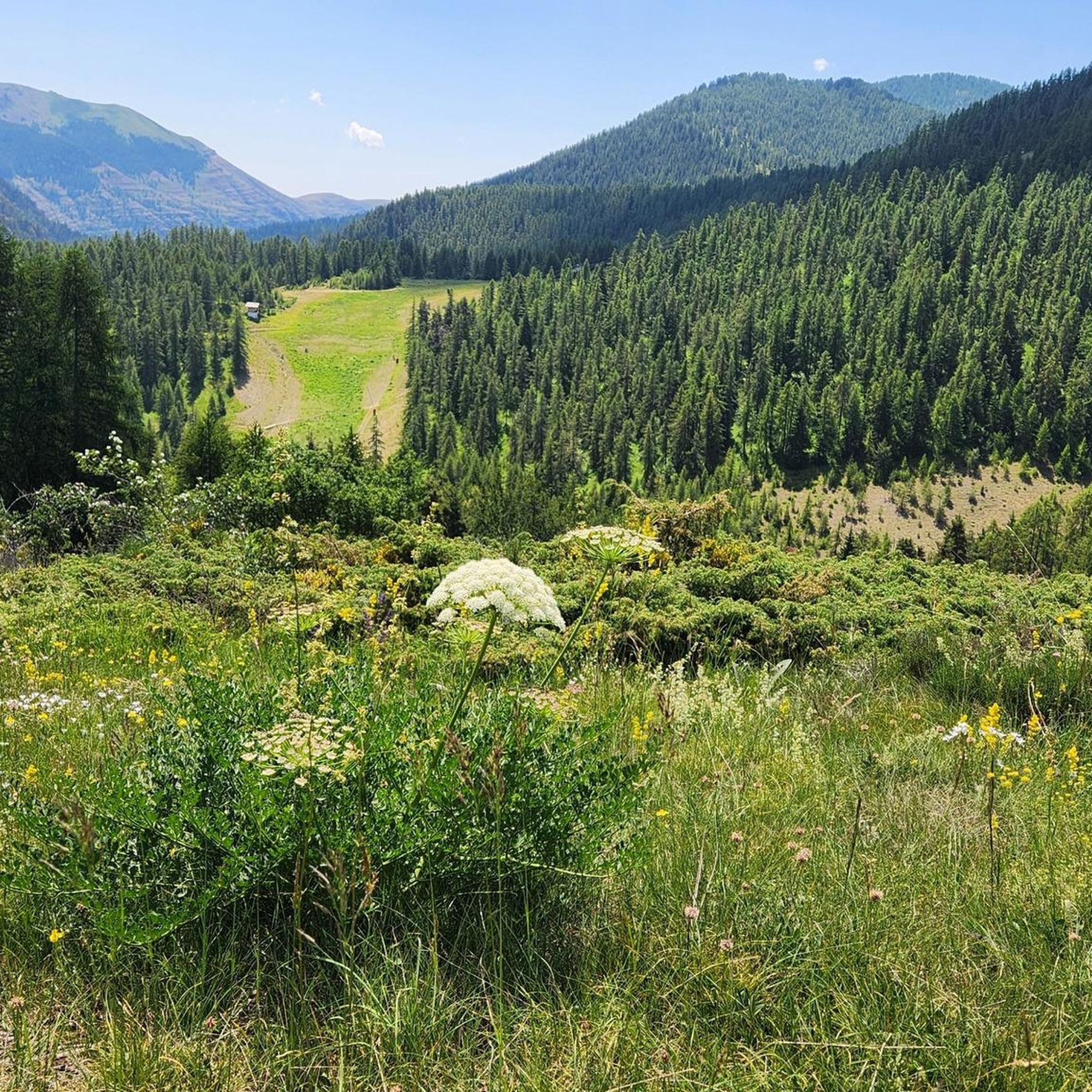
Magnificent view of the Daluis gorges, or the land of the red gorges, and the surrounding mountains. An orientation table allows you to identify the peaks.
0
0

An absolutely worthwhile detour if you are driving the Route des grandes Alpes.
0
0


A spectacular passage, this bridge that connects the two mountains is stunning.
17
1

The La Mariée bridge was built from 1910 for the passage of the tramway that linked Pont de Geydan and Guillaumes. The construction site gave rise to technical feats in the Daluis gorges with the digging of tunnels and the construction of this spectacular bridge with a span of 58 meters. The line, 19 km long, took the same route as the current road. The work brought life to the valley but caused many victims, as evidenced by the commemorative plaques along the track. They were slowed down during the war of 1914-1918 and the tramway did not arrive in Guillaumes until 1923, but the line, with its costly maintenance, only operated for 6 years before its final shutdown in 1929. This structure is one of the first railway viaducts in an arch made of reinforced concrete in France. It owes its name to a tragic incident that occurred on July 30, 1927. A young, wealthy Parisian couple arrived on their honeymoon in Guillaumes and decided to visit the gorges at the end of the day. They stopped at the first bridge they came across on the road, then called the Tramway Bridge. The young bride is said to have leaned over to admire the view and fell into the gorges. In the absence of witnesses, the accident theory was favored, but the mysterious circumstances surrounding the young woman's disappearance have long fueled rumors. Closed to motor traffic, it now offers one of the best viewpoints over the Daluis gorges. So don't hesitate to stop there to enjoy it. With a bit of luck, you might also see daredevils bungee jumping there. https://www.youtube.com/watch?v=BxJ1N6wYt_o
4
0
Very beautiful road in the hollow of steep gorges with walls of red rocks. A place suitable for canyoning.
0
1
Blockhouse built in 1939 by the French army which was part of the Maginot Line, to defend the territory in view of an offensive coming from Italy. It overlooks the Clue du Raton, a small stream which here joins the Cians.
0
0

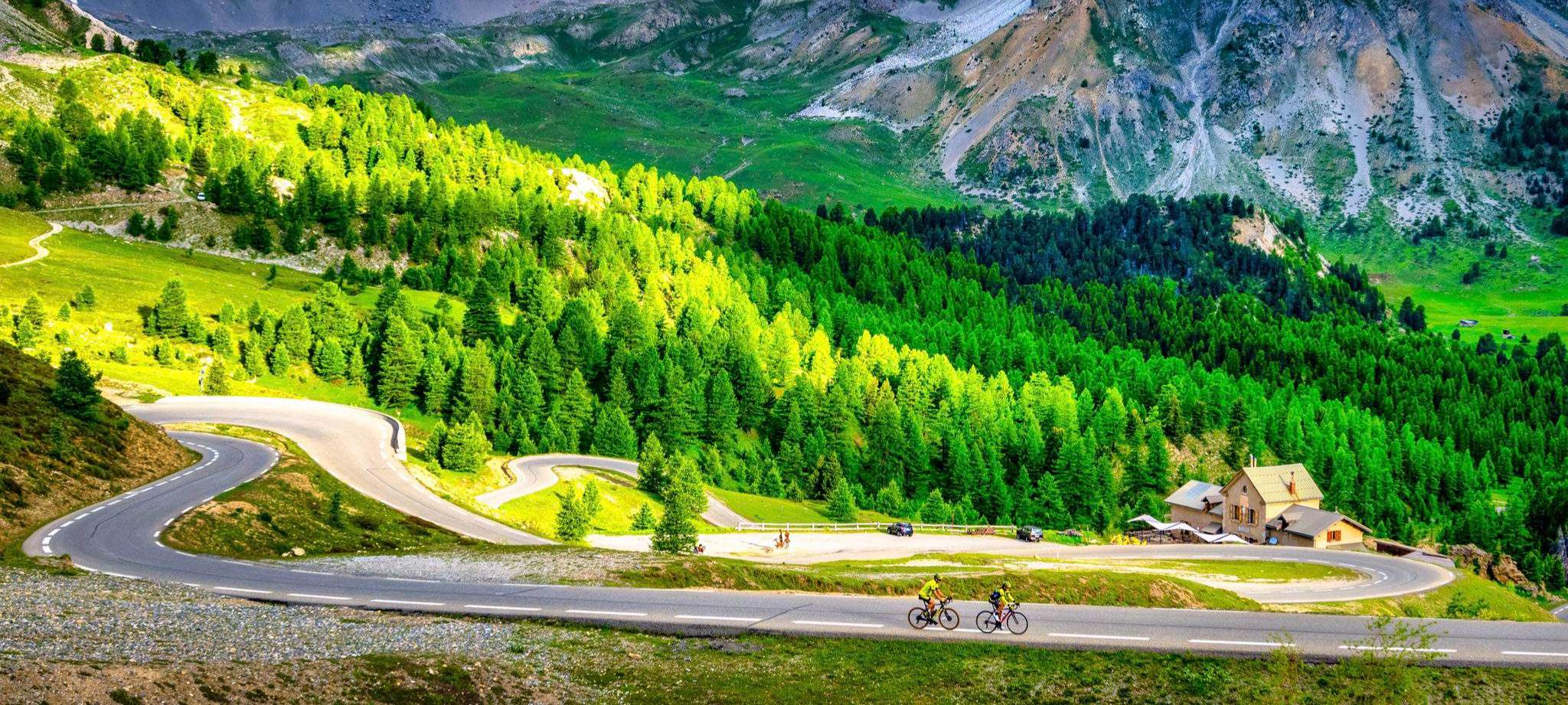
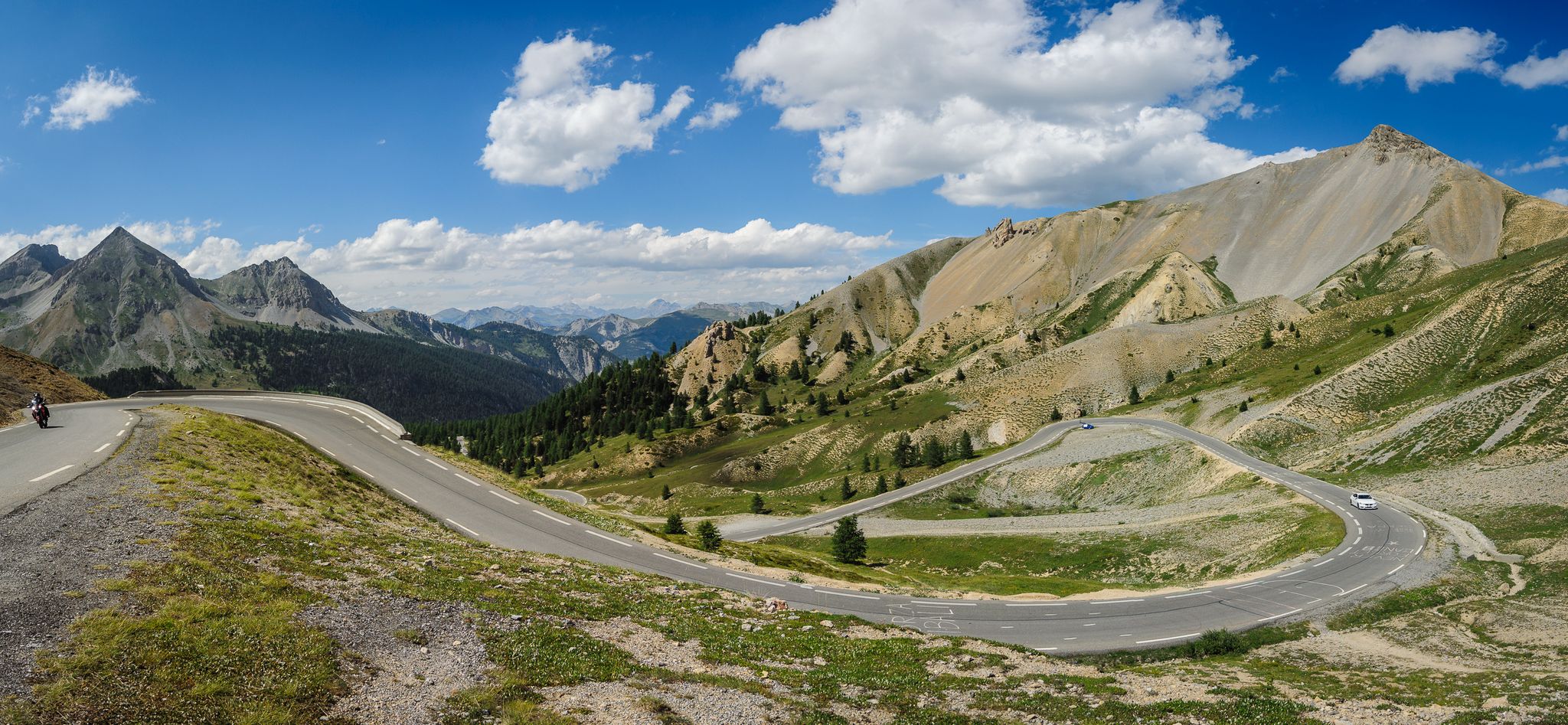
A very beautiful road in the Cians gorges. There are 20 km of climbing from Touët-sur-var to Beuil. The average grade is around 5%, but there are steeper sections down and near the top.
2
0
Frequently Asked Questions
What are the most scenic canyons to visit near Péone?
Péone serves as an excellent base for exploring several spectacular canyons. The Gorges de Daluis, often called the "Colorado of Nice," are renowned for their striking red pelite rock formations and dramatic cliffs up to 300 meters high. You can enjoy panoramic views from the View of the Gorges de Daluis and the historic Bride's Bridge. Similarly, the Gorges du Cians offer magnificent red and ochre cliffs, with the D28 road winding through impressive sections like "La Petite Clue" and "La Grande Clue".
Are there opportunities for canyoning near Péone?
Yes, for those seeking adventure, the Saint-Auban Canyon is a popular spot for canyoning, located about 75 minutes from Péone. It features a rhythmic course with waterfalls, jumps (up to 6 meters), natural slides, rappelling sections, and even a zip line. While offering intense sensations, it's suitable for sporty beginners (typically 12-14 years and up). Further afield, the immense Gorges du Verdon also offers diverse canyoning experiences for all abilities.
What is the best time of year to visit the canyons around Péone?
The best time to visit the canyons for scenic drives and hiking is generally from spring to autumn. For water activities like canoe-kayaking in the Gorges de Daluis, spring (April to June) is ideal due to snowmelt. Canyoning in Saint-Auban Canyon is regulated and permitted from April 1 to October 31 on specific days (Mondays, Wednesdays, Fridays, and Sundays).
Are there any historical landmarks within the canyons near Péone?
Yes, the region features historical elements. The Bride's Bridge in the Gorges de Daluis, built in 1910 for a tramway, is a significant historical structure offering excellent views. Additionally, the Raton Casemate, a blockhouse built in 1939 as part of the Maginot Line, can be found overlooking the Clue du Raton in the Gorges du Cians area, showcasing military history.
What kind of natural features can I expect to see in the canyons?
The canyons around Péone are characterized by dramatic geological formations. The Gorges de Daluis are famous for their vibrant red pelite rock, a result of oxidized iron from 270 million years ago, contrasting with the turquoise waters of the Var River. The Gorges du Cians also display stunning red and ochre cliffs carved by the Cians River. The Gorges du Verdon are known for their immense scale, towering limestone cliffs, and distinctive emerald-turquoise waters.
Are there hiking opportunities in the canyons near Péone?
Yes, both the Gorges de Daluis and Gorges du Cians offer excellent hiking opportunities. Trails in the Gorges de Daluis provide panoramic views of the red rock formations. In the Gorges du Cians, numerous trails allow visitors to explore the area on foot and witness the vibrant hues of the rocks up close, which are particularly beautiful during sunrise and sunset.
What outdoor activities can I do near these canyons, besides canyoning and hiking?
The area around Péone offers a variety of outdoor activities. You can find numerous mountain biking trails, such as the "Tête de Rigaud and Cime de Raton Loop" or the "Tour du Raton – Parc national du Mercantour." Gravel biking is also popular, with routes like the "Col du Raton – Raton loop from Valberg." For runners, there are challenging running trails including the "Valberg – Anguillers Lake loop." You can explore more options on the MTB Trails around Péone, Gravel biking around Péone, and Running Trails around Péone guide pages.
Is canyoning in Saint-Auban Canyon suitable for families or beginners?
Saint-Auban Canyon is considered suitable for sporty beginners, typically with a minimum age of 12-14 years, who are comfortable with water and jumping. It offers a good mix of obstacles and beautiful scenery, providing intense sensations and adrenaline in a playful environment. However, it's always recommended to go with a certified guide, especially for those new to canyoning.
Are there any specific regulations or permits needed for canyoning in the region?
Canyoning in Saint-Auban Canyon is regulated and permitted on specific days: Mondays, Wednesdays, Fridays, and Sundays, generally from April 1 to October 31. For other canyons, especially within protected areas like the Gorges du Verdon, specific regulations may apply. It's always advisable to check with local authorities or professional guiding services for the most up-to-date information on permits and access rules before planning your trip.
What do visitors enjoy most about the canyons around Péone?
Visitors frequently praise the breathtaking scenery, especially the vibrant red rock formations of the Gorges de Daluis and Gorges du Cians. The dramatic geological features, the sense of geological wonder, and the opportunities for both relaxed exploration and adventurous activities like canyoning are highly appreciated. The scenic drives, such as the D28 through the Gorges du Cians, are also a highlight for many.
How accessible are the viewpoints in the Gorges de Daluis?
The Gorges de Daluis are traversed by a scenic road, the Route des Grandes Alpes, which offers numerous viewpoints. The View of the Gorges de Daluis provides a magnificent perspective, and an orientation table helps identify surrounding peaks. The Bride's Bridge, closed to motor traffic, offers one of the best viewpoints over the gorges and is easily accessible for pedestrians.
Can I find information about the geology of the canyons?
Yes, the canyons offer significant geological interest. The distinctive red coloration of the Gorges de Daluis is due to the oxidation of iron in sedimentary pelite rock, deposited 270 million years ago. The area is also a nature reserve, home to unique minerals and protected plant species, making it a fascinating site for those interested in geology and natural history.
Most popular attractions around Péone

Get inspired with the komoot mobile app


Explore more
Already discovered everything in this region? See additional gorges around Péone for your next adventure:
