Top 4 Caves around Lomont-Sur-Crête
Best caves around Lomont-Sur-Crête are situated within the geologically rich Doubs department and the broader Jura Mountains region of Bourgogne-Franche-Comté. This area offers a diverse range of subterranean sites, from natural wonders to historical refuges. The landscape is characterized by karstic formations, providing numerous opportunities for exploration. These caves present insights into geology, history, and local natural heritage.
Best caves around Lomont-Sur-Crête
- The most popular caves is Grotte Sous Buen, a cave that features high grottoes with limestone deposits.…
Last updated: July 8, 2026
Grotte Sous Buen
Highlight • Cave
Translated by Google •
Tip by

Fourbanne Cave
Highlight • Cave
Translated by Google •
Tip by

Sign up now to discover places like this
Get recommendations on the best single tracks, peaks, & plenty of other exciting outdoor places.
Sign up for free
Grotte du Petit Siblot
Highlight • Cave
Through a very small shaft entrance of just 30 x 50 cm.
you have to abseil about 7 meters ... …
Translated by Google •
Tip by

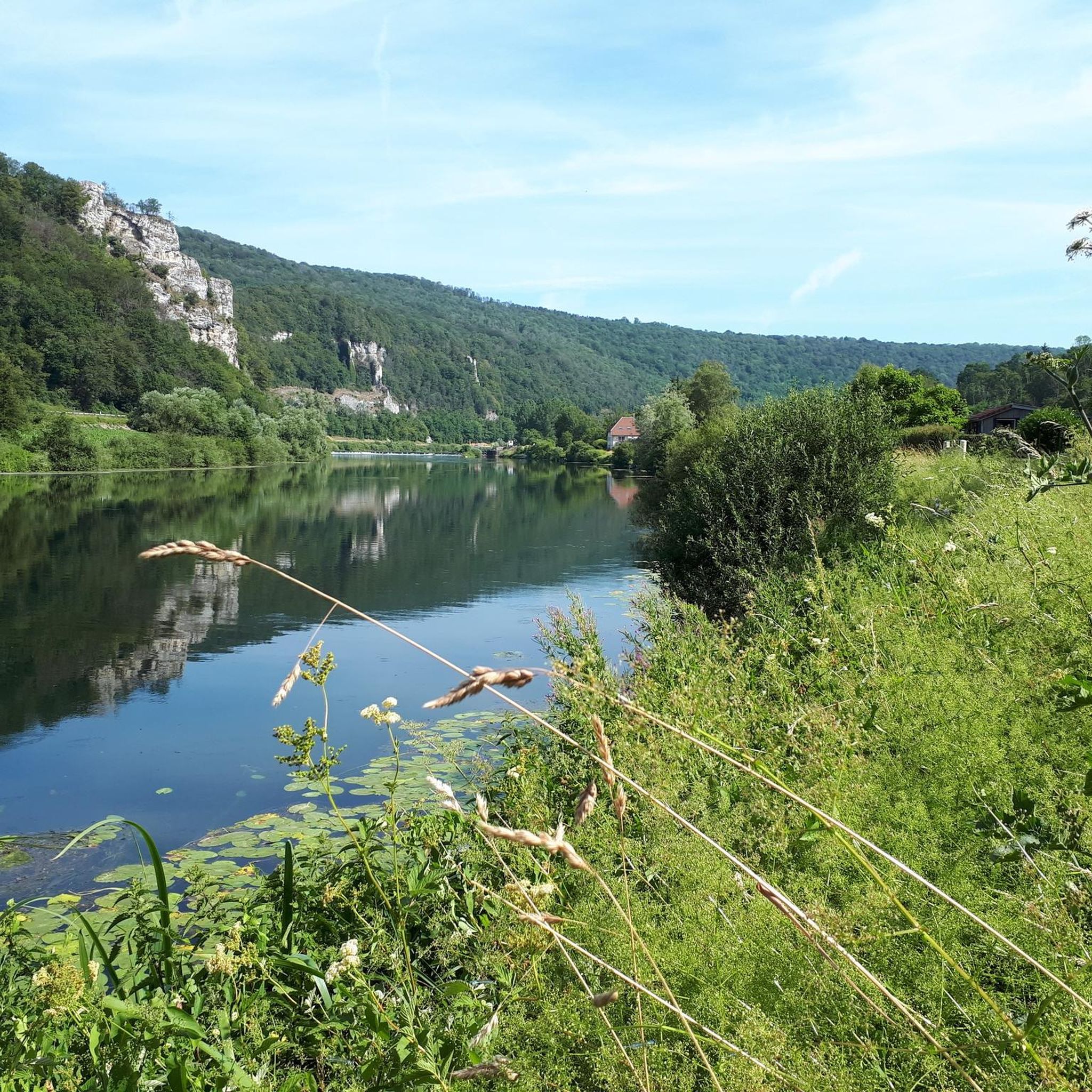
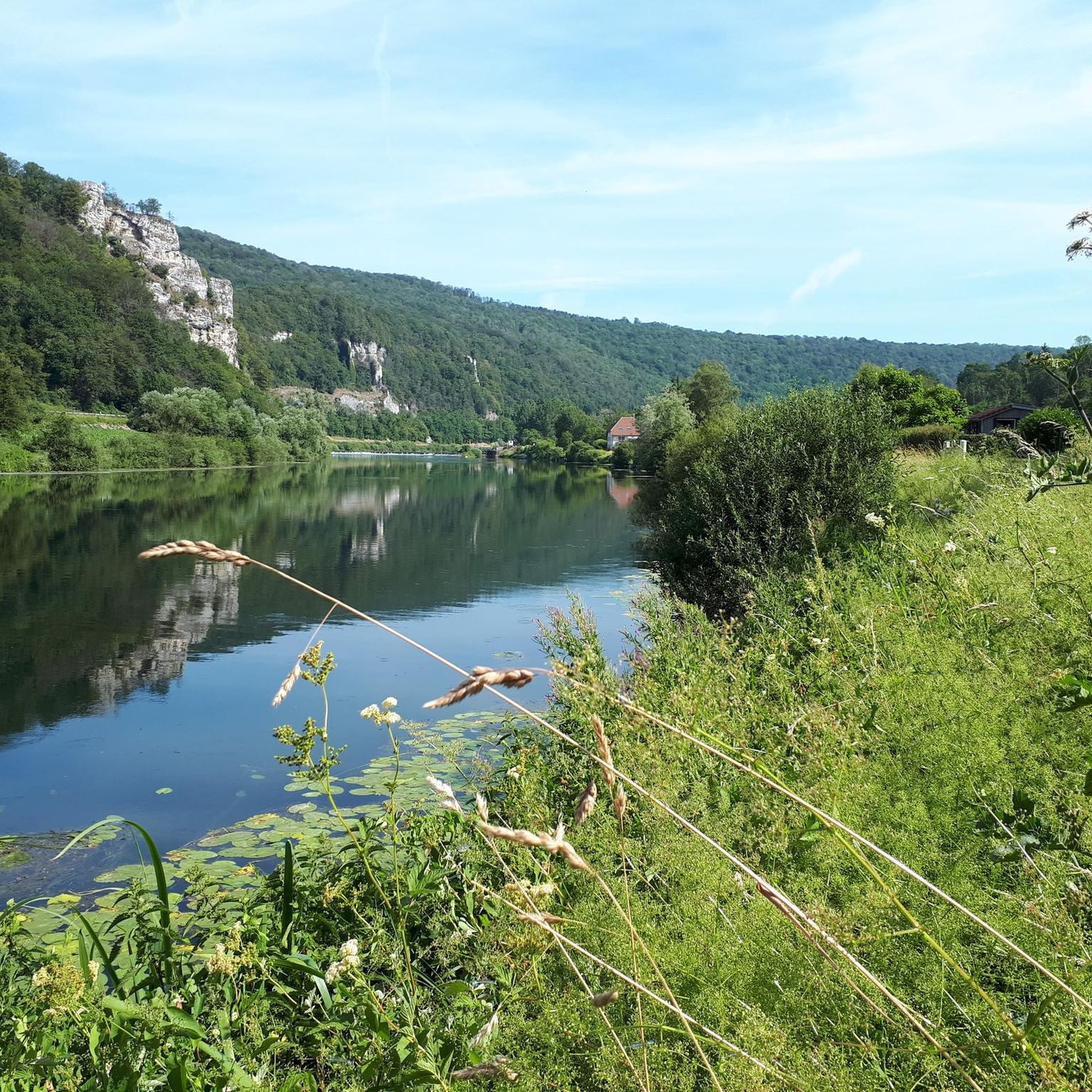
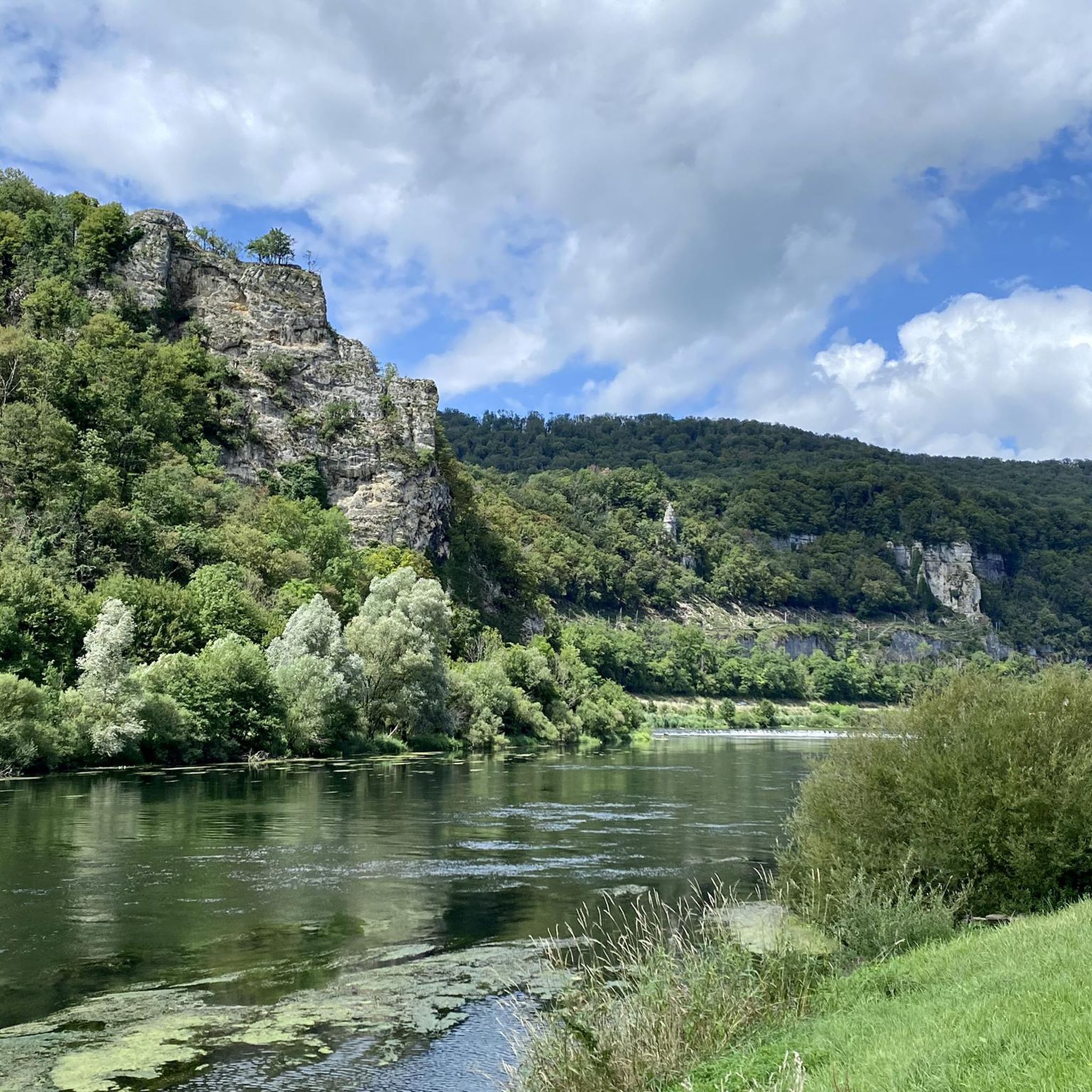
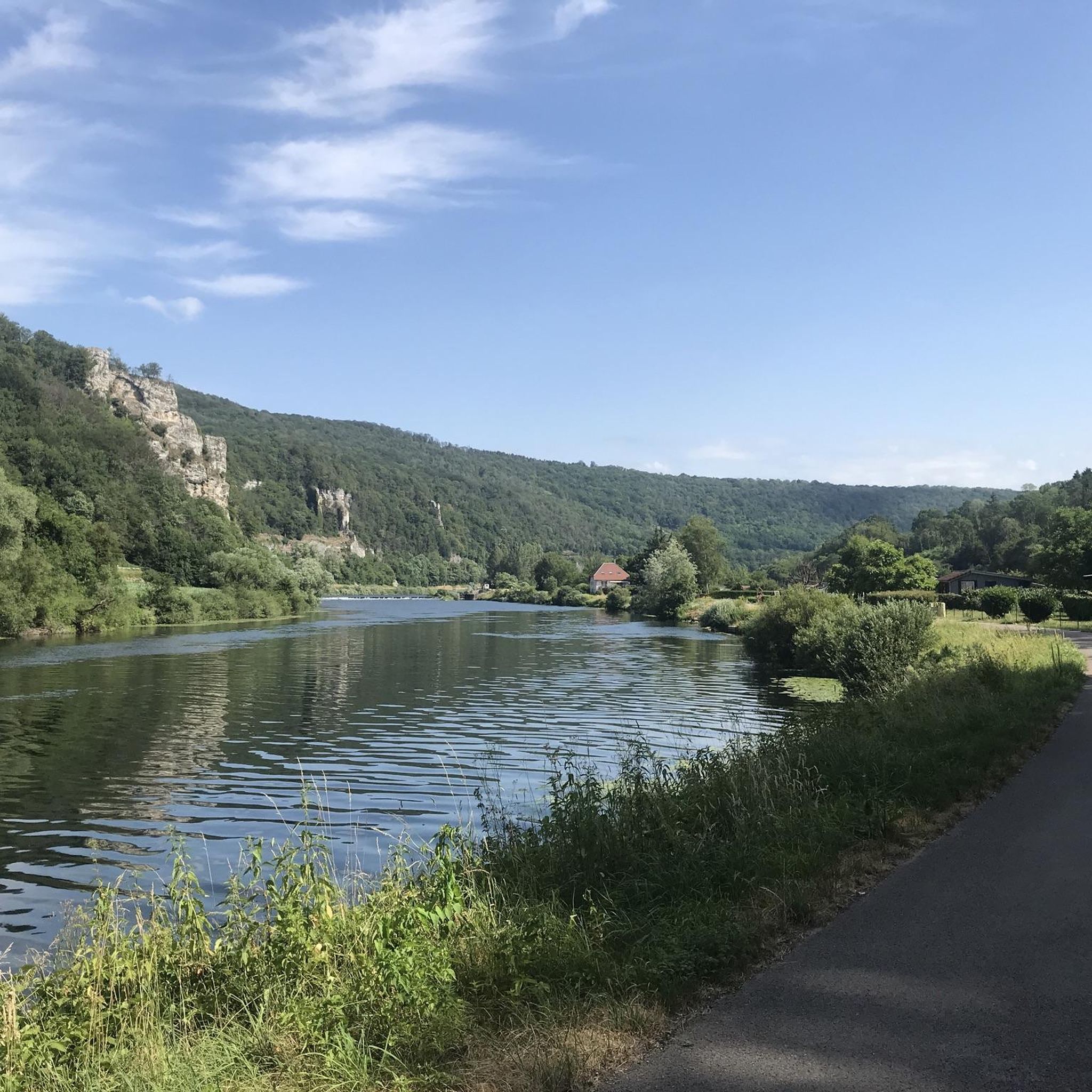
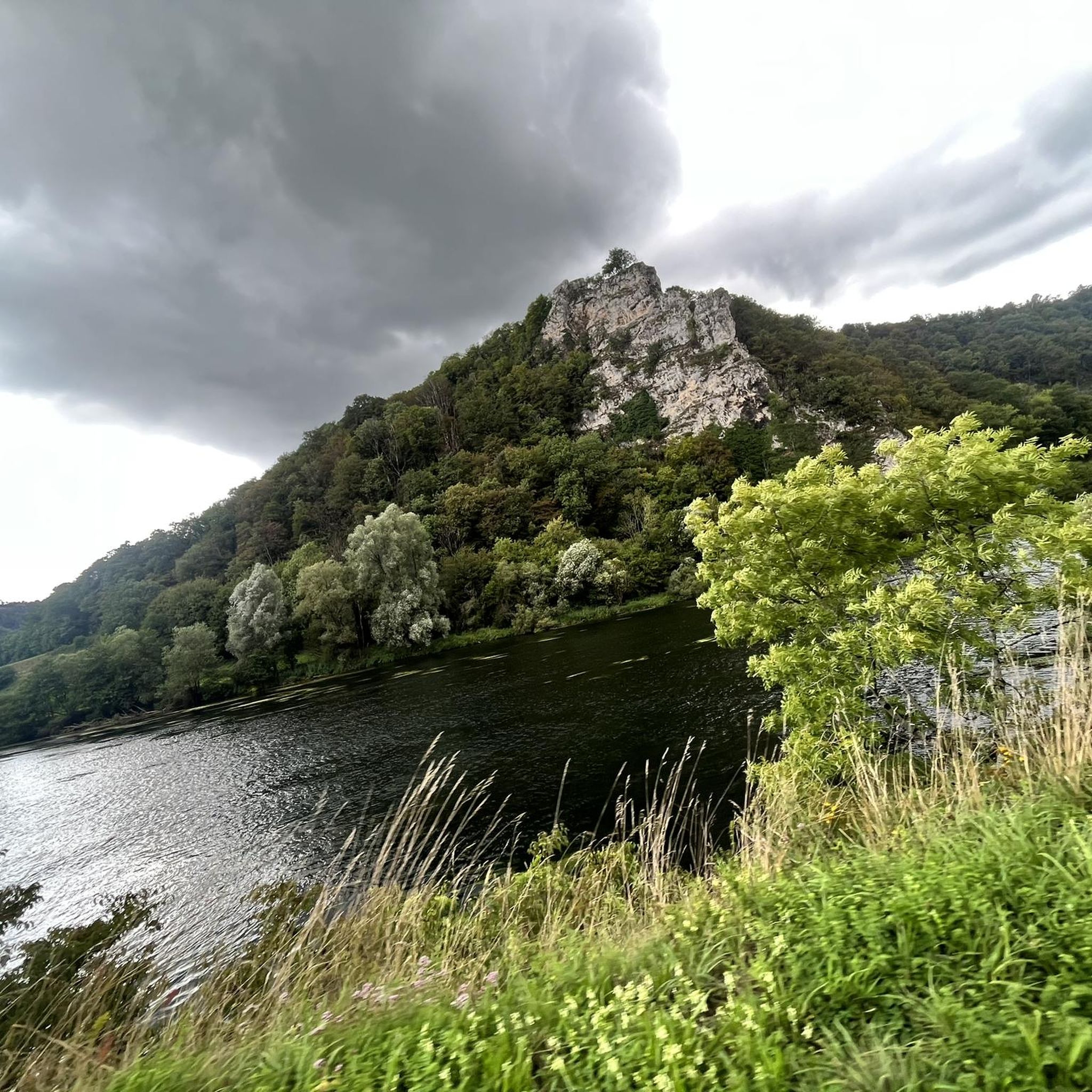
View of the Loue River from the Cave
Highlight • Cave
Translated by Google •
Tip by

Start today with a free account
Your next adventure awaits.
Login or Signup

Tips from the Community

Cannot be reached directly from the cycle path.
2
0

After a small barrier and a small climb comes a nice point to rest. Attention, it is not recognizable at first glance. Behind the bush is a very small path.
0
0

High grotto with wonderful limescale deposits - accessible via a metal ladder even without equipment. The grotto does not lead deep into the rock, the daylight is sufficient, you do not need a flashlight. It is freely accessible to everyone.
1
0

On the other side of the train tracks up the hill are the wild undeveloped karst caves of Fourbanne, a dream for fans of speleology. Bring good light, rugged cloths, and wear your helmet (you're biking, so you have a helmet!). https://inpn.mnhn.fr/zone/znieff/430013670 See video https://www.youtube.com/watch?v=7nxTiEY92I8
1
4

The cave is listed as a real classic among speleologists. Through a very small shaft entrance of just 30 x 50 cm. you have to abseil about 7 meters ... Then the next 18 meter deep shaft. A final climbing step, about 5 meters lower, ends in an impressive and large hall with beautiful stalactite columns.
4
0
Frequently Asked Questions
What are some of the most notable caves to visit around Lomont-Sur-Crête?
The region offers a diverse range of subterranean sites. For a popular and accessible experience, consider Grotte Sous Buen, known for its high grottoes and limestone deposits. Historically, the Grotte d'Osselle is one of the oldest tourist caves in the world, featuring stunning formations and a cave bear necropolis. For a unique blend of history and gastronomy, the Caves d'affinage du Fort de Saint-Antoine offer insight into Comté cheese ripening.
Are there family-friendly caves to explore near Lomont-Sur-Crête?
Yes, several caves are suitable for families. Grotte Sous Buen is easily accessible via a metal ladder, and daylight is sufficient inside, making it a good option without special equipment. The Cerdon Cave, located within a prehistoric leisure park, combines natural cave exploration with engaging archaeological discoveries and interactive workshops, making it an educational and entertaining outing for all ages.
Which caves in the region have historical or cultural significance?
The Grotte d'Osselle is renowned for its long history as a tourist destination and its extensive cave bear necropolis. The Caves d'affinage du Fort de Saint-Antoine, an old military fort, has been repurposed into vast cellars for ripening Comté cheese, offering a unique cultural and gastronomic experience. The Grotte-chapelle de Remonot is a rare cave chapel with a history dating back to prehistoric times, serving as a hermitage and a place of worship.
Are there caves for experienced speleologists around Lomont-Sur-Crête?
Yes, for those seeking a challenge, Grotte du Petit Siblot is a classic among speleologists, featuring a small shaft entrance requiring abseiling to reach impressive halls with stalactite columns. The Fourbanne Cave is another wild, undeveloped karst cave system suitable for speleology, requiring appropriate gear like a helmet and light.
What kind of geological features can I expect to see in the caves?
You can expect to see a variety of impressive geological formations. Caves like Grotte d'Osselle and Cerdon Cave feature stunning stalactites, stalagmites, draperies, and diverse mineral crystallizations in various colors. Some caves, such as the Grotte de la Glacière, also contain dinosaur fossils, while others like Grotte du Petit Siblot are known for their large halls and beautiful stalactite columns.
Are there any caves with unique natural phenomena or historical curiosities?
The Grotte d'Osselle features an underground river crossed by an 18th-century stone bridge and is home to Europe's largest cave bear necropolis. The Grotte de la Glacière was historically known as the lowest natural ice cave in Europe, though its ice formations have disappeared due to climate change. The Grotte du Trésor is notable for its immense entrance and local legends of a dragon guarding a hidden treasure.
What outdoor activities can I do near these caves?
The region around Lomont-Sur-Crête offers various outdoor activities. You can find numerous routes for gravel biking, cycling, and mountain biking. For example, explore routes like 'Back to sources' for gravel biking, 'Vue sur Clerval-sur-Doubs' for cycling, or 'Roche-lez-Beaupré Dam' for mountain biking. You can find more details on these activities at the Gravel biking around Lomont-Sur-Crête, Cycling around Lomont-Sur-Crête, and MTB Trails around Lomont-Sur-Crête guide pages.
Is there a cave that offers panoramic views?
Yes, the Cerdon Cave tour culminates in a viewpoint offering panoramic views of the Cerdon vineyards. Additionally, the View of the Loue River from the Cave provides a nice point to rest with a view of the Loue River after a small climb.
Are there any caves that served as refuges during historical conflicts?
Yes, the Grotte des Bougeottes in the Fays woods served as a significant refuge for locals, including refractory priests, during historical conflicts like the Thirty Years' War and the French Revolution. The Grotte de Pira du Bou is also known as a refuge for Pierre du Bourg, a deserter during the French Revolution.
What should I know about accessibility for caves in the area?
Accessibility varies by cave. The Grotte d'Osselle has parts that are wheelchair-friendly, making it inclusive for many visitors. Grotte Sous Buen is accessible via a metal ladder and does not require special equipment, as daylight is sufficient inside. More challenging caves like Grotte du Petit Siblot and Fourbanne Cave are suitable for experienced speleologists and require specific gear.
Are there any caves with a focus on minerals or geology?
The Grotte d'Osselle hosts a mineralogical museum, showcasing various mineral crystallizations found within the cave. Near the Grotte de la Glacière, you can find a Maison des Minéraux (Mineral House) displaying 500 mineral pieces from around the world, providing an extensive educational experience on geology.
Can I experience local gastronomy in a cave setting?
Yes, the Caves d'affinage du Fort de Saint-Antoine offer a unique opportunity to explore an old military fort repurposed into vast cellars for ripening over a million Comté cheeses. Visitors can learn about the traditional Comté ripening process and often conclude their visit with a tasting, blending military heritage with French gastronomy.
Most popular routes around Lomont-Sur-Crête
Most popular attractions around Lomont-Sur-Crête

Get inspired with the komoot mobile app


Explore more
Extend your search for the best caves by checking out these guides of the top ones around Lomont-Sur-Crête:
