Top 4 Caves around Saint-Juan
Best caves around Saint-Juan offer a diverse range of underground explorations, from accessible grottoes to challenging speleological sites. The region features karst landscapes with impressive rock formations, underground rivers, and natural monuments. Visitors can discover both family-friendly grottoes and complex cave systems requiring specialized equipment and experience.
Best caves around Saint-Juan
- The most popular caves is Grotte Sous Buen, a cave that features wonderful limescale deposits. It is accessible via a metal ladder even without equipment, and daylight is sufficient inside.
- Another must-see spot is Grotte du Petit Siblot, a challenging cave and natural monument. This cave is a classic among speleologists, requiring abseiling through shafts to reach an impressive hall with stalactite columns.
- Visitors also love Fourbanne Cave, a challenging cave. These wild, undeveloped karst caves are ideal for fans of speleology, requiring good light and appropriate gear.
- Saint-Juan is known for family-friendly grottoes, challenging speleological sites, and caves with impressive viewpoints. The variety of caves allows for explorations ranging from easy walks to advanced caving expeditions.
- The caves around Saint-Juan are appreciated by the komoot community, with 12 upvotes and 11 photos shared by visitors.
Last updated: May 11, 2026
Grotte Sous Buen
Highlight • Cave
Translated by Google •
Tip by

Fourbanne Cave
Highlight • Cave
Translated by Google •
Tip by

Sign up now to discover places like this
Get recommendations on the best single tracks, peaks, & plenty of other exciting outdoor places.
Sign up for free
Grotte du Petit Siblot
Highlight • Cave
Through a very small shaft entrance of just 30 x 50 cm.
you have to abseil about 7 meters ...
Then the next 18 meter deep shaft.
A final climbing step, about 5 meters lower, ends in an impressive and large hall with beautiful stalactite columns.
Translated by Google •
Tip by

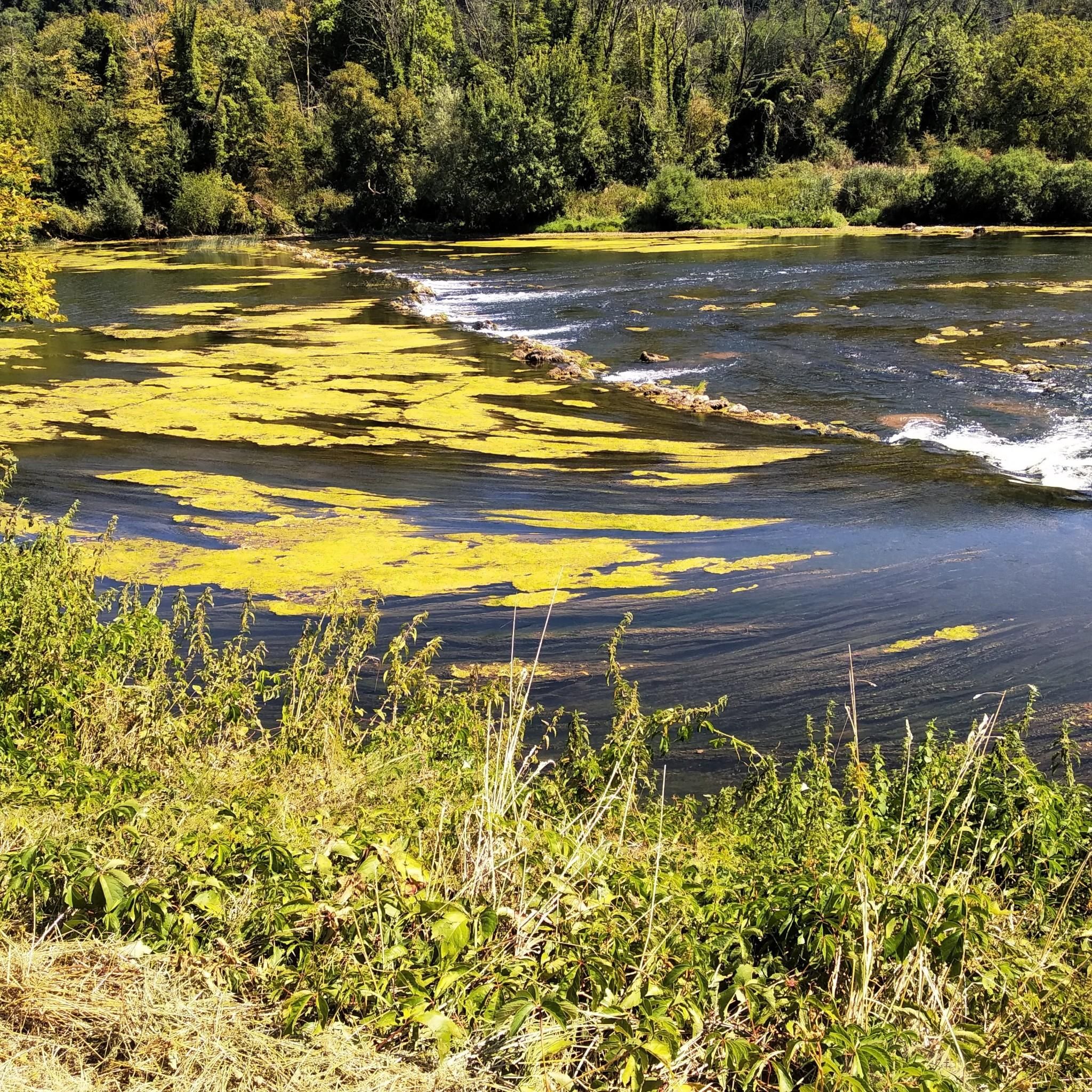
The Green Spring
Highlight • Cave
Translated by Google •
Tip by

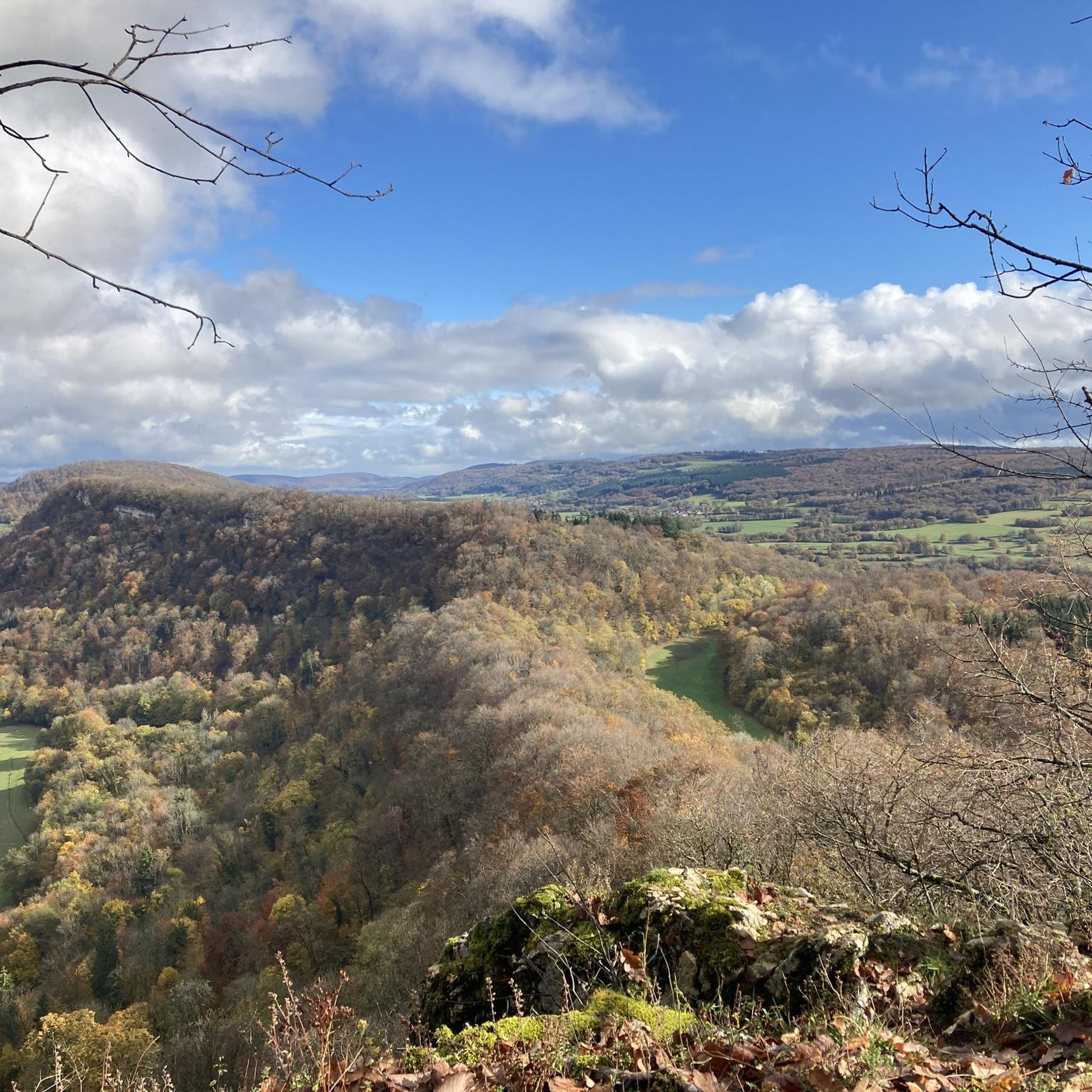
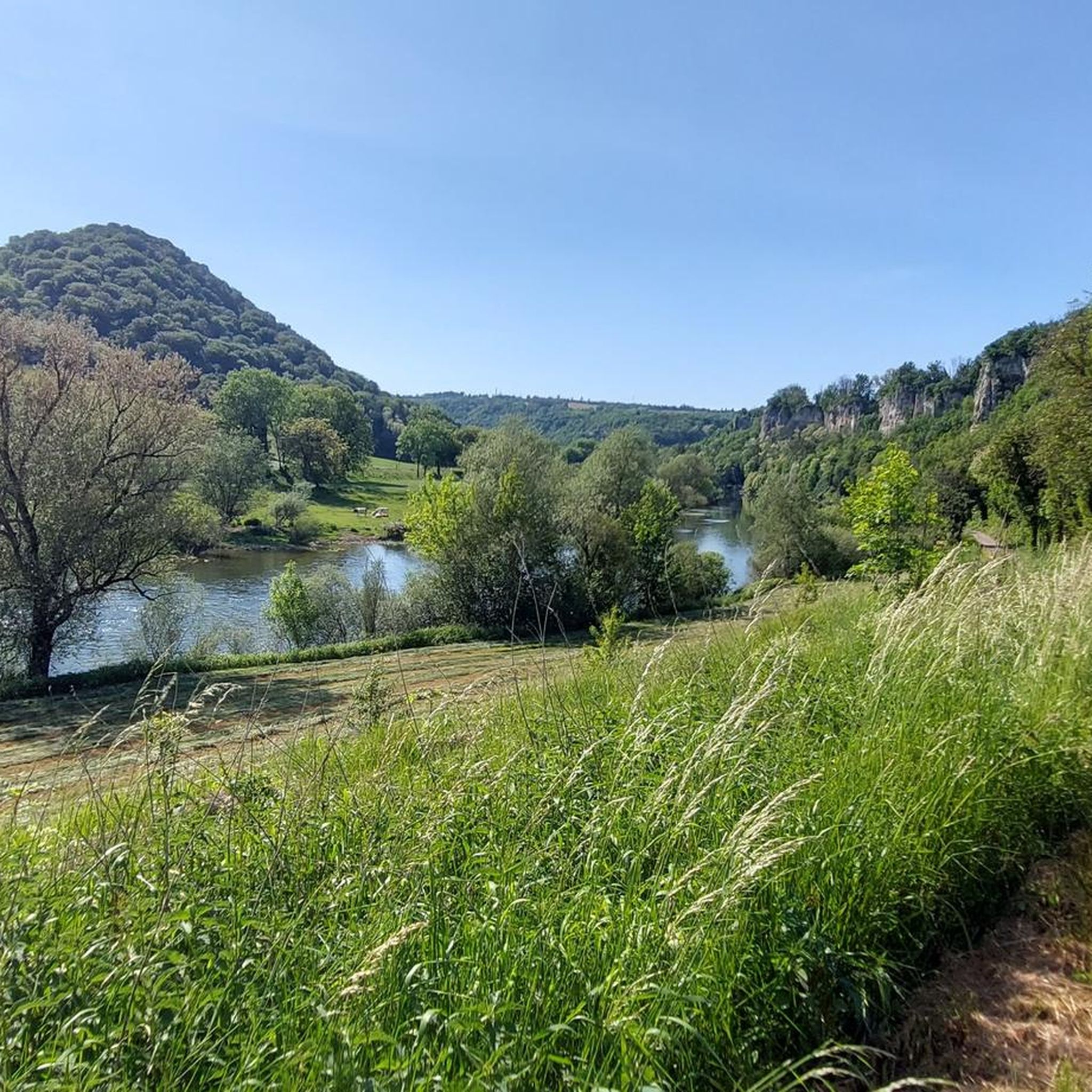
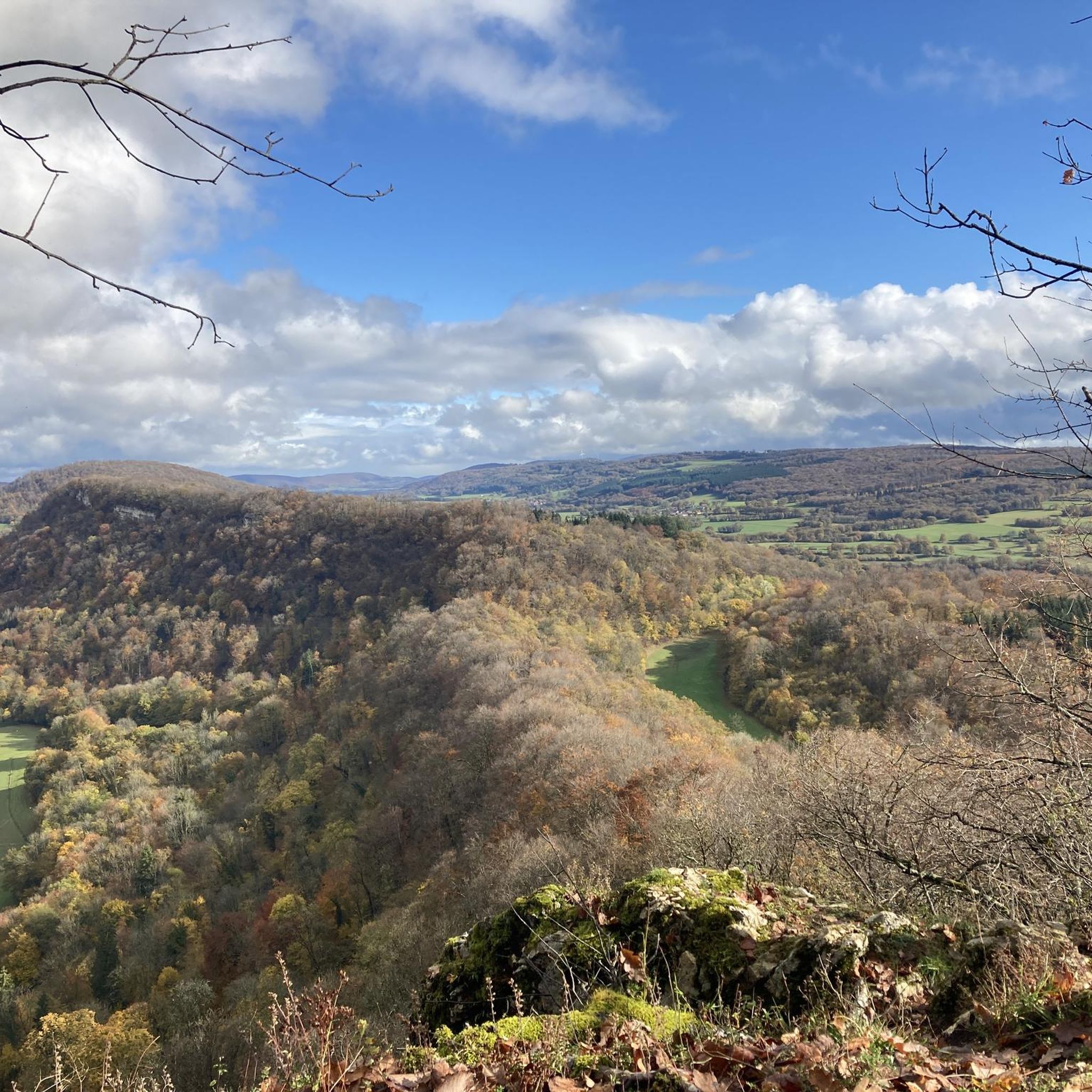
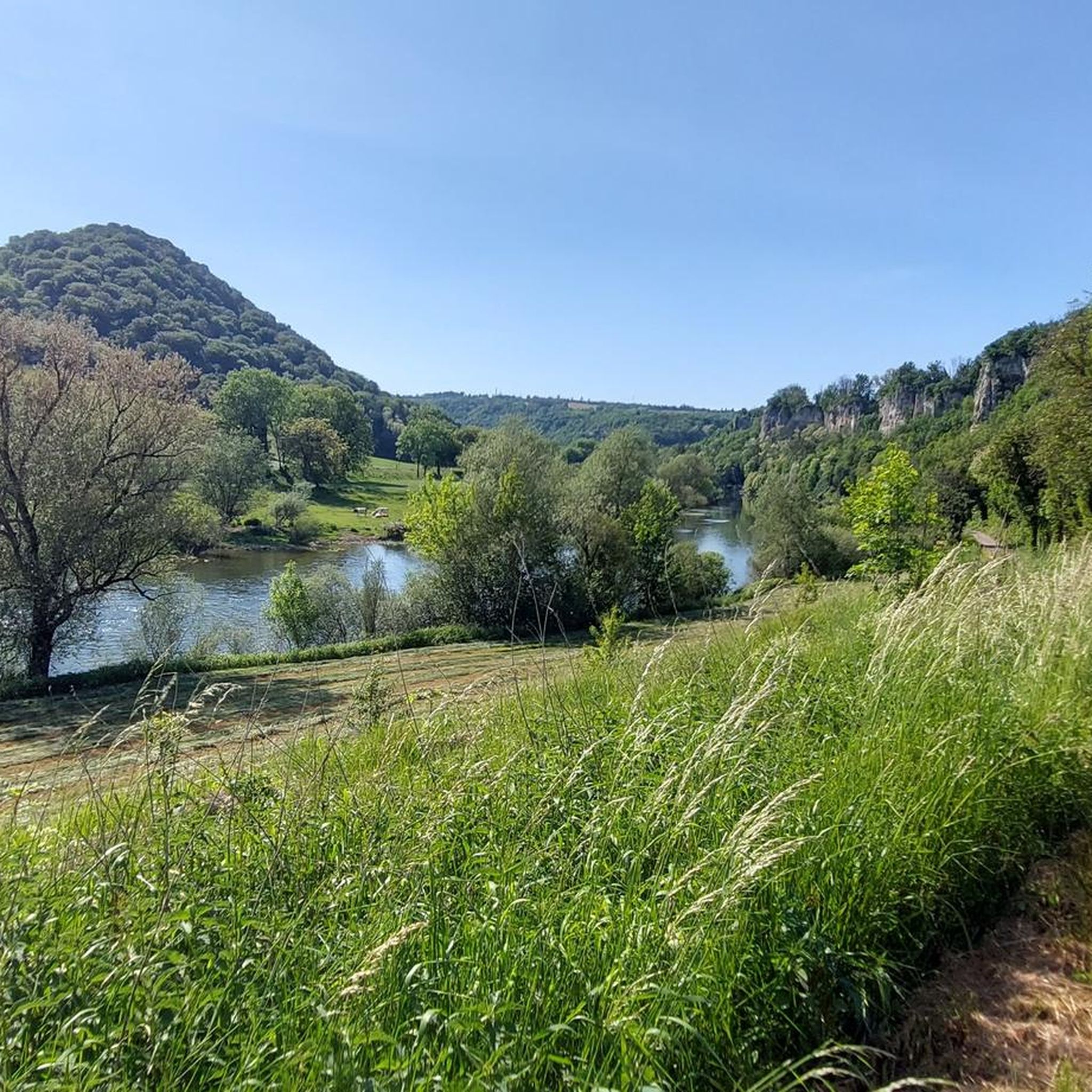
View of the Loue River from the Cave
Highlight • Cave
Translated by Google •
Tip by

Start today with a free account
Your next adventure awaits.
Login or Signup

Tips from the Community

The green spring or the Cuse is located on the left side of the river at approximately the same height as the blue spring. This is the true source of Cusancin. The upper gallery of the cave was walled with dry stones.
0
0

Cannot be reached directly from the cycle path.
2
0

After a small barrier and a small climb comes a nice point to rest. Attention, it is not recognizable at first glance. Behind the bush is a very small path.
0
0

High grotto with wonderful limescale deposits - accessible via a metal ladder even without equipment. The grotto does not lead deep into the rock, the daylight is sufficient, you do not need a flashlight. It is freely accessible to everyone.
1
0

On the other side of the train tracks up the hill are the wild undeveloped karst caves of Fourbanne, a dream for fans of speleology. Bring good light, rugged cloths, and wear your helmet (you're biking, so you have a helmet!). https://inpn.mnhn.fr/zone/znieff/430013670 See video https://www.youtube.com/watch?v=7nxTiEY92I8
1
4

The cave is listed as a real classic among speleologists. Through a very small shaft entrance of just 30 x 50 cm. you have to abseil about 7 meters ... Then the next 18 meter deep shaft. A final climbing step, about 5 meters lower, ends in an impressive and large hall with beautiful stalactite columns.
4
0
Frequently Asked Questions
What types of caves can I explore around Saint-Juan?
The Saint-Juan region offers a diverse range of underground explorations. You can find accessible grottoes like Grotte Sous Buen, which features wonderful limescale deposits and is easily accessible. For more adventurous visitors, there are challenging speleological sites such as Grotte du Petit Siblot and Fourbanne Cave, which are wild, undeveloped karst caves ideal for experienced cavers.
Are there family-friendly caves in Saint-Juan?
Yes, Grotte Sous Buen is considered family-friendly. It's a high grotto with beautiful limescale deposits, accessible via a metal ladder, and daylight is sufficient inside, so you don't even need a flashlight. It's freely accessible to everyone.
What are the most challenging caves for experienced speleologists?
For experienced speleologists, Grotte du Petit Siblot is a classic. It requires abseiling through shafts, including a 7-meter drop and an 18-meter deep shaft, to reach an impressive hall with stalactite columns. Fourbanne Cave also offers wild, undeveloped karst caves that are a dream for fans of speleology, requiring good light and appropriate gear.
What kind of natural features can I expect to see in the caves?
The caves around Saint-Juan are known for impressive karst landscapes. You can find wonderful limescale deposits in grottoes like Grotte Sous Buen. Deeper caves like Grotte du Petit Siblot feature stunning stalactite columns. The region also offers viewpoints, such as the one providing a View of the Loue River from the Cave.
Do I need special equipment to explore the caves?
For accessible grottoes like Grotte Sous Buen, no special equipment is needed, and daylight is sufficient. However, for challenging speleological sites such as Grotte du Petit Siblot and Fourbanne Cave, you will need specialized equipment like ropes for abseiling, good lighting, rugged clothing, and a helmet.
Are there any viewpoints associated with the caves?
Yes, there is a highlight called View of the Loue River from the Cave. After a small barrier and a climb, you can find a nice spot to rest and enjoy the view of the Loue River.
What outdoor activities can I do near the caves around Saint-Juan?
The area around Saint-Juan offers various outdoor activities. You can find numerous cycling routes, including touring bicycle routes like the 'Saut de Gamache Viewpoint – Le Moulin Vermoret loop from Fourbanne' or more challenging options. There are also gravel biking routes and extensive MTB trails. For more details, you can explore the Cycling around Saint-Juan, Gravel biking around Saint-Juan, and MTB Trails around Saint-Juan guides.
What should I wear for cave exploration in Saint-Juan?
For easy grottoes, comfortable walking attire is usually sufficient. However, for more challenging and undeveloped karst caves, it's recommended to wear rugged clothing that can withstand damp and potentially muddy conditions. A helmet is also essential, especially if you are engaging in activities like abseiling or exploring tighter passages.
What do visitors enjoy most about the caves around Saint-Juan?
Visitors appreciate the diverse range of experiences, from easily accessible grottoes to challenging speleological sites. The impressive rock formations, such as limescale deposits and stalactite columns, are a major draw. The opportunity for both family-friendly explorations and advanced caving expeditions, combined with scenic viewpoints, makes the region appealing to a wide range of outdoor enthusiasts.
Are there any specific tips for finding the Fourbanne Cave?
The Fourbanne Cave cannot be reached directly from the cycle path. It is located on the other side of the train tracks, up the hill. It's advisable to bring good light, wear rugged clothes, and a helmet for exploration.
Is there a cave that offers views of a river?
Yes, the View of the Loue River from the Cave offers a scenic spot. After a short climb past a small barrier, you'll find a pleasant resting point with views of the Loue River.
Most popular routes around Saint-Juan
Most popular attractions around Saint-Juan

Get inspired with the komoot mobile app


Explore more
Extend your search for the best caves by checking out these guides of the top ones around Saint-Juan:
