Top 4 Gorges around Bélesta
Best canyons around Bélesta are situated in the Pyrénées-Orientales department of the Occitania region, an area characterized by its diverse natural landscapes. This region features significant geological formations, including gorges and karstic massifs, shaped by millions of years of erosion. The terrain offers a range of natural features, from unique rock formations to river-carved canyons, providing varied outdoor experiences.
Best canyons around Bélesta
- The most popular canyons is Guilléra Gorges and Rodès Canal, a gorge that features a river and a canal near Rodès. This location offers hiking opportunities along the canal, with the Têt river on one side and tunnels on the other.
- Another must-see spot is The Organ Pipes of Ille-sur-Têt, a natural monument with unique geological structures. These "fairy chimneys" are reliefs sculpted by water in clay and sand, formed over millions of years.
- Visitors also love Gouleyrous Gorge, a gorge offering views starting from Tautavel. This location provides expansive views both up and down the gorge.
- Bélesta is known for its gorges, natural monuments, and river-carved landscapes. The area offers a variety of natural features to see and explore, from unique rock formations to historical sites within gorges.
- The canyons around Bélesta are appreciated by the komoot community, with over 95 upvotes and more than 235 photos shared by visitors.
Last updated: May 11, 2026
The Organ Pipes of Ille-sur-Têt
Highlight • Gorge
Translated by Google •
Tip by

Guilléra Gorges and Rodès Canal
Highlight (Segment) • Gorge
Tour to the highlight: komoot.de/tour/340848344?ref=itd
Translated by Google •
Tip by

Sign up now to discover places like this
Get recommendations on the best single tracks, peaks, & plenty of other exciting outdoor places.
Sign up for free
Gouleyrous Gorge
Highlight (Segment) • Gorge
Translated by Google •
Tip by

Tautavel Gorge
Highlight • Gorge
Translated by Google •
Tip by
Ruins at Gorges de la Guillera
Highlight (Segment) • Historical Site
Translated by Google •
Tip by

Start today with a free account
Your next adventure awaits.
Login or Signup
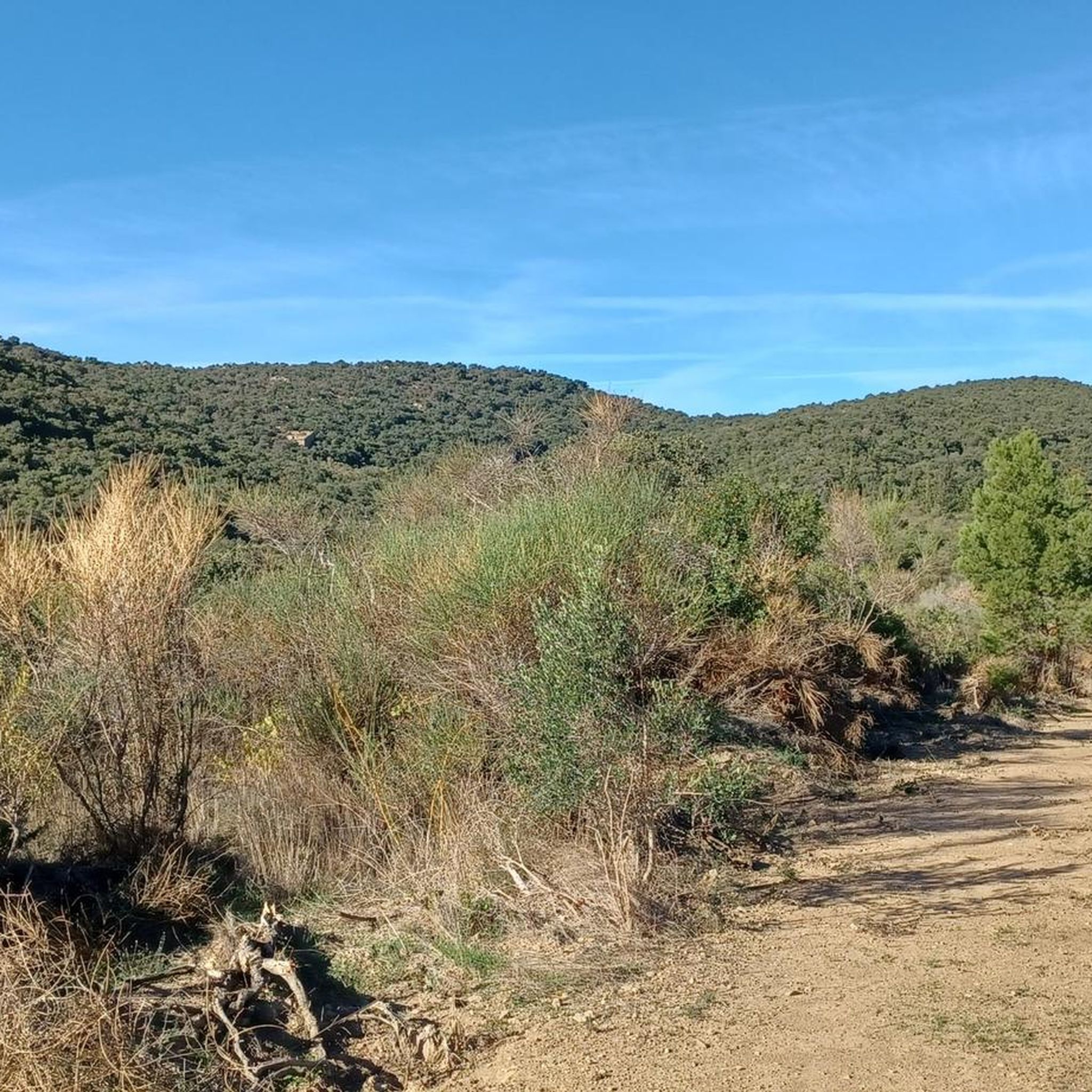
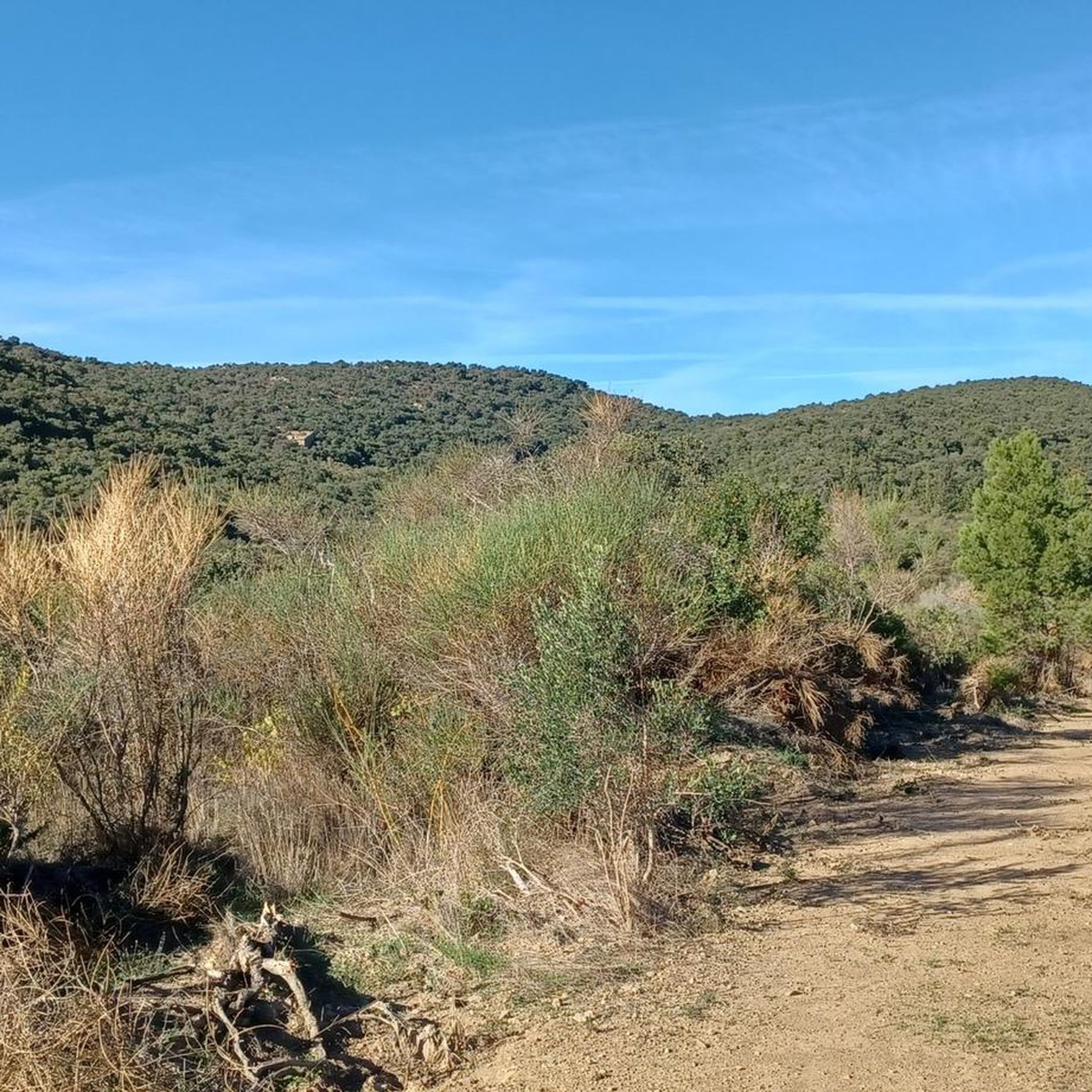
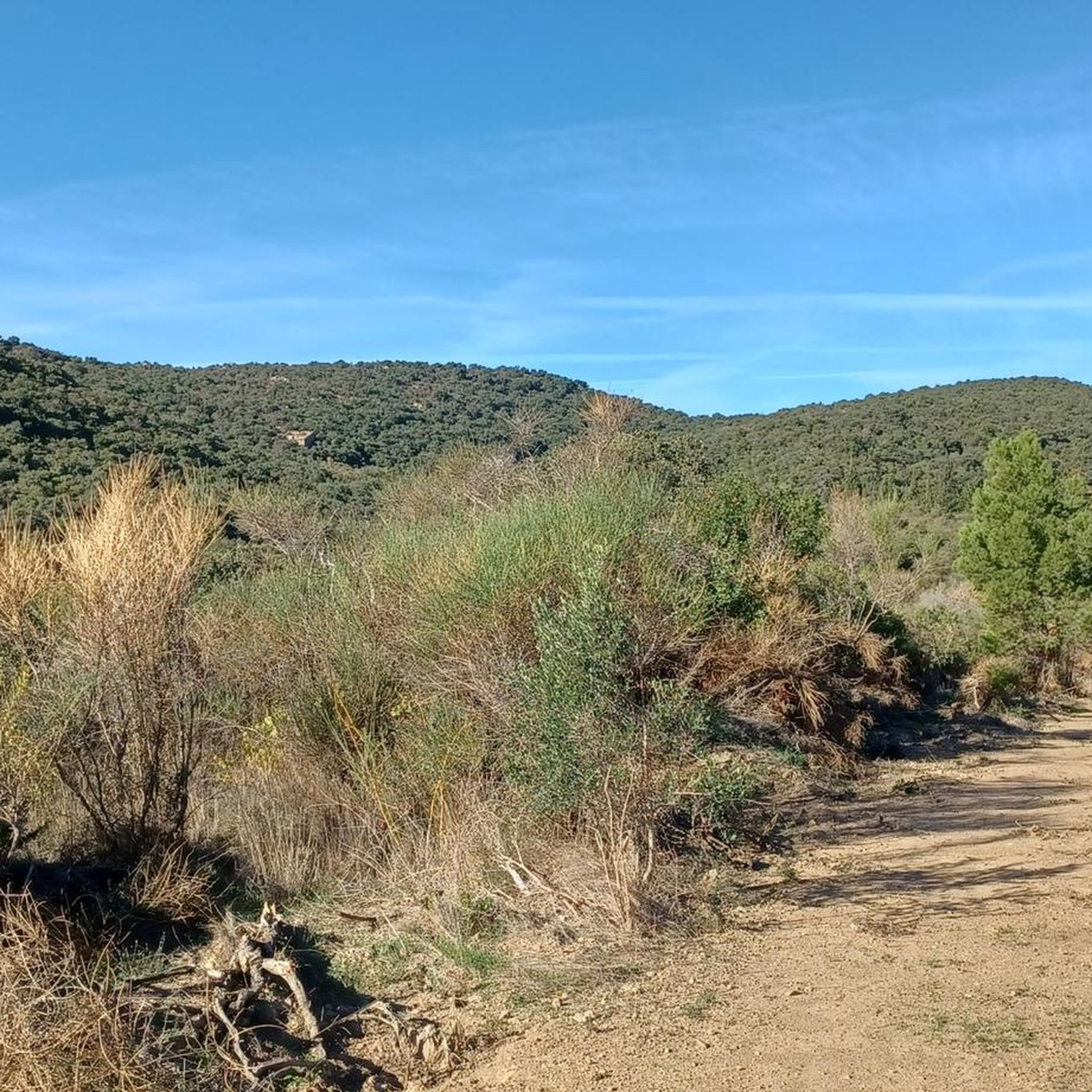
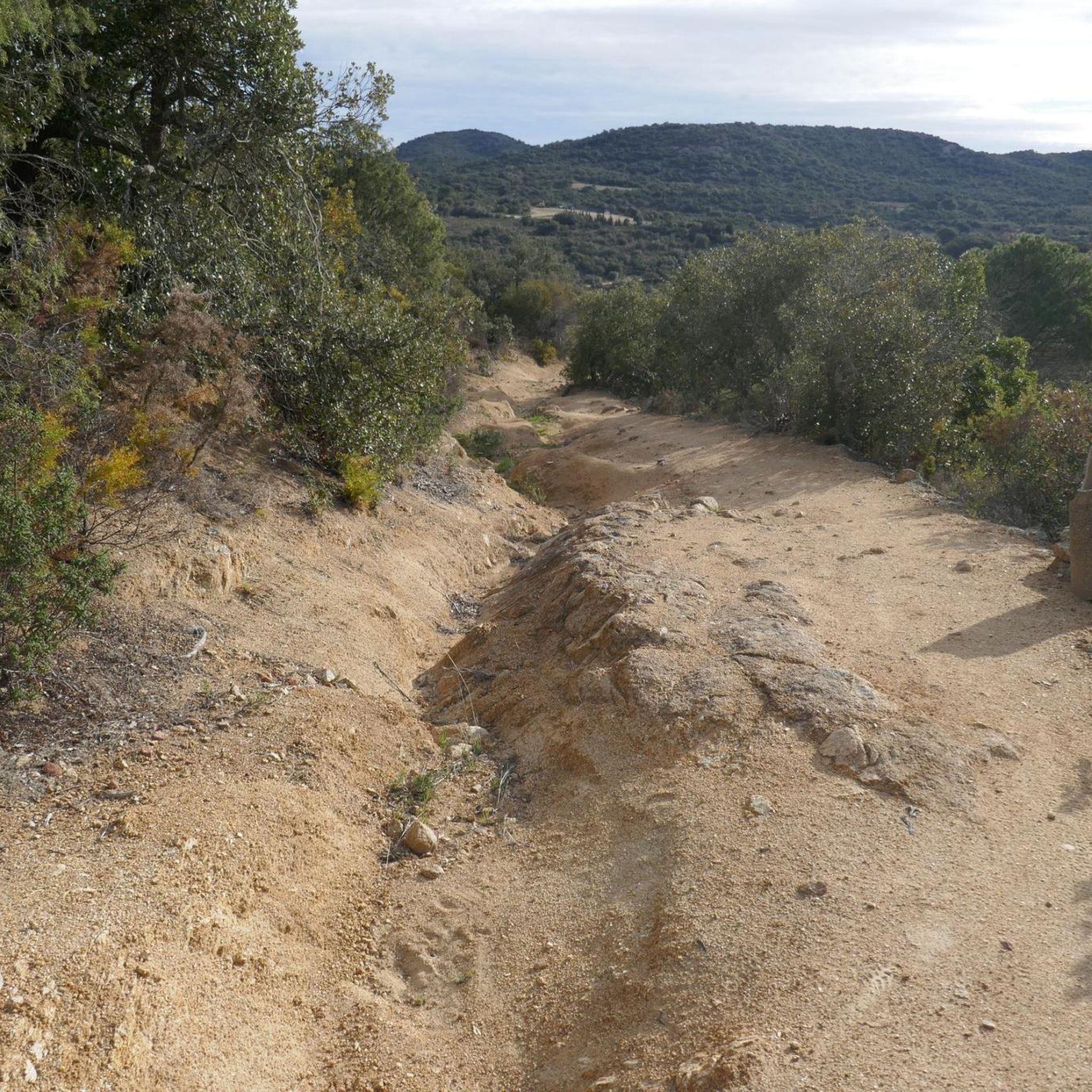

Tips from the Community

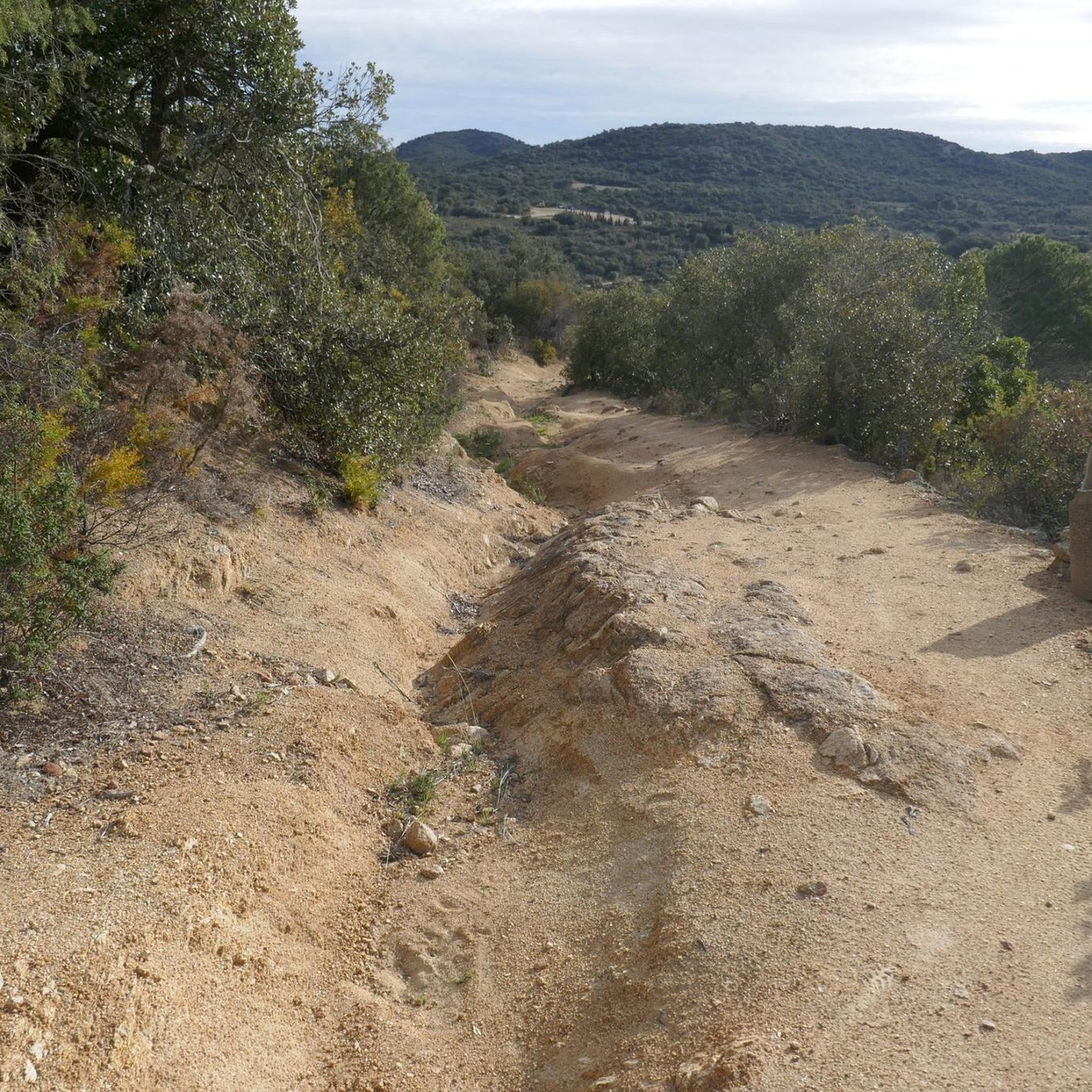
My photo (from Google Street View) shows the harmless steps at the beginning and end of this section. The komoot warning when planning this route is therefore not so bad, and the steps should be manageable even with luggage.
0
0

There is much to read about this landscape, formed by erosion over 50 million years, but you simply have to see it for yourself, it is so beautiful and unique.
7
0
A unique place in France, a landscape of fairy chimneys with a fragile, ephemeral beauty. It shows the cliffs of sand and clay, patiently chiseled by the rain. Erosion has worked like an artist
9
0
Orgues offers a view of these astonishing natural structures known as "fairy chimneys." It's a unique landscape with colorful reliefs that water has sculpted in clay and sand, torn from the Pyrenees and deposited in the Tet Valley over the course of 5 million years.
9
0

a small Bryce Canyon, very manageable, but worthwhile.
4
0


Easy access and very beautiful route
0
0
Frequently Asked Questions
What are some of the most popular gorges and canyons to explore around Bélesta?
The area around Bélesta, particularly in the Pyrénées-Orientales department, offers several popular natural attractions. Among the most visited are Guilléra Gorges and Rodès Canal, known for hiking opportunities along the canal and the Têt river. Another must-see is The Organ Pipes of Ille-sur-Têt, a unique natural monument with impressive geological structures. Visitors also appreciate Gouleyrous Gorge for its expansive views.
What unique natural features can I expect to see in the gorges around Bélesta?
The region is characterized by diverse geological formations shaped by millions of years of erosion. A standout feature is The Organ Pipes of Ille-sur-Têt, often called 'fairy chimneys,' which are reliefs sculpted by water in clay and sand. You'll also find river-carved canyons, deep gorges like Gouleyrous Gorge, and the impressive Guilléra Gorges with its accompanying canal.
Are there any historical sites within the gorges near Bélesta?
Yes, within the Gorges de la Guillera, you can find Ruins at Gorges de la Guillera. These historical remnants add a cultural dimension to the natural landscape, offering a glimpse into the past amidst the stunning scenery.
Are there family-friendly options for exploring the gorges around Bélesta?
Yes, The Organ Pipes of Ille-sur-Têt is categorized as family-friendly. Its unique 'fairy chimney' formations are a fascinating sight for all ages. For more active families, the Guilléra Gorges and Rodès Canal offer pleasant hiking opportunities along the canal, though caution is advised with strong water currents for dogs and small children.
What kind of hiking opportunities are available in the gorges around Bélesta?
You can enjoy various hiking experiences. The Guilléra Gorges and Rodès Canal offer a nice hike along the canal, often in the shade, with views of the Têt river and tunnels. While specific hiking trails for the other gorges aren't detailed, the presence of viewpoints at Gouleyrous Gorge and Tautavel Gorge suggests accessible paths for enjoying the scenery.
Can I go canyoning or aquatic hiking in the Bélesta area?
While the guide focuses on gorges for hiking and scenic views, the broader region around Bélesta (Pyrénées-Orientales) is known for canyoning. The Gorges du Llech Canyon, Canyon of Molitg-Les-Bains, and Galamus Gorge are popular spots for 'sports sensations' and initiation canyoning, suitable for beginners. These typically involve jumps, slides, and rappels in water-filled canyons.
What is the best time of year to visit the gorges around Bélesta?
The region's Mediterranean climate generally makes spring and autumn ideal for outdoor activities, with pleasant temperatures for hiking and exploring. For canyoning activities in the wider Pyrenees, late spring through early autumn (July to October for higher altitude canyons like Artigue) is often recommended when water levels are suitable and temperatures are warmer.
What other outdoor activities can I do near the gorges around Bélesta?
Beyond exploring the gorges, the area offers a variety of outdoor sports. You can find numerous cycling routes, including Cycling around Bélesta and Road Cycling Routes around Bélesta, with options ranging from moderate to difficult. There are also several Running Trails around Bélesta, offering diverse terrain for joggers.
Are there any viewpoints offering panoramic views of the gorges?
Yes, both Gouleyrous Gorge and Tautavel Gorge are highlighted as excellent viewpoints. They offer expansive vistas both up and down the gorges, allowing visitors to appreciate the scale and beauty of these natural formations.
What do visitors enjoy most about the gorges around Bélesta?
Visitors frequently appreciate the unique natural beauty and geological formations, such as the 'fairy chimneys' at The Organ Pipes of Ille-sur-Têt. The hiking opportunities along the Guilléra Gorges and Rodès Canal are also highly praised for their scenic charm and shaded paths. The area's appeal is reflected in over 95 upvotes and more than 235 photos shared by the komoot community.
Is the Corbeaux Chasm near Bélesta suitable for canyoning?
The Corbeaux Chasm (Trou du Corbeau) is a significant natural feature in the Bélesta forest (Ariège), described as a deep sinkhole. While impressive for its karstic nature and visual impact, it is not a traditional water-filled canyon for recreational descent. It's more suited for observation from a viewing platform and hiking through the surrounding fir forest.
Are there any easy canyoning experiences for beginners in the wider Bélesta region?
Yes, for beginners, the Argensou Canyon in the Ariège Pyrenees is highly recommended as an easy, half-day canyoning experience with natural slides and simple rappels. In the Pyrénées-Orientales, the Galamus Gorge is also known as an initiation canyoning trip suitable for those new to the activity.
Most popular routes around Bélesta
Most popular attractions around Bélesta

Get inspired with the komoot mobile app


Explore more
Already discovered everything in this region? See additional gorges around Bélesta for your next adventure:
