Top 4 Caves around La Bretenière
Best caves around La Bretenière are located within the surrounding Doubs and Jura departments, part of the Jura Mountains region. This area is characterized by diverse geological formations, shaped by water over millions of years. While La Bretenière itself does not host specific cave attractions, the nearby departments offer various subterranean experiences. These include grottoes, karst caves, and sites for speleology.
Best caves around La Bretenière
- The most popular caves is Grotte Sous Buen, a cave that features high…
Last updated: June 24, 2026
Grotte Sous Buen
Highlight • Cave
Translated by Google •
Tip by

Fourbanne Cave
Highlight • Cave
Translated by Google •
Tip by

Sign up now to discover places like this
Get recommendations on the best single tracks, peaks, & plenty of other exciting outdoor places.
Sign up for free
Grotte du Petit Siblot
Highlight • Cave
Through a very small shaft entrance of just 30 x 50 cm.
you have to abseil about 7 meters ... …
Translated by Google •
Tip by

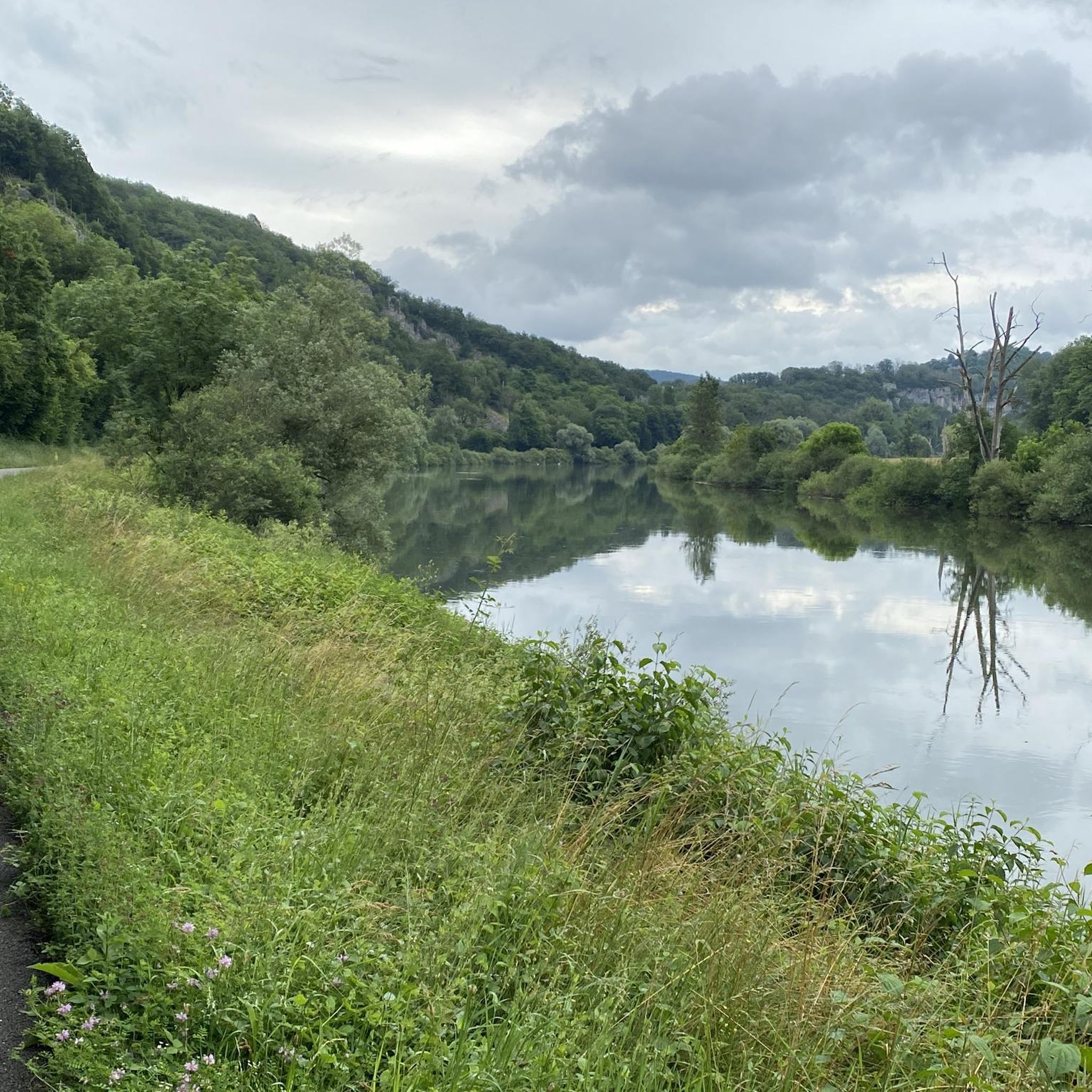
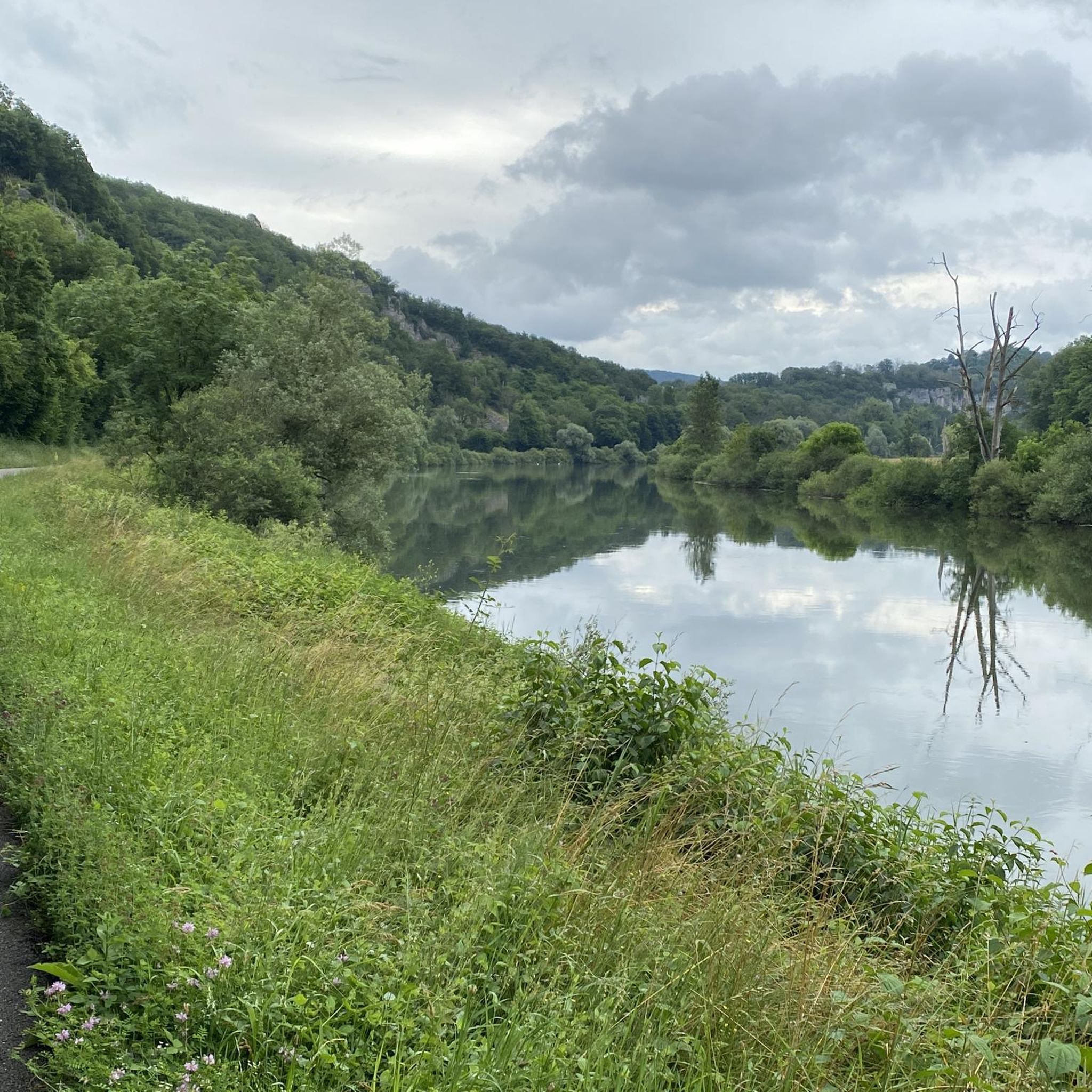
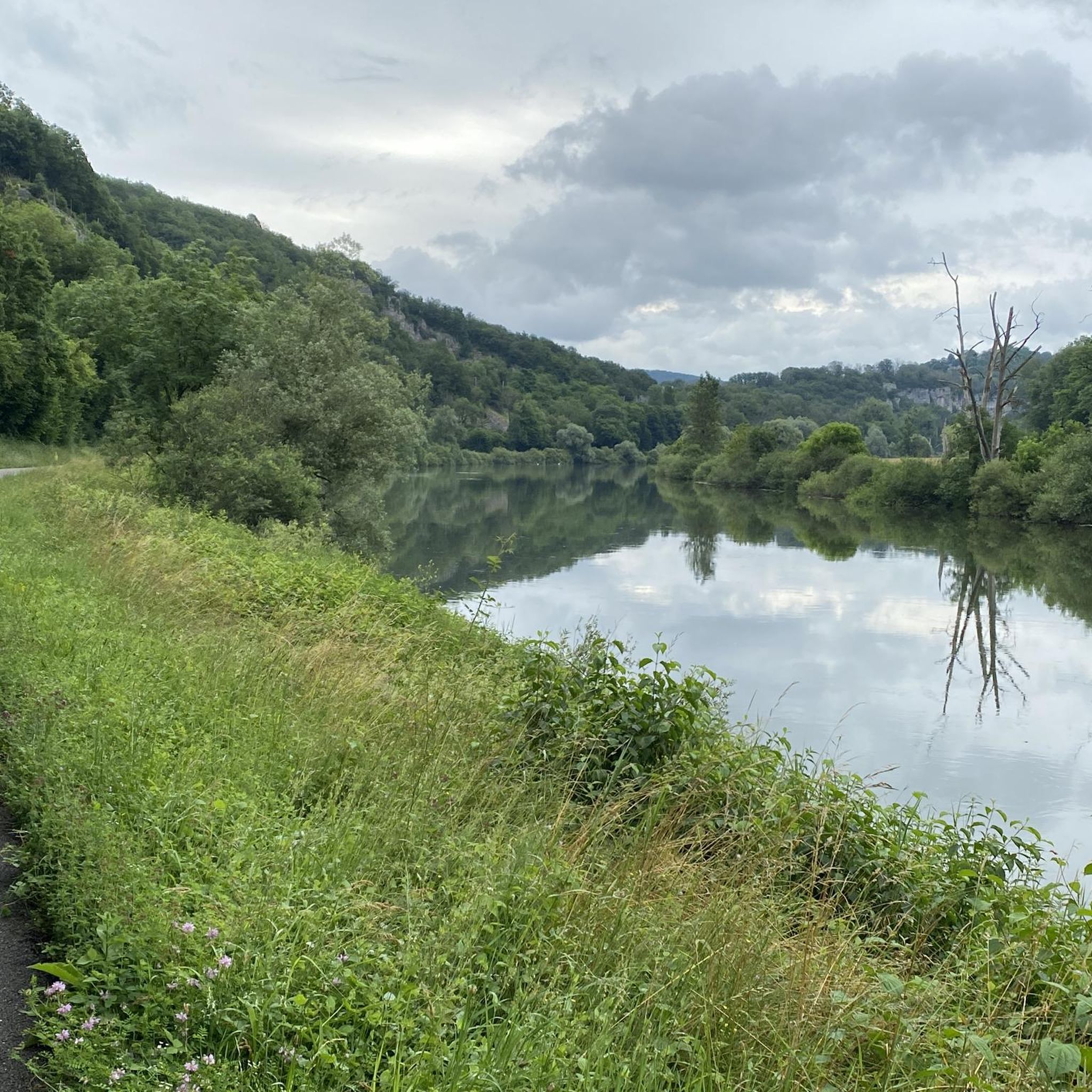
View of the Loue River from the Cave
Highlight • Cave
Translated by Google •
Tip by

Start today with a free account
Your next adventure awaits.
Login or Signup

Tips from the Community

Cannot be reached directly from the cycle path.
2
0

After a small barrier and a small climb comes a nice point to rest. Attention, it is not recognizable at first glance. Behind the bush is a very small path.
0
0

High grotto with wonderful limescale deposits - accessible via a metal ladder even without equipment. The grotto does not lead deep into the rock, the daylight is sufficient, you do not need a flashlight. It is freely accessible to everyone.
1
0

On the other side of the train tracks up the hill are the wild undeveloped karst caves of Fourbanne, a dream for fans of speleology. Bring good light, rugged cloths, and wear your helmet (you're biking, so you have a helmet!). https://inpn.mnhn.fr/zone/znieff/430013670 See video https://www.youtube.com/watch?v=7nxTiEY92I8
1
4

The cave is listed as a real classic among speleologists. Through a very small shaft entrance of just 30 x 50 cm. you have to abseil about 7 meters ... Then the next 18 meter deep shaft. A final climbing step, about 5 meters lower, ends in an impressive and large hall with beautiful stalactite columns.
4
0
Frequently Asked Questions
What types of caves can I explore near La Bretenière?
The region around La Bretenière, particularly in the Doubs and Jura departments, offers a variety of subterranean experiences. You can find grottoes, karst caves, and sites suitable for speleology. These range from easily accessible grottoes like Grotte Sous Buen to challenging speleology sites such as Grotte du Petit Siblot and Fourbanne Cave.
Are there any family-friendly caves to visit near La Bretenière?
Yes, Grotte Sous Buen is considered family-friendly. It's a high grotto with impressive limescale deposits, accessible via a metal ladder, and daylight is sufficient, so no flashlight is needed. For a more developed experience, the Osselle Cave is one of the oldest tourist caves in the world, featuring an underground river and impressive formations, suitable for a family visit.
What are some of the most historically significant caves in the region?
The Osselle Cave, located between the Doubs and Jura departments, is one of the most historically significant. It has been open to visitors since the 16th century and is notable for being a significant burial site for cave bears, with skeletons discovered within its depths. Some tunnels were even widened in the past to accommodate visitors in elaborate dresses.
Which caves offer impressive geological formations?
Many caves in the region boast spectacular geological features. Osselle Cave, Baume-les-Messieurs Cave, and Moidons Cave are all renowned for their beautiful stalactites, stalagmites, columns, and draperies. The Gouffre de Poudrey is famed for its vastness and spectacular rock formations.
Are there caves suitable for beginner caving or speleology?
For those interested in beginner caving, the Cavottes Cave (Montrond Cave) near Besançon in the Doubs department is suitable. It offers a varied progression route with roped passages and even a zip line. For more challenging speleology, Grotte du Petit Siblot and Fourbanne Cave are known for their wild, undeveloped karst environments, requiring good light and rugged clothing.
What should I wear when visiting caves in the La Bretenière area?
Temperatures inside caves are consistently cool, often around 7°C (45°F), even in summer. It's advisable to wear warm layers and sturdy, closed-toe shoes. For undeveloped caves or speleology, rugged clothing and a helmet are essential. Some caves, like Fourbanne Cave, specifically recommend bringing good light and wearing a helmet.
Can I find caves with underground rivers or lakes?
Yes, both the Osselle Cave and the Baume-les-Messieurs Cave feature underground rivers. Baume-les-Messieurs Cave also includes an underground lake as part of its tour, offering a unique subterranean water experience.
Are there any caves near La Bretenière that are accessible by electric bike?
The Moidons Cave is unique in that it can be visited by electric bike. It's located in the heart of the Jurassian forest and also features a new gallery providing easy access, making it a convenient option for cyclists.
What outdoor activities can I combine with a cave visit near La Bretenière?
The region offers various outdoor activities. You can find numerous hiking trails, such as the easy Grotte Sous Buen – Saint-Martin Church loop from Baume-les-Dames. There are also extensive road cycling and mountain biking routes. For example, the 'At Baume – MTB Parking loop from Fourbanne' is an easy mountain bike trail near Fourbanne Cave.
When is the best time of year to visit the caves?
Many caves, like the Gouffre de Poudrey, offer a refreshing escape during warmer months due to their cool internal temperatures. However, some caves, such as Baume-les-Messieurs Cave, close to the public in winter as they become bat sanctuaries and can be prone to flooding. It's always best to check specific cave opening hours before planning your visit.
Are there any caves that offer sound and light shows?
Yes, both the Gouffre de Poudrey and the Moidons Cave enhance their visitor experience with sound and light shows. These shows highlight the impressive rock formations and geological features within the caves.
What makes the Gouffre de Poudrey unique?
The Gouffre de Poudrey is remarkable for its immense size; it's claimed that the entire Notre-Dame Cathedral of Paris could fit inside. Visitors descend 70 meters below the surface to witness spectacular rock formations, often accompanied by sound and light shows.
Most popular routes around La Bretenière
Most popular attractions around La Bretenière

Get inspired with the komoot mobile app


Explore more
Extend your search for the best caves by checking out these guides of the top ones around La Bretenière:
