Top 8 Caves around Stieringen-Wendel
Best caves around Stieringen-Wendel offer a blend of natural formations and historical significance, primarily located near Saarbrücken. The region features sites that have been shaped by both geological processes and human activity over centuries. These locations provide insights into ancient Roman cults and industrial heritage, making them notable for those interested in history and natural exploration. The landscape around Stieringen-Wendel is characterized by its historical depth and varied underground structures.
Best caves around Stieringen-Wendel
- The most popular caves is Mithras…
Last updated: June 24, 2026
Mithras Cave (Heathen Chapel) on the Halberg
Highlight • Cave
Translated by Google •
Tip by

Former Beer Cellar at Grube Von der Heydt
Highlight • Historical Site
Translated by Google •
Tip by

Sign up now to discover places like this
Get recommendations on the best single tracks, peaks, & plenty of other exciting outdoor places.
Sign up for free
Sainte-Hélène Cave-Chapel
Highlight • Cave
Translated by Google •
Tip by

Bat Cave
Highlight • Cave
Translated by Google •
Tip by

Grotto of the Virgin Mary
Highlight • Religious Site
Translated by Google •
Tip by

Sign up for free to discover even more caves around Stieringen-Wendel.
Sign up for free
Already have an account?
Start today with a free account
Your next adventure awaits.
Login or Signup
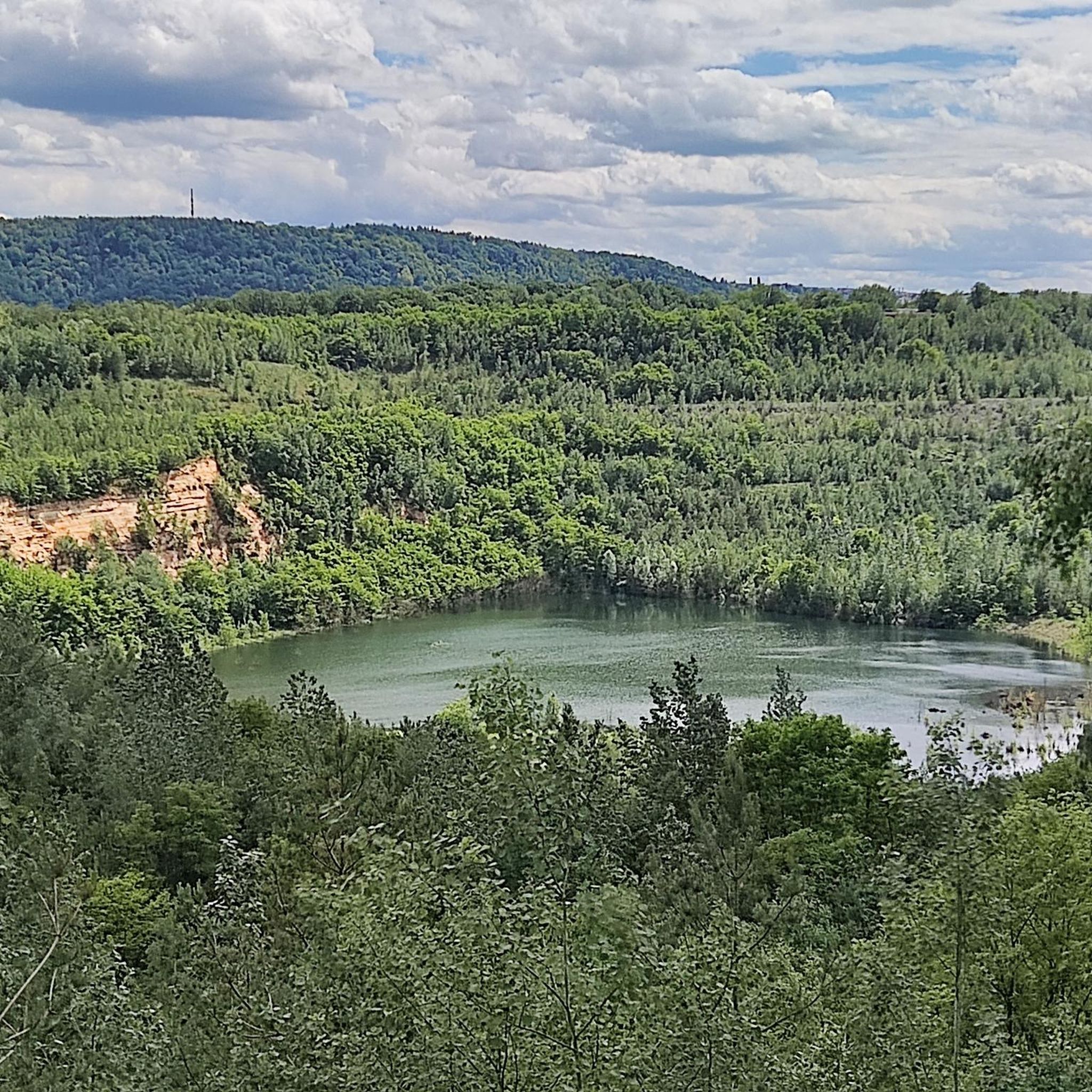
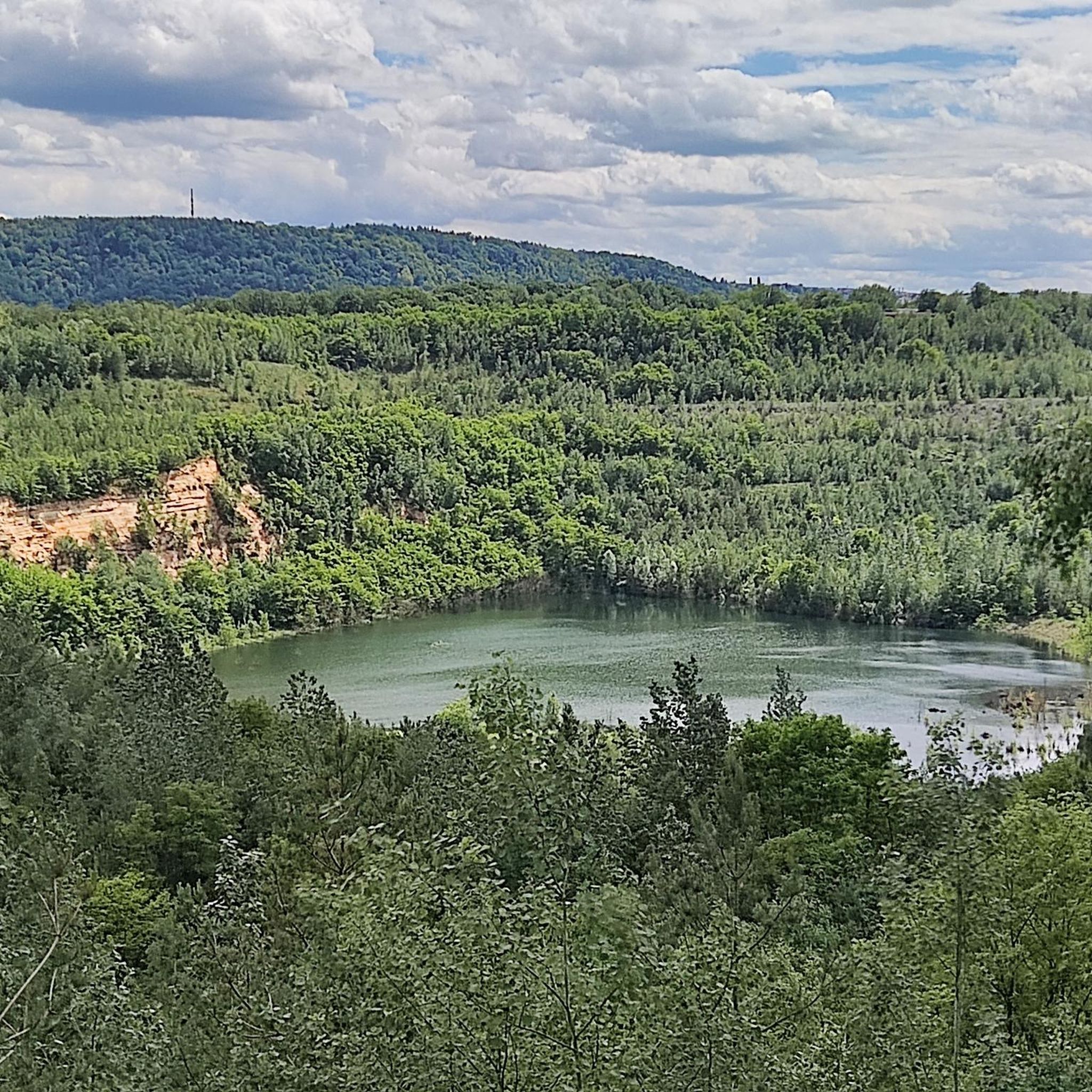
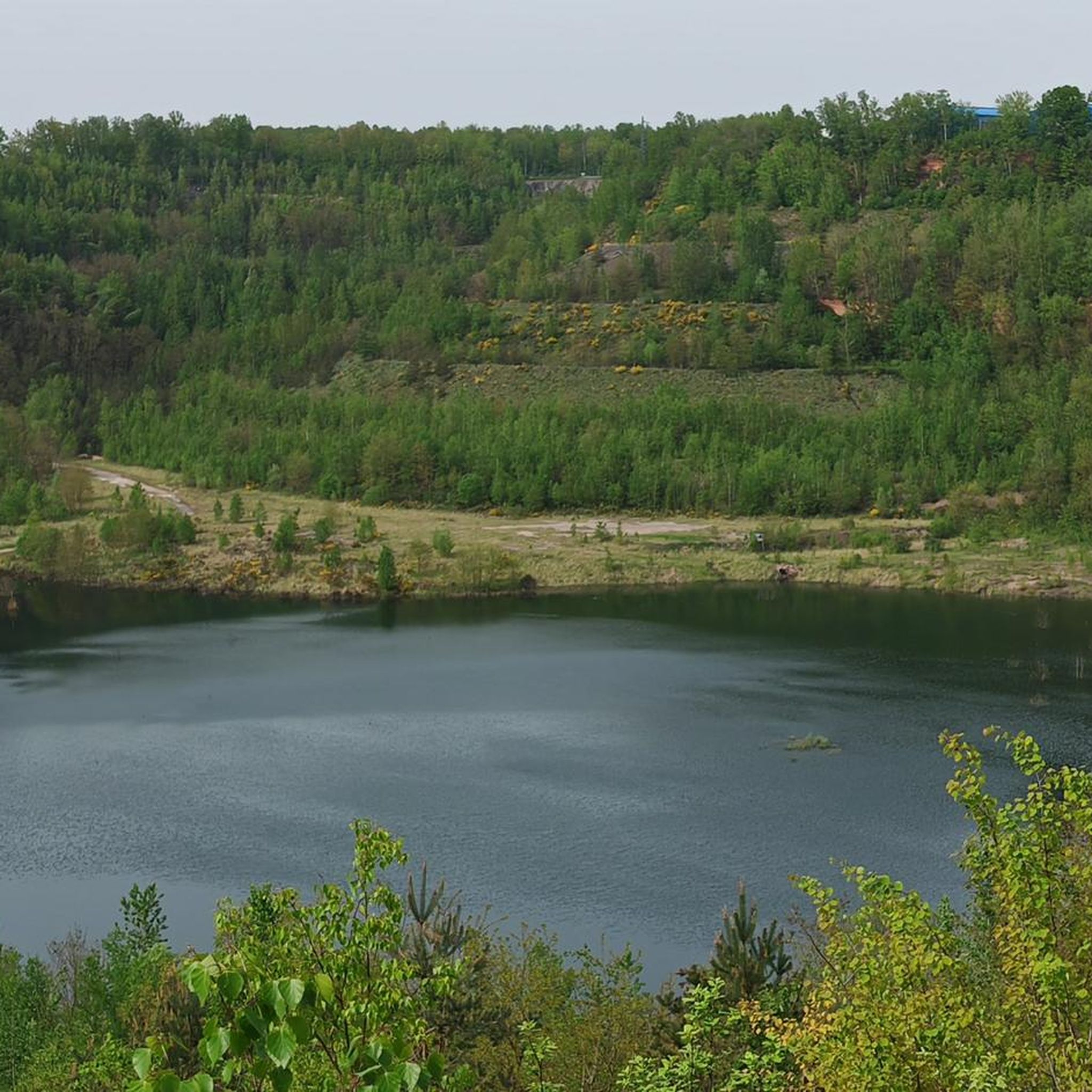
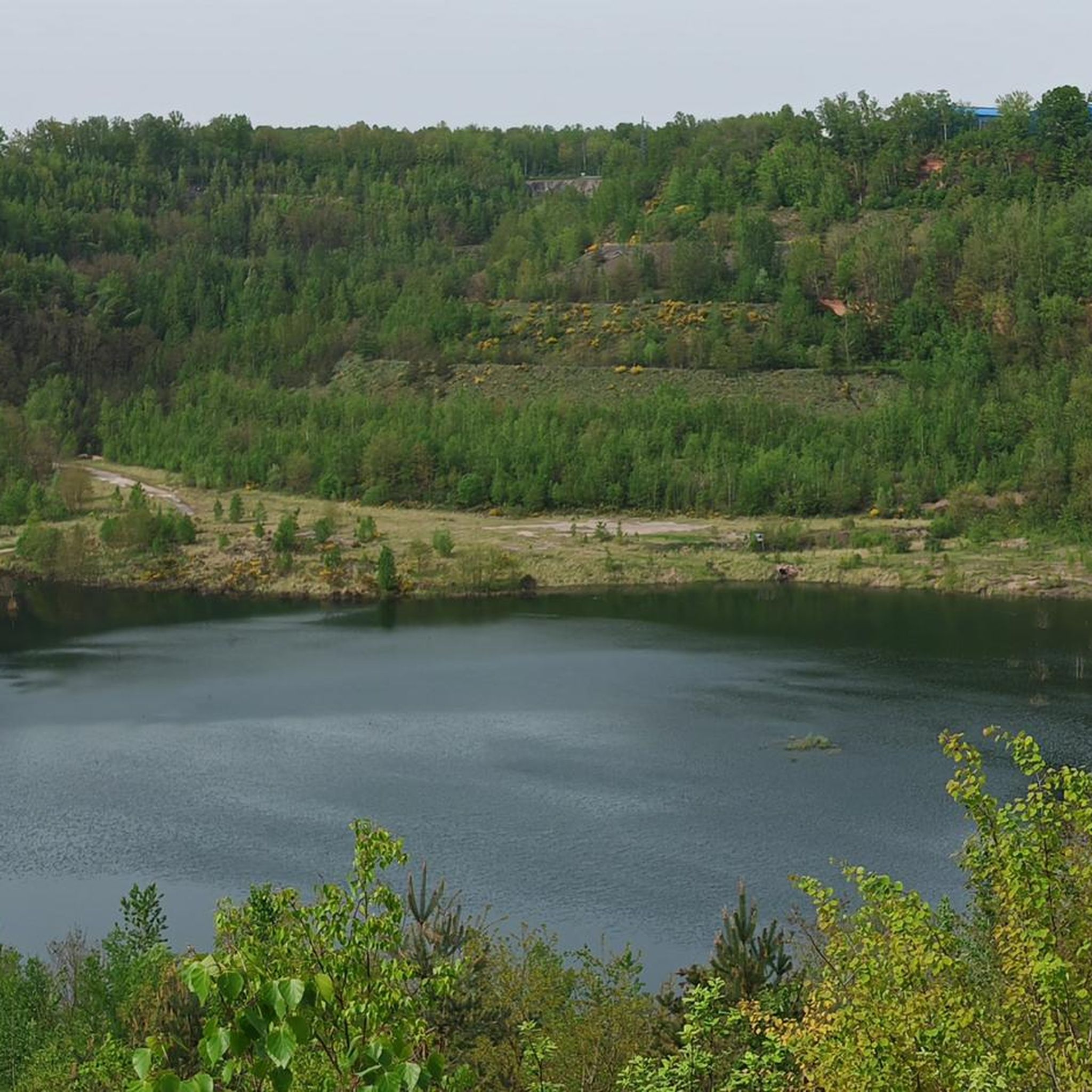
Tips from the Community

Mithraeum (Latin mithraeum, plural mithraeen) is the name given to the temples of the Mithras cult. Mithraeums were usually built underground or carved into rock. A relatively small cult room was sufficient for the Mithras communities, which had only one to two dozen members. The largest known mithraeum had space for 80 believers. In contrast to Christianity, where larger churches were built in larger communities, in Mithraism the number, not the volume, was increased. At the height of the Mithras cult in the 3rd century, there were supposedly 800 mithraeums in Rome alone. However, since the individual mithraeums were usually not in use for long, this high number says nothing about the number of followers. To date, the remains of over 1000 mithraeums have been archaeologically proven throughout the entire Roman Empire.
1
0

For me this is one of the sensations in Saarbrücken! The cave and the recesses created later are still in great condition. There is also a bench under a ledge. If only it weren't for the car noise (like it was 2,000 years ago). "In pre-Christian and Roman times, a Mithraic cult was practiced on the Halberg - by the Gallo-Romans who lived here or the Roman soldiers of the nearby garrison. For this purpose, they created a barrel-vaulted mithraeum in the sandstone on the western slope of the Halberg, which is known in older literature as the "Heidenkapelle " is called. After Christianization in the 6th century, the grotto was incorporated into Christian worship. This means that the Halberg is possibly the oldest Christian place of worship in the region. The remains of this site can still be admired here and are in a relatively well-preserved condition." https://de.wikipedia.org/wiki/Halberg_(Saarland)
3
0

With the closure of the Amelung and Steinbach shafts in 1932 during the global economic crisis, Von der Heydt's time as an independent mine ended. In 1951 the Amelung shafts were swamped and used as extending weather shafts for the Viktoria mine in Püttlingen until 1963. During the construction of the Ludwigsstollen, the composite tunnel between the Luisenthal and Jägerfreude mines, the Amelung shafts were used in 1963 for ventilation, cable transport and material transport.[1] After the mine was finally closed in 1965, the daytime facilities were largely demolished. The mining machine house at the Amelung I shaft, a magazine building from 1885/1886 and the colliery house at the Amelung II shaft, which was built as an administration building and building in the early 1950s when the mine was reactivated, have been preserved.[2] The station building, which was built around 1870, has also been preserved. The station was used for passenger traffic until October 1959; until the end of the 1990s the one in Von der
1
0
it established the connection to the Steinbachtal in the east. The Kirchheckschächte and the Steinbachschächte were built at the Burbach tunnel.[1] Between 1865 and 1869, rope conveying was also used in the Burbach tunnel; between 1873 and 1917 the coal was transported using a chain railway.[2] In 1885 the mine employed 2,777 miners; Over 700,000 tons of coal were mined.[3] Between 1884 and 1886, the Amelung I shaft (named after the mining captain Karl Gustav Amelung, 1818–1866) was sunk; This means that the Von der Heydt mine transitioned from tunnel construction to civil engineering very late.[4] A second production shaft followed in 1899, the Amelung II shaft. In the east of the mine field, the Neuhaus I weather shaft was built in 1901. From 1920, as a result of the Treaty of Versailles, the mine was under French administration. In the district of Rastpfuhl, another weather shaft, the Pasteur or South Shaft, was sunk in 1922.
1
0
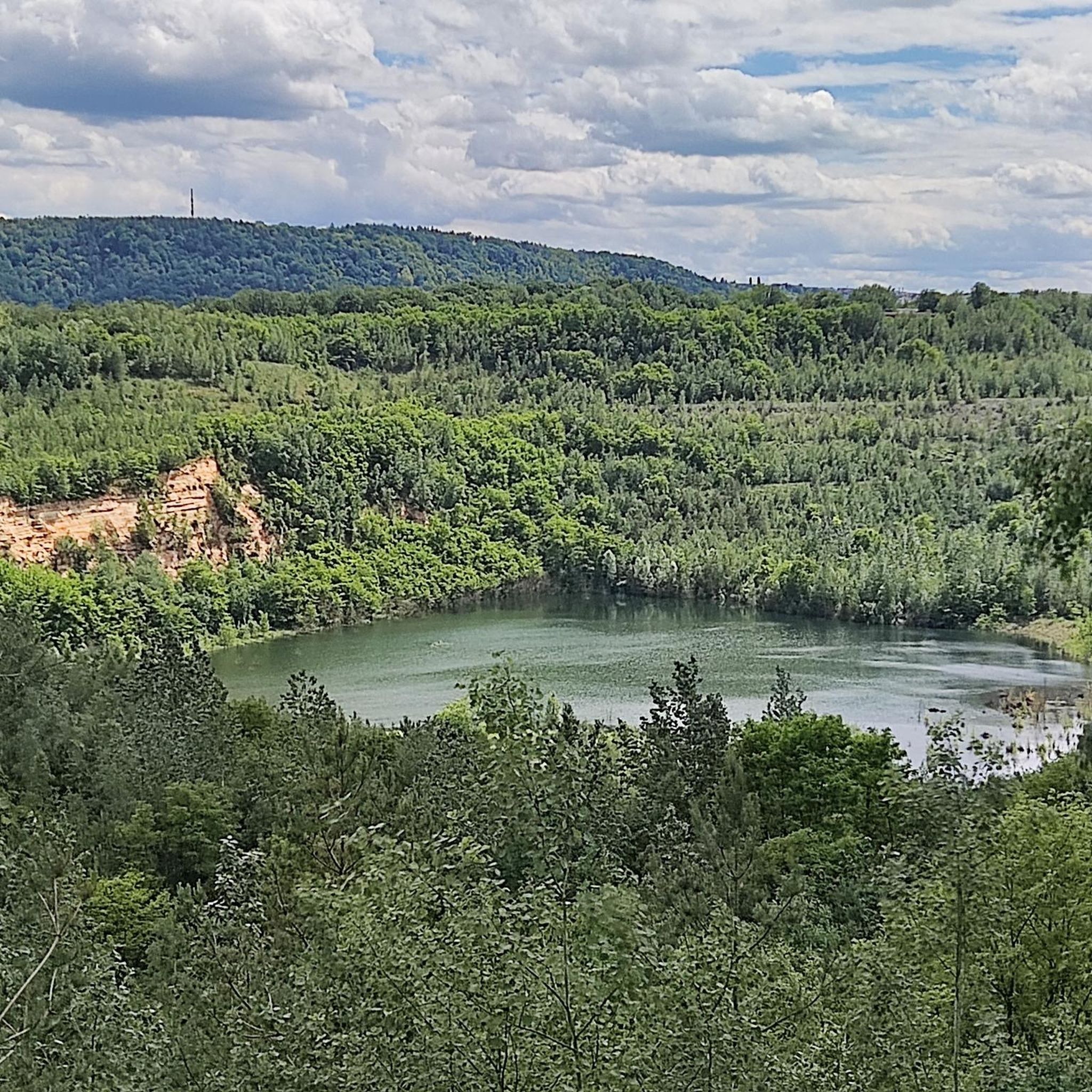
The pit - named after the banker and Prussian trade and finance minister August Freiherr von der Heydt (1801-1874) - was built in 1850 and is classified as one of the so-called railway pits that the Prussian mining treasury built when the Saar region was opened up by the Saarbrücken Railway. In 1852 the mine received a railway connection to St. Johann-Saarbrücken. In the upper Burbachtal, the location of the mine, coal mining had been carried out since at least 1770. In 1850, the approximately 1.3 kilometer long Von Heydt tunnel leading to the northwest was struck. In this tunnel, horizontal cable conveyance was used for the first time in Europe in 1862; previously it had been supported with horses. The Lampennest tunnel, which was started in 1853, served to promote the Lampennest mine, located north of the Burbachtal near Güchenbach (today Riegelsberg). Between 1855 and 1862, the approximately 2.3 kilometer long Burbach tunnel was excavated in the opposite direction.
1
0

The rock grotto of the Saint Helena Chapel was formerly a Celtic settlement and was used as a pilgrimage site.
2
0
The rock grotto of the St. Helena Chapel was formerly a Celtic settlement and was used as a pilgrimage site.
1
0

Directly behind the church you will find this very large Mariengrotte. I am always amazed at the way the French pay homage to Mary
1
0
Frequently Asked Questions
What kind of caves can I explore around Stieringen-Wendel?
The region around Stieringen-Wendel offers a mix of natural caves with historical significance and sites related to industrial heritage. You can find ancient Roman sanctuaries, such as the Mithras Cave (Heathen Chapel) on the Halberg, and former mining tunnels like the Former Beer Cellar at Grube Von der Heydt.
Are there any historical caves to visit near Stieringen-Wendel?
Yes, the area is rich in history. The Mithras Cave (Heathen Chapel) on the Halberg is a significant historical site, originally a natural cave converted into a Roman sanctuary in the 3rd century AD. It offers a unique insight into the ancient Mithras cult. Another historical site is the Sainte-Hélène Cave-Chapel, which was formerly a Celtic settlement and later used as a pilgrimage site.
What is the Mithras Cave (Heathen Chapel) on the Halberg, and why is it important?
The Mithras Cave (Heathen Chapel) on the Halberg is a unique archaeological site near Saarbrücken. It was a natural cave transformed into a sanctuary for the Roman god Mithras in the 3rd century AD. It's considered one of the few Mithras temples where the original cave structure remains relatively intact, providing a rare glimpse into this ancient Roman cult and its practices.
Can I visit the Mithras Cave freely, or do I need a key?
The Mithras Cave (Heathen Chapel) on the Halberg is generally freely accessible. However, sometimes a key might be needed to enter a fenced area, though a good view is usually possible through the iron bars.
Are there any caves related to the region's industrial past?
Yes, the Former Beer Cellar at Grube Von der Heydt is a historical site that was once an entrance to a mountain. It's part of a former coal mine where coal mining activities took place since at least 1770, showcasing the industrial heritage of the area.
Are there any natural caves that are home to wildlife?
Yes, the Bat Cave is a small natural cave specifically noted for being a habitat for bats. It's a quiet spot where you can observe local wildlife.
What outdoor activities can I do near the caves around Stieringen-Wendel?
The region offers various outdoor activities. You can explore numerous routes for gravel biking, general cycling, and road cycling. These routes often pass by or are close to the historical and natural sites, allowing you to combine cave exploration with a bike tour.
What do visitors enjoy most about the caves in this region?
Visitors appreciate the unique blend of natural formations and deep historical significance. The opportunity to explore ancient Roman sanctuaries like the Mithras Cave and learn about the region's industrial past at sites like the Former Beer Cellar at Grube Von der Heydt are frequently highlighted. The historical context and the chance to see well-preserved ancient structures are major draws.
Are there any religious or spiritual sites among the caves?
Yes, both the Mithras Cave (Heathen Chapel) on the Halberg and the Sainte-Hélène Cave-Chapel have strong religious connections. The Mithras Cave was a Roman sanctuary, and the Sainte-Hélène Cave-Chapel was a former Celtic settlement that became a pilgrimage site.
What is the best time to visit the caves around Stieringen-Wendel?
While specific opening hours for individual caves may vary, generally, the historical and natural sites are accessible year-round. Visiting during milder weather conditions, such as spring or autumn, can enhance the overall experience, especially if you plan to combine your visit with outdoor activities like cycling or hiking in the surrounding areas.
Are the caves around Stieringen-Wendel suitable for beginners or those new to caving?
Many of the notable sites, such as the Mithras Cave (Heathen Chapel) on the Halberg and the Former Beer Cellar at Grube Von der Heydt, are more akin to historical or natural monuments with accessible entrances rather than requiring technical caving skills. They are generally suitable for visitors interested in exploration without specialized equipment.
Most popular routes around Stieringen-Wendel
Most popular attractions around Stieringen-Wendel

Get inspired with the komoot mobile app


Explore more
Extend your search for the best caves by checking out these guides of the top ones around Stieringen-Wendel:
