Top 13 Lakes around Saint-Léger-En-Yvelines
Best lakes around Saint-Léger-En-Yvelines are situated within a region characterized by the Rambouillet forest and its historical connection to the hydraulic systems of Versailles. The area features a landscape of ponds and artificial lakes, many of which were developed for water management under Louis XIV. These bodies of water contribute to the region's ecological richness, supporting diverse flora and fauna. Visitors can find opportunities for hiking, observing wildlife, and enjoying natural settings.
Best lakes around Saint-Léger-En-Yvelines
- The most popular lakes is Étang de Saint-Hubert, a lake developed during the reign of Louis XIV. This set of ponds and hydraulic structures was designed to supply water to the basins of the Domaine de Versailles.
- Another must-see spot is Rompu Pond, a charming lake located within the Rambouillet forest. Visitors can expect reflections in its water that change with the seasons, offering varied natural scenes.
- Visitors also love Golden Pond, a picturesque lake formed by the La Drouette river. This lake is surrounded by greenery and offers a scenic environment for activities like hiking.
- Saint-Léger-En-Yvelines is known for its historical ponds, natural lakes, and river-fed bodies of water. The variety of lakes provides diverse environments for exploration and outdoor activities.
- The lakes around Saint-Léger-En-Yvelines are appreciated by the komoot community, with more than 90 upvotes and 15 photos shared.
Last updated: May 28, 2026
Rompu Pond
Highlight • Lake
Translated by Google •
Tip by

Guiperreux Toad Crossing
Highlight • Natural Monument
Each year, during the thaw (roughly from February to April), a "toadstool" is installed on the road that runs along the pond.
But what is a toaddrome exactly? So, it is not a place where one could indulge in clandestine bets on toad races, but a device intended to prevent these poor beasts from being crushed by cars in crossing the road to breed and lay their eggs in the pond on the other side of the road.
Indeed, thousands of common toads, but also frogs and newts, begin their long prenuptial migrations around March each year. They go to the nearest pond or pond to breed. Once their duty is done, they leave the aquatic environment to return to their summering areas where they will spend most of their time feeding.
In order to avoid a carnage of amphibians on the road, a tarpaulin is planted 600m on each side of the road to block their passage. In various places a hole has been made in which a bucket is buried. By looking for a passage all along the tarpaulin, the toad will inevitably end up at the bottom of a bucket. Every morning, volunteers come to collect toads and other frogs and drop them off on the other side of the road.
Translated by Google •
Tip by

Sign up now to discover places like this
Get recommendations on the best single tracks, peaks, & plenty of other exciting outdoor places.
Sign up for free
Étang de Saint-Hubert
Highlight • Lake
Translated by Google •
Tip by

Golden Pond
Highlight • Lake
Translated by Google •
Tip by
Vilpert Ponds
Highlight • Lake
Translated by Google •
Tip by
Sign up for free to discover even more lakes around Saint-Léger-En-Yvelines.
Sign up for free
Already have an account?
Start today with a free account
Your next adventure awaits.
Login or Signup


Tips from the Community


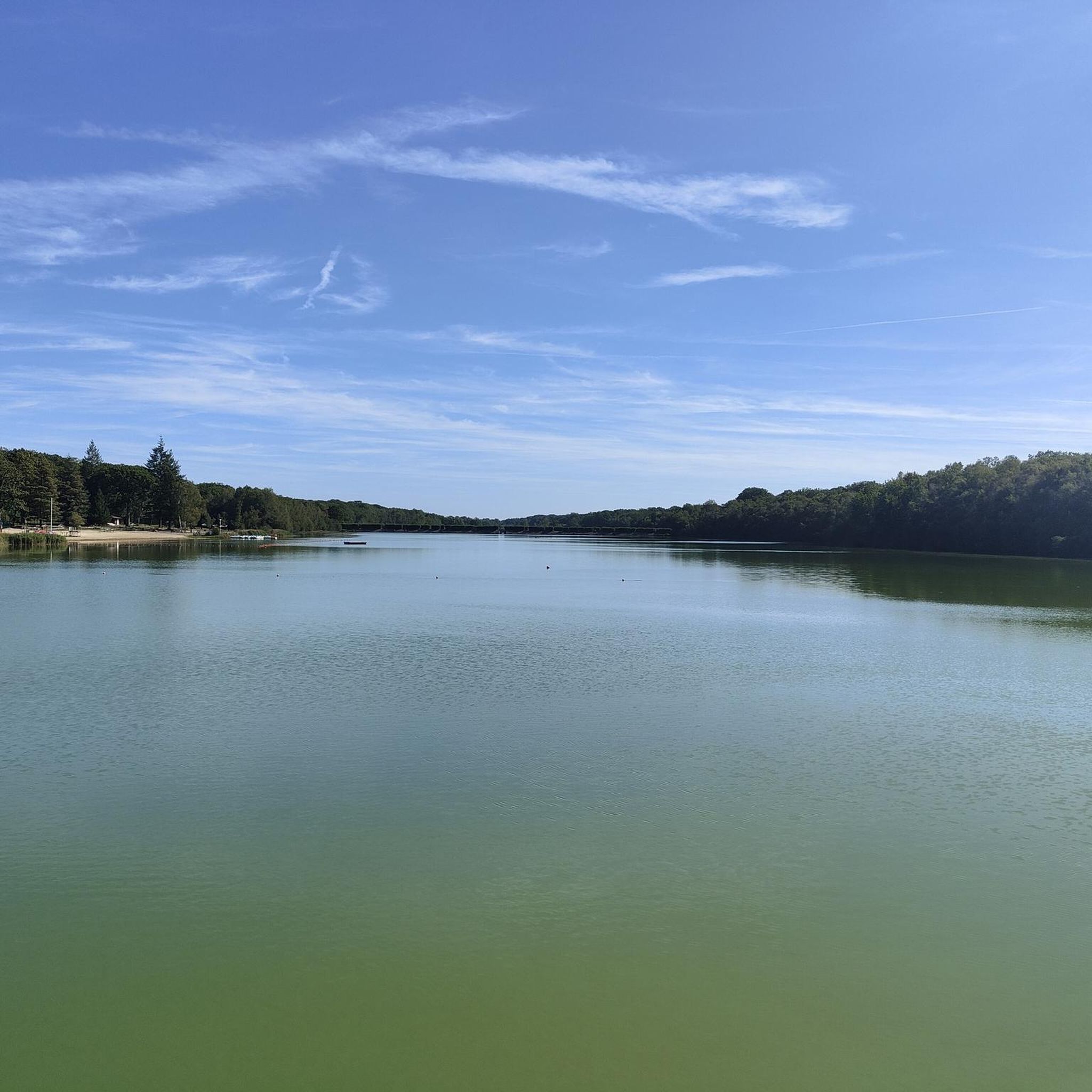
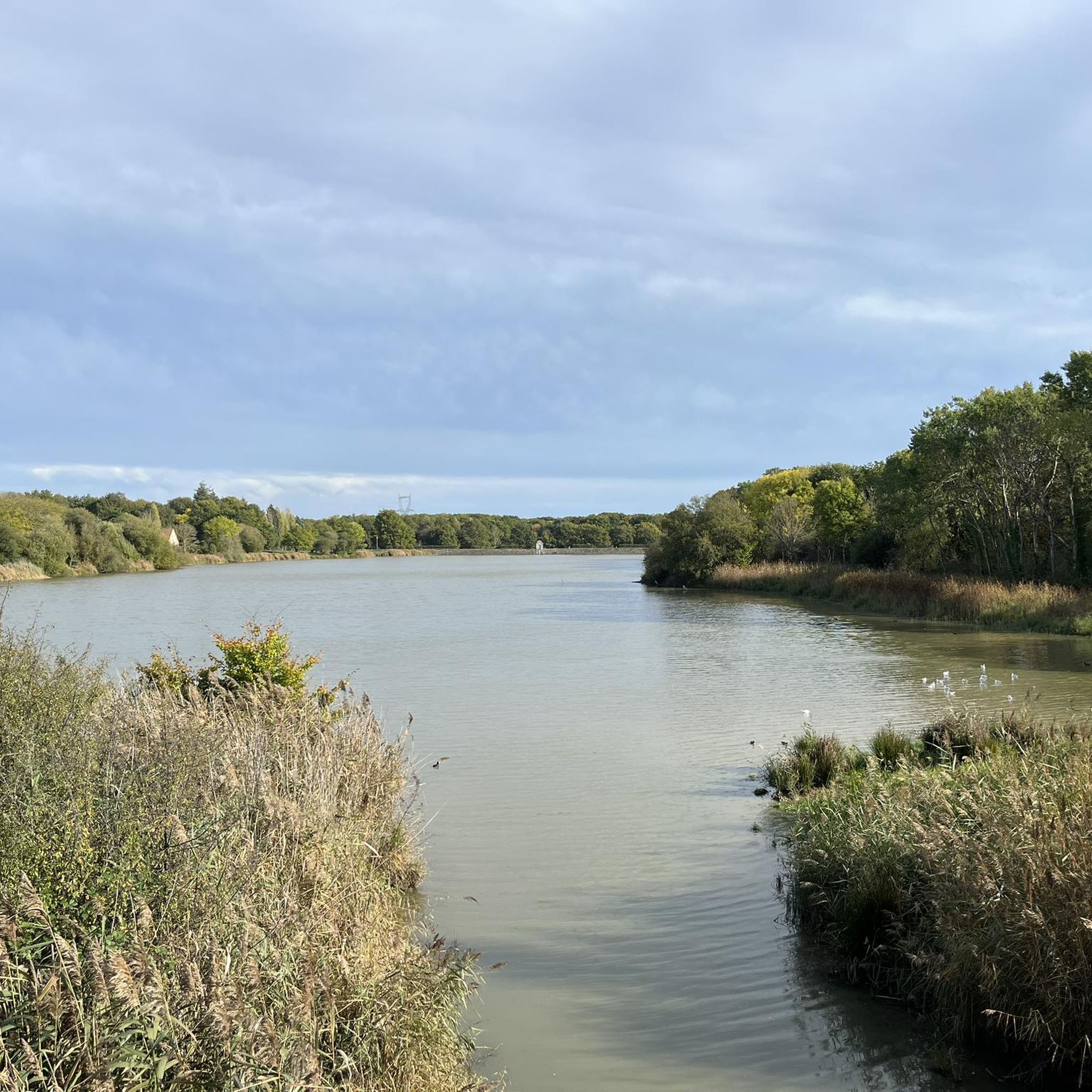
This former retention basin was part of the network that was used to supply water to the Palace of Versailles. Today, it is a beautiful bird sanctuary where it is pleasant to walk.
0
0

Napoleon's bridge crossing the ponds of the Cheuvreuse valley. Very nice place to get some air in the Paris region
1
0
Passing over the Pont Napoléon between the Etangs de Saint-Hubert and de Pourras in the heart of the Cheuvreuse Valley
1
0

At the edge of this road a pond which forms with the forest which surrounds it a protected natural area. Each year, during the thaw (roughly from February to April), a "toadstool" is installed on the road that runs along the pond. But what is a toaddrome exactly? So, it is not a place where one could indulge in clandestine bets on toad races, but a device intended to prevent these poor beasts from being crushed by cars in crossing the road to breed and lay their eggs in the pond on the other side of the road. Indeed, thousands of common toads, but also frogs and newts, begin their long prenuptial migrations around March each year. They go to the nearest pond or pond to breed. Once their duty is done, they leave the aquatic environment to return to their summering areas where they will spend most of their time feeding. In order to avoid a carnage of amphibians on the road, a tarpaulin is planted 600m on each side of the road to block their passage. In various places a hole has been made in which a bucket is buried. By looking for a passage all along the tarpaulin, the toad will inevitably end up at the bottom of a bucket. Every morning, volunteers come to collect toads and other frogs and drop them off on the other side of the road.
1
0

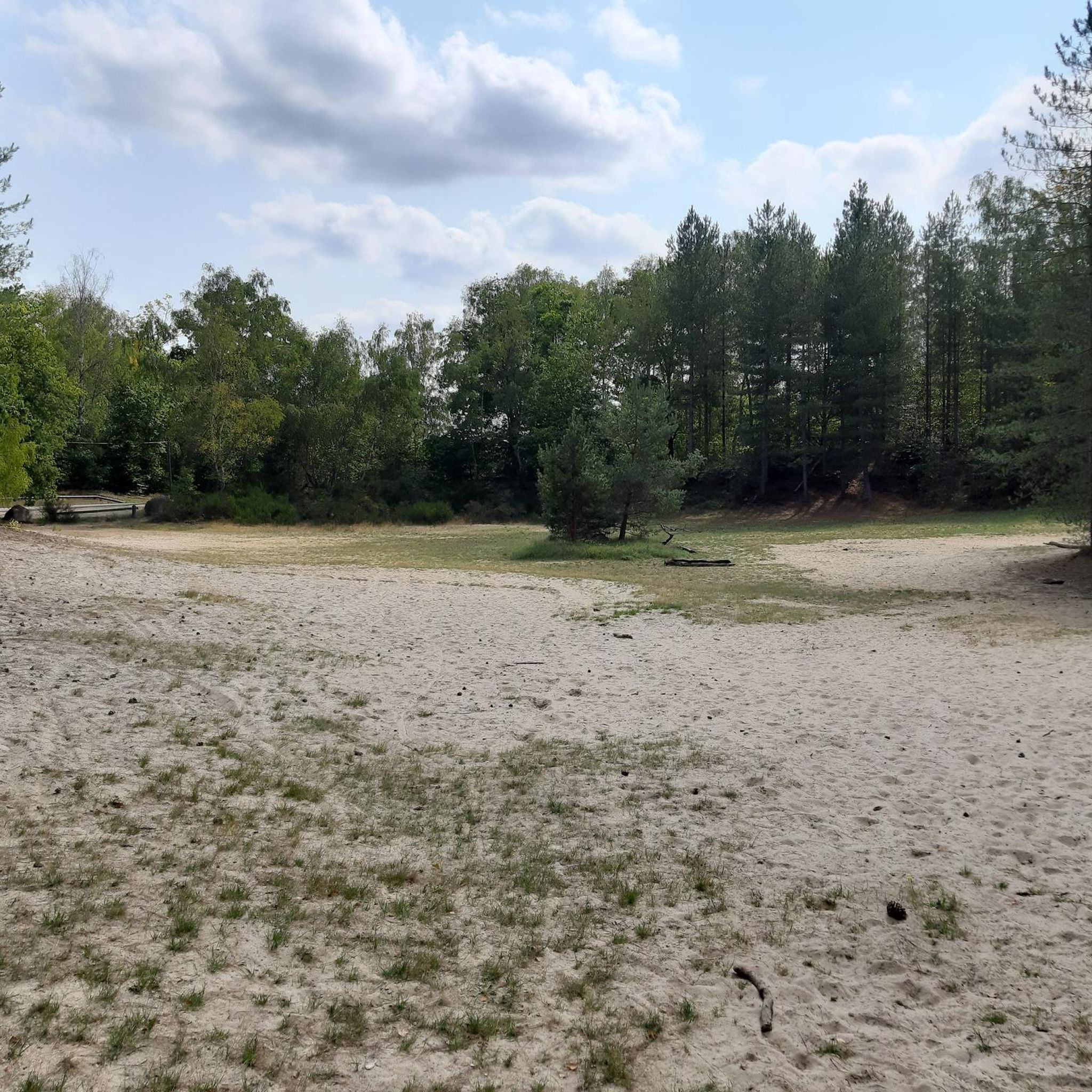
A family and incredible place a few steps from the city center of Rambouillet
0
0

Located at an altitude of 154 meters1, the pond covers an area of 0.8 hectares. The “Ponts-Quentin stream” flows into the Rompu pond — coming from the Holland ponds located about 1 km upstream to the east — and comes out to flow, about ten kilometers further to the west, in the Vesgre, having previously changed its name twice: first under the name of “Etang-Neuf stream” then under that of “Grapelin”. The Ponts-Quentin stream passes under departmental road 138 before flowing into the pond, which justifies the undulation of the road and its bend. The pond is part of the Rambouillet national forest, a private state domain. As such, its management is ensured by the National Forestry Office (ONF). Wikipedia
1
0
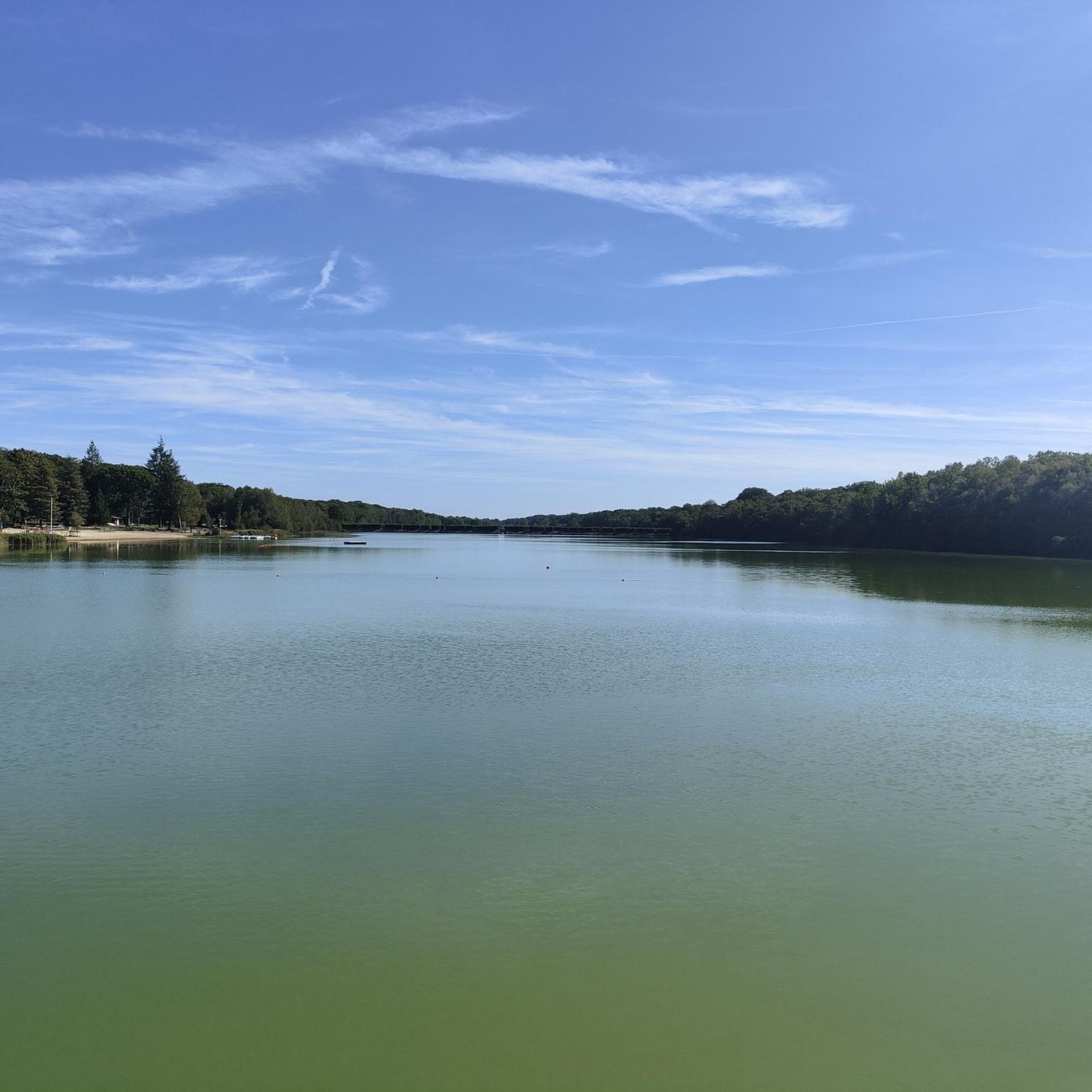
Developed during the reign of Louis XIV, this set of ponds and hydraulic structures was set up under the supervision of the “engineer, architect and hydraulics engineer”: Vauban himself. The 6 ponds, perched at an altitude of 174 meters, had the primary purpose of draining water in order to supply water to the basins of the Domaine de Versailles.
0
0
Frequently Asked Questions
What is the historical significance of the lakes in the Saint-Léger-En-Yvelines area?
Many lakes in the region, such as the Étang de la Tour and Étang de Saint-Hubert, are historically significant. They were part of a hydraulic system built under Louis XIV to supply water to the fountains and basins of the Palace of Versailles. The Étang de la Tour, for instance, is the largest pond in the Rambouillet region and was crucial to this system. You can learn more about the Étang de la Tour's history on Wikipedia.
Are there family-friendly lakes for visitors with children?
Yes, several lakes in the area are suitable for families. Rompu Pond, located within the Rambouillet forest, offers equipped picnic areas and hiking routes that are enjoyable for all ages. The Étang de la Tour also provides outdoor sports activities, hiking, and picnicking on its beaches, making it a great family destination.
What kind of wildlife can be observed around the lakes?
The lakes are rich in biodiversity. The Étang de la Tour is known for its ecological richness, hosting specific flora and various bird species like the Cetti's warbler, great crested grebe, grey heron, and kingfisher. The Mares de Vilpert, old millstone quarry sites, serve as important refuges for amphibians, wild boars, and deer, offering excellent wildlife observation opportunities.
Are there hiking trails near the lakes in Saint-Léger-En-Yvelines?
Absolutely. The region offers numerous hiking opportunities around its lakes. For example, you can find moderate trails like the "Rompu Pond – Ascension Oak loop" from the Forest of Rambouillet. For more options, explore the Hiking around Saint-Léger-En-Yvelines guide, which details various routes suitable for different skill levels.
Can I go fishing in any of the lakes?
Yes, fishing is a popular activity at some of the lakes. Golden Pond, formed by the La Drouette river, is a well-known spot for fishing, surrounded by a scenic green environment.
What is the best time of year to visit the lakes?
The lakes offer beauty throughout the year, but spring and autumn are particularly rewarding. In spring, you can witness the vibrant reflections at Rompu Pond and observe amphibian migrations at Guiperreux Toad Crossing. Autumn brings stunning foliage, enhancing the picturesque landscapes around all the lakes.
Are there any specific natural monuments or protected areas around the lakes?
Yes, the region is home to protected natural areas. The northern part of the Étang de la Tour is slated to become part of the new national nature reserve of the "étangs et rigoles du Roi Soleil." Additionally, the Guiperreux Toad Crossing is a protected natural area, especially important during the amphibian migration season.
What other outdoor activities are available near these lakes?
Beyond hiking, the area around Saint-Léger-En-Yvelines offers various outdoor activities. You can find mountain biking trails, such as the "Hollande Pond – Vilpert Ponds loop," and running routes like the "Étang de Hollande loop." For more details on these activities, refer to the MTB Trails around Saint-Léger-En-Yvelines and Running Trails around Saint-Léger-En-Yvelines guides.
Are the lakes accessible by public transport or is parking available?
While specific public transport details for each lake vary, many are located within the Rambouillet forest, which has some accessibility points. For those driving, parking is generally available near popular spots. For example, the Étang de la Tour is well-known and typically has visitor access. It's advisable to check local information for specific parking areas for individual lakes.
Can I bring my dog on walks around the lakes?
Many trails and natural areas around the lakes are dog-friendly, especially within the Rambouillet forest. However, it's always recommended to keep dogs on a leash to protect local wildlife and ensure a pleasant experience for all visitors. Specific regulations might apply in certain protected zones, so look for signage.
What makes the Étangs de la Mauldre unique?
The Étangs de la Mauldre, formed by the Mauldre river, are ecologically important. The river system has undergone renaturation efforts to enhance aquatic life, including diverse fish species like brown trout and eels, and to mitigate flooding. While not directly in Saint-Léger-en-Yvelines, they offer a chance to explore a vital local ecosystem.
Are there any cafes or restaurants near the lakes?
While the immediate vicinity of some lakes, especially those deep within the forest, might not have direct cafes, the commune of Saint-Léger-en-Yvelines and nearby towns offer dining options. Many visitors choose to bring picnics to enjoy at the designated areas around lakes like Rompu Pond or the Étang de la Tour.
Most popular routes around Saint-Léger-En-Yvelines
Most popular attractions around Saint-Léger-En-Yvelines

Get inspired with the komoot mobile app


Explore more
Still not found your perfect lake around Saint-Léger-En-Yvelines? Check out the guides of these regions to see even more beautiful places.
