Top 5 Castles around Schönenburg
Best castles around Schönenburg are found in a region rich in history, primarily situated near the French-German border in Alsace. This area is characterized by its historical fortifications and diverse architectural remnants. The landscape features river valleys and strategic elevated positions, which historically supported the construction of defensive structures. Visitors can explore a range of historical sites, from medieval ruins to more recent fortifications.
Best castles around Schönenburg
- The most popular castles is View of Château du Langenberg, a…
Last updated: November 21, 2026
Ruins of Moulin Saint Rémy and Trimmichmuehl Mill
Highlight • Historical Site
11th century (before 1349)
Date of protection: 03.11.1989
Description: Former Niederungsburg, approximately trapezoidal structure with at least three round corner towers, remains of a trapezoidal hall building. …
Translated by Google •
Tip by

Wissembourg Fortifications and Powder Tower
Highlight • Historical Site
Translated by Google •
Tip by

Sign up now to discover places like this
Get recommendations on the best single tracks, peaks, & plenty of other exciting outdoor places.
Chateau le Bel Lampertsloch
Highlight • Castle
Translated by Google •
Tip by

View of Château du Langenberg
Highlight • Viewpoint
Translated by Google •
Tip by

Start today with a free account
Your next adventure awaits.

Tips from the Community

Unfortunately, the Le Bel family's estate is already quite run-down. They have been driving oil production around Pechelbronn for 4 generations since the 18th century.
0
0

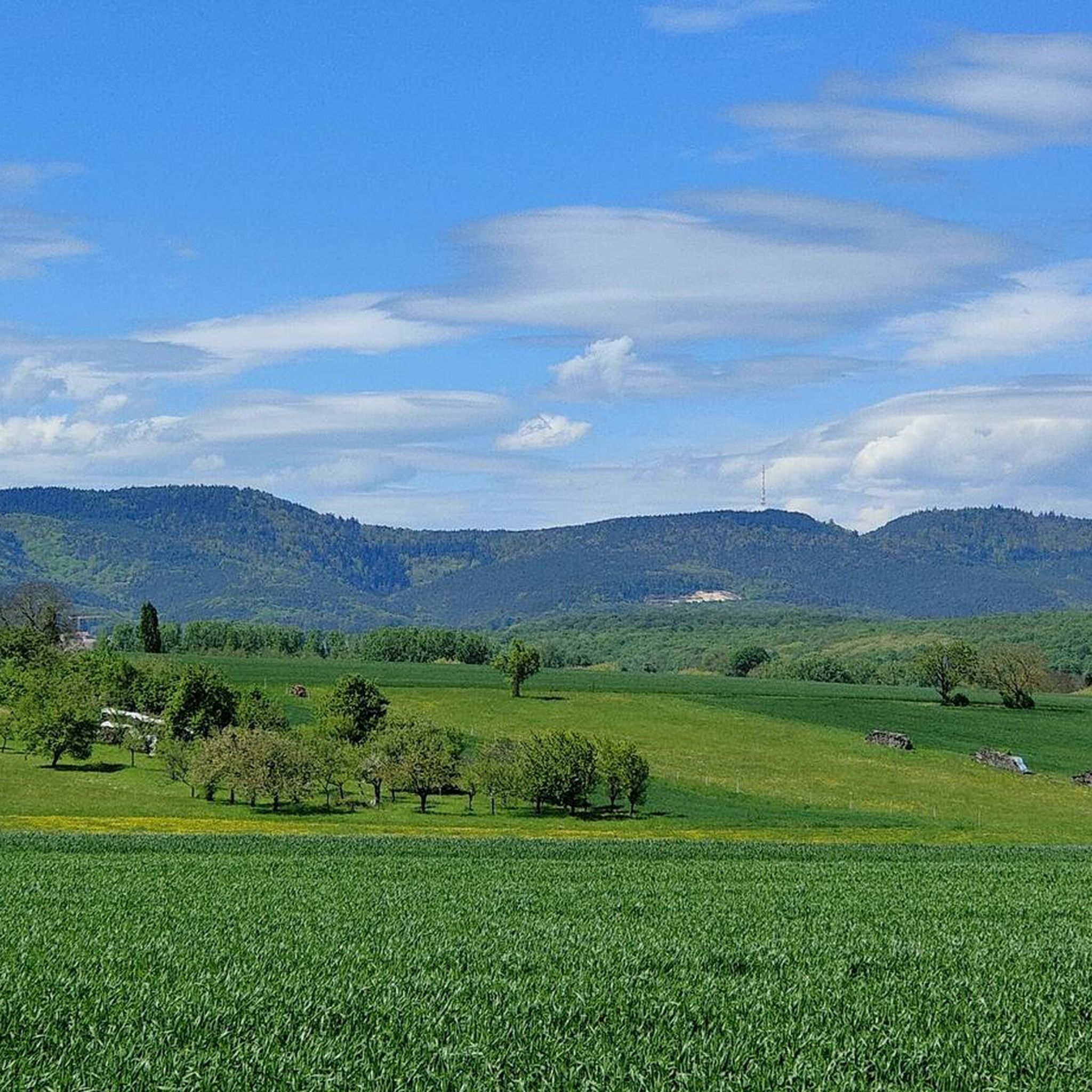
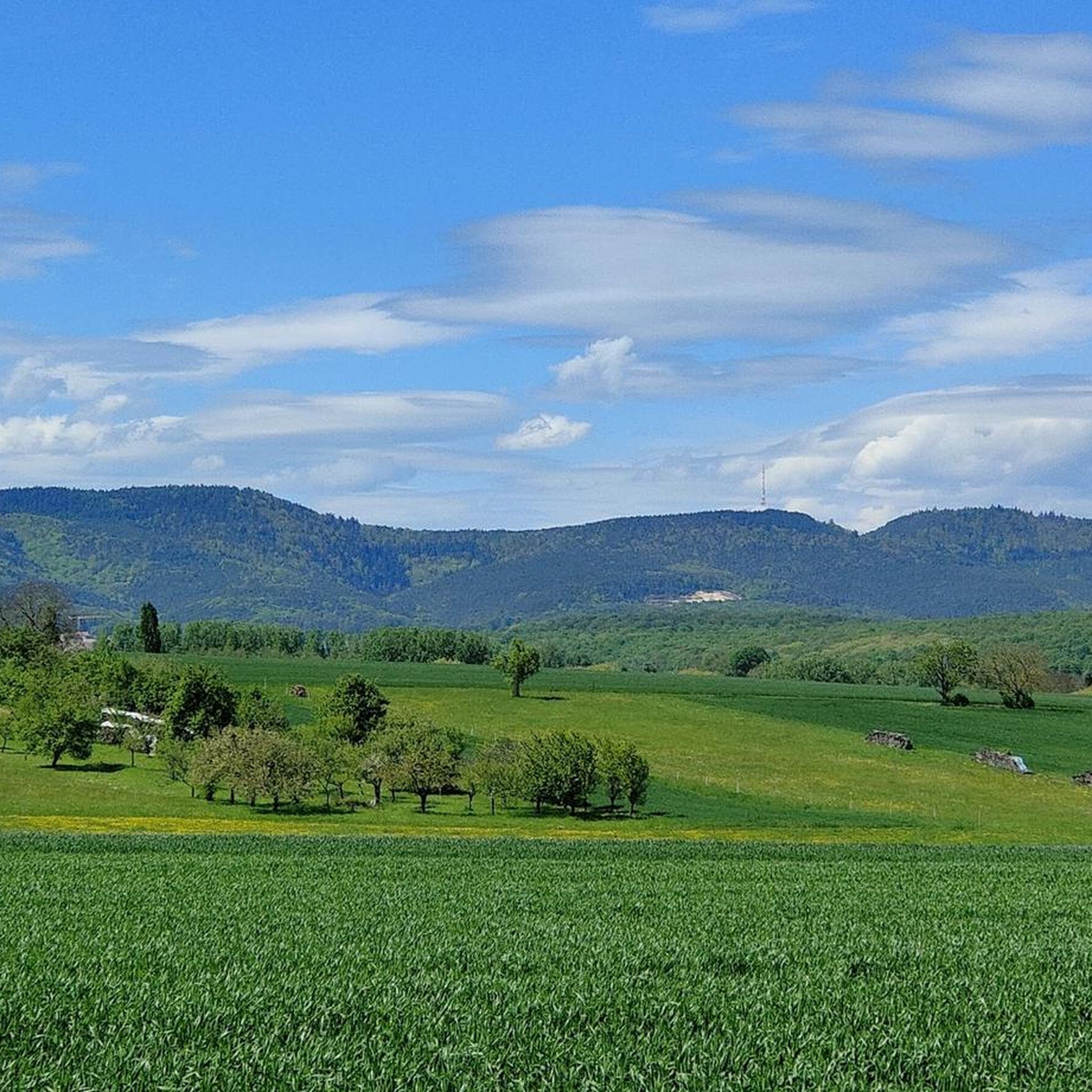
Beautiful view down into the Lauter valley.
0
0

The Lauter Bridge is right next to it. The German text on the information board is somewhat misleading (20 km long bridge). Please compare it with the English or French text.
1
0

An impressive property – it would need to have a function to make restoration worthwhile. Nevertheless, it's a shame to consider its current condition. Apart from the house at the entrance, which once housed a pizzeria, nothing has really been restored.
0
0

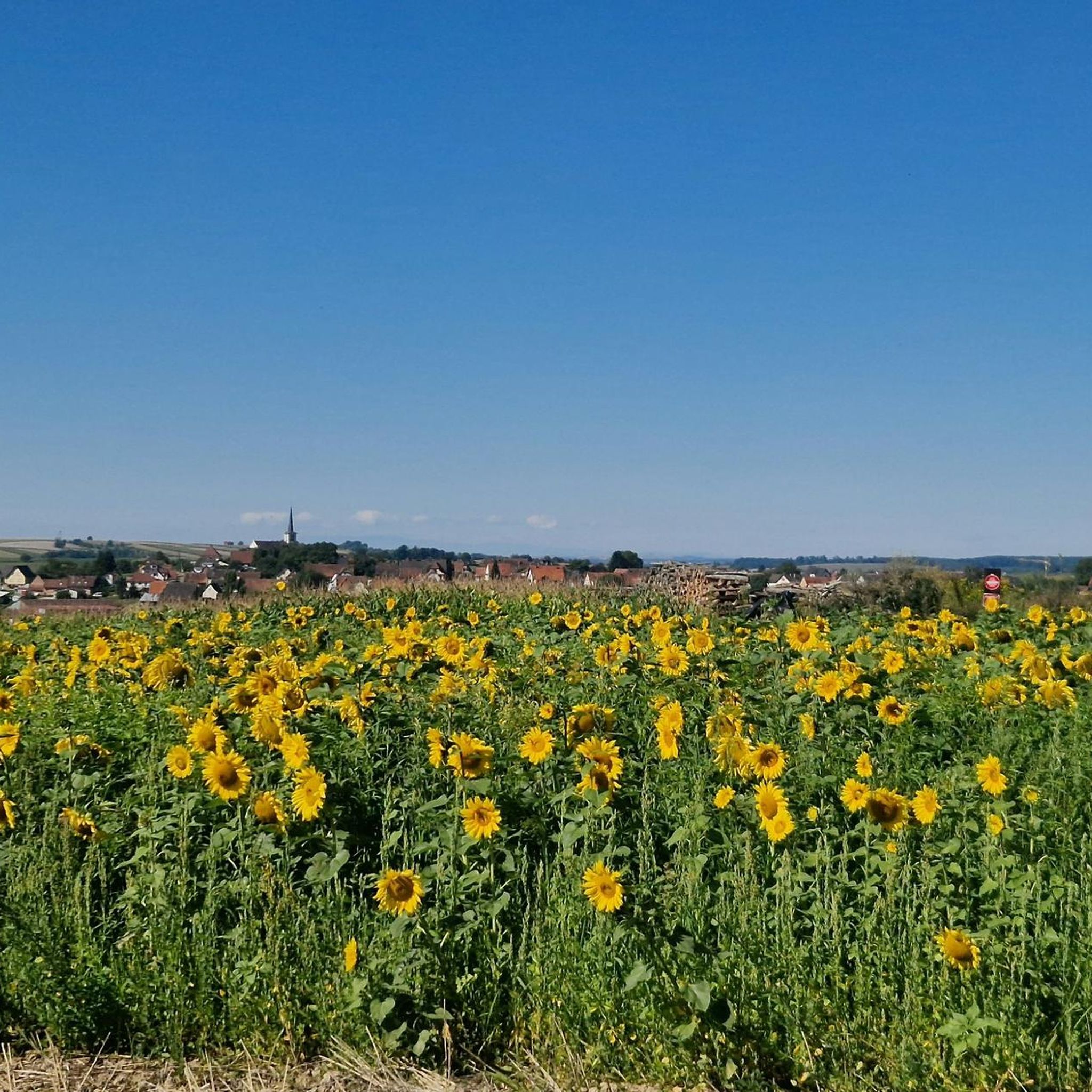
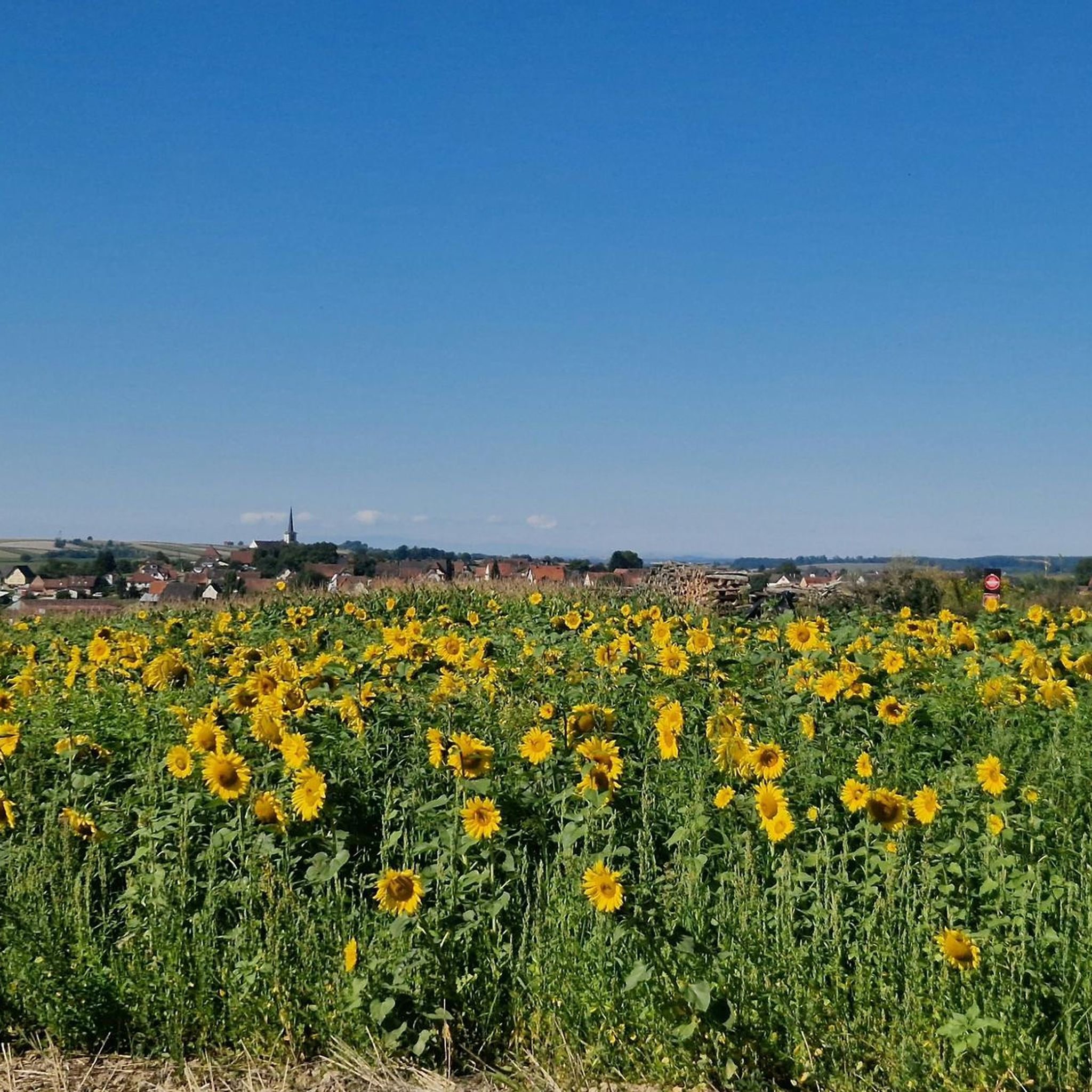
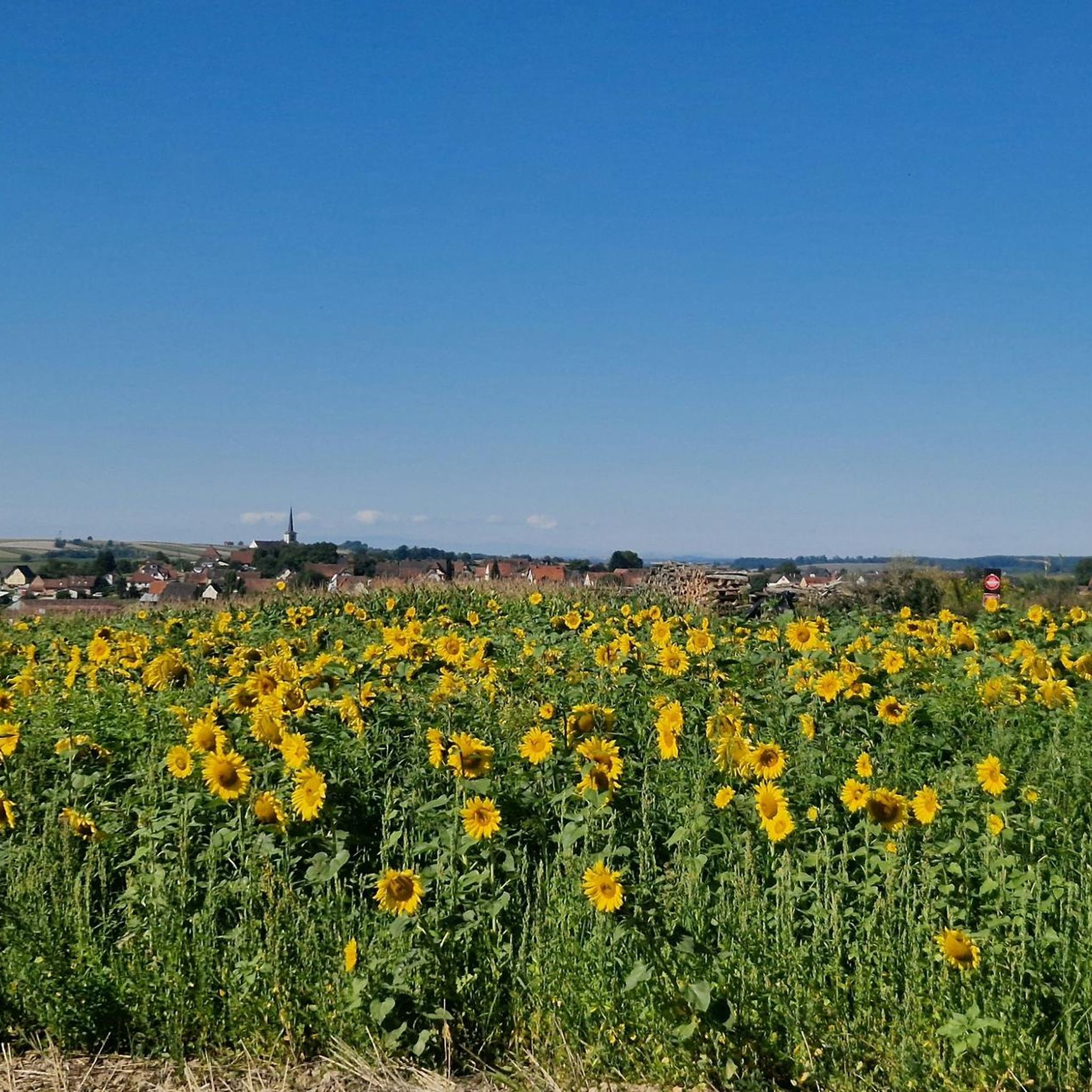
There was once a mill at the site near the Lauter, of which only the remains of the mill canal and the foundation walls can be seen. There was a castle a little further south: Trimmich was the eastern castle located in all directions of Weißenburg. There was also a mill there on the Lauter until German soldiers reduced the place to rubble in 1939. There is almost nothing left of either. But some foundation walls can be made out in the thicket.
4
1
Parts of the old fortifications with the powder tower. Wissembourg (the monastery) has been on a border since the 7th century. Today the fortifications are in the middle of Europe.
2
4

Part of the historic city fortifications
3
1
Trimmich was the eastern outpost located in all directions of Weißenburg. There was also a mill there on the Lauter until German soldiers reduced the place to rubble in 1939. There is almost nothing left of either. But some foundation walls can be made out in the thicket. The better time to explore there extensively is winter, when there are no nettles. At this point you come to the castle grounds.
3
2
Frequently Asked Questions
Where are the castles around Schönenburg located?
The castles and historical sites featured in this guide are primarily located in the region near the French-German border in Alsace. This area is known for its historical fortifications and diverse architectural remnants, situated in river valleys and strategic elevated positions.
What are some notable castles and historical sites to visit around Schönenburg?
You can explore several interesting sites, including the View of Château du Langenberg, which offers panoramic views over the Lautertal near Wissembourg. Another significant site is the Wissembourg Fortifications and Powder Tower, part of the historic city defenses. For those interested in ruins, the Ruins of Trimmich Castle offer a glimpse into a former eastern outpost, with some foundation walls still visible.
Are there family-friendly castles or activities around Schönenburg?
Yes, several sites are suitable for families. The Wissembourg Fortifications and Powder Tower is categorized as family-friendly, offering an engaging historical walk. The View of Château du Langenberg also provides a nice spot for families to enjoy the scenery, complete with picnic benches.
What kind of history do the castles around Schönenburg represent?
The castles and fortifications in this region reflect a rich and varied history, primarily from the medieval period through later centuries. They include castle ruins, fortifications, and even historical farm castles, showcasing different architectural styles and strategic importance over time. For example, the Chateau le Bel Lampertsloch, though a 19th-century farm castle, stands on a site with pre-Revolutionary history and played a role in the region's early oil exploitation and agricultural chemistry.
What outdoor activities can I do near the castles around Schönenburg?
The area around Schönenburg offers various outdoor activities. You can find numerous hiking trails, including easy and moderate routes like the 'Maginot Line armored dome – BLOCK 8 Team entrance loop from Schœnenbourg'. There are also running trails and gravel biking routes for more adventurous exploration of the surrounding landscape.
Are there good viewpoints to see the castles or the surrounding area?
Yes, the View of Château du Langenberg is specifically highlighted as a viewpoint offering a beautiful perspective over the Lautertal near Wissembourg. It's a great spot to appreciate the landscape where many of these historical structures are situated.
What is the best time of year to visit the castles around Schönenburg?
While specific seasonal recommendations for all castles are not available, visiting during milder weather in spring or autumn generally provides comfortable conditions for exploring ruins and walking trails. For sites like the Ruins of Trimmich Castle, winter might be a better time to explore extensively, as the thicket is less dense without nettles.
Are there any unique or 'hidden gem' historical sites in the area?
The Chateau le Bel Lampertsloch is a unique site. While not a traditional medieval castle, it's a historical farm castle from 1805 that was central to the region's pioneering oil exploitation and agricultural chemistry. Although currently quite run-down, it represents an exceptional scientific and industrial Alsatian adventure.
Can I find hiking trails that offer circular walks around the castles?
Yes, the region provides various circular routes. For instance, you can find hiking guides that include loops like the 'Maginot Line armored dome – Schoenenbourg Fort loop from Hunspach' or the 'BLOCK 8 Team entrance – Maginot Line armored dome loop from Schœnenbourg', allowing you to explore the historical landscape comprehensively.
What do visitors enjoy most about the castles and sites around Schönenburg?
Visitors appreciate the rich historical context and the opportunity to explore diverse structures, from well-preserved fortifications to intriguing ruins. The scenic views, especially from spots like the View of Château du Langenberg, are also highly valued. The komoot community has shared 4 photos and given 18 upvotes, indicating a positive experience with the historical and natural beauty of the area.
Is there parking available near the castles?
While specific parking details for every site are not provided in the guide, historical sites and viewpoints in such regions typically have designated parking areas nearby, especially for popular spots. It is advisable to check local signage or specific site information upon arrival.
Most popular routes around Schönenburg
Most popular attractions around Schönenburg

Get inspired with the komoot mobile app


Explore more
Looking for the best castles somewhere else? Discover other guides around Schönenburg:
