Top 3 Castles around Sanry-Sur-Nied
Best castles around Sanry-Sur-Nied are situated in the Nied valley, a region characterized by its historical significance and varied landscape. The area, part of the wider Moselle department, features a mix of agricultural land and riverine environments. This setting provides a backdrop for numerous historical structures, including fortified farms and classical châteaux.
Best castles around Sanry-Sur-Nied
- The most popular castles is Fort de Queuleu, a historical site that was built in 1868 and later improved. It is maintained as…
Last updated: October 11, 2026
Fort de Queuleu
Highlight (Segment) • Historical Site
Translated by Google •
Tip by

Ferme de la Haute-Bevoye
Highlight • Castle
Translated by Google •
Tip by

Sign up now to discover places like this
Get recommendations on the best single tracks, peaks, & plenty of other exciting outdoor places.
Pange Castle
Highlight • Castle
Translated by Google •
Tip by

Mercy Castle
Highlight • Castle
Translated by Google •
Tip by
Landon-Villers Castle
Highlight • Other
Translated by Google •
Tip by

Start today with a free account
Your next adventure awaits.

Tips from the Community

Two farms were located on the old path between Metz and Peltre, the Haute Bévoye and the Basse Bévoye. The Haute Bévoye, on a hill, is a fortified farm documented from the early 14th century. In 1404, it belonged to "Jehan Xaippey", i.e. Jean de Raigecourt, known as Xappel; 12 cattle and 8 horses were raised there at the time. In addition to an 18th-century dwelling and farm buildings, the layout of the medieval castle remains legible, with four rectangular wings surrounded by a moat; two wings and three towers recall the initial state. https://melodi.univ-lorraine.fr/s/projet-cite-de-metz/item/2973
1
0

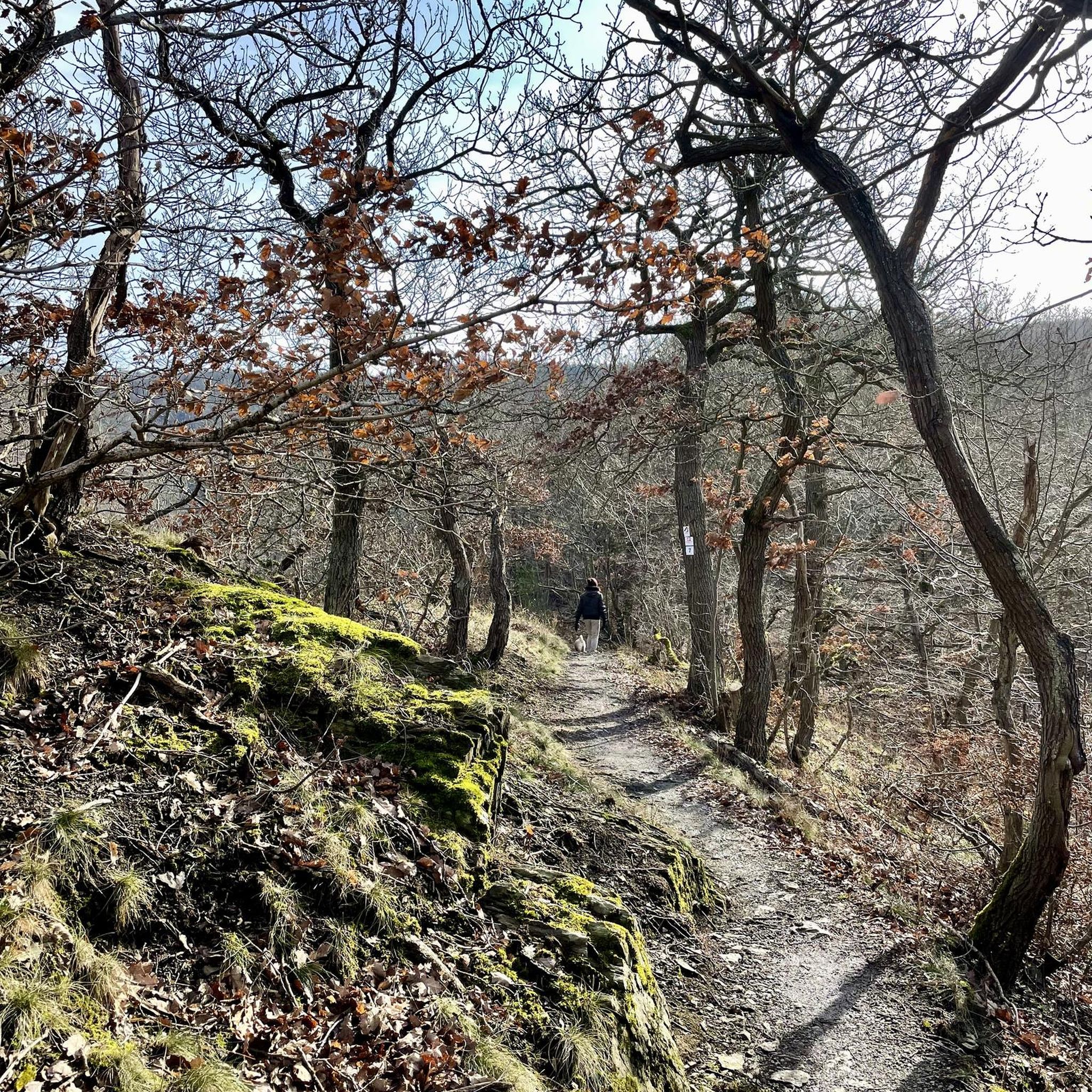
The fort is still maintained as a historical memorial. The inner fortress is actually more of a small park - with playgrounds and picnic areas. The still recognizable building ruins serve as a refuge for bats. The very extensive area around it is surrounded by hiking trails, the fortress walls and, above all, the deep defensive ditch are always present.
2
0

beautiful walk starting from the Col de Lessy
1
0

Here you will find many benches and rubbish bins
0
0

Built by the French in 1868. Improved by the Germans in the 1870s. This fort is a marvelous curiosity. Among the trees, it now has a mystical quality.
3
0

The castle used to be a breathtaking gem and lived up to its purpose - a kind of architectural resistance against the German occupation. It is currently completely run down and is more reminiscent of a lost place. Apparently it was sold in 2021 to a Nancy-based company that wants to refurbish it (along with the chapel) and develop it into residential and commercial units. As of now (June 2023) not much seems to have happened.
1
0

Erected in 1905, the Château de Mercy was built in response to the architectural shift in the region under German occupation. It is thus possible to admire its clearly French style.
3
0
Frequently Asked Questions
Which castles can I visit near Sanry-sur-Nied?
The region around Sanry-sur-Nied offers a variety of castles to explore. Notable options include the classical 18th-century Pange Castle with its remarkable gardens, the historic Fort de Queuleu which is now a memorial and park, and the unique Ferme de la Haute-Bevoye, a fortified farm with medieval origins. Other significant sites include Château Saint-Sixte in Freistroff, Château d'Urville, and Château de Lagrange.
What are some historically significant castles in the region?
For historical depth, consider Fort de Queuleu, built by the French in 1868 and improved by the Germans, serving as a World War II memorial site. The Ferme de la Haute-Bevoye is a fortified farm documented from the early 14th century. Château Saint-Sixte in Freistroff has origins dating back to the 12th century, with its current structure rebuilt in the 16th century using local pink sandstone, featuring unique architectural elements like 'creeping' windows. Château de Lagrange, an 18th-century château, stands on the ruins of an earlier fortress.
Are there family-friendly castles to visit?
Yes, Fort de Queuleu is particularly family-friendly. The inner fortress area functions as a small park with playgrounds and picnic areas, and the extensive grounds are surrounded by hiking trails. Additionally, Château d'Urville, which houses a regional agricultural school, features a medieval garden created by its students, offering an interesting educational experience for families.
Can I combine a castle visit with outdoor activities?
Absolutely. Many castles are situated amidst beautiful natural landscapes, perfect for outdoor activities. For example, the area around Fort de Queuleu has extensive hiking trails. You can also find various cycling routes that pass by castles, such as the "Landon-Villers Castle – Pange Castle loop" or the "Fort Queuleu – Mercy Castle loop." Explore more options in the Cycling around Sanry-Sur-Nied guide or the Gravel biking around Sanry-Sur-Nied guide.
Which castles have notable gardens or parks?
Pange Castle is renowned for its splendid park and gardens, which were redesigned by landscapist Louis Benech and are part of the 'Jardins sans limites' cross-border network. Château d'Urville also features a medieval garden at the foot of its dovecote, created by the students of the regional agricultural and horticultural high school located there.
Are there any castles with unique architectural features?
Château Saint-Sixte in Freistroff is architecturally significant, rebuilt between 1536 and 1546 primarily with local pink sandstone. It features an oval shape around a central courtyard and corner towers, some of which boast rare and original 'creeping' windows. Landon-Villers Castle, rebuilt in 1873, displays characteristic styles of German art, including Romanesque, late Gothic, Renaissance, Wilhelminian, and Jugendstil.
Can I visit castles that are still privately owned?
Yes, some castles remain privately owned but offer visitor access. Pange Castle is still family-owned and attracts an average of 50 visitors per day from May to October. Landon-Villers Castle, while privately owned, allows group visits to admire its icon collection by prior registration. Château de Lagrange also offers guided tours on specific days from April to October.
What is the best time of year to visit the castles?
The period from May to October is generally ideal for visiting castles in the region, especially for those with gardens like Pange Castle, which is open during these months. Guided tours for Château de Lagrange are also available from April to October. During these months, the weather is typically pleasant for exploring outdoor grounds and gardens.
Are there any castles that host art exhibitions or cultural events?
Château d'Urville hosts an art trail with around ten renewed works annually, offering a blend of history and contemporary art. Pange Castle is entrusted to an association aiming to make it a house of arts, encounters, and cultures, indicating its role in cultural events.
Where can I find more information about Château Saint-Sixte?
For more details on Château Saint-Sixte in Freistroff, including its history and visitor information, you can refer to the Thionville Tourisme website: thionvilletourisme.fr.
What can I expect from a visit to Courcelles-sur-Nied Castle?
Courcelles-sur-Nied Castle is a classic private château featuring a moat and a drawbridge, with origins described as a small moated castle in 1681. It underwent transformations in the 17th century and is considered a historic monument for its architecture. While privately owned, its exterior and historical significance make it a notable landmark in the area.
Most popular routes around Sanry-Sur-Nied
Most popular attractions around Sanry-Sur-Nied

Get inspired with the komoot mobile app


Explore more
Looking for the best castles somewhere else? Discover other guides around Sanry-Sur-Nied:
